
NOTES FOR MANIFESTACIÓN
Something I have noticed at Juliana Lafitte and Manuel Mendanha’s shows is that their works make people want to talk. Exclamations, interpretations, discoveries. After a dazzled and speechless moment, we all seem suddenly to have something to say.
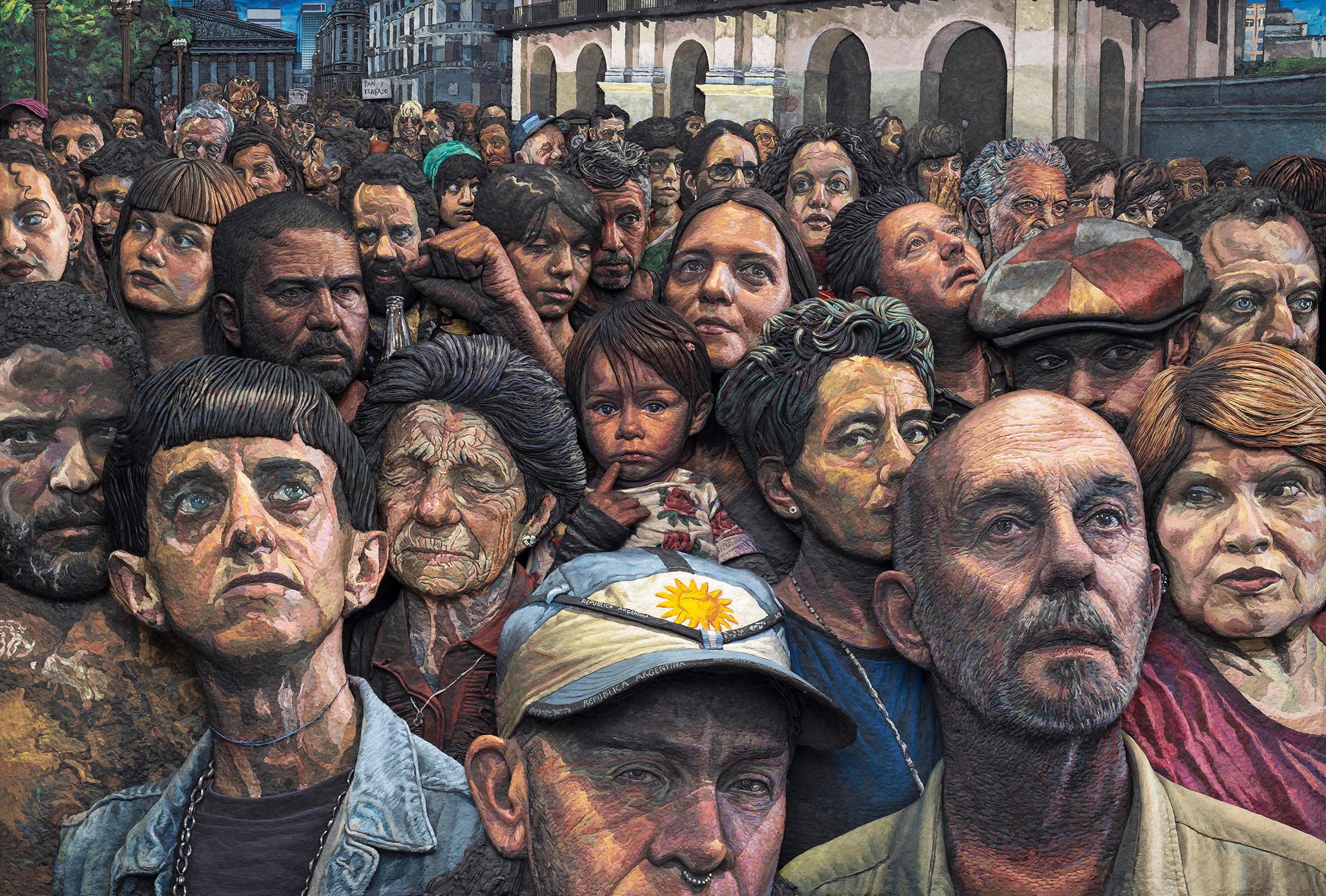
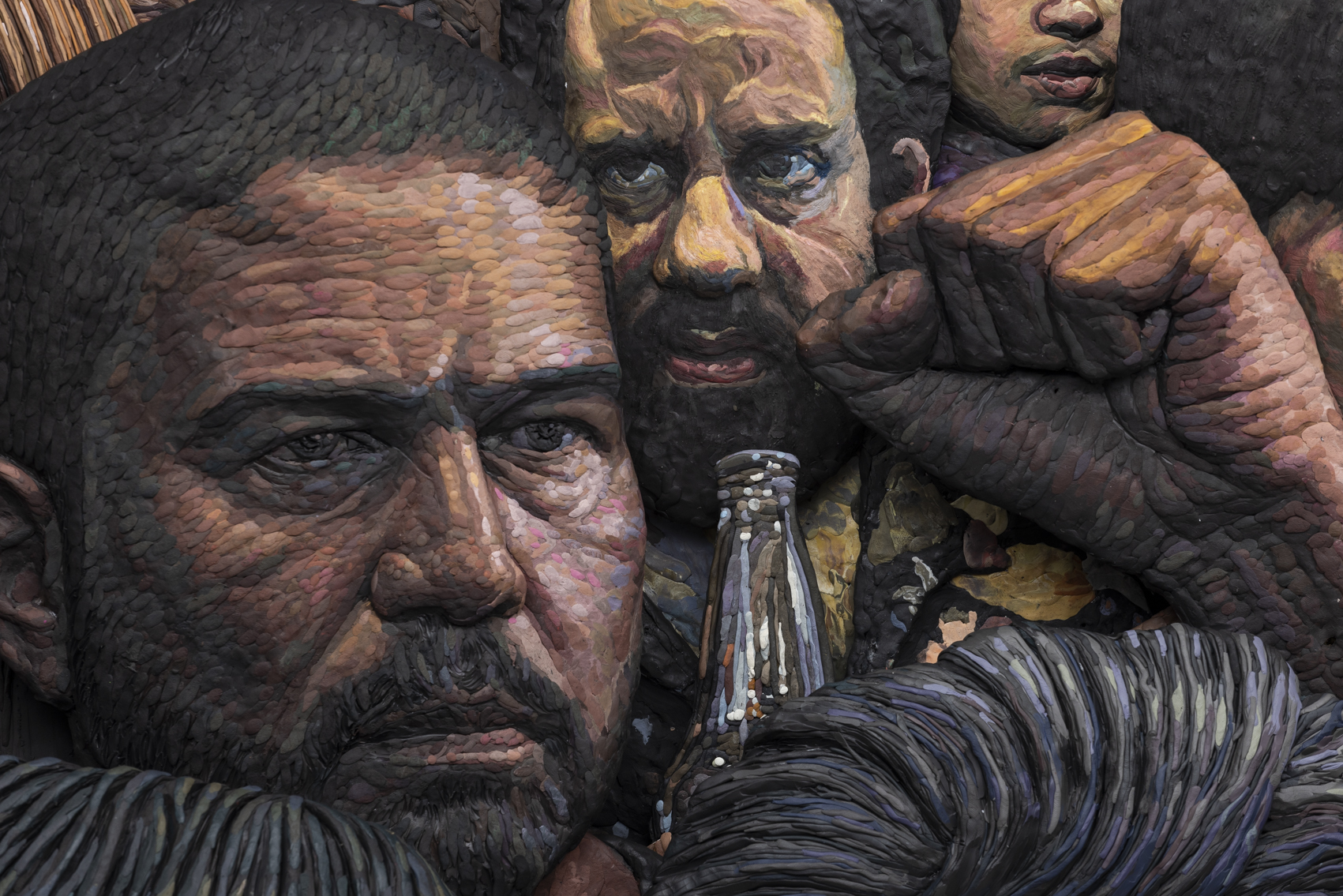
I went to their studio to see Manifestación, and the word I used was “recreation.” “It is not a recreation,” Juliana told me. “It’s a cover,” Manuel added.
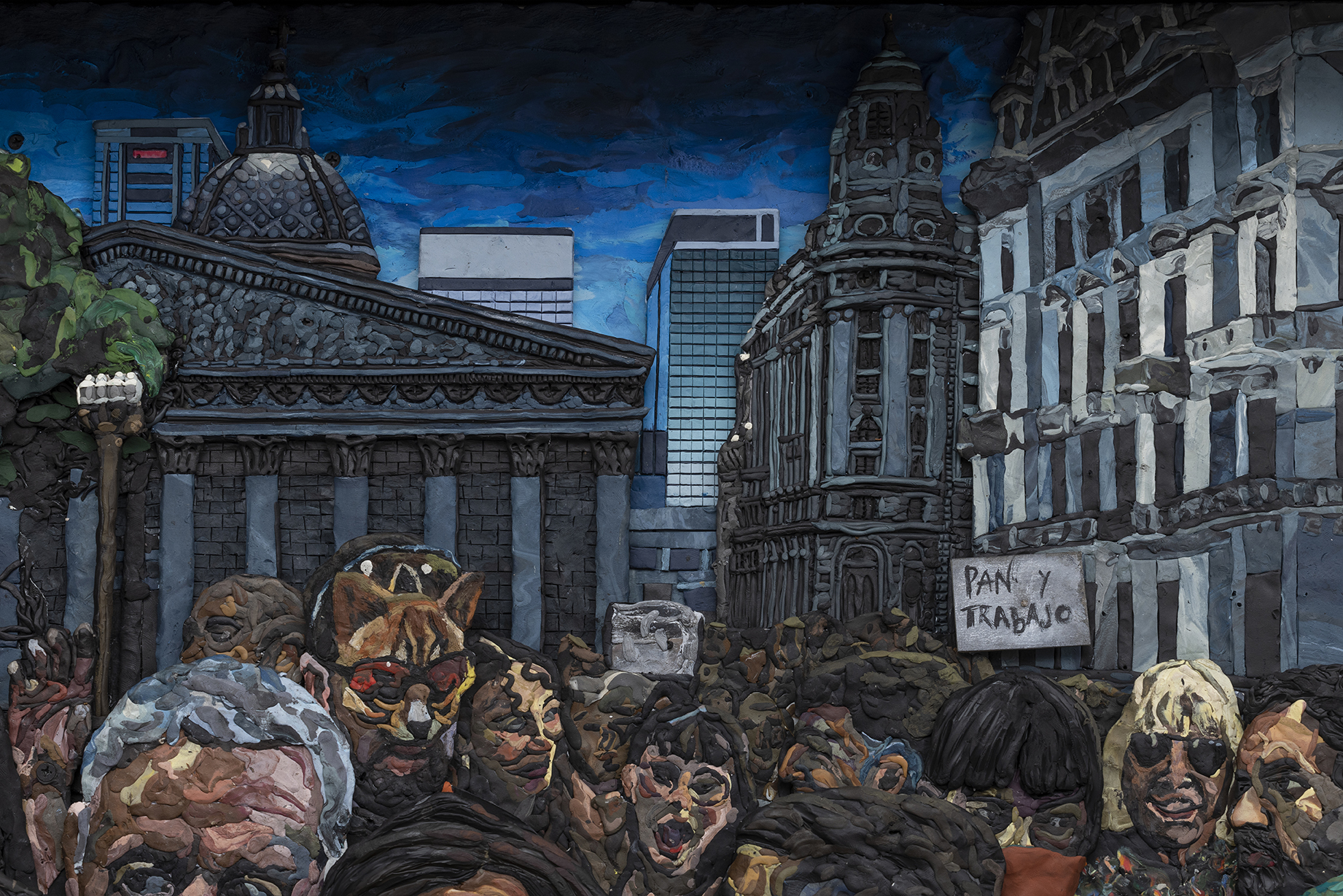
In short order, they put an enlarged photo of their work next to a photo of the same size of Berni’s Manifestación. The effect took me aback: The inverted vanishing line in Juliana and Manuel’s Manifestación made their protesters and Berni’s converge at a single point, like columns of political organizations converging to protest at a public square.
Juliana and Manuel’s square is Plaza de Mayo. Berni’s is in Rosario.
It is a mirrored cover. Put Juliana and Manuel’s Manifestación next to Berni’s and follow the perspective lines—in the first, from the lower–right corner to the upper–left corner, and in the second from the lower–left corner to the upper–right corner: The columns draw the V for Victory.
The taxing, relentless work, the care in the building, the additions, the fine–tuning, the precision with which this work manifests its camaraderie with that other work is grounded in a set of shared procedures whose names seem like titles of essays: “photography as note,” “the iconographic tradition,” “technical choices,” “the exploration of meanings,” “the construction of genealogies,” “formal experimentation.”
And if the works are friends, naturally the artists are as well! Berni painted Manifestación ninety years ago. Ninety is the combined age of Juliana and Manuel. They could almost go on an outing together! Juli Lafitte, Manu Mendanha, and Toni Berni. In any case, Juliana and Manuel give Berni’s Manifestación another life. They inject it with new energy: the shadow of the imminent.
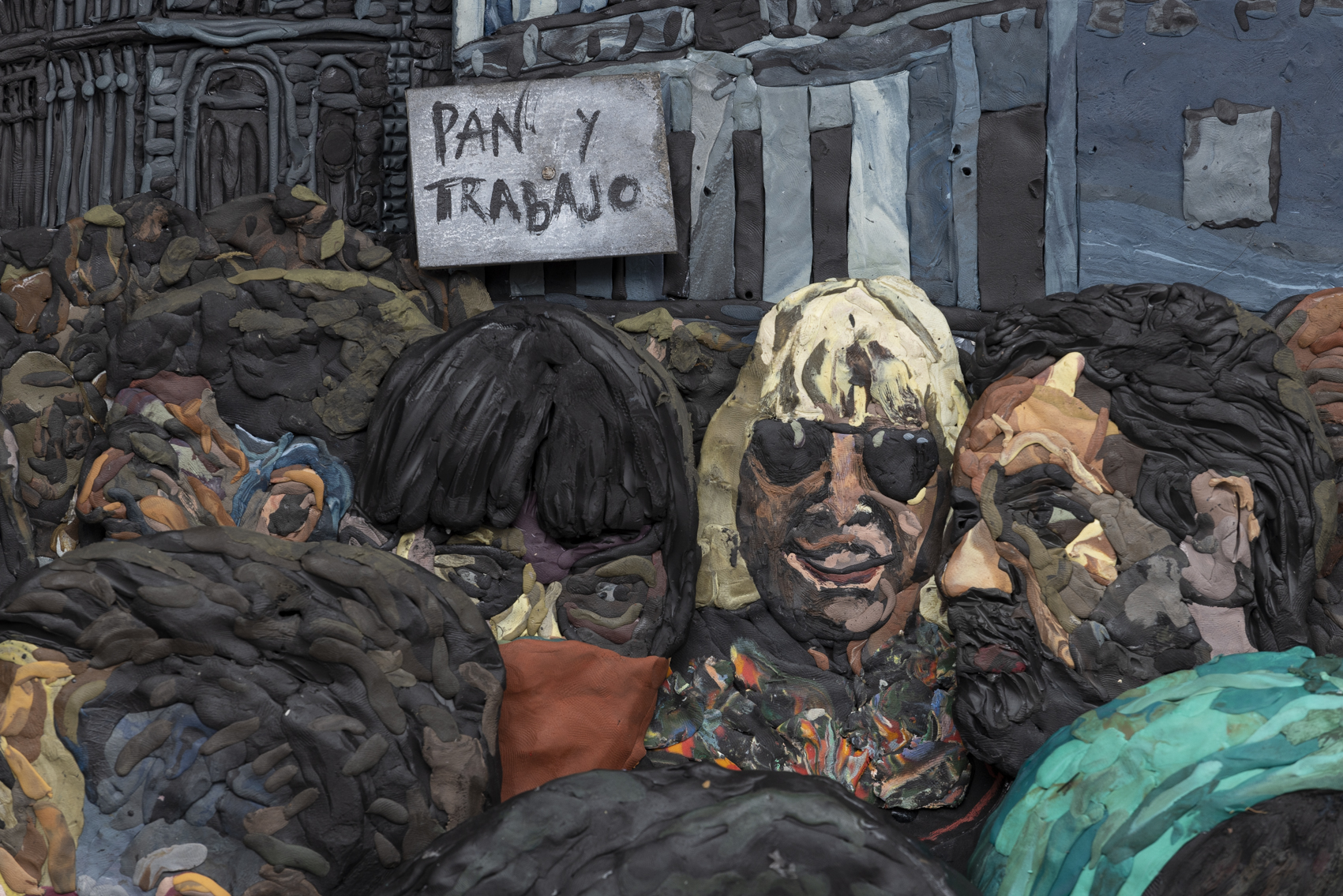
Pan y Trabajo (bread and work) is the slogan on the only poster in sight. To hold up a poster like that one takes a crowd.
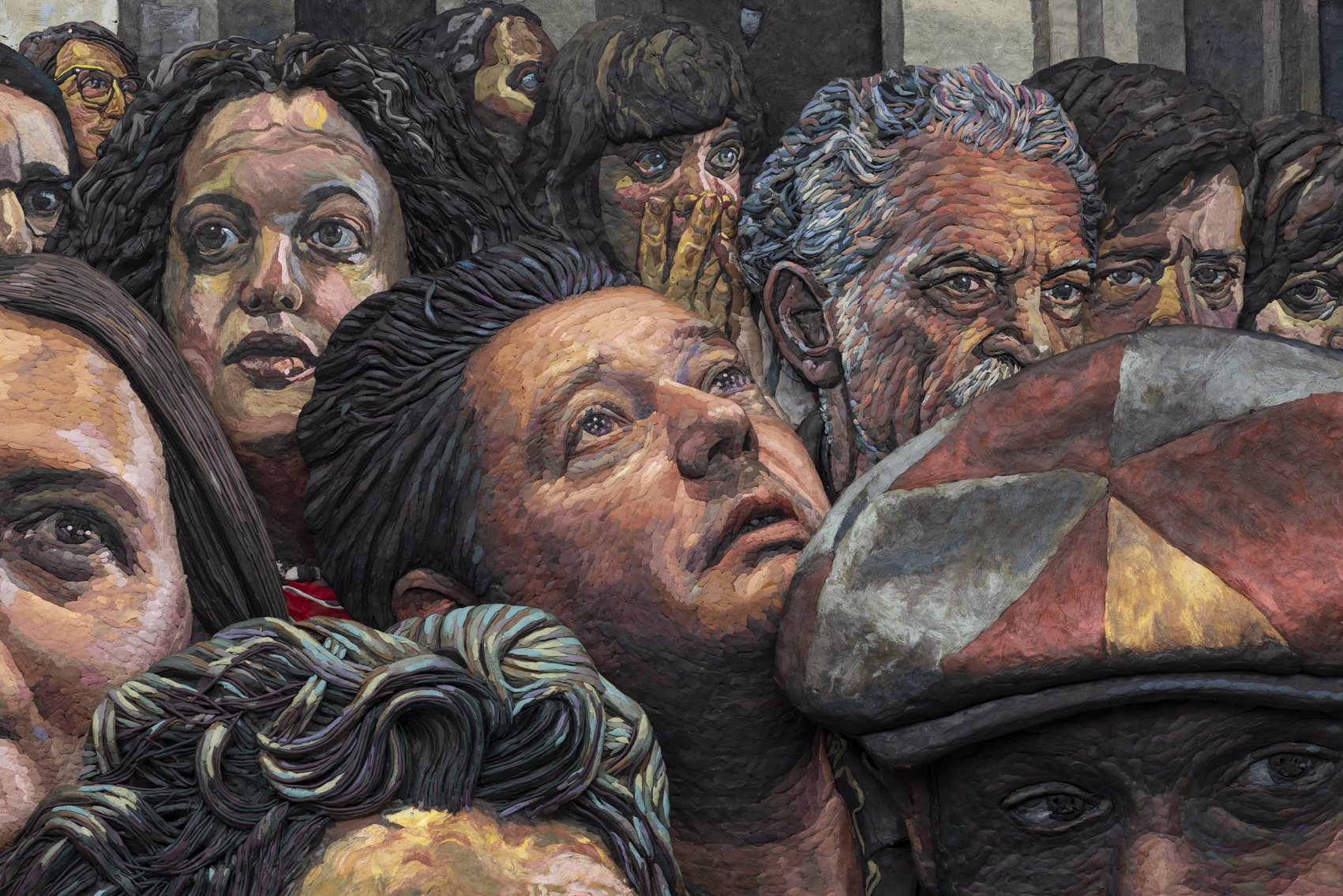
The despair in the eyes of Berni’s protesters is striking. It is the despair of exclusion, the pain of hunger, the wrinkles of rage. Only one protester has his hand in a fist. “A community’s real burden is not us, but the rich. All we ask for is bread and work. The rich do not work. They consume a lot and do not produce anything.”
A single fist is more than enough to say that.
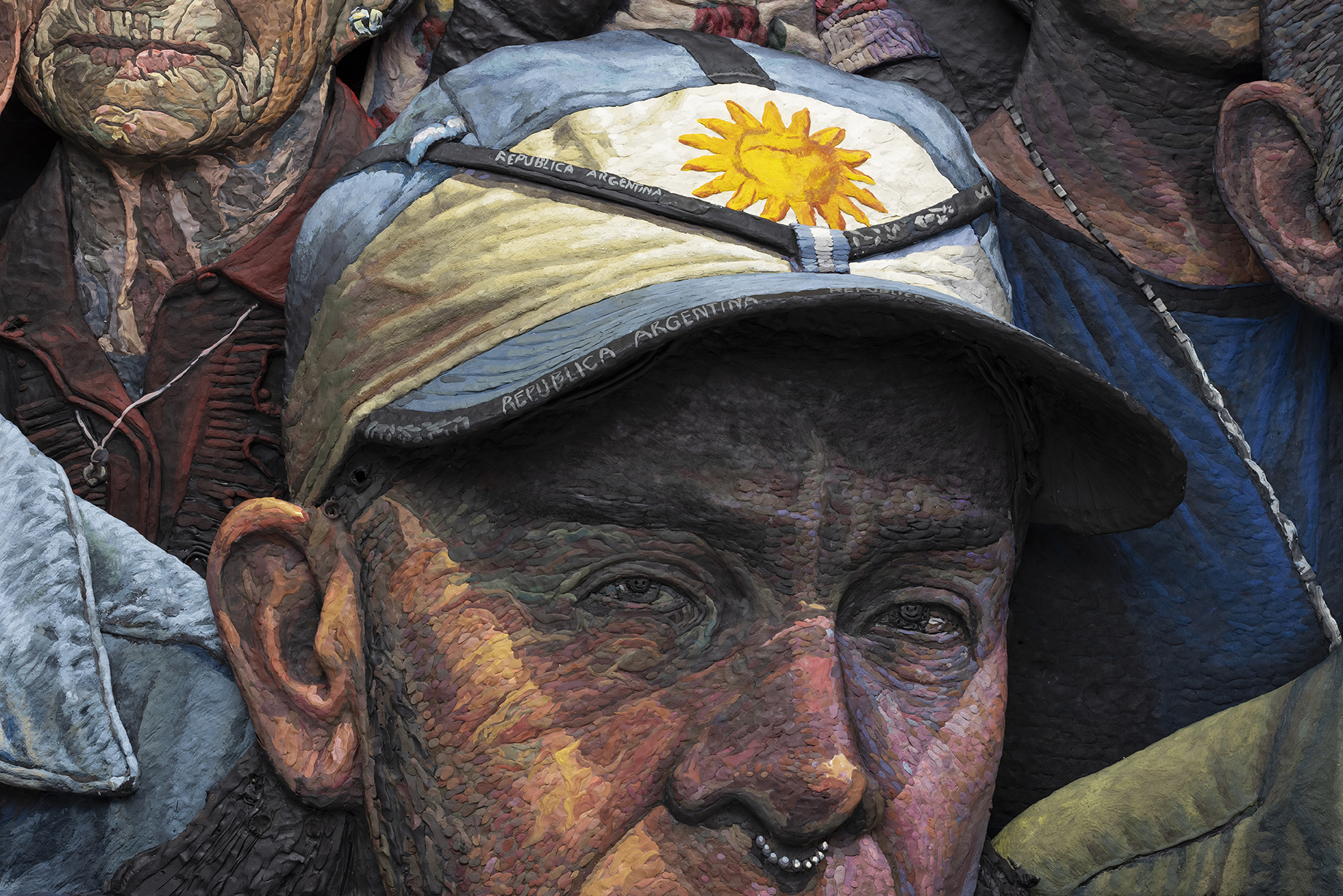
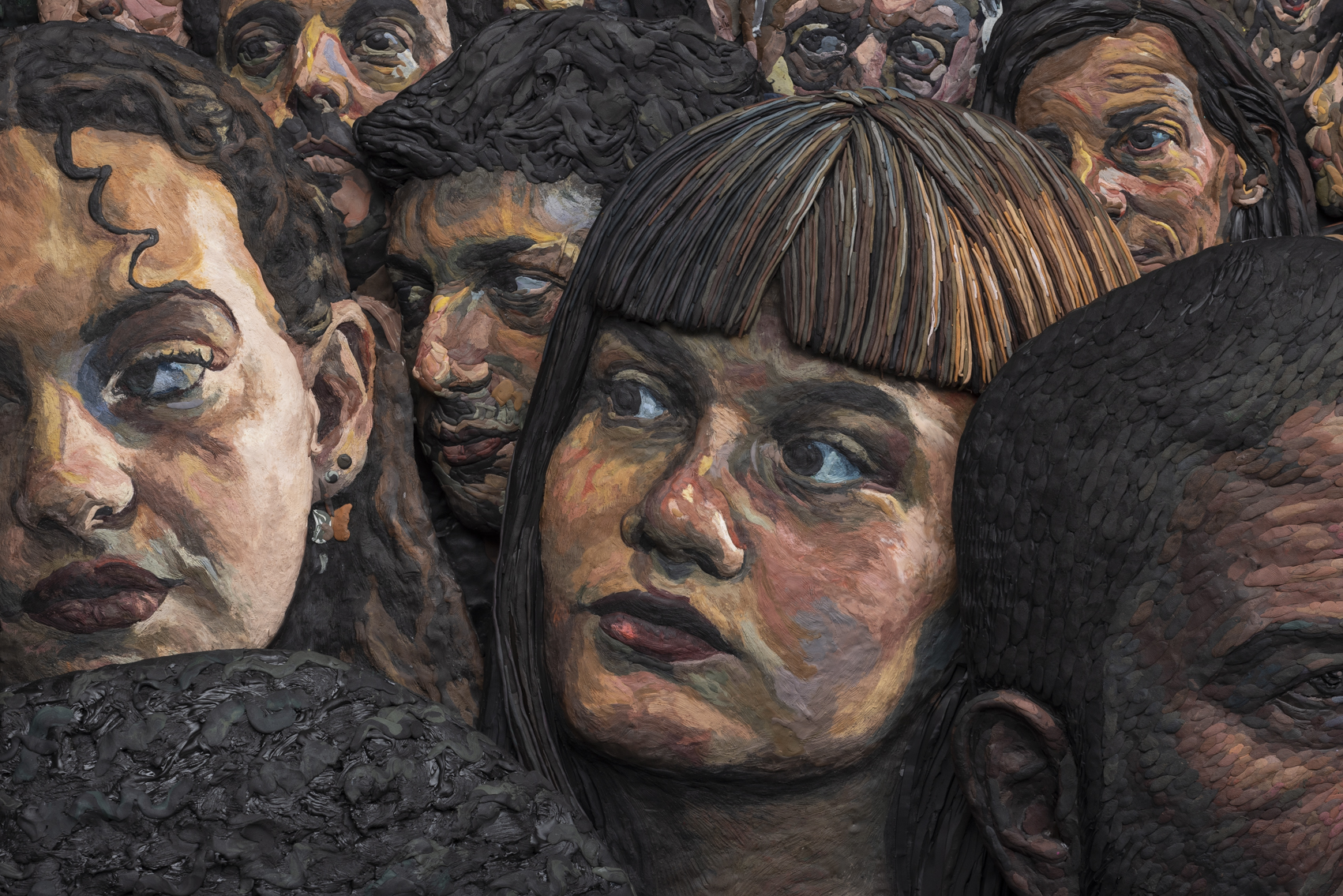
In Juliana and Manuel’s Manifestación, the fist does not seem to emerge from amidst the bodies as it does in Berni’s. It is clearly held up by someone who is looking straight ahead severely. Juliana and Manuel displace the meaning (and the weight) of the fist onto a group of people looking at something off to the side, outside the painting, and onto others looking up at the sky. What is it the people looking off to the side see? What is it the people looking up at the sky see?
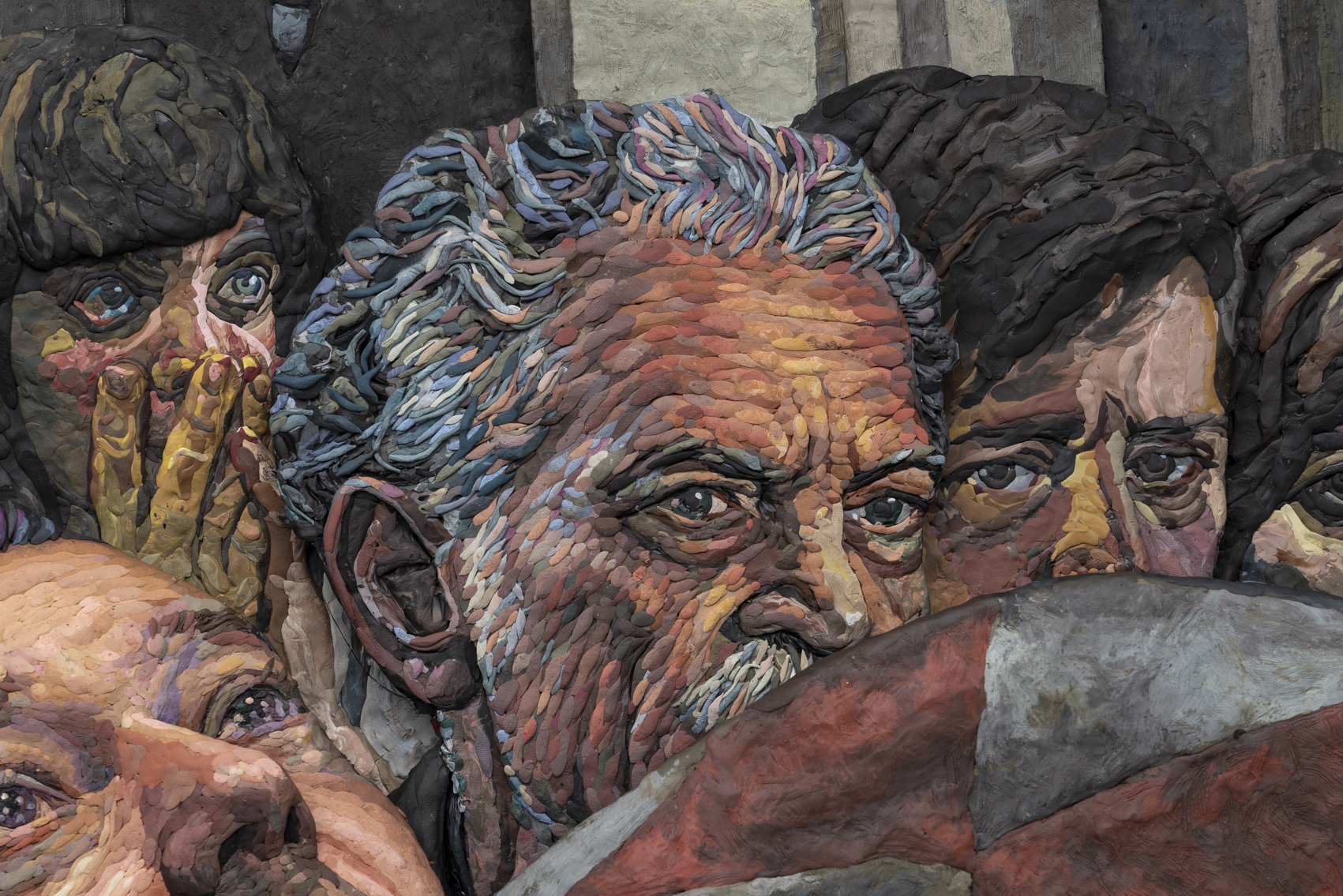
I read somewhere that Berni used “anonymous models” for his work. Juliana and Manuel used friends. Except for their social background and maybe their place of origin, I do not know anything about Berni’s protesters. I know that one of the men in the front was in another one of his paintings, but that’s it. But I know personally all of Juliana and Manuel’s protesters.
I even think I recognize a pompous art critic in the final stretch of the work, where the details of the faces get blurry.
Are Juliana and Manuel aware of the measure of restlessness they have injected in Manifestación? Or did they let the skill at play in each dot in the fabric of the work “naturally” augment the skill in what is fabricated on its own, beyond the work’s field?
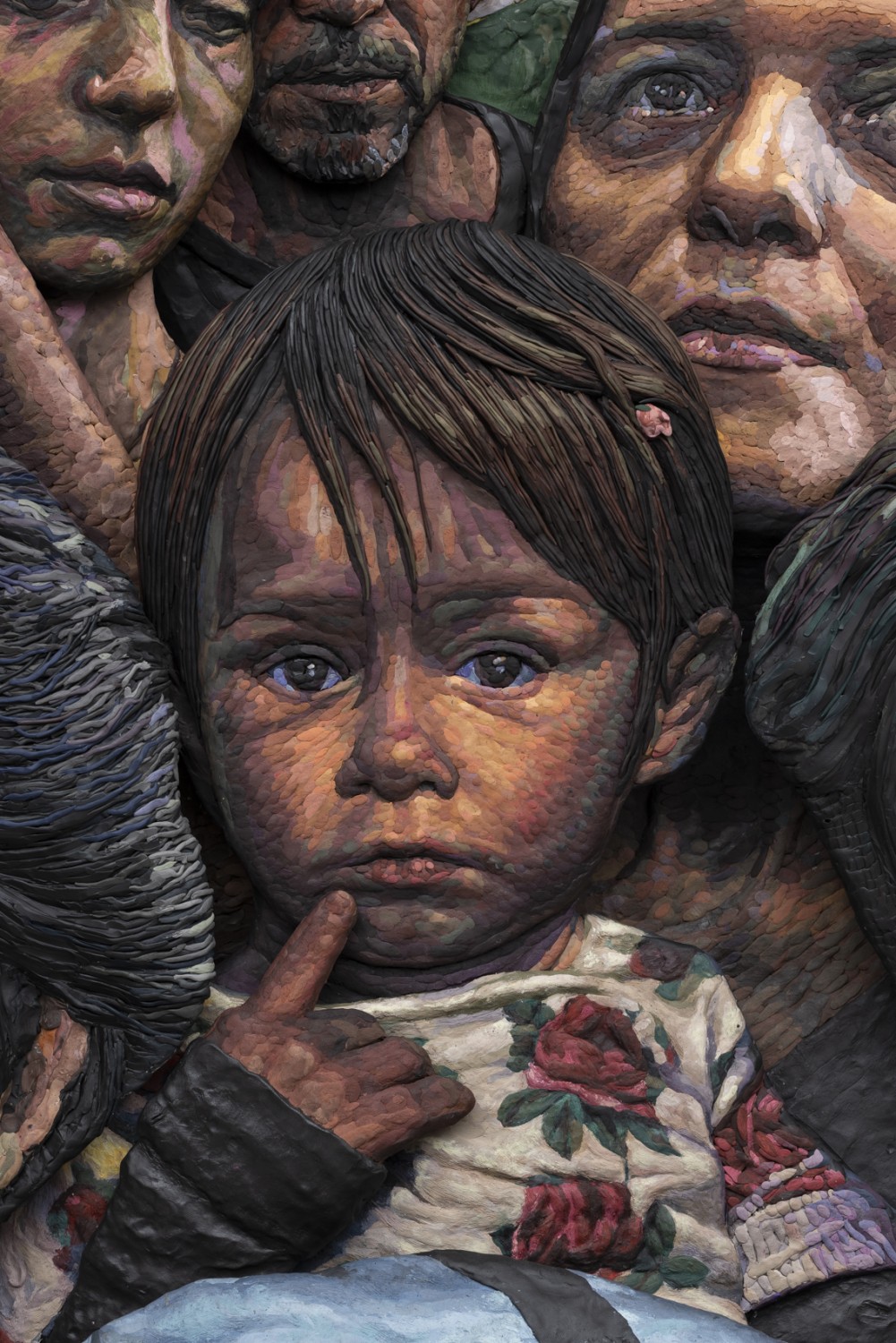
The girl holding a loaf of bread in Berni’s work gives off a sense of disconcertion in Juliana and Manuel’s. She seems to understand what it is that unsettles the ones looking up at the sky and to the sides.
There is a threat. That is what the girl understands or senses, and she holds her finger to her lips. Now she looks out ahead. There is a threat and they are not safe from harm.
To the sides, outside the field, are the
police.
In the sky there is an airplane. A number of them, actually, since not all of the people are looking in the same direction. And this is not exactly an unlikely coincidence of commercial planes. “A community’s true burden is not those who march. The true burden are the powerful.”
In effect: What inhabits the work, even if it is not seen, is part of those things that are fabricated on their own, as a reflection or consequence of the artists’ mastery of every single point visible in the work. In other words, they create the work, and the work, on its own, sees to the rest.
And therein lies the most dreadful thing about Manifestación: What the work insinuates. Because what do “airplanes” in Plaza de Mayo, whether in 1955 or in 2024, mean but massacre?
—Sergio Bizzio, 2024
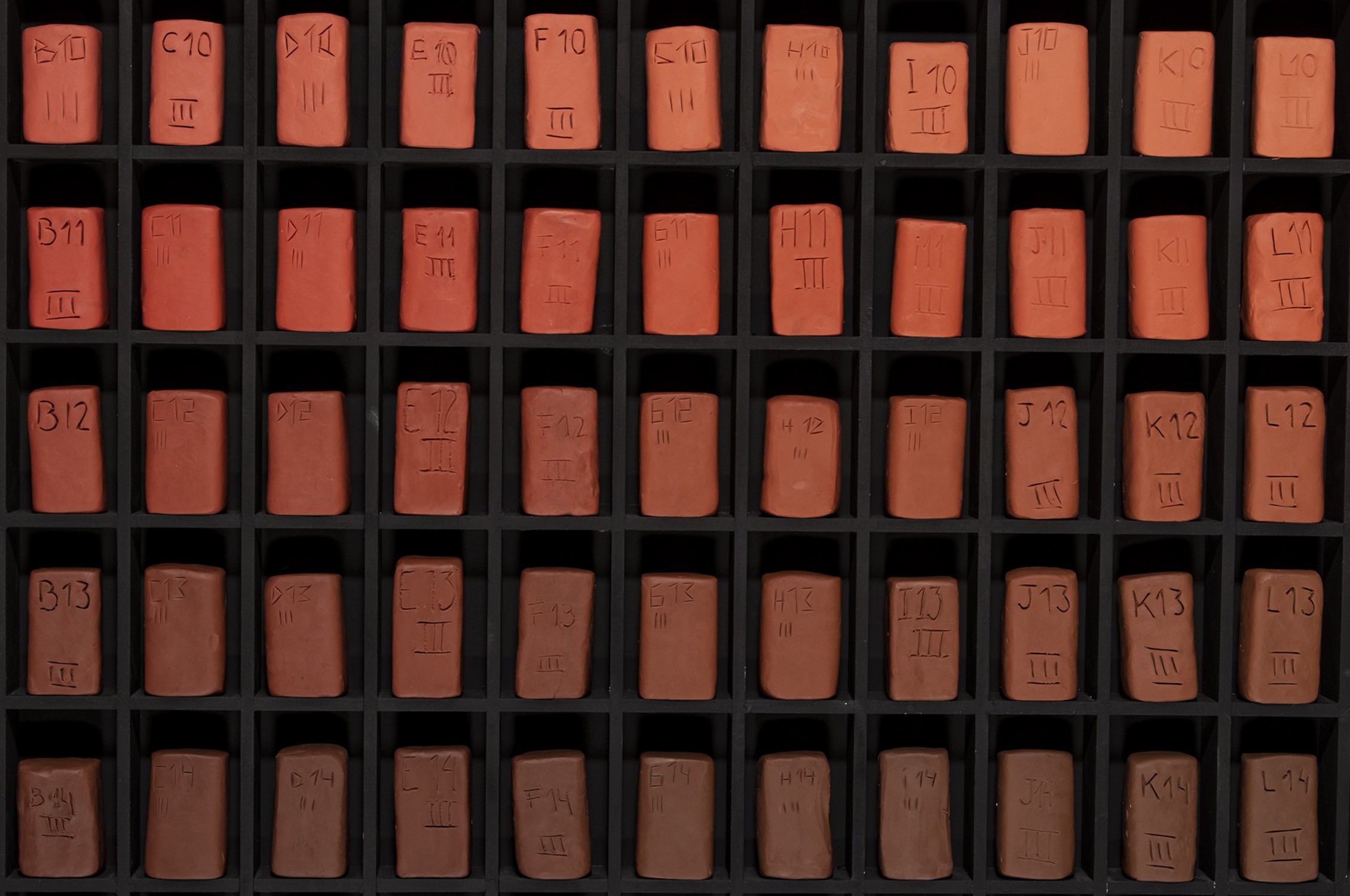
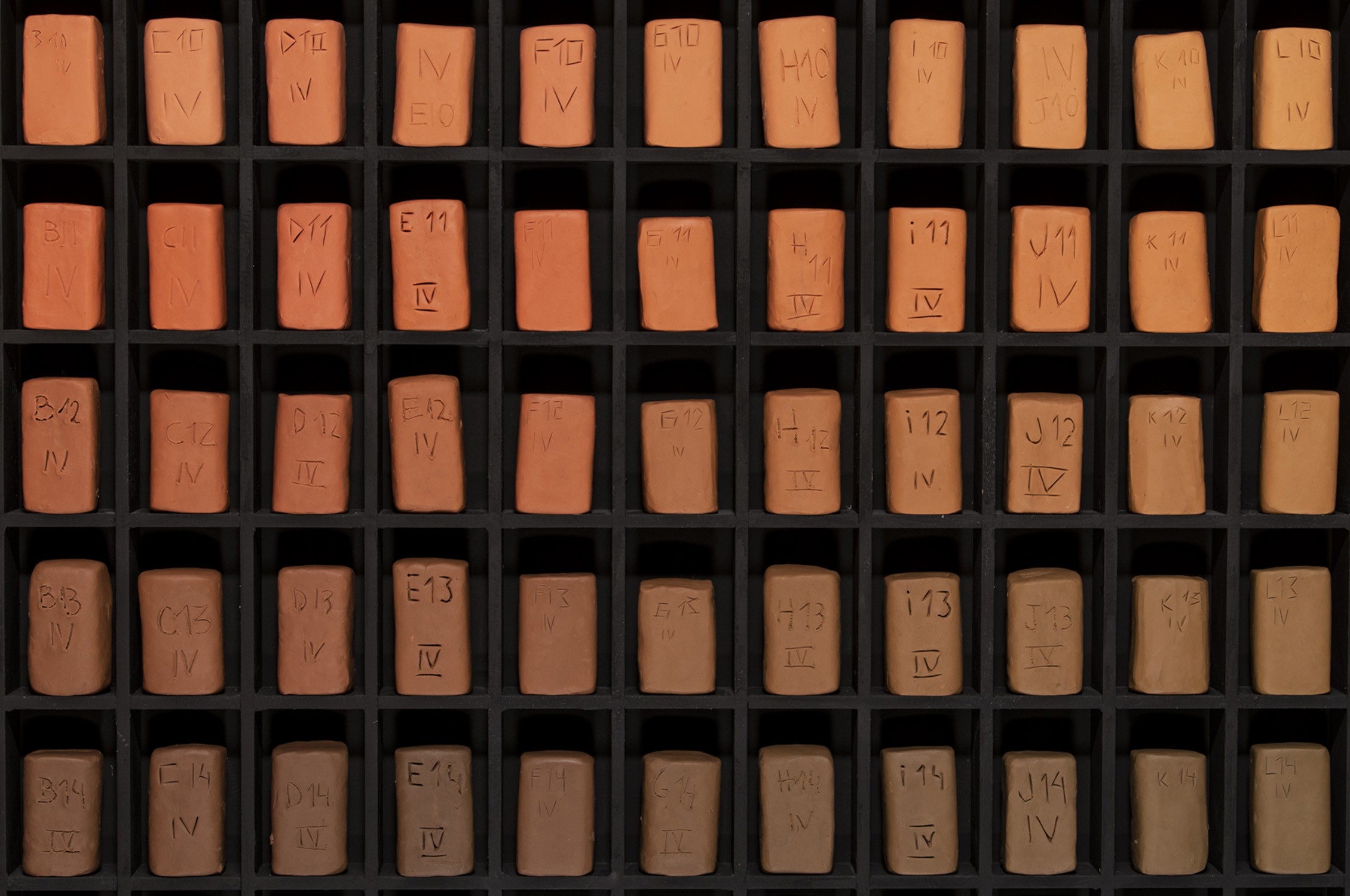
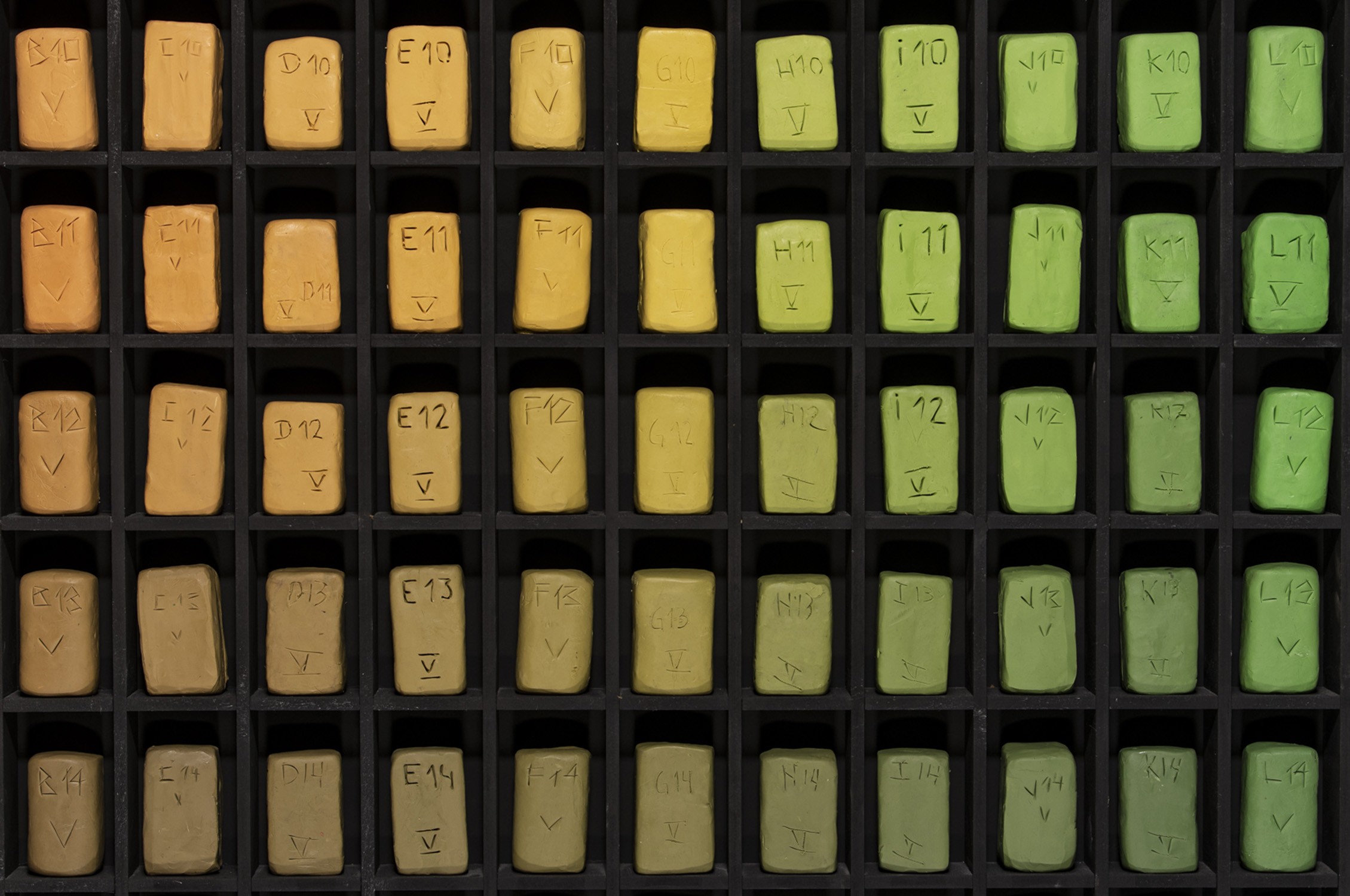
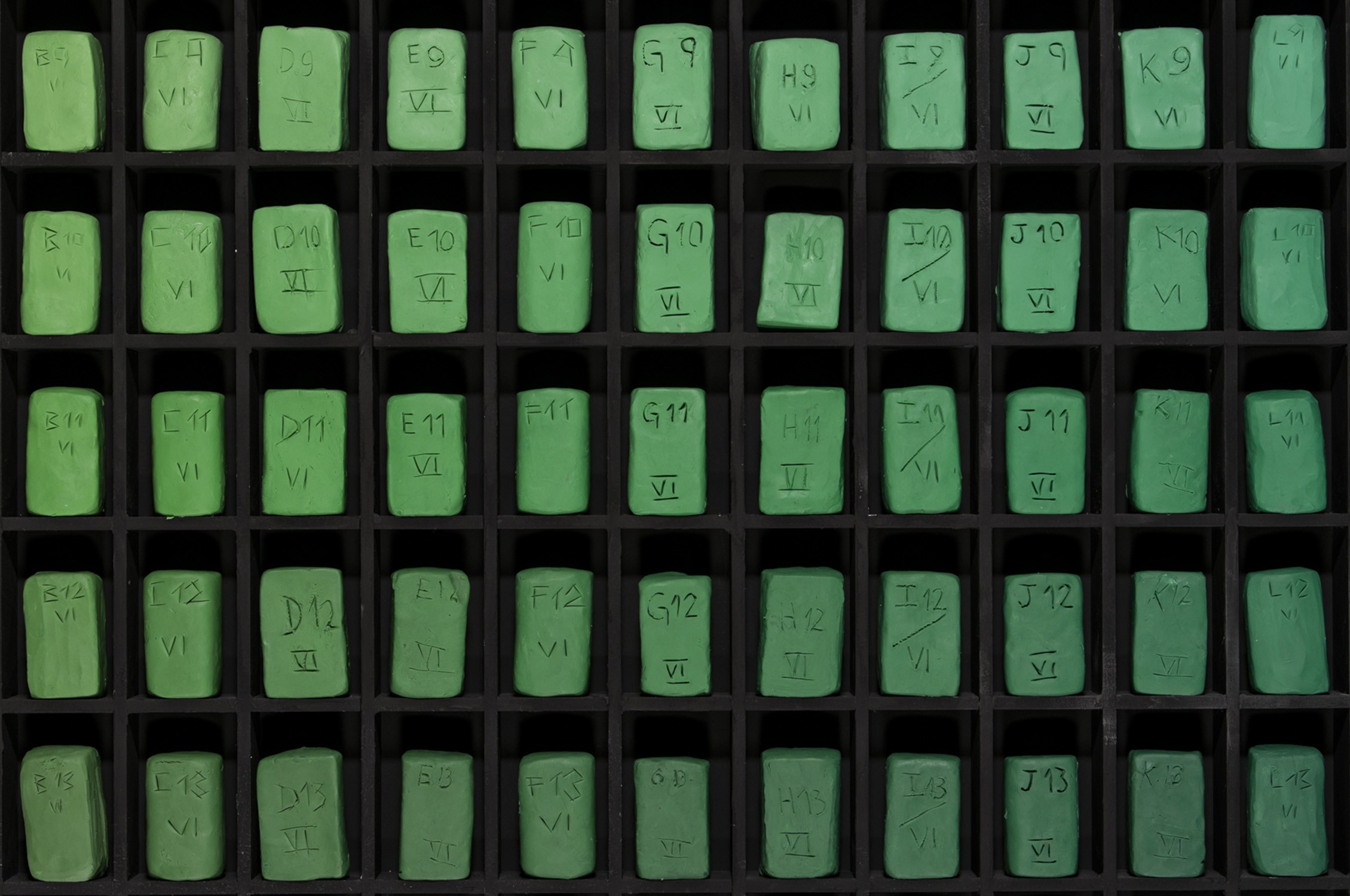
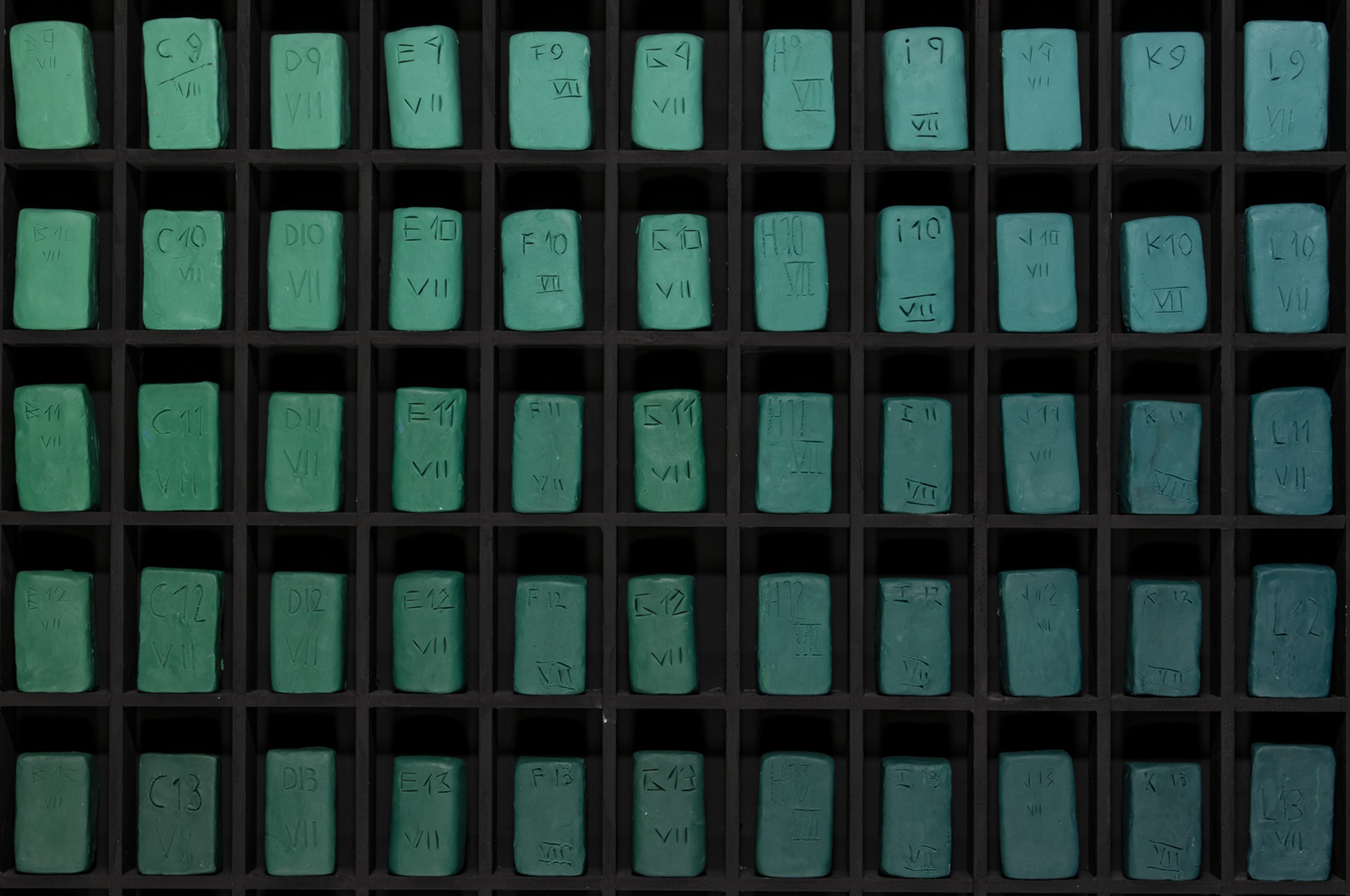
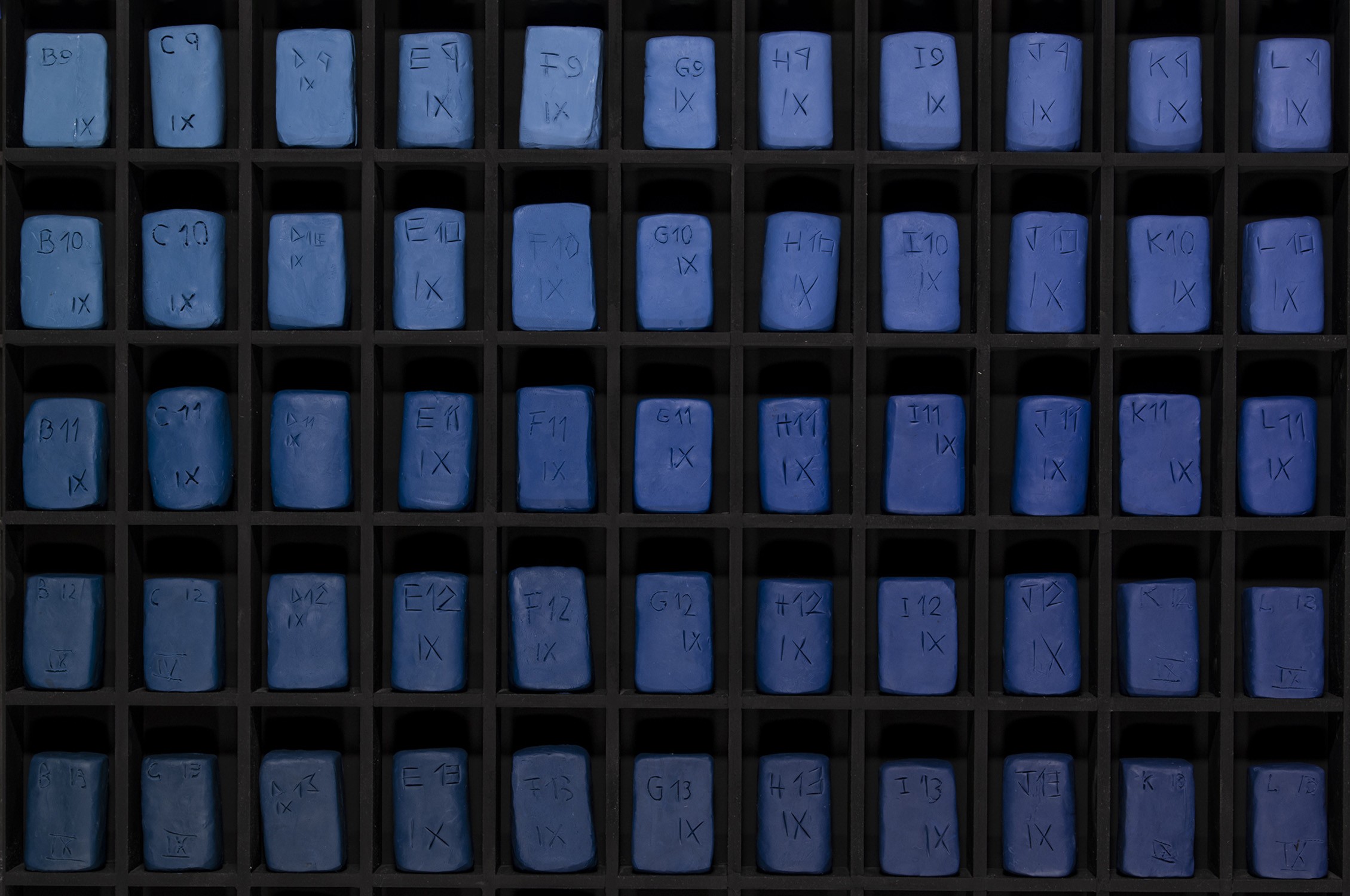
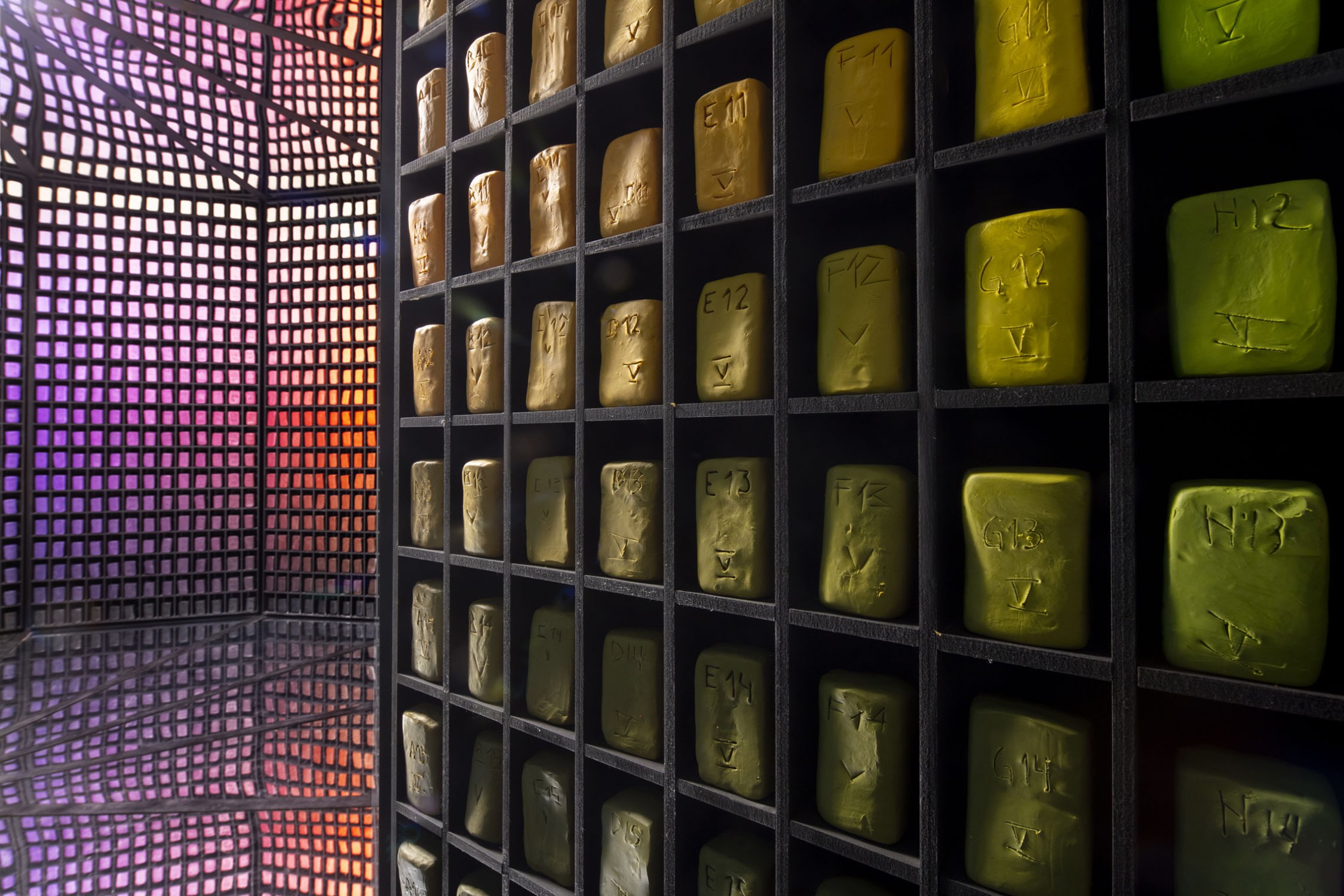


Nomenclatures of the Central Row / 156 Saturated Colors
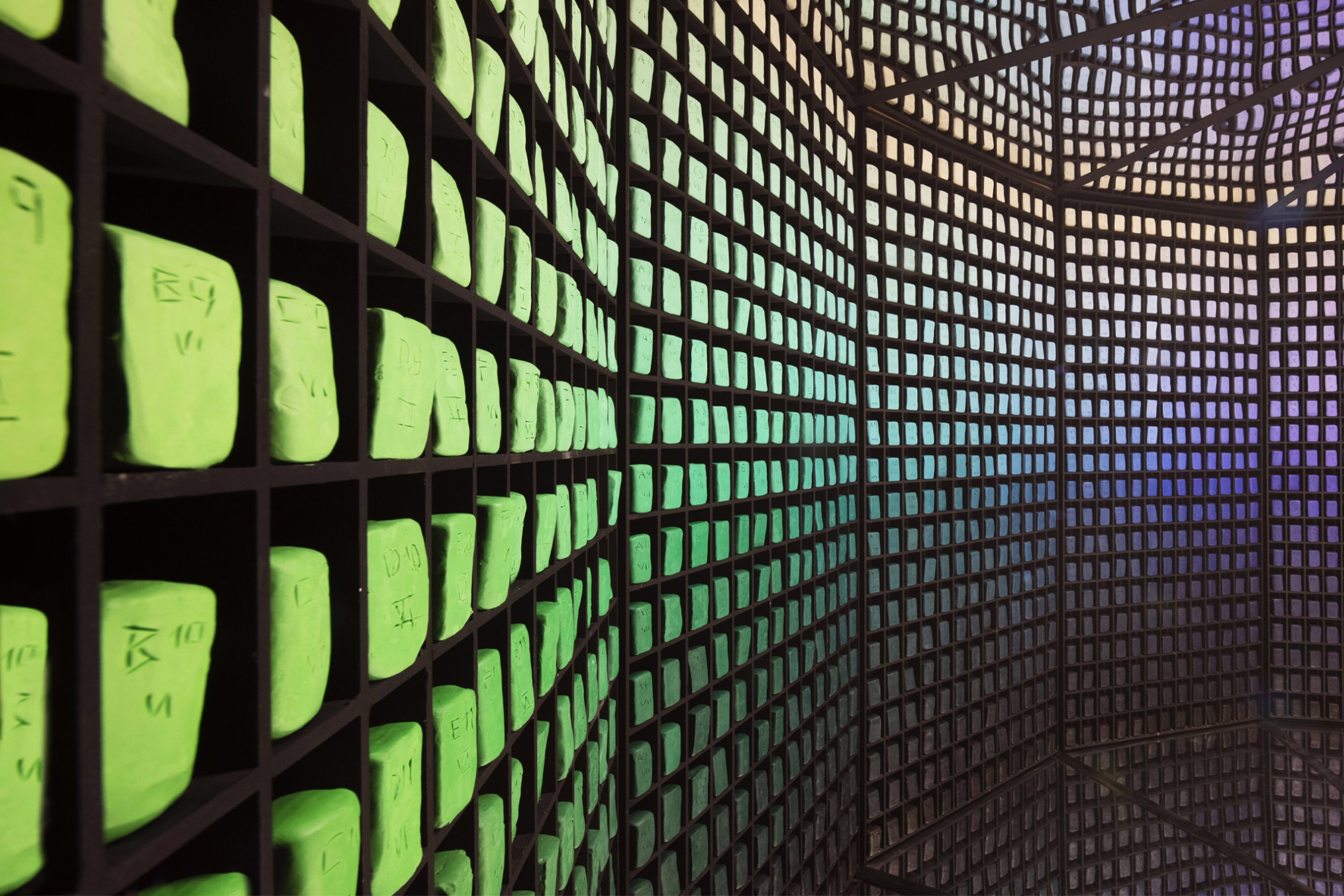
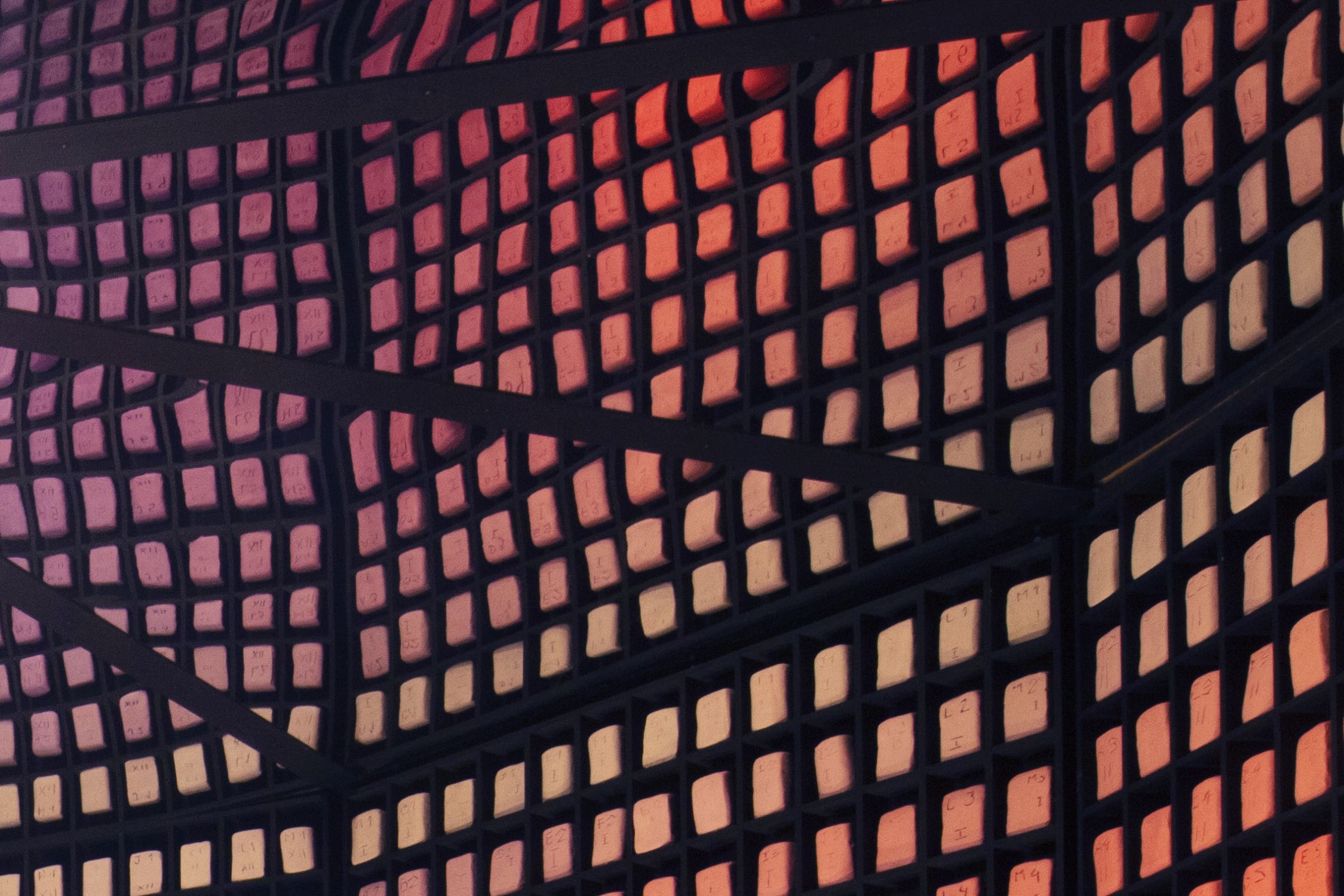
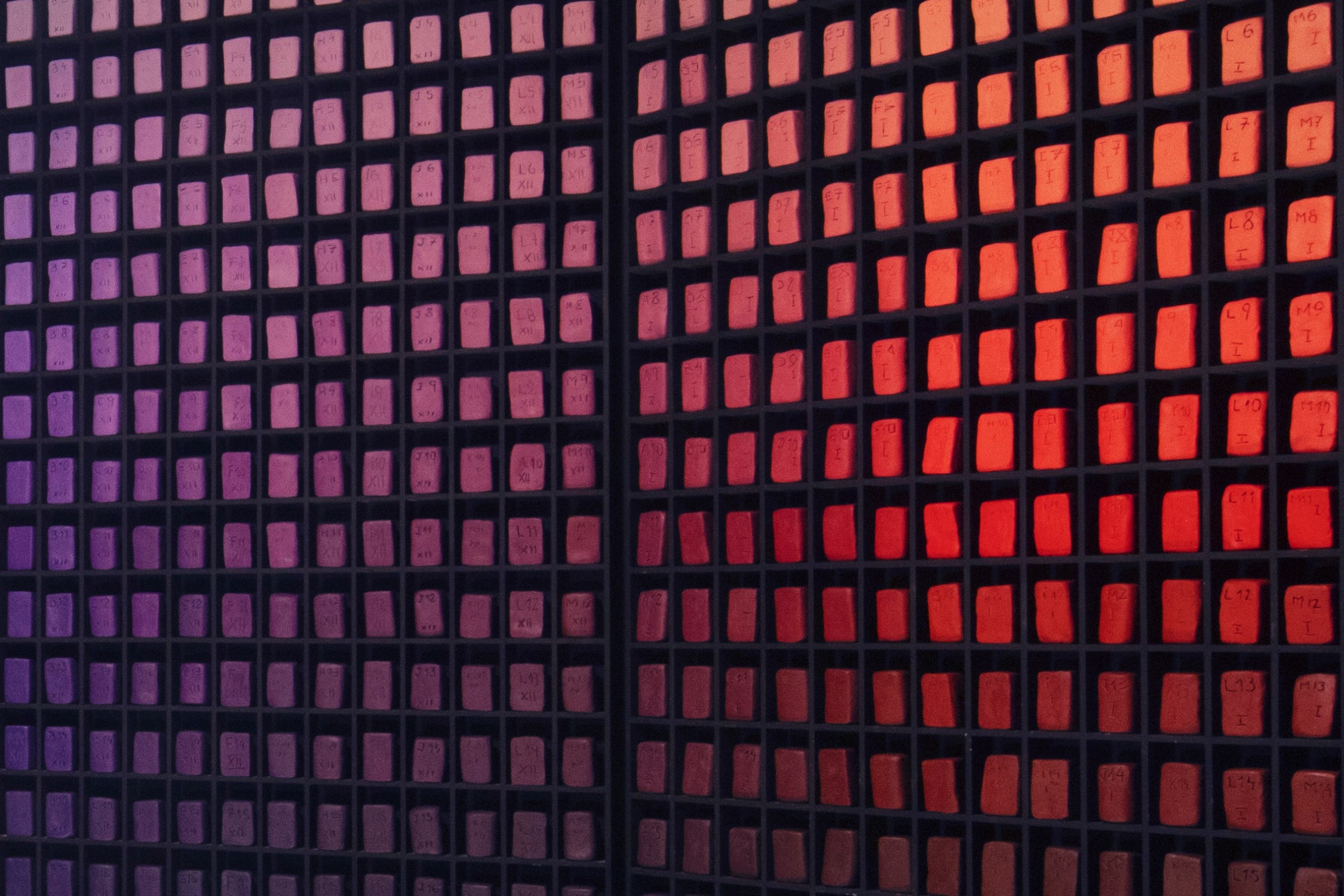
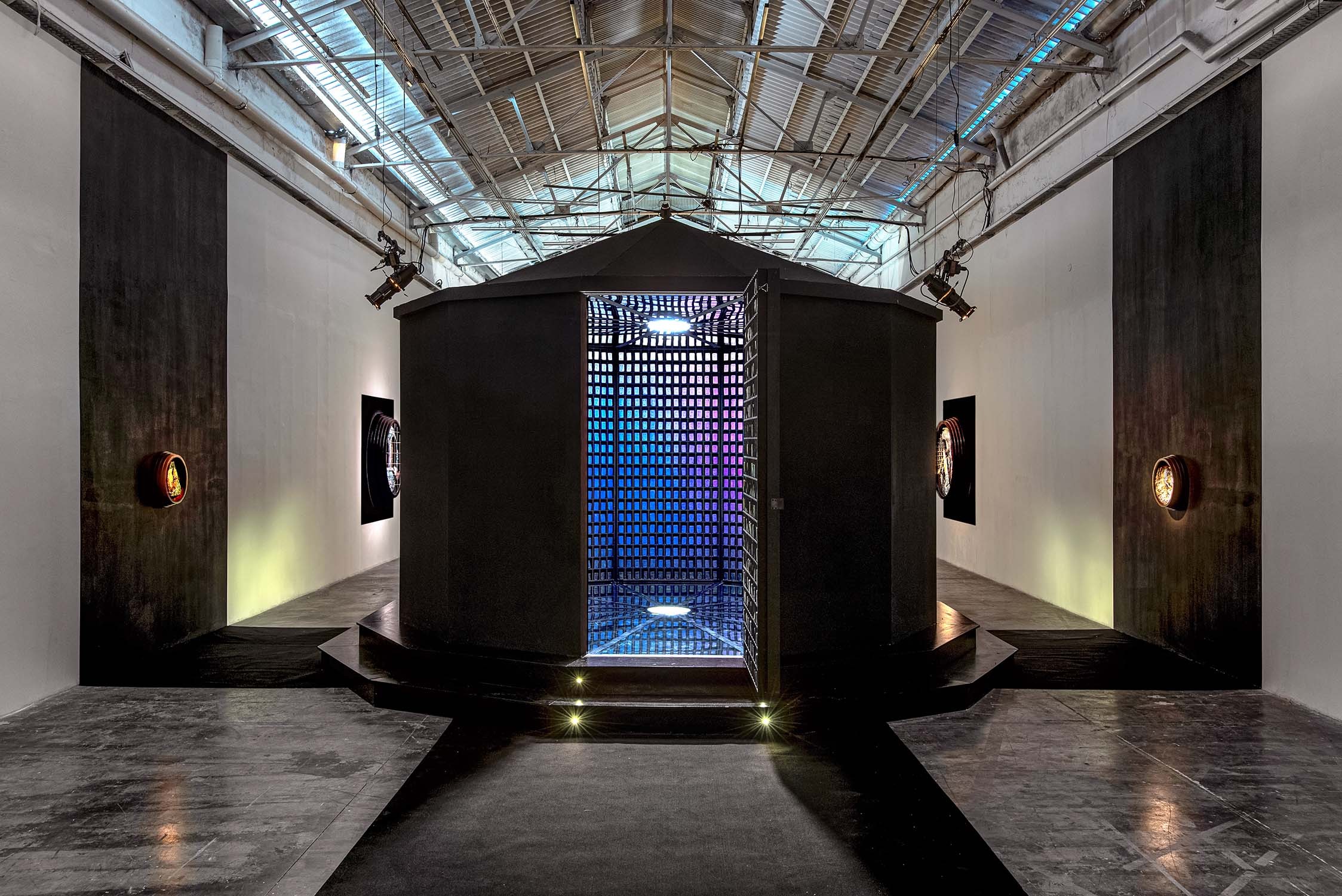
A11/ I B11/ I C11/I D11/I E11/I F11/I G11/I H11/I I11/I J11/I K11/I L11/1 M11/I A11/ II B11/ II C11/II D11/II E11/II F11/II G11/II H11/II I11/II J11/II K11/II L11/II M11/II A11/ III B11/ III C11/III D11/III E11/III F11/III G11/III H11/III I11/III J11/III K11/III L11/III M11/III A11/ IV B11/ IV C11/ IV D11/ IV E11/ IV F11/ IV G11/ IV H11/ IV I11/ IV J11/ IV K11/ IV L11/ IV M11/ IV A11/ V B11/ V C11/ V D11/ V E11/ V F11/ V G11/ V H11/ V I11/ V J11/ V K11/ V L11/ V M11/ V A11/ VI B11/ VI C11/ VI D11/ VI E11/ VI F11/ VI G11/ VI H11/ VI I11/ VI J11/ VI K11/ VI L11/ VI M11/ VI A11/ VII B11/ VII C11/ VII D11/ VII E11/ VII F11/ VII G11/ VII H11/ VII I11/ VII J11/ VII K11/ VII L11/ VII M11/ VII A11/ VIII B11/ VIII C11/ VIII D11/ VIII E11/ VIII F11/ VIII G11/ VIII H11/ VIII I11/ VIII J11/ VIII K11/ VIII L11/ VIII M11/ VIII A11/ IX B11/ IX C11/ IX D11/ IX E11/ IX F11/ IX G11/ IX H11/ IX I11/ IX J11/ IX K11/ IX L11/ IX M11/ IX A11/ X B11/ X C11/ X D11/ X E11/ X F11/ X G11/ X H11/ X I11/ X J11/ X K11/ X L11/ X M11/ X A11/ XI B11/ XI C11/ XI D11/ XI E11/ XI F11/ XI G11/ XI H11/ XI I11/ XI J11/ XI K11/ XI L11/ XI M11/ XI A11/ XII B11/ XII C11/ XII D11/ XII E11/ XII F11/ XII G11/ XII H11/ XII I11/ XII J11/ XII K11/ XII L11/ XII M11/ XII
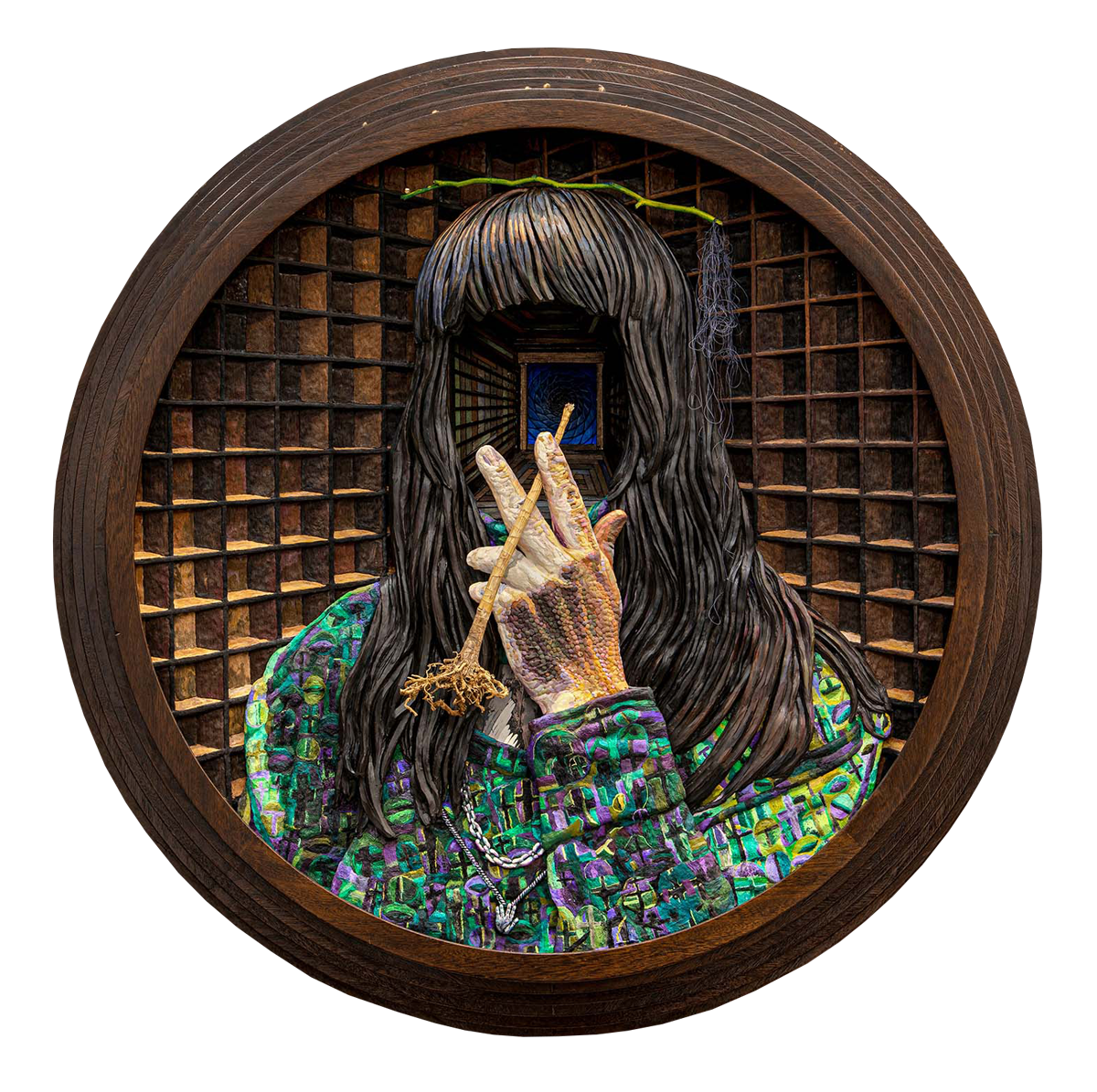
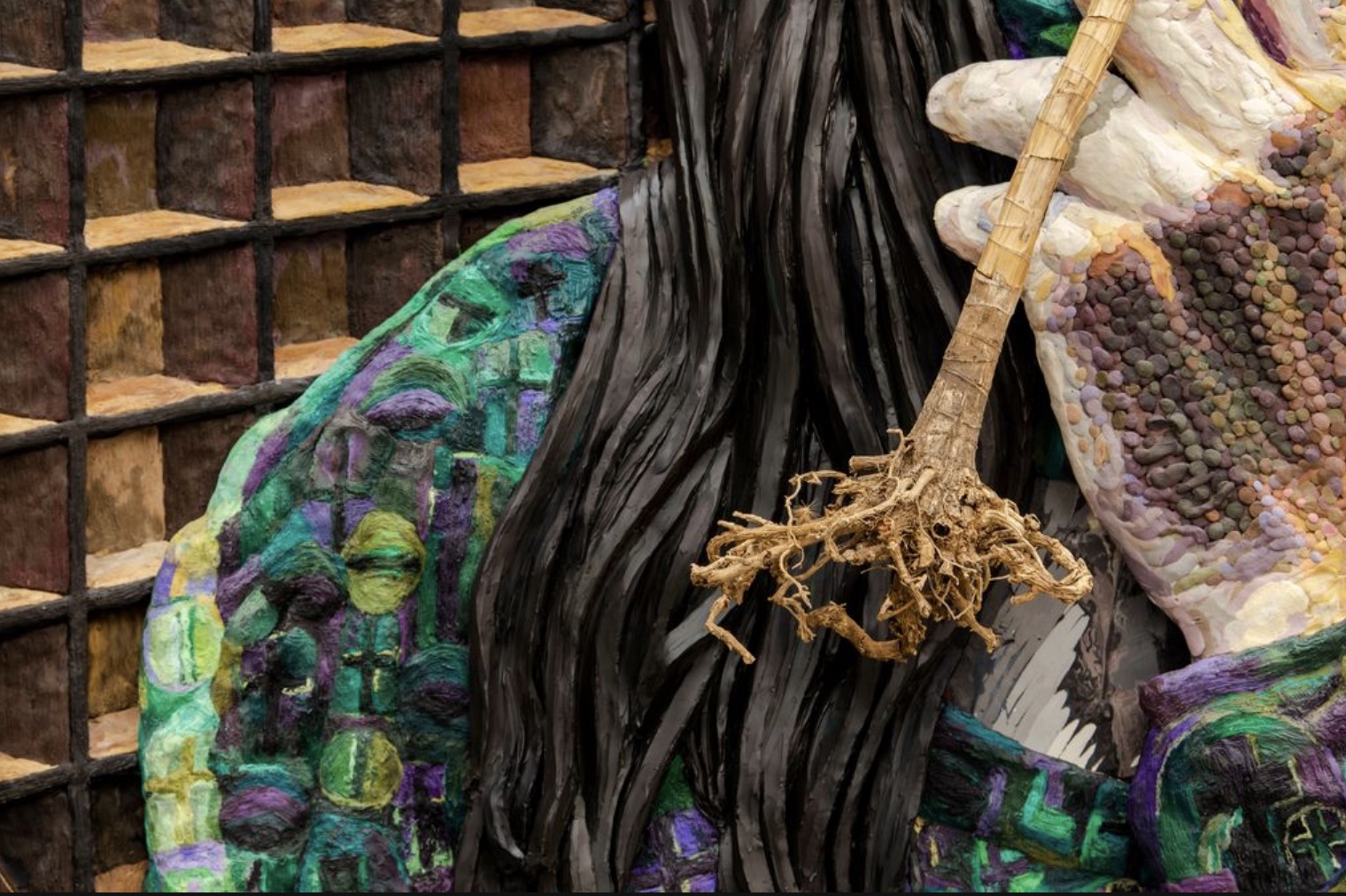
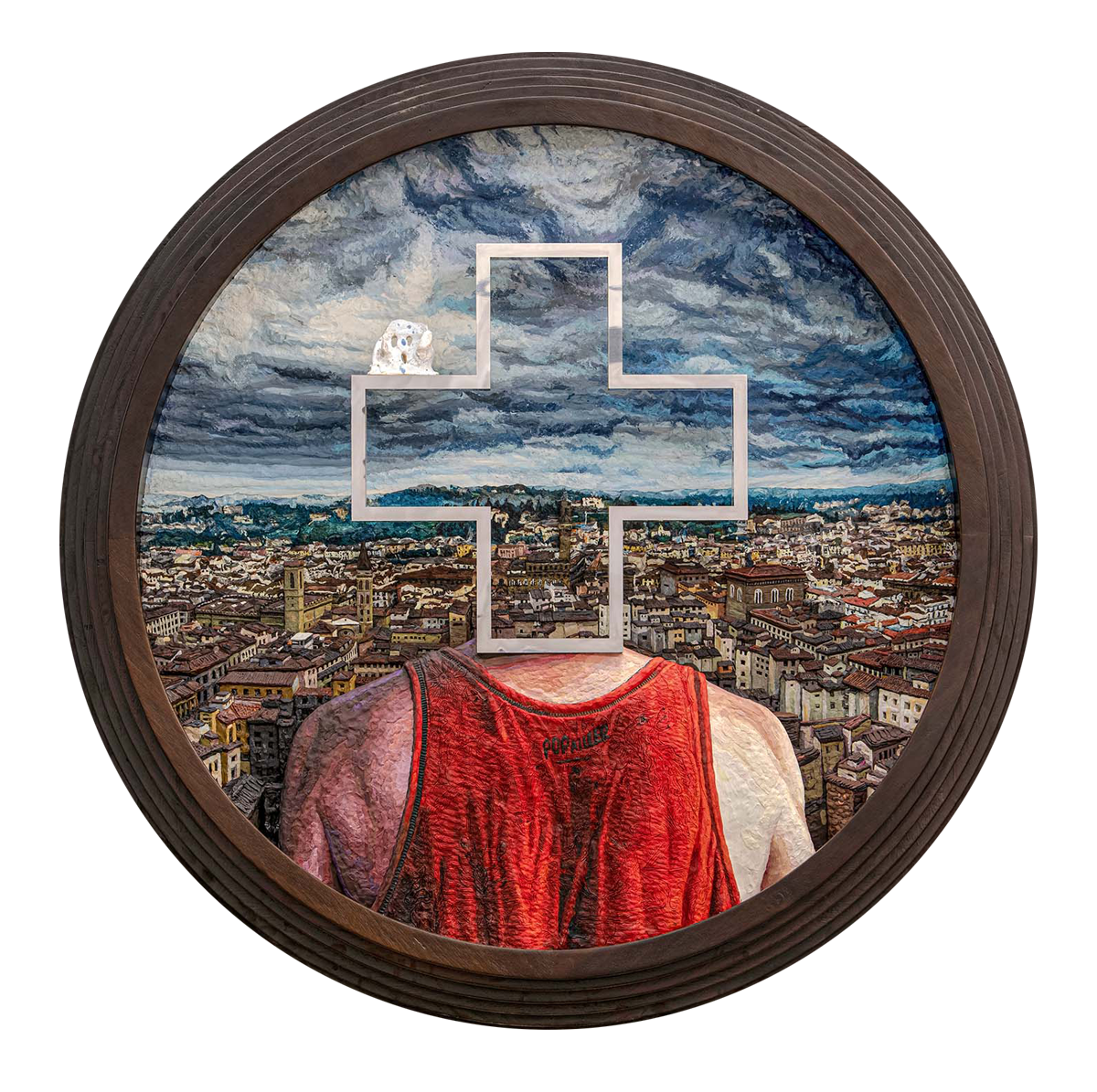
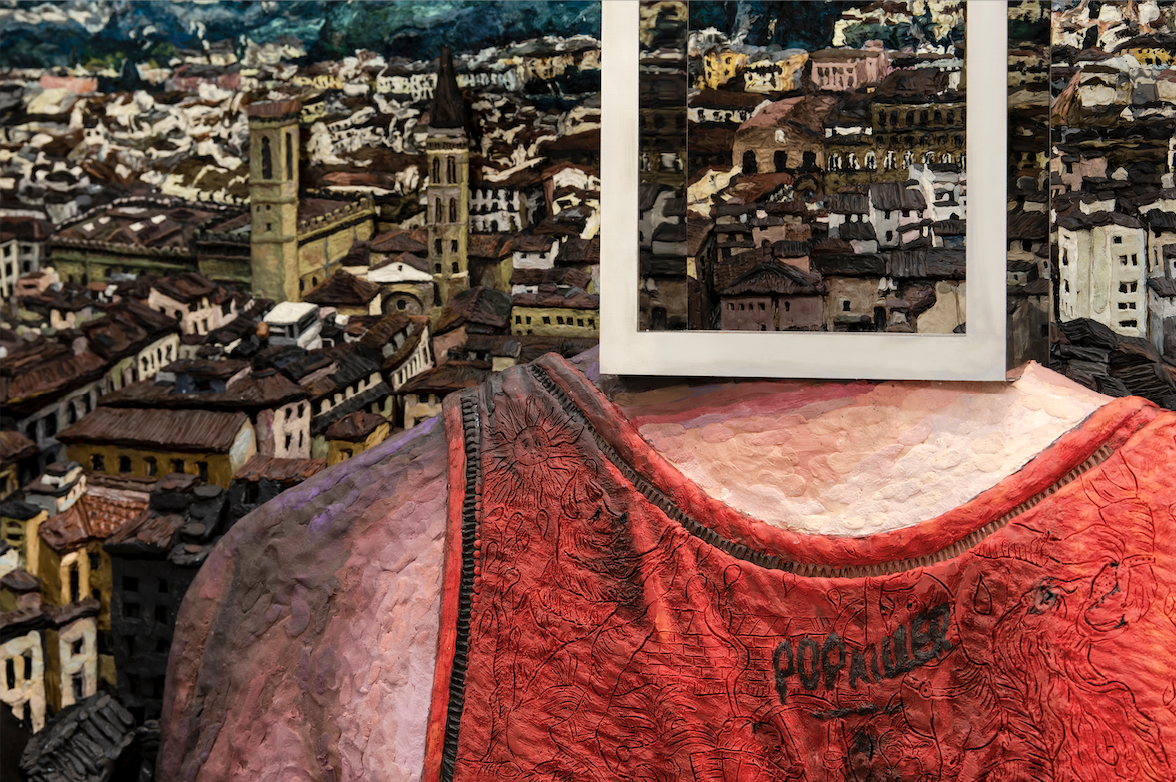
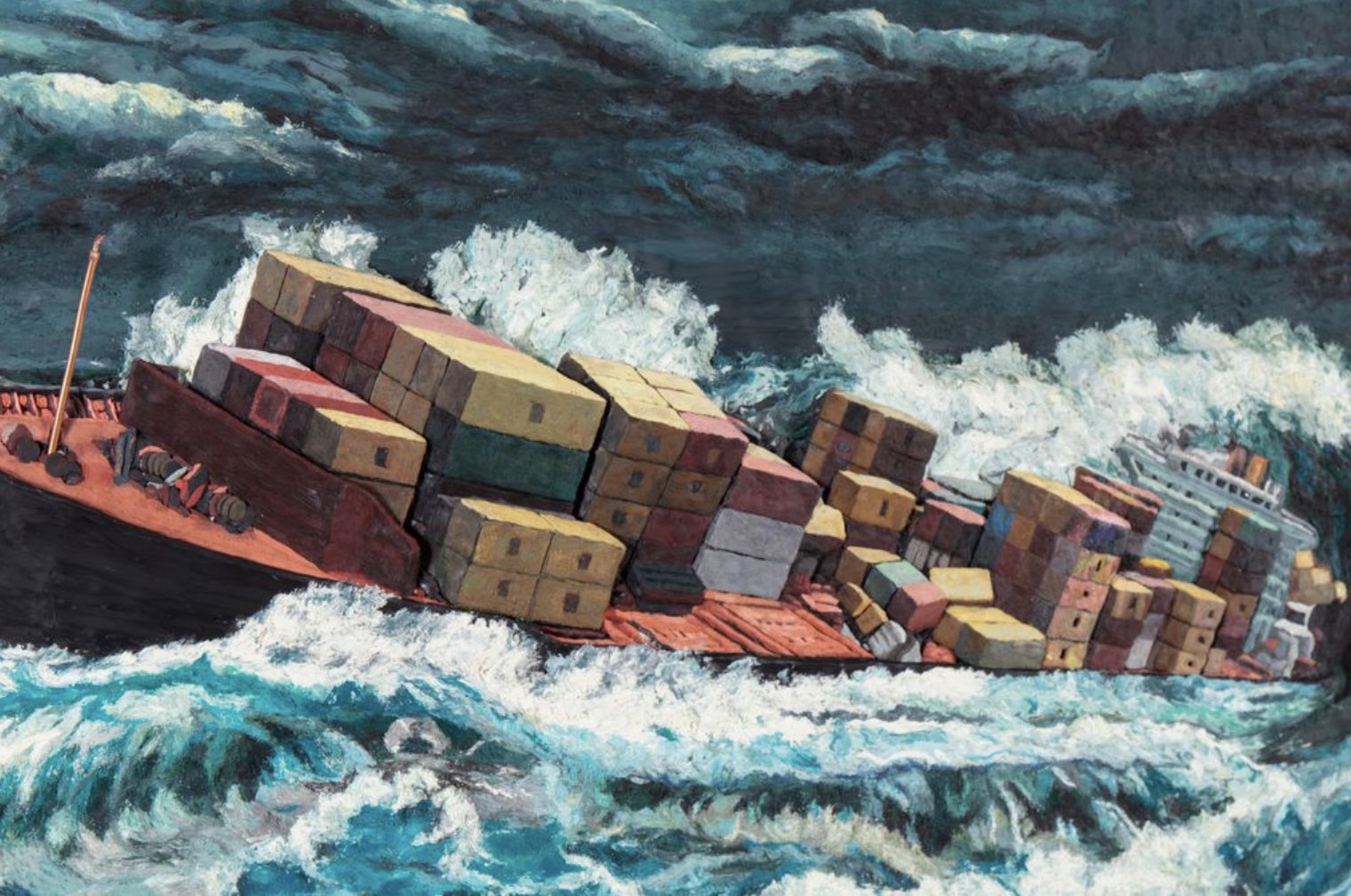
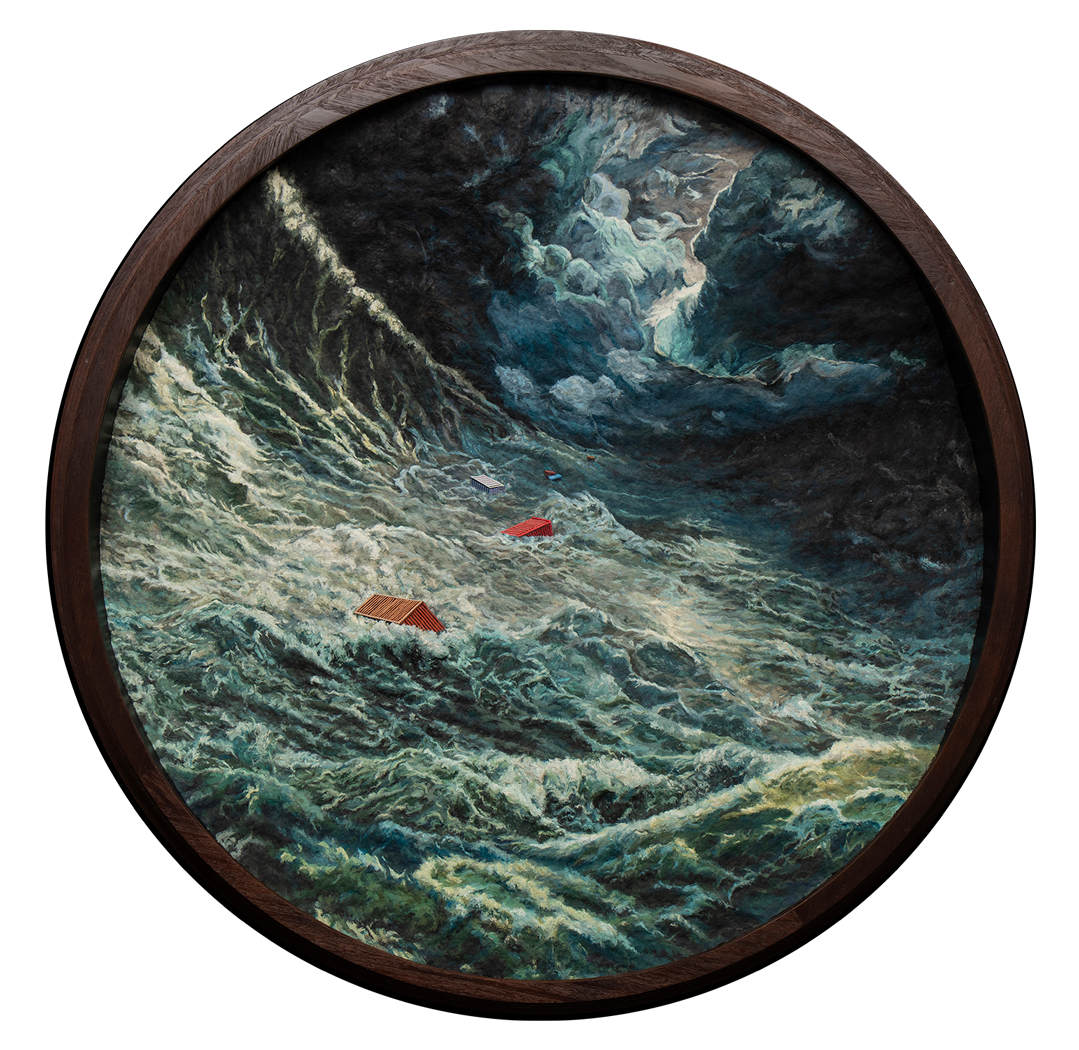
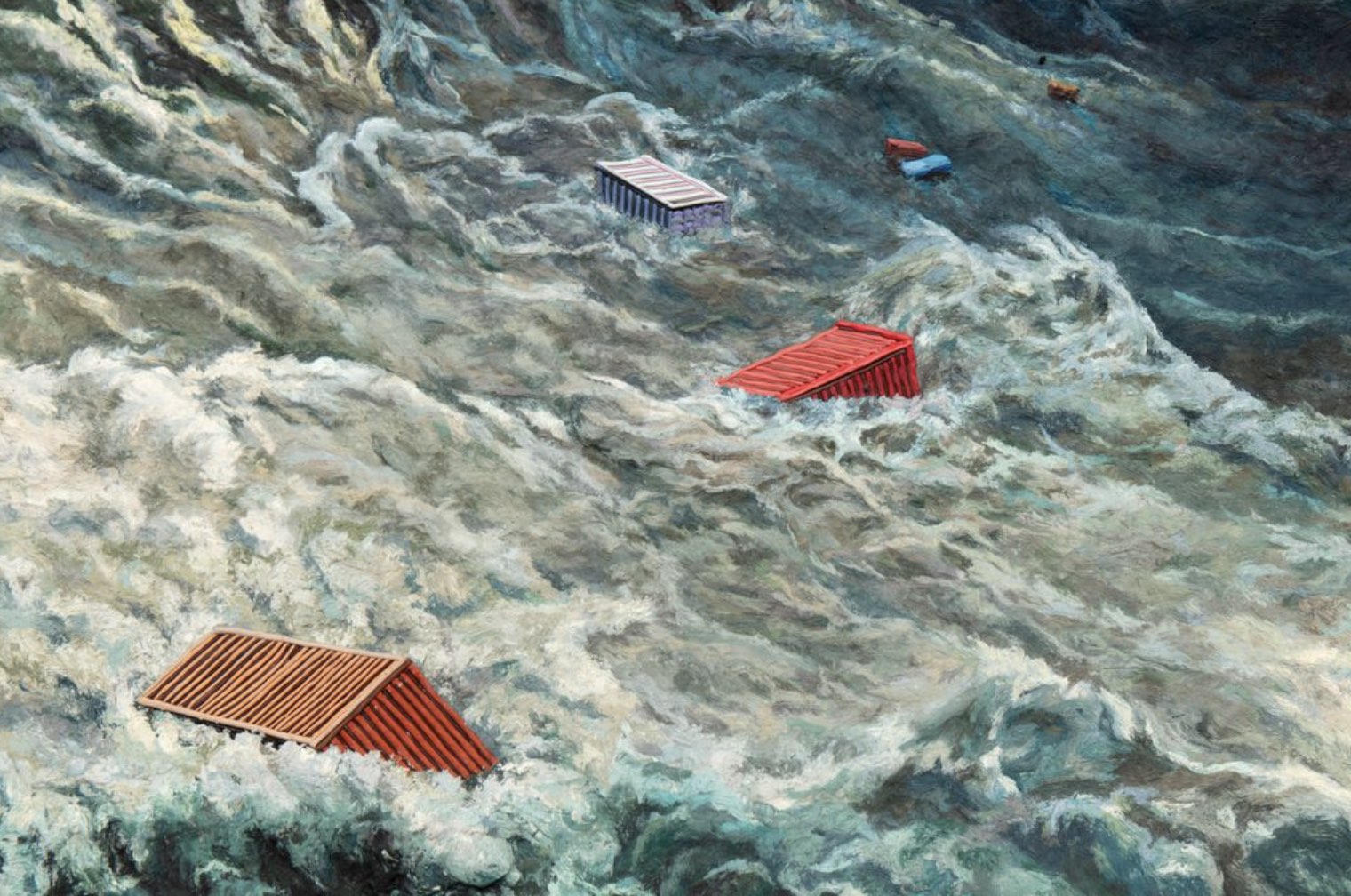
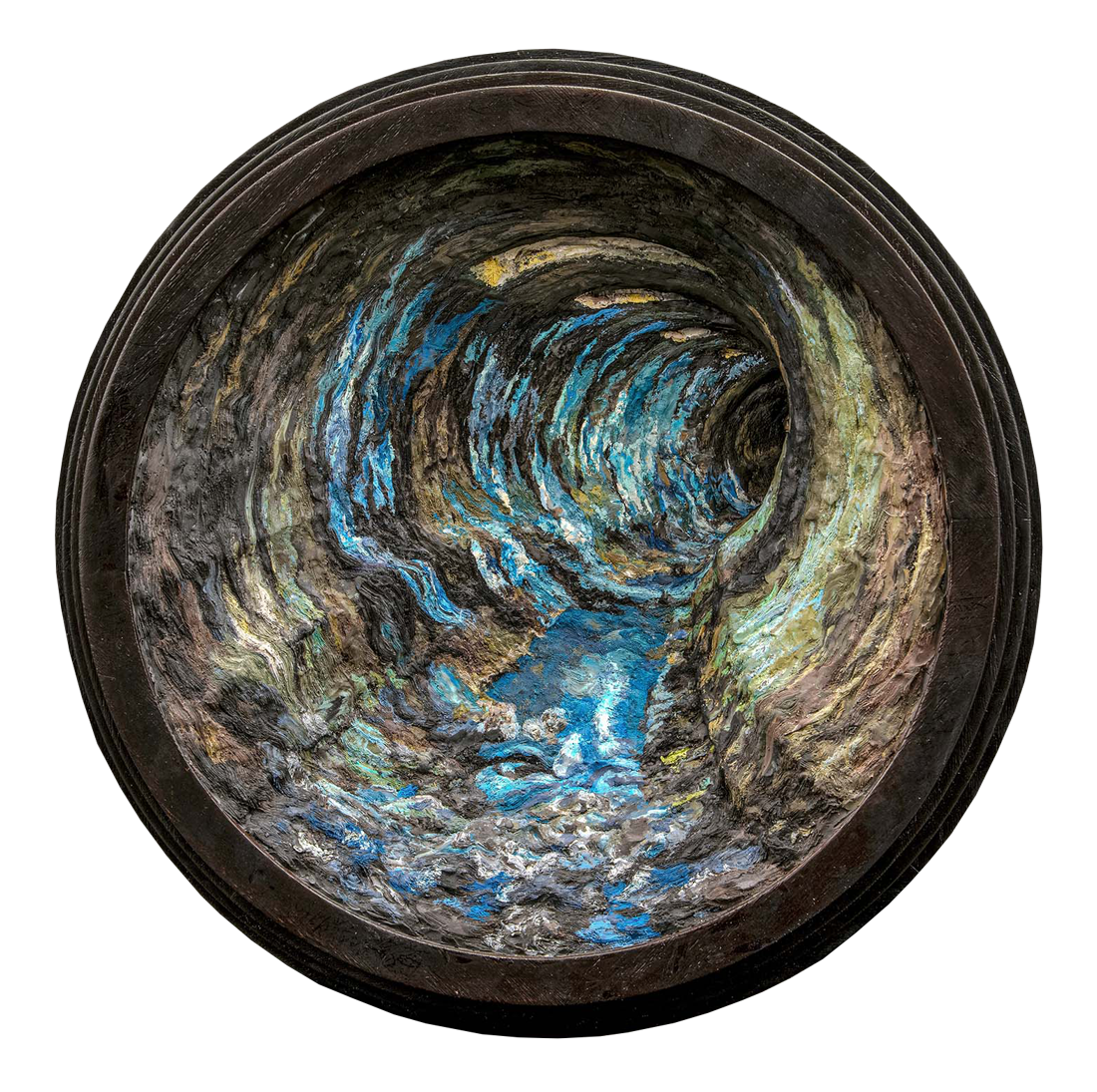
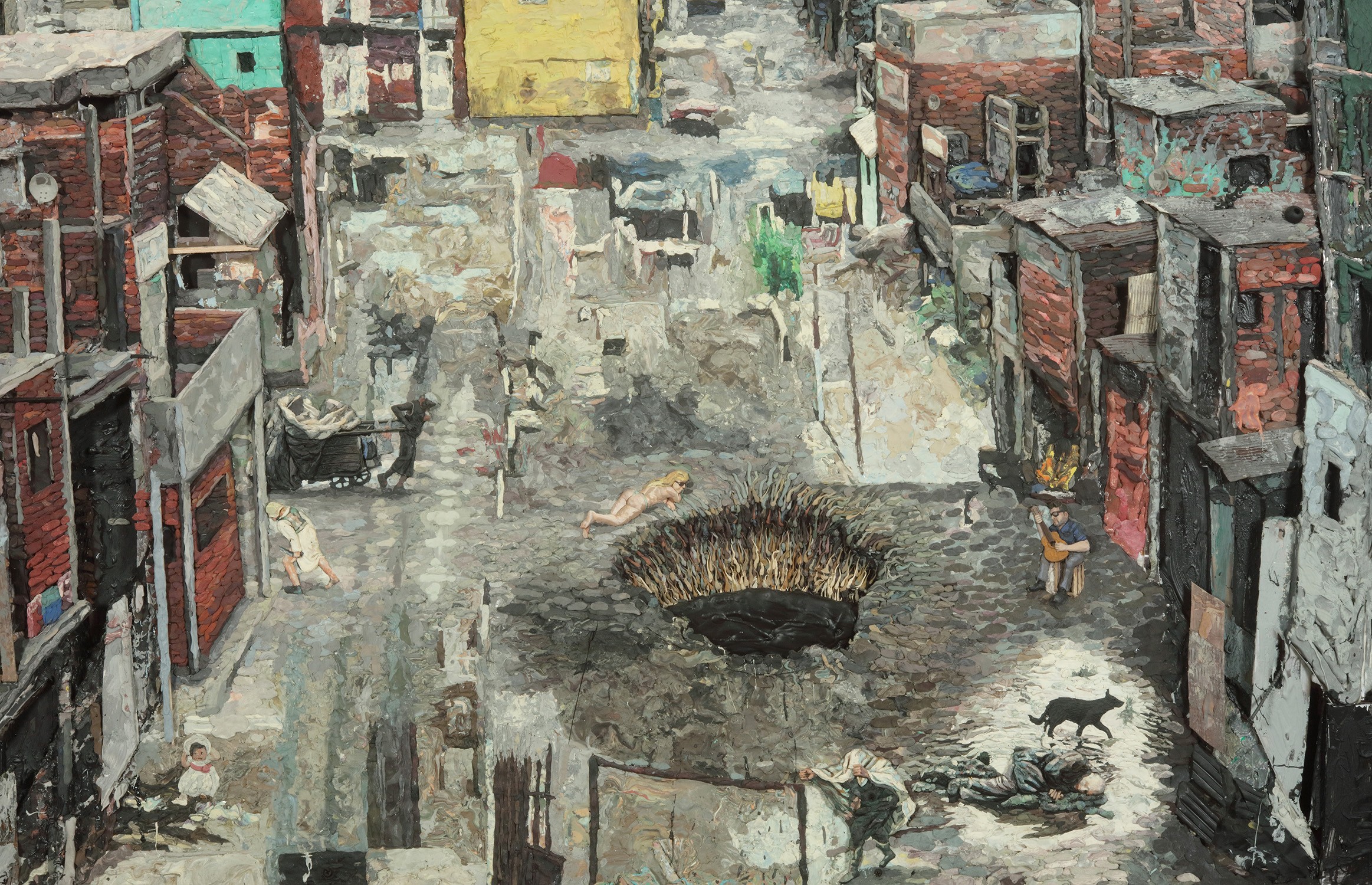
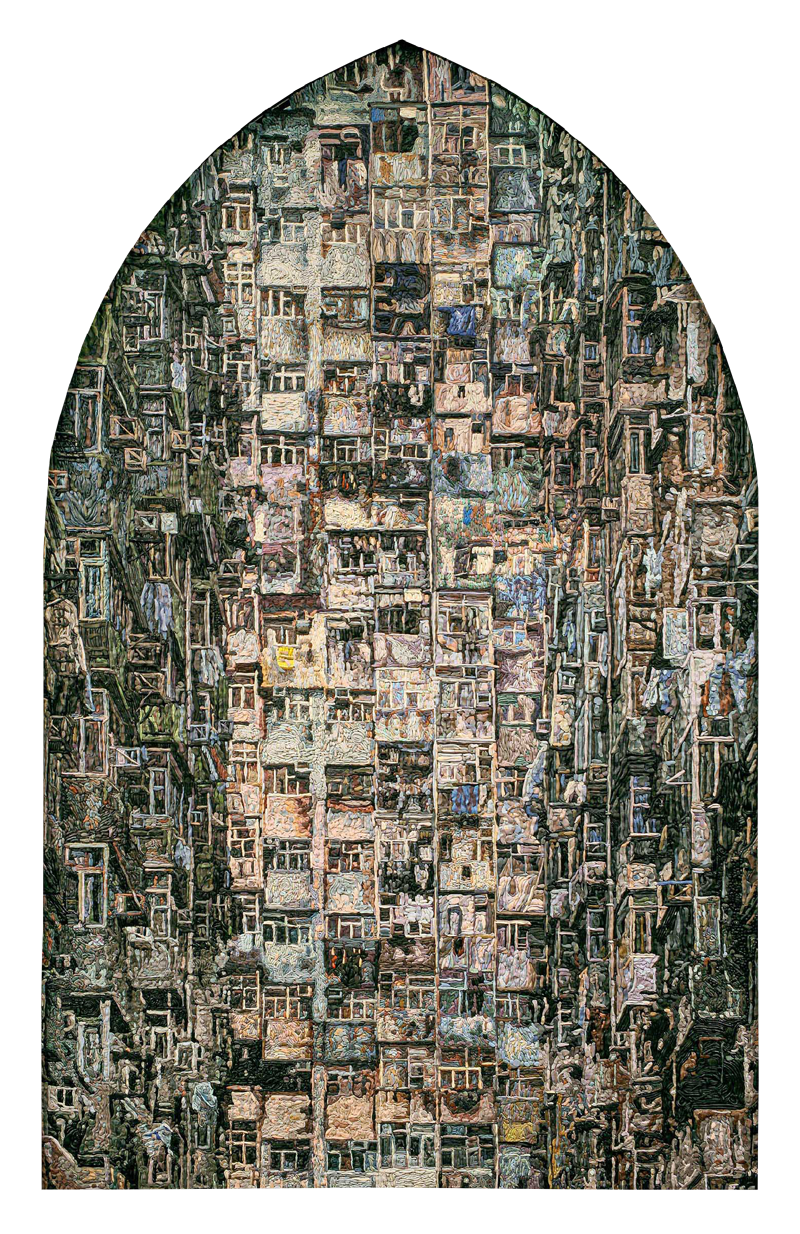
THE SHANTY TOWN
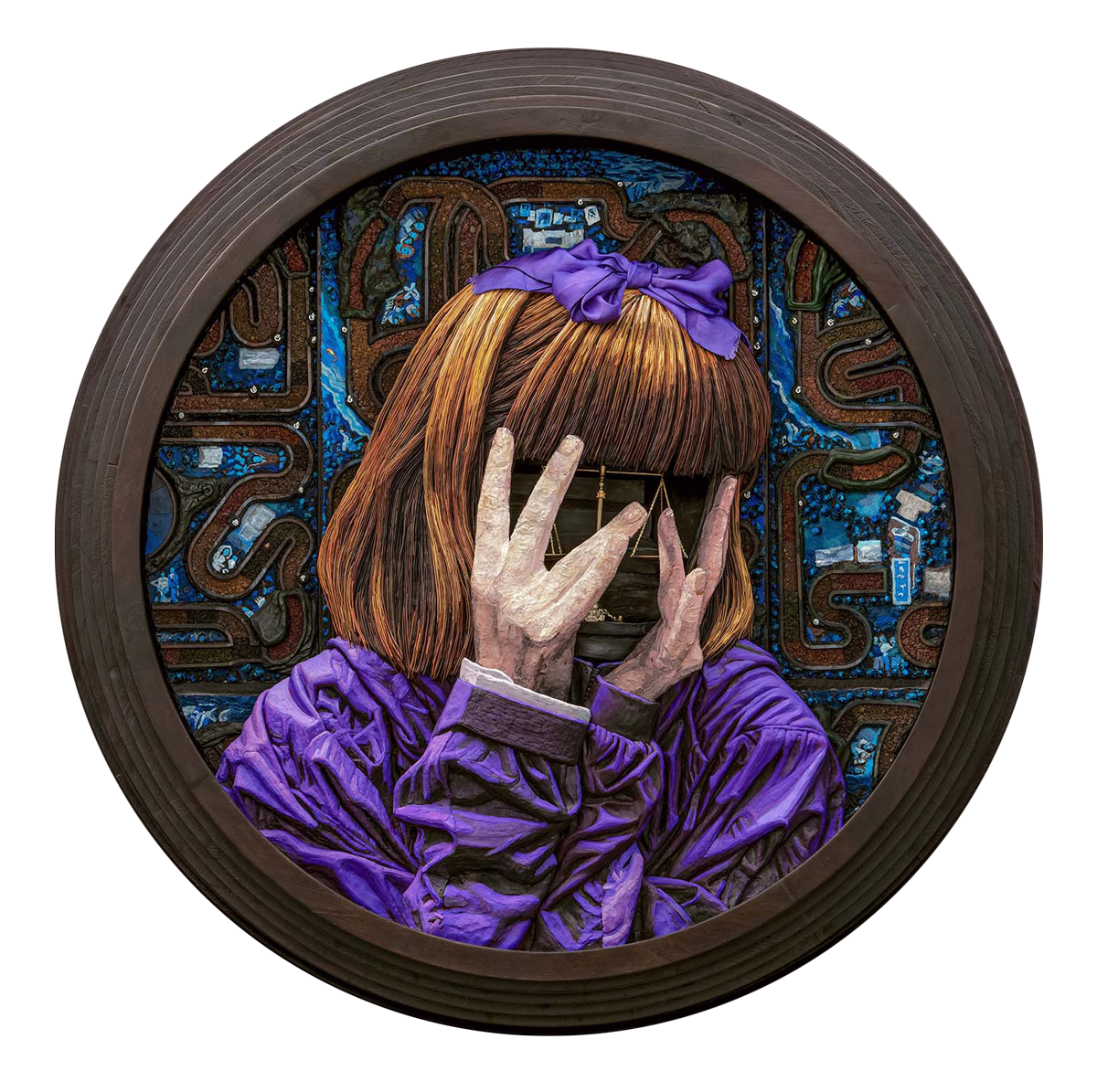
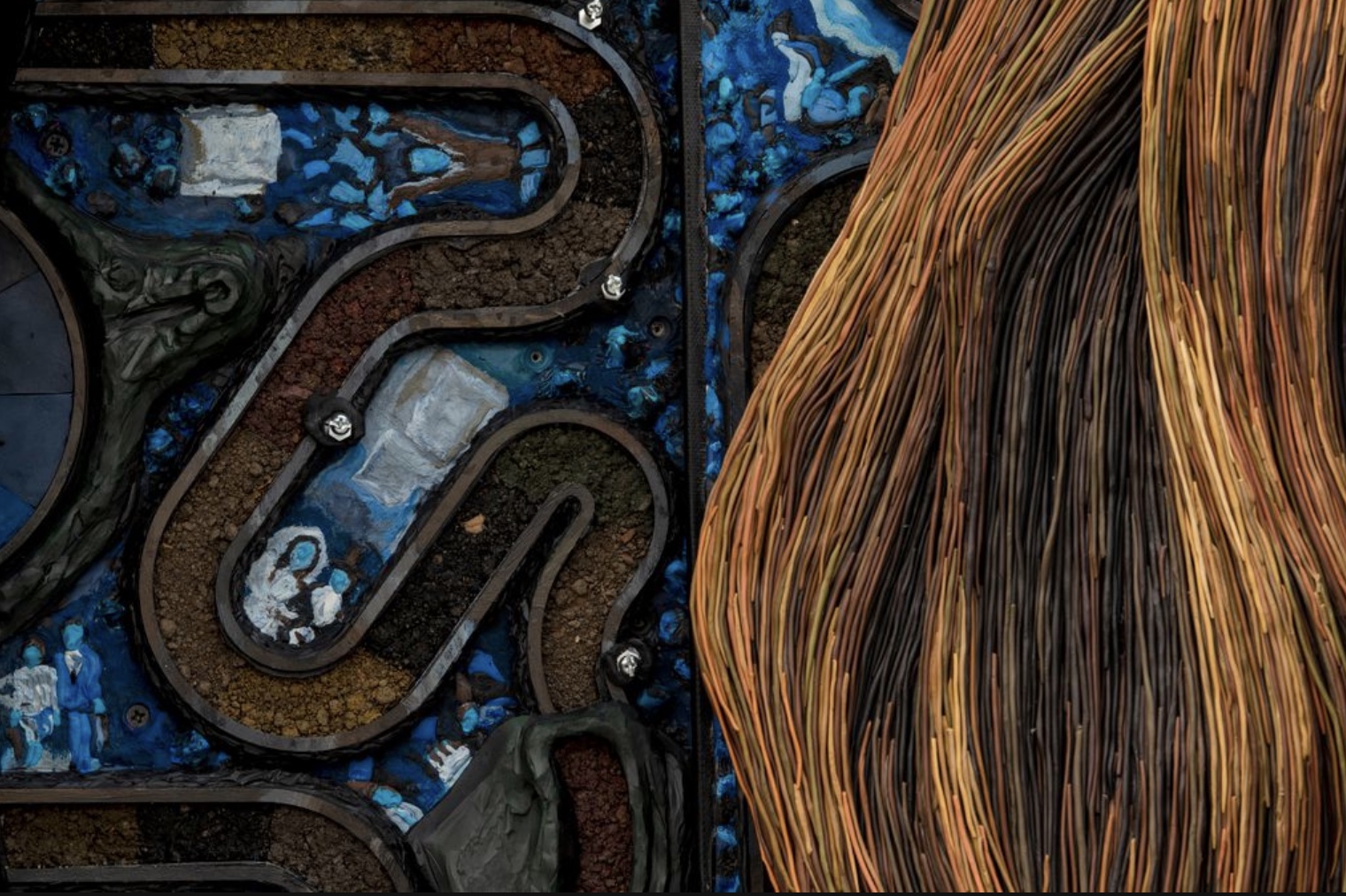
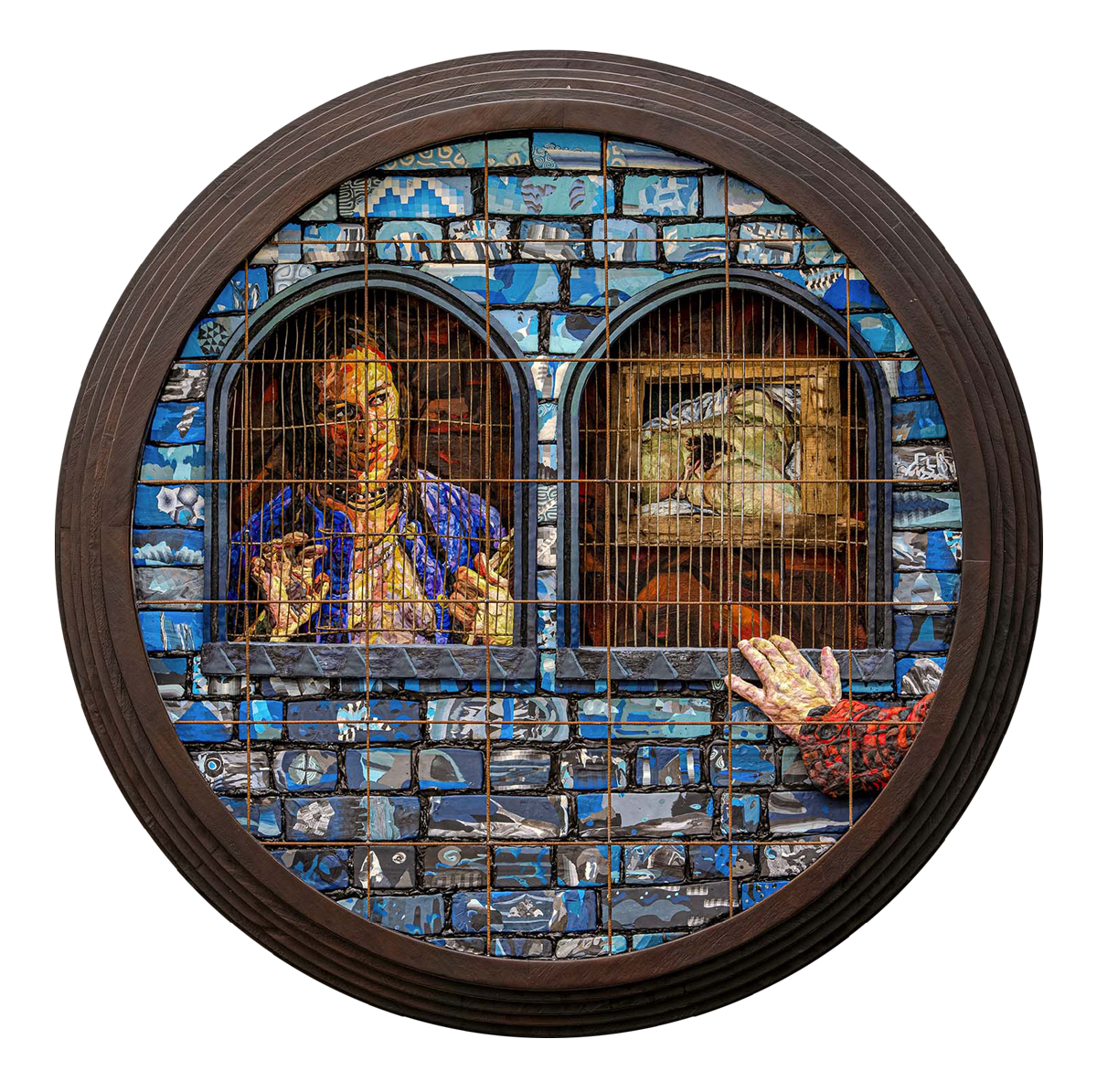
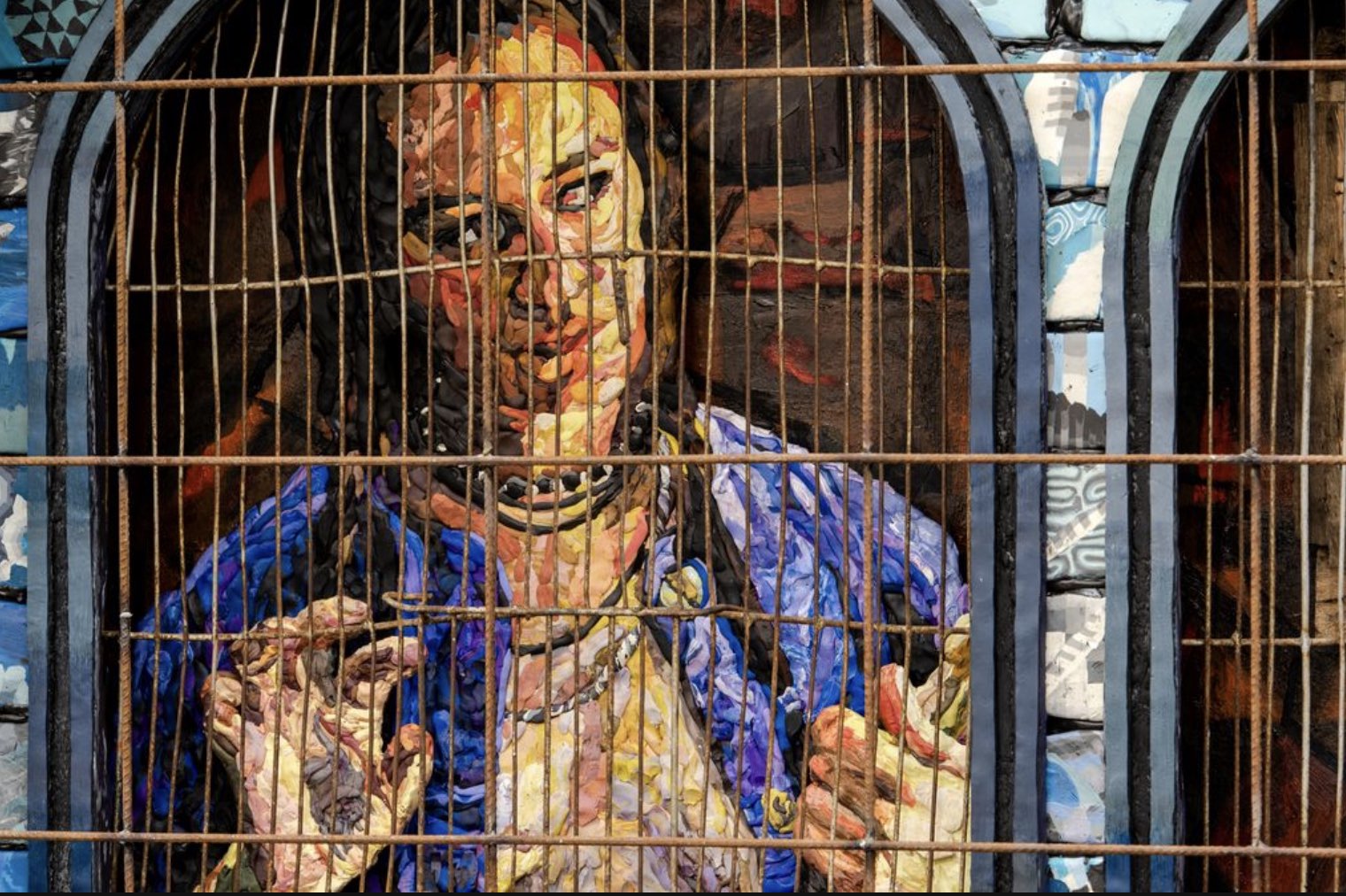
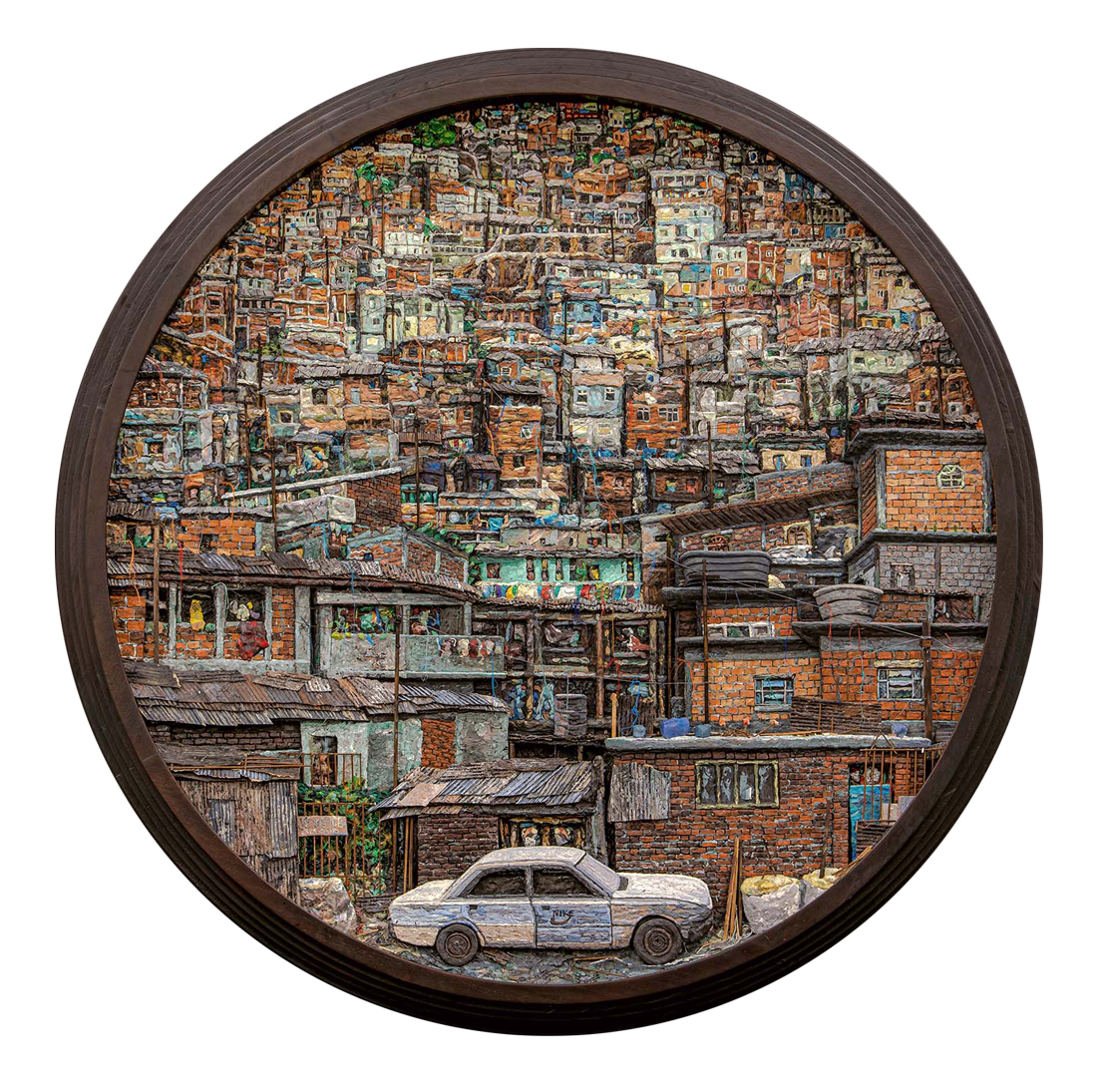
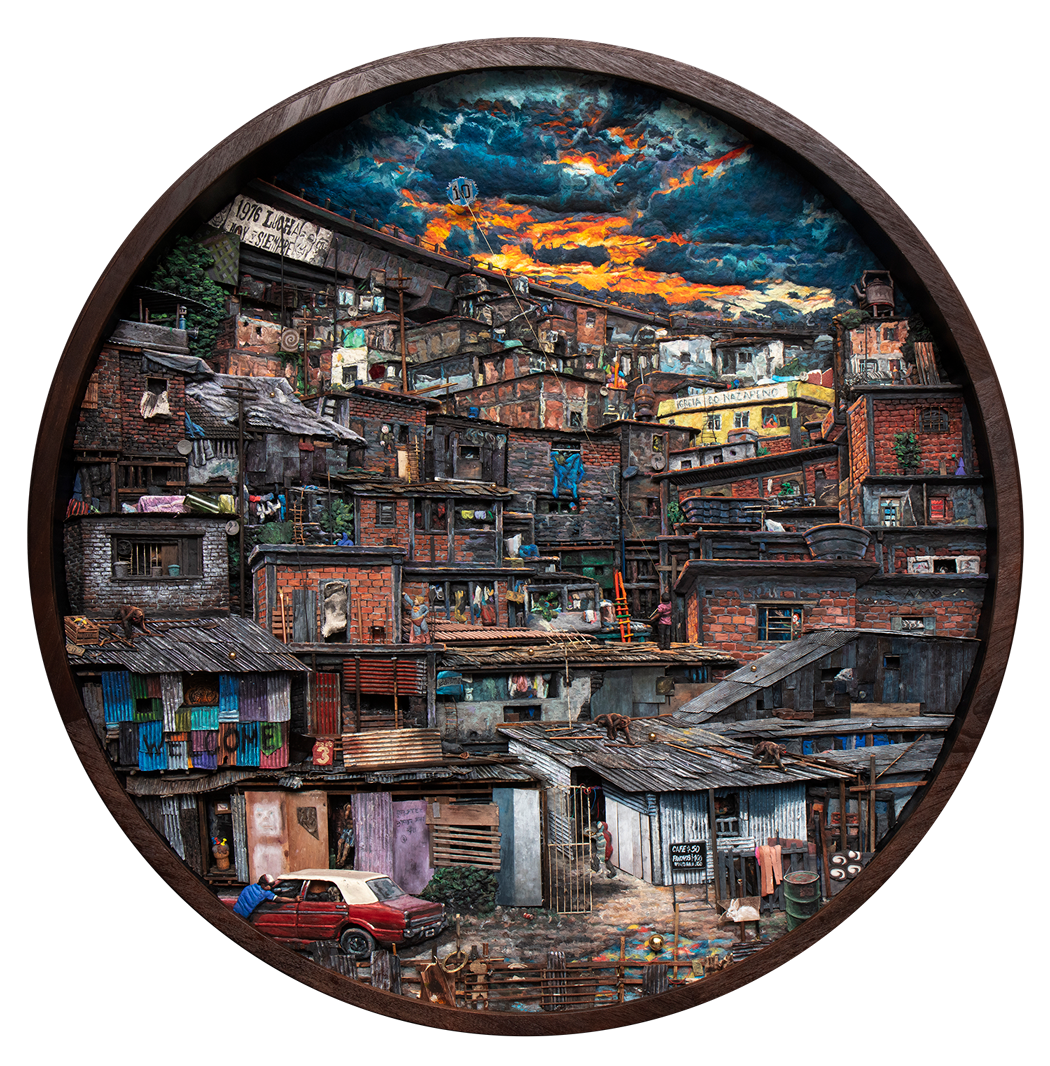
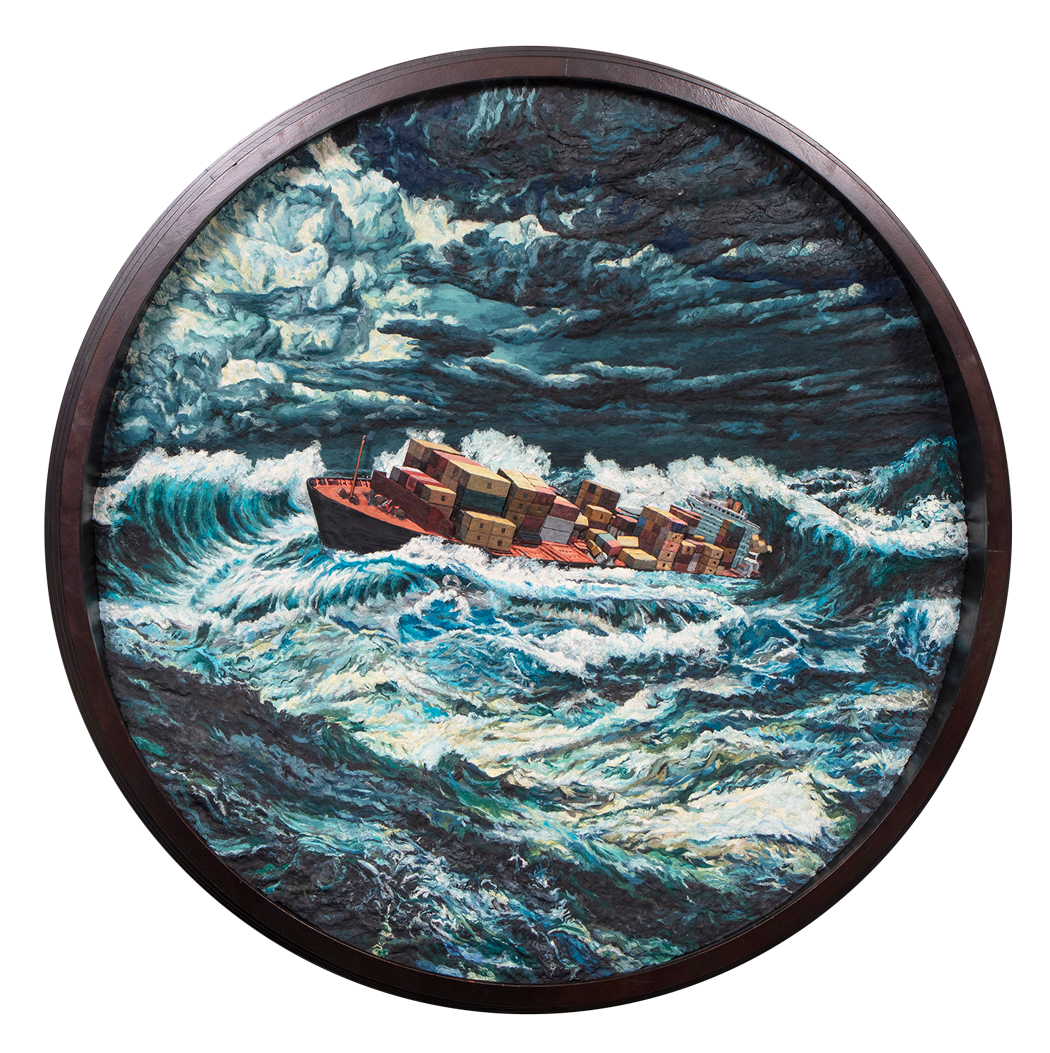
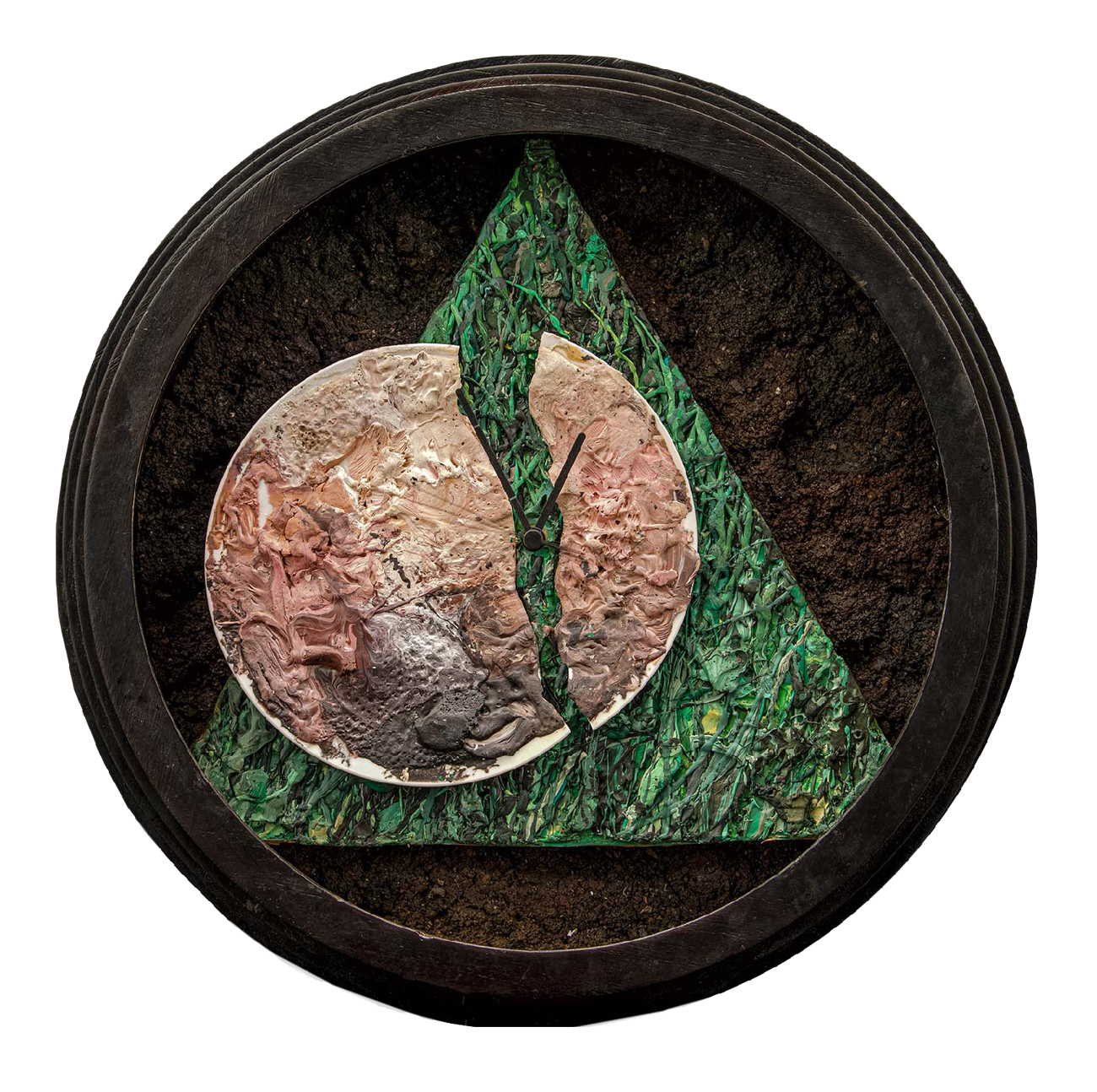
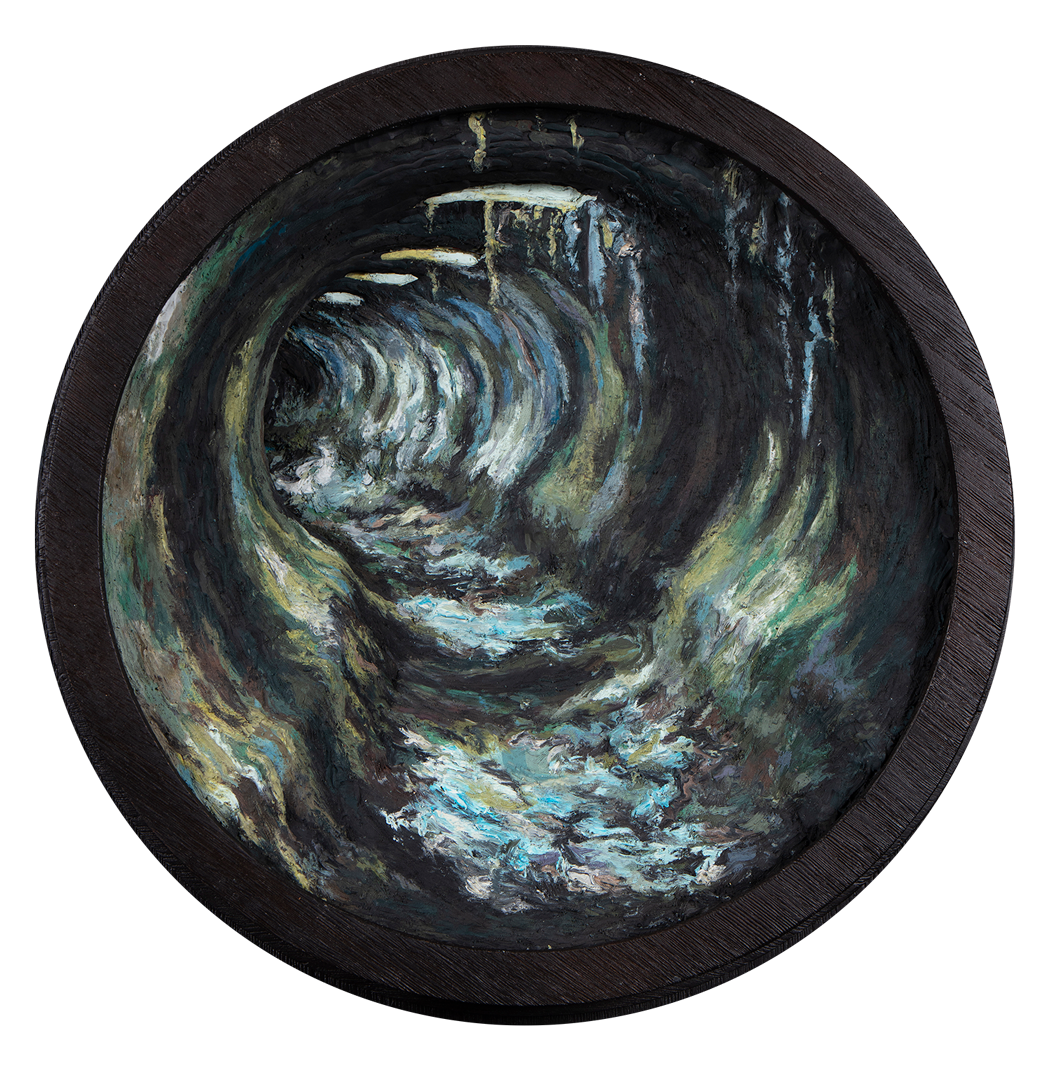
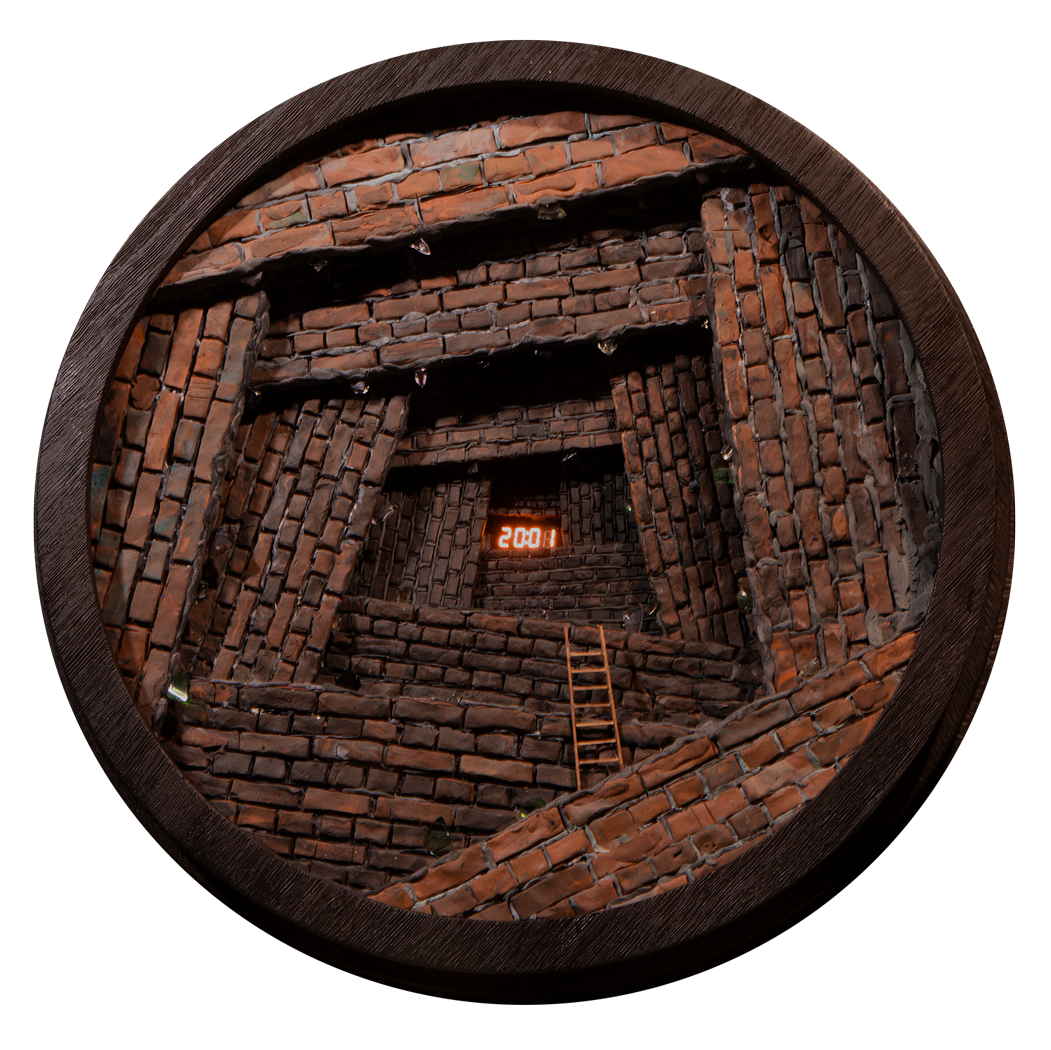
If the city is a geometry of scraps and illusions, it is also the fragment of hunger which gobbles up yearning. A trained jaw and strong legs to run around corridors. A steel throat to endure the frost and dinosaur teeth that reminisce over absence. There were centuries of lava and shooting stars, meteorites that struck fear. Till the circle, the wheel, materialized; a round as a tondo. The legend, golden and slim, creating the fabrics with which we would cover our bodies with decorum.
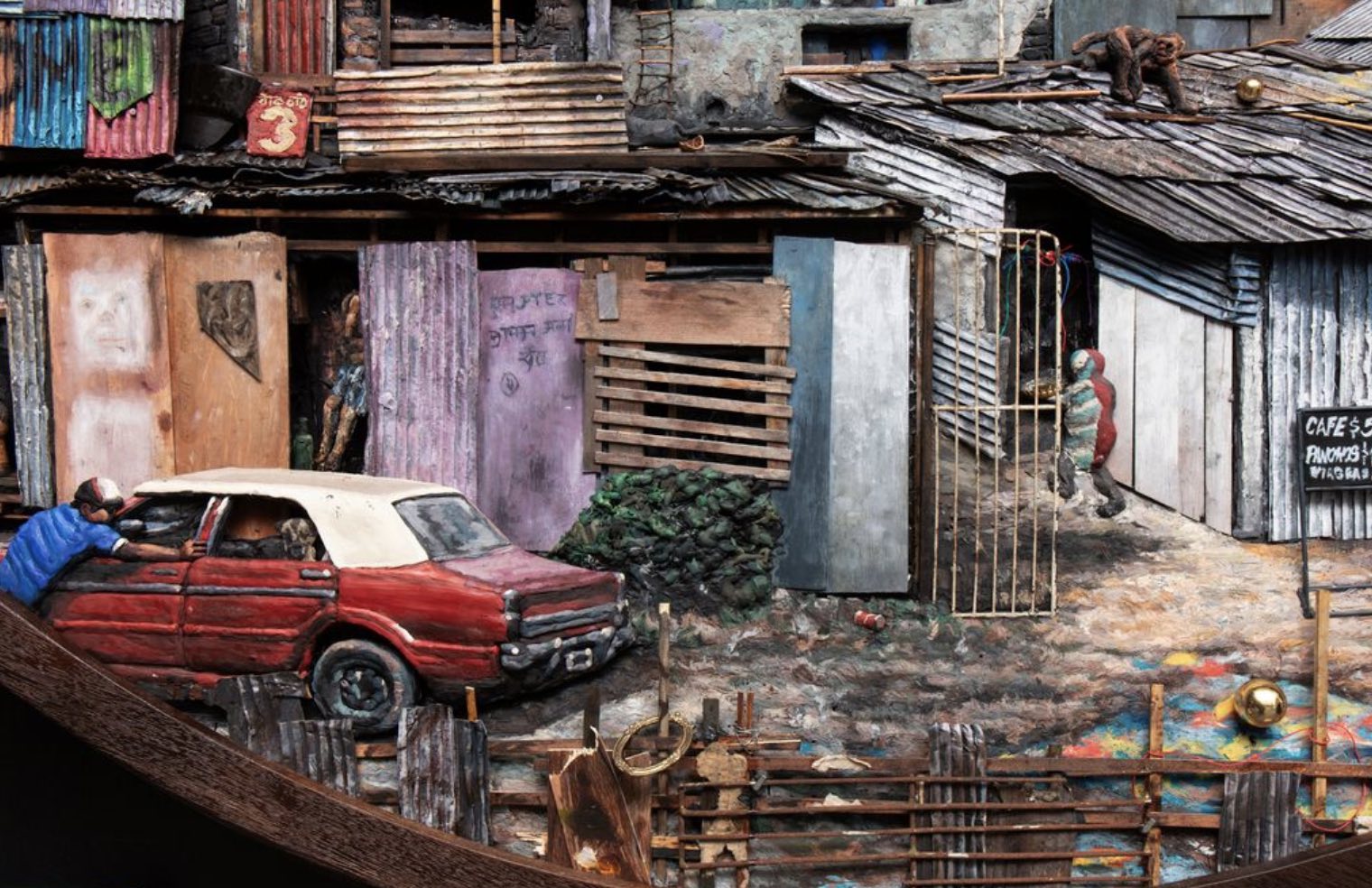
If the city is the waste and unpeeling of the soul, it is also waiting. The skillful hands, the sharp wood; the metal sheets concealing supreme wrinkles and glances; the glass, frozen on the outside and cloudy on the inside from the warmth of the breath. The houses crammed together, intertwined by drains and plastic cables. The land, rising in red fragments; one on top of the other, red took over the sphere. But the reflection of the sky does not remain silent. Loaded with water or clear in winter, it is tattooed on the zigzagging brick, when some dusty Nikes go into orbit again, flat, over the slum that protects them. Seeking a truce.
—Albertina Carri, 2021
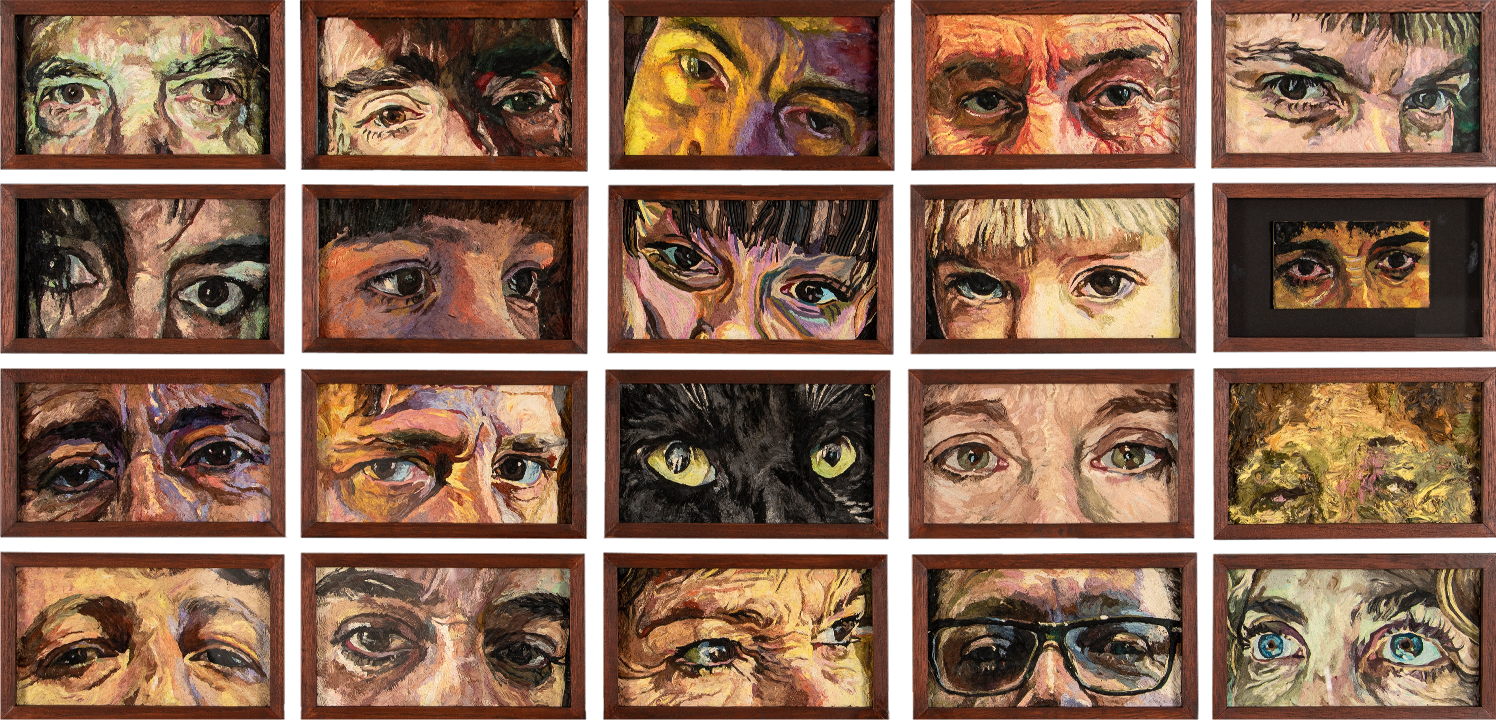
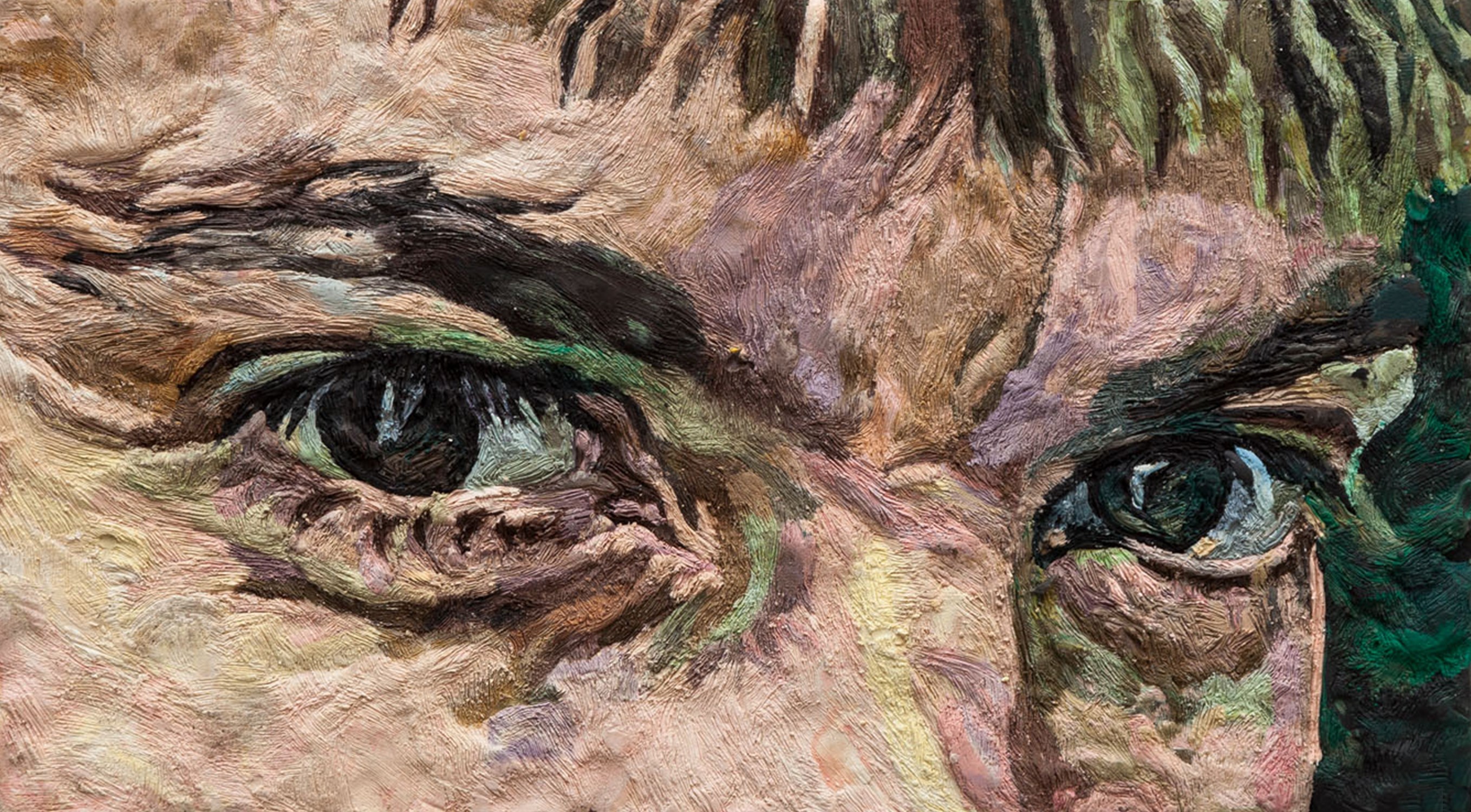
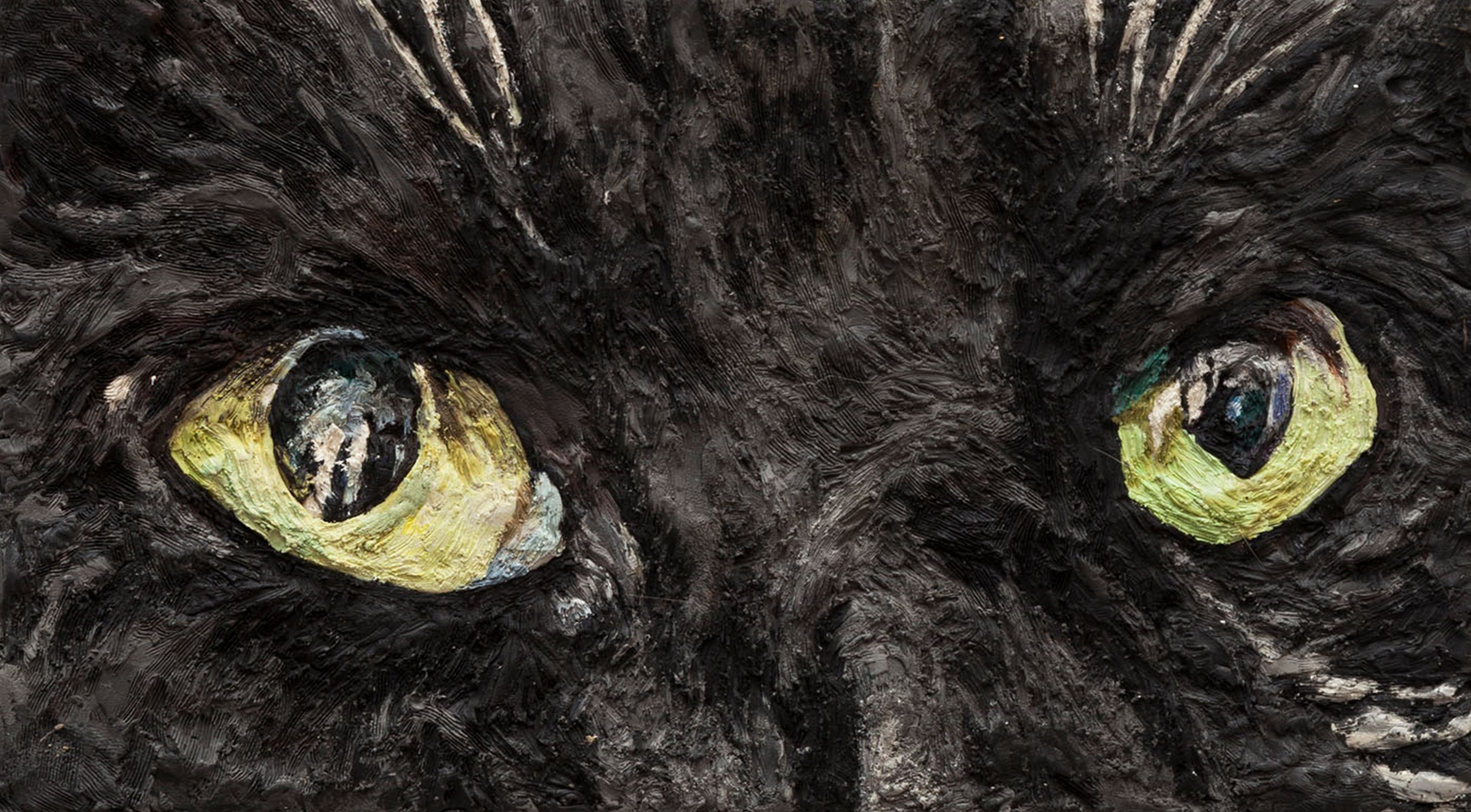
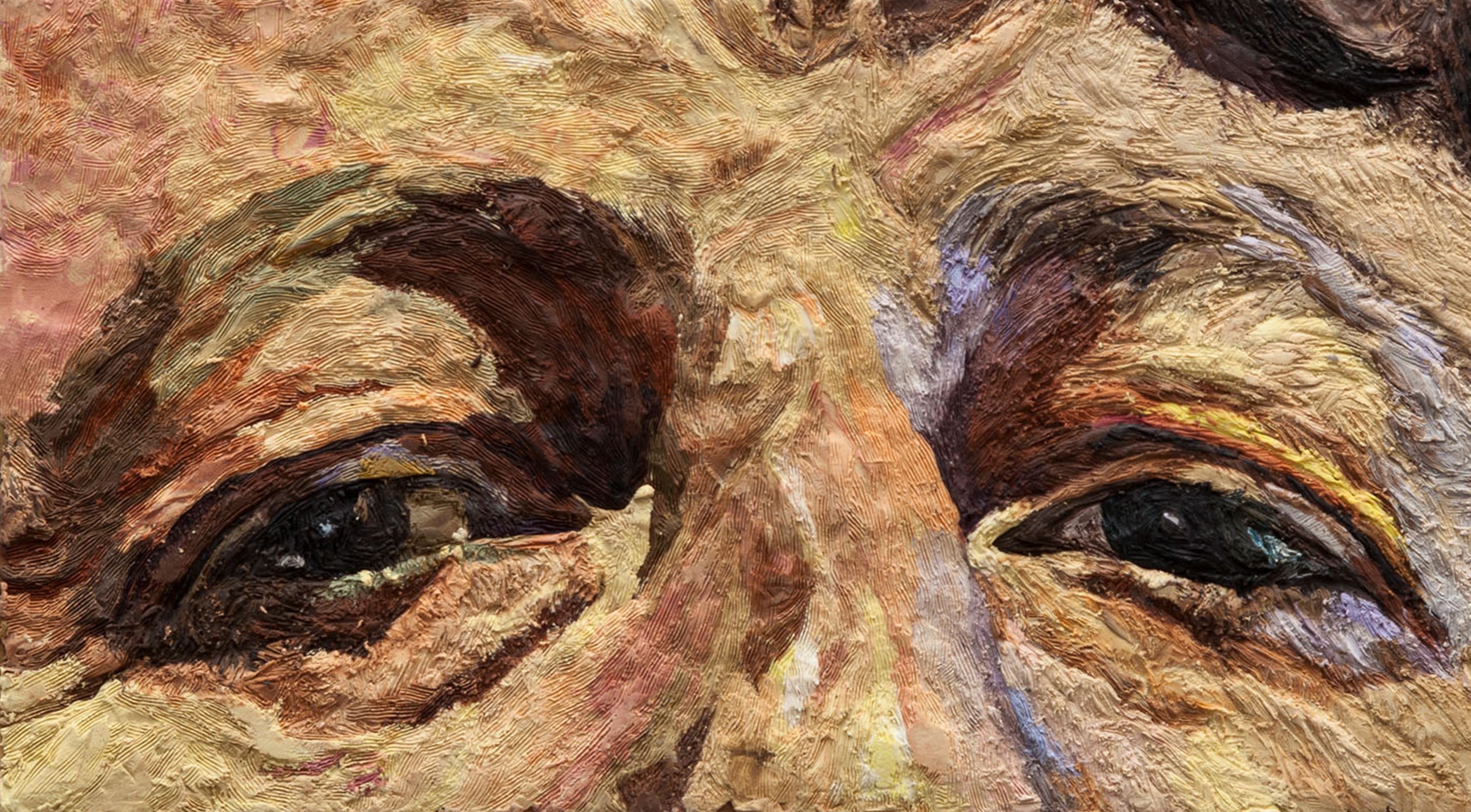
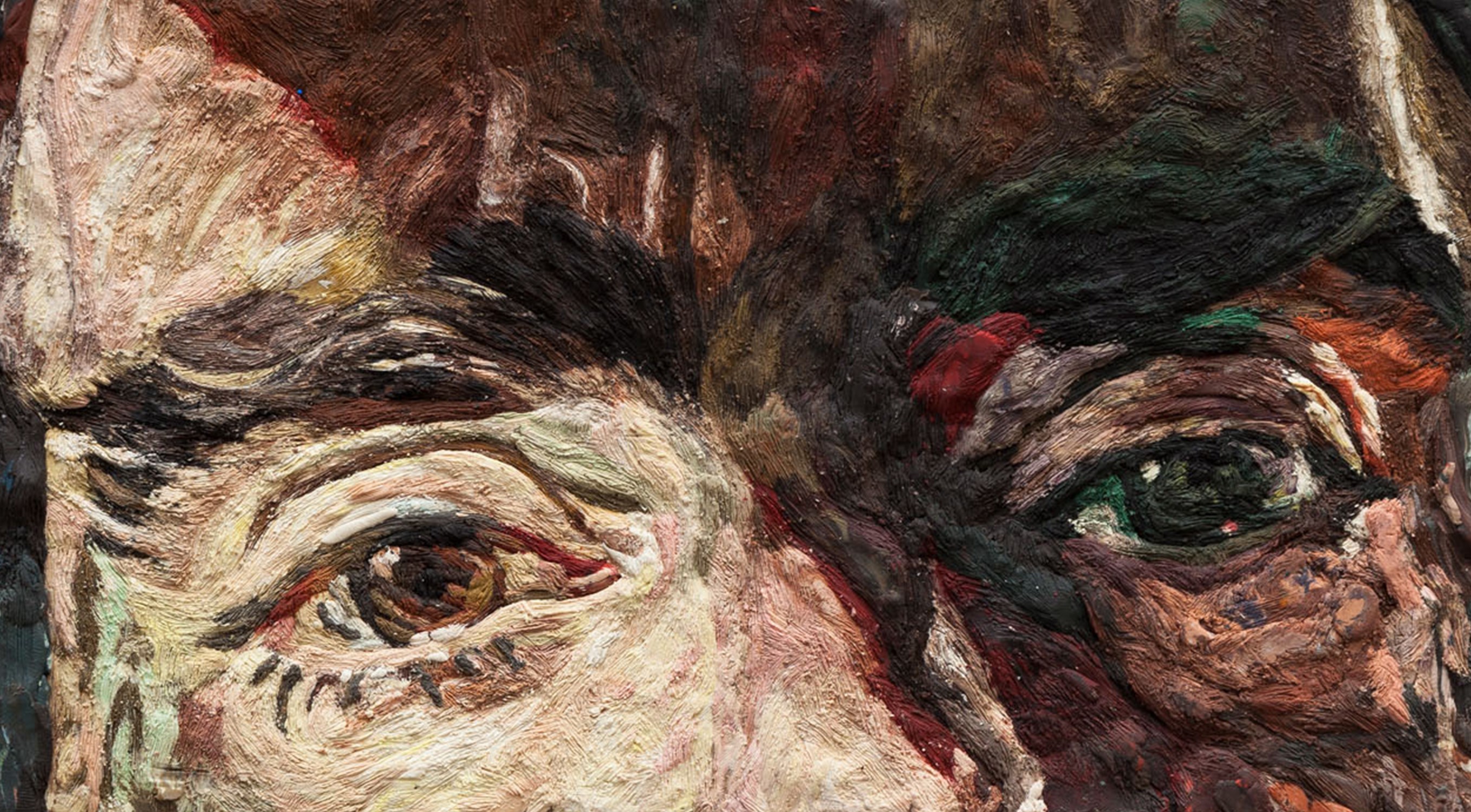
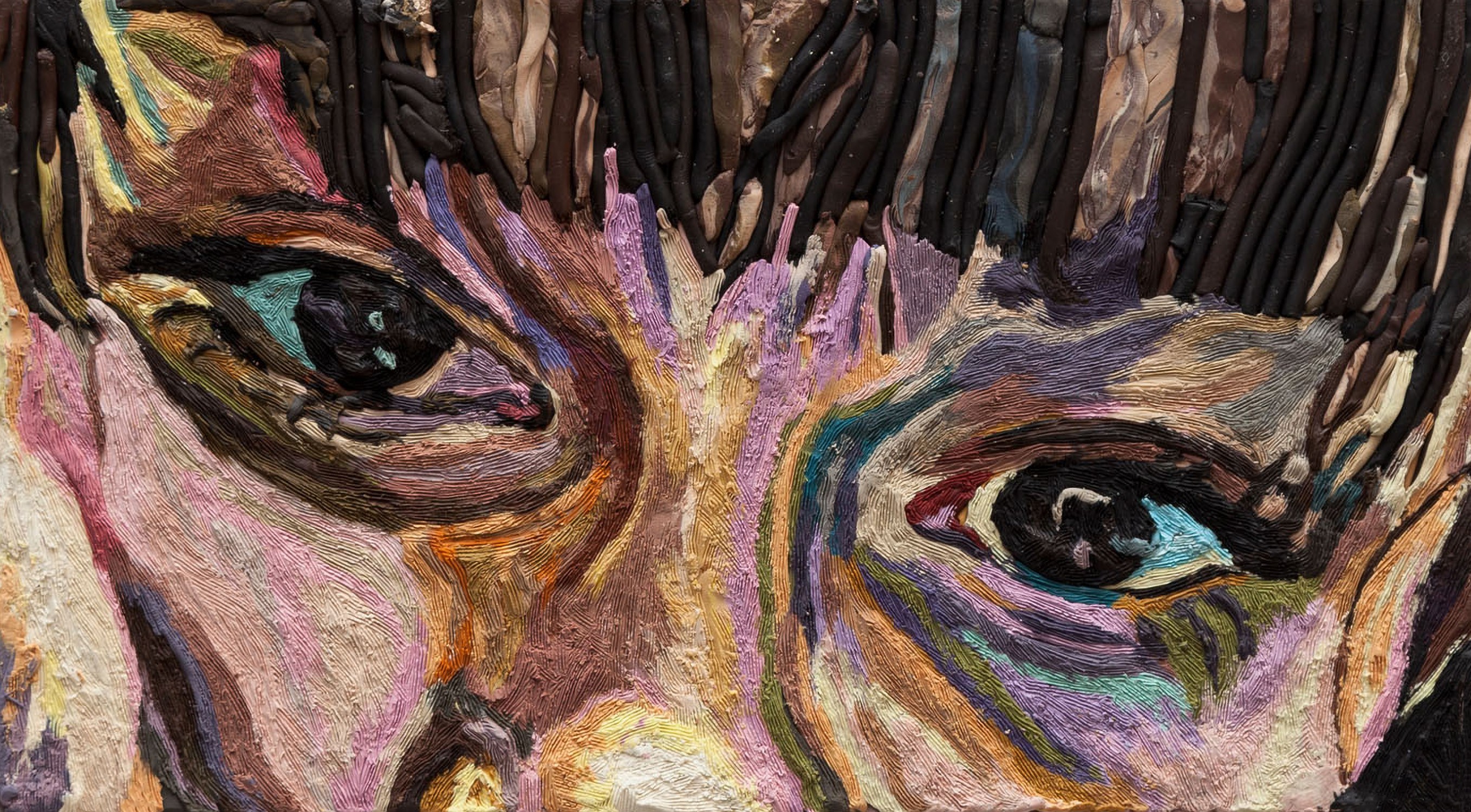
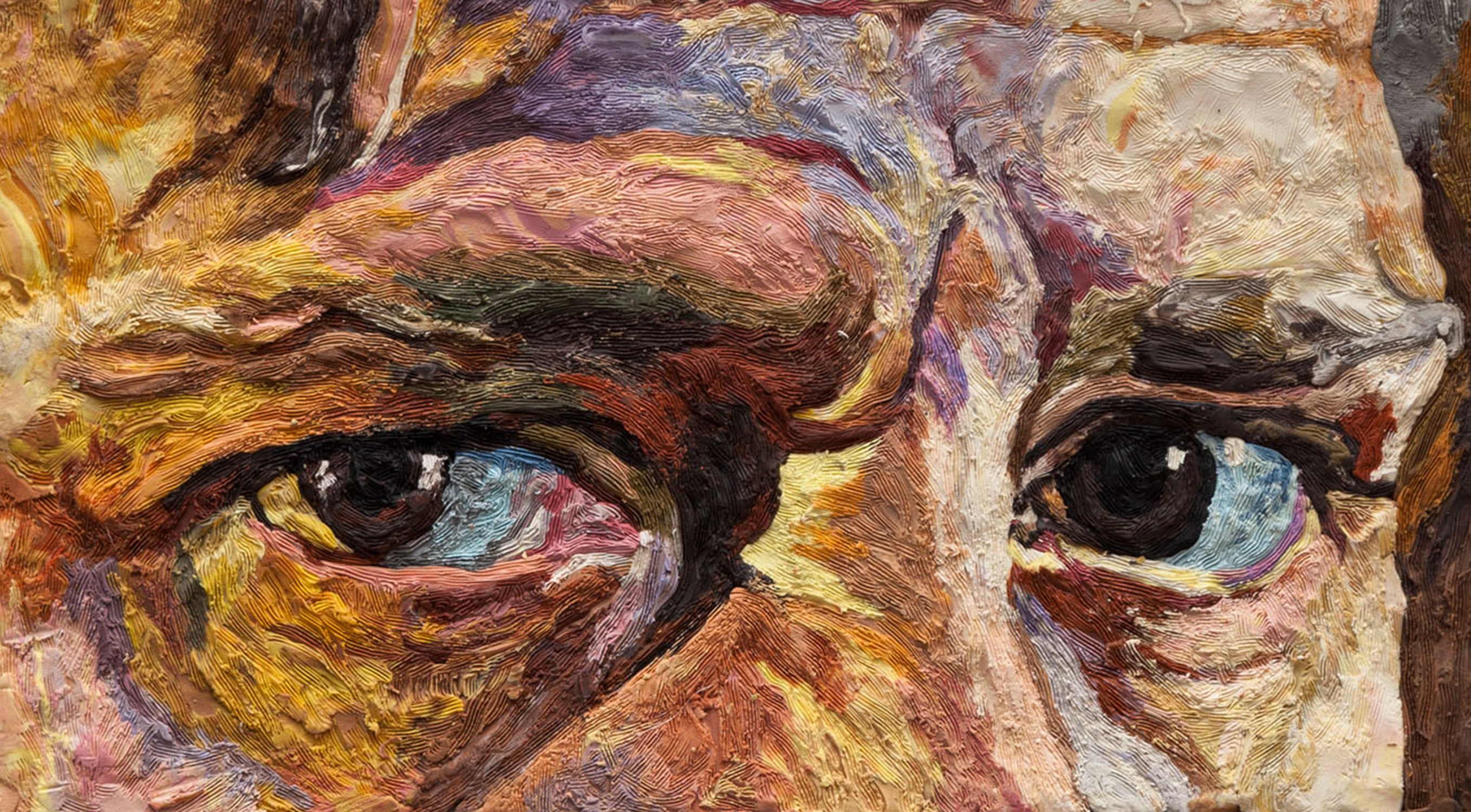
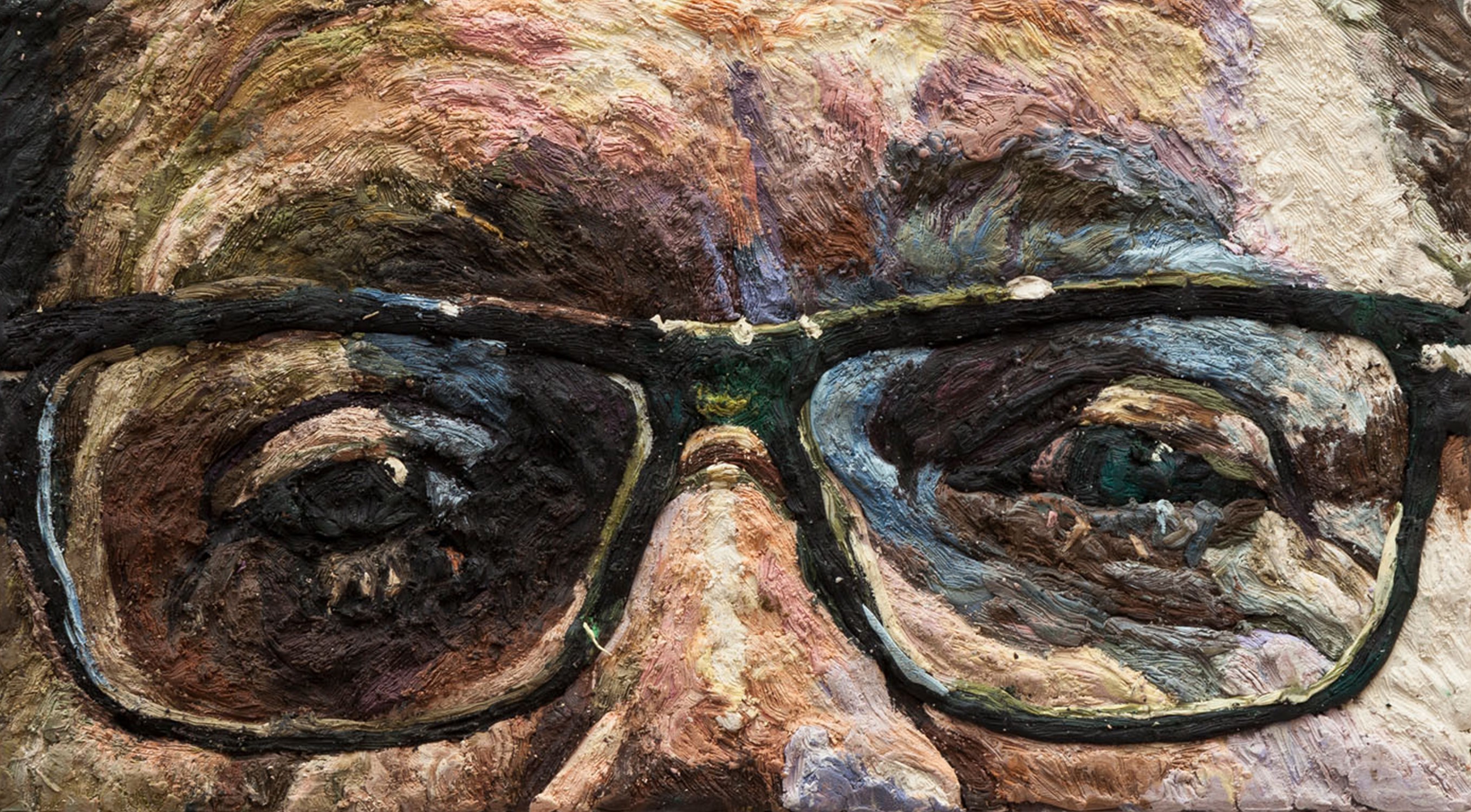
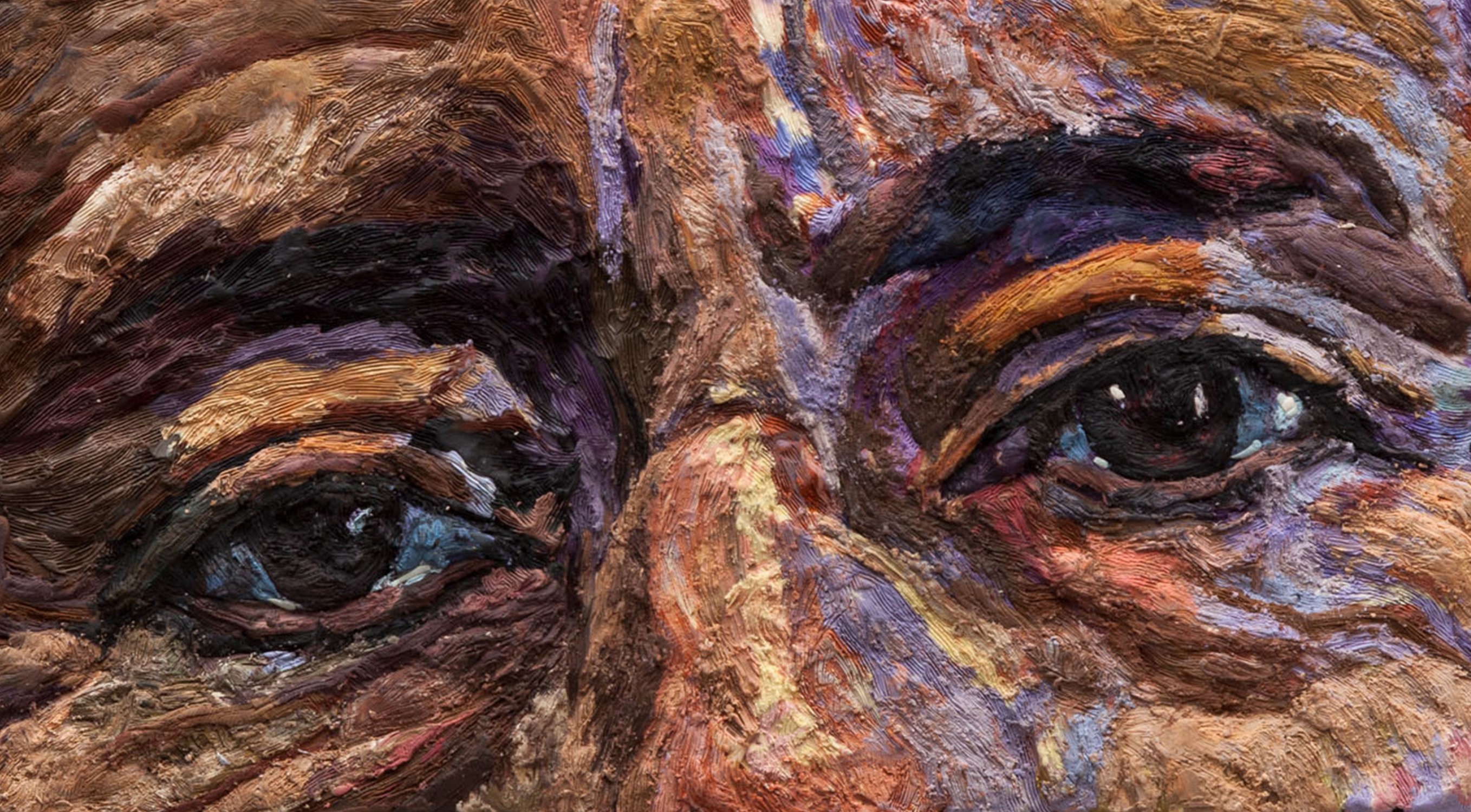
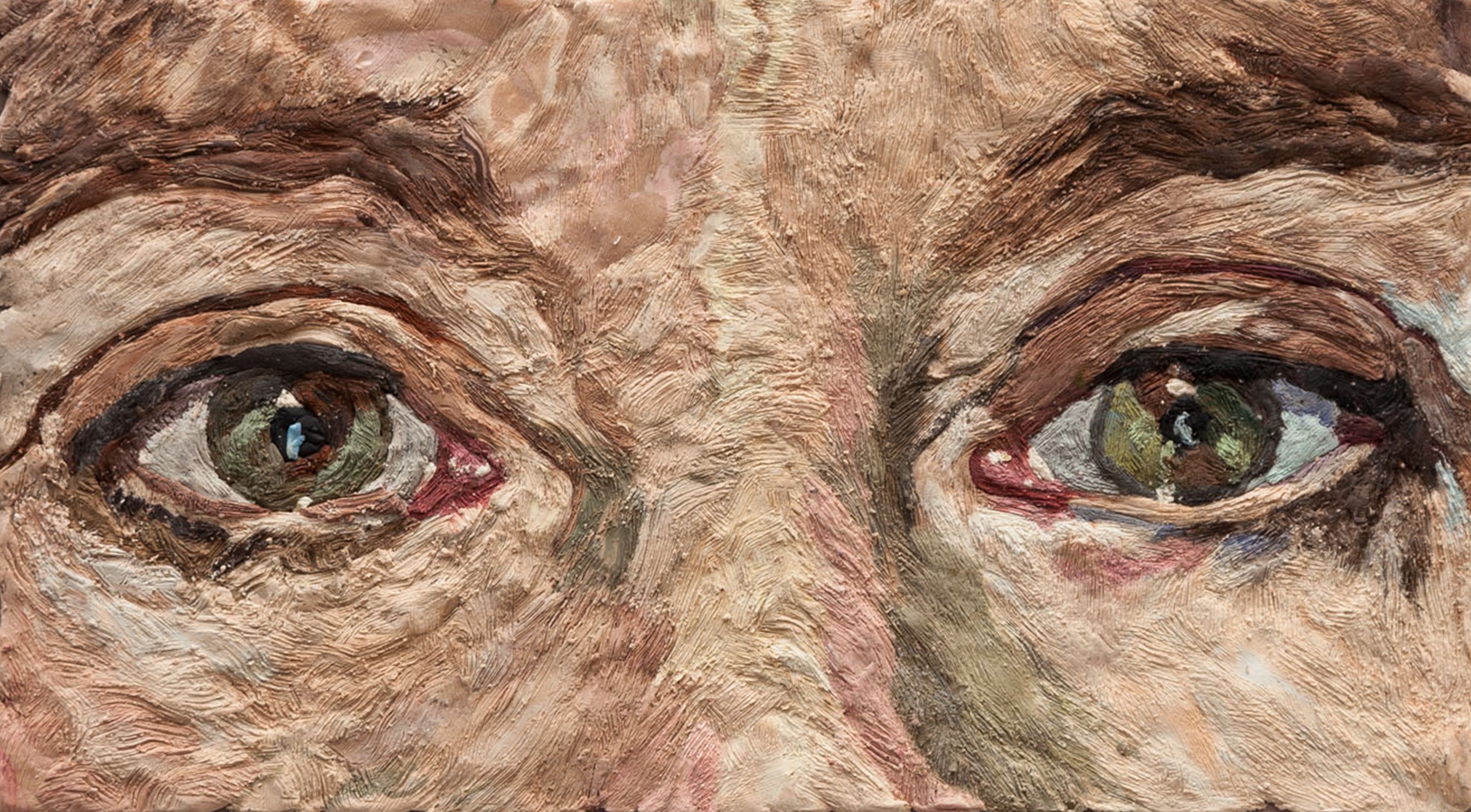
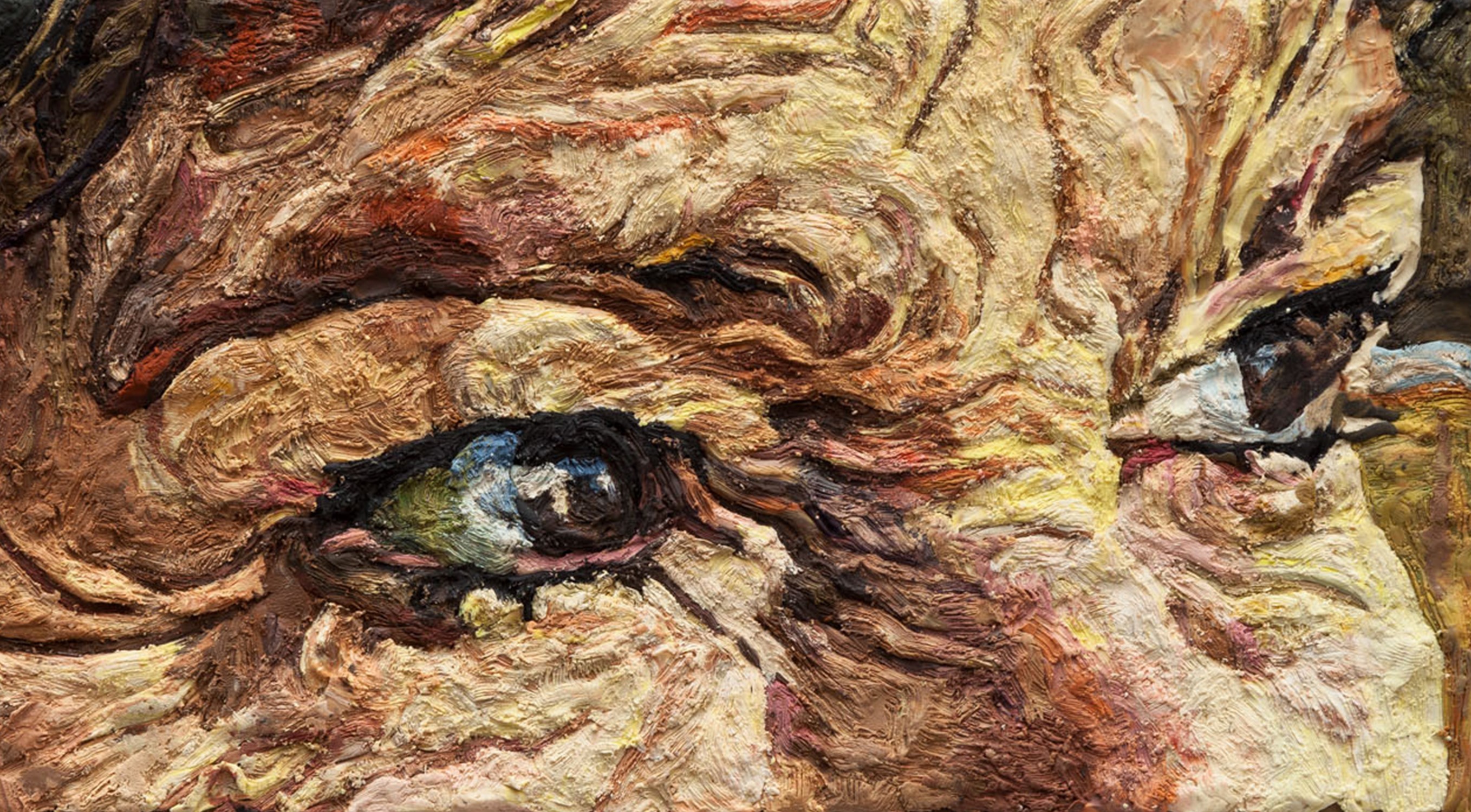
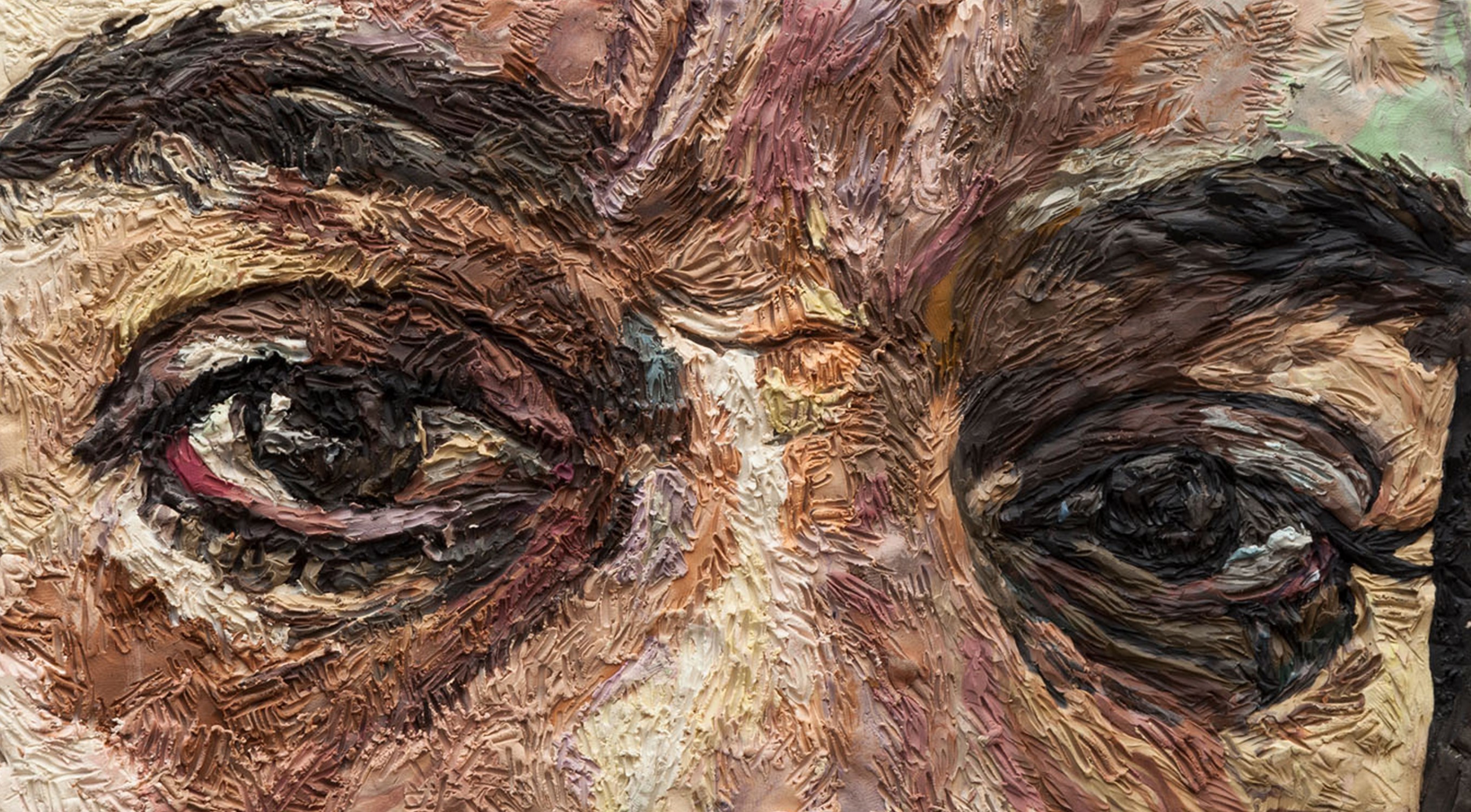
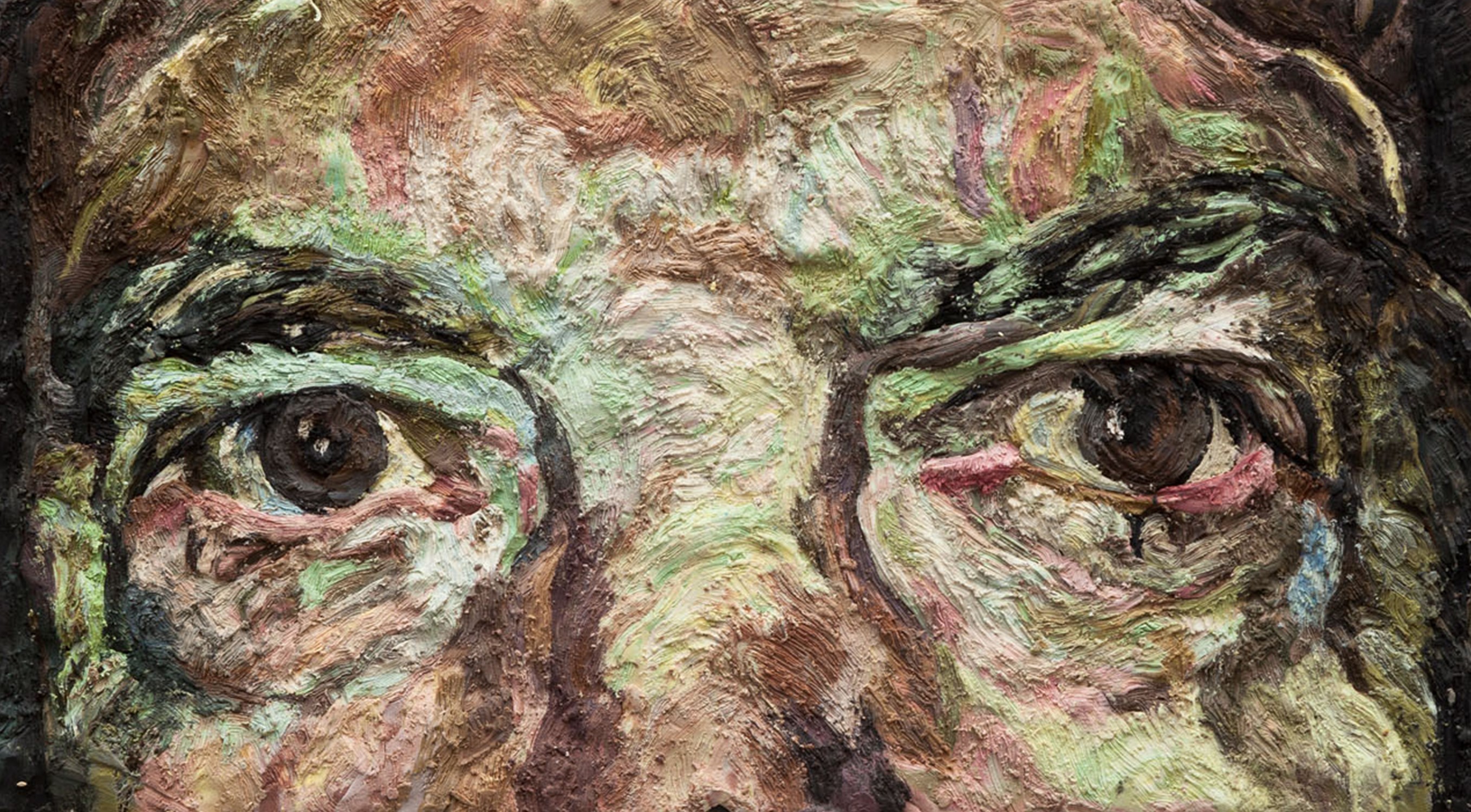
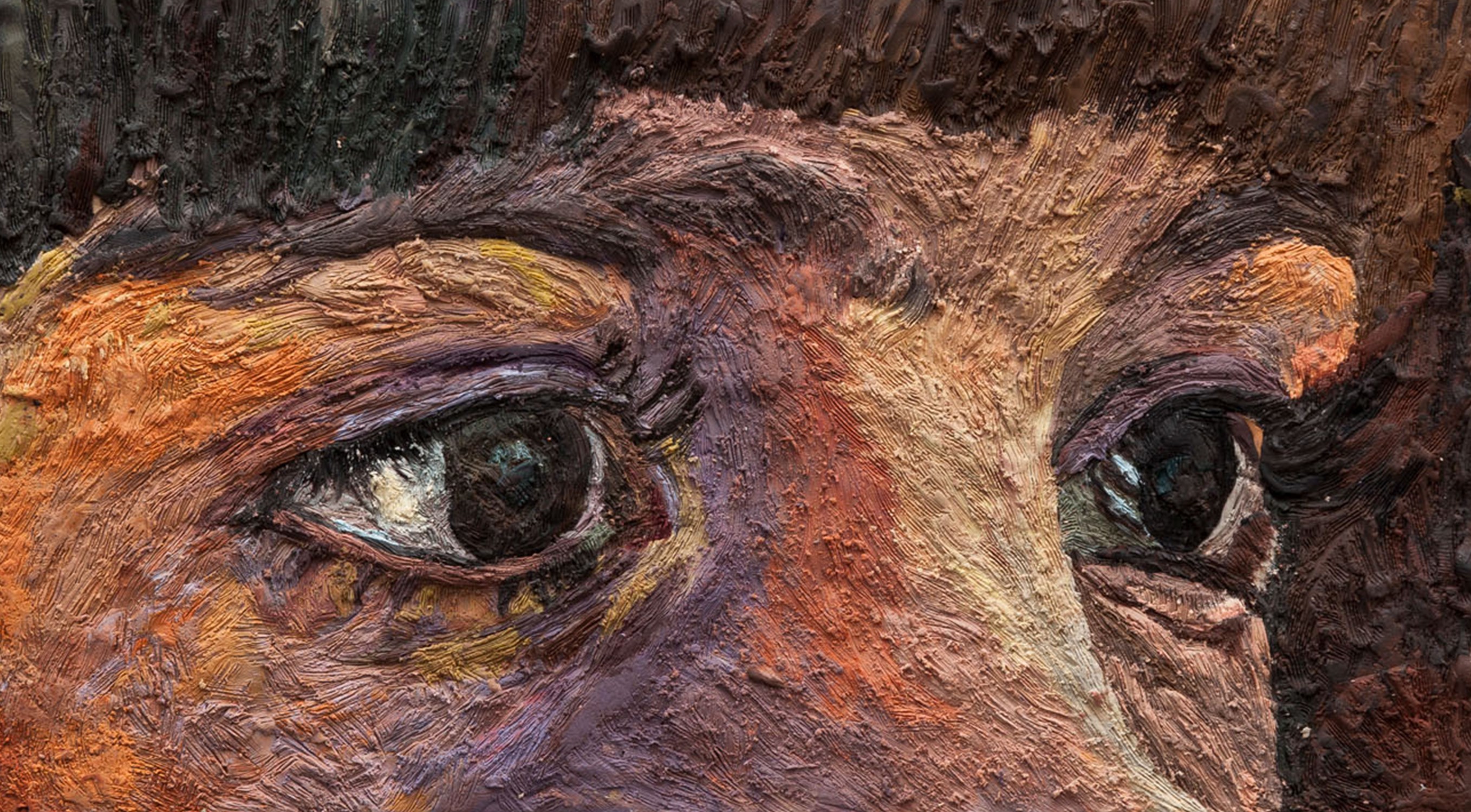
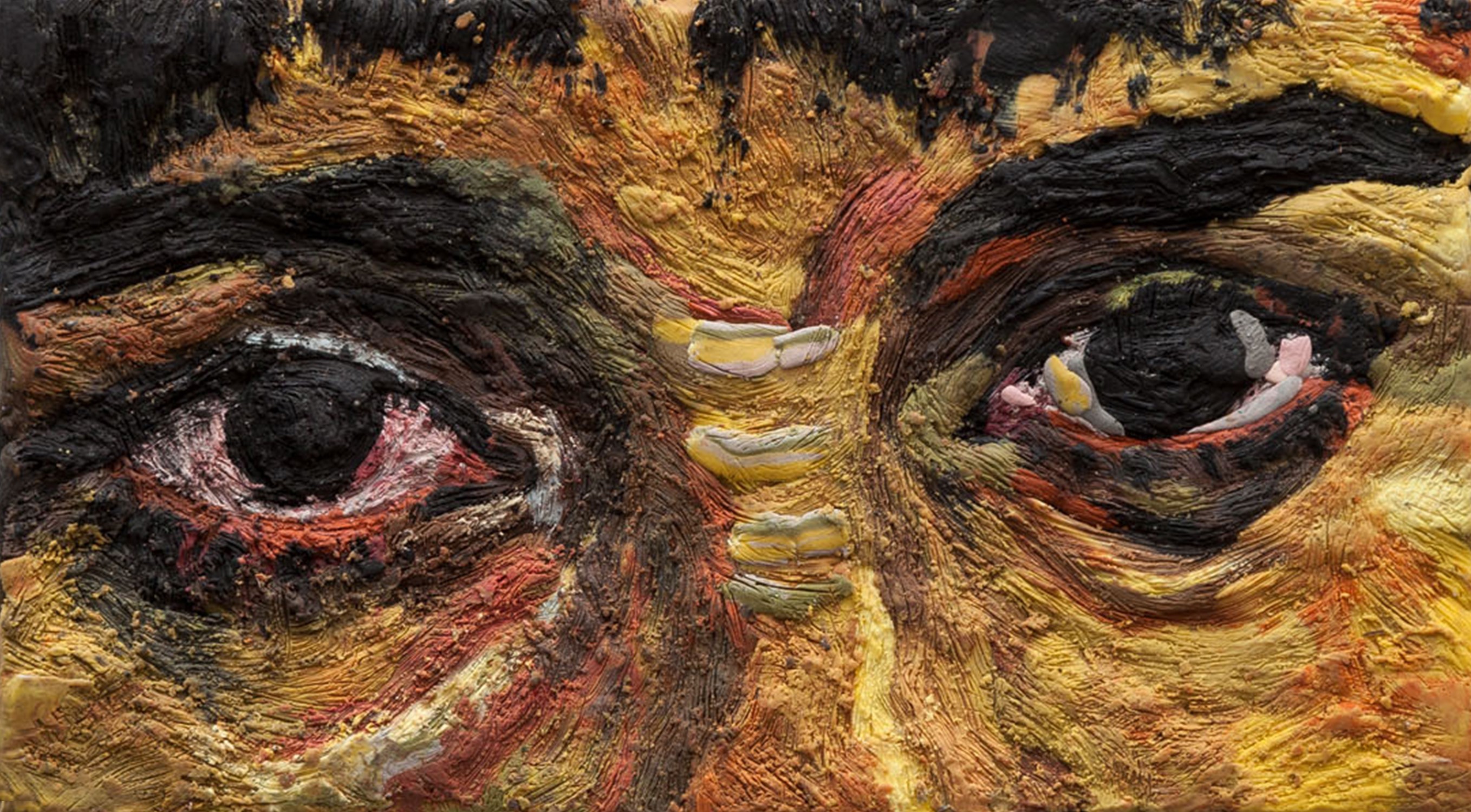
EYES
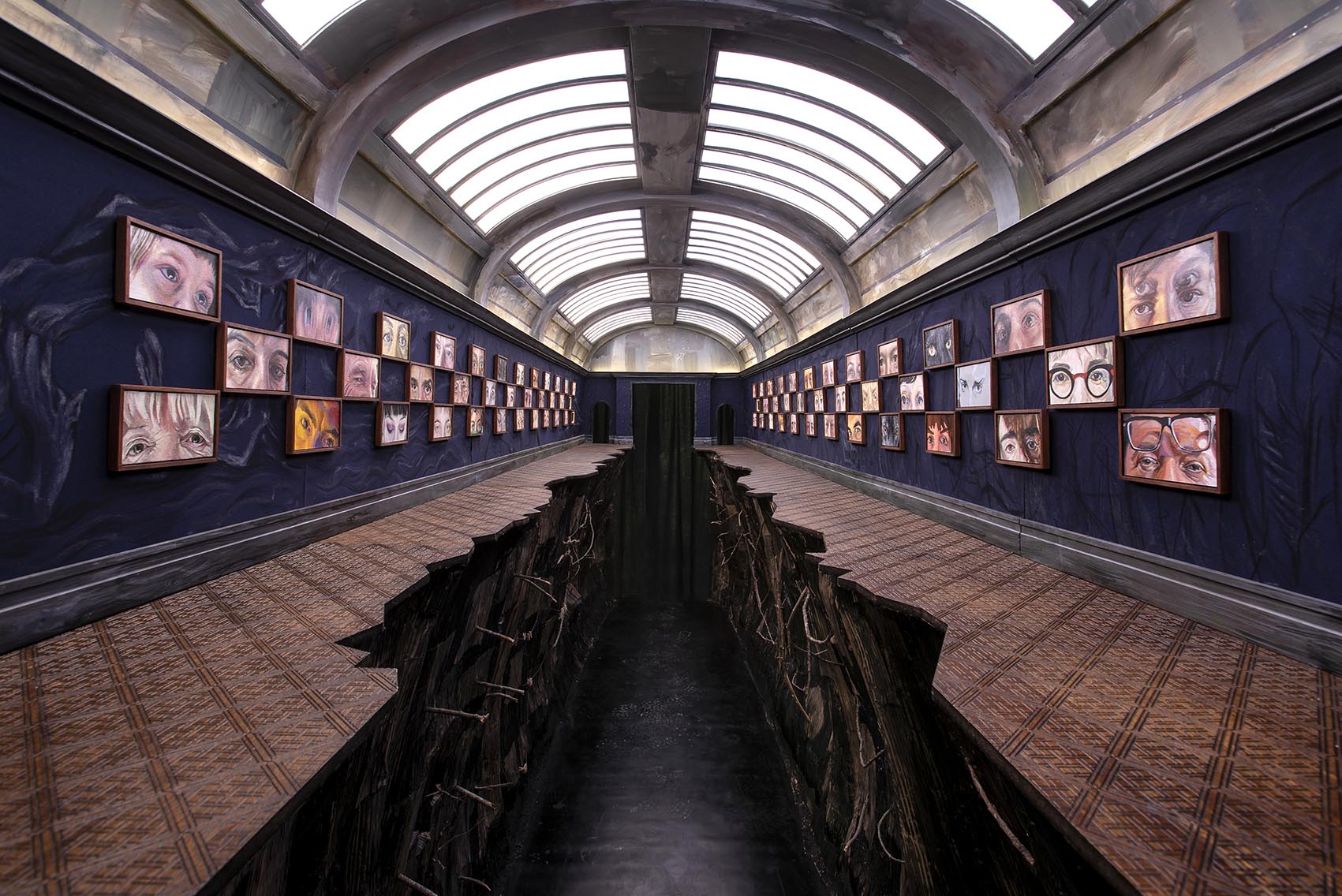
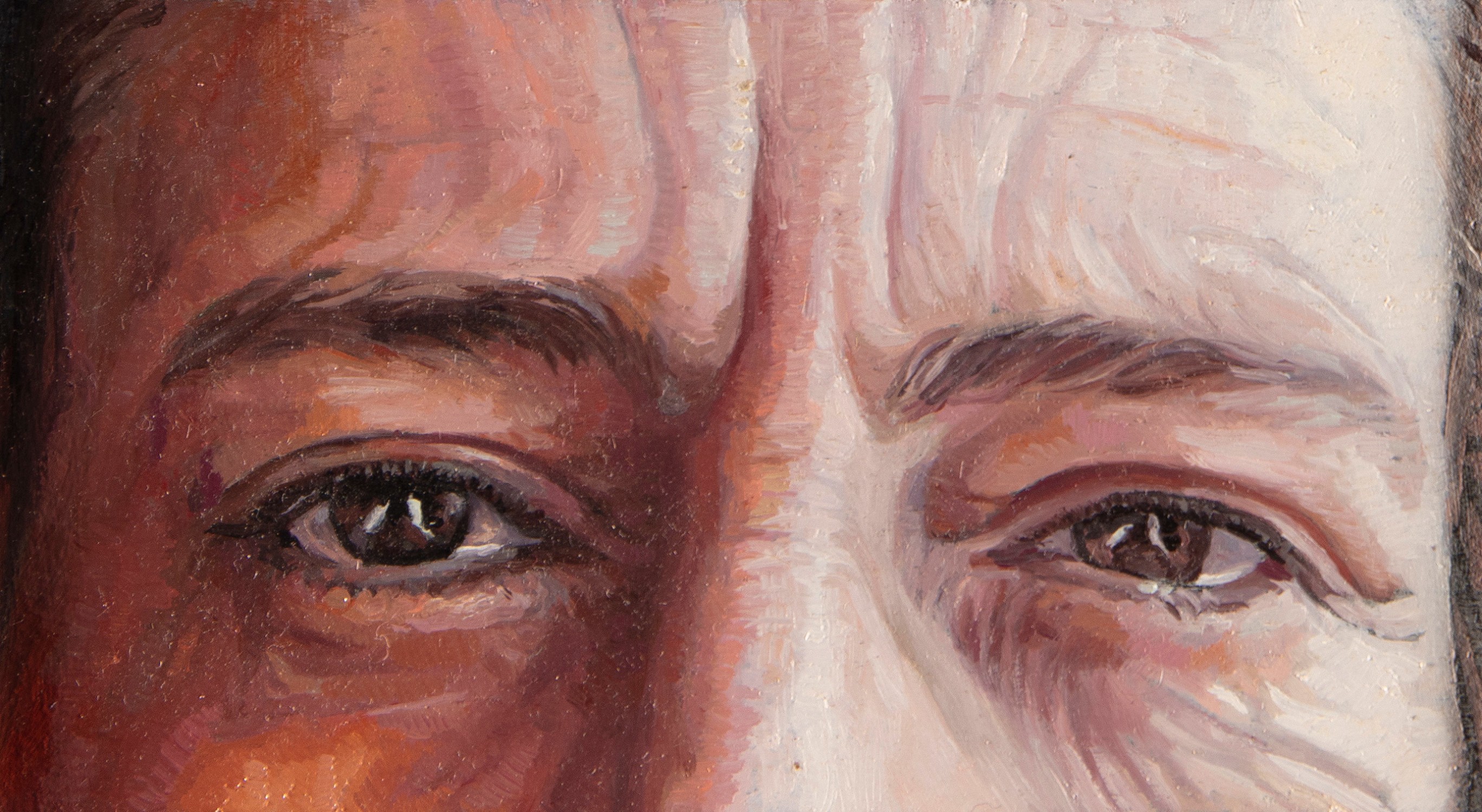
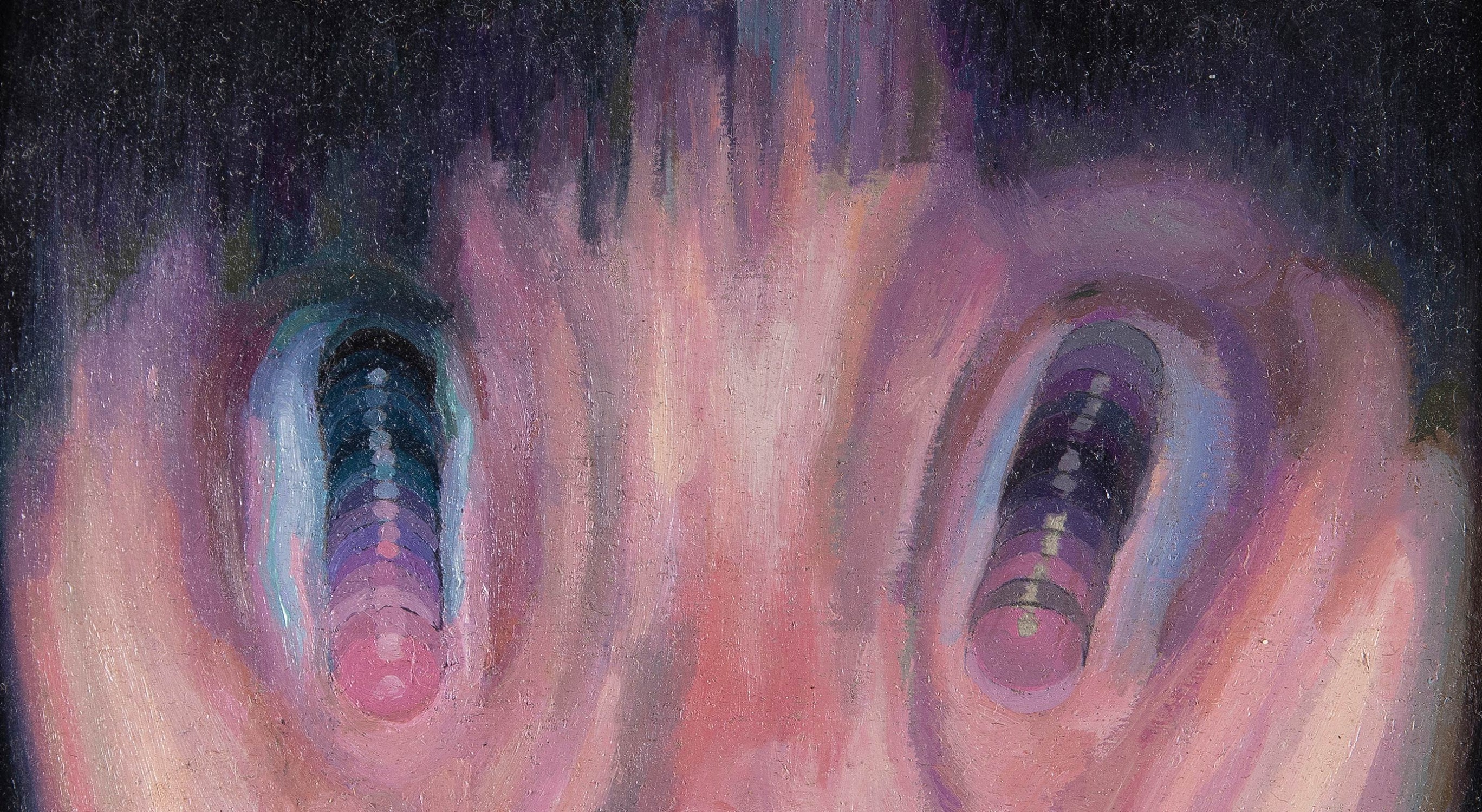
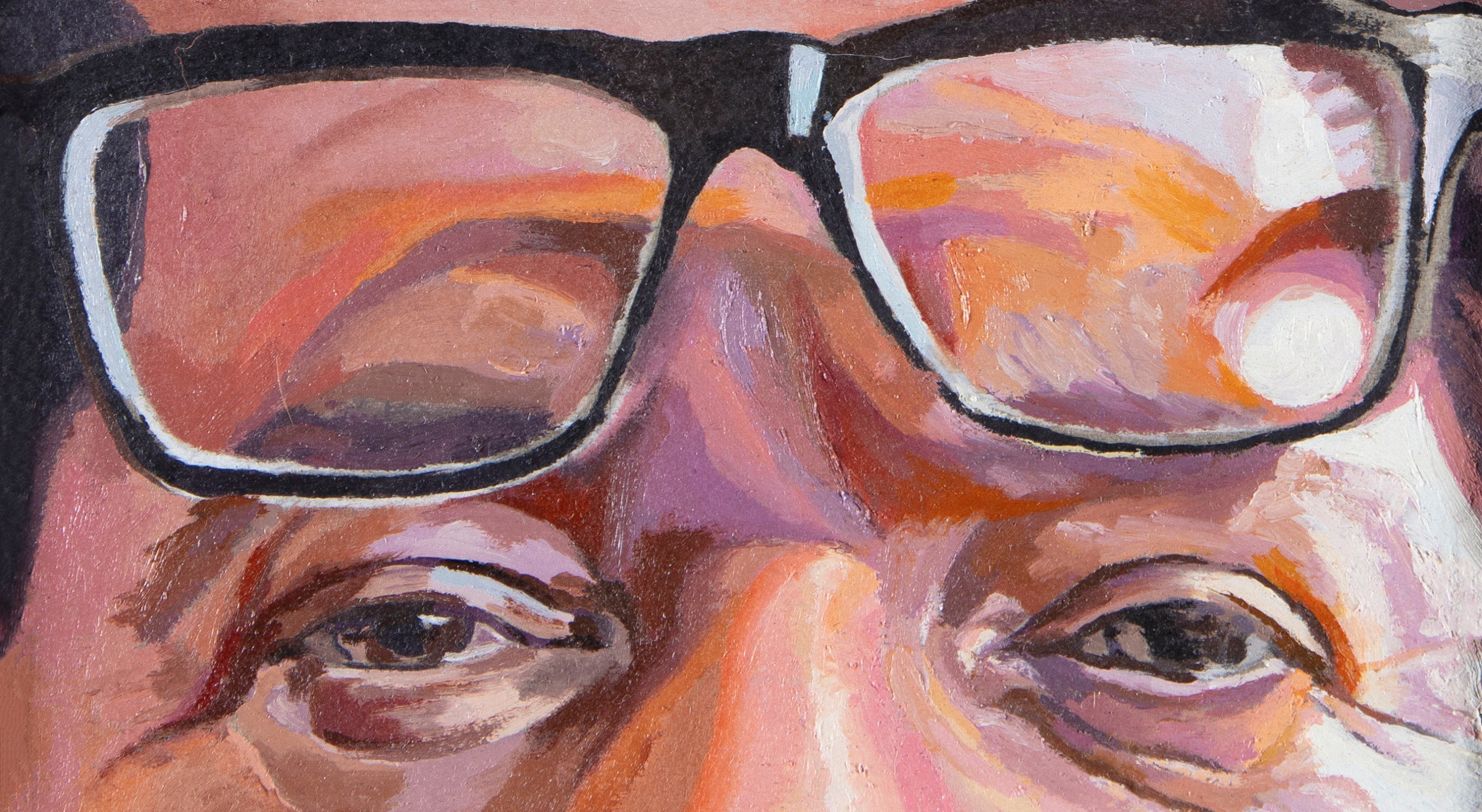
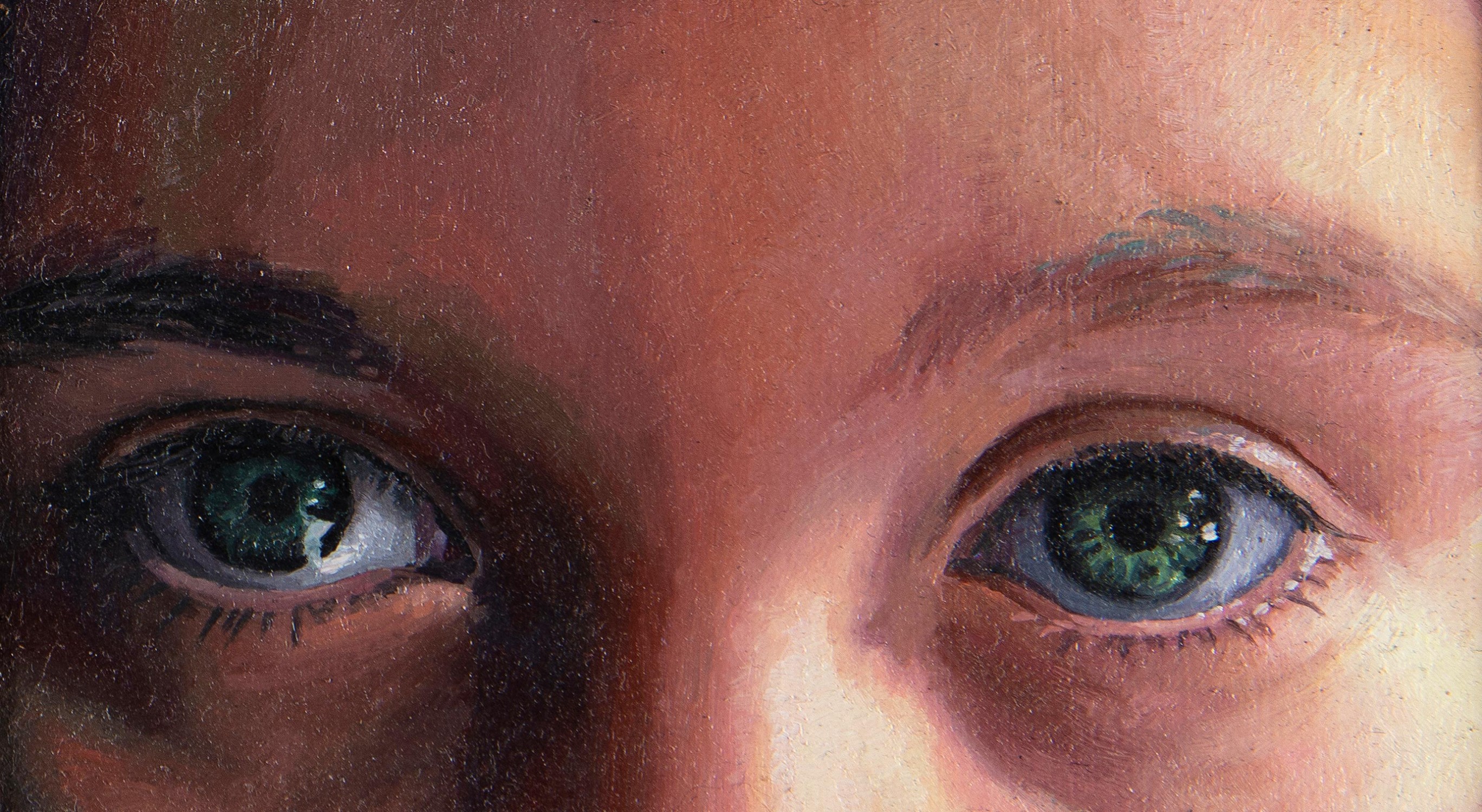
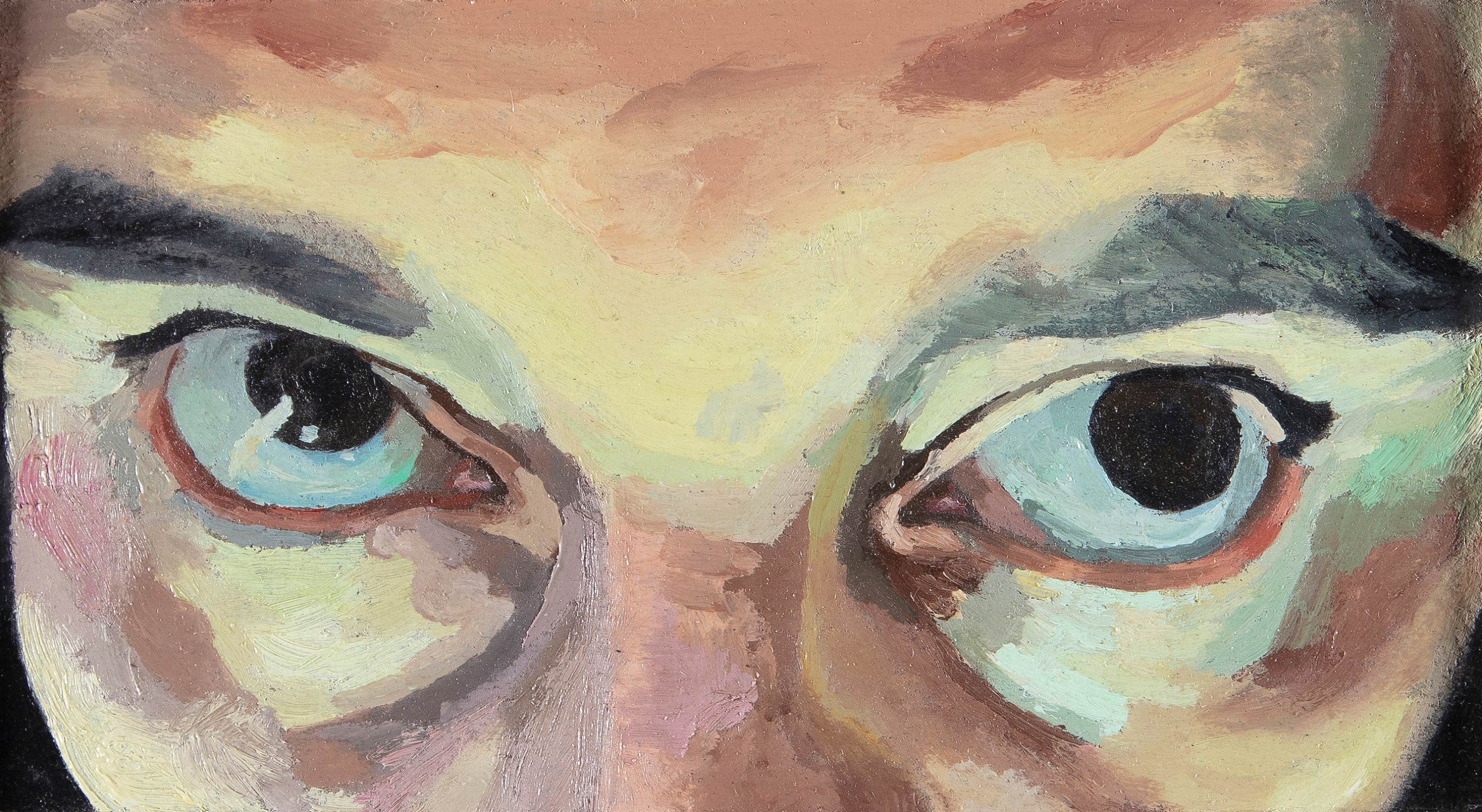
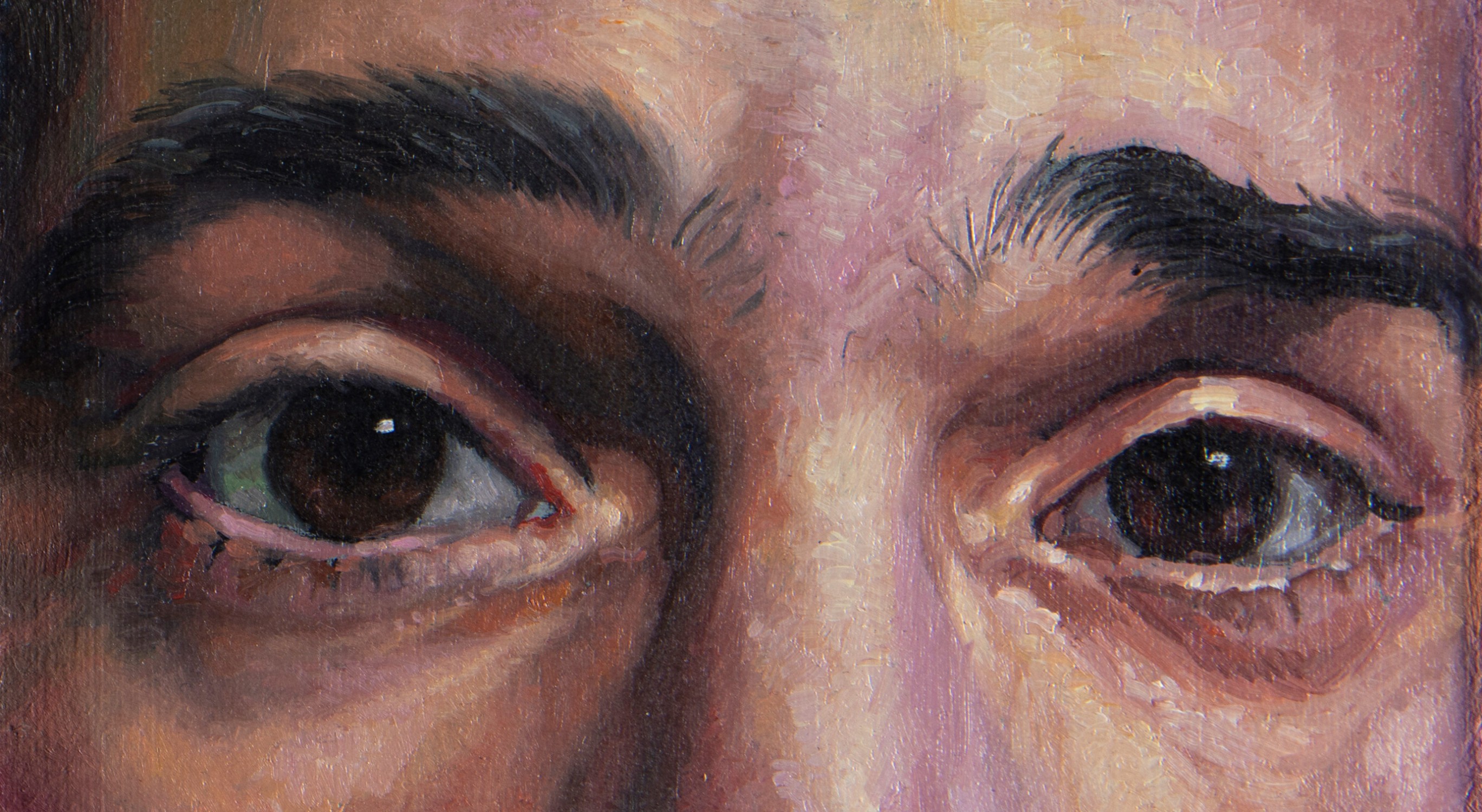
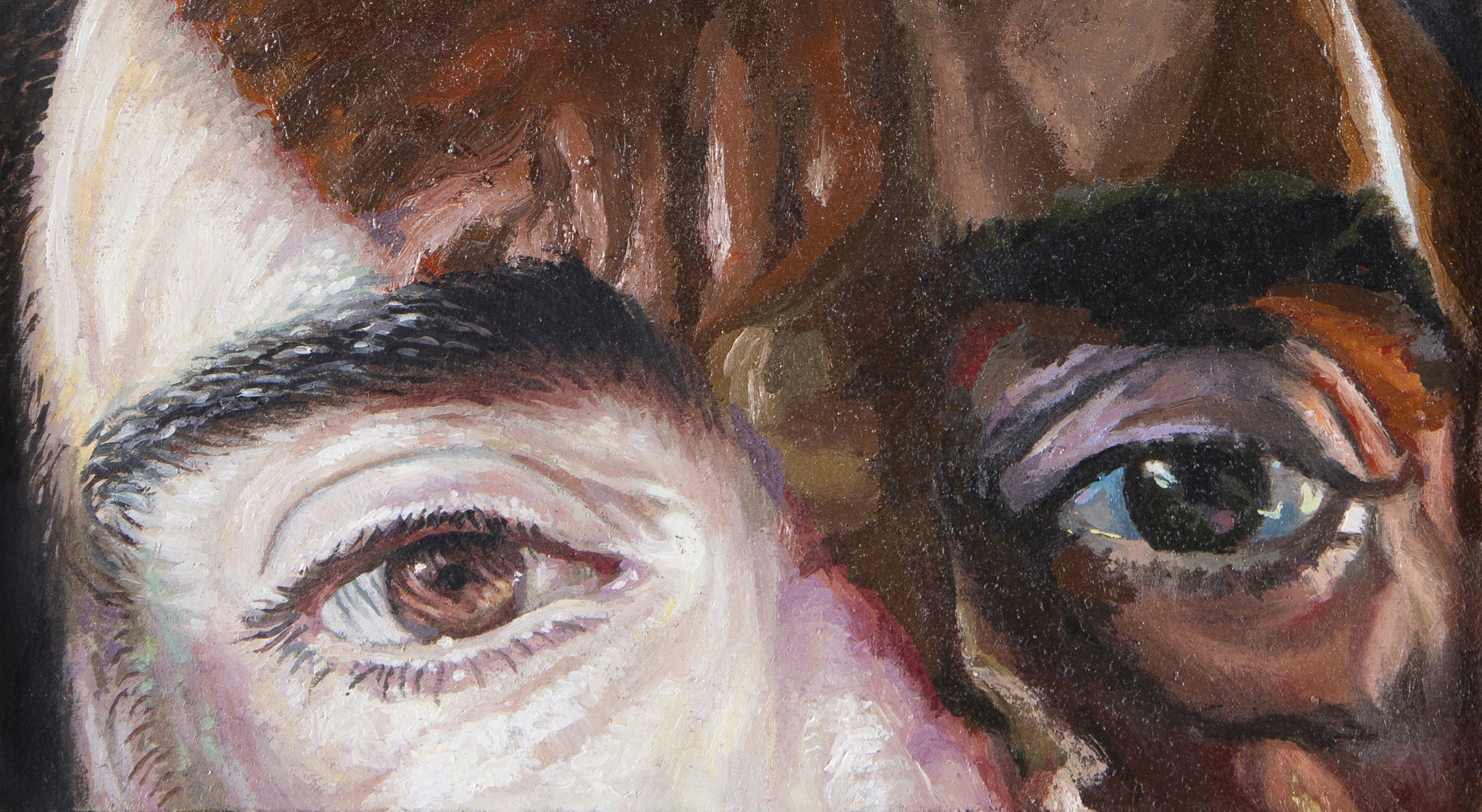
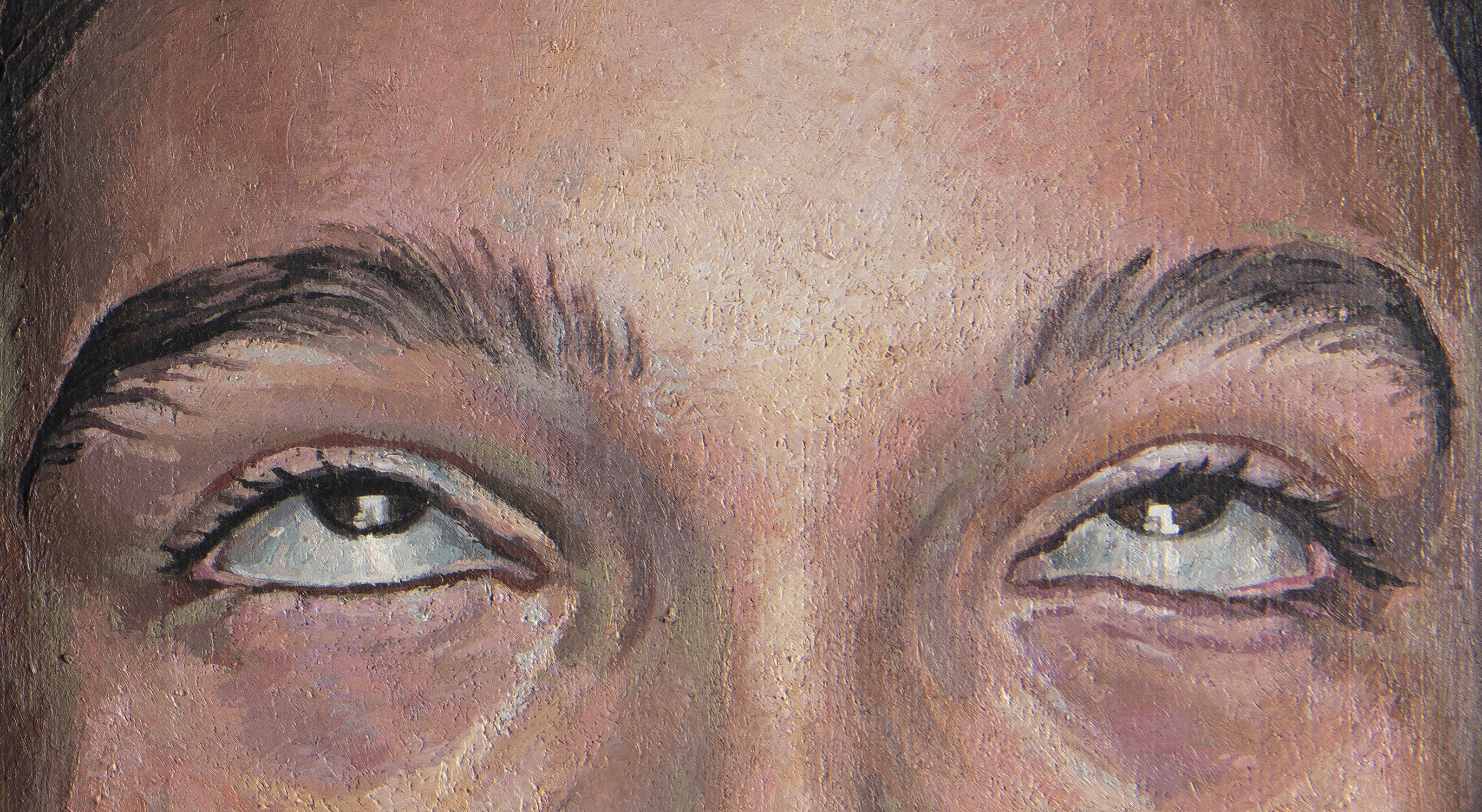
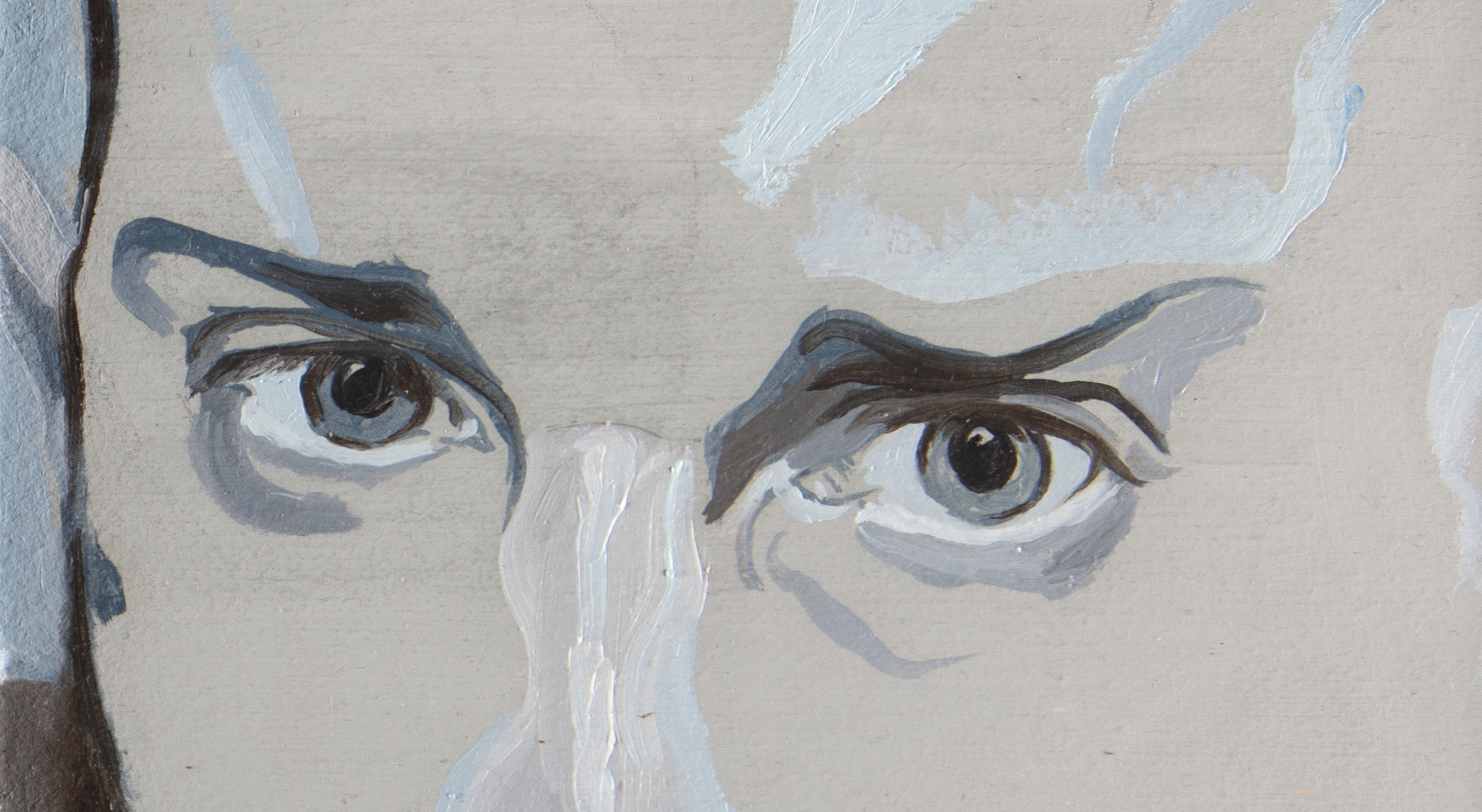
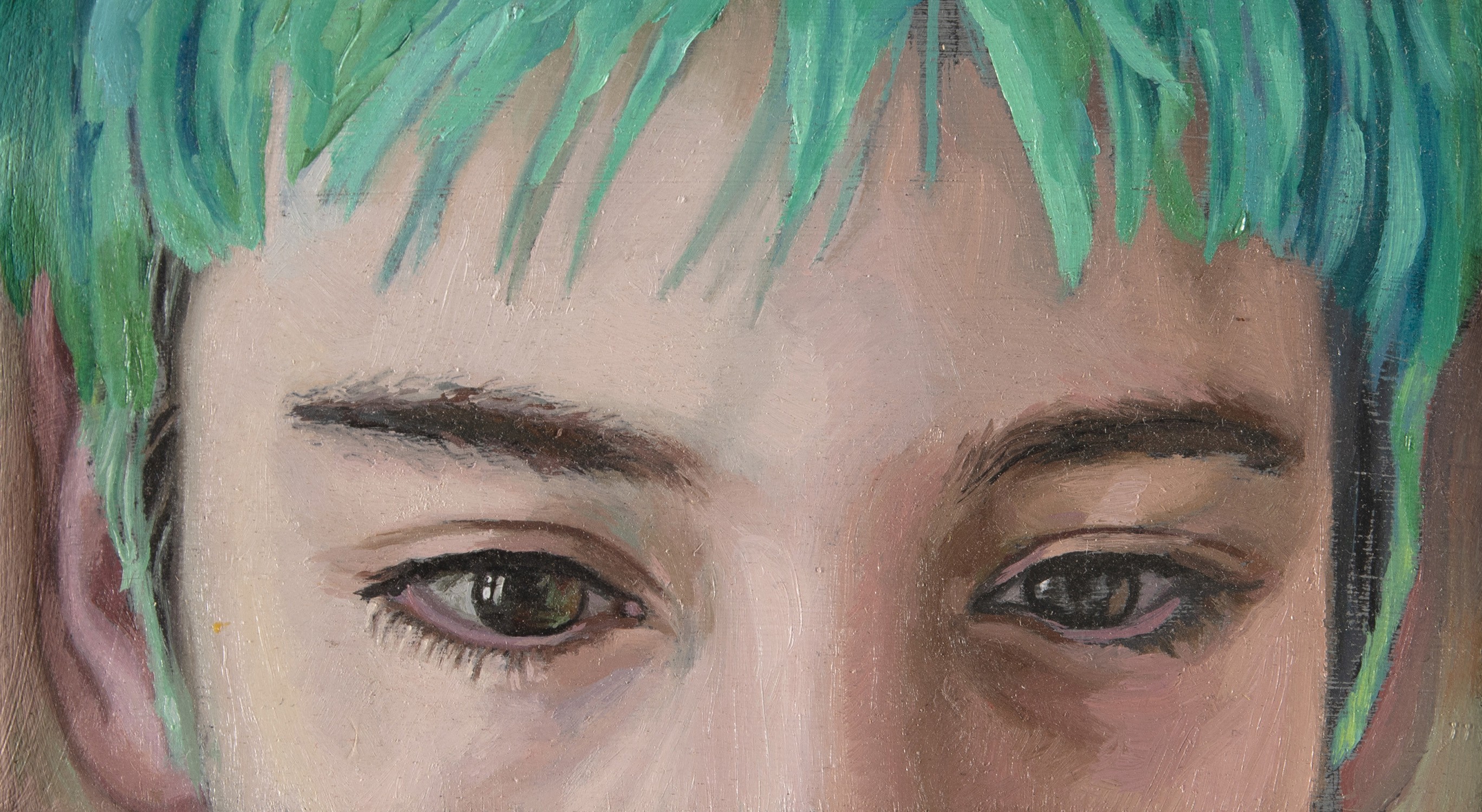
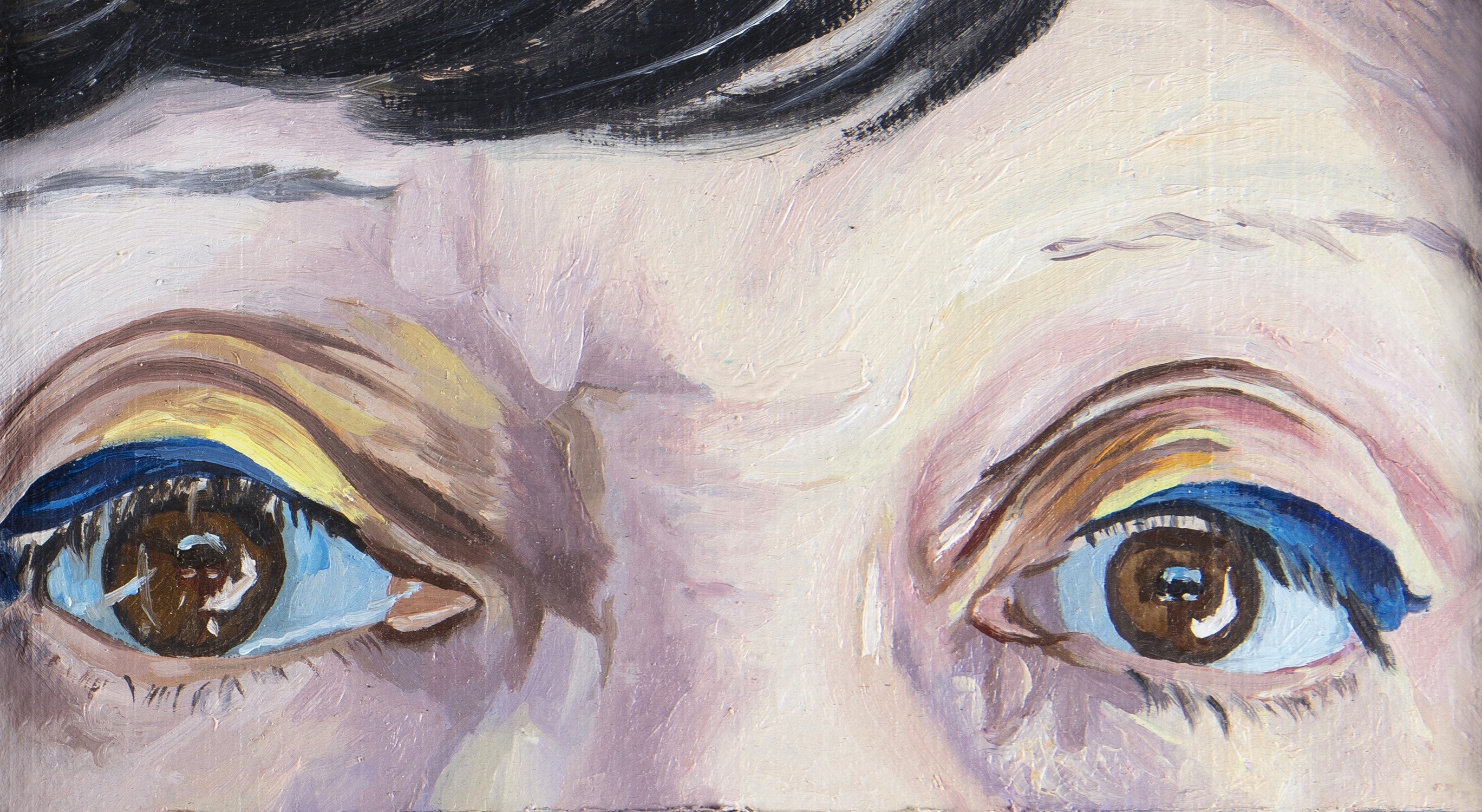
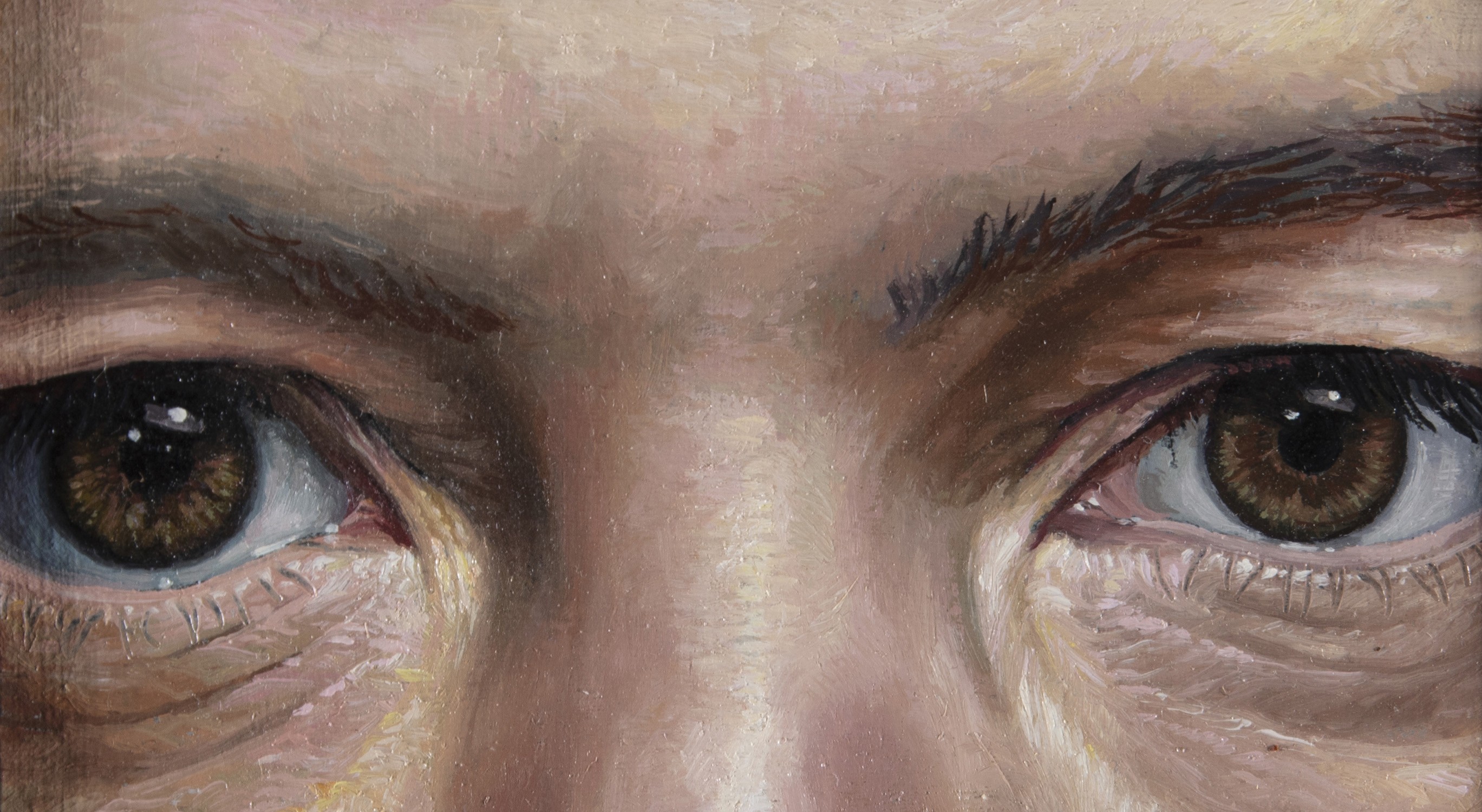
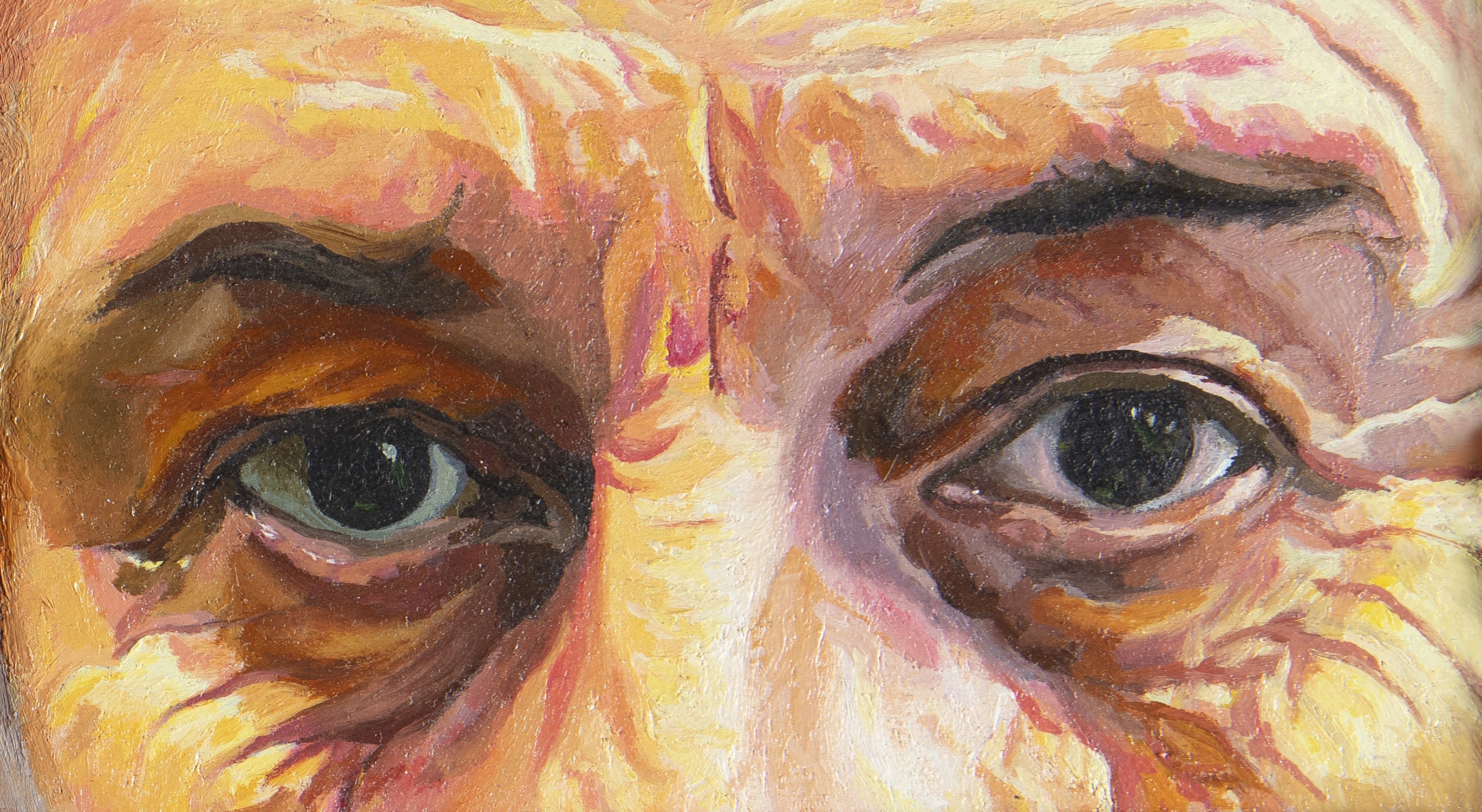
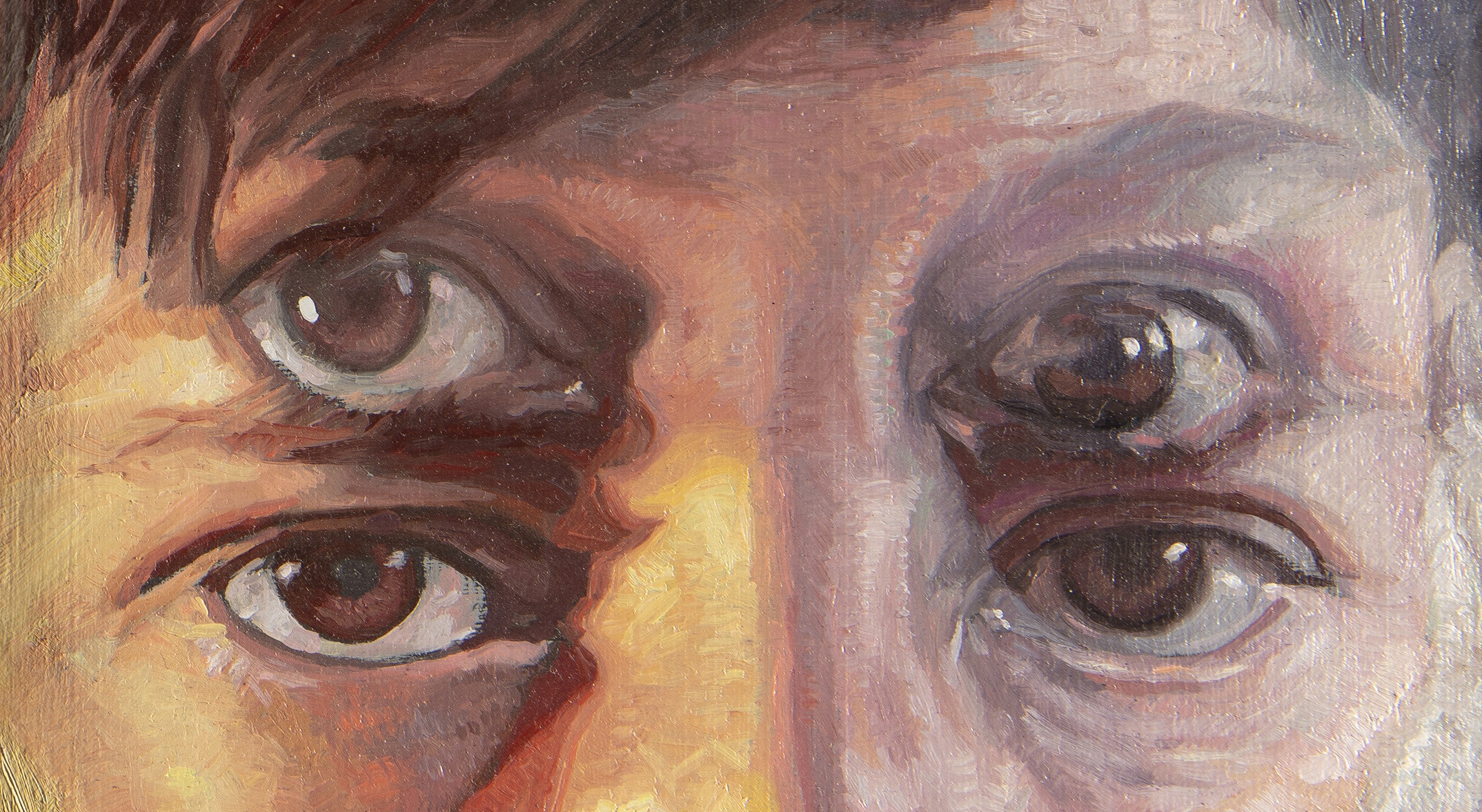
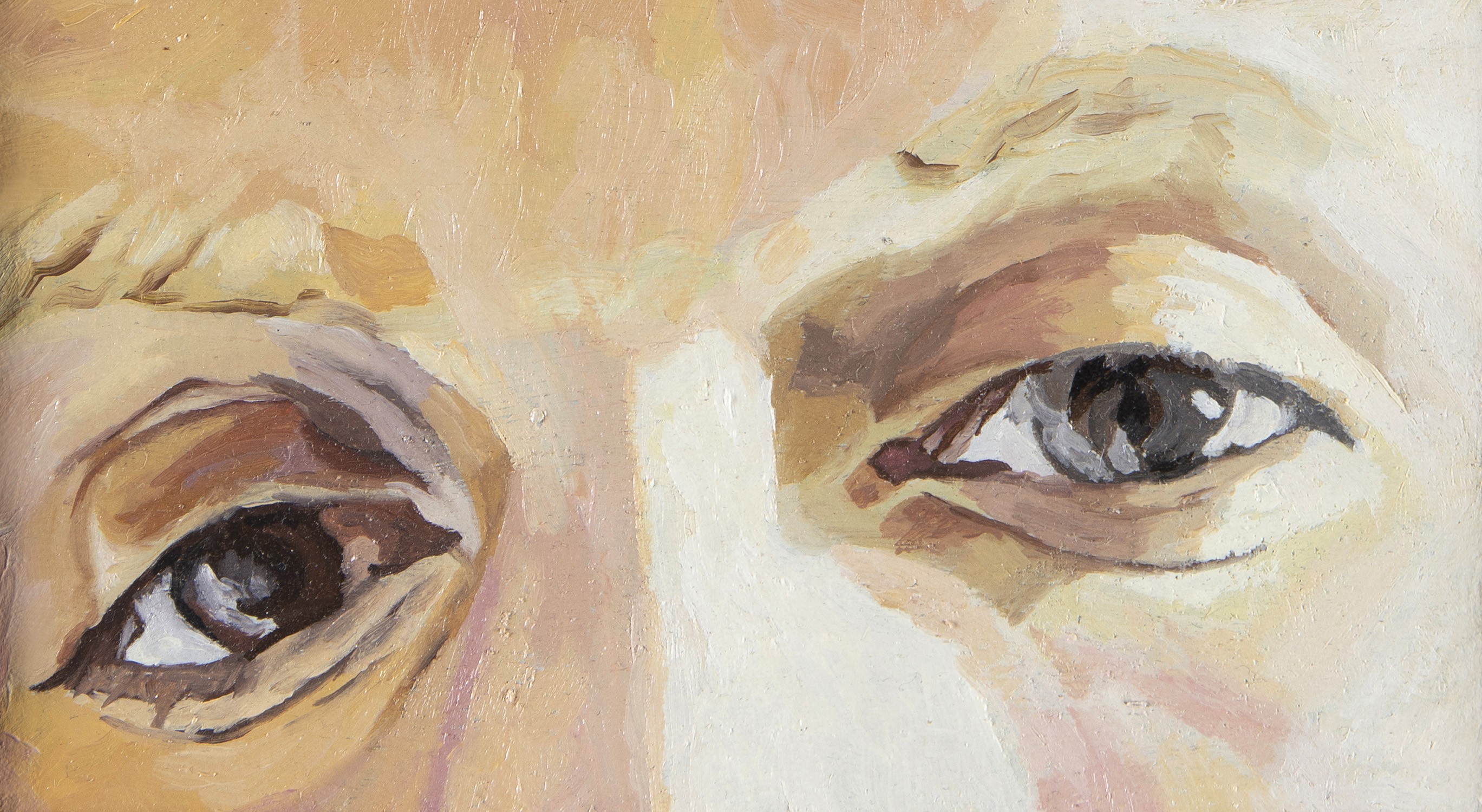
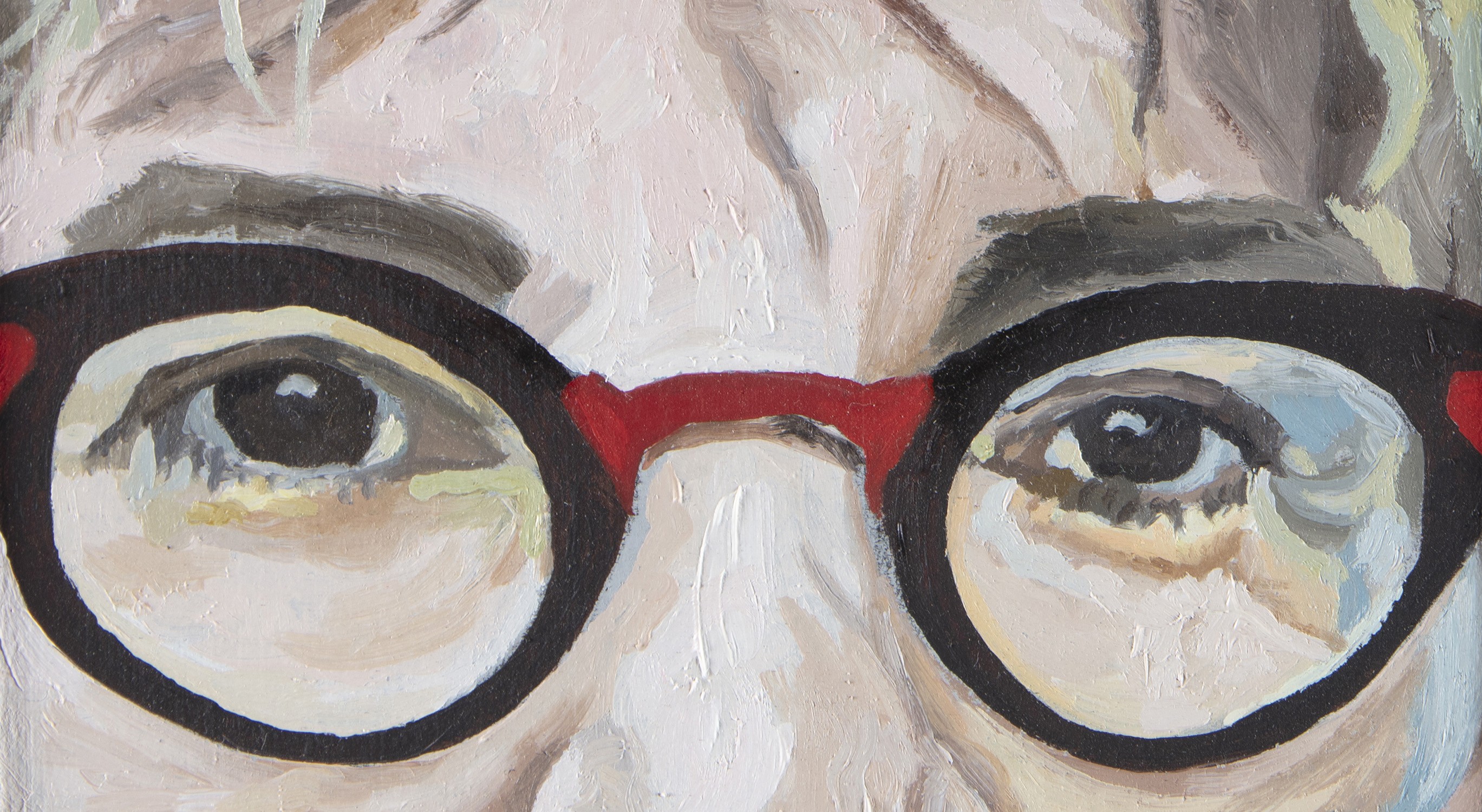
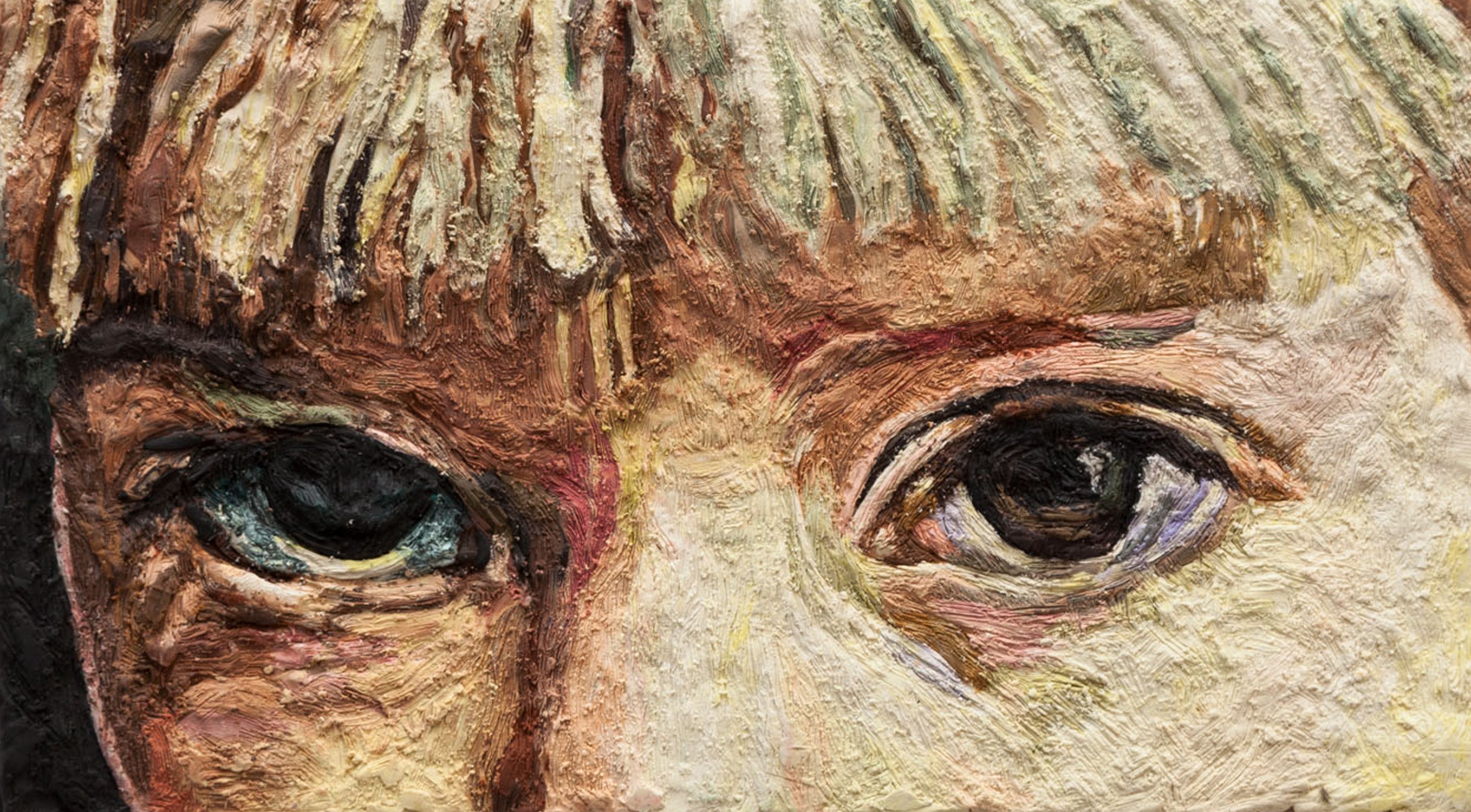
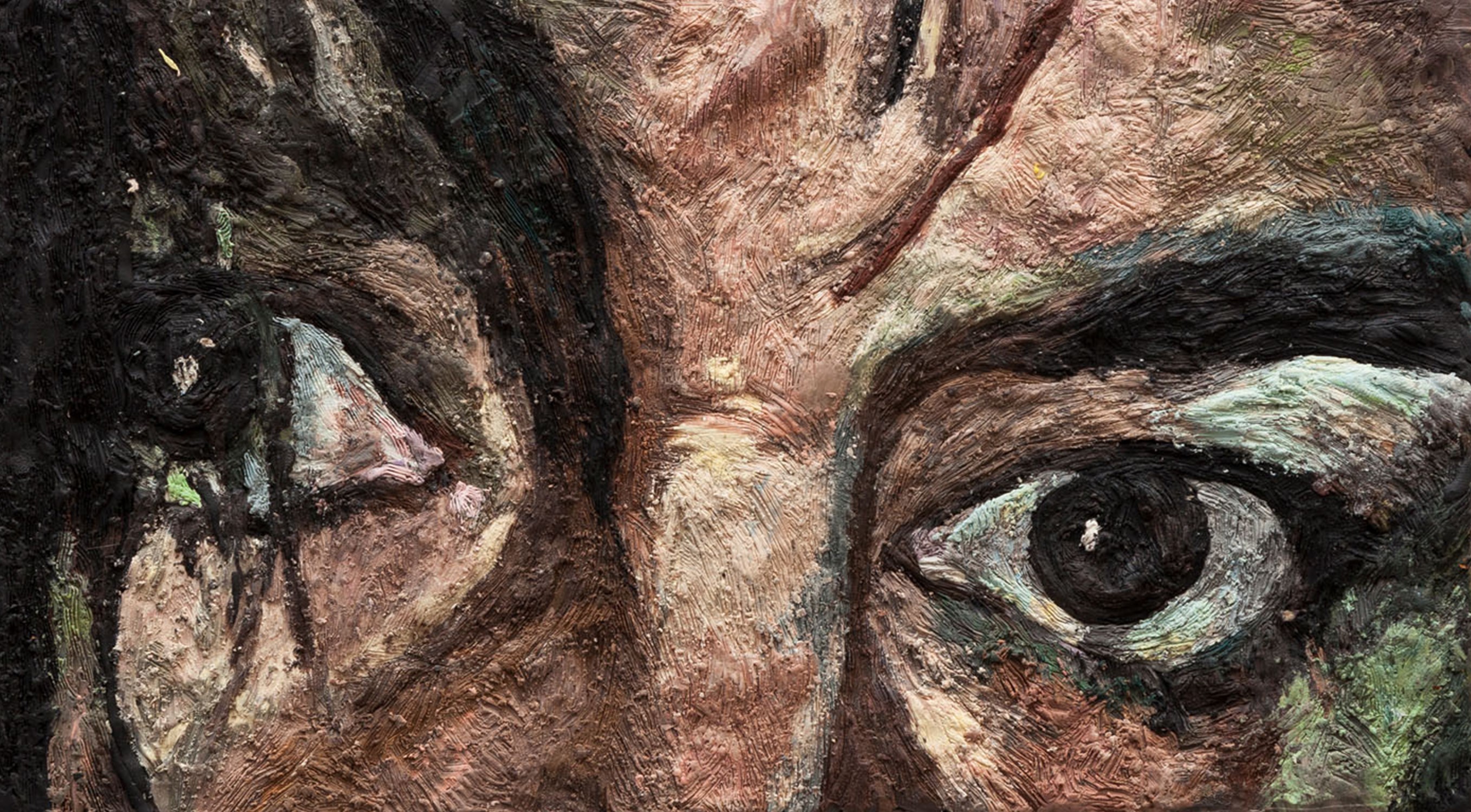
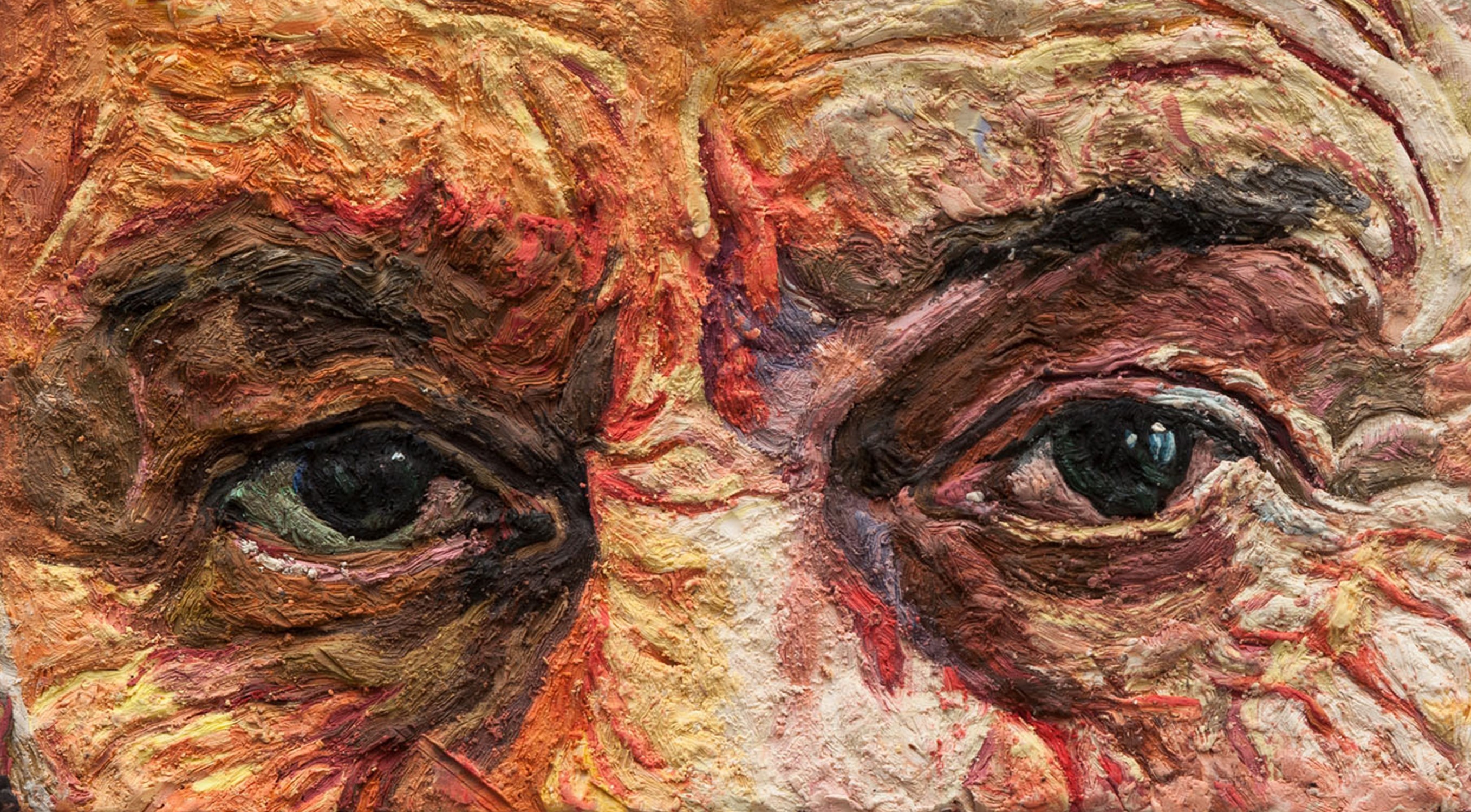
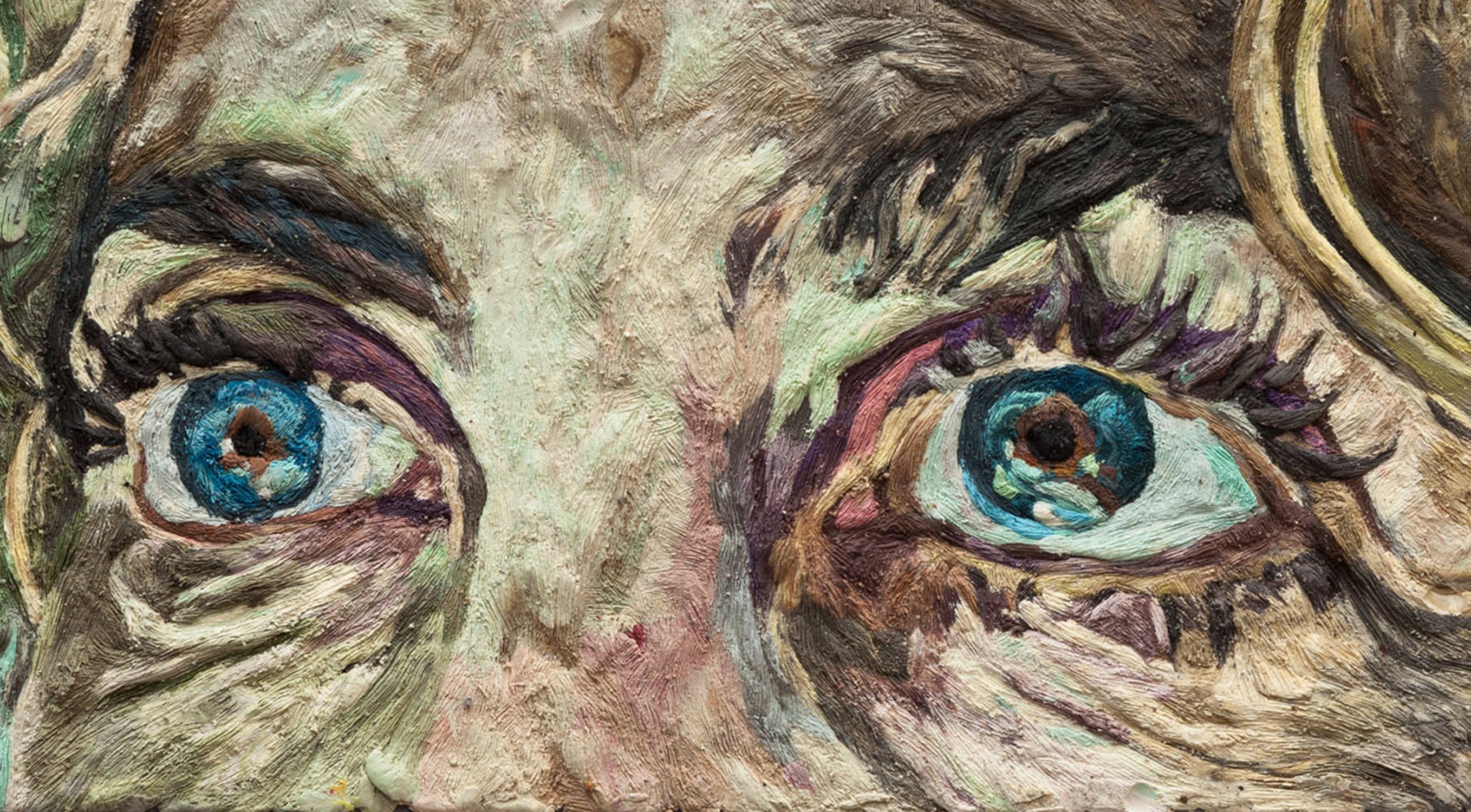
Do you enjoy me enjoying you enjoying me enjoying you enjoying it? “What?,” you ask. Looking, being looked at, looking. There is a whole phenomenology of the eye dispersed in the words of a thousand encyclopedias filled with theories with their pages flying through the air, and like that, though, we can say it again, because looking is not viewing; just like listening is not hearing.
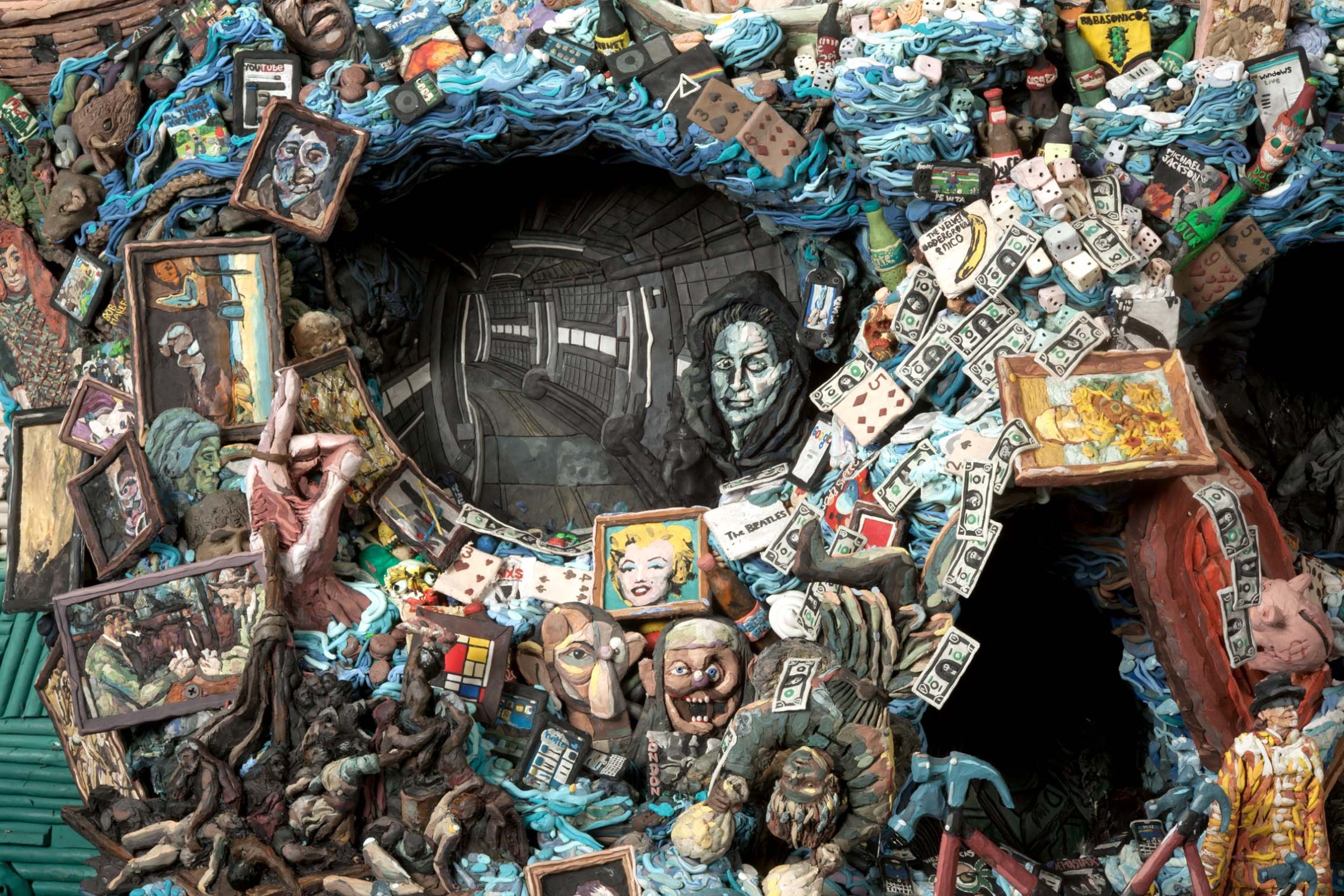
The eyes of iconic paintings from the history of art are coming to my mind now, and I keep them in my memory as if it were a detailed art gallery. Iridium blue, black, brown, yellow, green or sky blue eyes, made of glass, eye sockets filled with tears, premature glances of children in the arms of a loved woman, often latching on to the breast to drink nutritious milk. Do you enjoy me enjoying it? Are you serious or just kidding? In this piece made by my friends from Mondongo with noble materials and time as well, and their hands applied to the mystery of work, art and life. Their eyes stopped among other eyes, looking at one another in silence, in this tunnel stolen from a dream, which may turn into a nightmare for some.
—Francisco Garamona, 2021
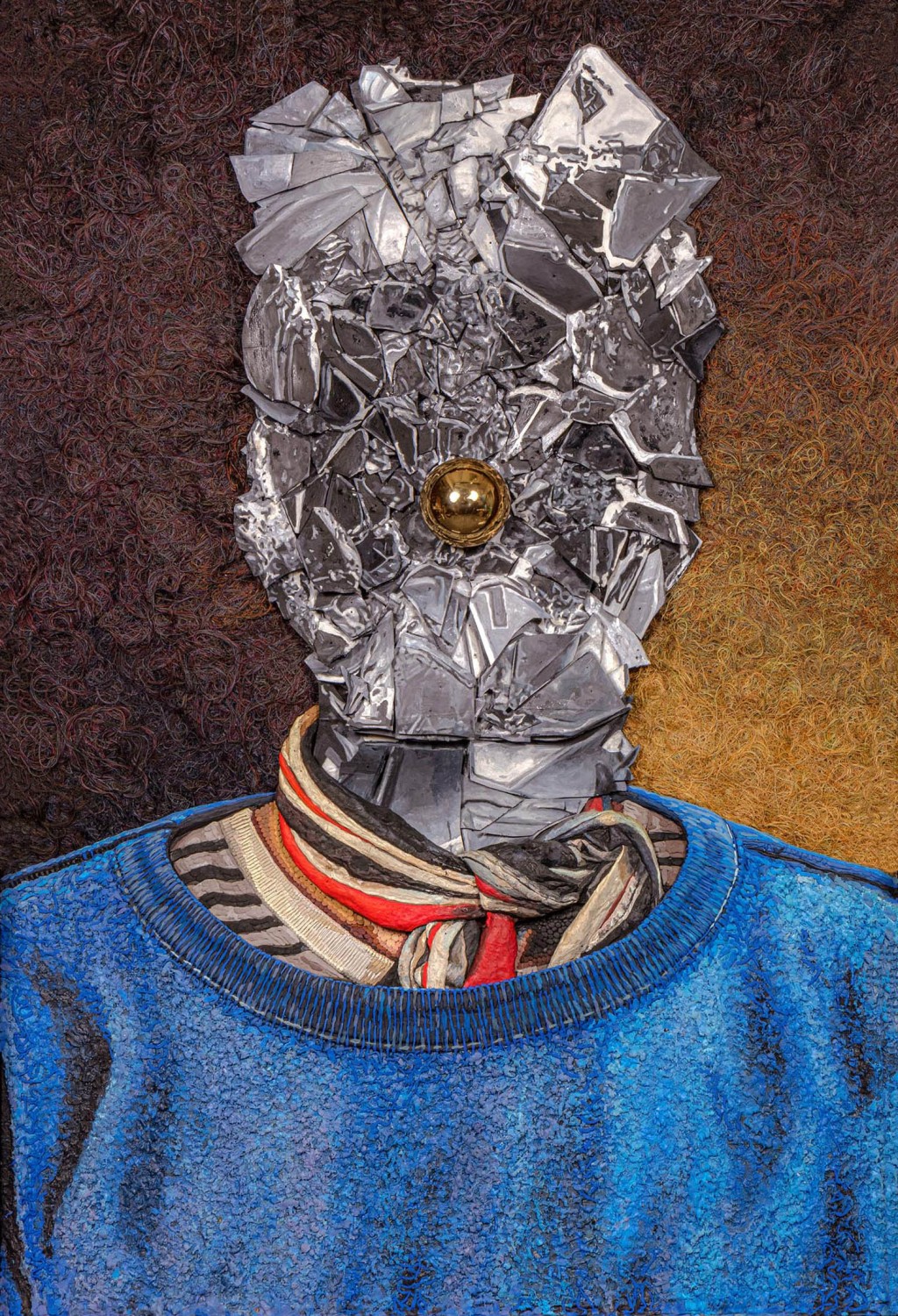
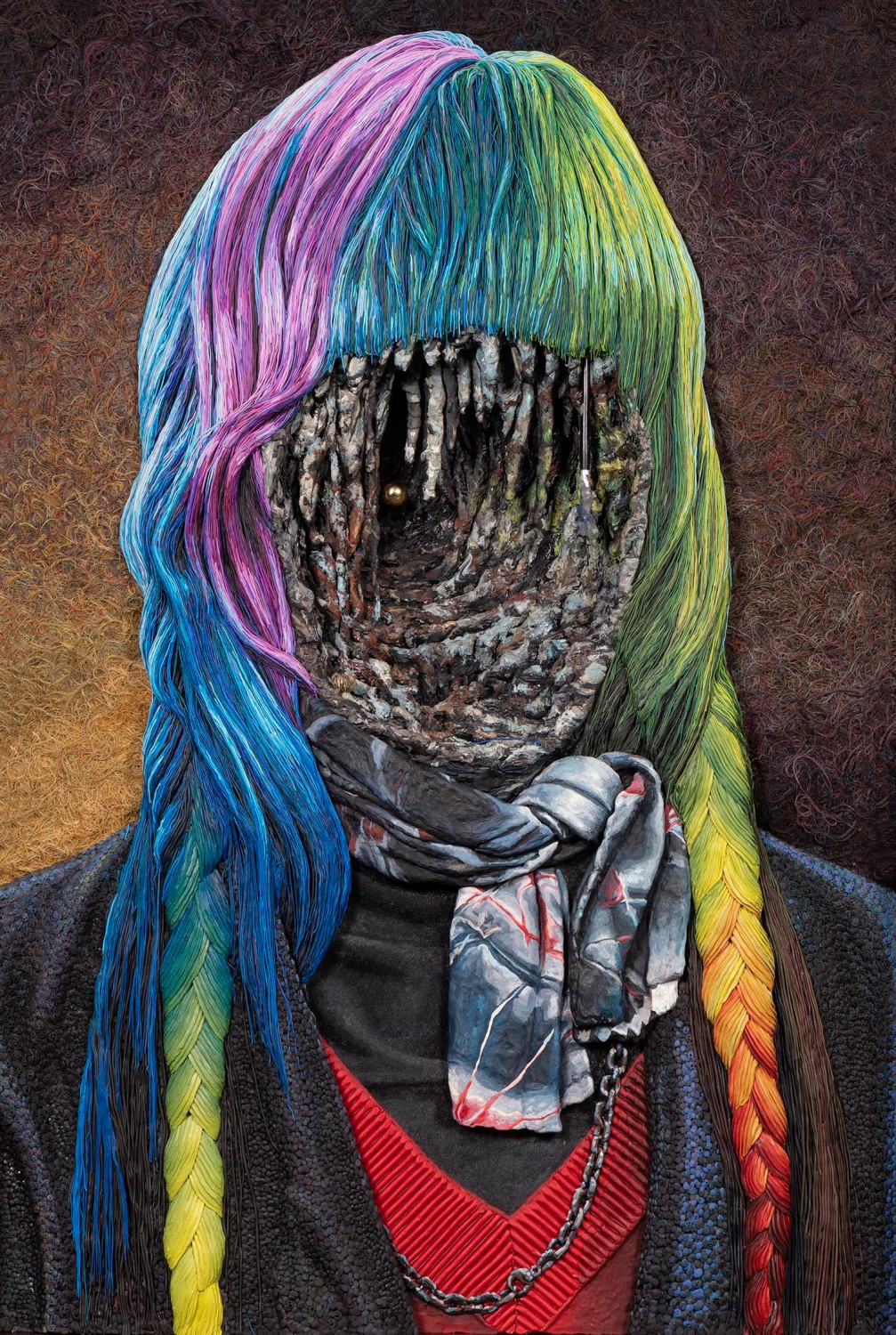
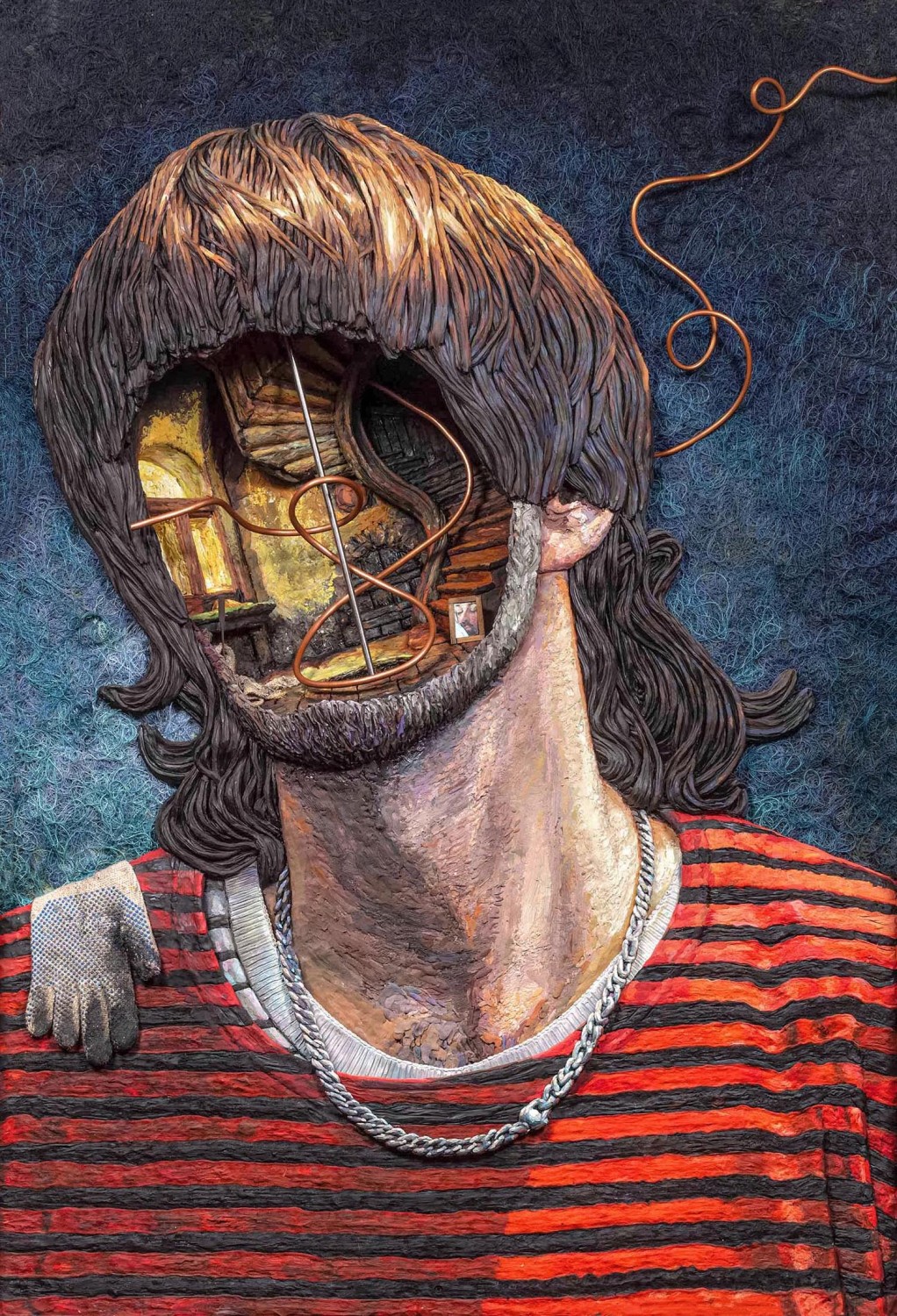
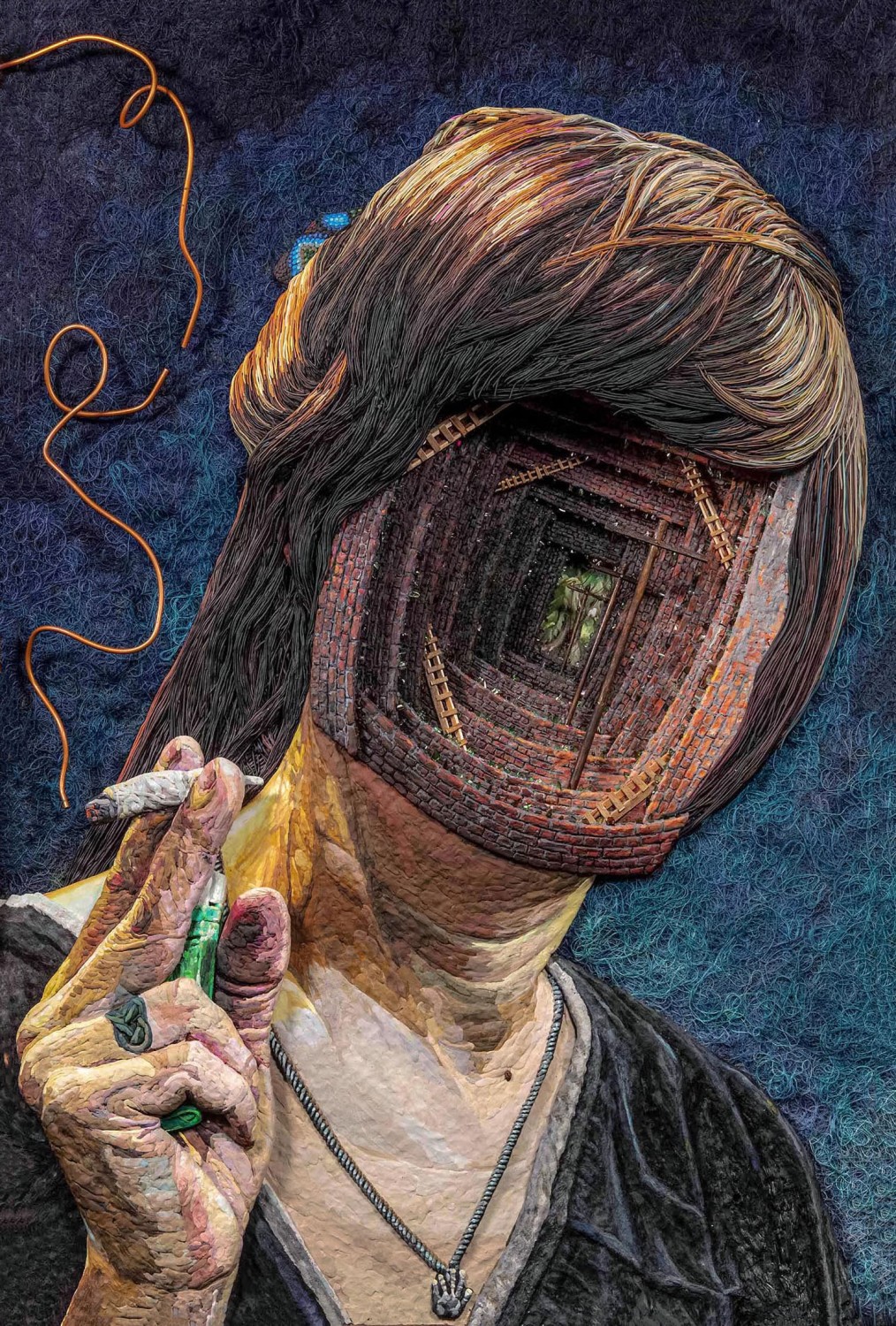
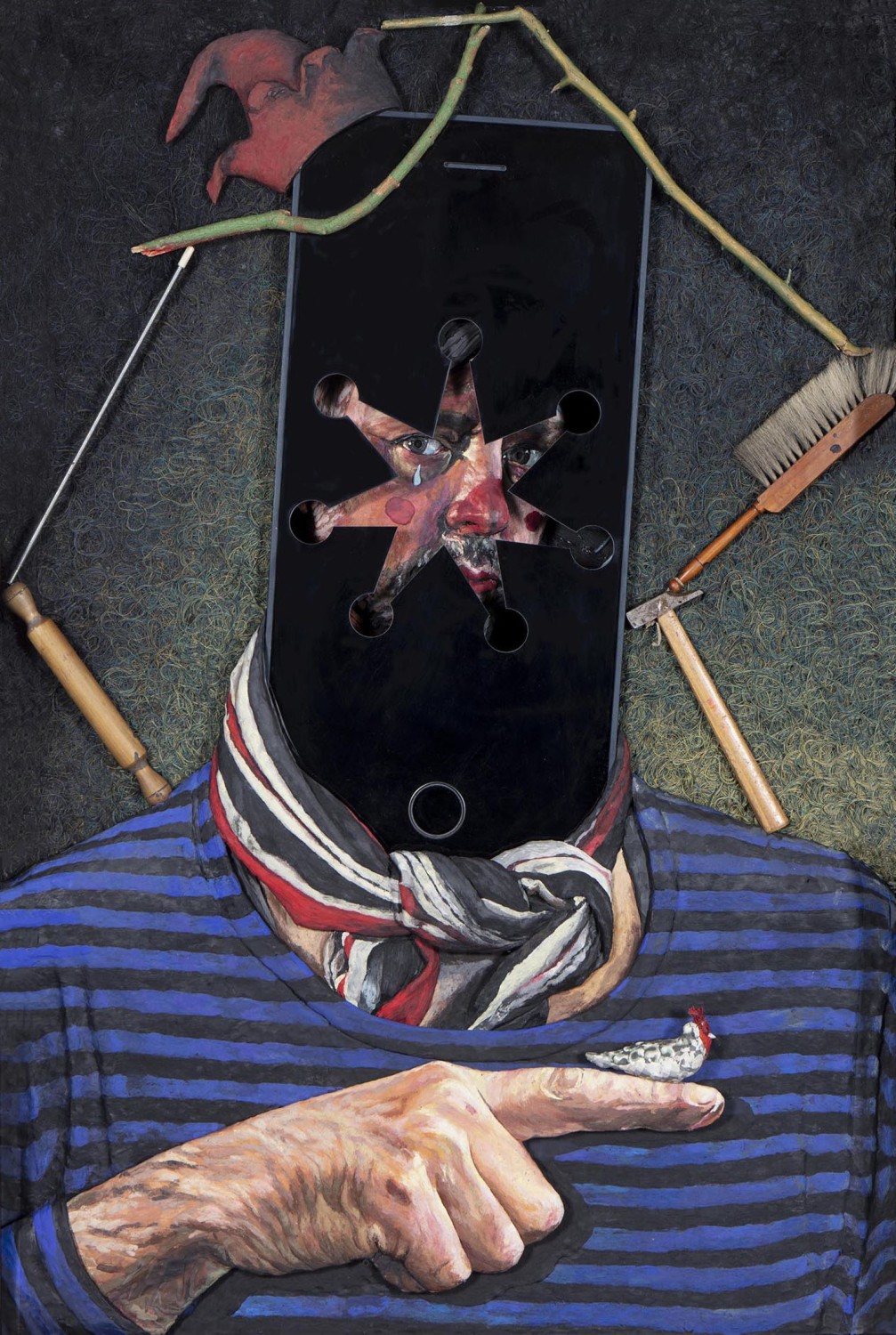
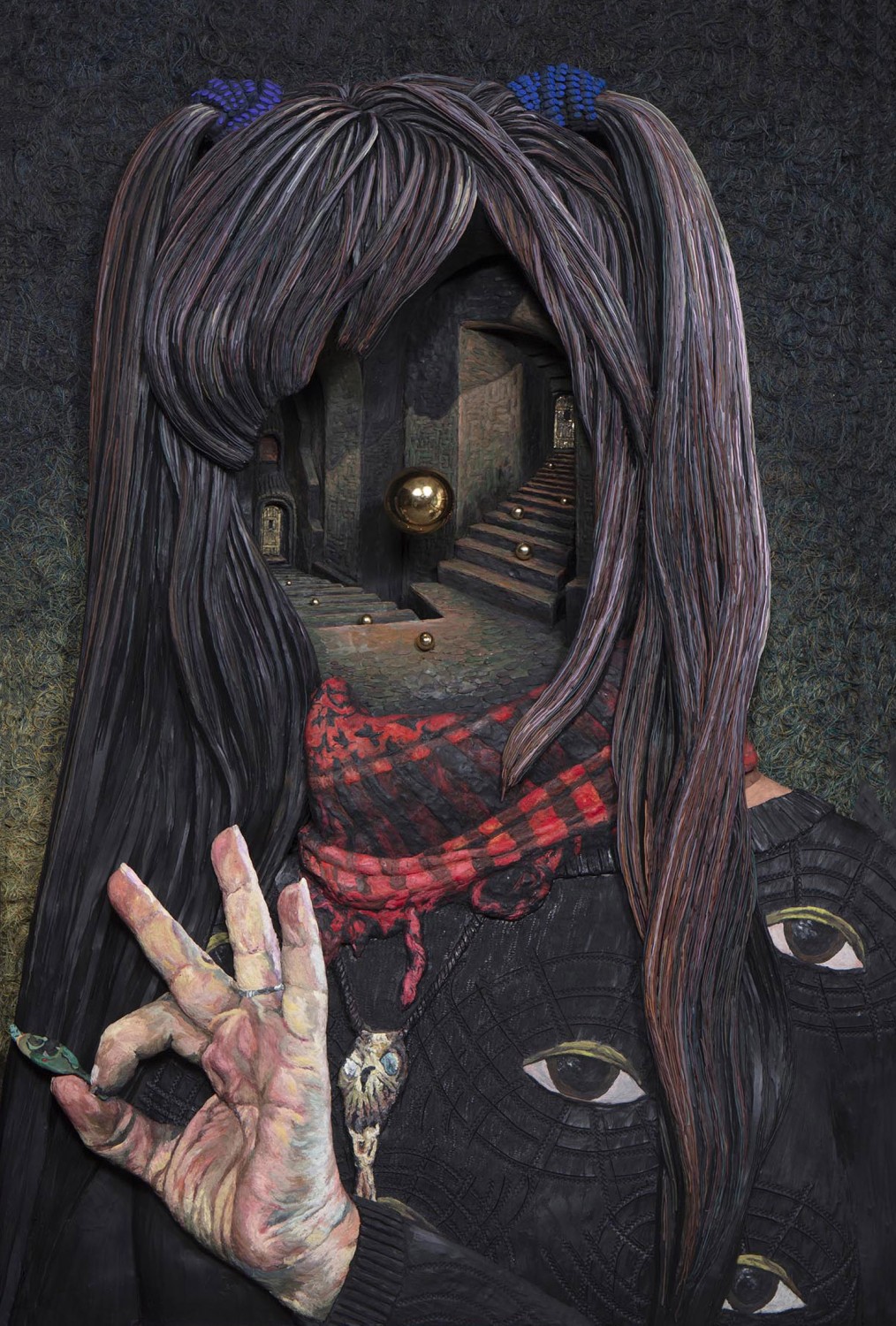
[...] The presence of the self-portrait remains a constant in the work. We believe in the saying "paint your village and you will paint the world." We paint our humanity because it is what is within our reach and what we know best, as well as where we can transmit the greatest emotional and psychological charge. We don't paint ourselves out of an ego-driven vocation, but rather as just another material to work with. We, and our world, act as the characters in the situations and concepts we wish to express. It so happened that we practically abandoned the use of unknown models. Although it may sound like a cliché, I truly believe that everything we do has an element of self-portrait. Furthermore, using our own image as cannon fodder allows us not to point the finger at anyone.
—Mondongo, 2013
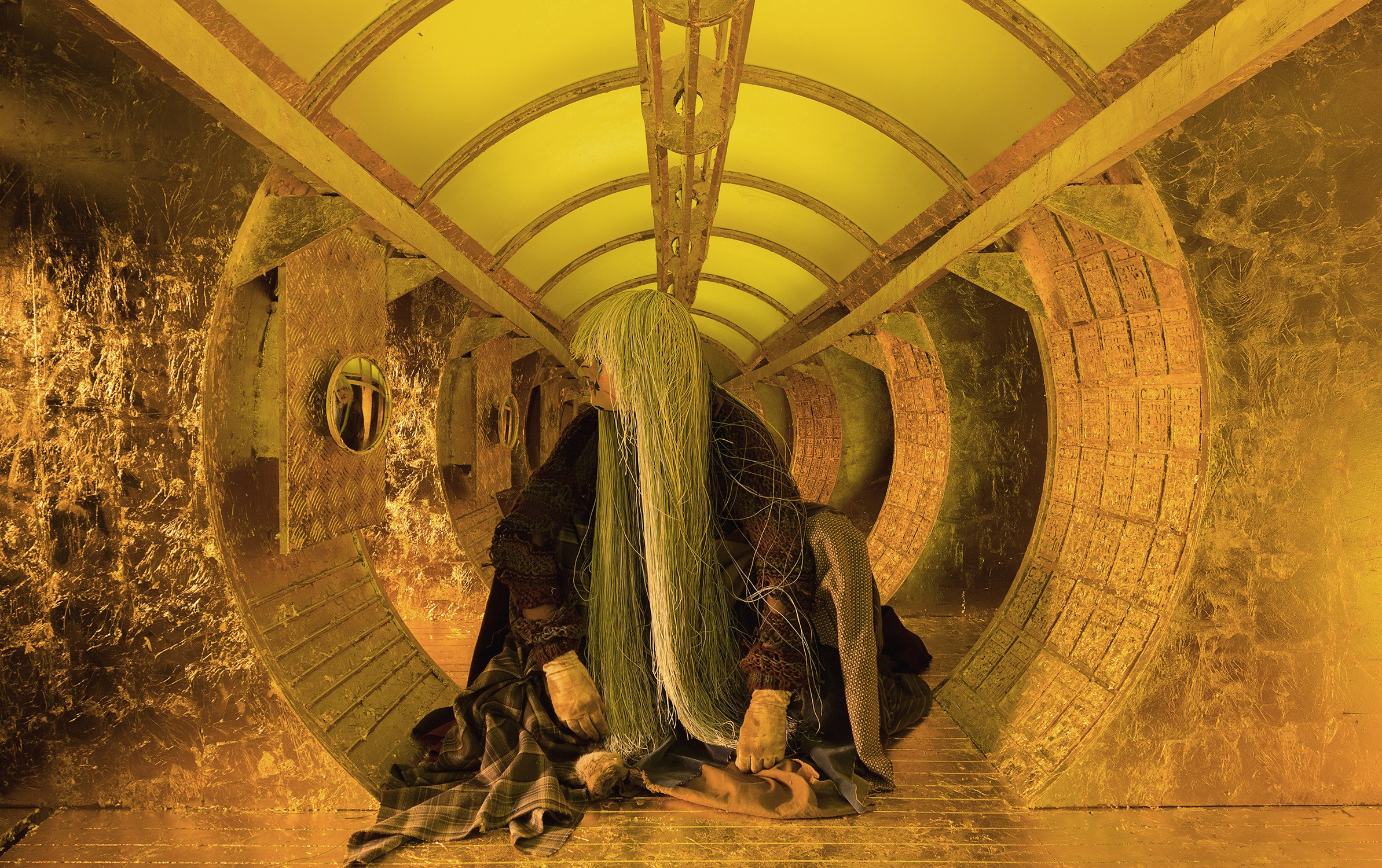
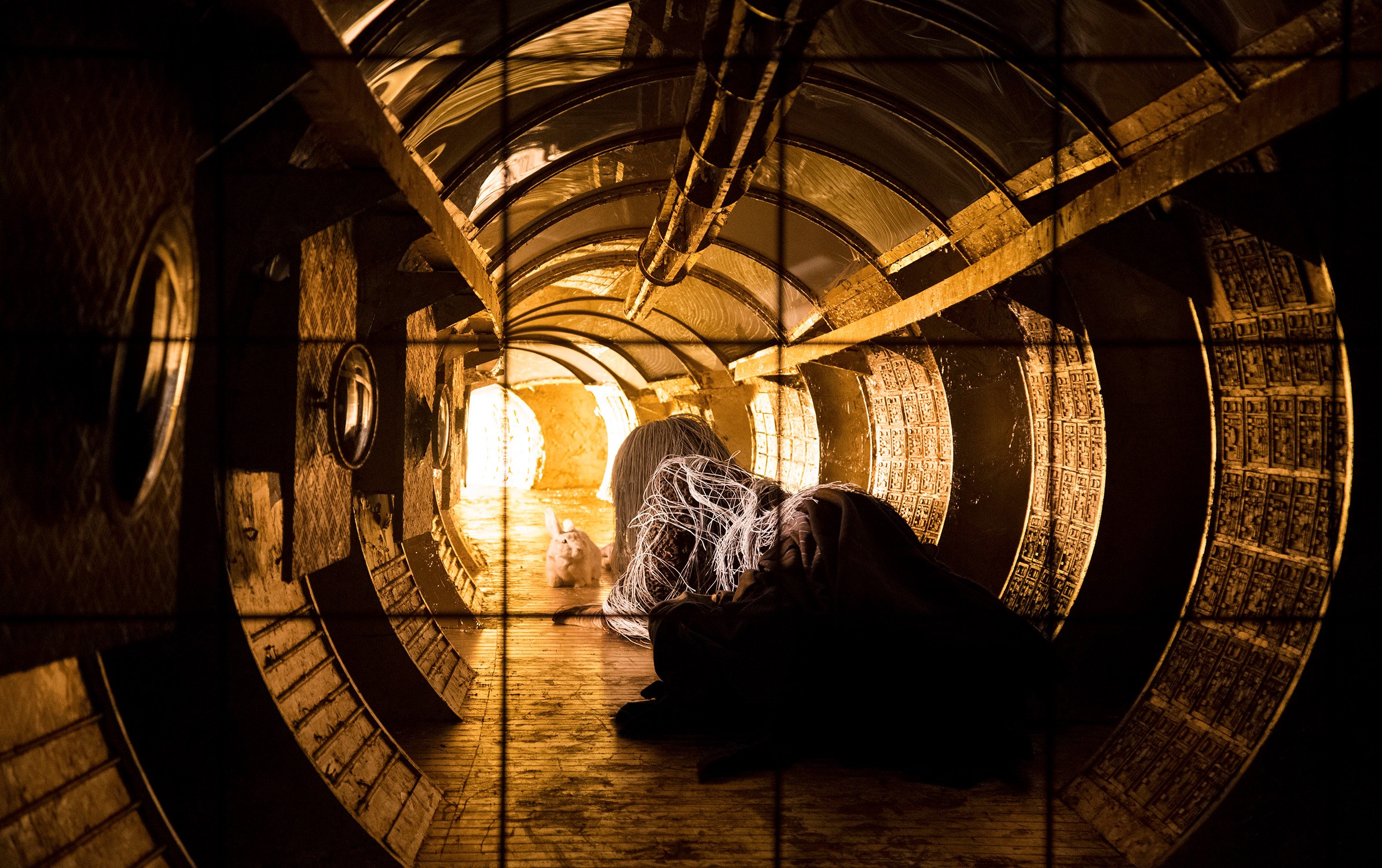
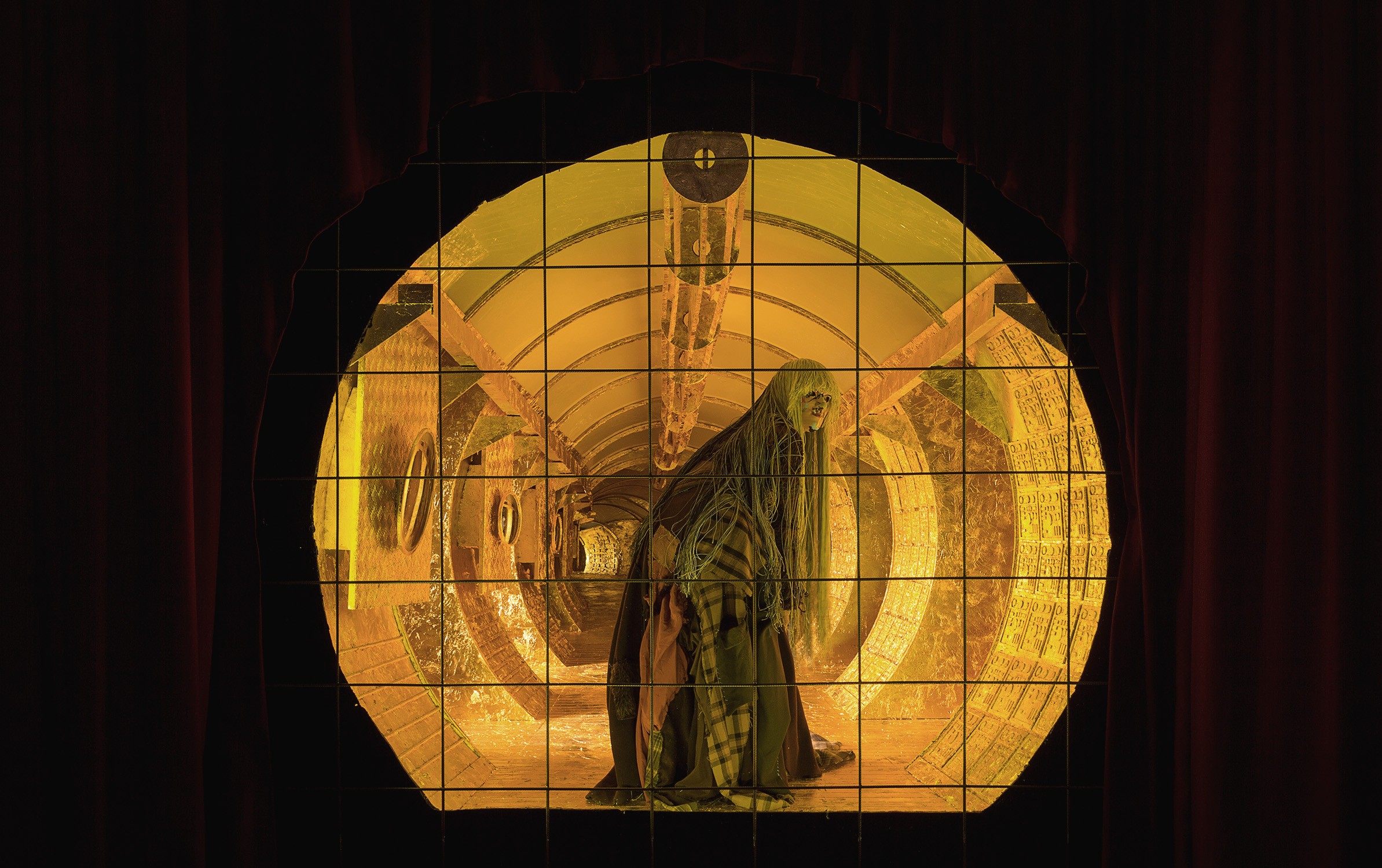
I'M NOT YOUNG ENOUGH
TO KNOW EVERYTHING
I was always pleasantly surprised with the collective Mondongo and its endless capacity to handcraft complex and astounding pieces, sometimes even bizarre and conceptually perplexing.
I was lucky enough to be in Buenos Aires when they presented ''I am not that young to know it all'', within the 2015 Bienal de Performance, and to be reassured of Mondongo's consistency.
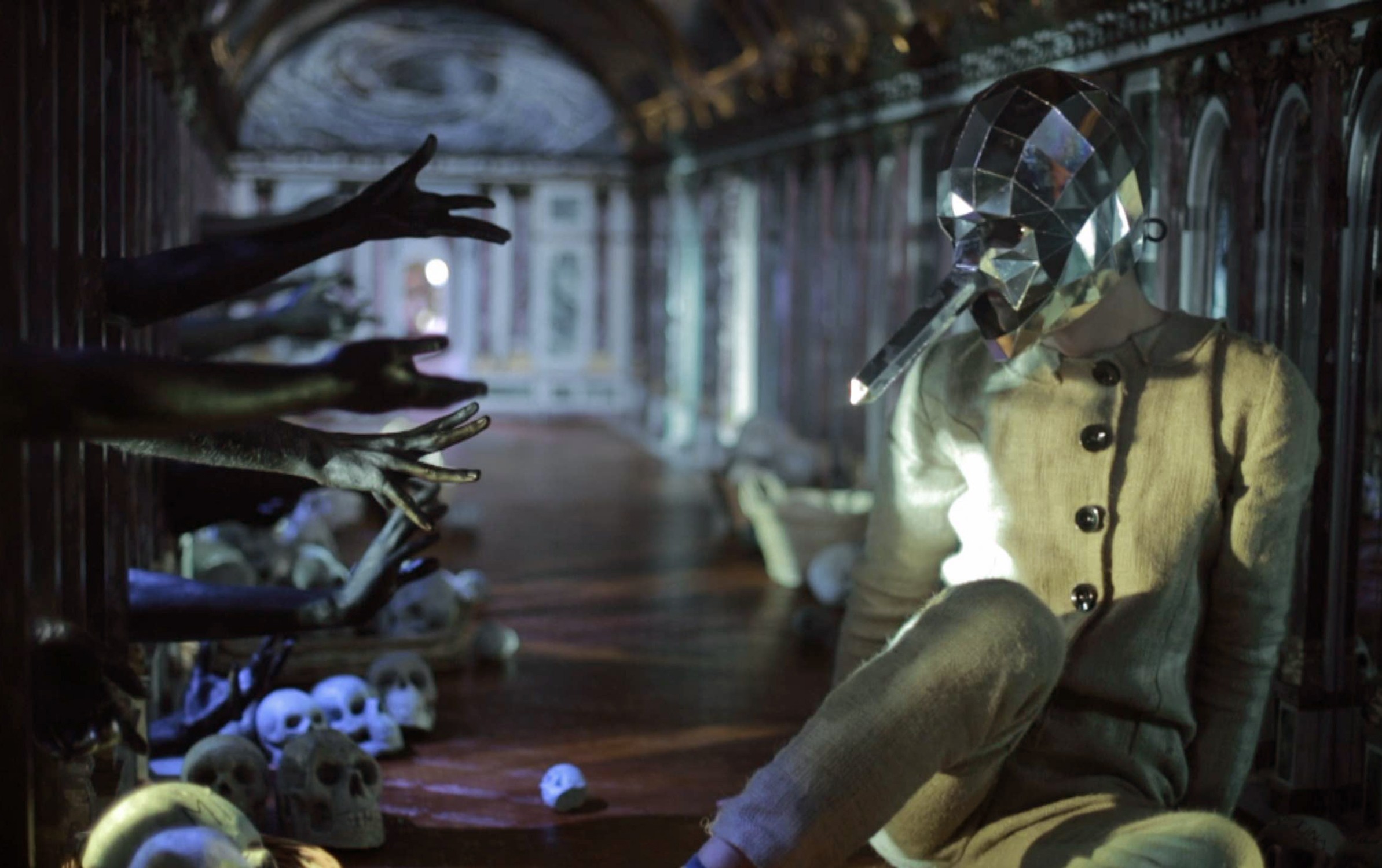
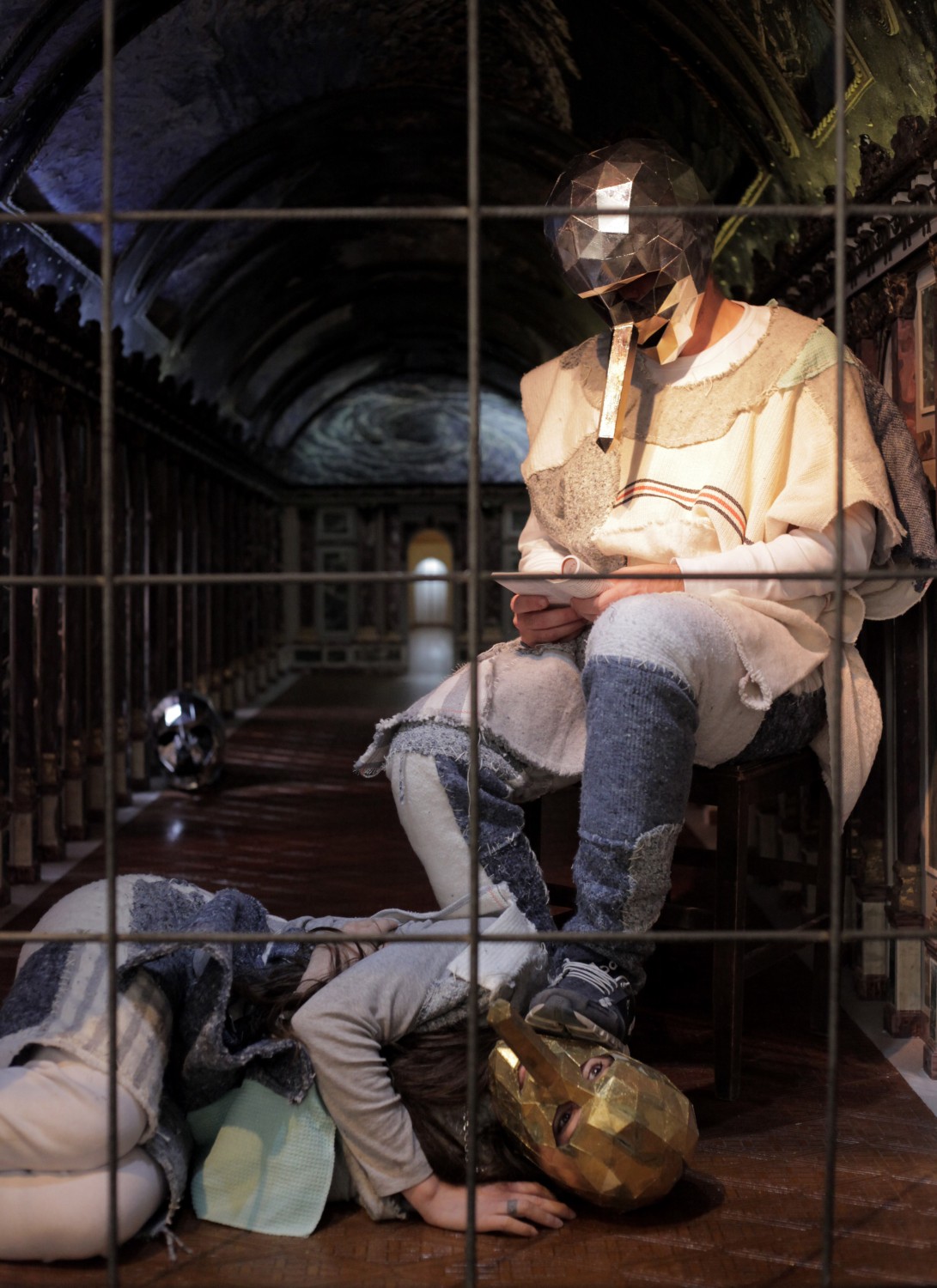
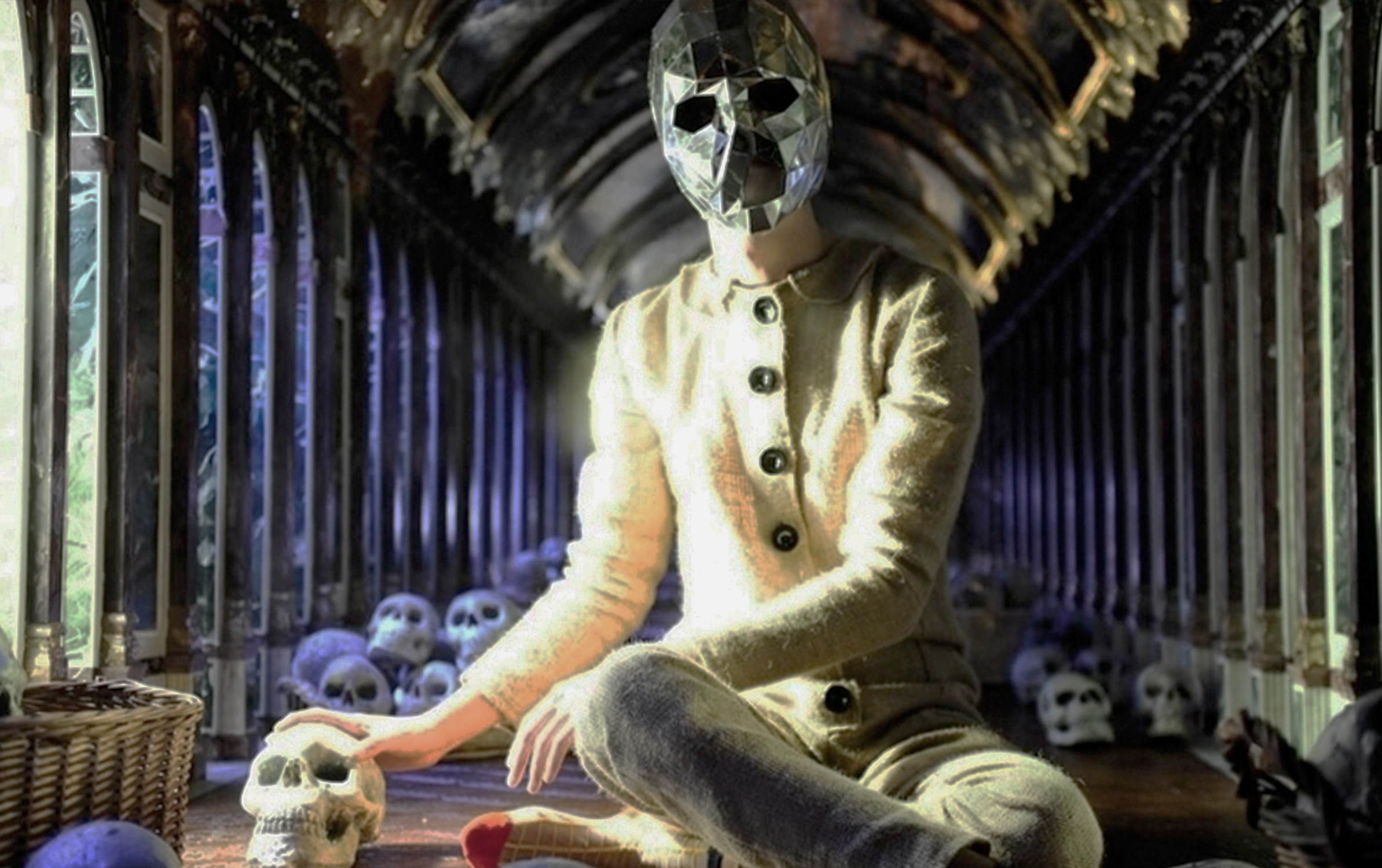
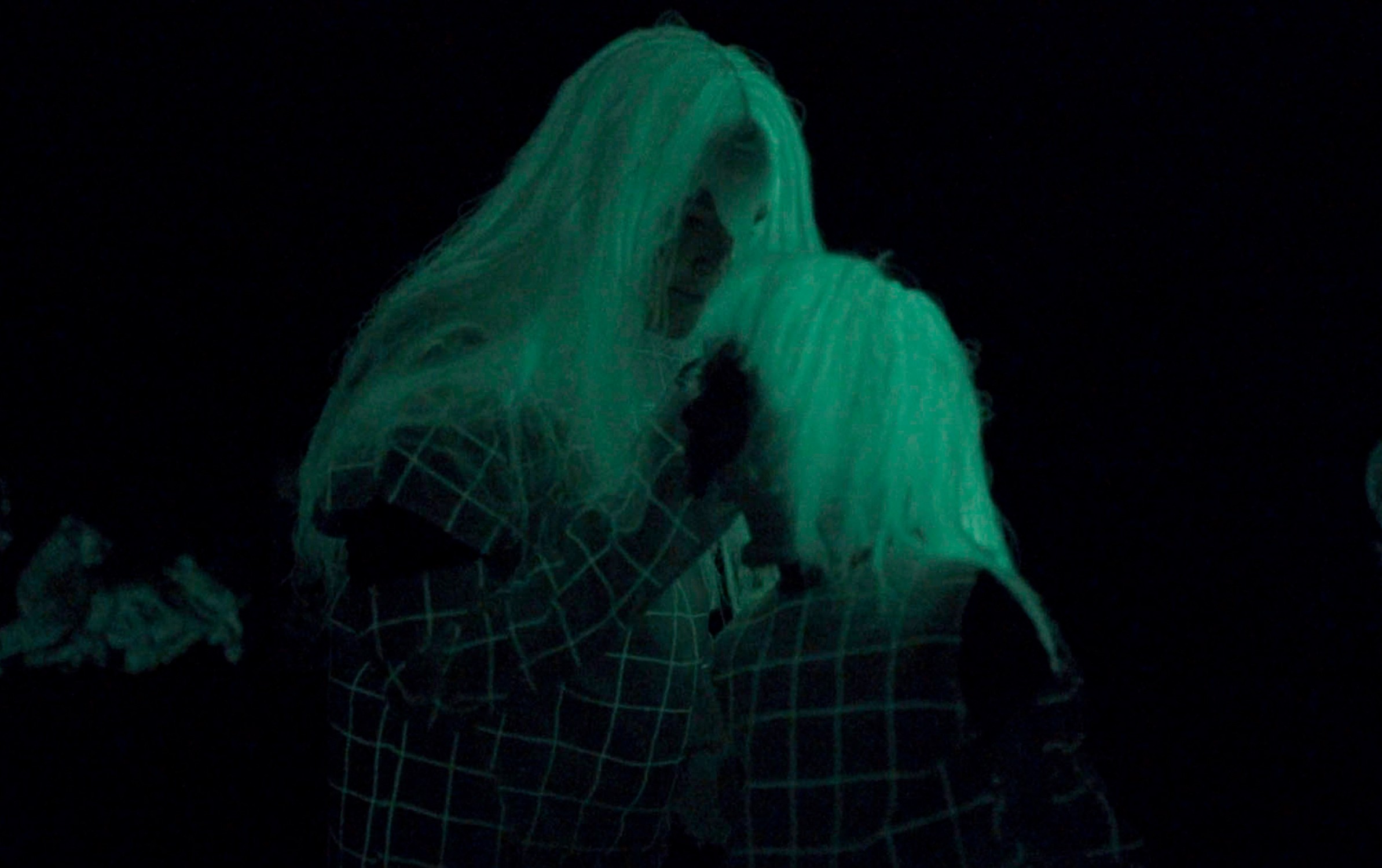
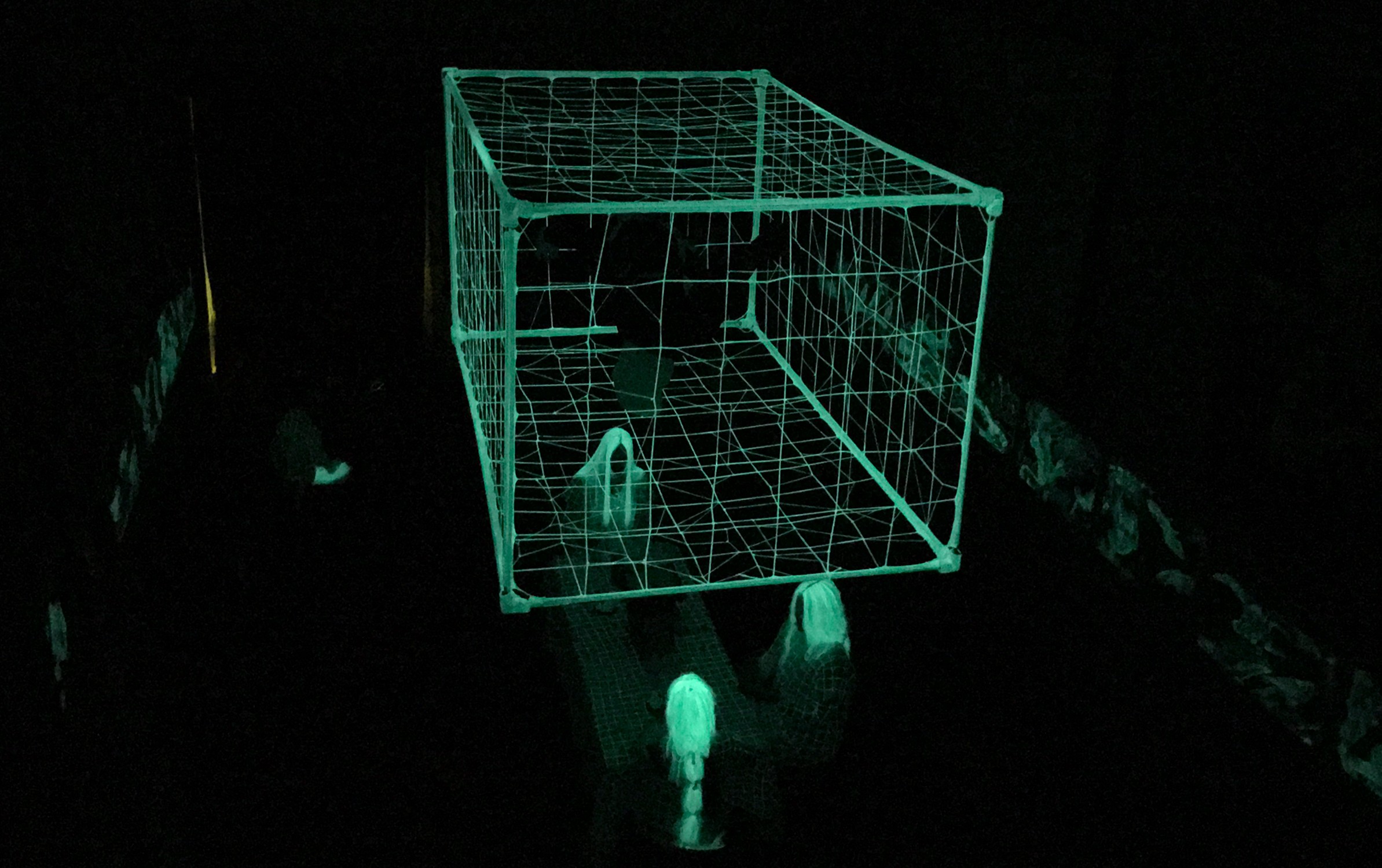
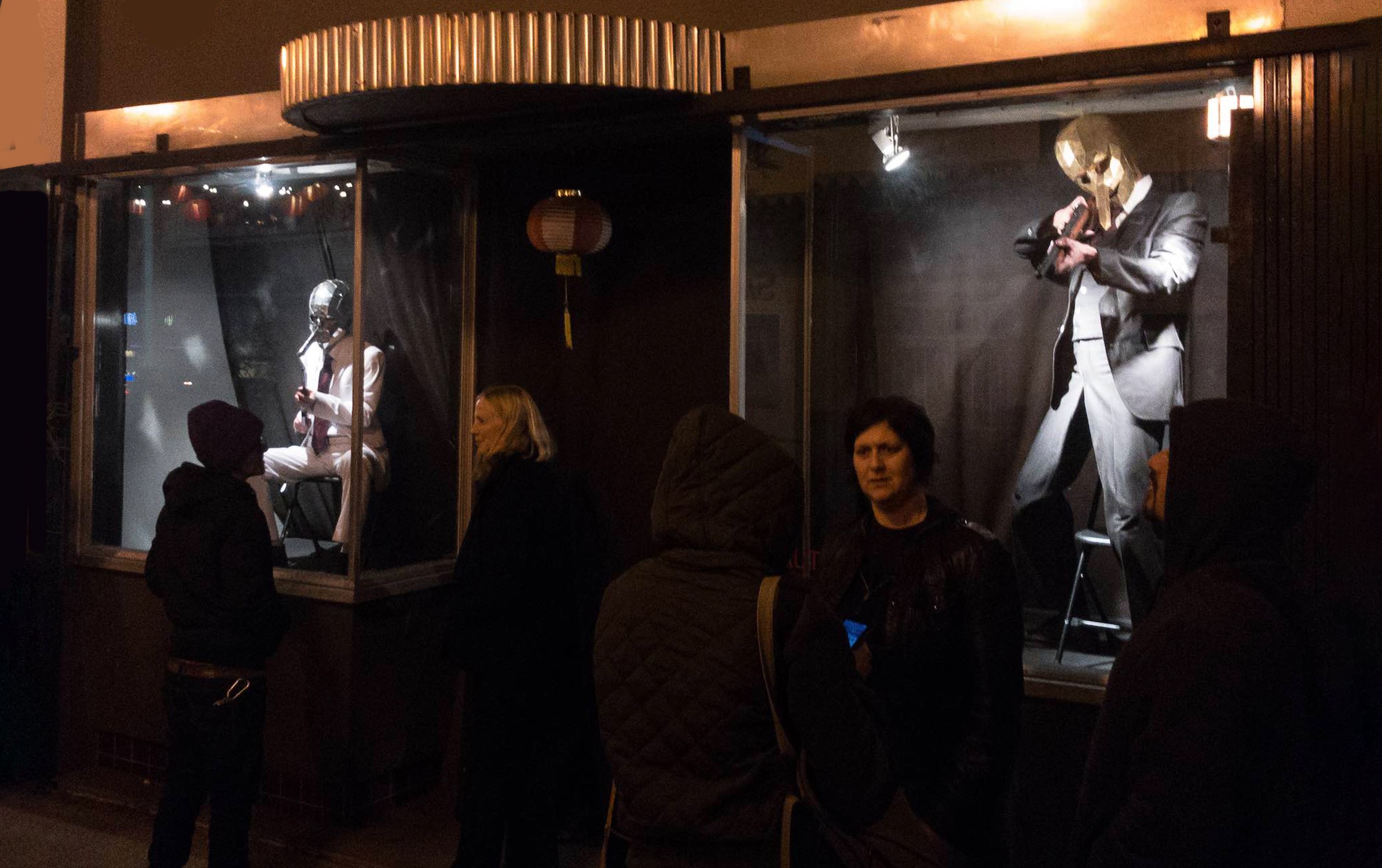
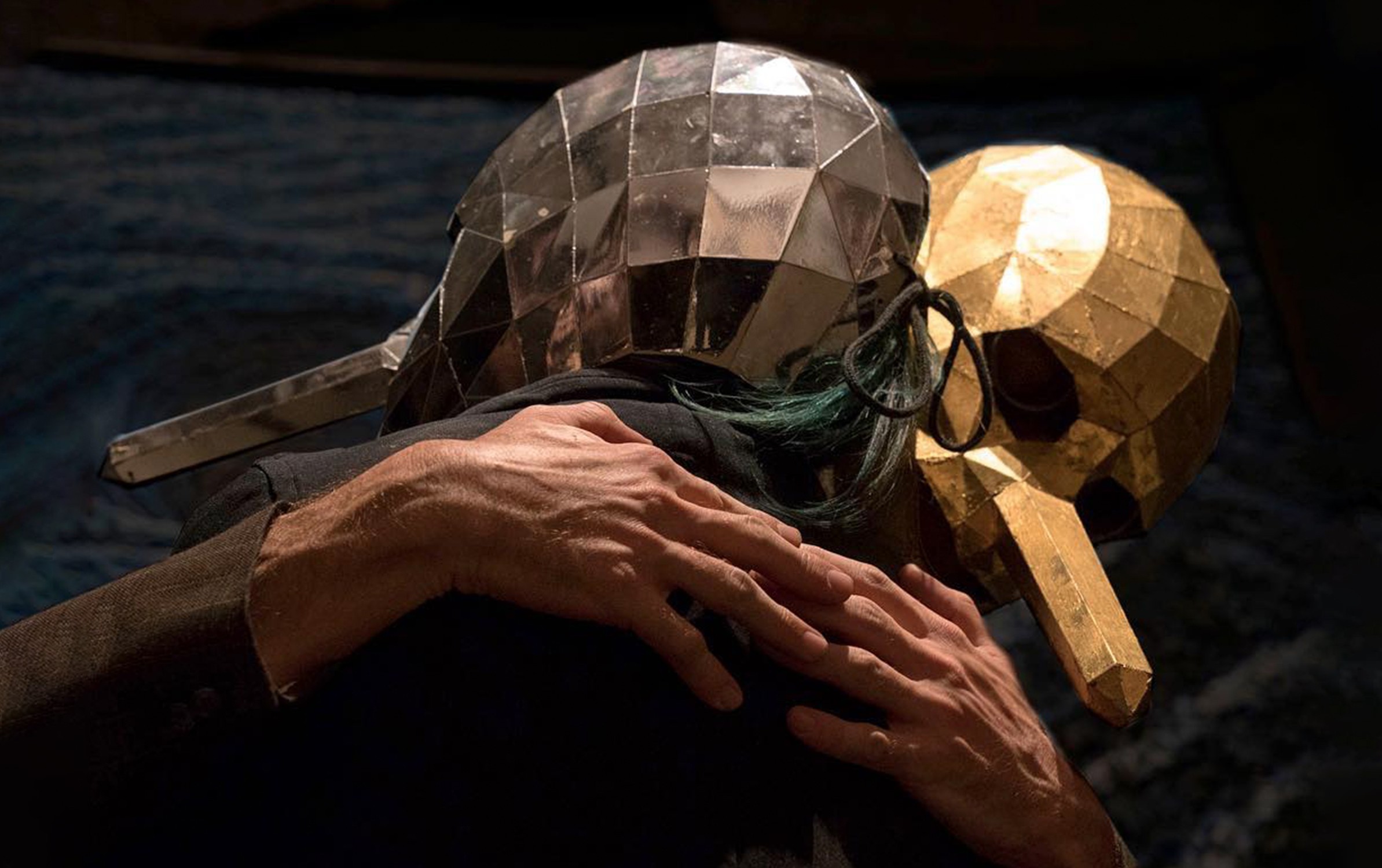
The idea was to transform a commercial window, quite small and meaningless, into a sumptuous space replicating at a small scale the Hall of Mirrors in Versailles. This worked as if the window had a mirror that they had crossed through to enter a world of fantasy, which nevertheless interacted with reality. My turn to see the performance was the day when a lovely mirrored-face Pinocchio distributed pieces of a celebration cake. It was surreal yet real. Pinocchio was an almighty God, taking his time to give one tiny piece of cake to each hand desperately reaching out for it.
The perspective put together in this space, technically flawless, made for a perfect dialogue between the stage design and the acting. Real arms and hands emerging from the windows, the large pie, the mirrored mask of the character conf ined within the magnificent room; every element was so well calibrated that one gave into fantasy, an action that reflected Oscar Wilde's words present in the title of the performance. The sidewalk, filled with people at night, lining up to see the incessant action behind the glass, turned us into different people. Like the hands, we became part of the performance and its mirror images.
—Liliana Porter, 2015

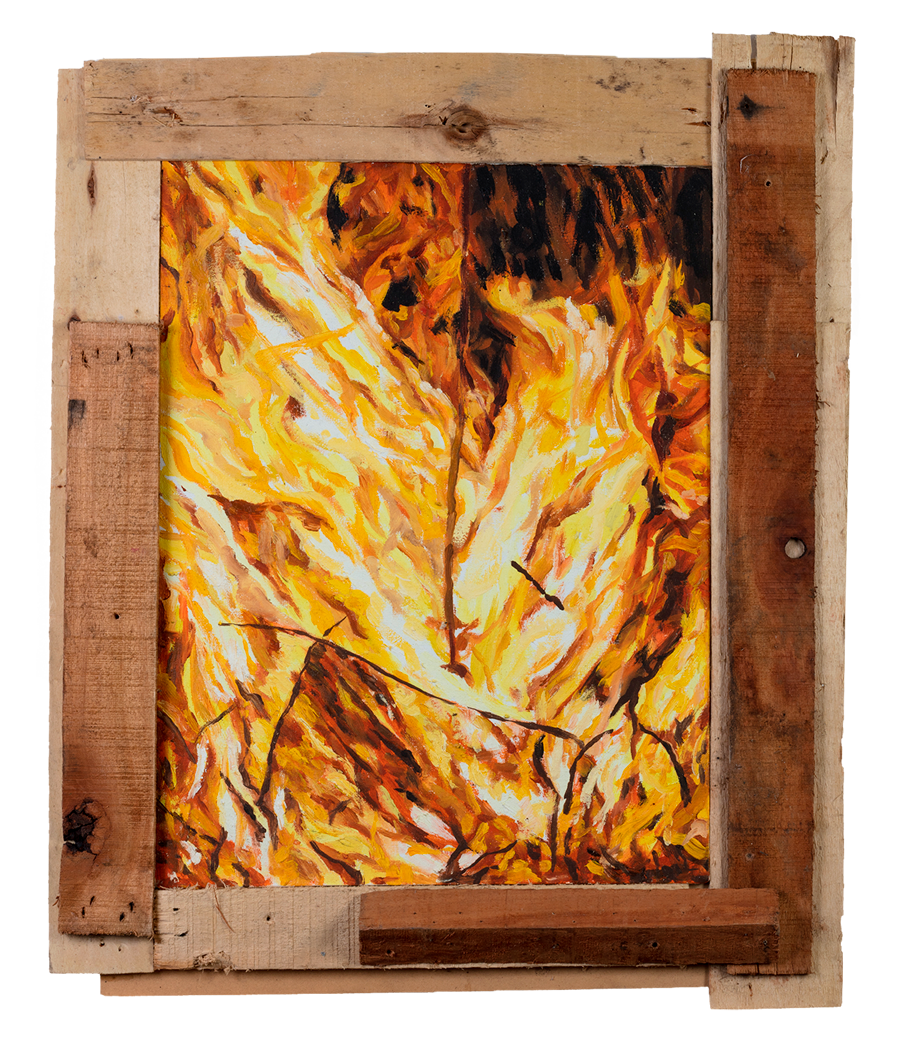
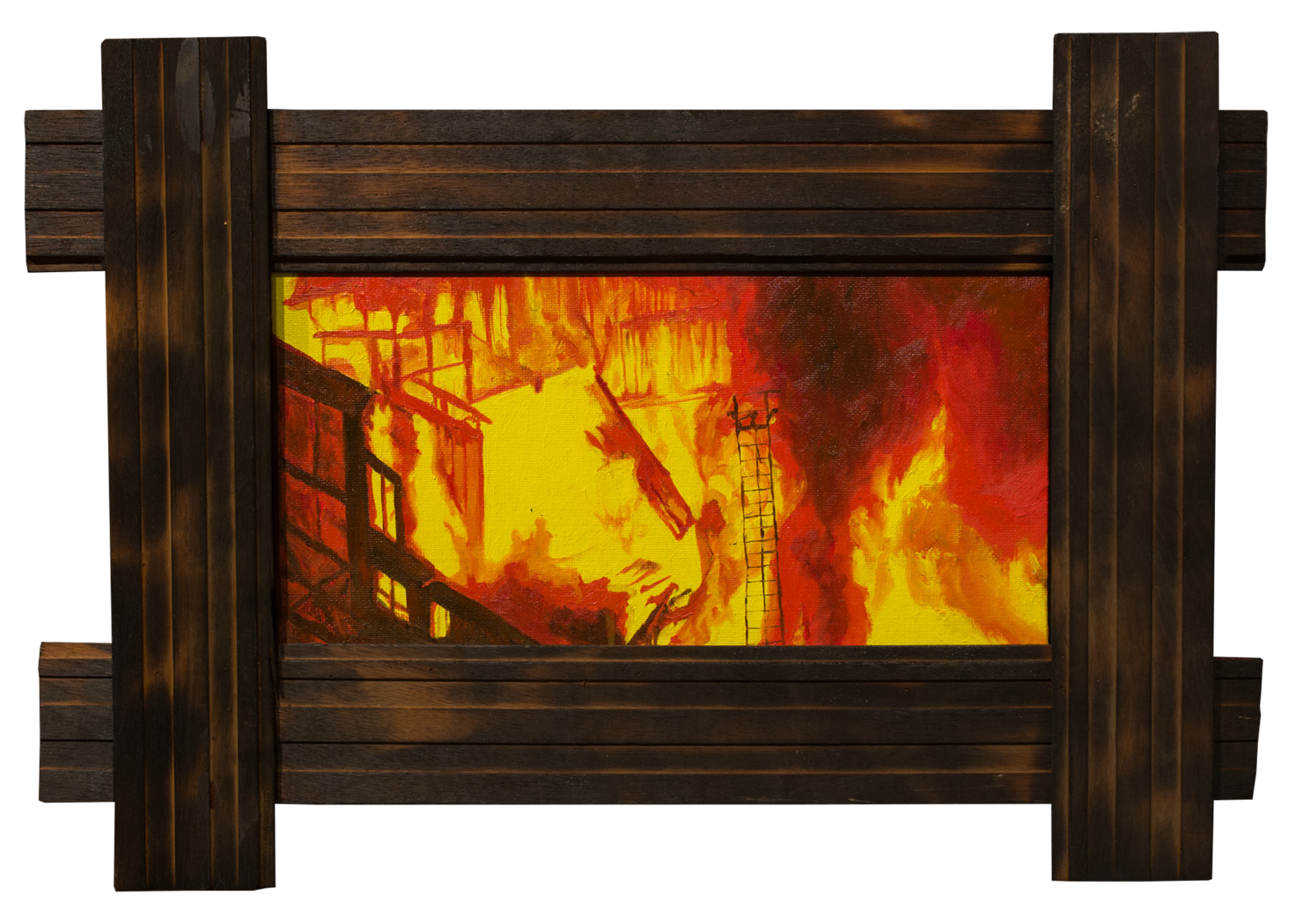

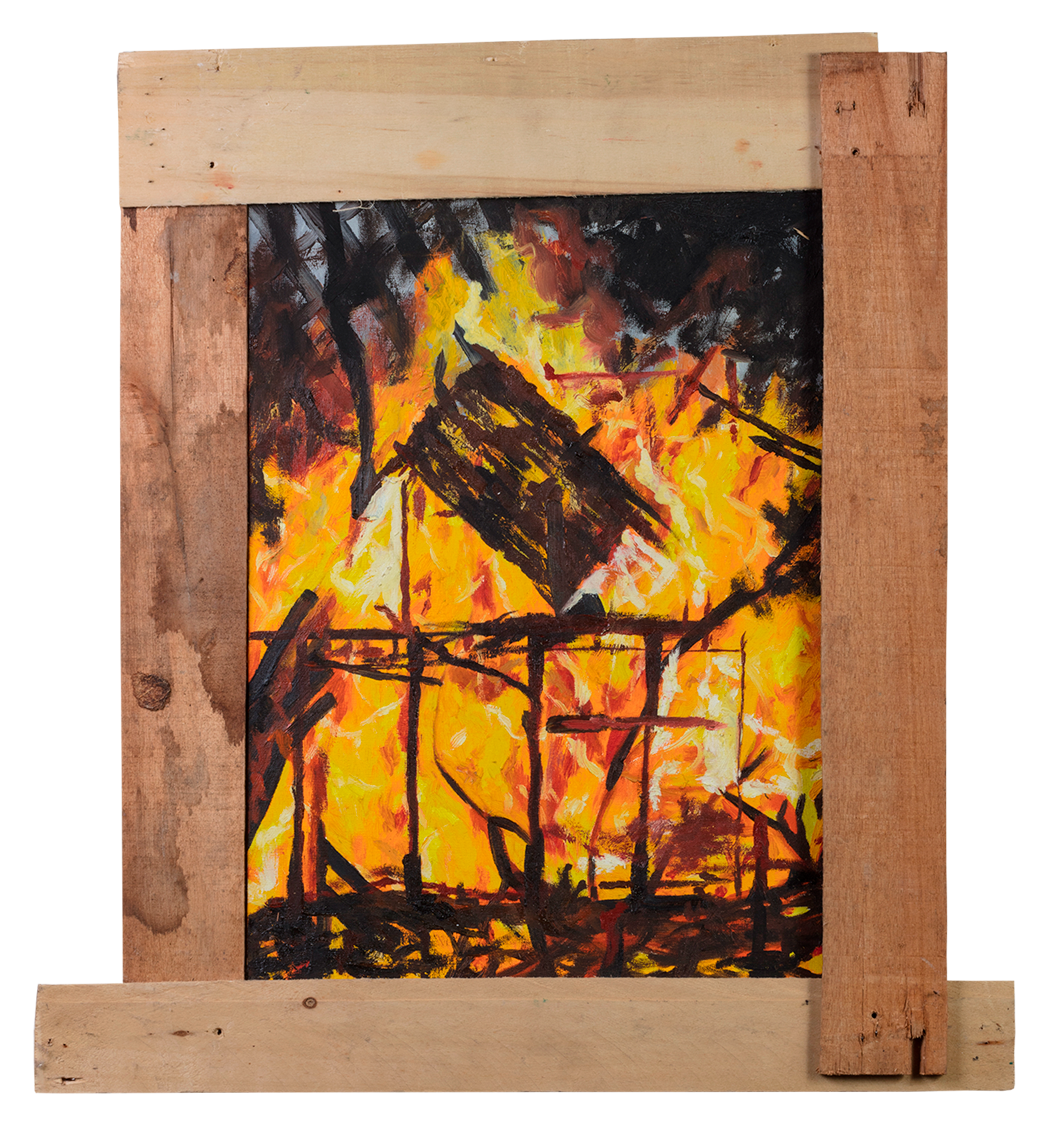
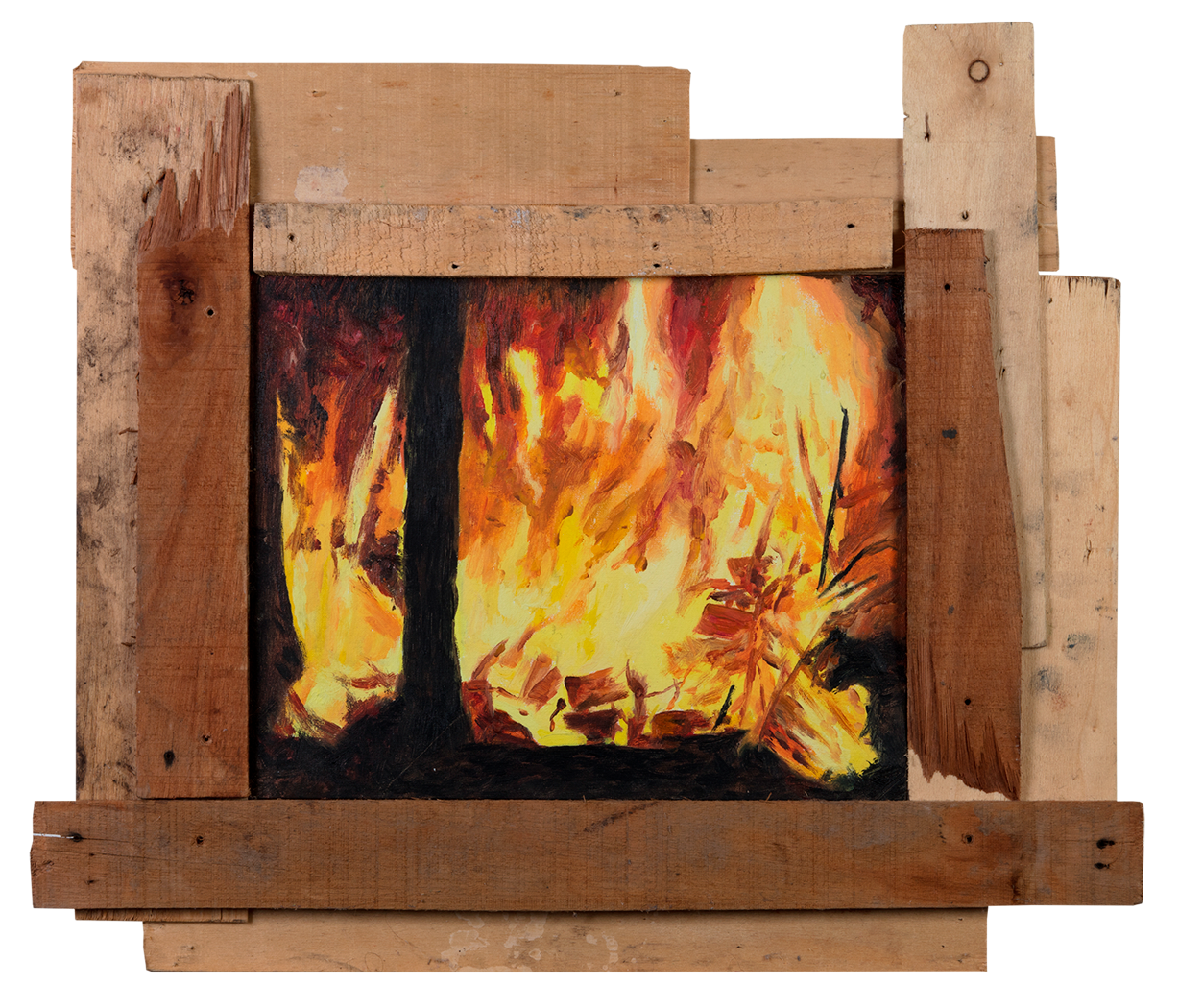
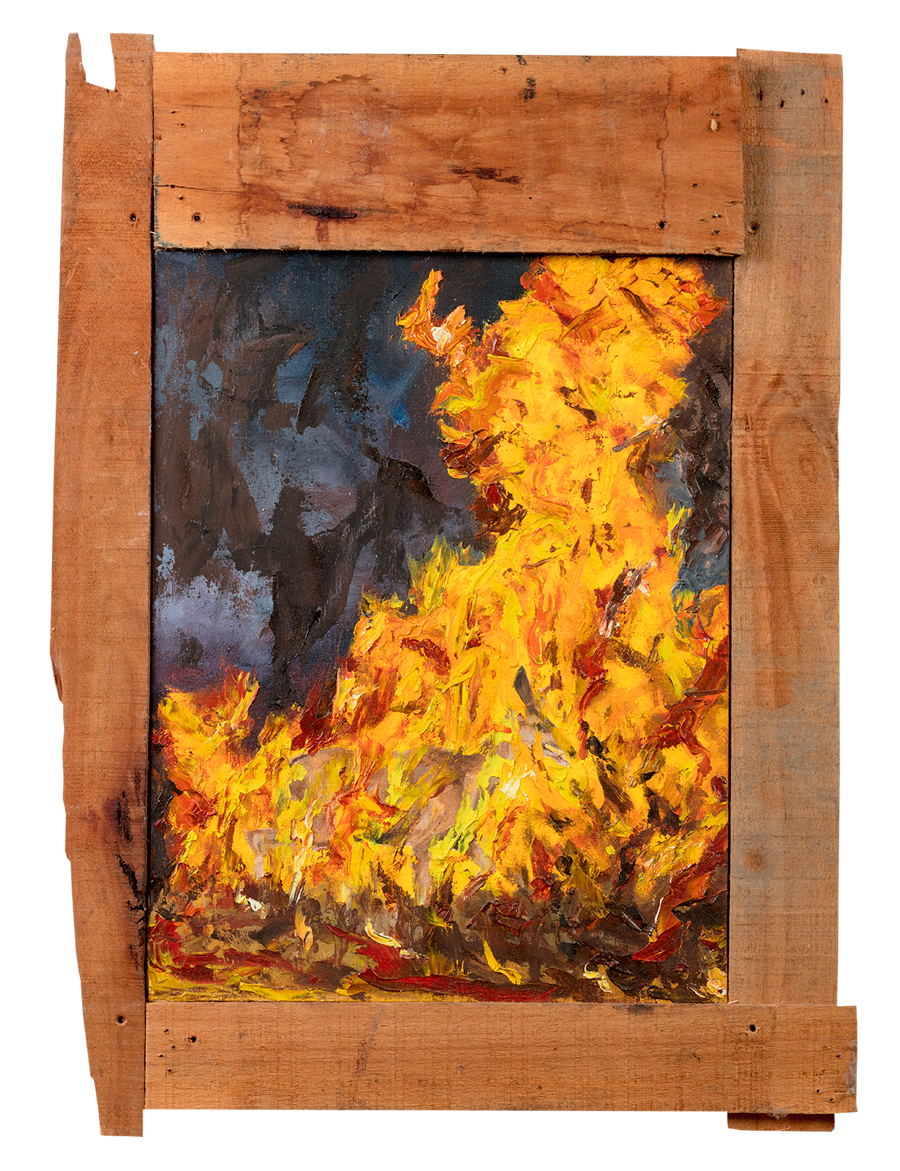
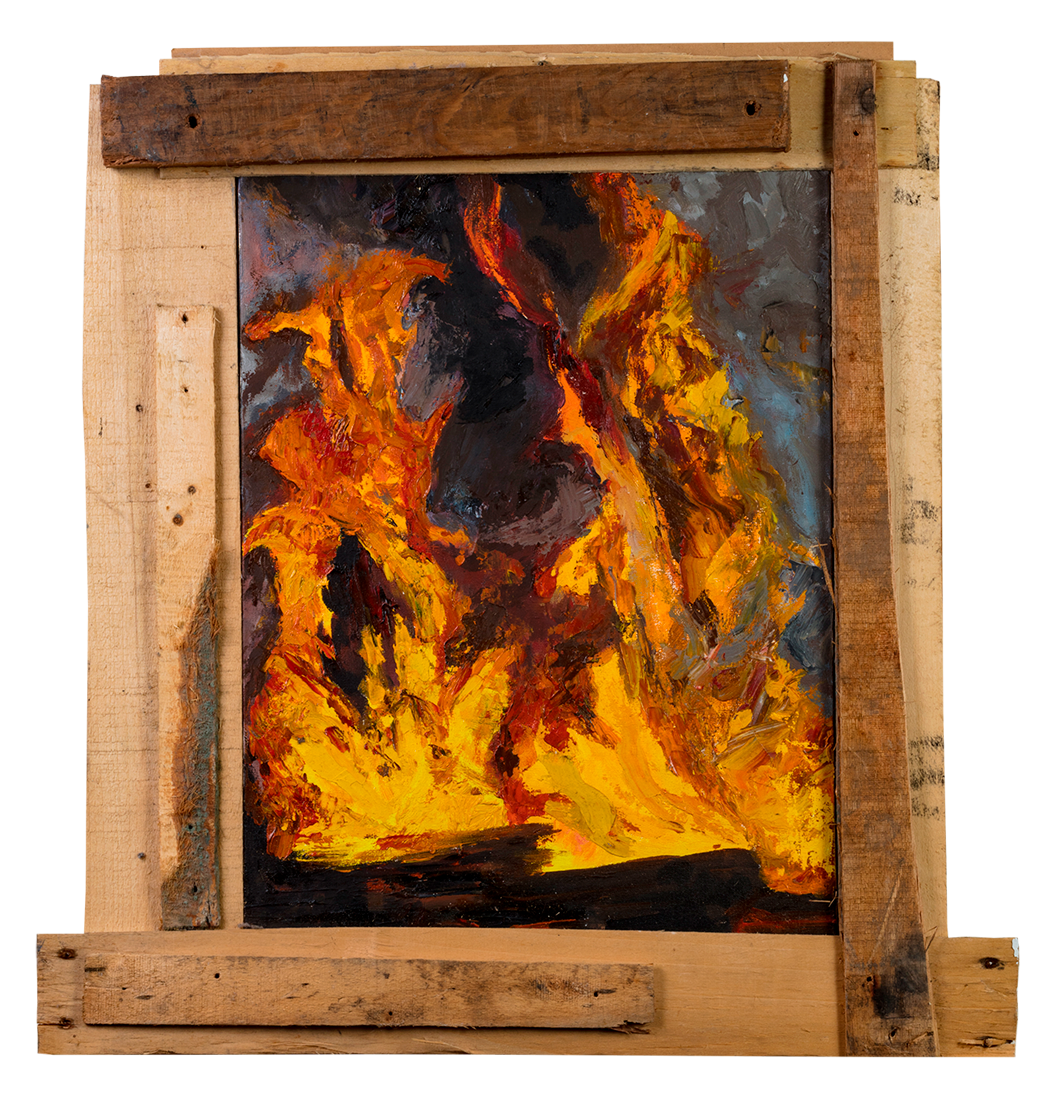
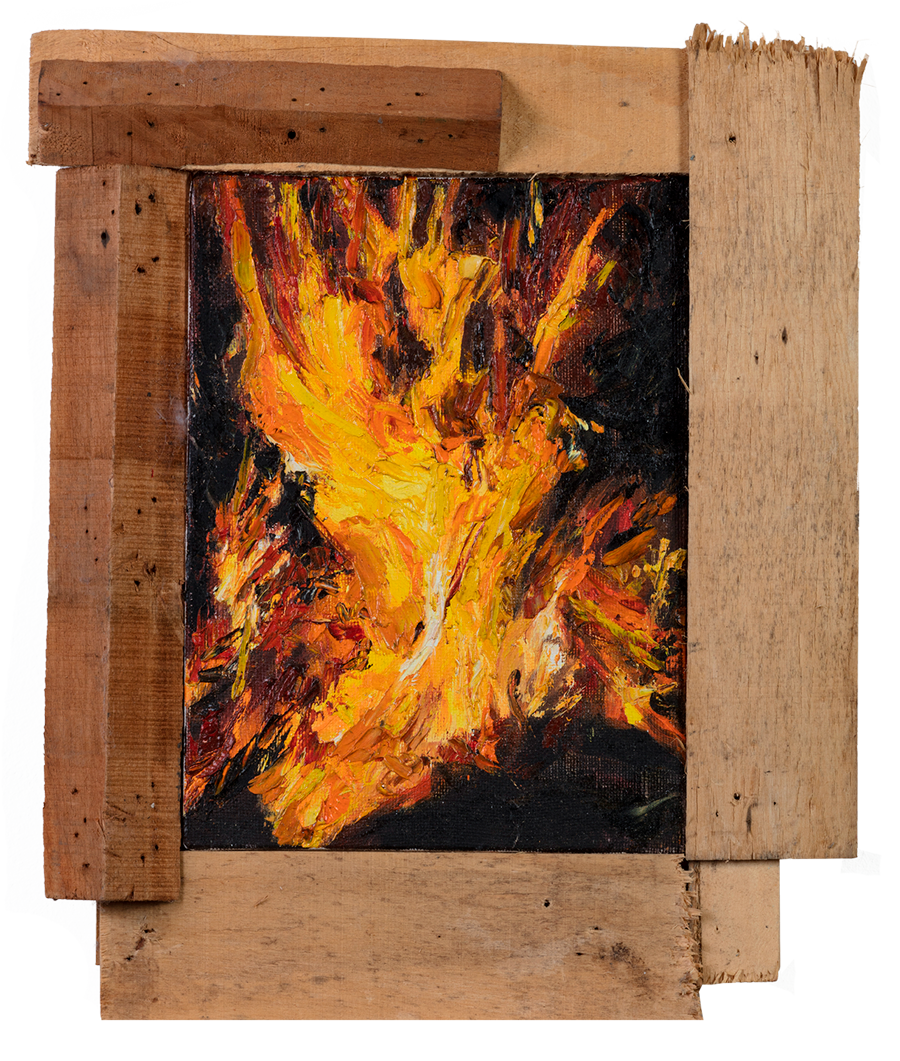
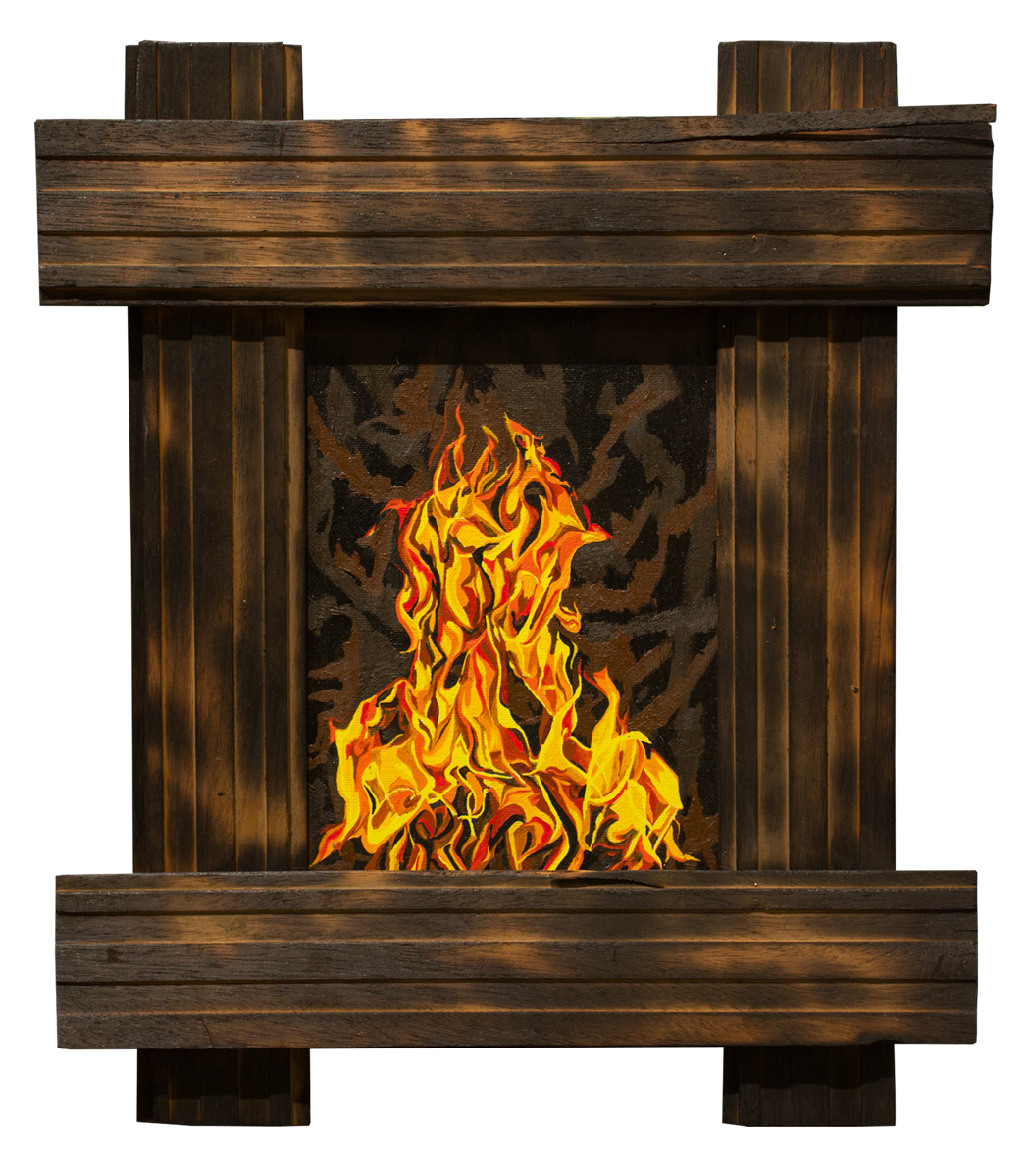
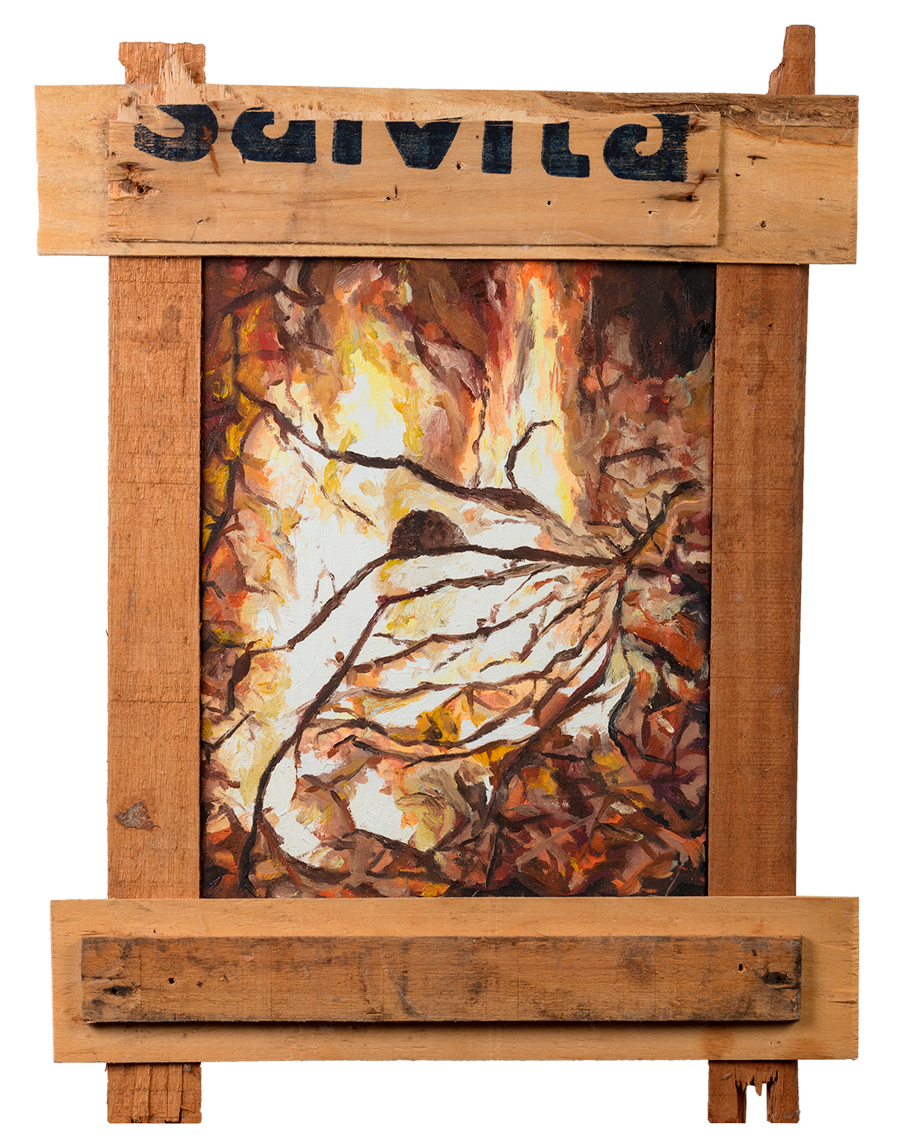
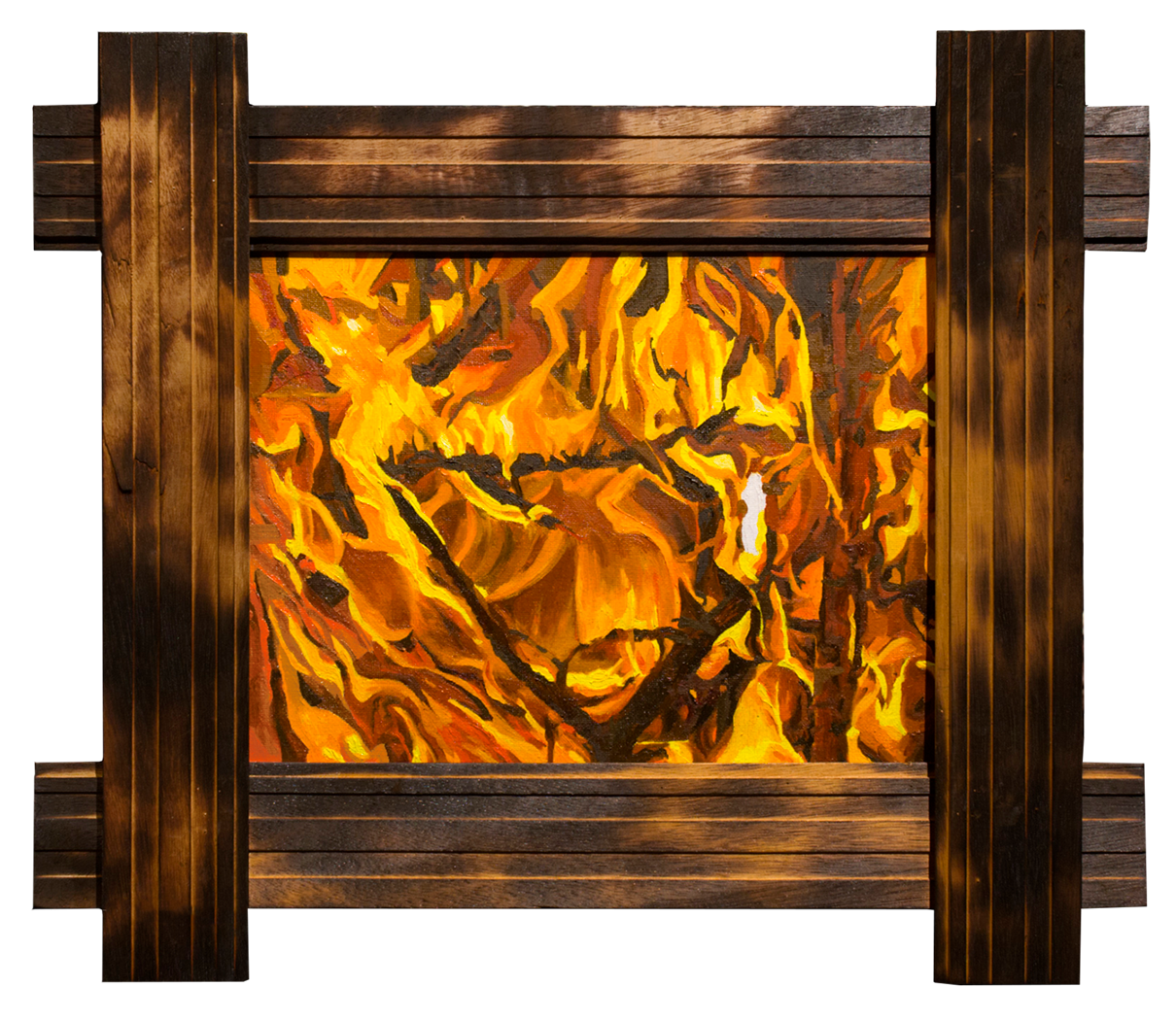
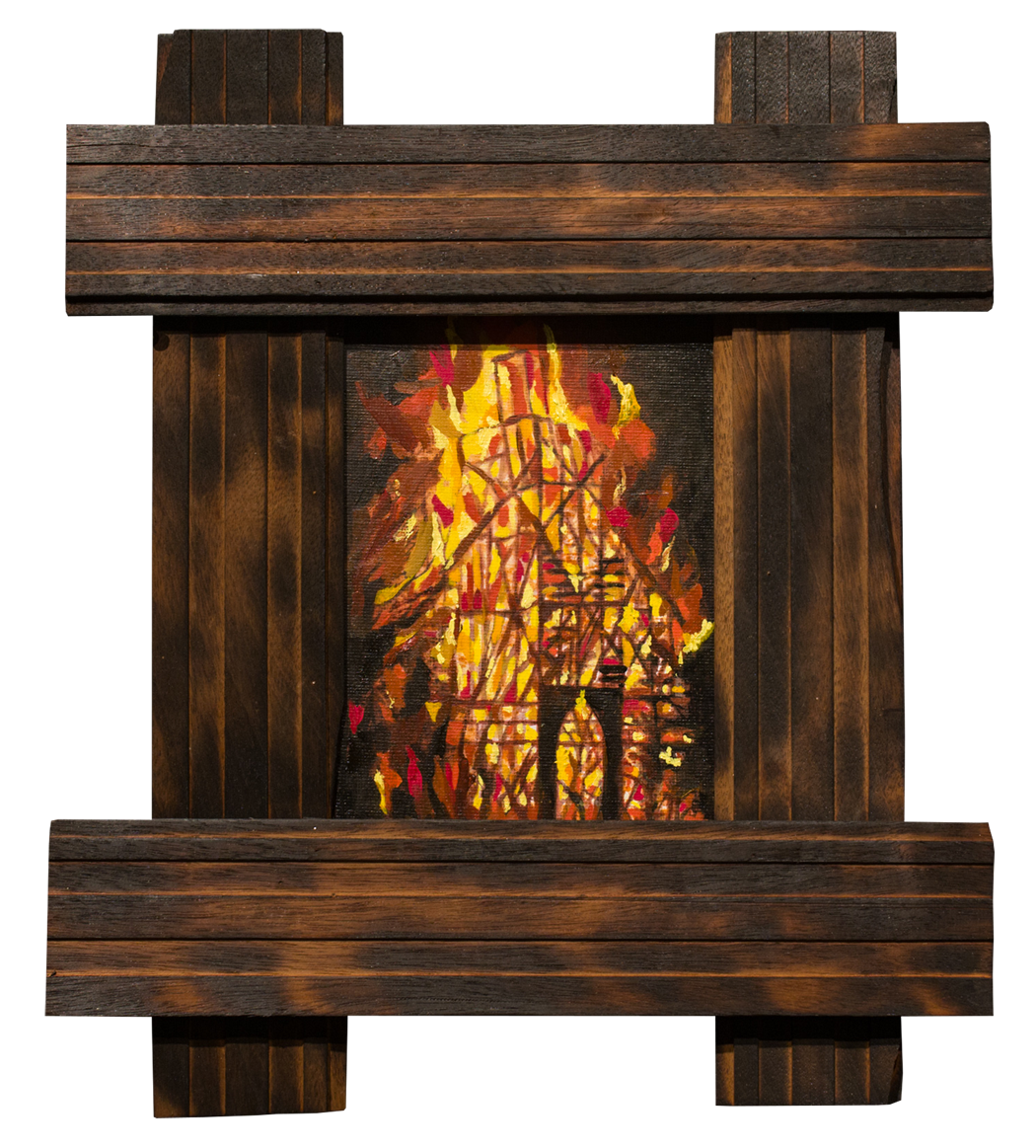
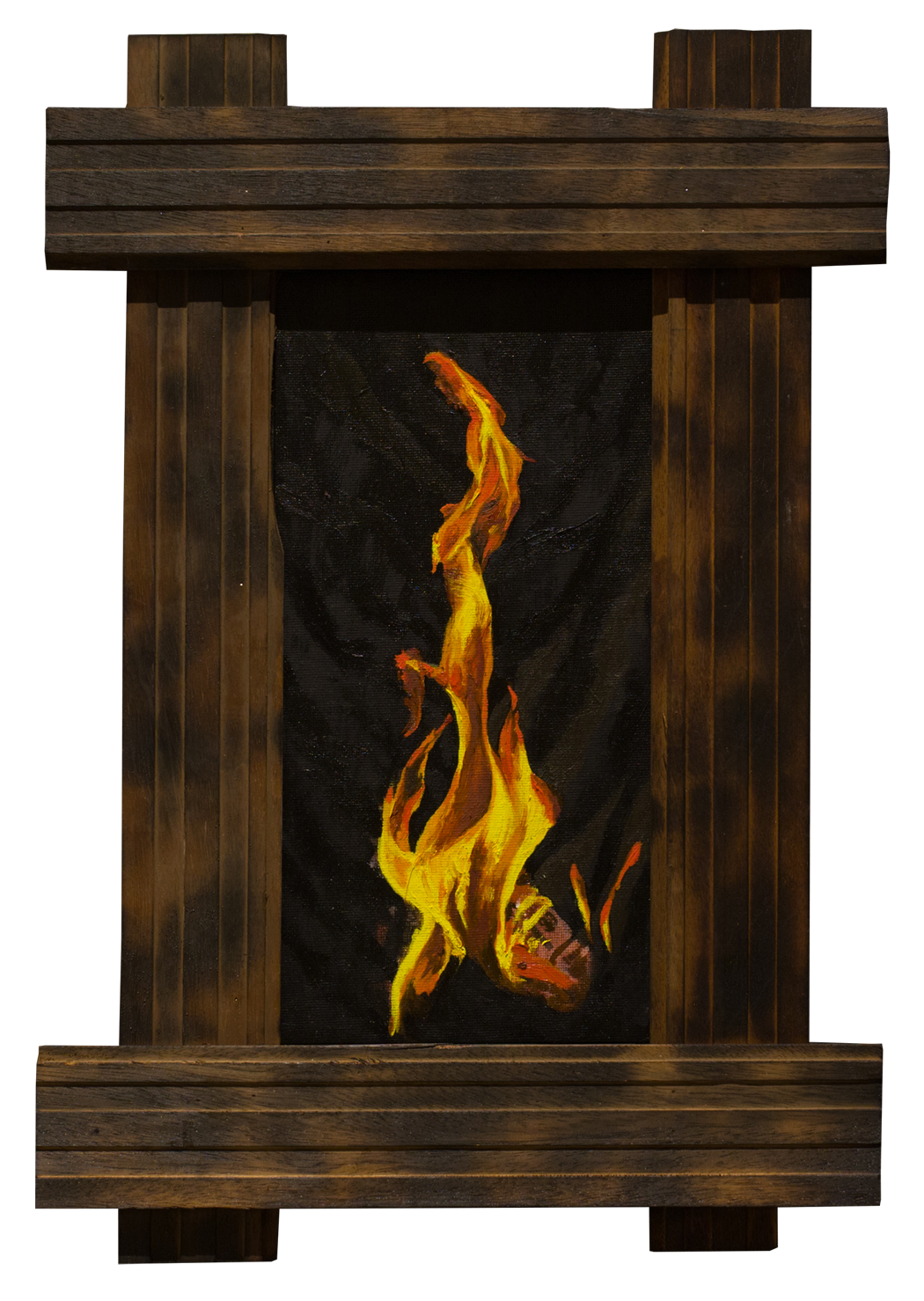
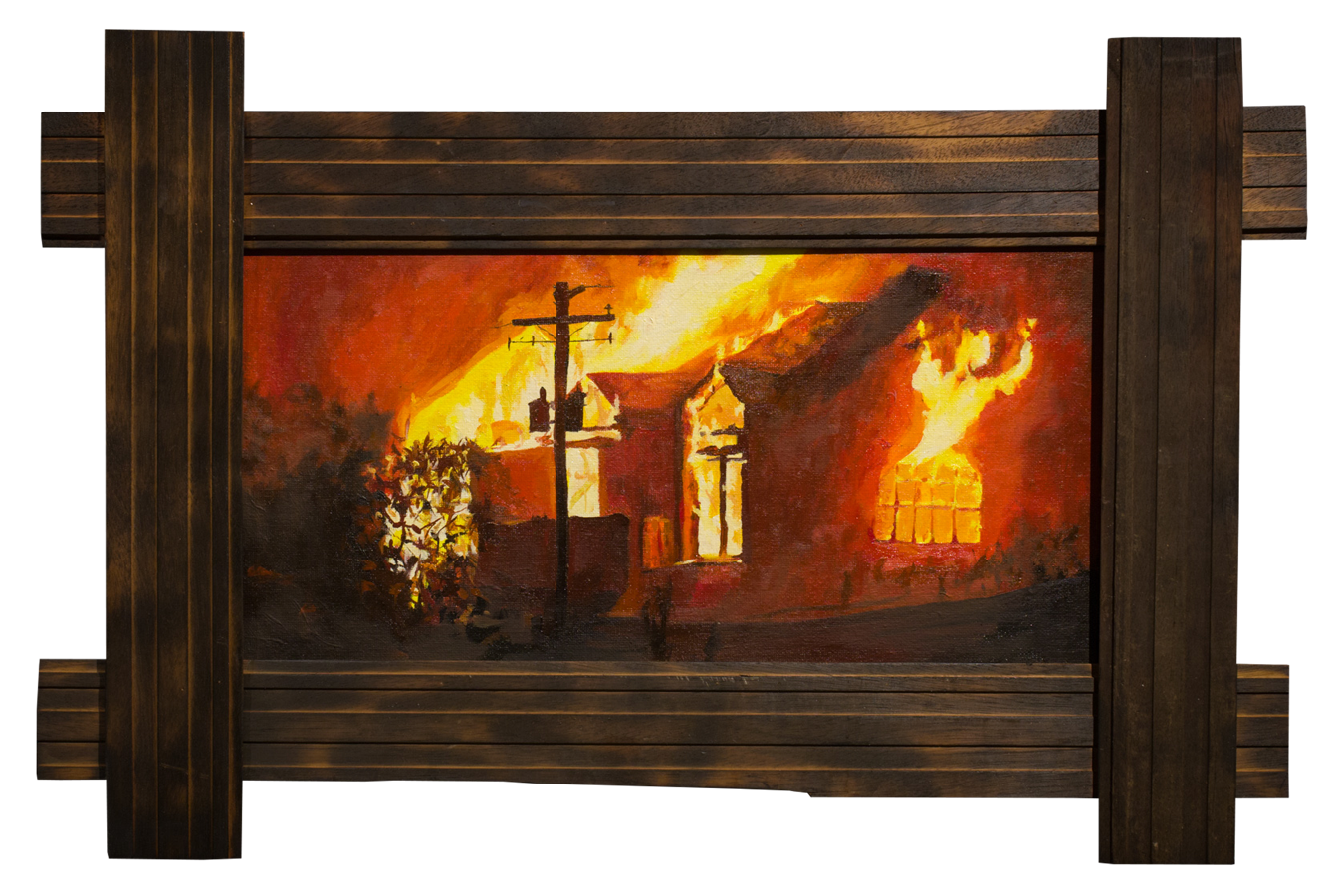
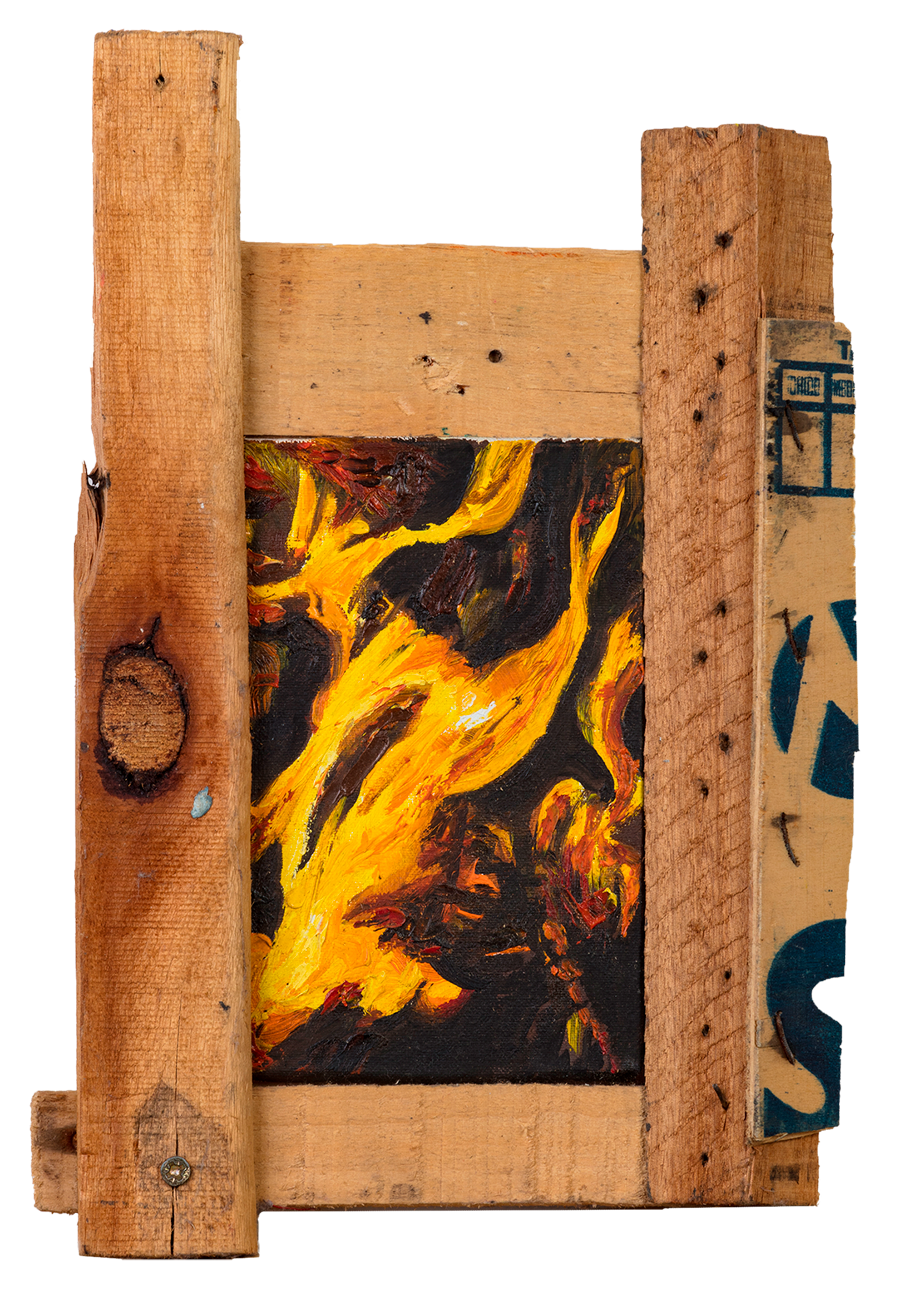
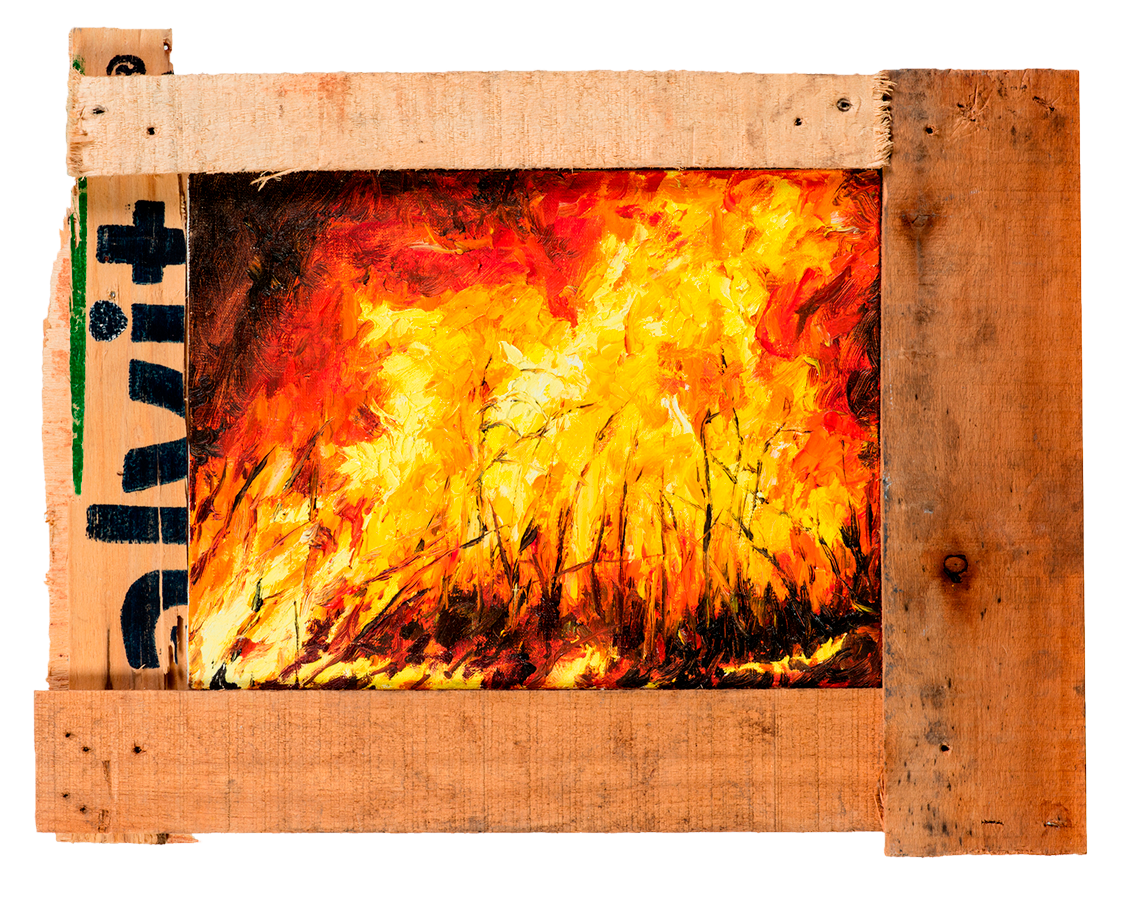
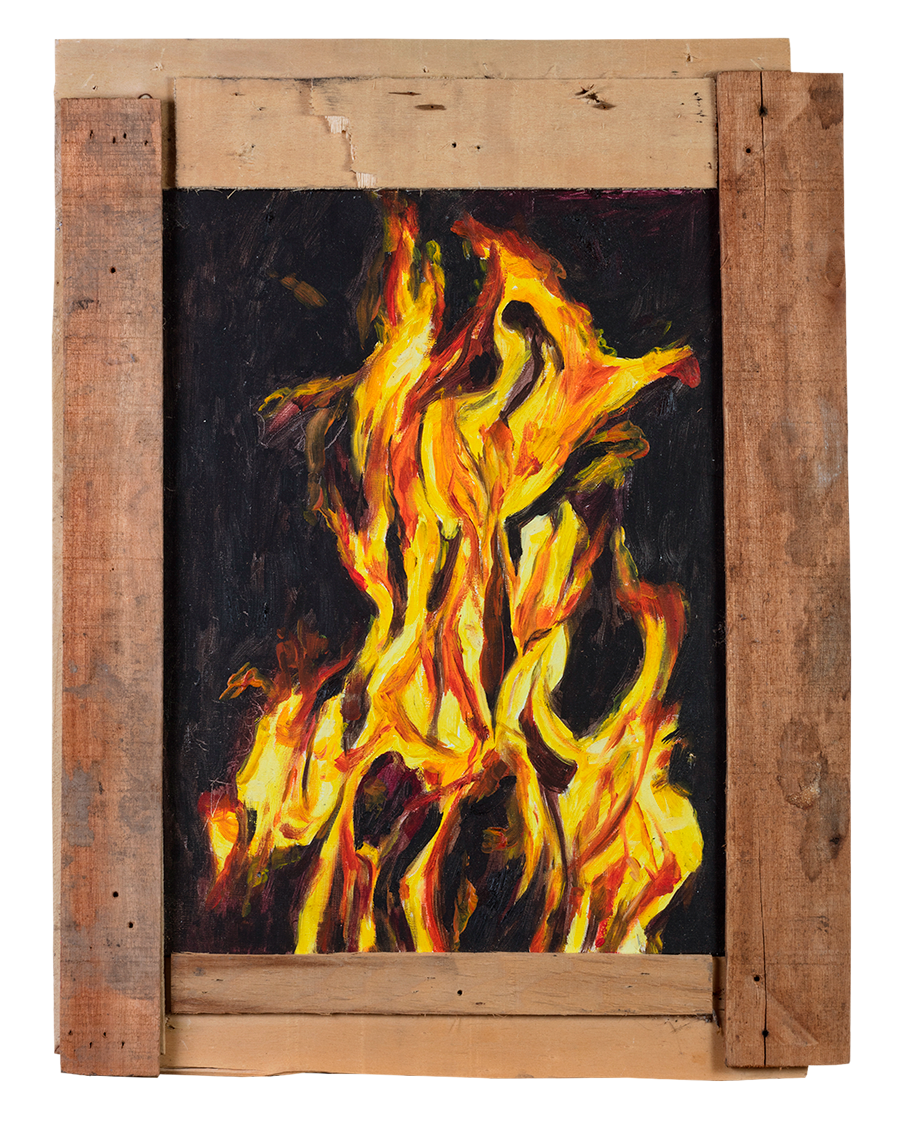
[...] The ruins of the sanctuary of the god of fire were destroyed by fire. On a dawn without birds, the magician saw the concentric fire sweeping against the walls. For a moment, he thought of seeking refuge in the waters, but then he understood that death had come to crown his old age and absolve him of his labors. He walked against the tattered flames. These did not bite his flesh; they caressed him and flooded him with neither heat nor combustion. With relief, with humiliation, with terror, he understood that he too was an appearance, that another was dreaming him.
— Jorge Luis Borges, "Las ruinas circulares," 1940
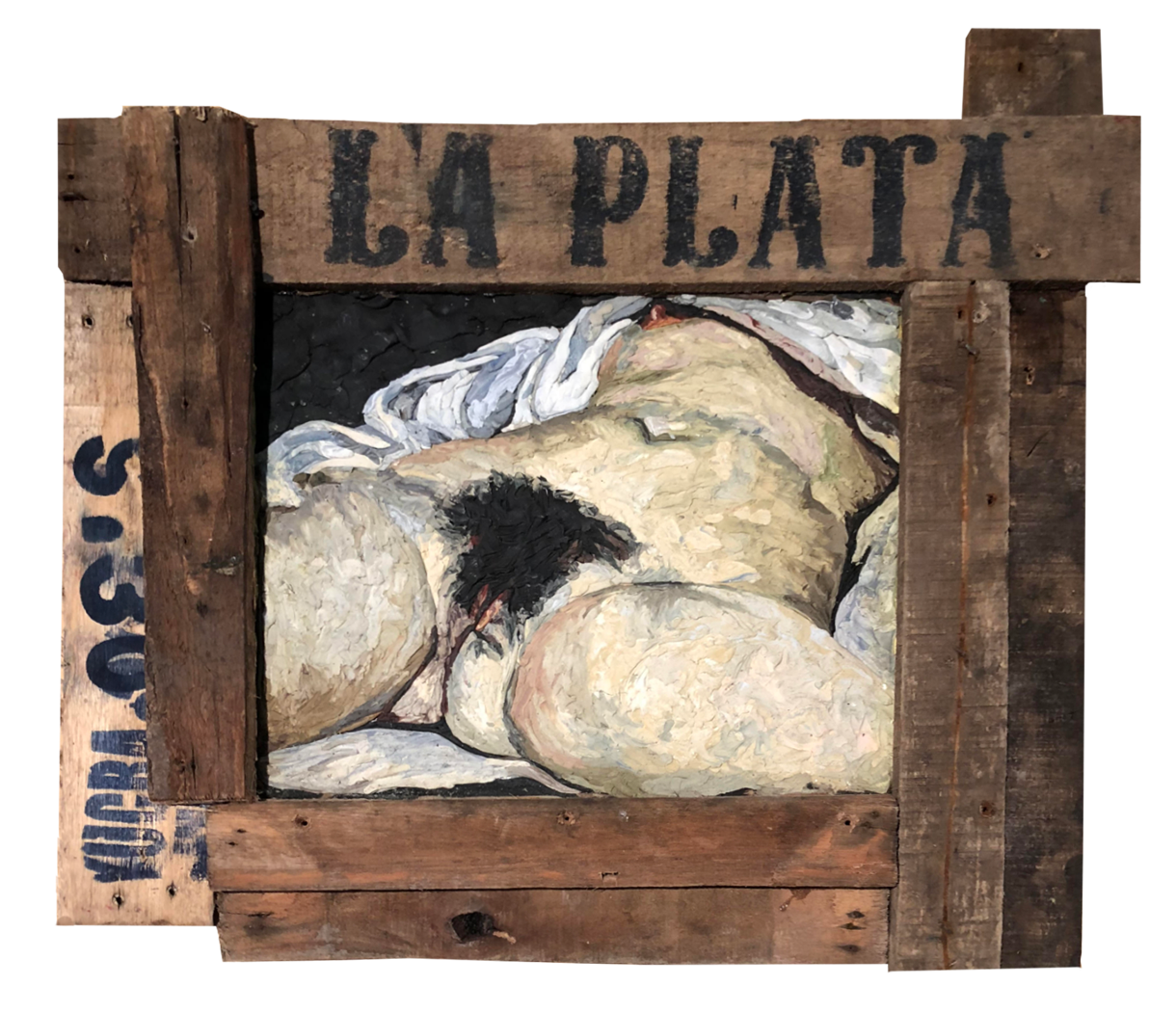
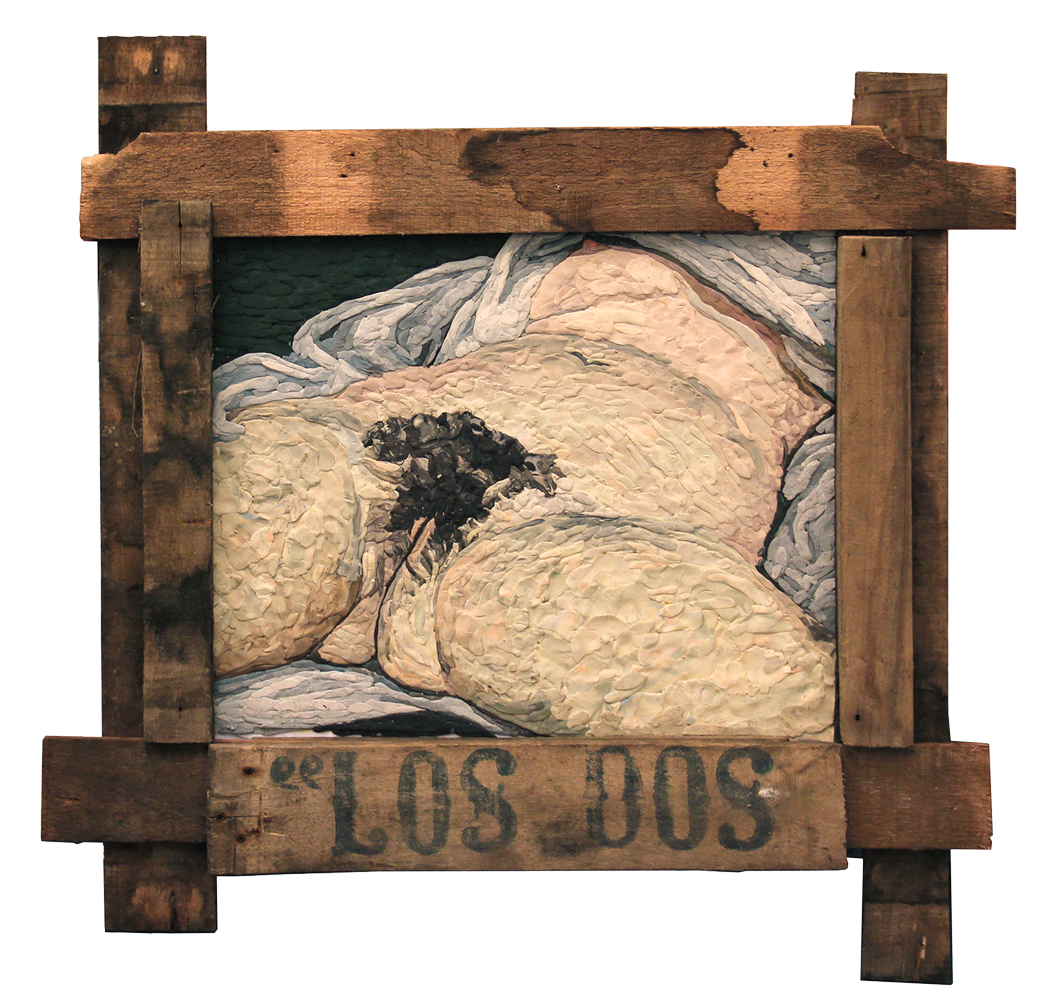
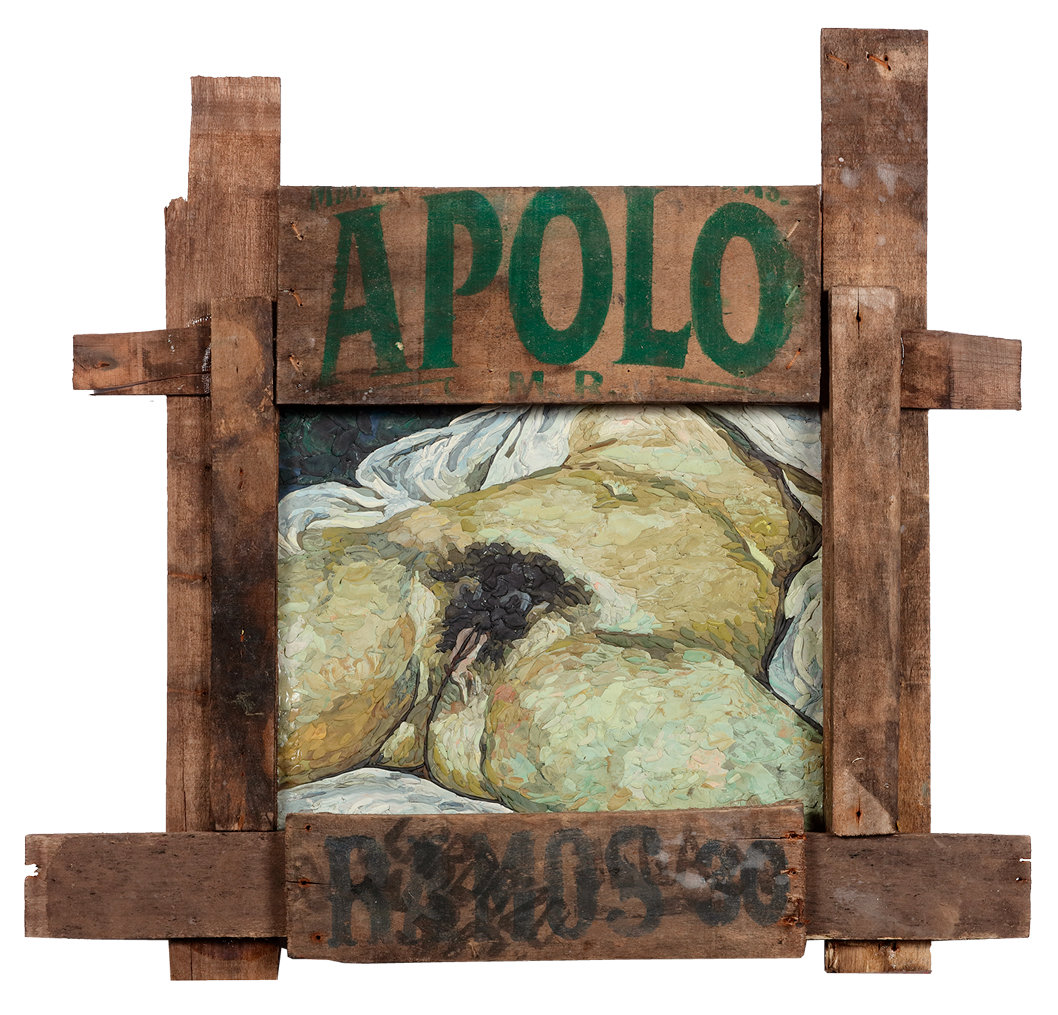
Gustave Courbet's The Origin of the World (1866), a painting of the “lower groin” (bas-ventre) of a woman, as the writer Edmond de Goncourt sheepishly described it in June 1889, is as beautiful as shameless Courbet's model is portrayed solely by her vulva, with her thighs parted to reveal her vaginal lips, offset by black pubic hair, a white sheet, and the pink skin of the underside of her breasts. As the title confirms, Courbet pays homage to the origin of life and the world as we know it, but in the process he also stages a call to arms for a radically new realism.
[...] the painting goes beyond the autobiographical and can best be seen as a manifesto offering an allegory of sexual pleasure. [...]
The origin of the world goes even further in this honest vision of the real. The viewer becomes part of the living painting, so close that the perspective is almost gynecological. Many artists before Courbet had staged intimate encounters with the viewer, either by depicting the nude in nature in such a way that its naked form could be better appreciated, despite its supposed virtue and innocence, or by showing it as the very embodiment of vice, boldly staring from a vanity with her bare and flushed buttocks. Courbet's radical move was to portray the pudenda without any mythological, historical, or moral narrative, even in a state of arousal.
[...] In The Origin of the World, not only is the model an anonymous torso, but the female sex is naked, exposed, and framed, looking downward from a height. Therefore, Courbet seems to place the viewer in the position of the master: from a Freudian perspective, this is a close-up that could be read as privileging male sexual desire and fear.
Reenact what Freud described as a seminal moment in the development of every boy, when the child looks under his mother’s skirt and realizes that her genitals are quite different from his own. However, although it is tempting to view Courbet's painting through the lens of Freud’s idea of castration anxiety, doing so would exclude the erotic and revolutionary potential of the work. If we see it as a glorious celebration of woman, open to both the male and female gaze, or even as an image of autoeroticism, we can better explain its cultural impact.
—Alyce Mahon, "The Art Newspaper" 2014
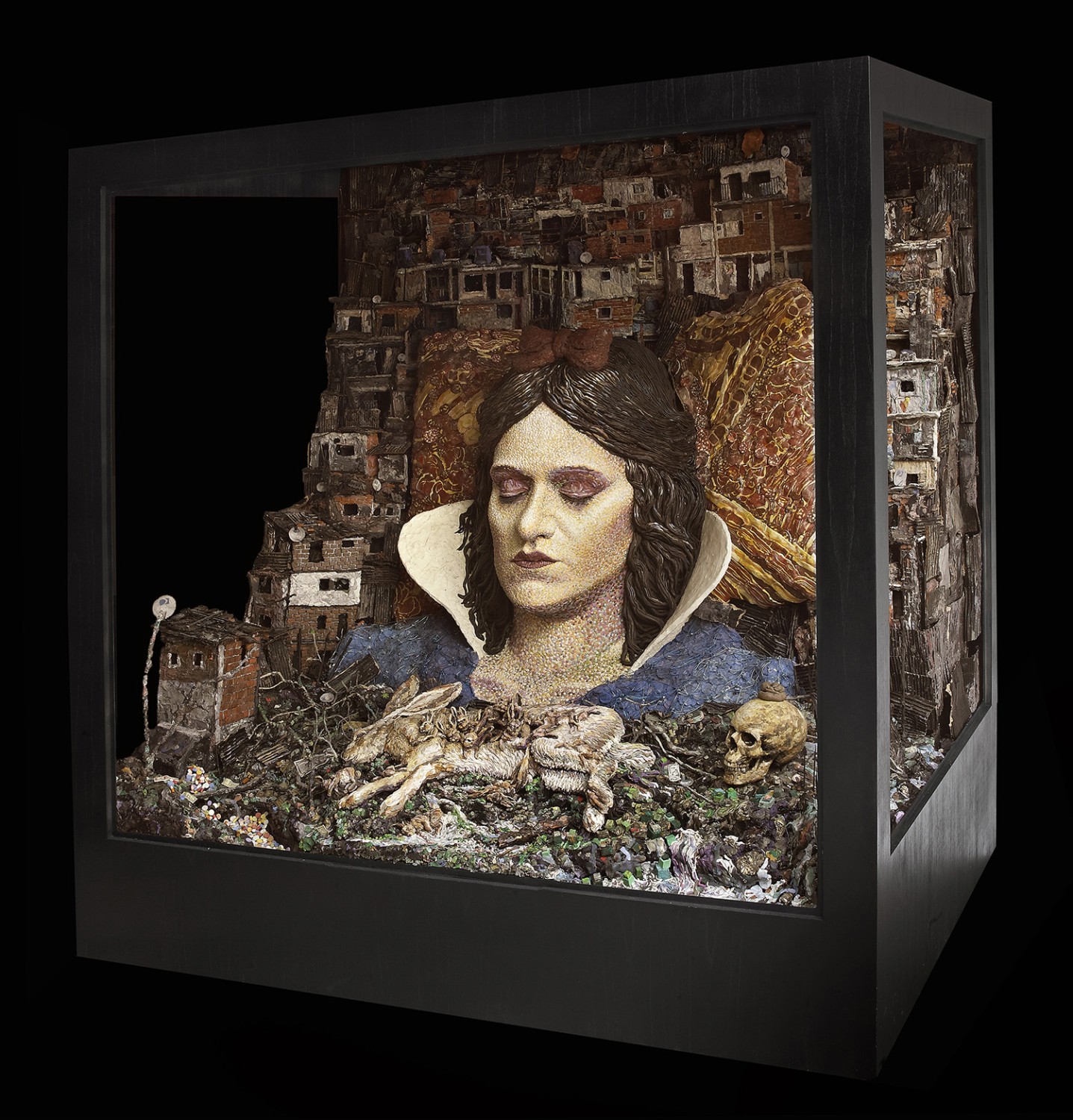
I'D SETTLE FOR BEING ABLE TO SLEEP
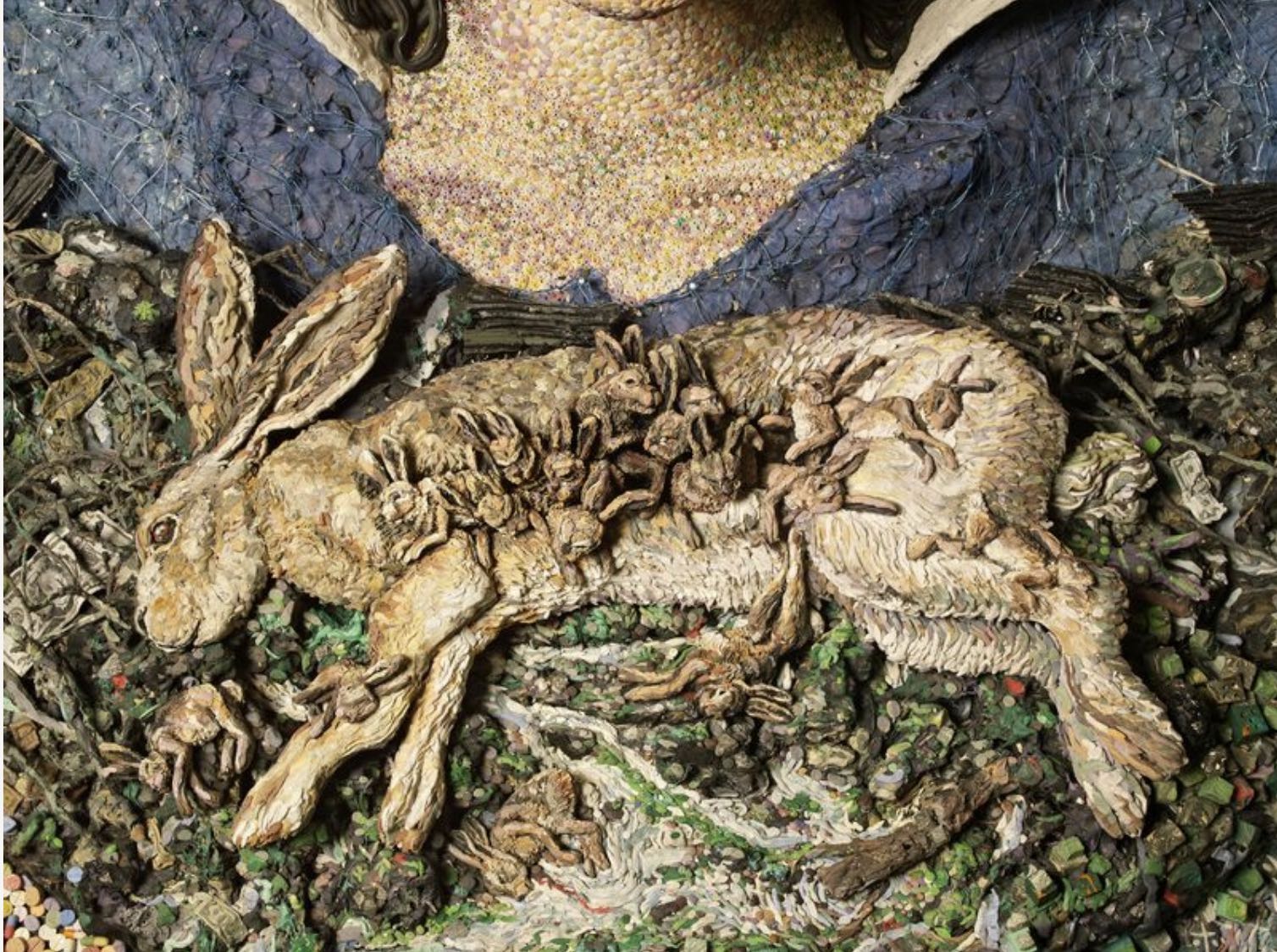
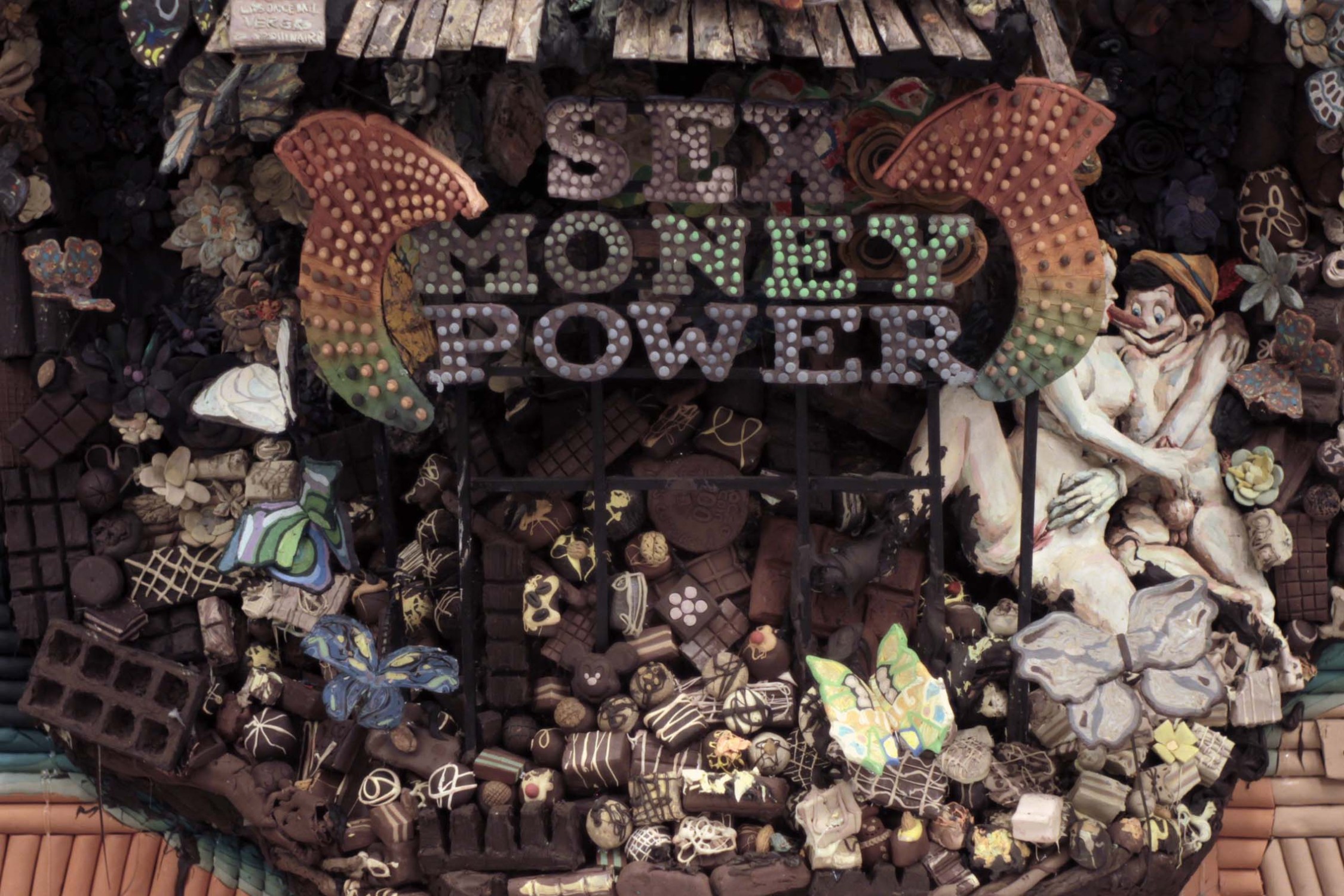
The contemporary artistic collective Mondongo satirizes the dichotomous construction that contrasts the purity and sanity of Disney with Latin American poverty. The work I´d settle for being able to sleep presents Snow White, the purest of the realm, immersed in a mud made of trash and the type of bricks and corrugated metal found in Argentina’s villas miseria (slums). The minuteness and detail invite a closer look that reveals an even more sordid sublevel. A small skull displays a strand of feces on its forehead; a group of pharmaceutical pills forms the broken beads of a tiara. The work makes a direct allusion to the iconic scene in the Disney film where the dwarfs, overwhelmed by grief, watch over Snow White. But instead of being inside a gold and glass casket, Mondongo has placed her upright in a display case like Zoltar, the sinister automaton fortune teller that, for a few coins, predicts your fate at the low-budget amusement parks in the United States. That Snow White was remote, transcendent, and radiant; this one shows the tension of burgeoning disgust in the curl of her upper lip and in the shift toward purple that tightens her face: her closed eyes do not rest, they reject; her hair, compact like a helmet, here becomes a nest of greasy strands; her head rests on a pillow made not of flowers, but of sausages, blood sausages, and other abject cured meats; instead of a bouquet of flowers, Snow White has a dead mother rabbit on her chest, from whose womb various bloated fetuses fall out like excretions.
—Nieves Cereijido, 2017
STILL LIFE
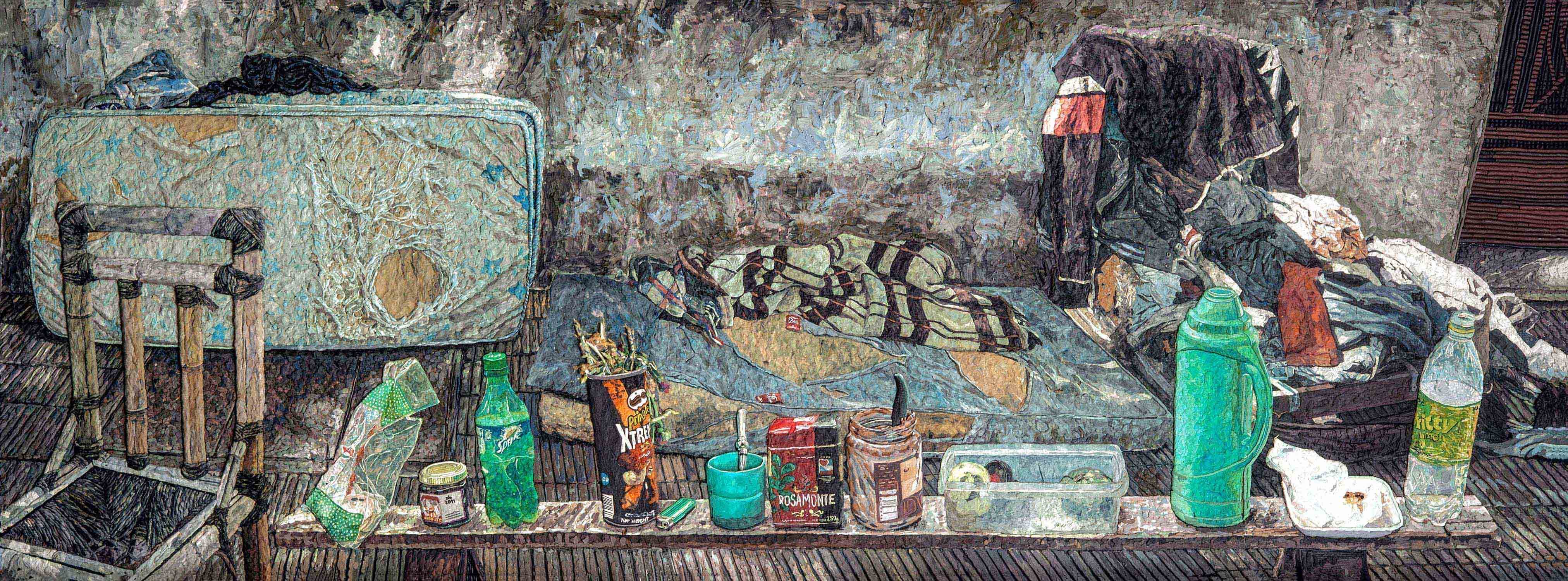
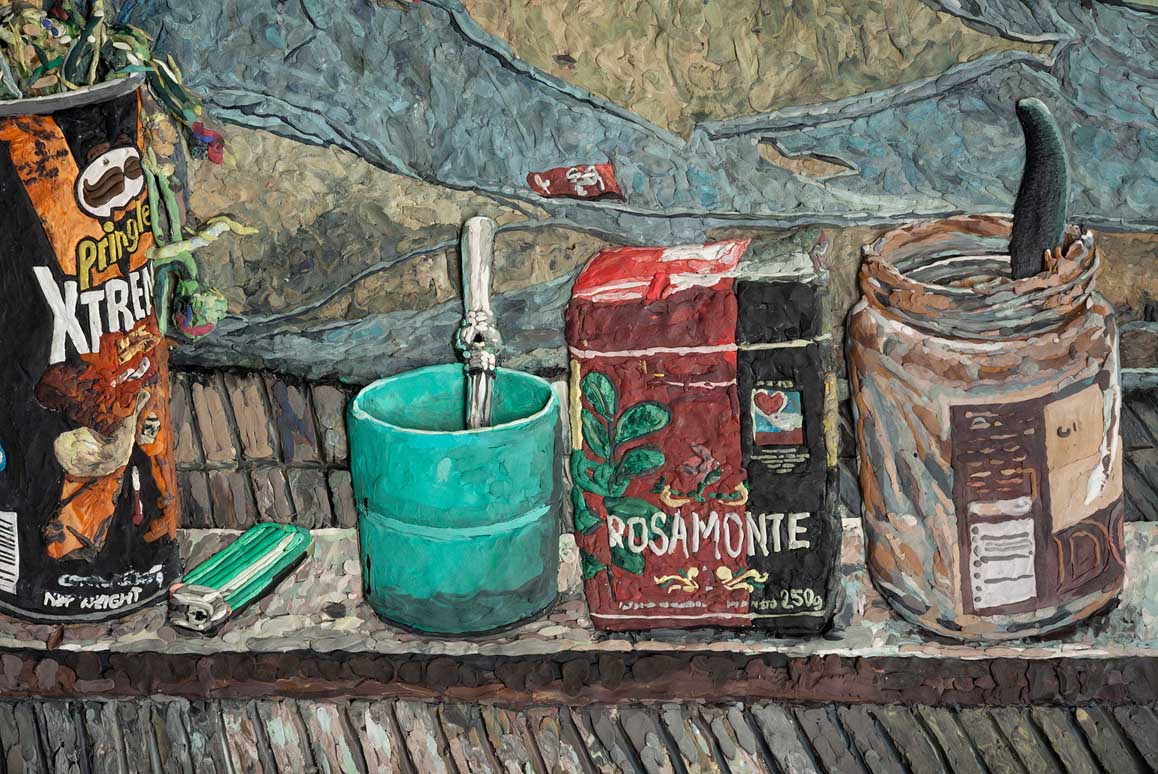
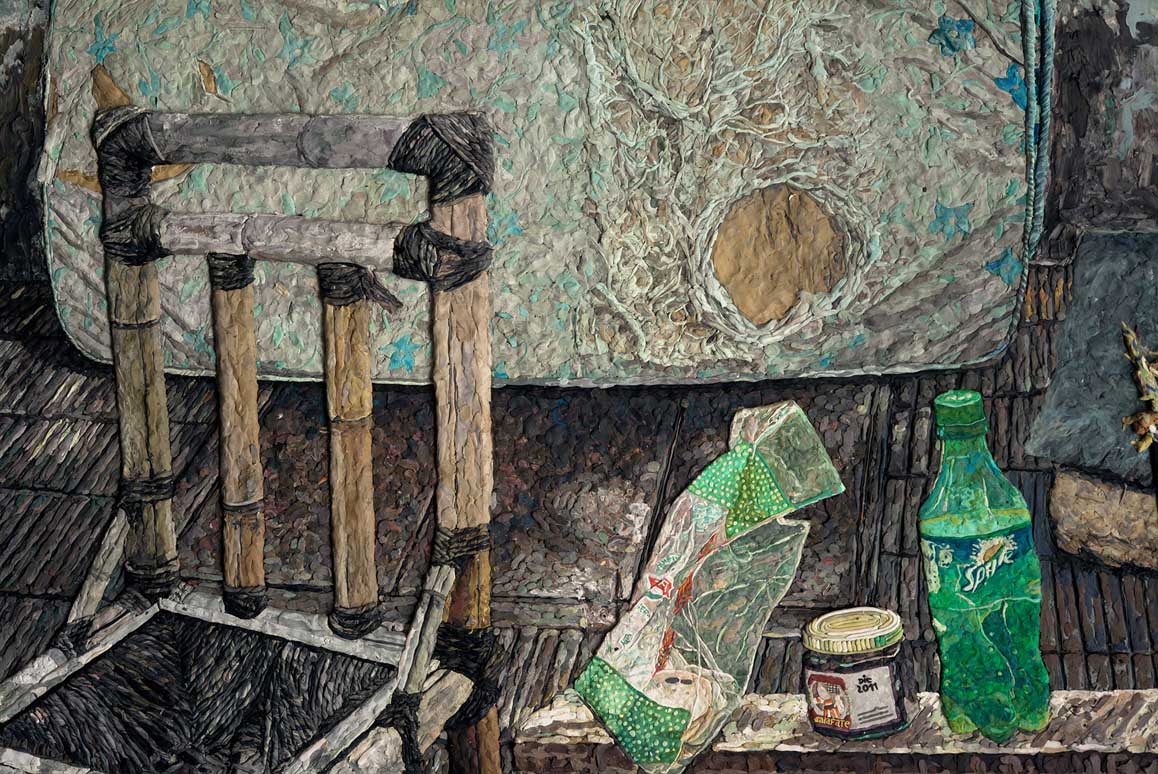
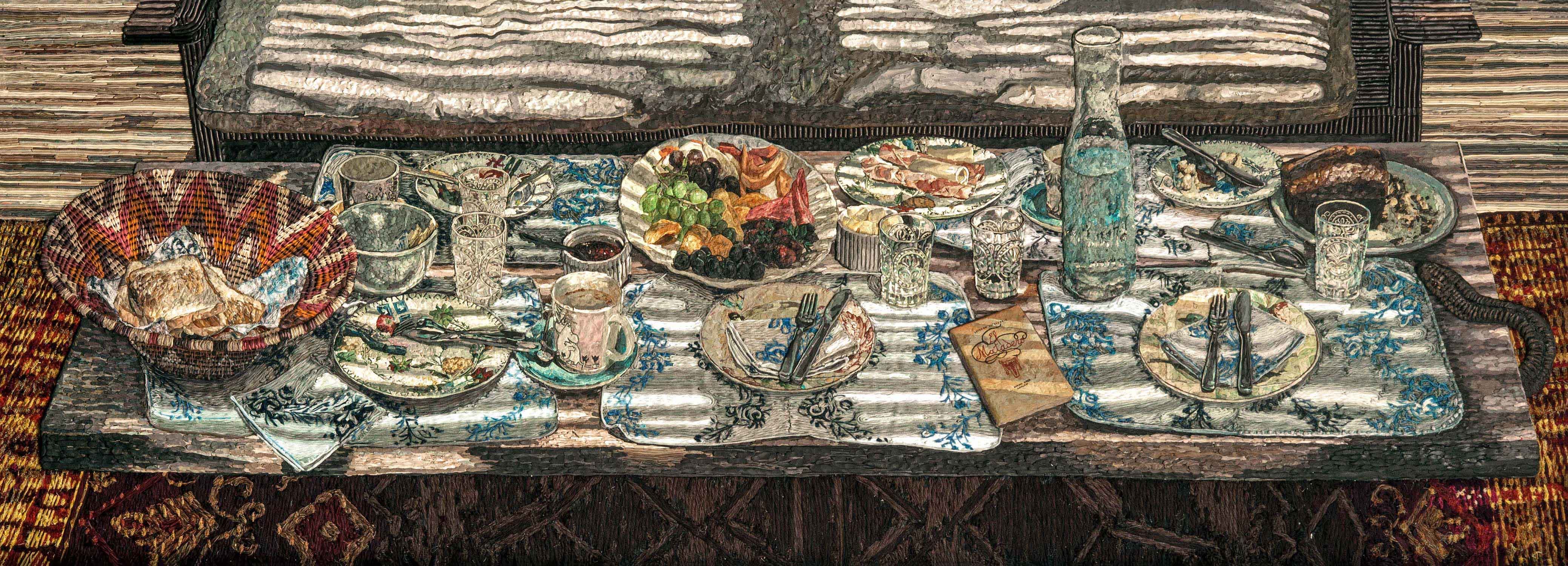
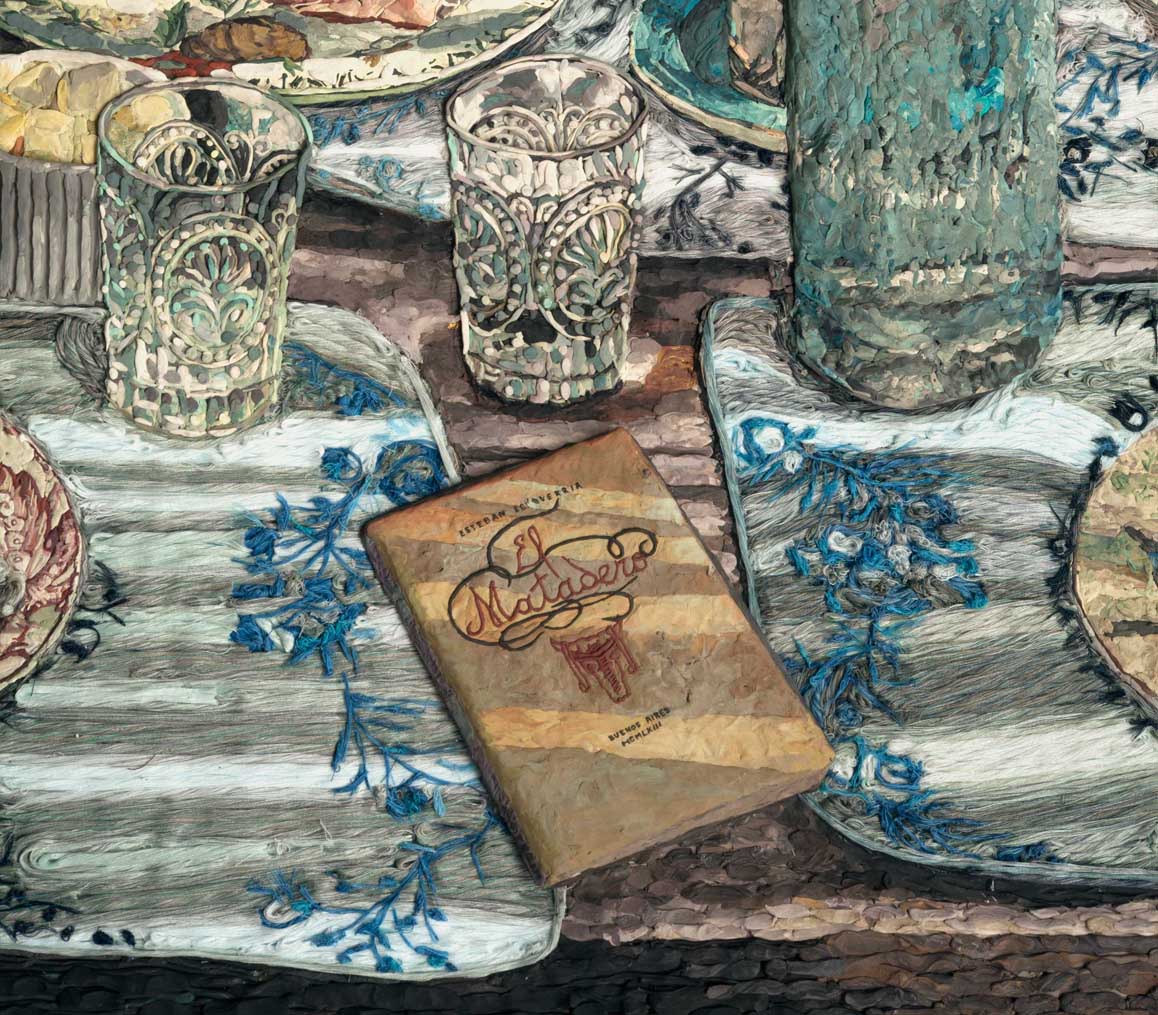
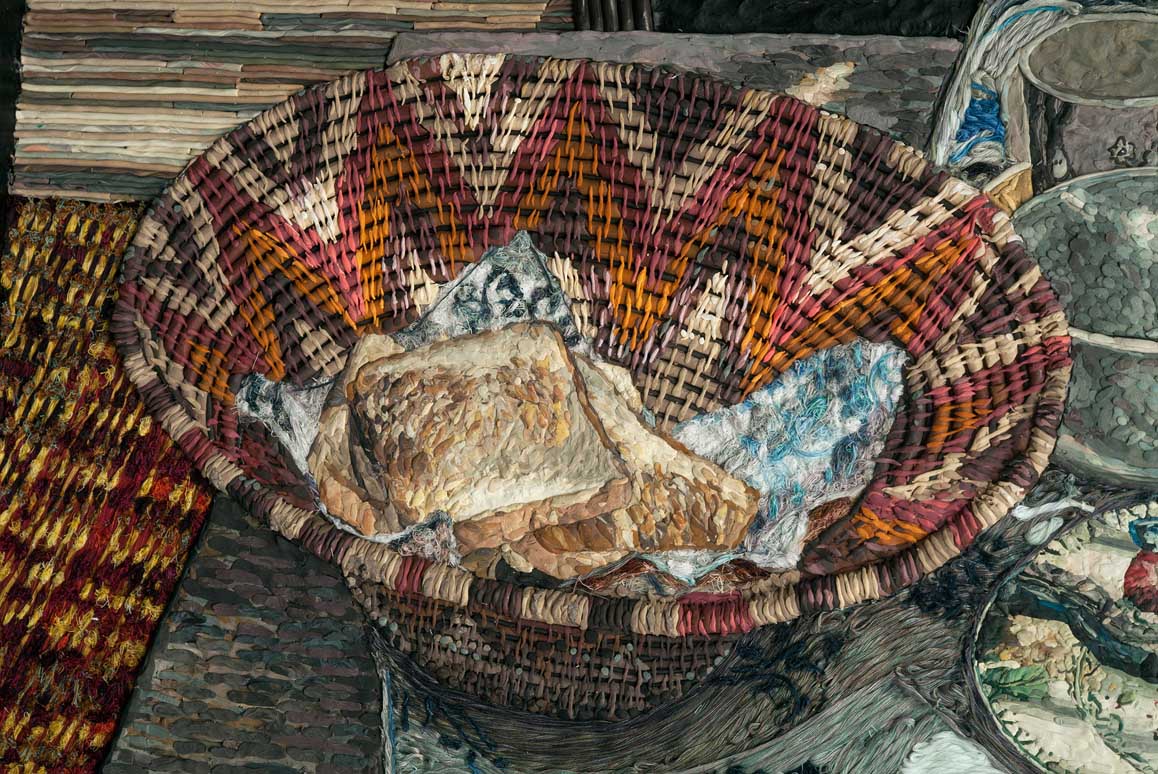
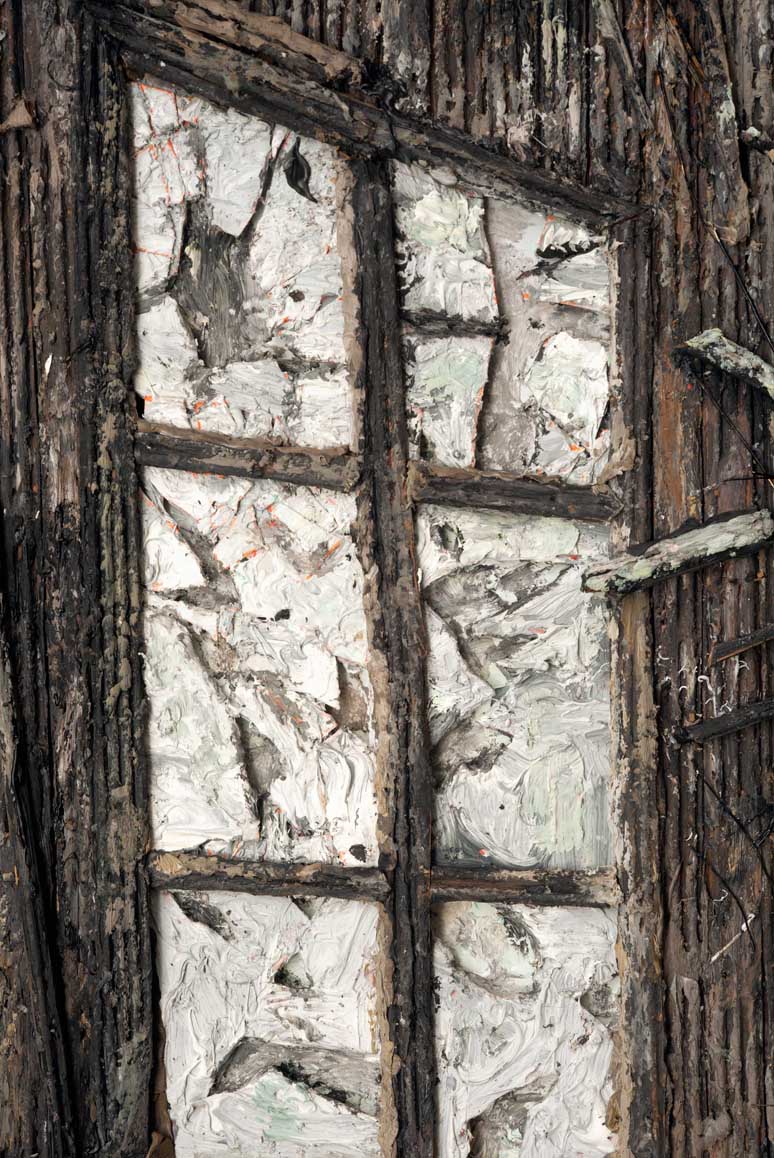
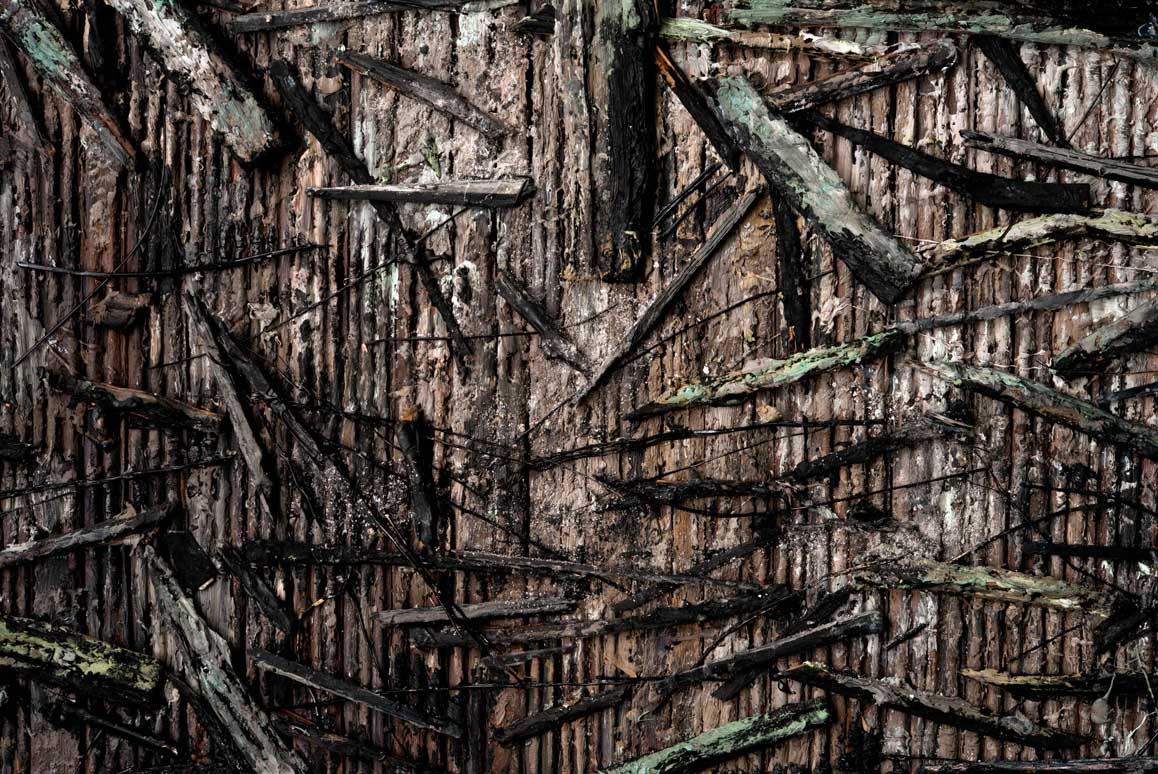
Still life played a fundamental role in Modernism but tended to disappear in Postmodernism. Let us think of the role it played in the works of Braque, Picasso, and Gris, which was instrumental in defining Cubism. Let us think of Morandi and the way he used it as a vehicle for human emotions, for solitude or the need to touch, for the will to mix and unite, and for the simple or not so simple, overwhelming evidence of divisions, separations, and differences in life. Let us think of how Caravaggio places a still life of apples and pears in Supper at Emmaus; of how Picasso painted them for seventy-five years; or how Van Gogh did not hesitate to propose such a simple gesture as a Still Life with Onions. All of these works spoke of much more than meets the eye. Guy Davenport argues that still life has always dealt with the place where matter ends and spirit begins, and with the nature of this interdependence.
The Mondongo(s) seem to have understood still life as a genre capable of even leading us toward the perverse and problematic consequences of globalization and a lifestyle based on consumption, which they seek to represent as the reality of some and as the bitter dream of others.
—Kevin Power, 2013
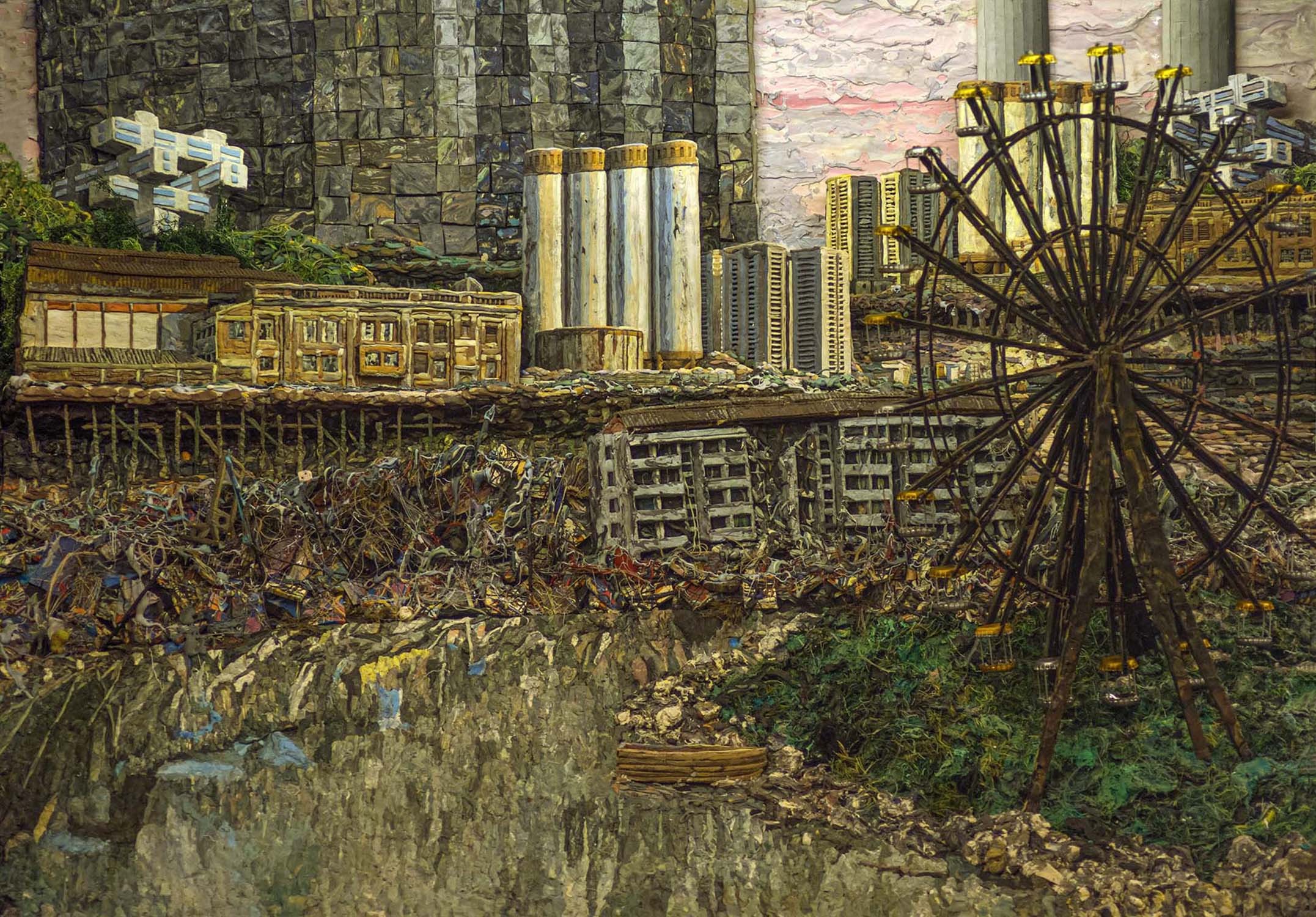

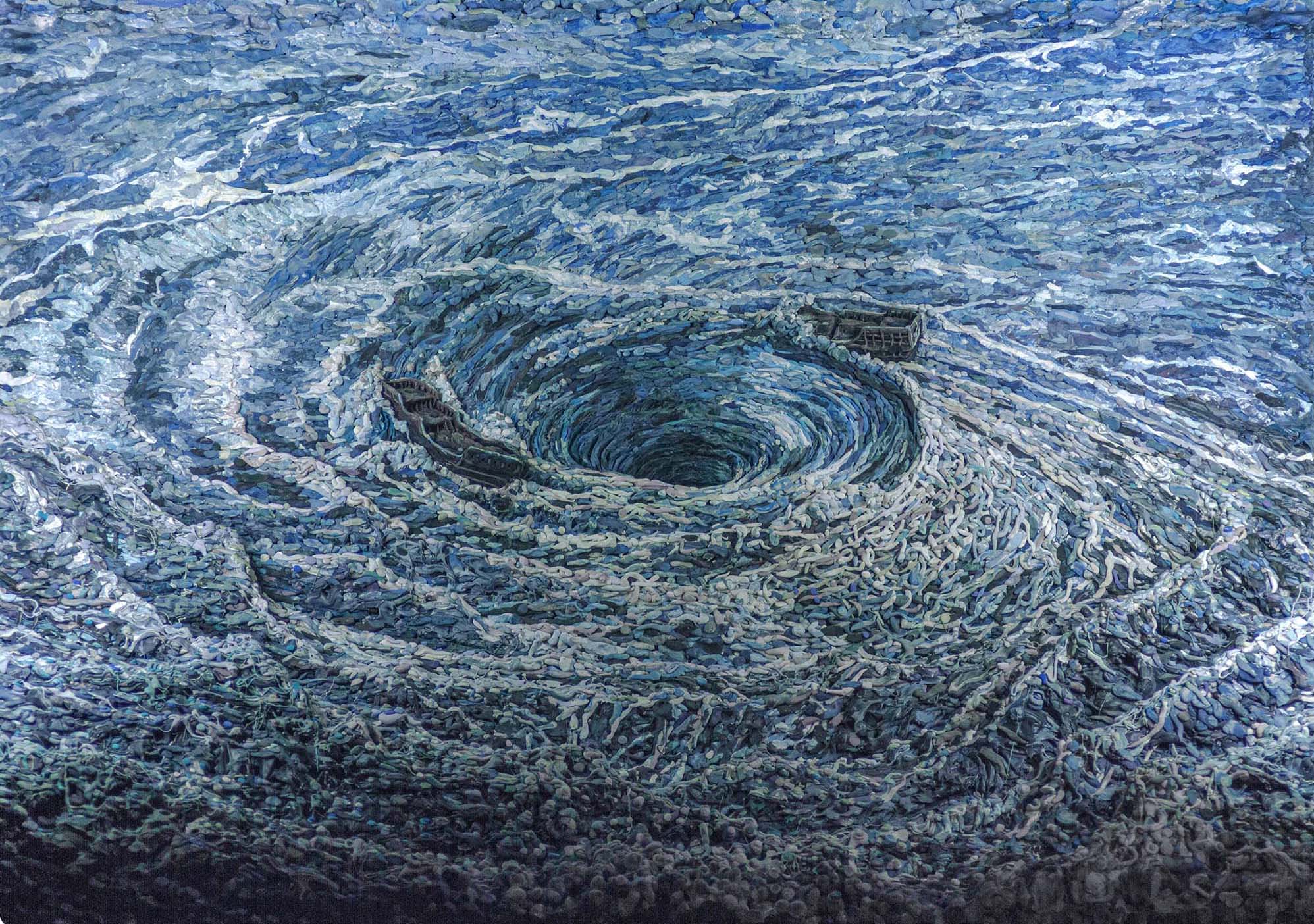
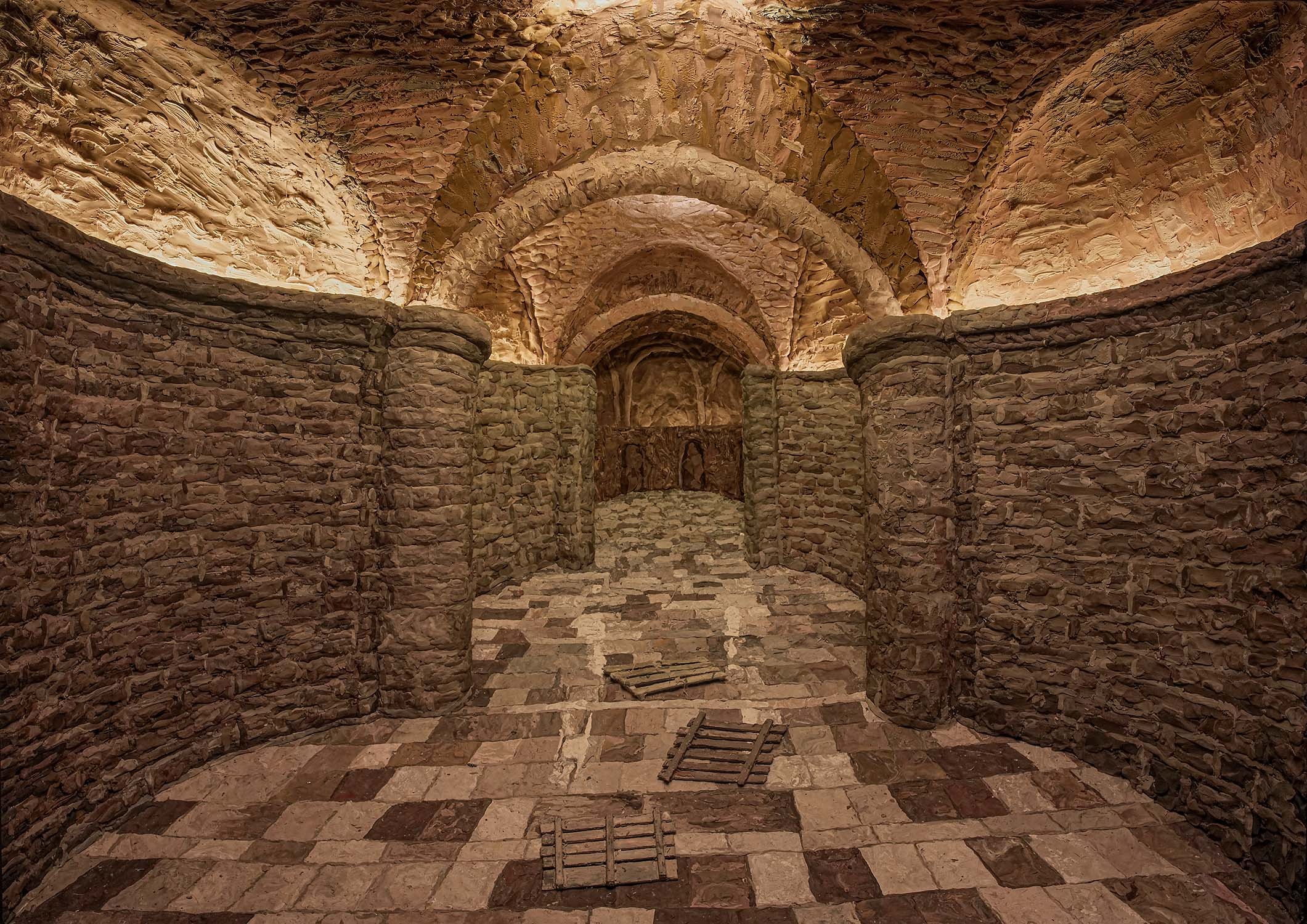
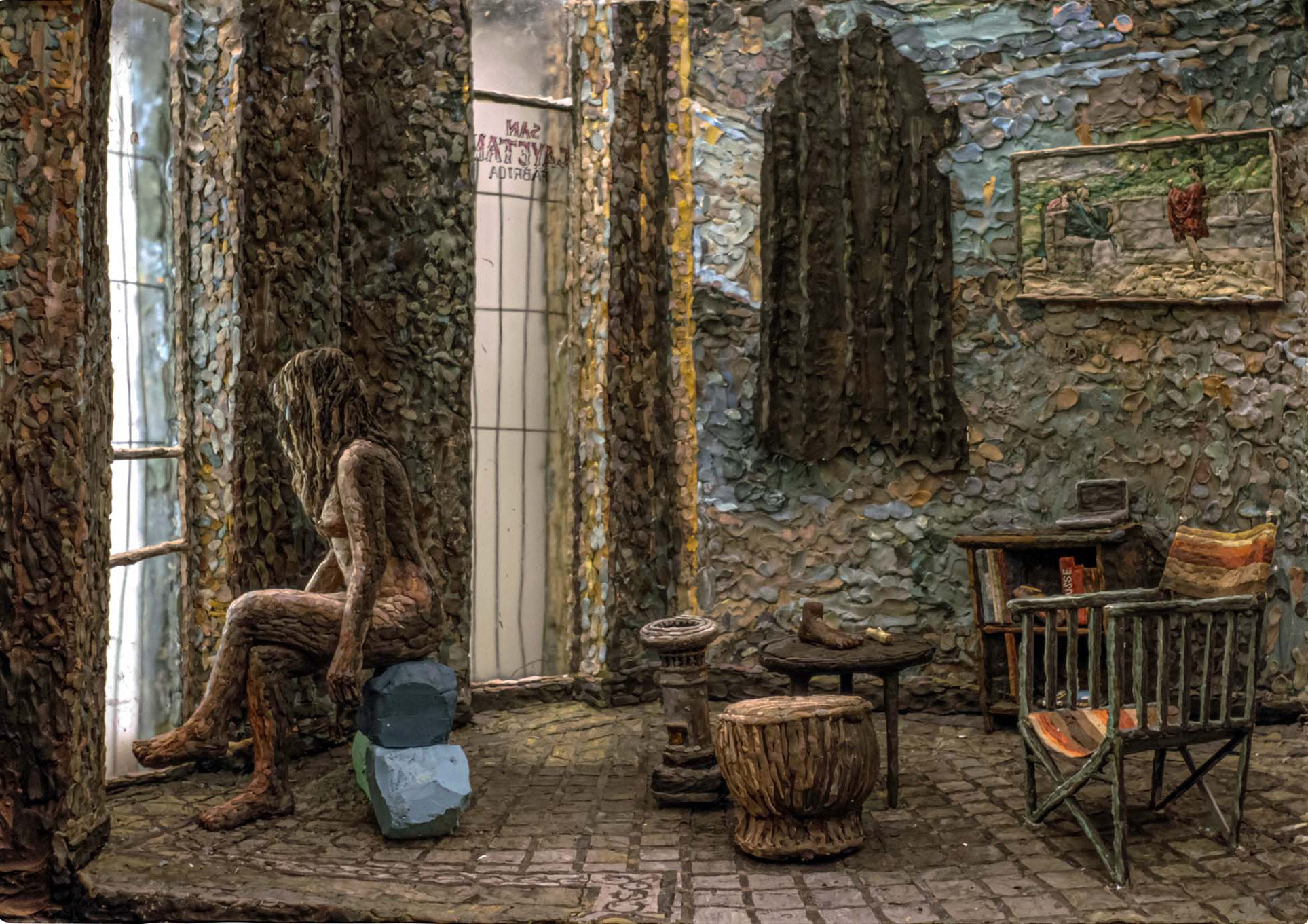
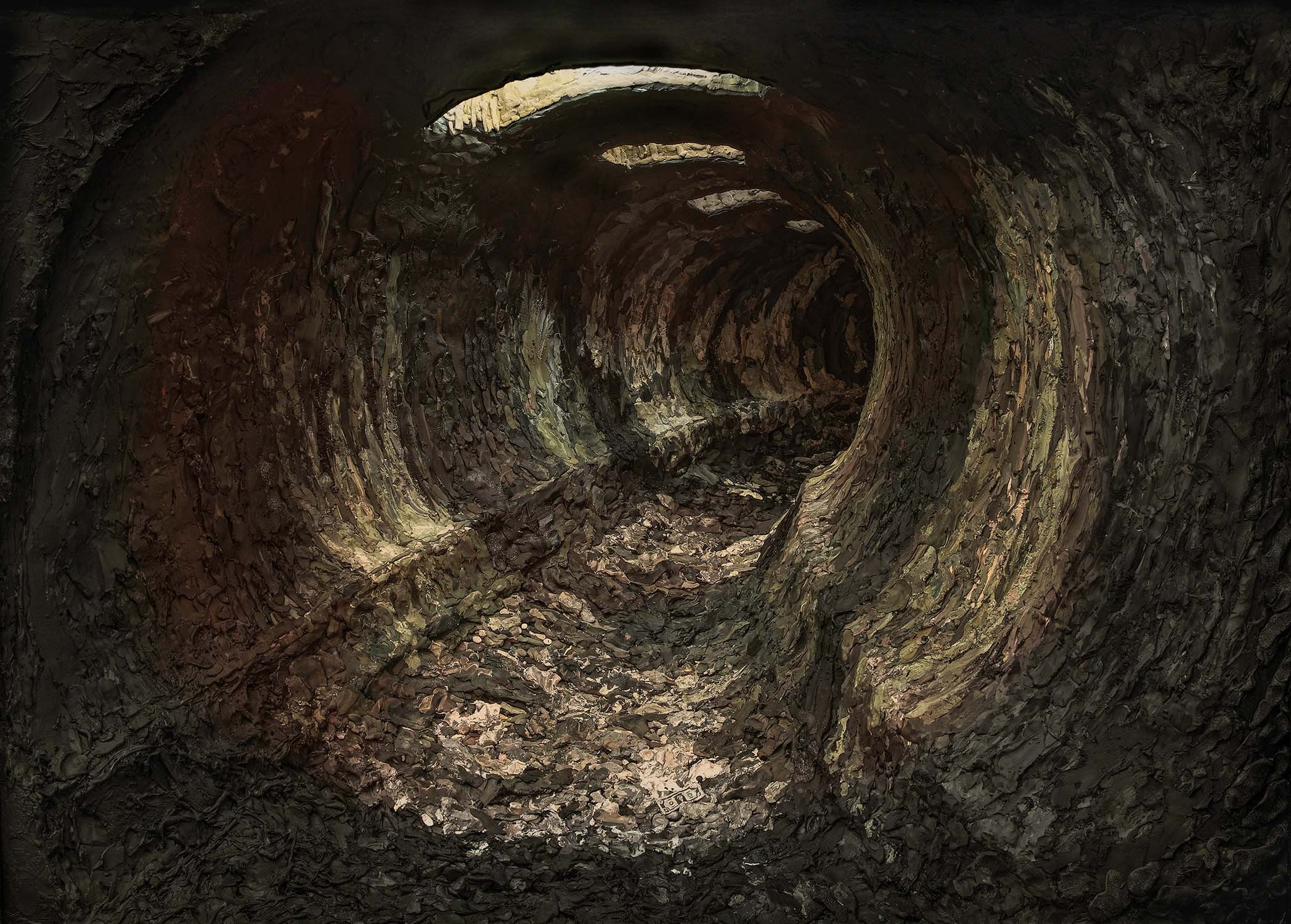
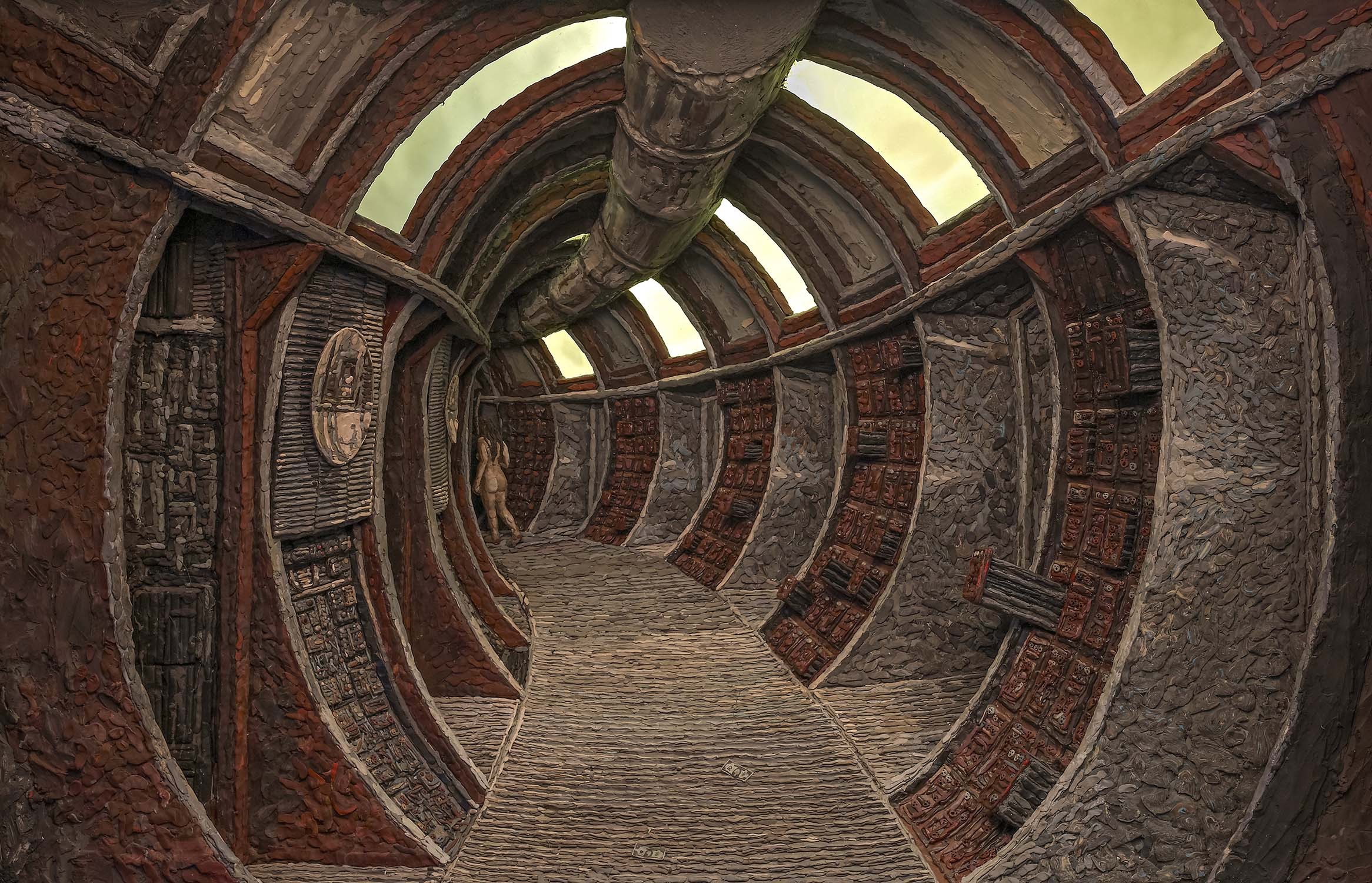
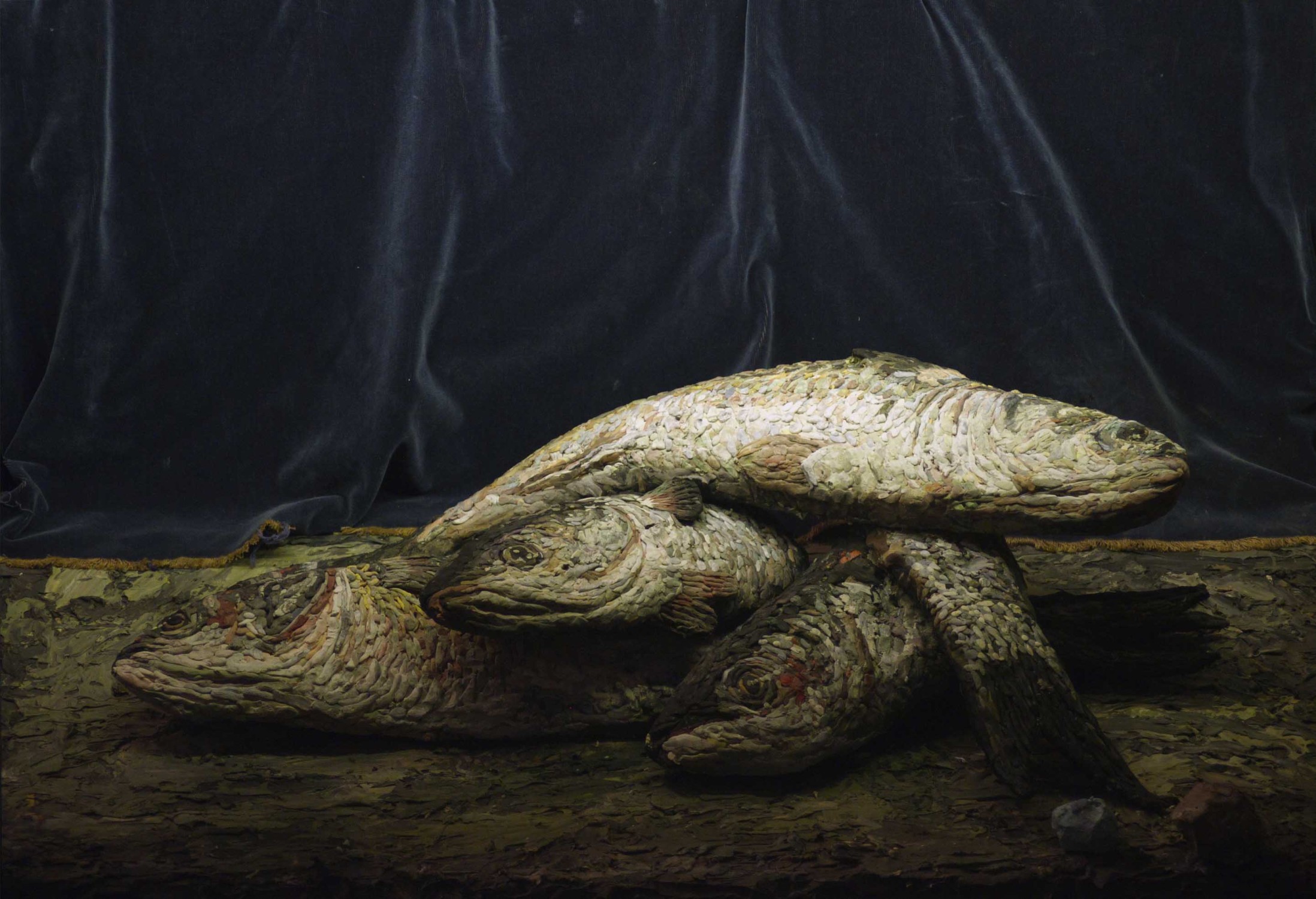
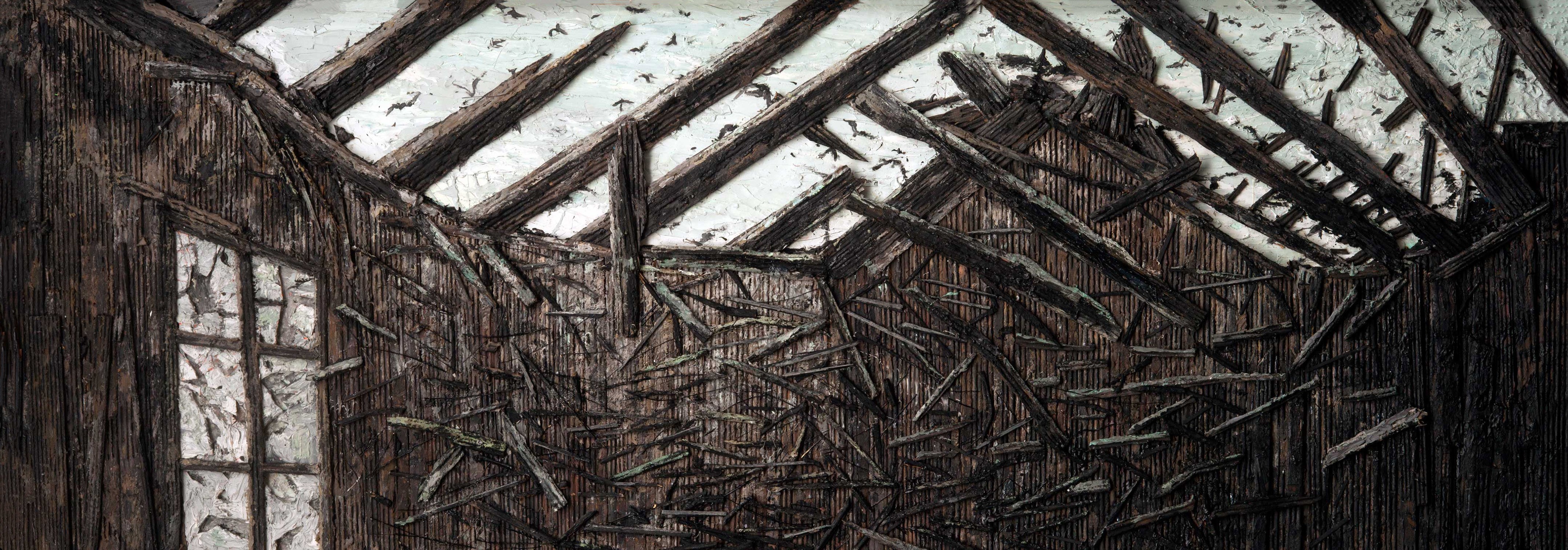
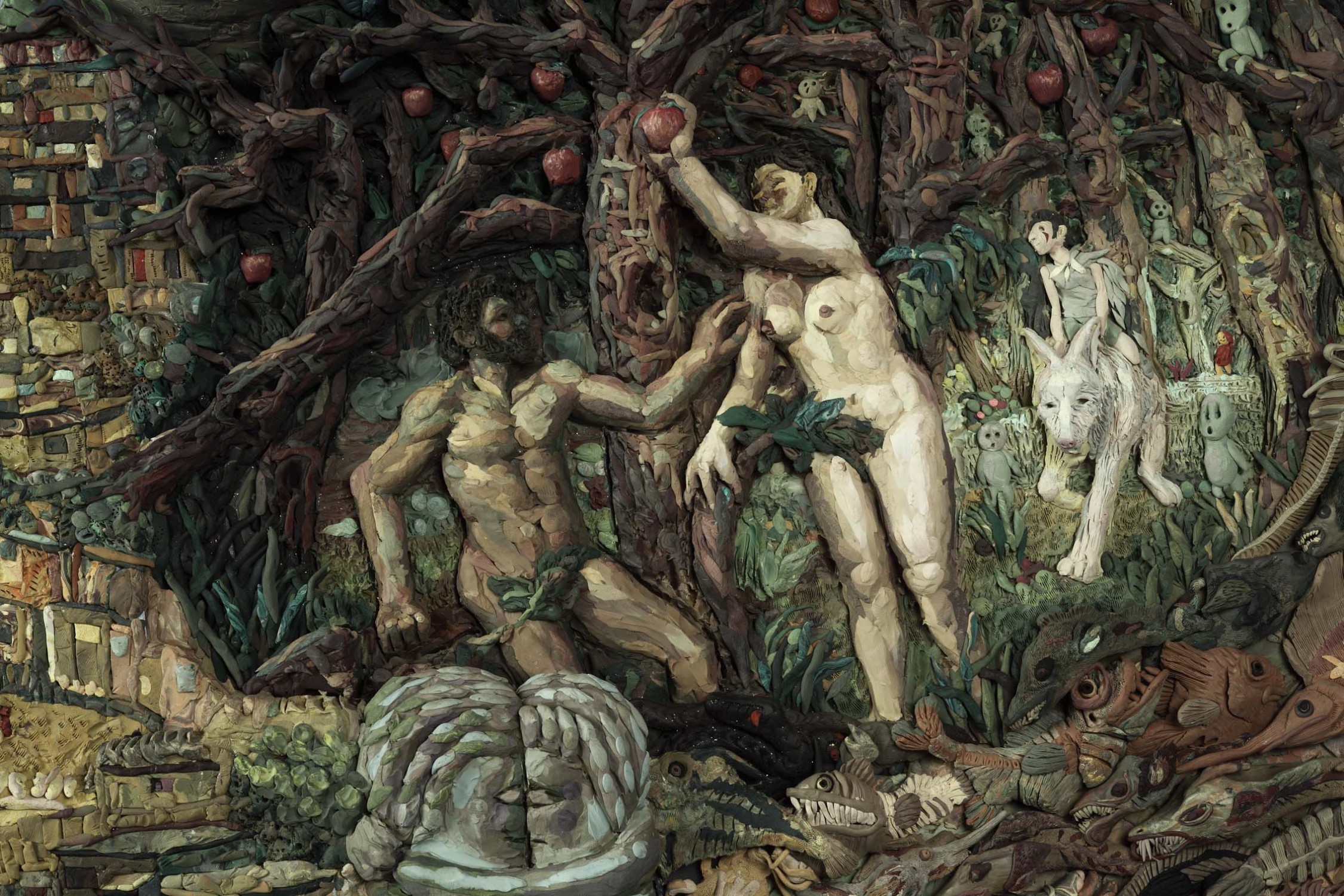
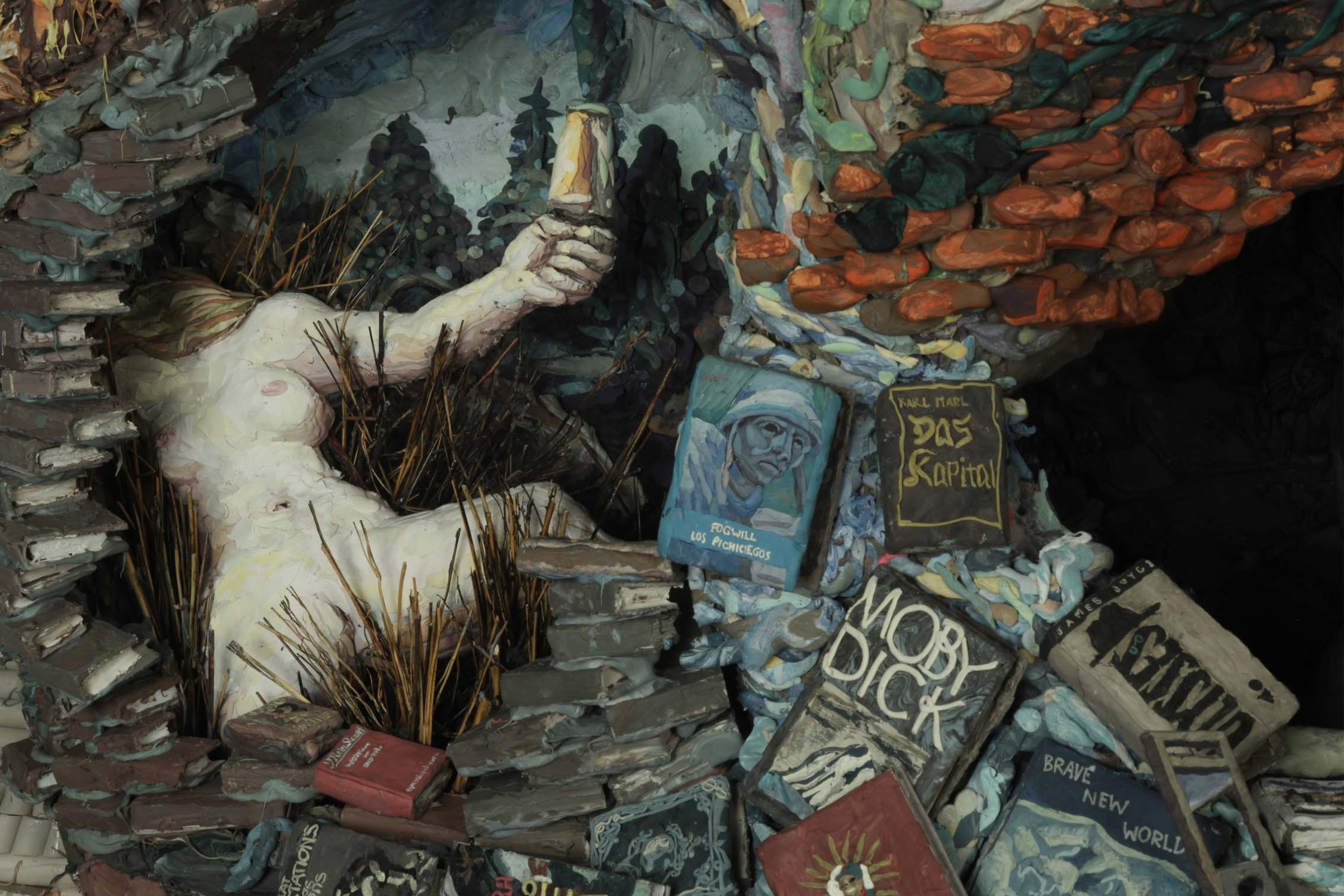
[...] I believe that apart from the artistic image, humanity has not invented anything selflessly. And perhaps that is why the true meaning of human existence lies in the creation of works of art, in the artistic act, since it has no ultimate goal and is disinterested. Perhaps it is precisely in this that we demonstrate that we were created in the image and likeness of God. We are subverting the still lifes of poverty and abundance that we sent you some time ago, populating them with small ghosts inspired by Max Ernst's graphic novel The Hundred Headed Woman, which, in turn, was made with collages of woodcuts from infinite sources. Also experimenting with a painting-on-painting scene of a solitary and psychological image of a woman lying on a bed confronting herself, and on her back, a literal and real tunnel of fifty centimeters in depth opens up—a reference to the mental spaceship from Tarkovsky’s film Solaris.
—Mondongo, 2013
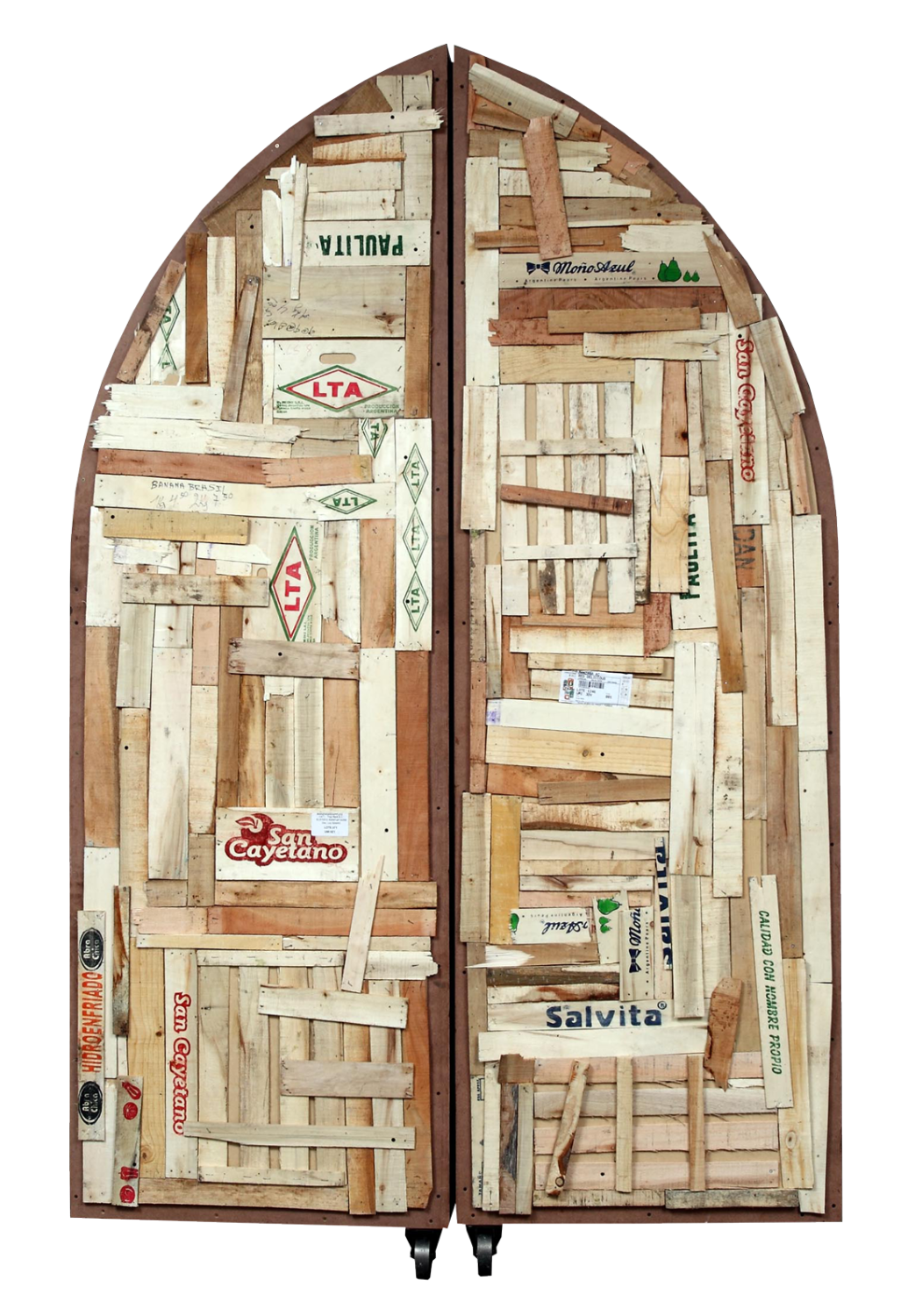
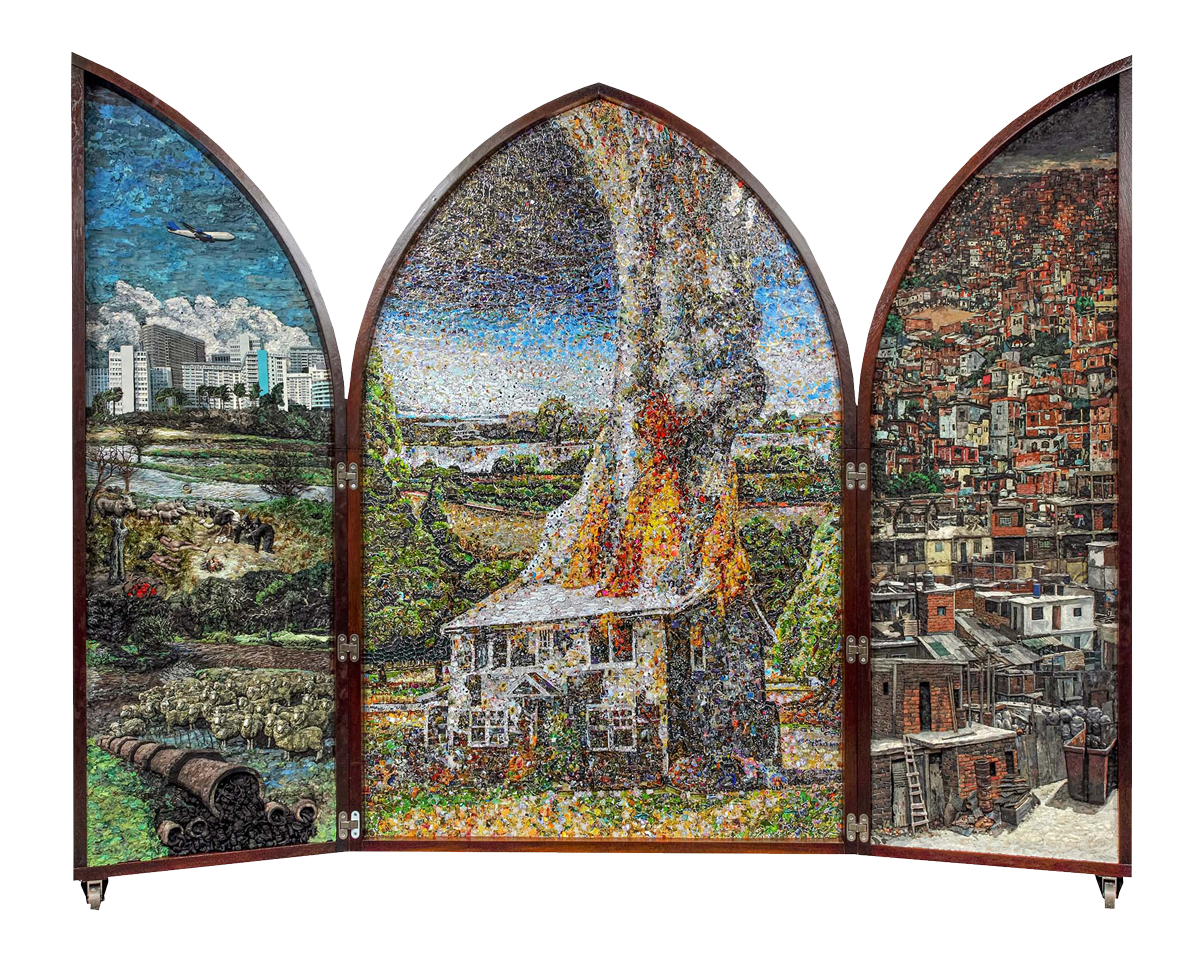
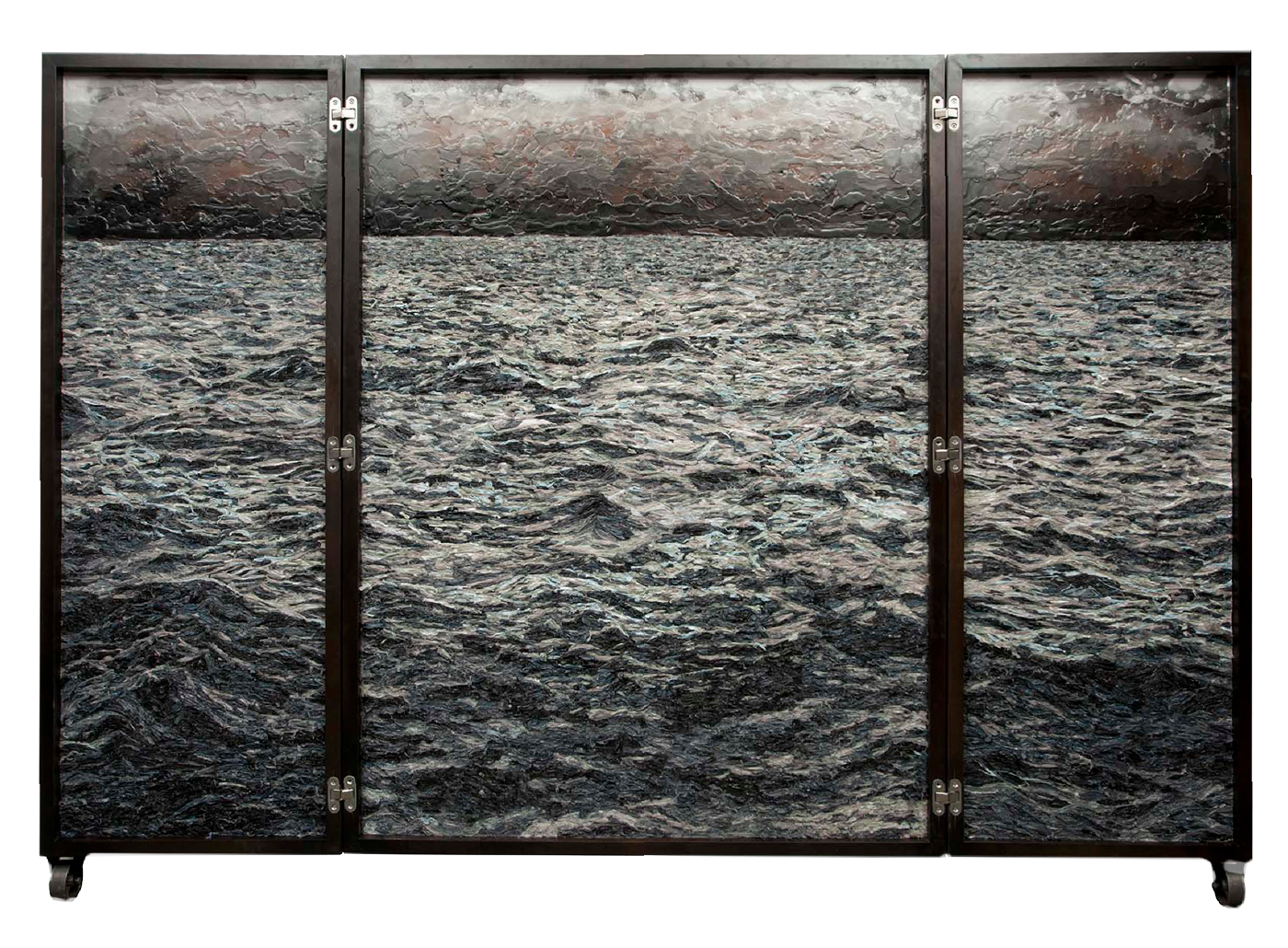
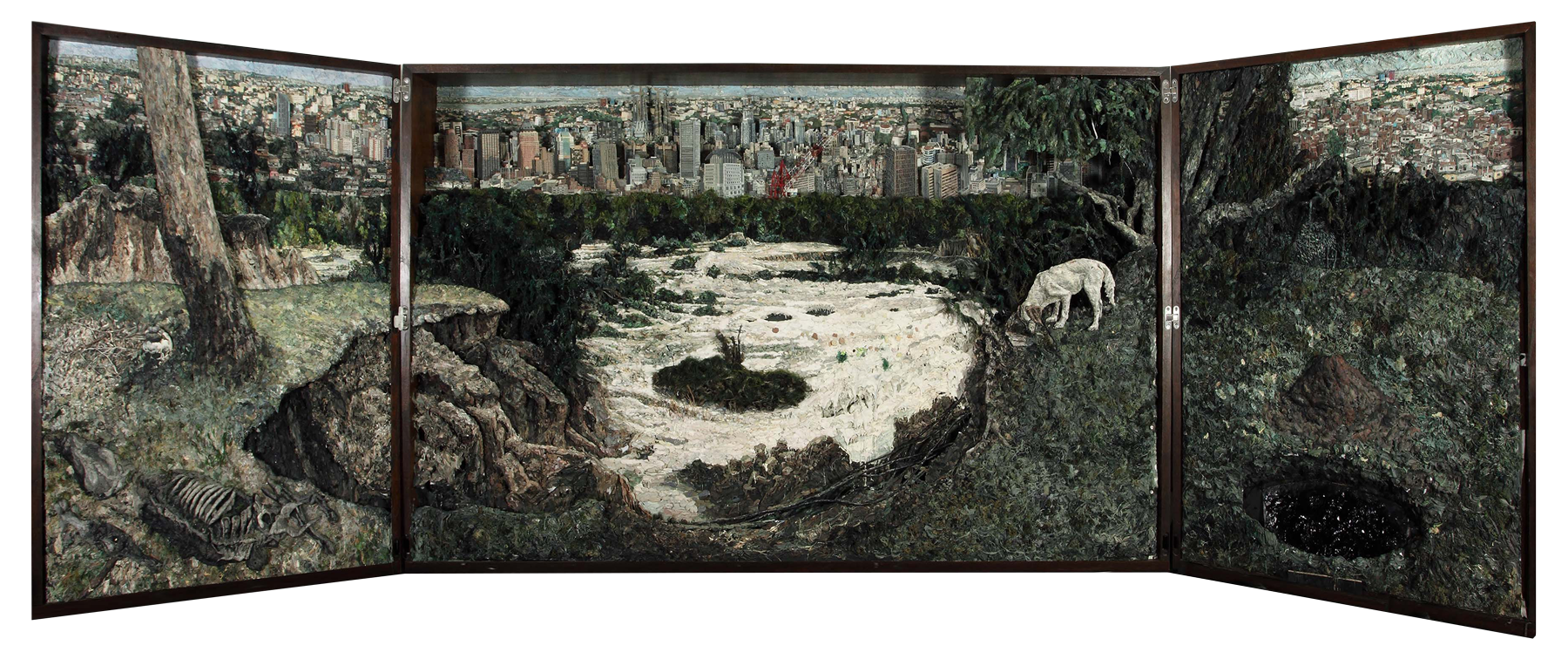
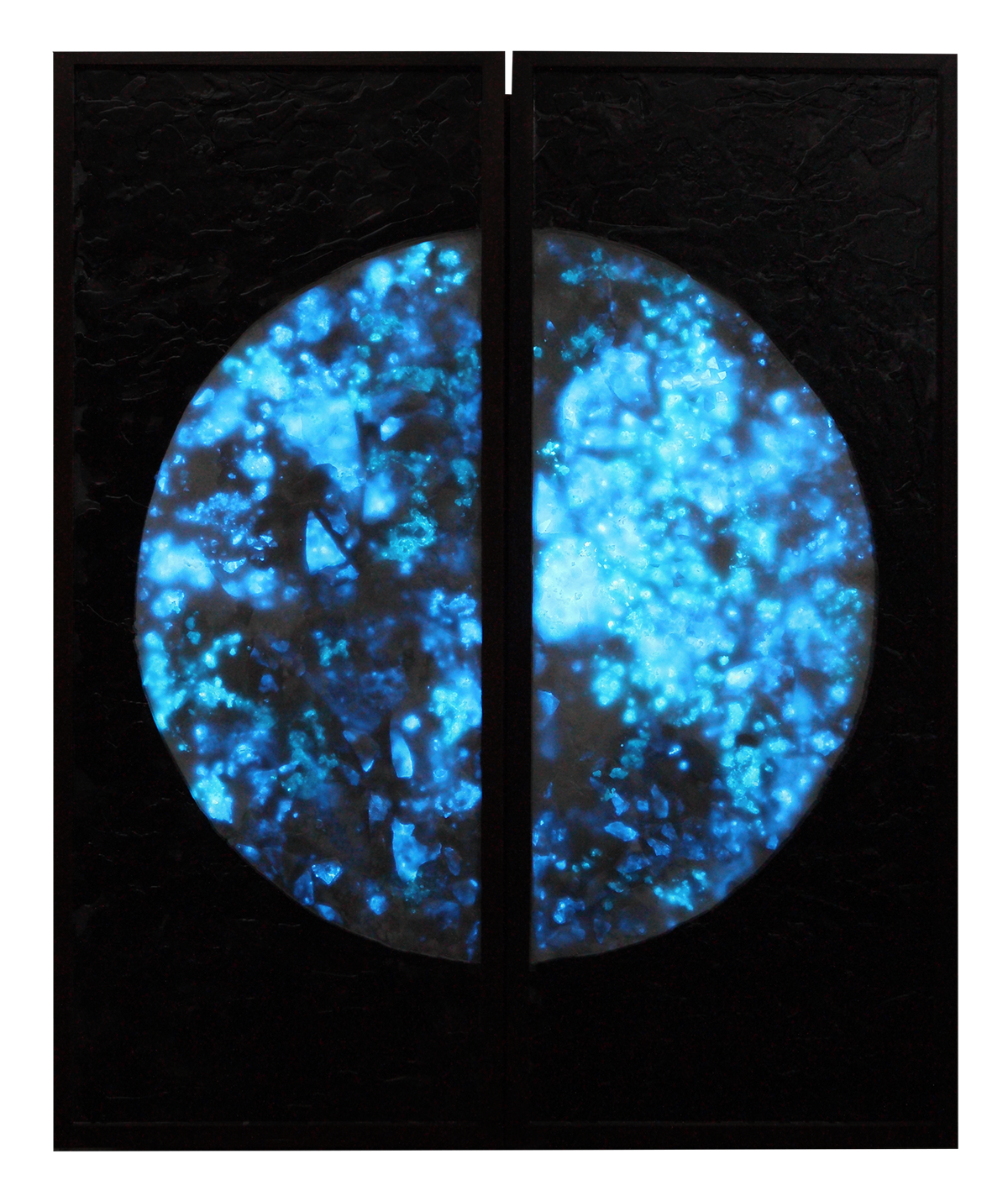
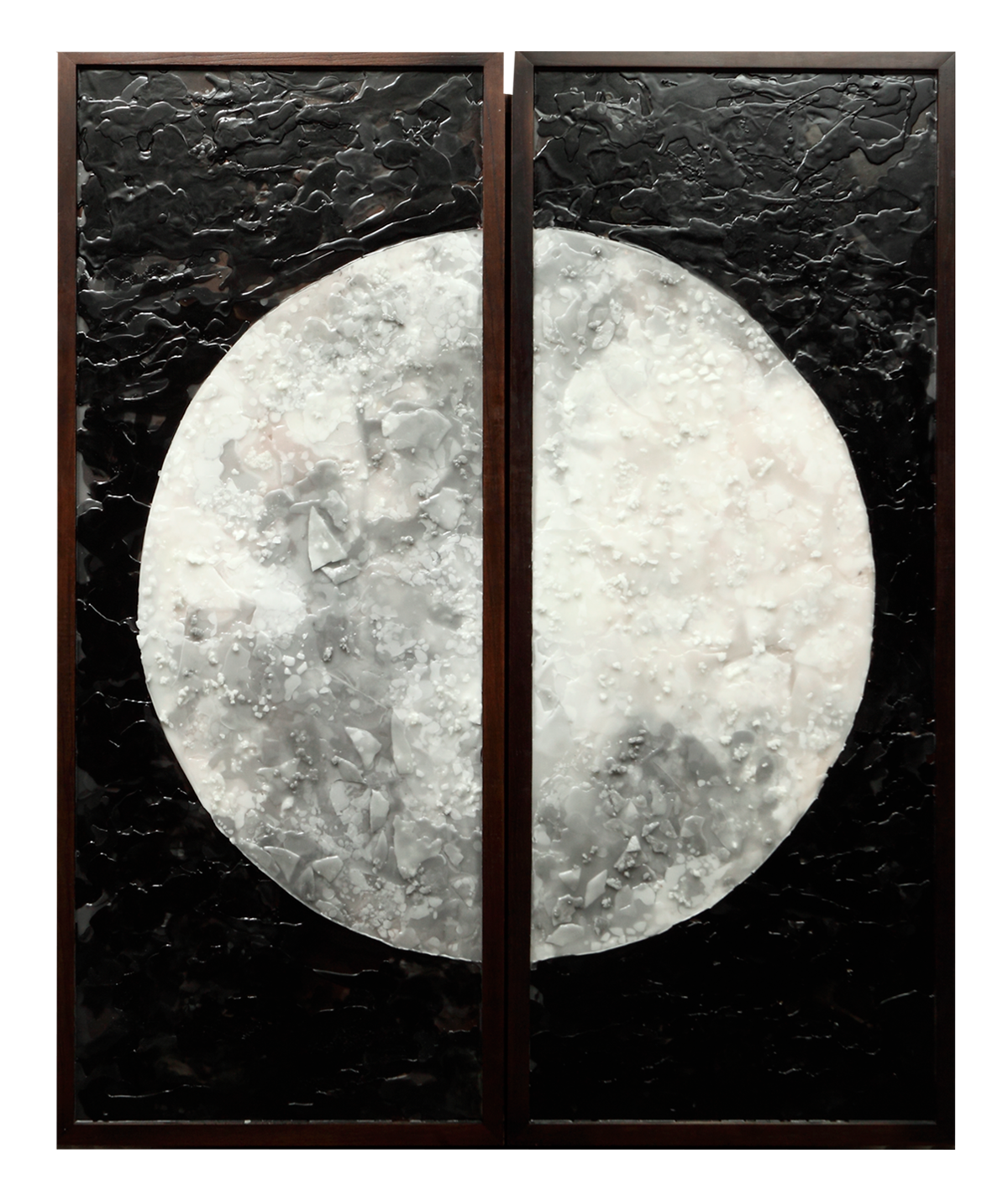
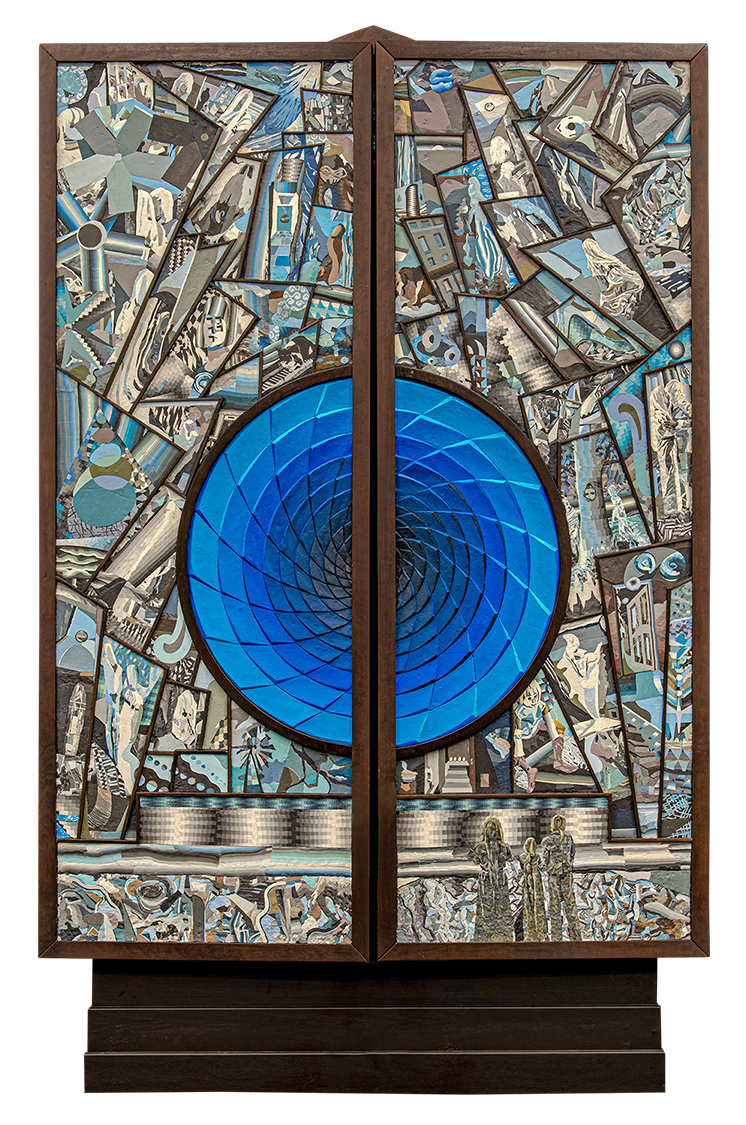
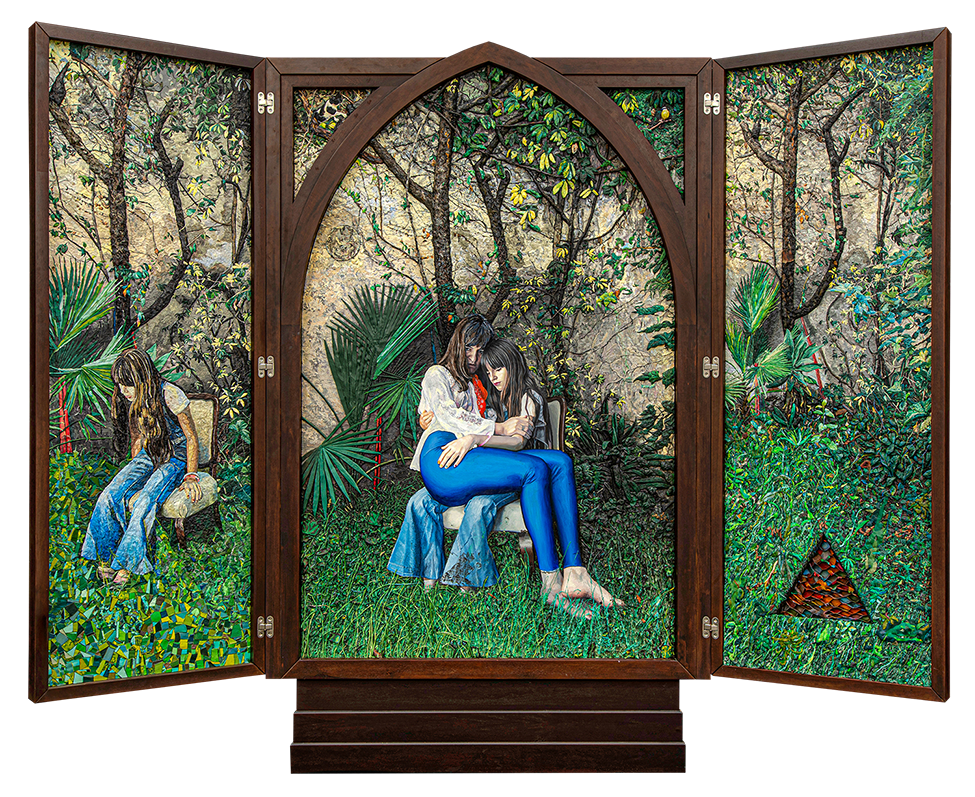
ALTARPIECES
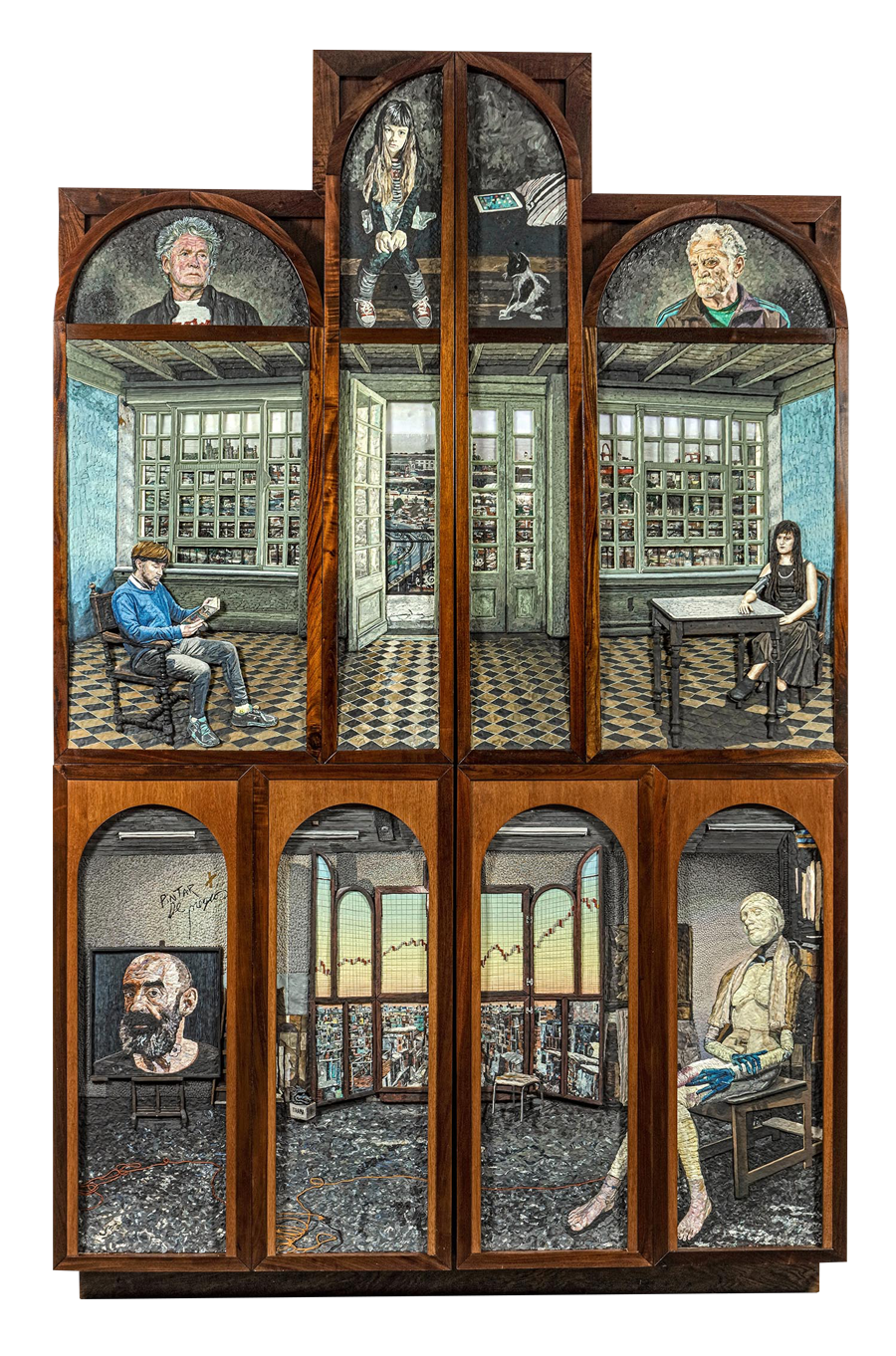
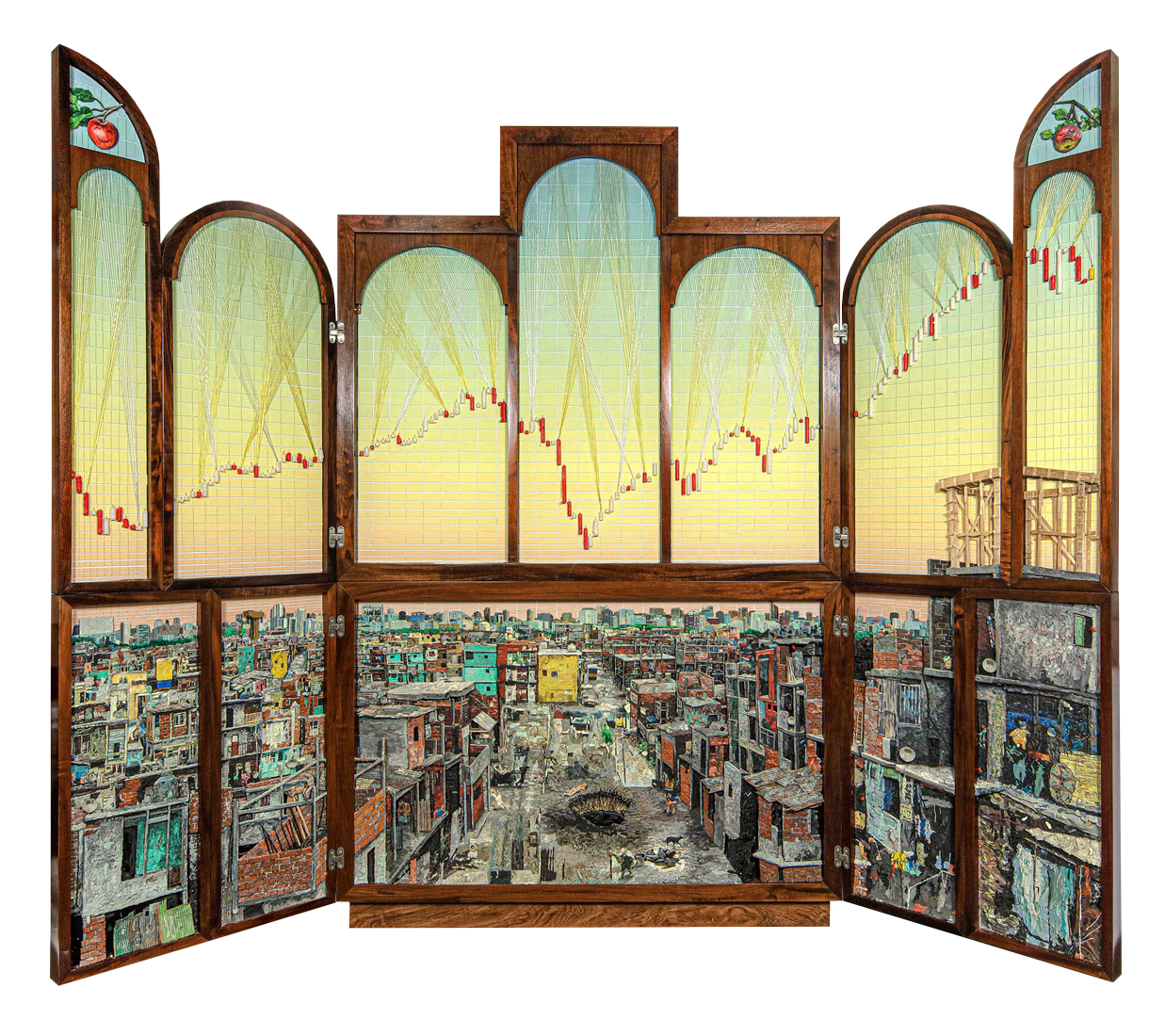
Man today is an urban creature. Cities have been transformed into places that give rise to new forms of living as well
as new forms of social disorder. With increasing frequency the great urban centers resemble sick organisms in a constant state of metamorphosis. As a result, the fluid fragmentation of the metropolis is considered to be a key point in any social analysis, in the sense that the underlying beliefs supporting social order are collapsing. The megalopolis is expanding and fragmenting into new, uncharted, partially formed spaces, at once highly fluid and variable. They are spaces that are formed and destroyed only to be formed again in new ways, with any previously fixed points of reference having vanished.
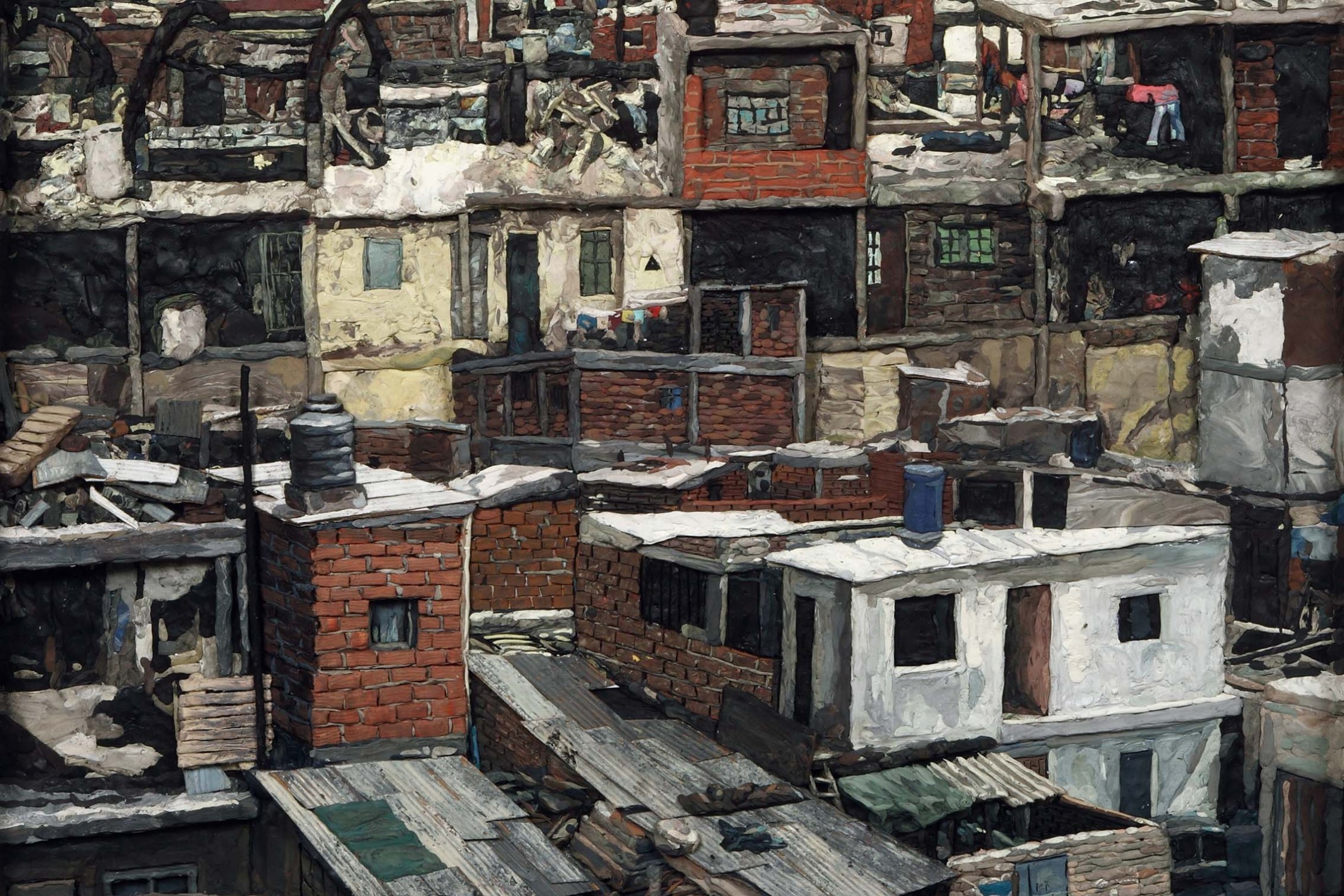
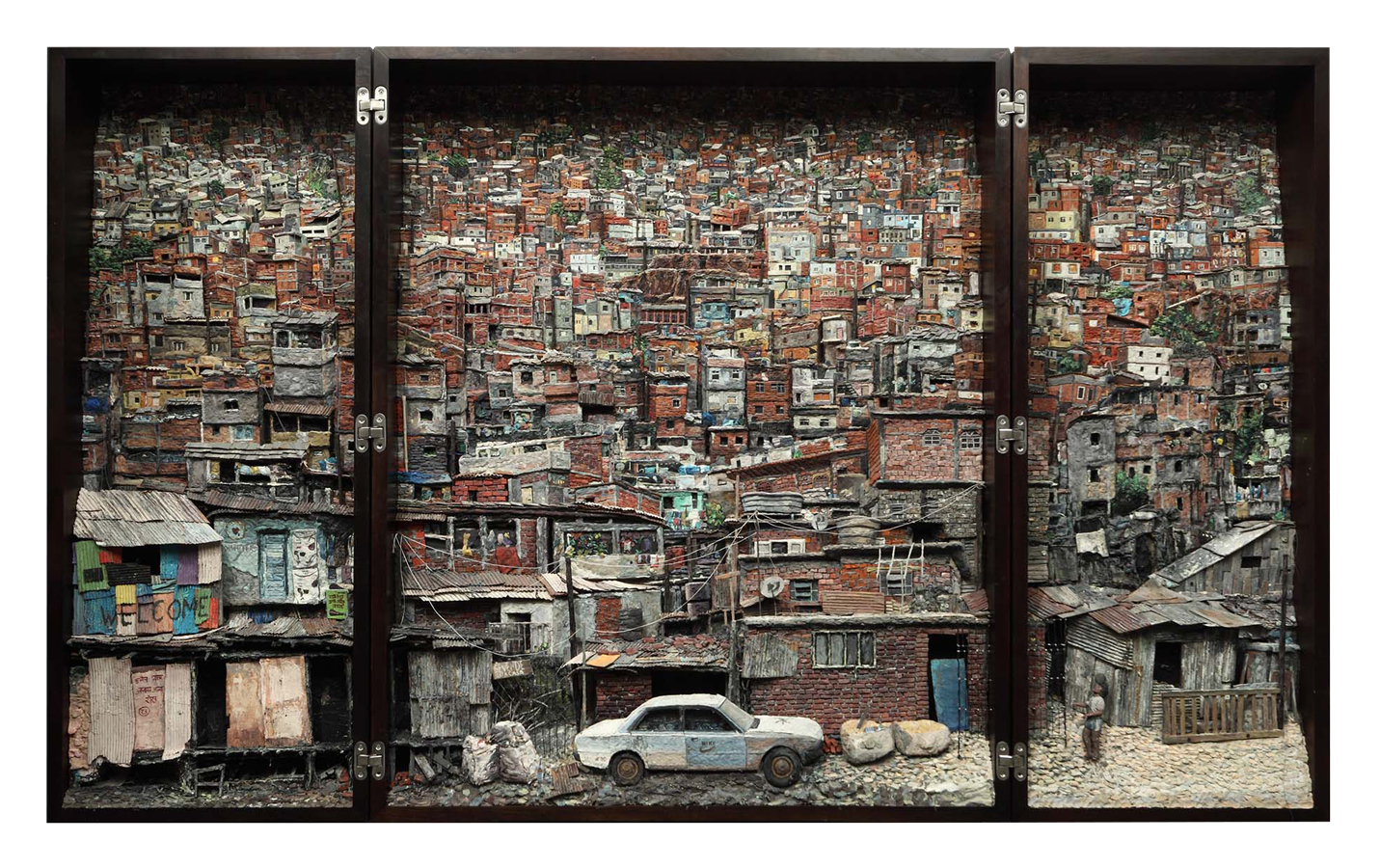
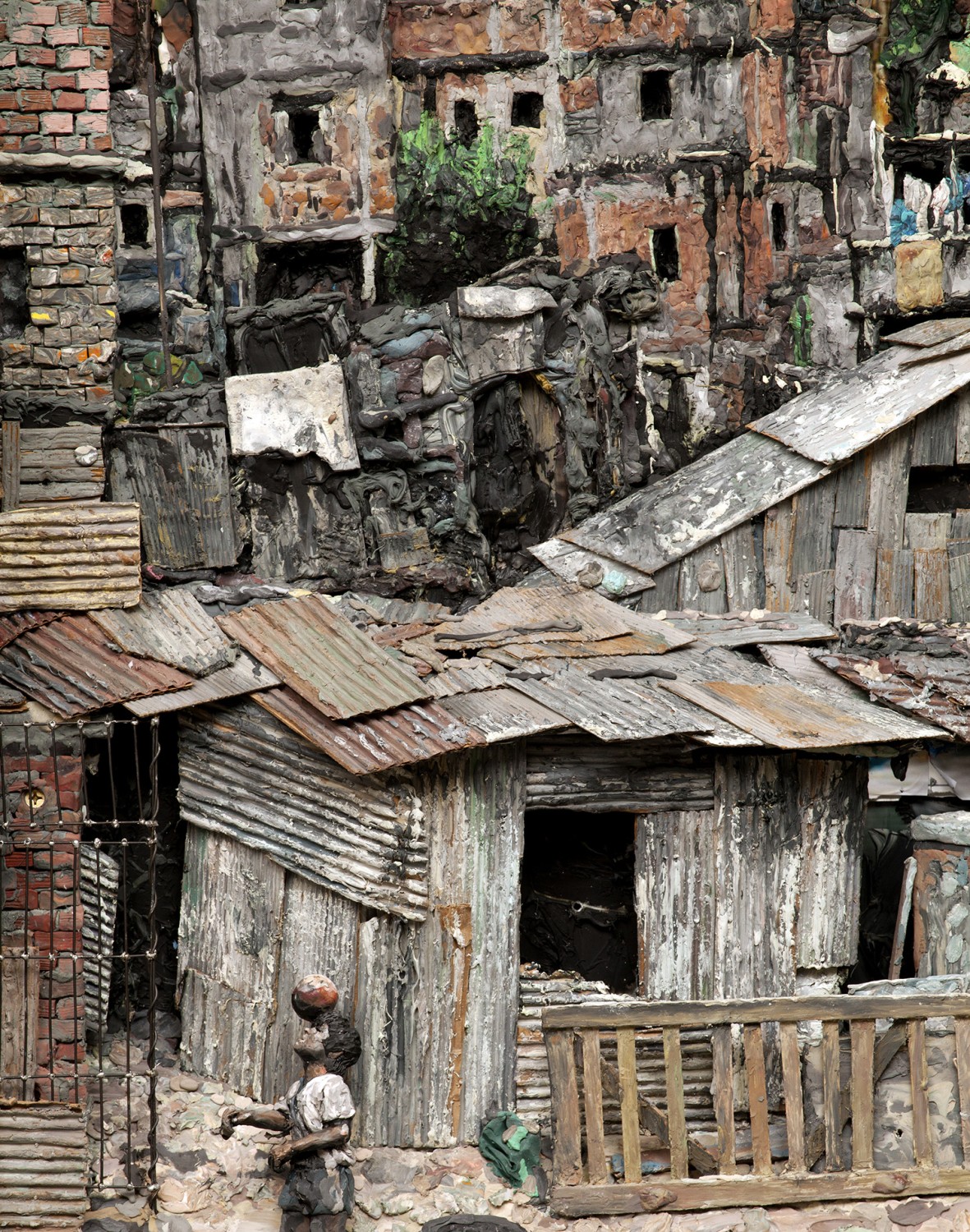
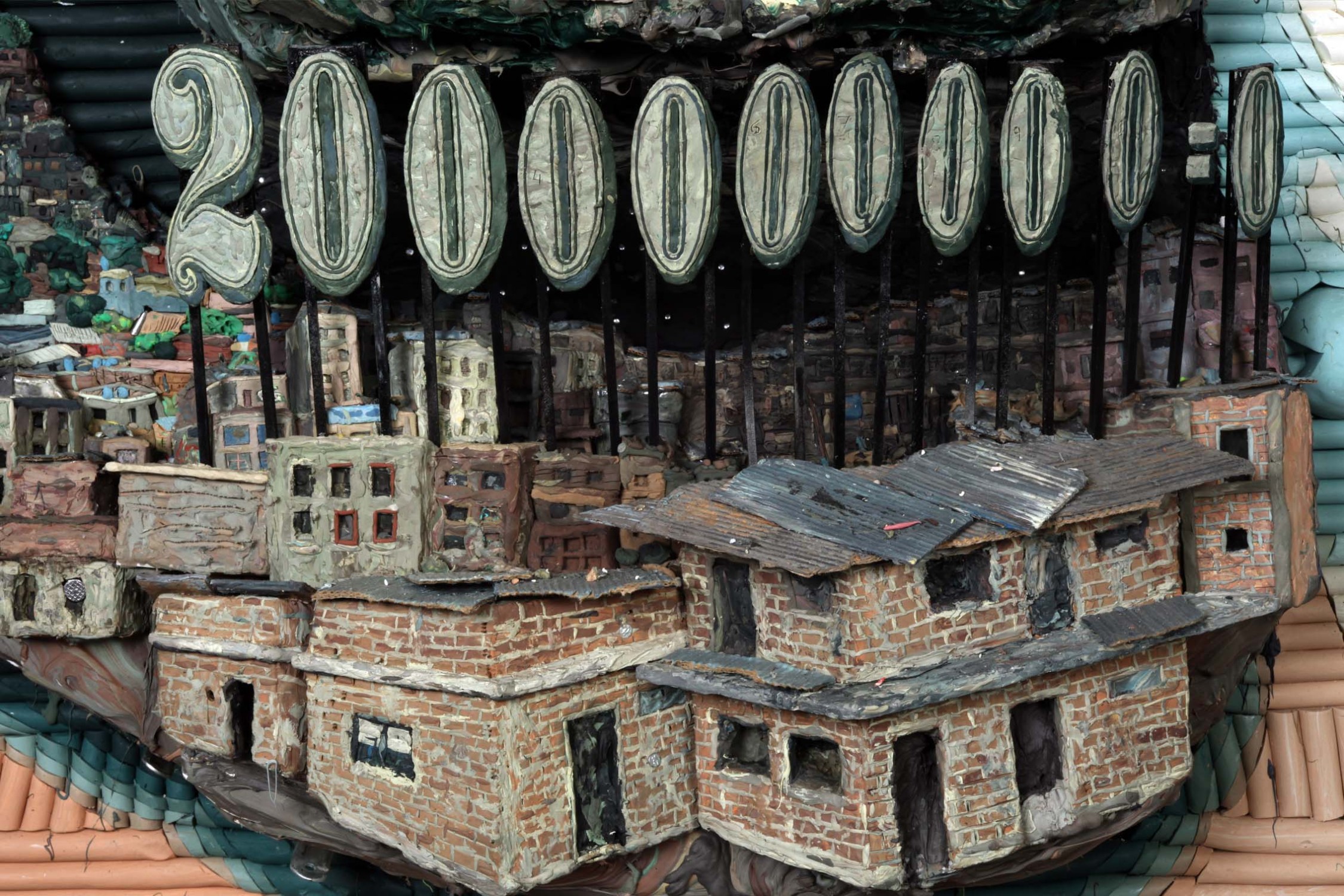
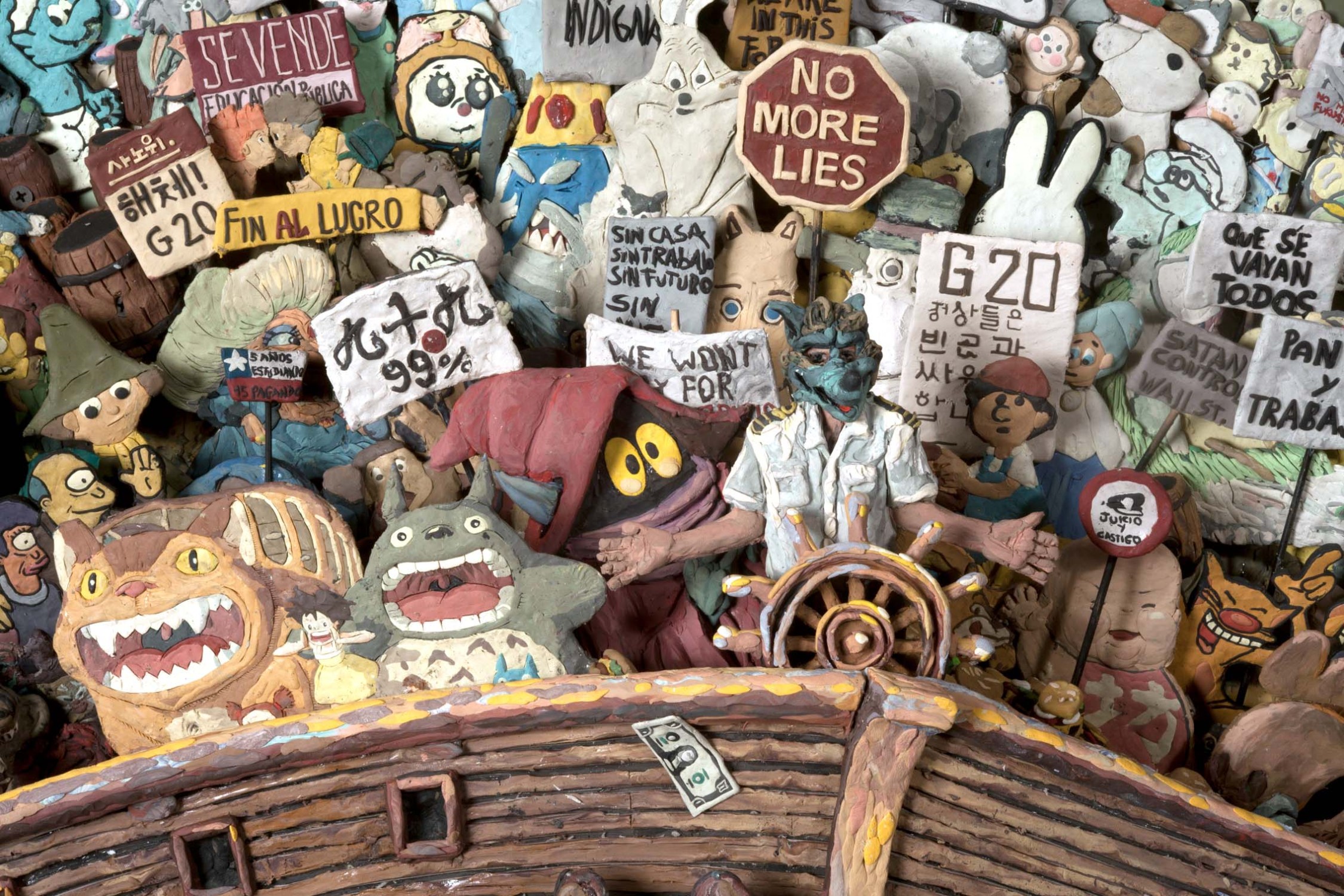
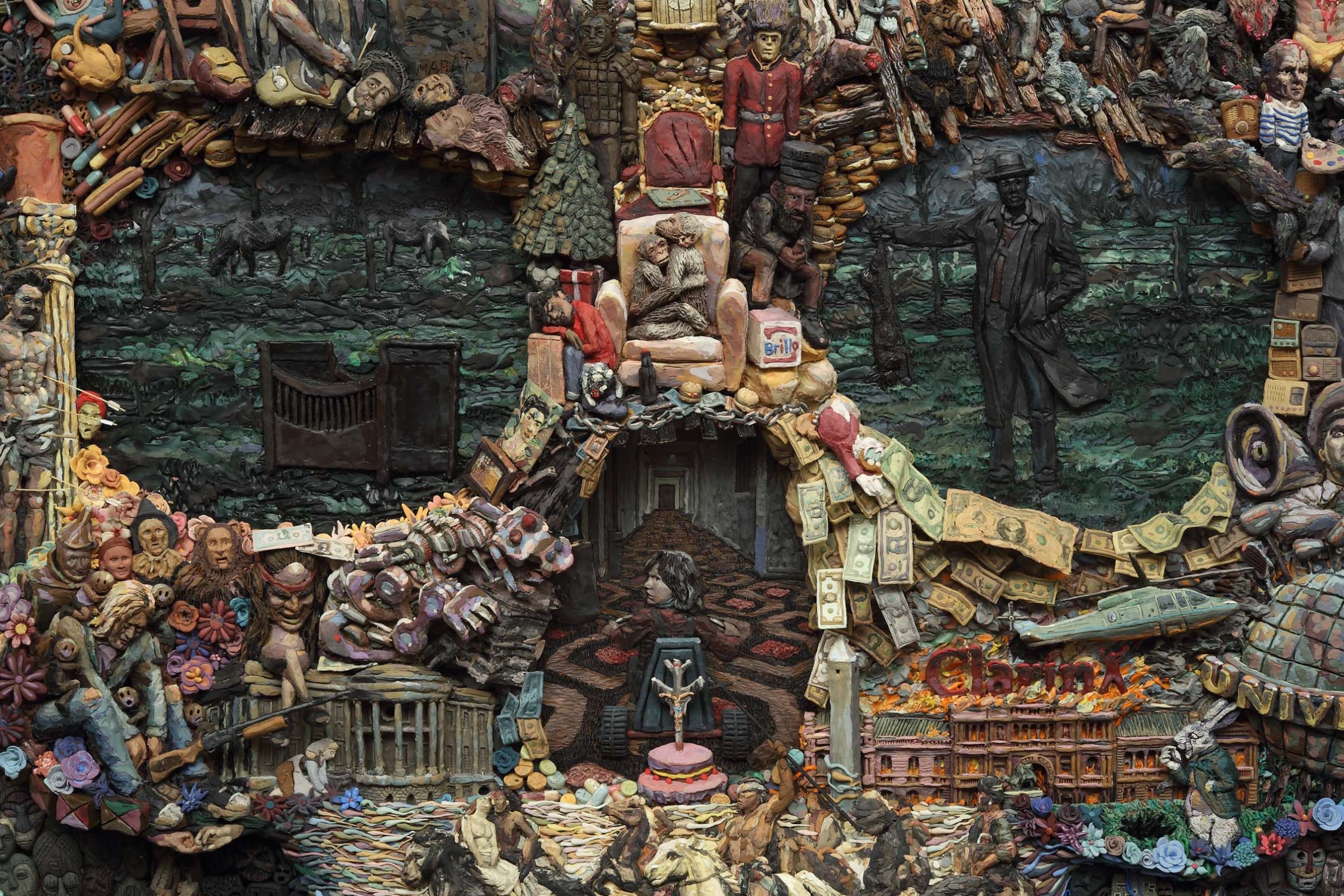
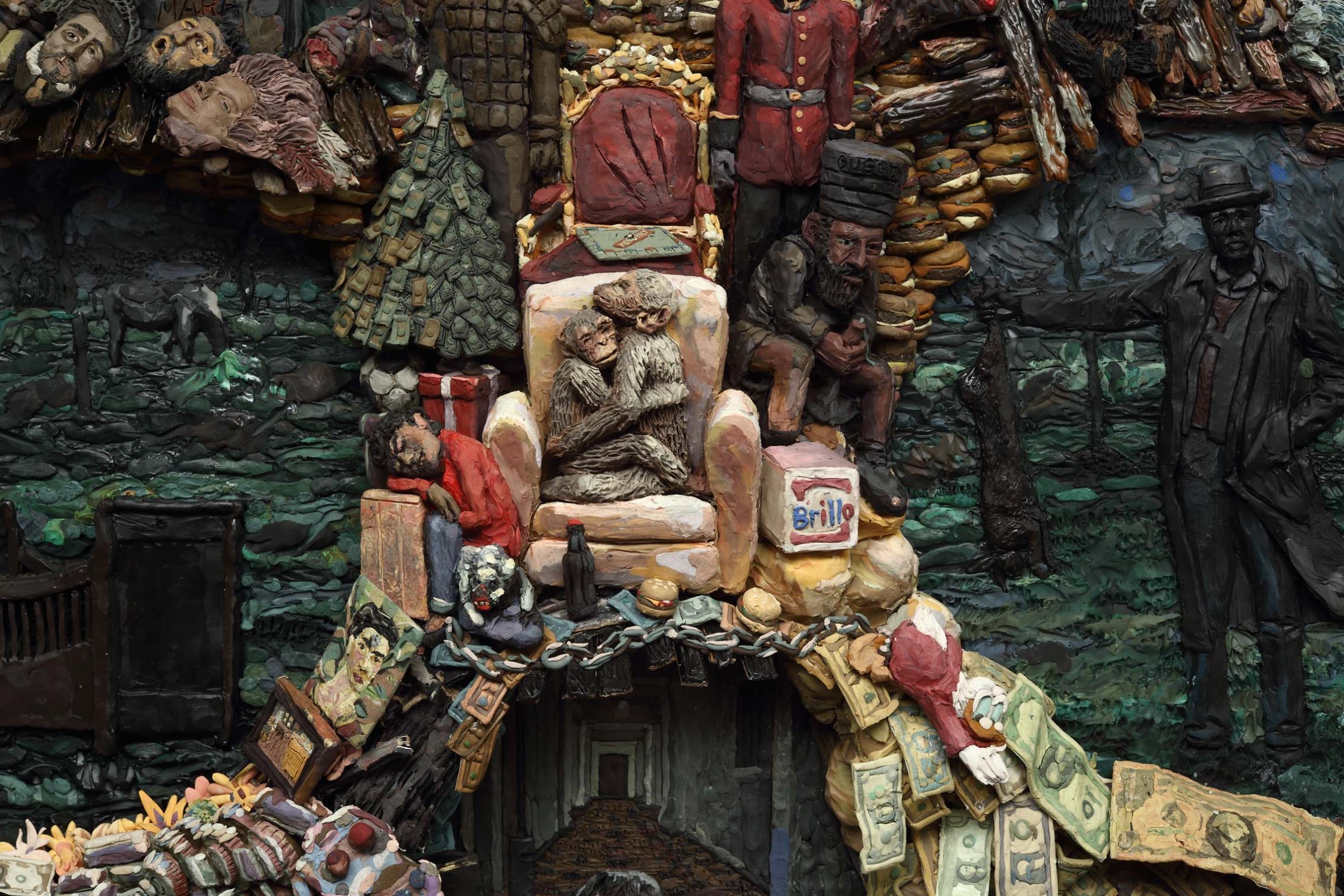
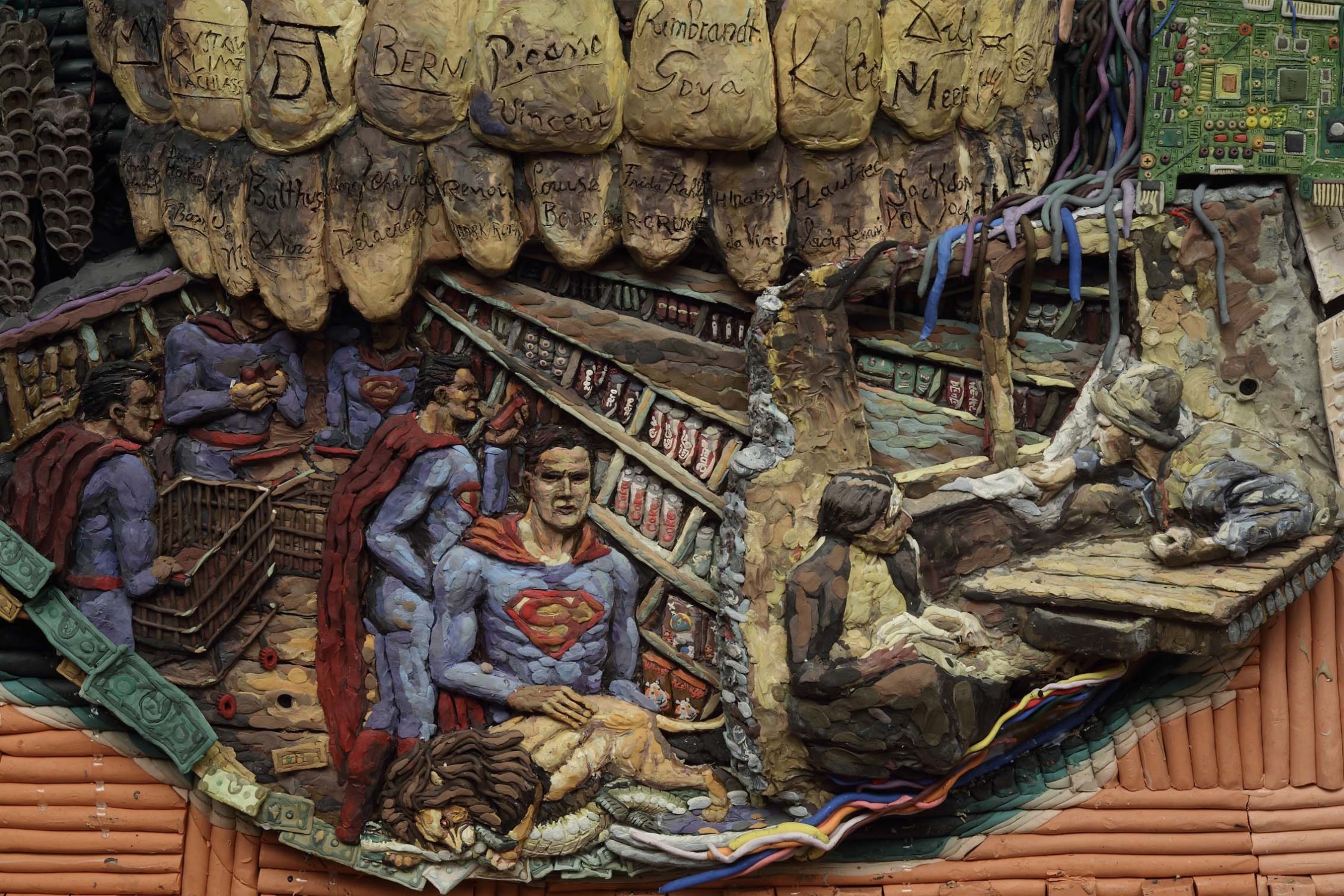
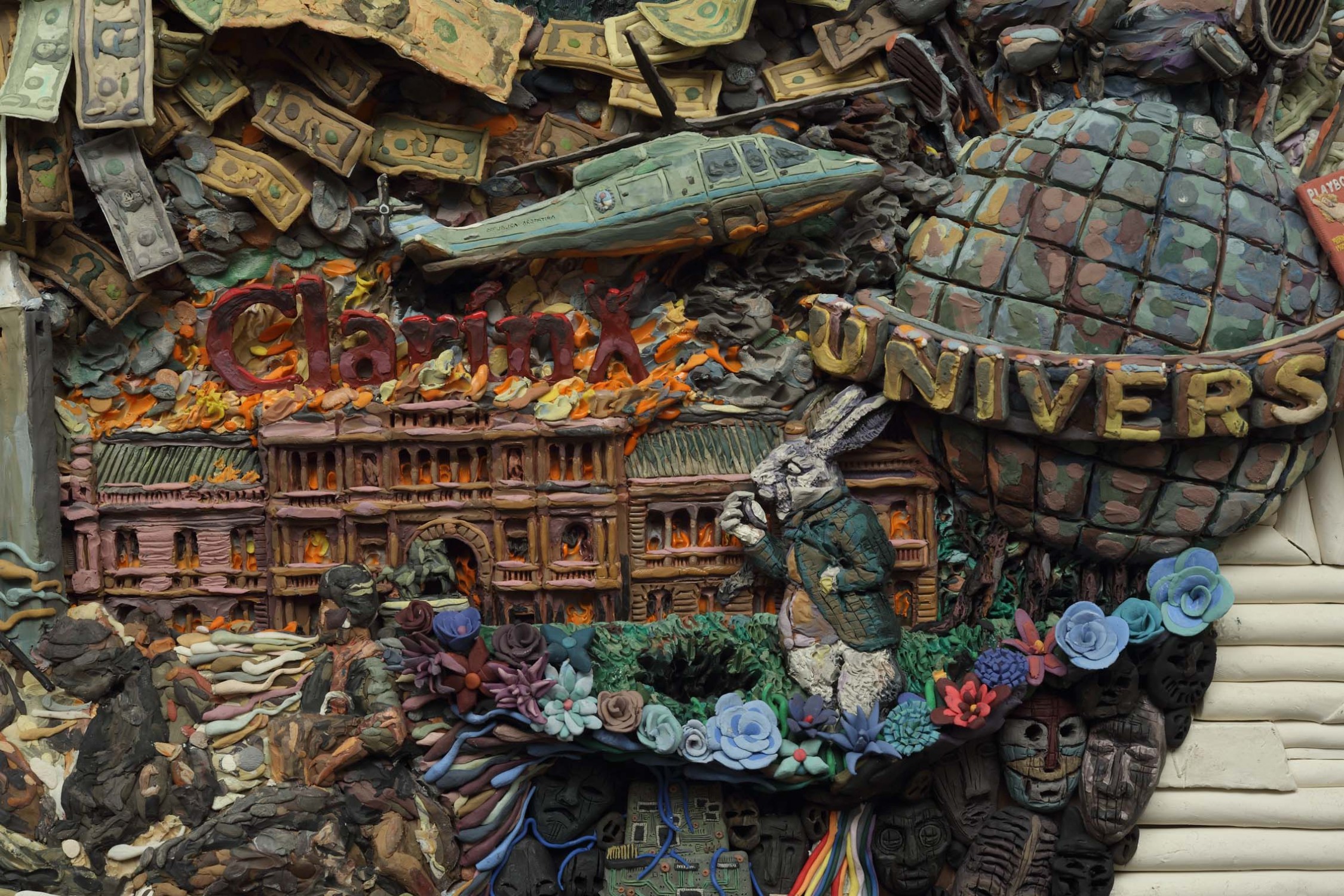
The edges of all of these major cities, and sometimes large portions of their centers, are plagued by vast belts of poverty that expand like a cancer or quickly become high risk zones. It should not in any way surprise us that Mondongo focus on these images of the slums on the periphery of Greater Buenos Aires, which are clearly paradigmatic of the problems that man, left to his own devices, has formulated for the 21st century: a powerful explosive cock- tail. Poverty characterizes life in the slums and violence is their daily bread. There is no need to analyze these images. All over the world, everyone is familiar with them: buildings thrown up on substandard, hard-to-reach plots, without plumbing or potable water, in areas at risk of collapse, overcrowded and with high rates of birth and infant mortality. This is one of the major issues in a globalized world; Mondongo confront it directly and, in the form of their three dimensional, pictorial constructions, demand that we do the same. We can travel visually through these environs, sensing their poverty, smelling it, getting a direct feel for the people’s capacity for survival and resistance, and confirming not only the presence of injustice but the authorities’ indifference in the face of it. We can hear the politicians’ promises and see what comes of them. Democracy might be the best system we have, but it can be manipulated. What remains highly notable in Mondongo’s project is the confluence of social commitment and aesthetic consider- ation. These works should not be read in terms of an elitist attitude toward unbridled seduction, but as a necessary fusion of ethics and aesthetics. As Jacques Rancière points out, good art should negotiate the tension that, from one side, pushes art in the direction of life and, from the other, separates aesthetic sensation from other forms of lived experience.
—Kevin Power, 2013
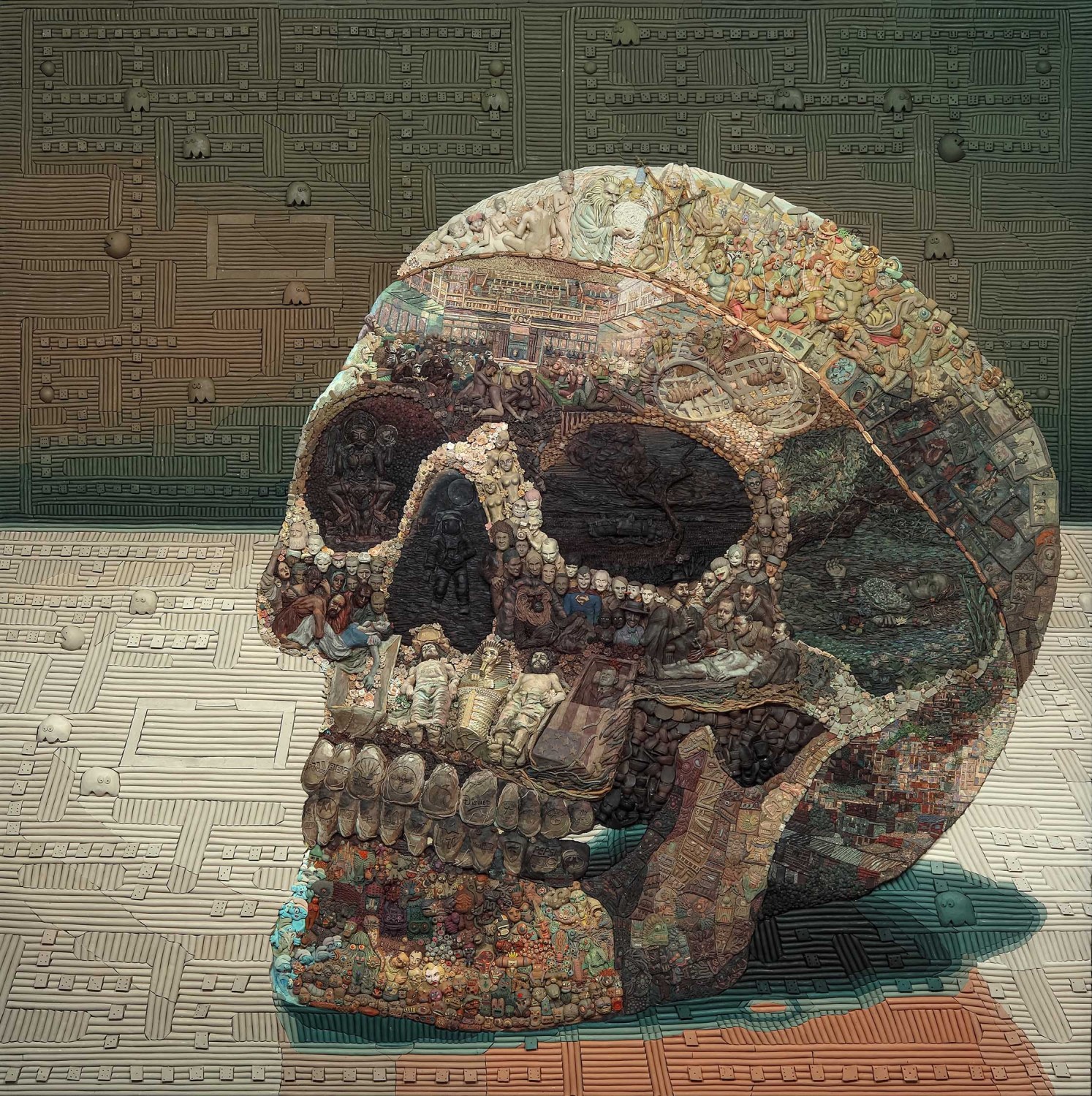
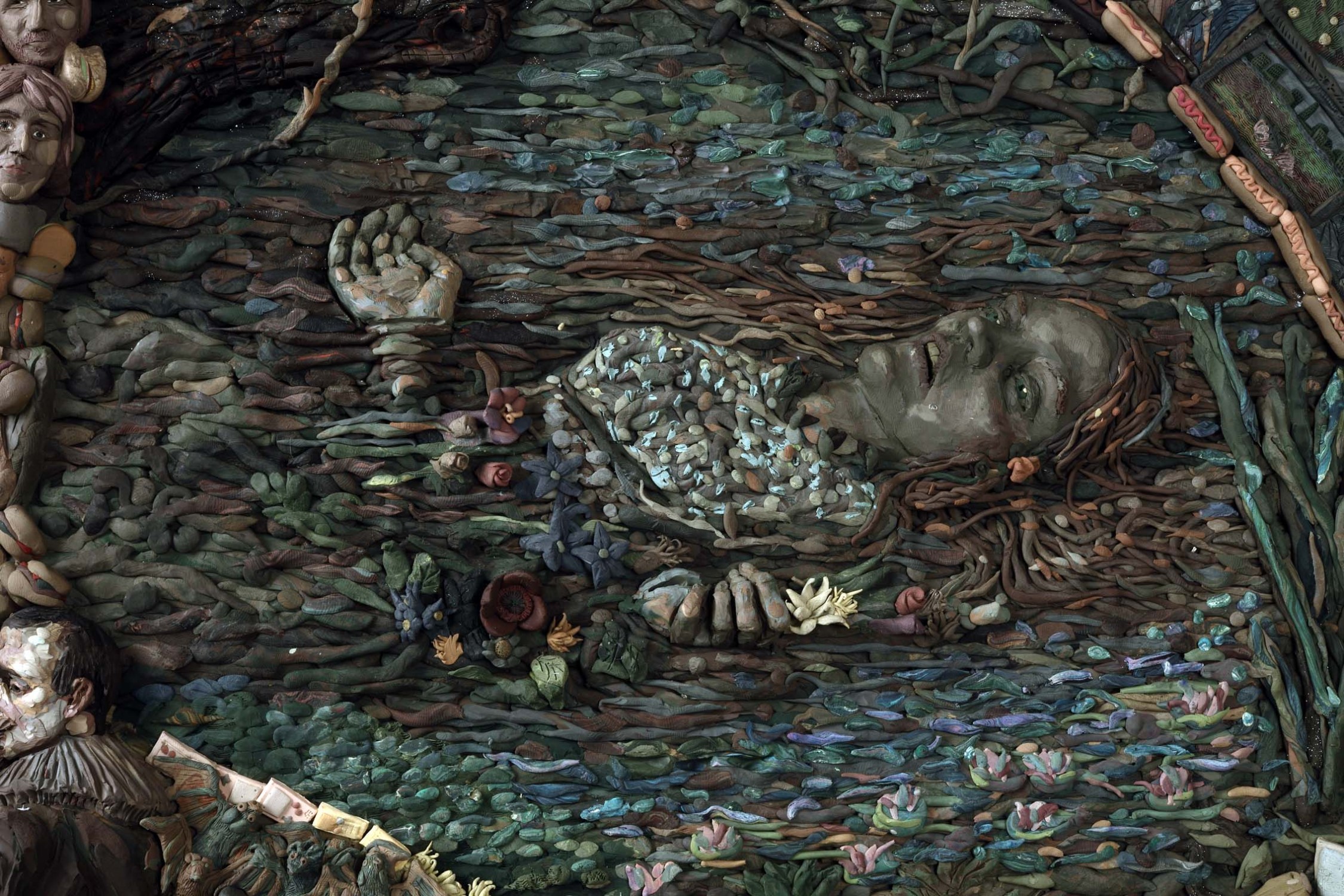
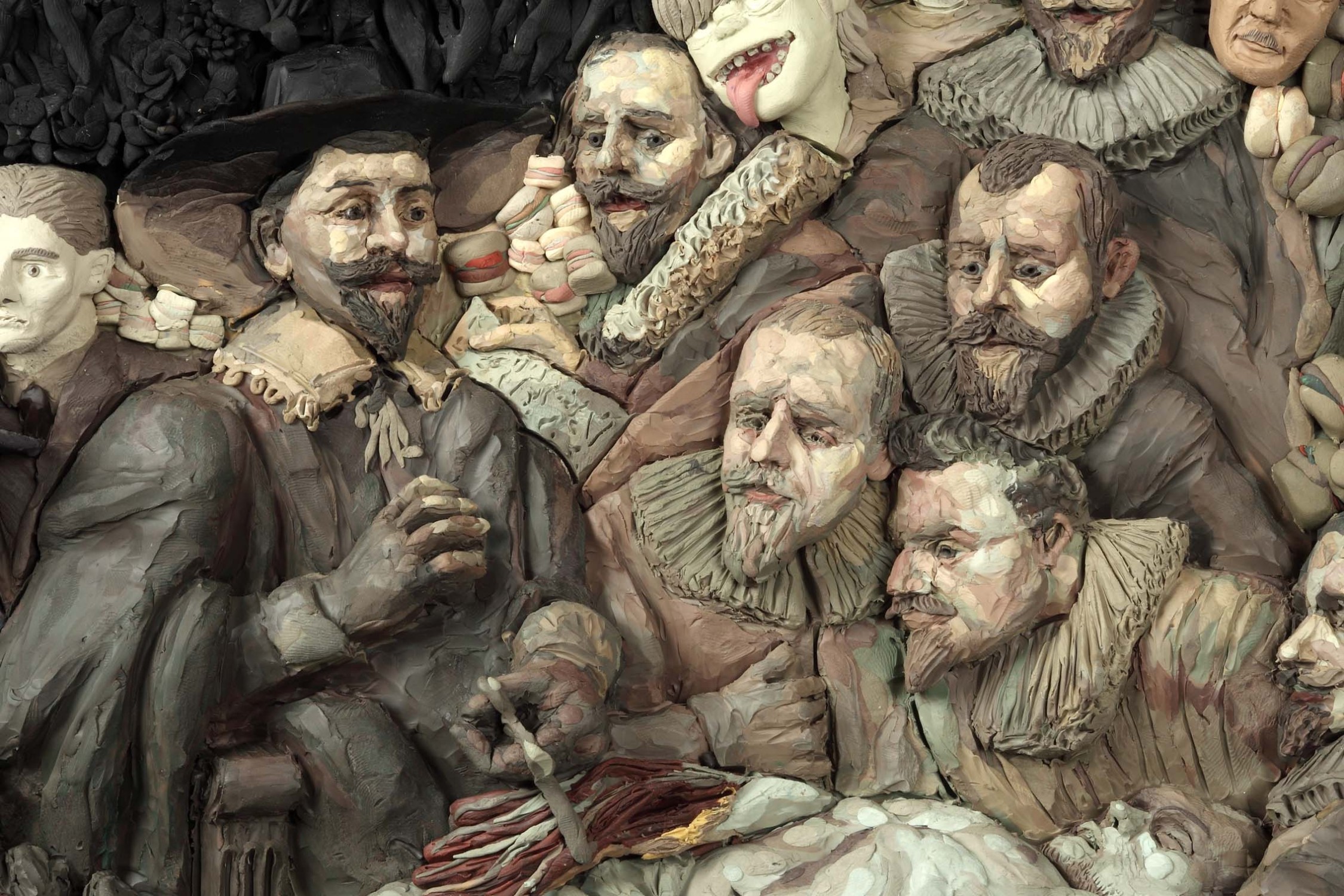
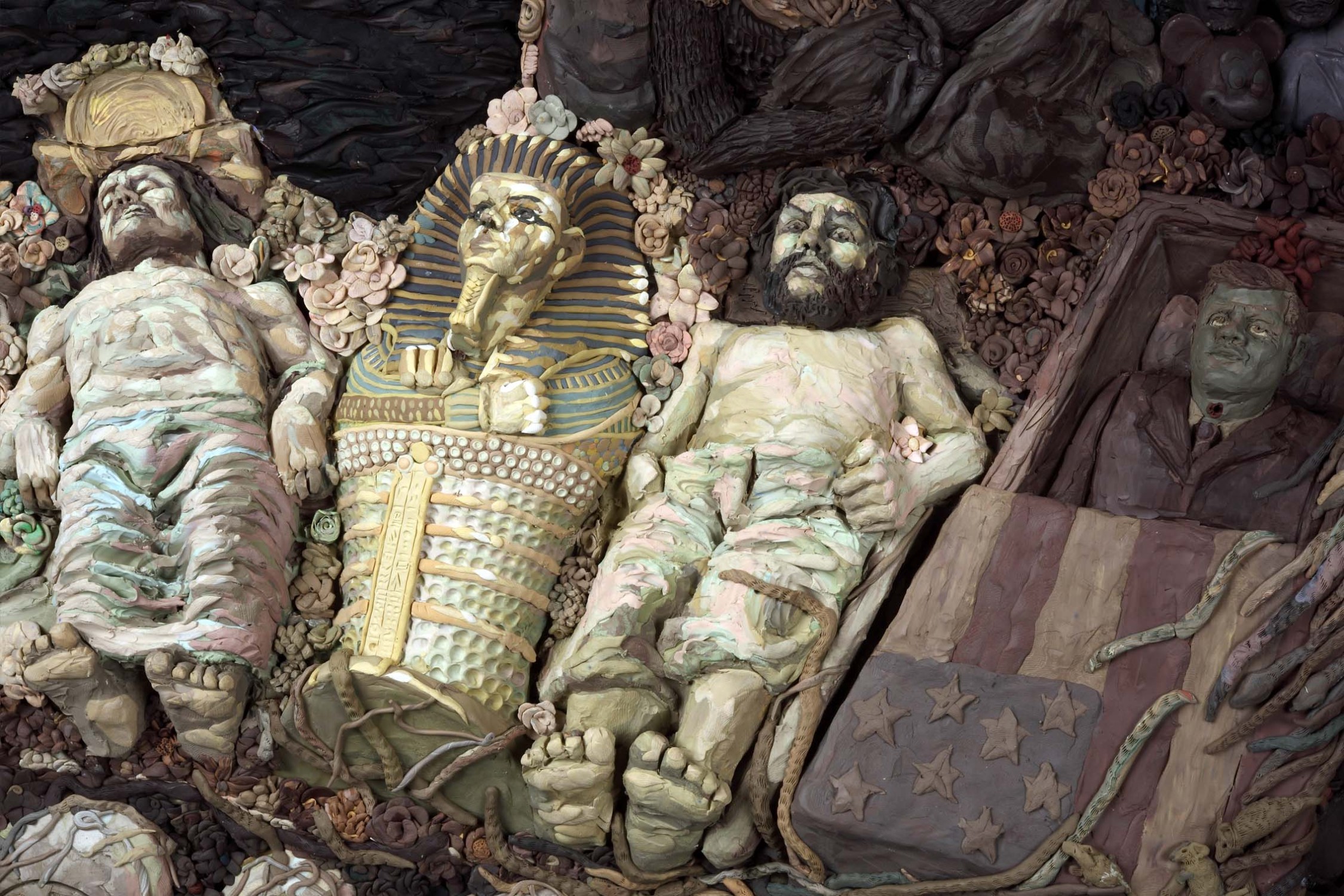

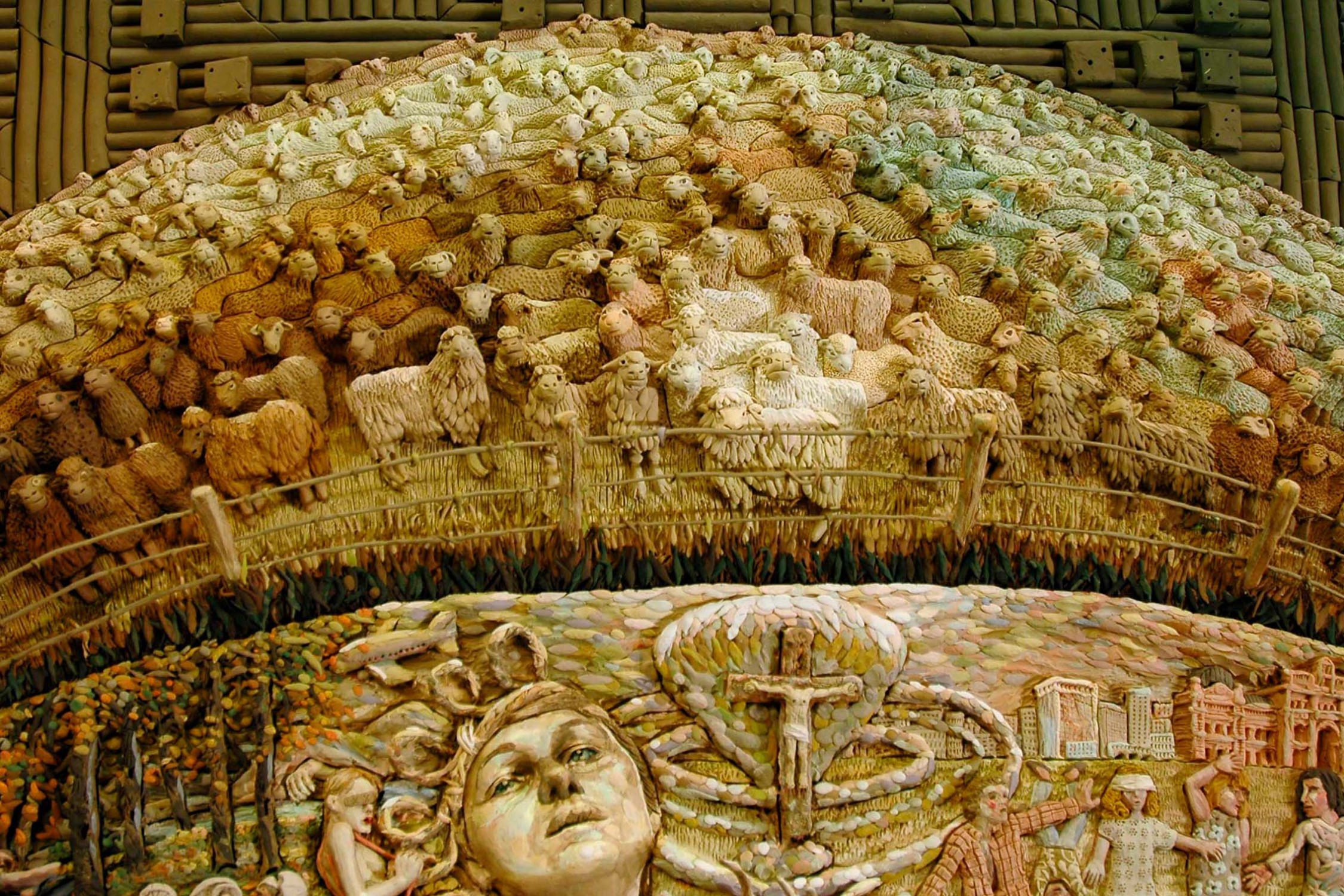
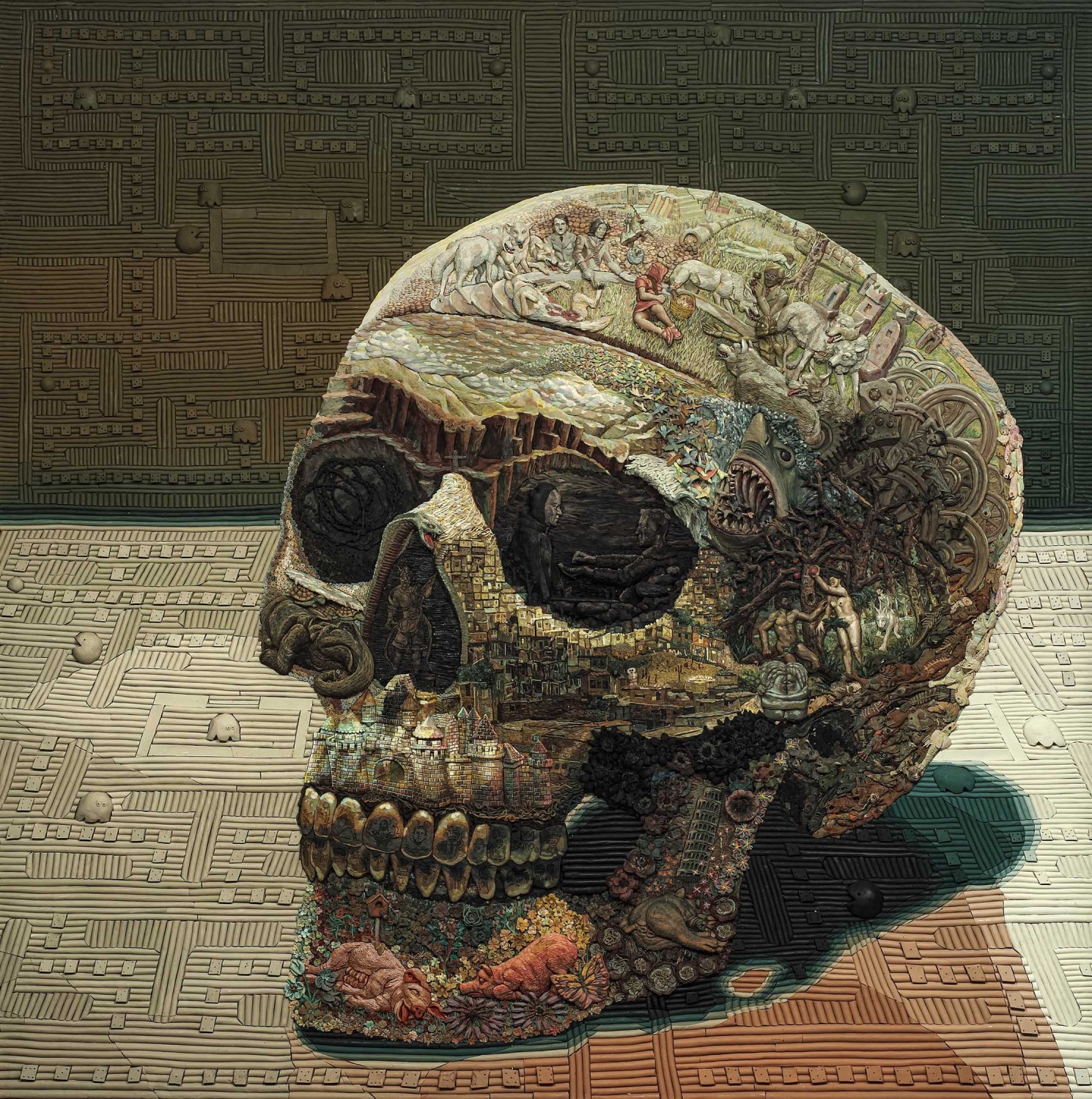
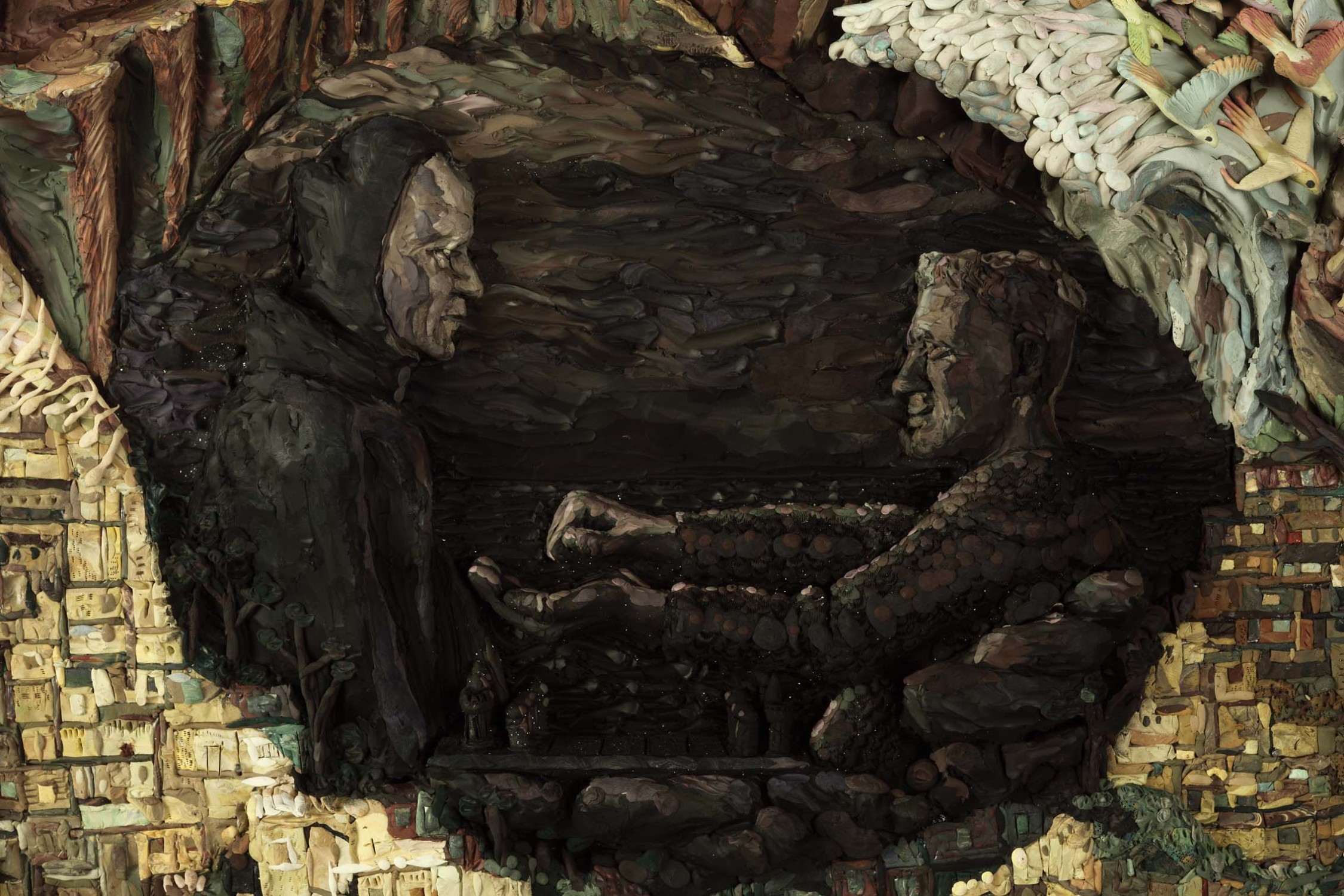
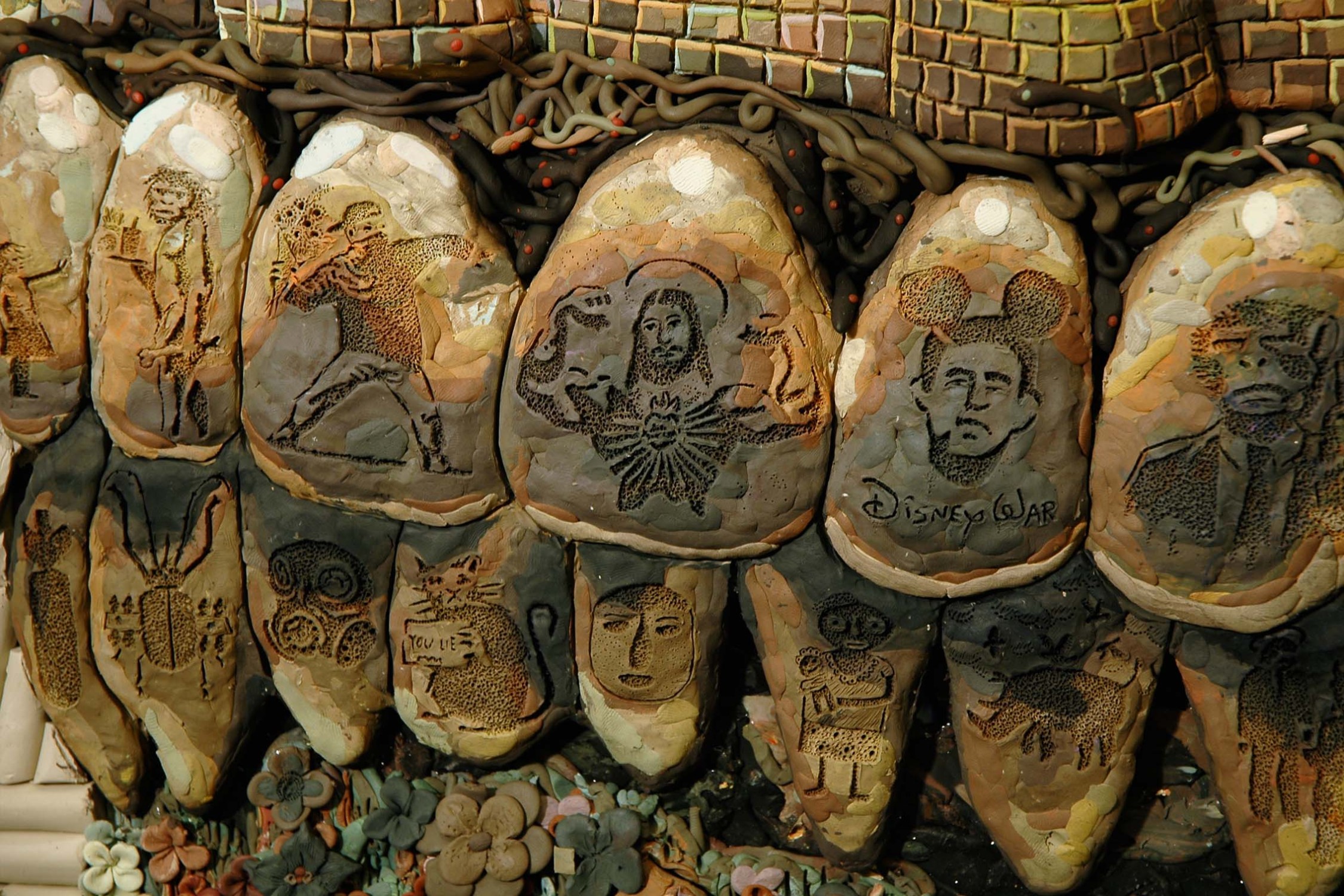
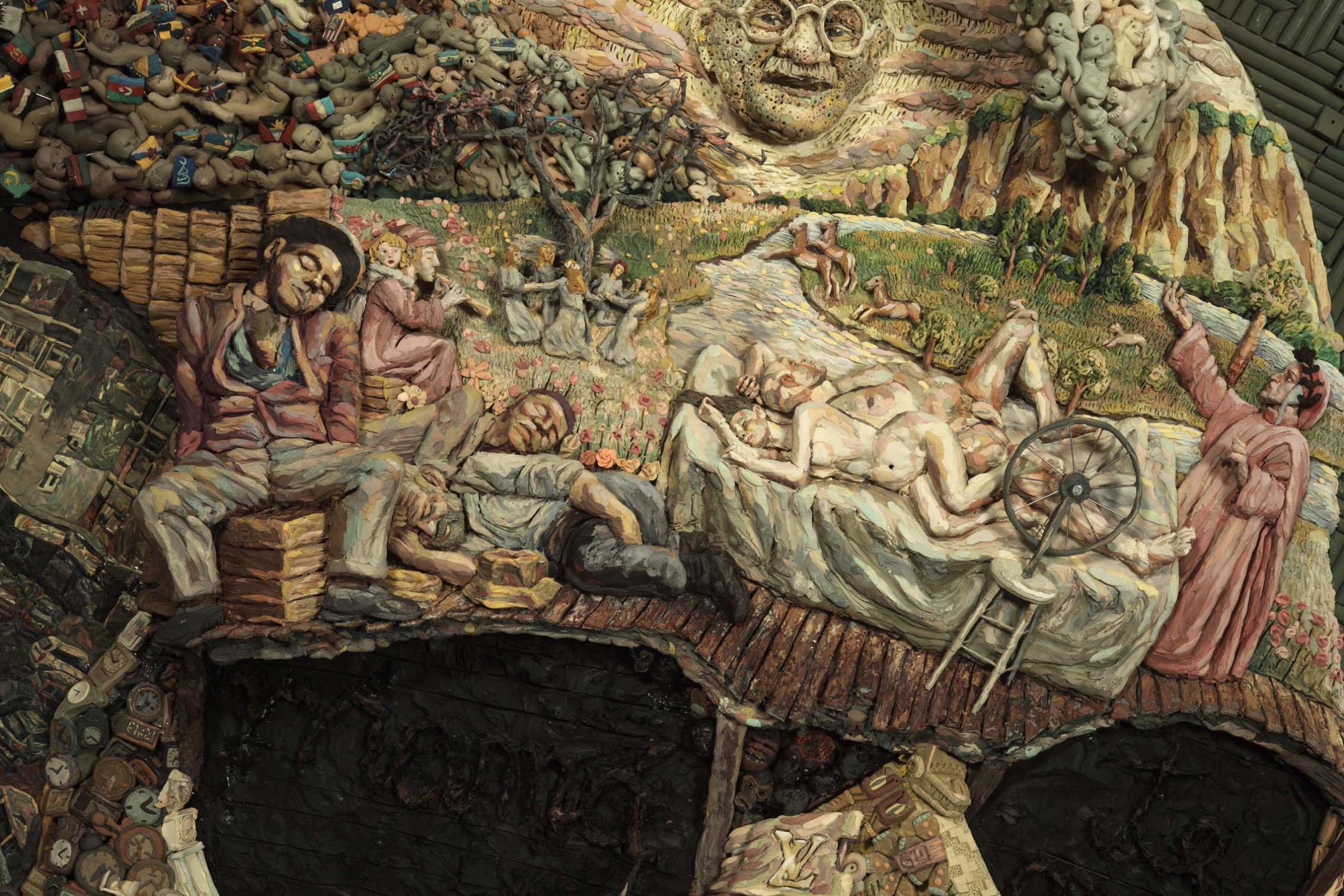
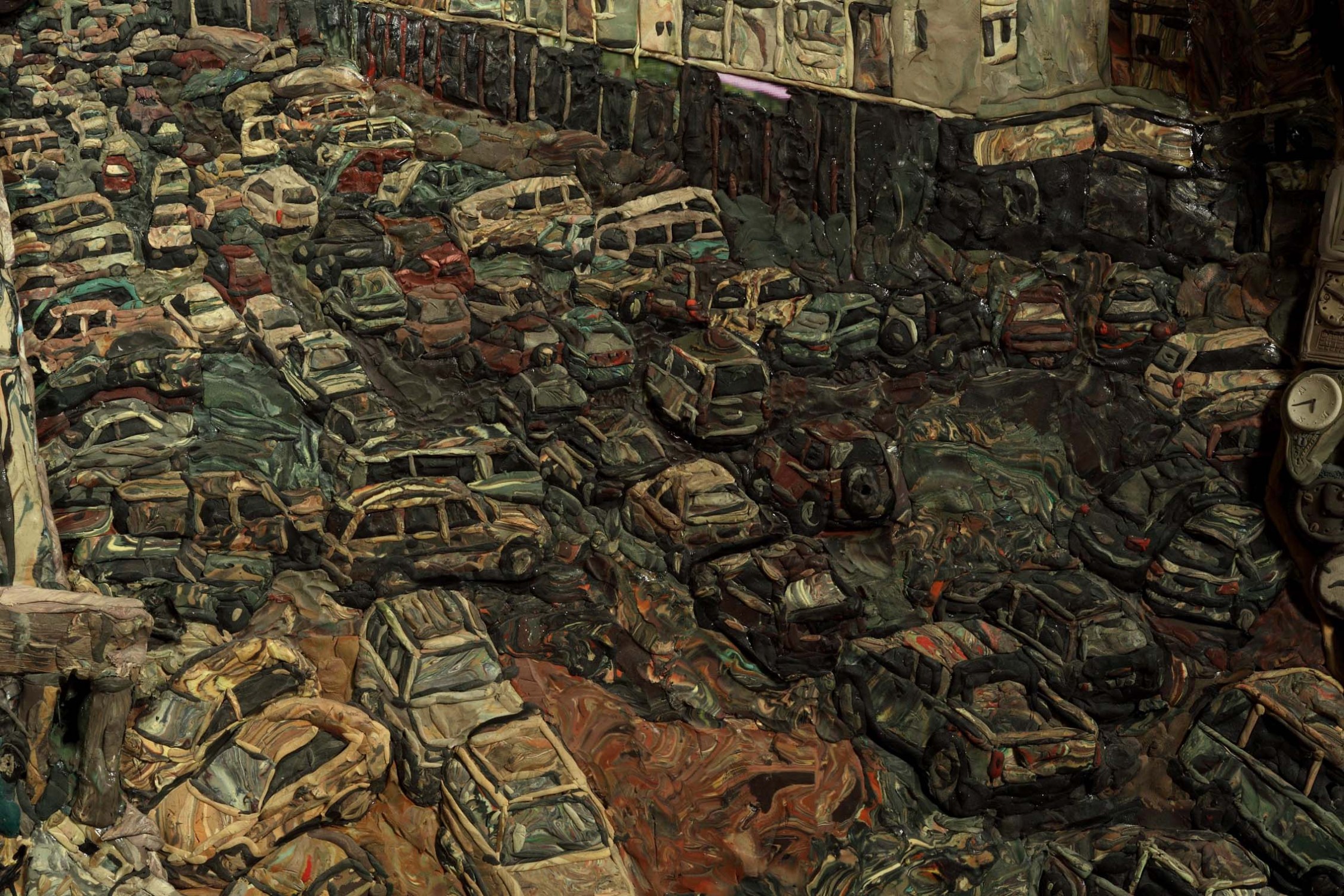
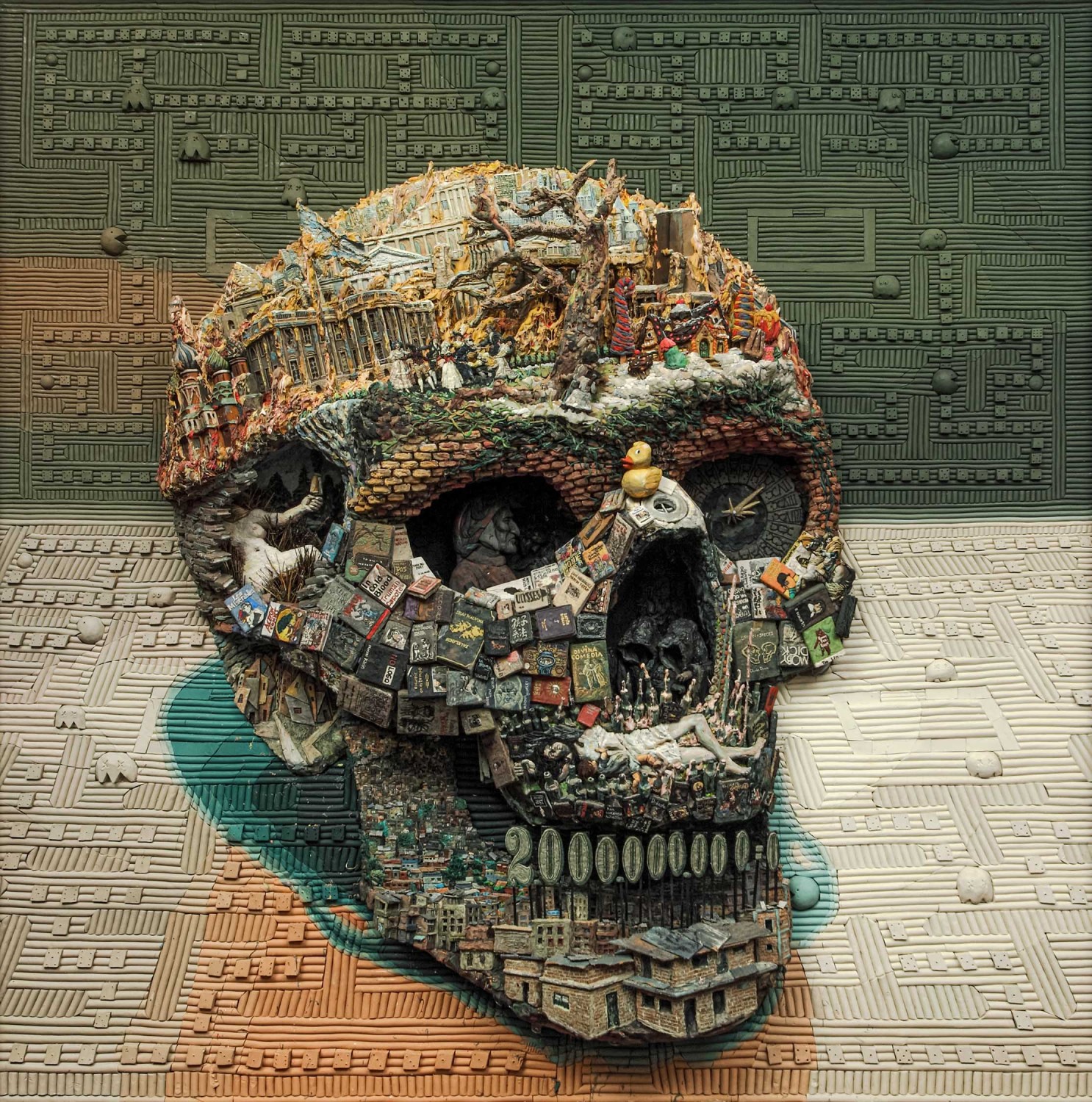
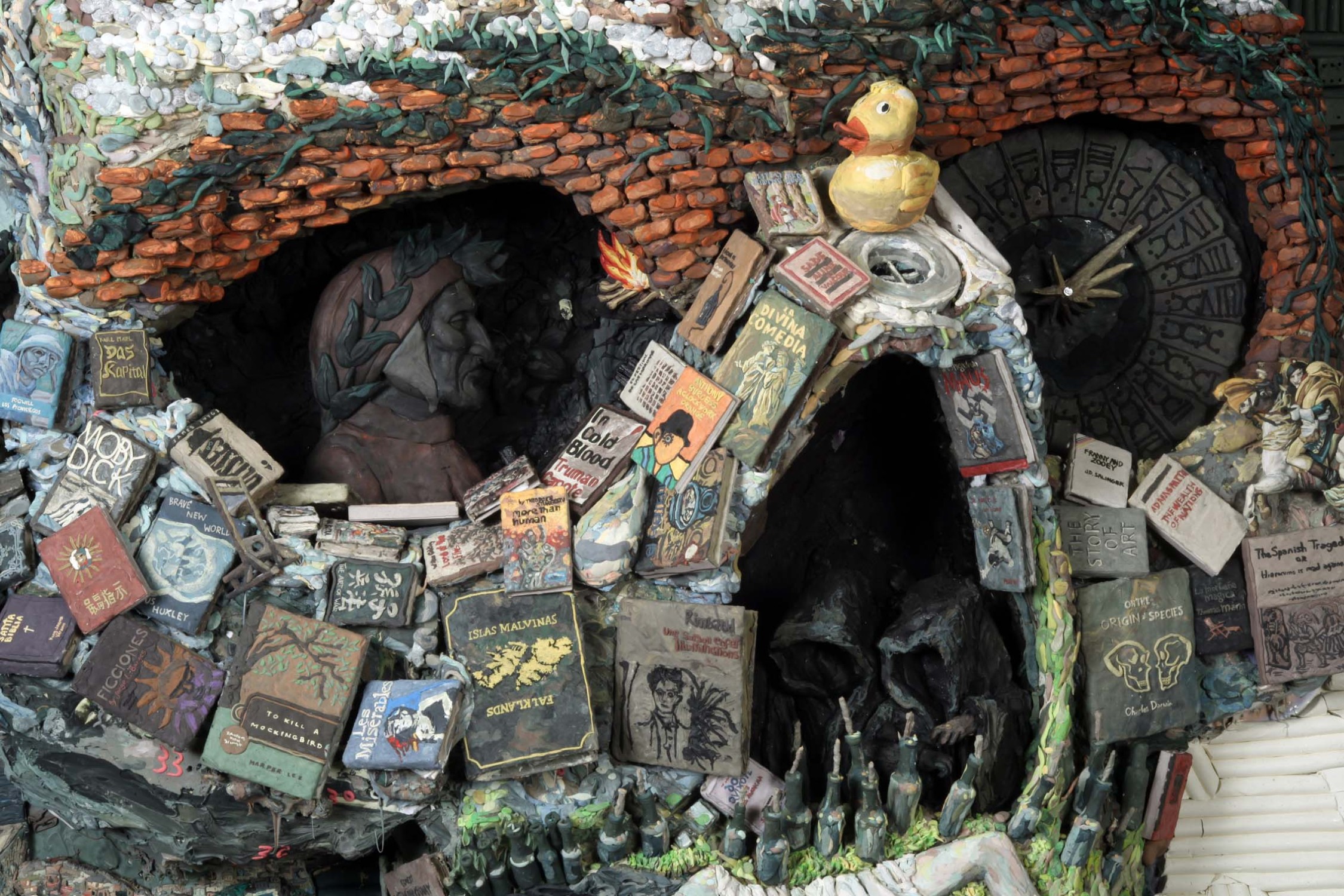
SKULLS
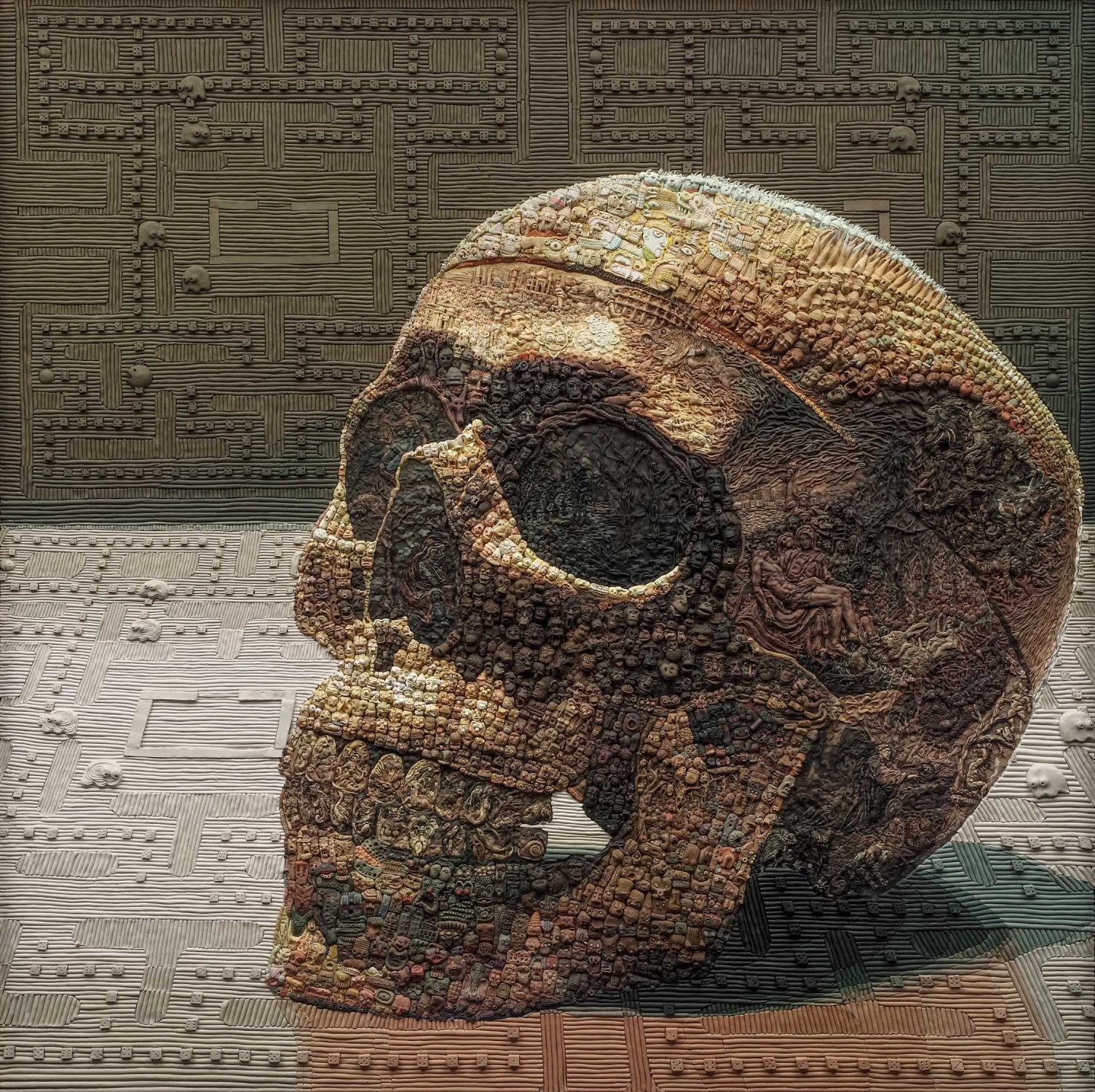
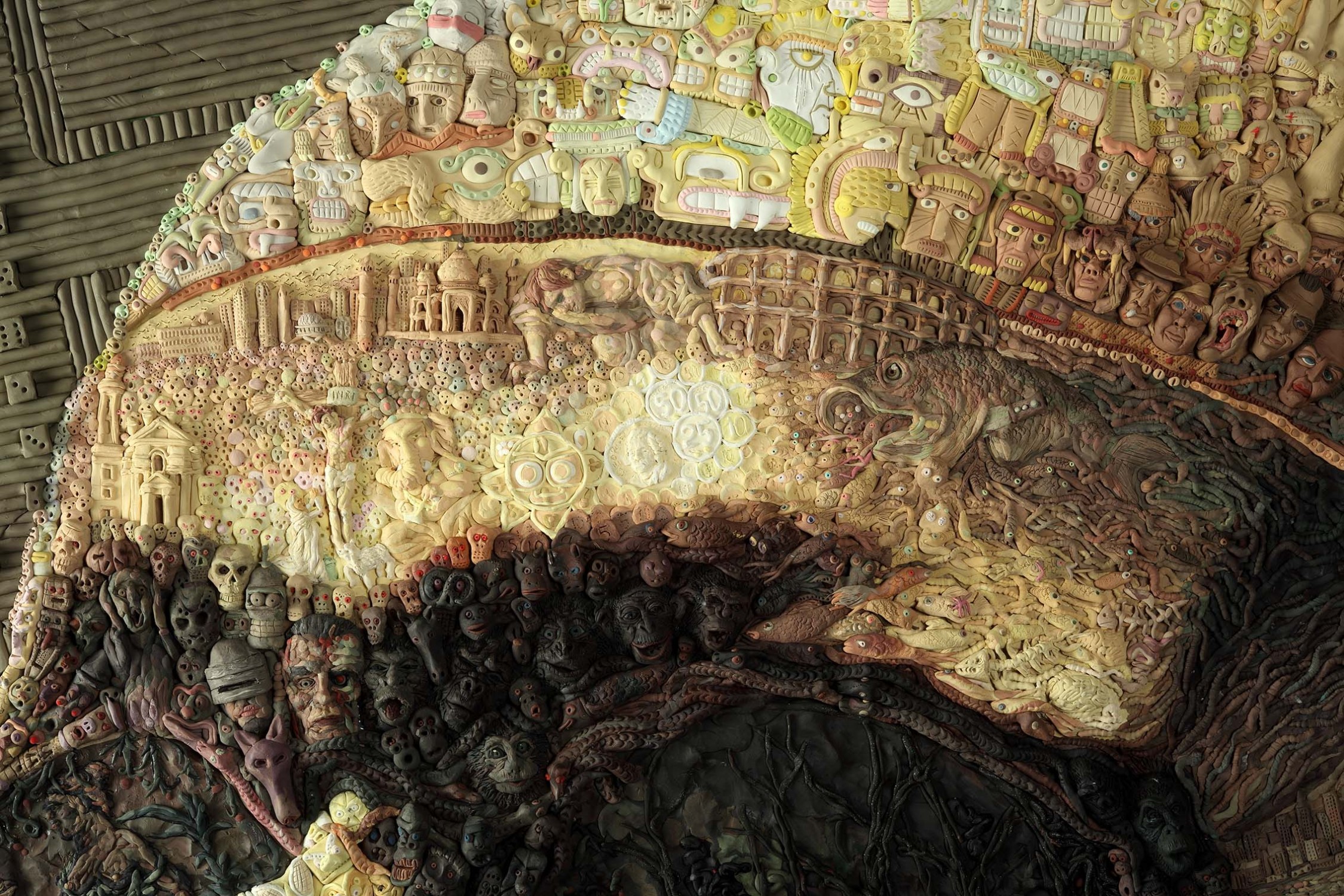
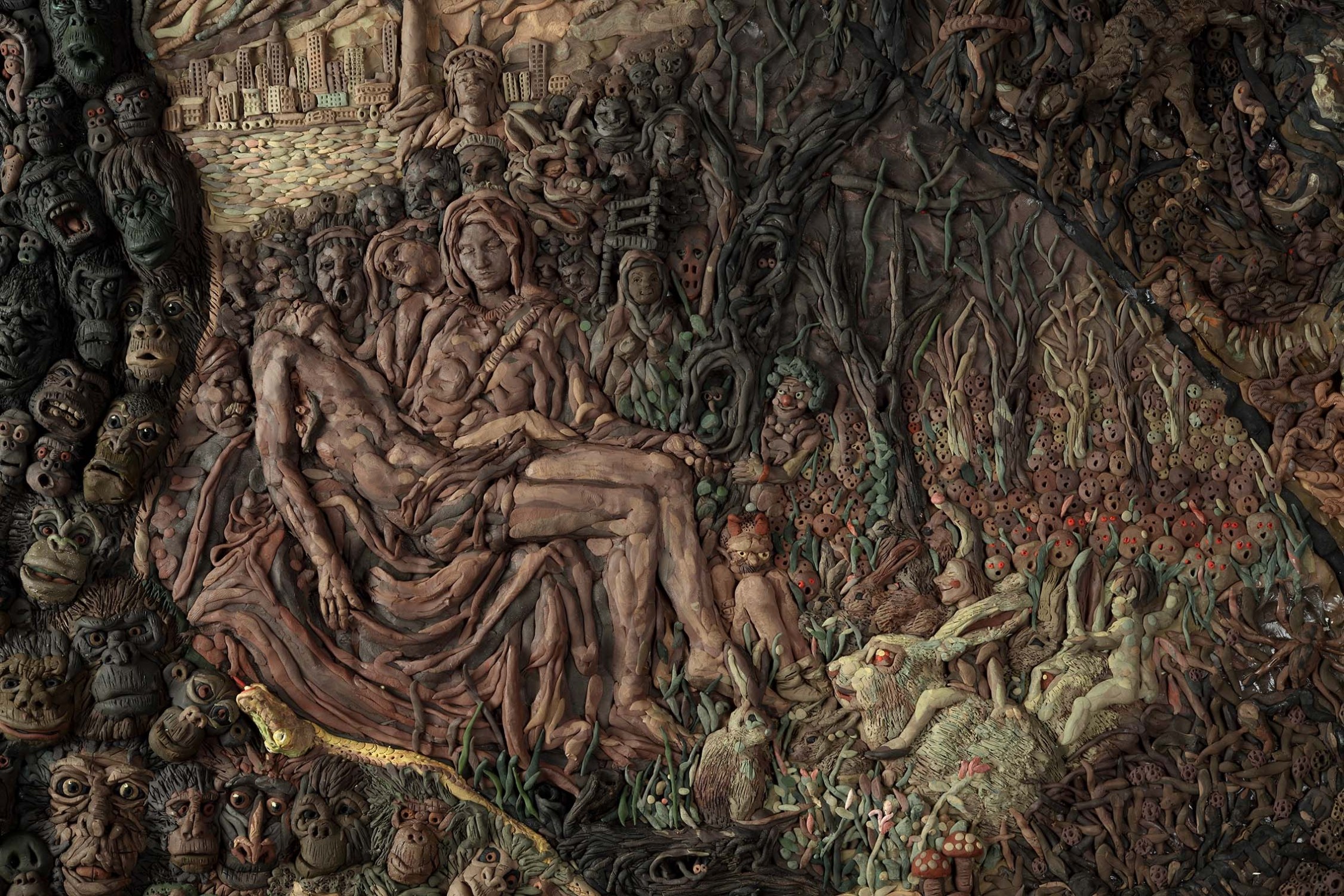
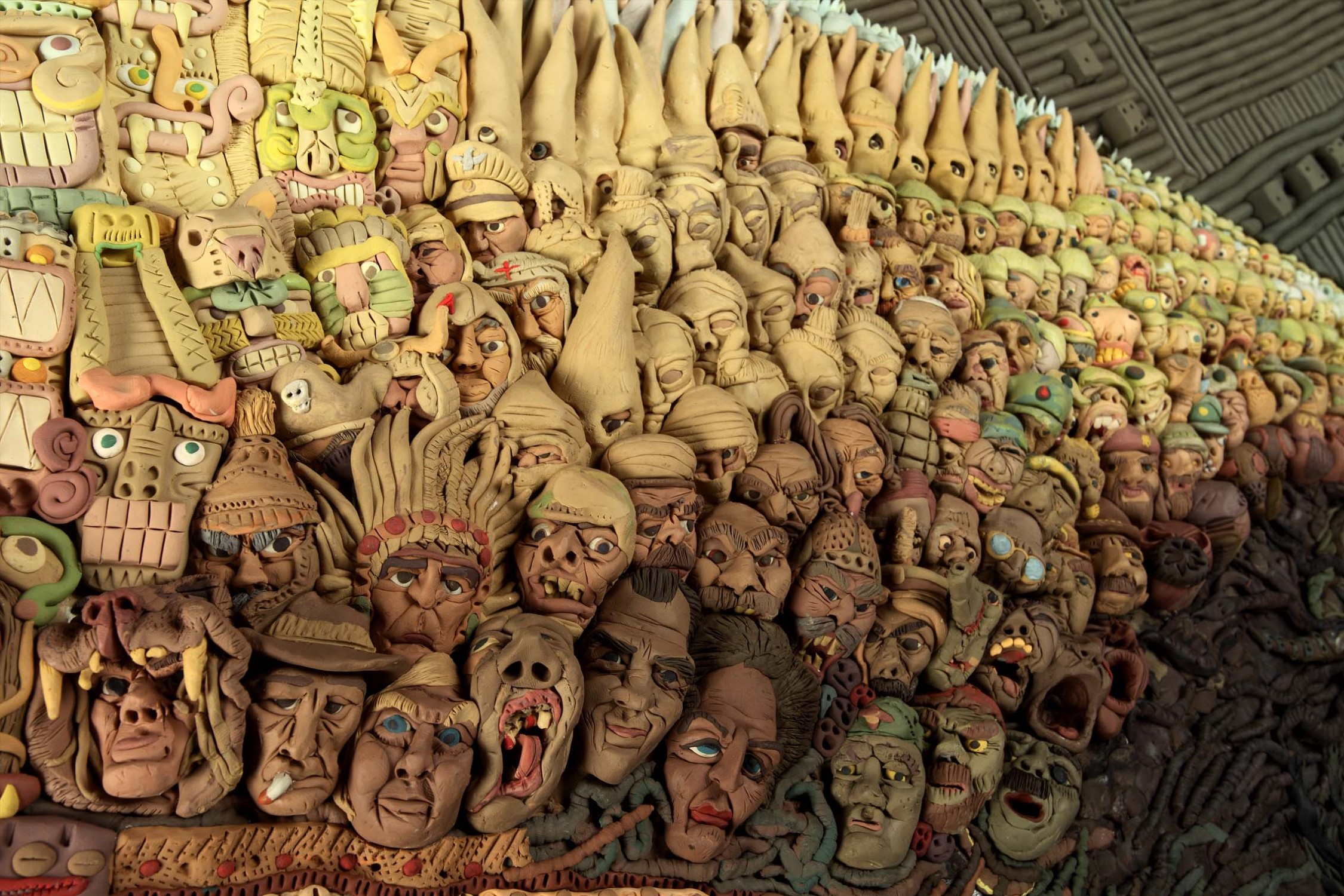
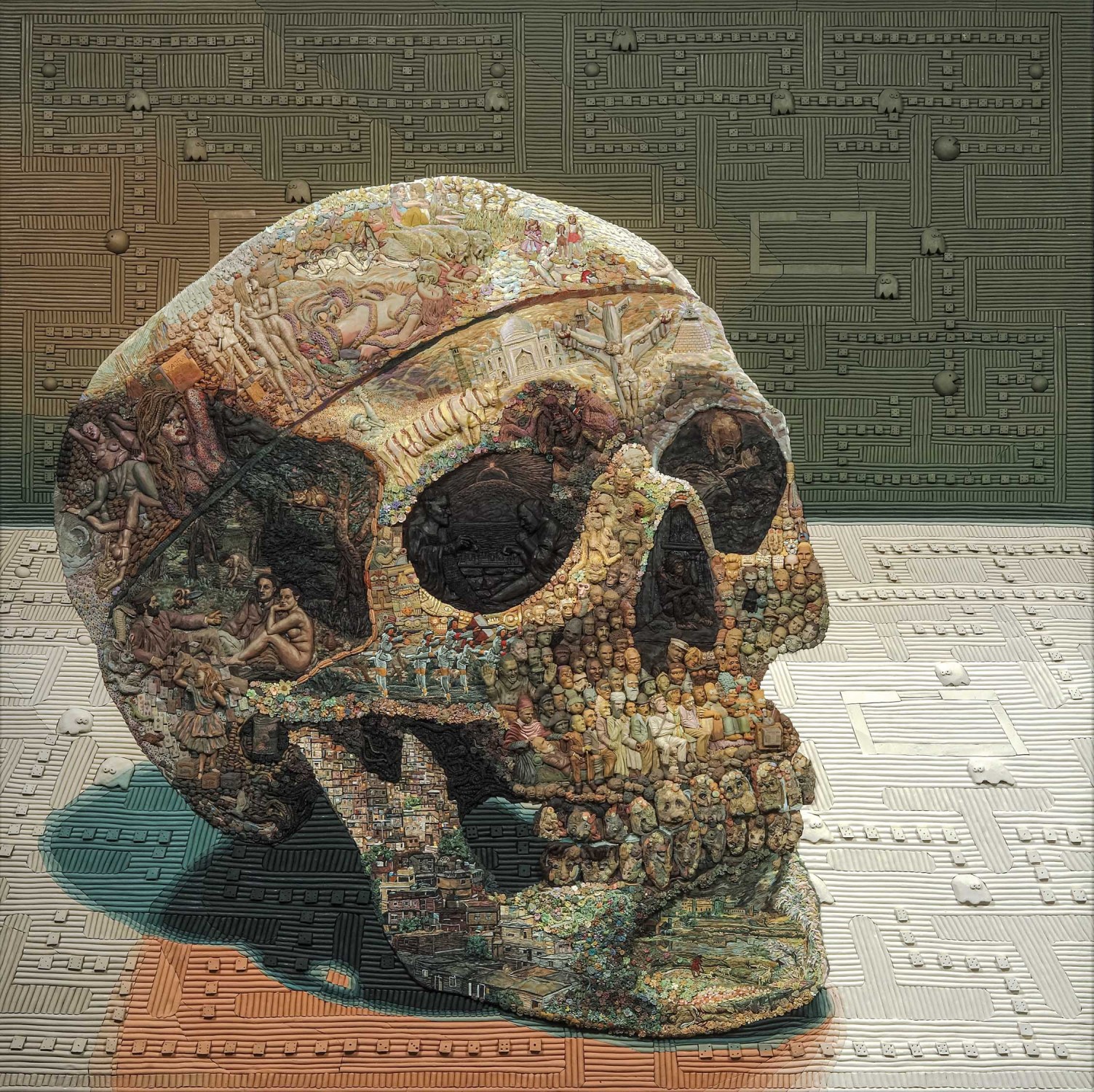
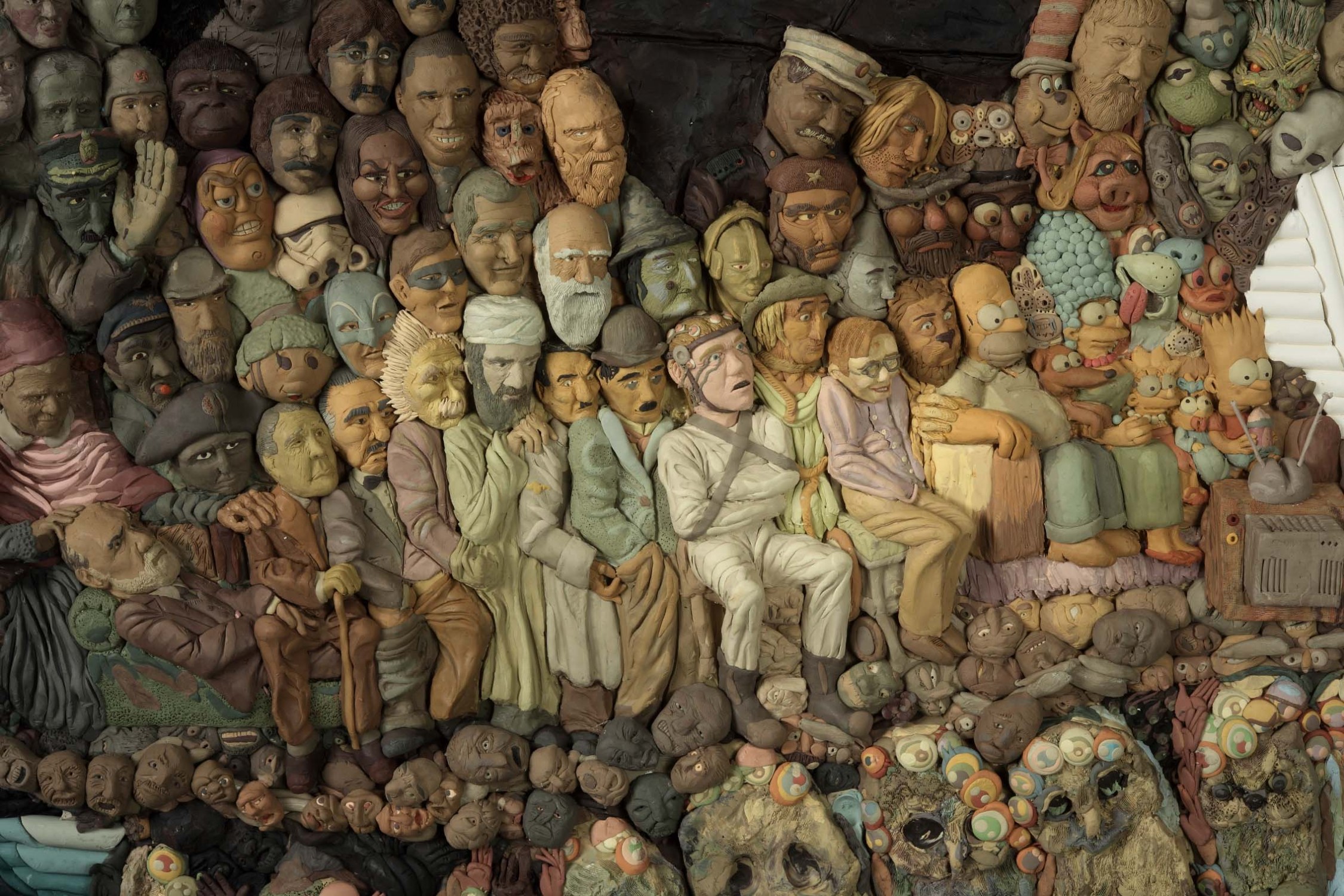
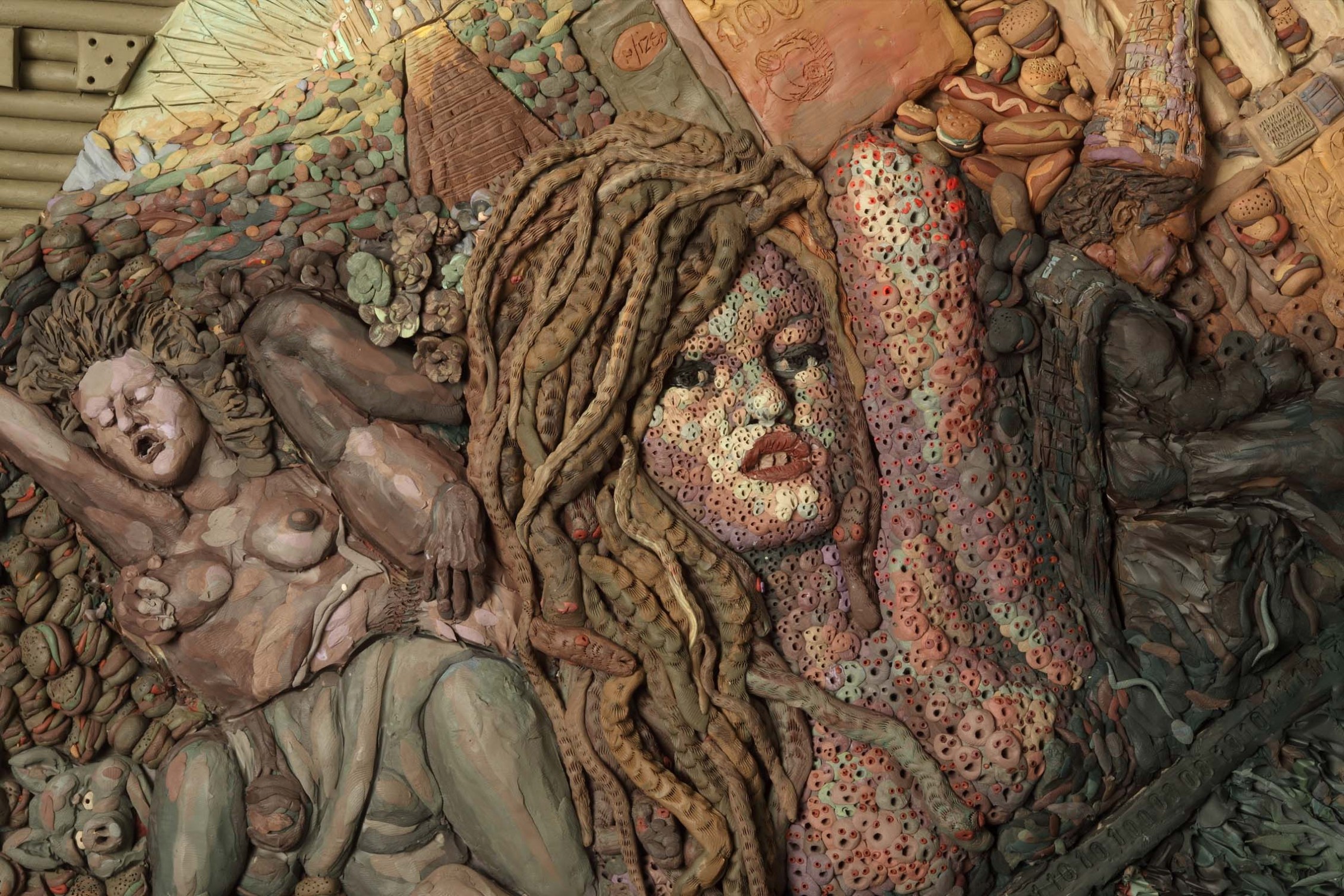
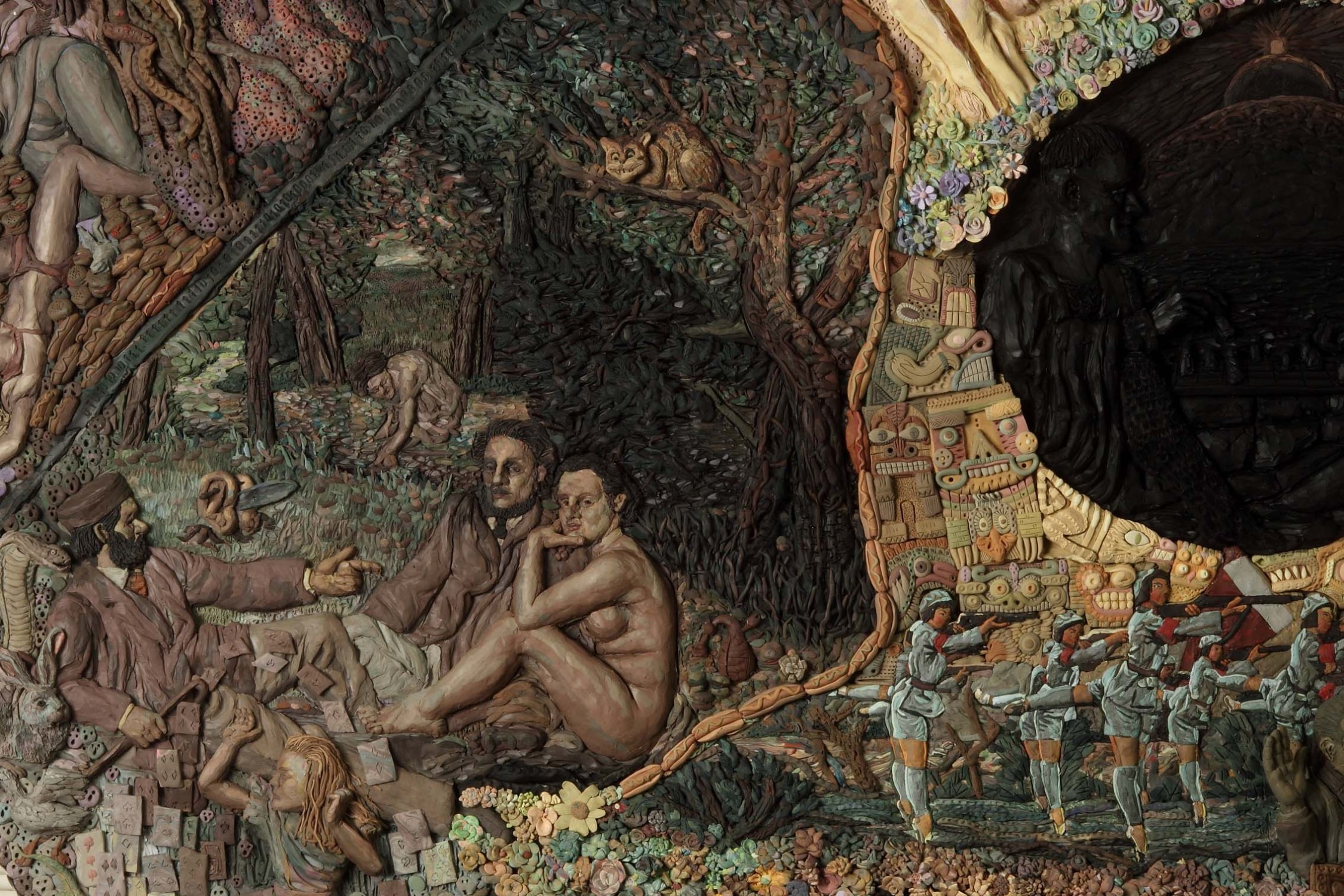
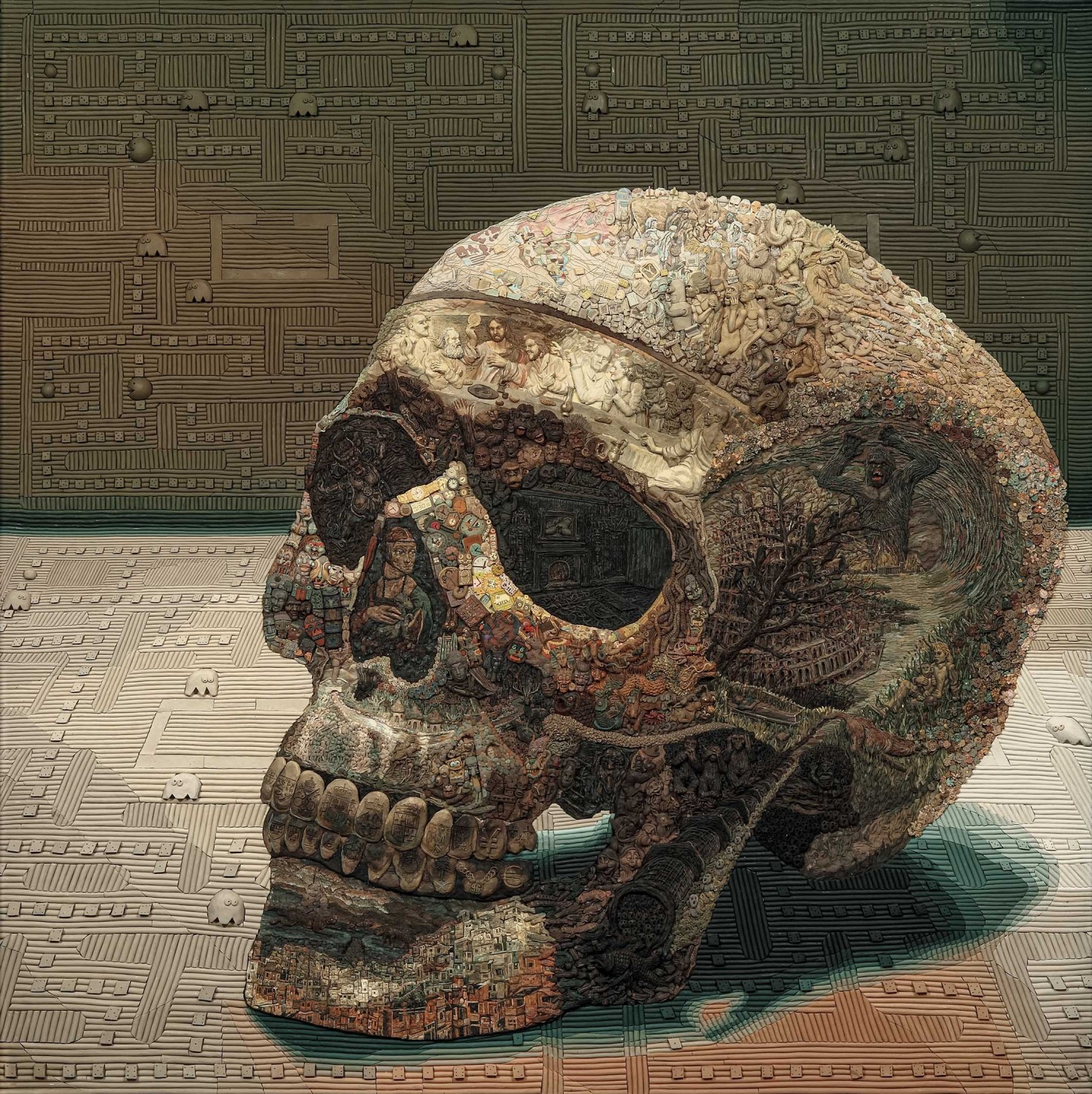
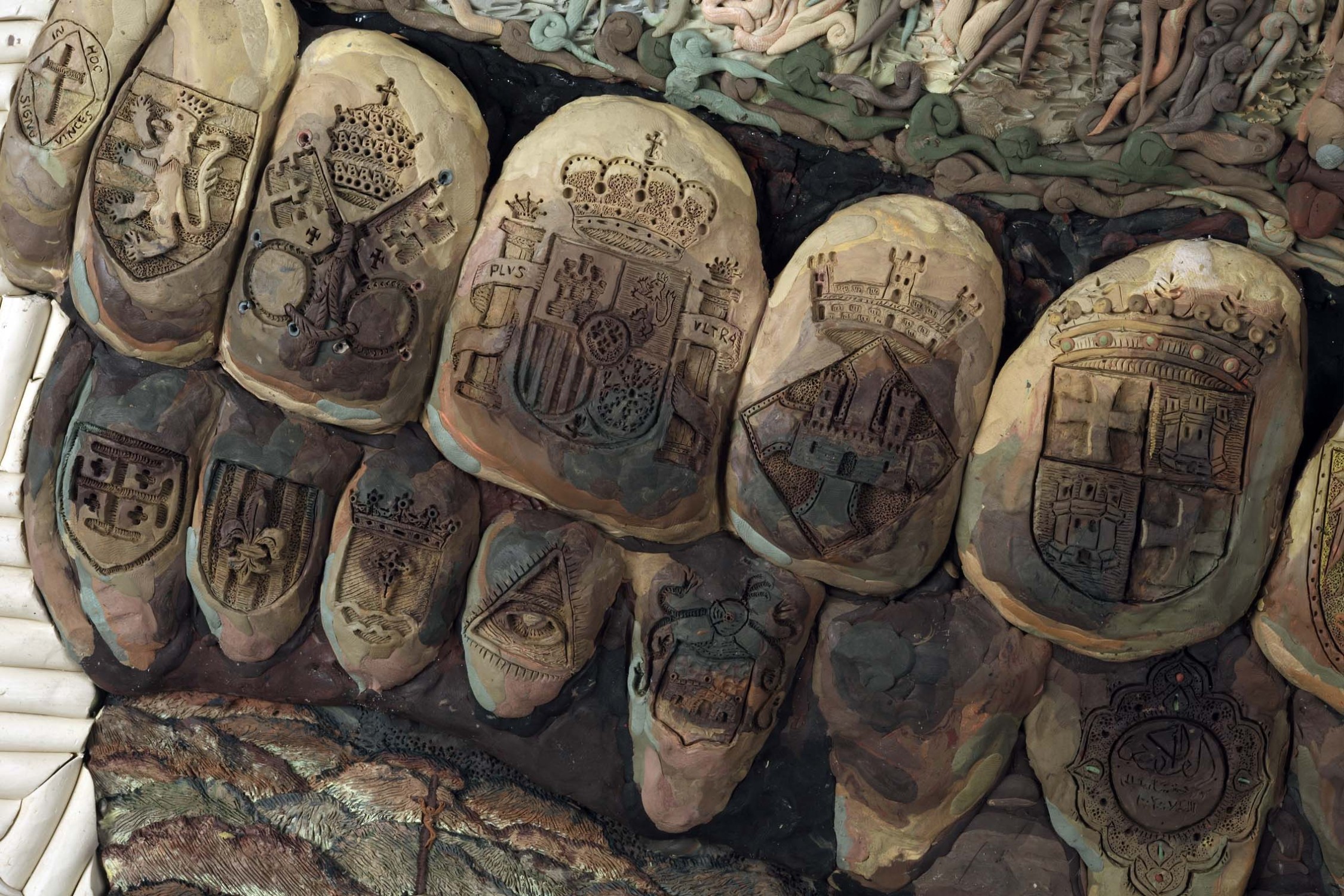
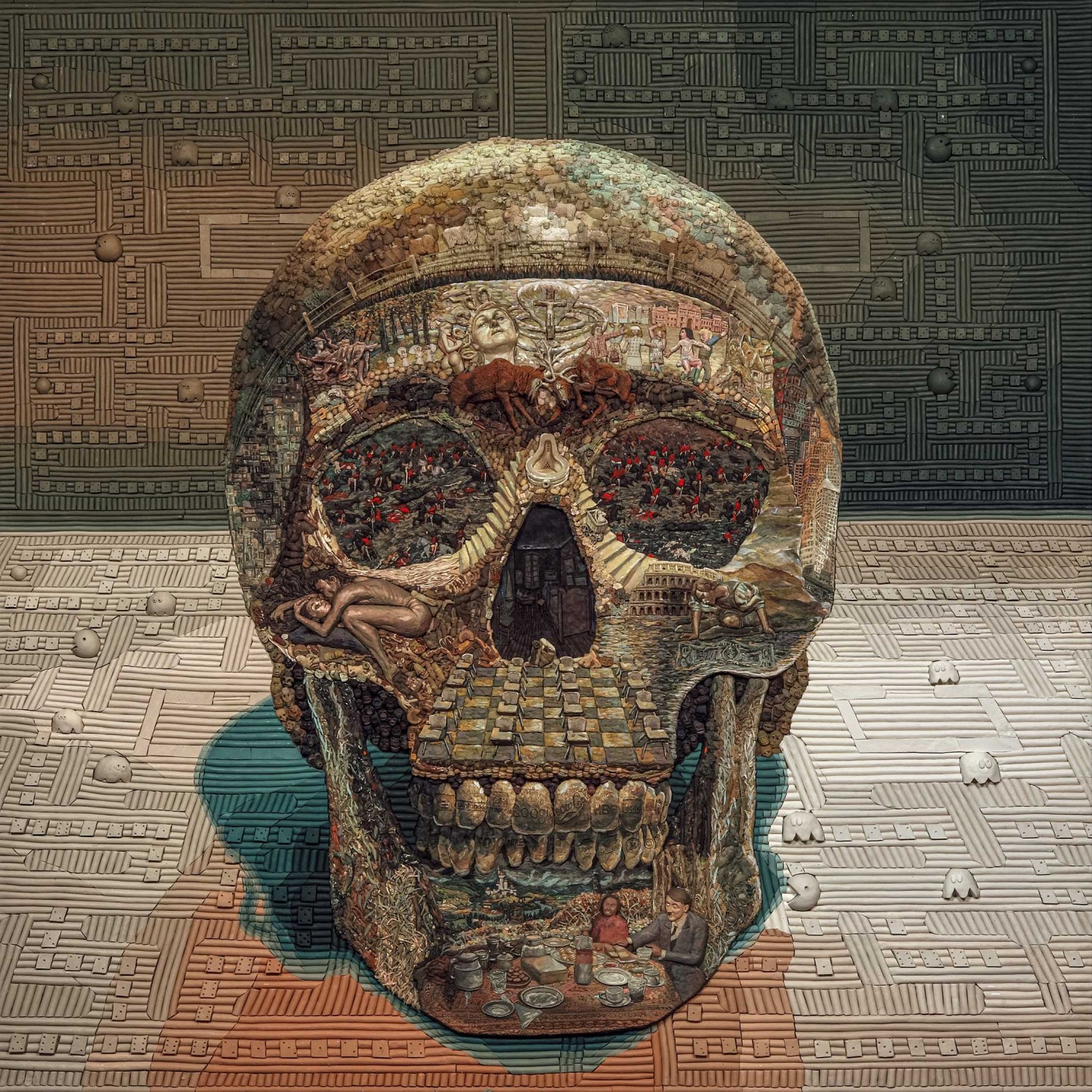
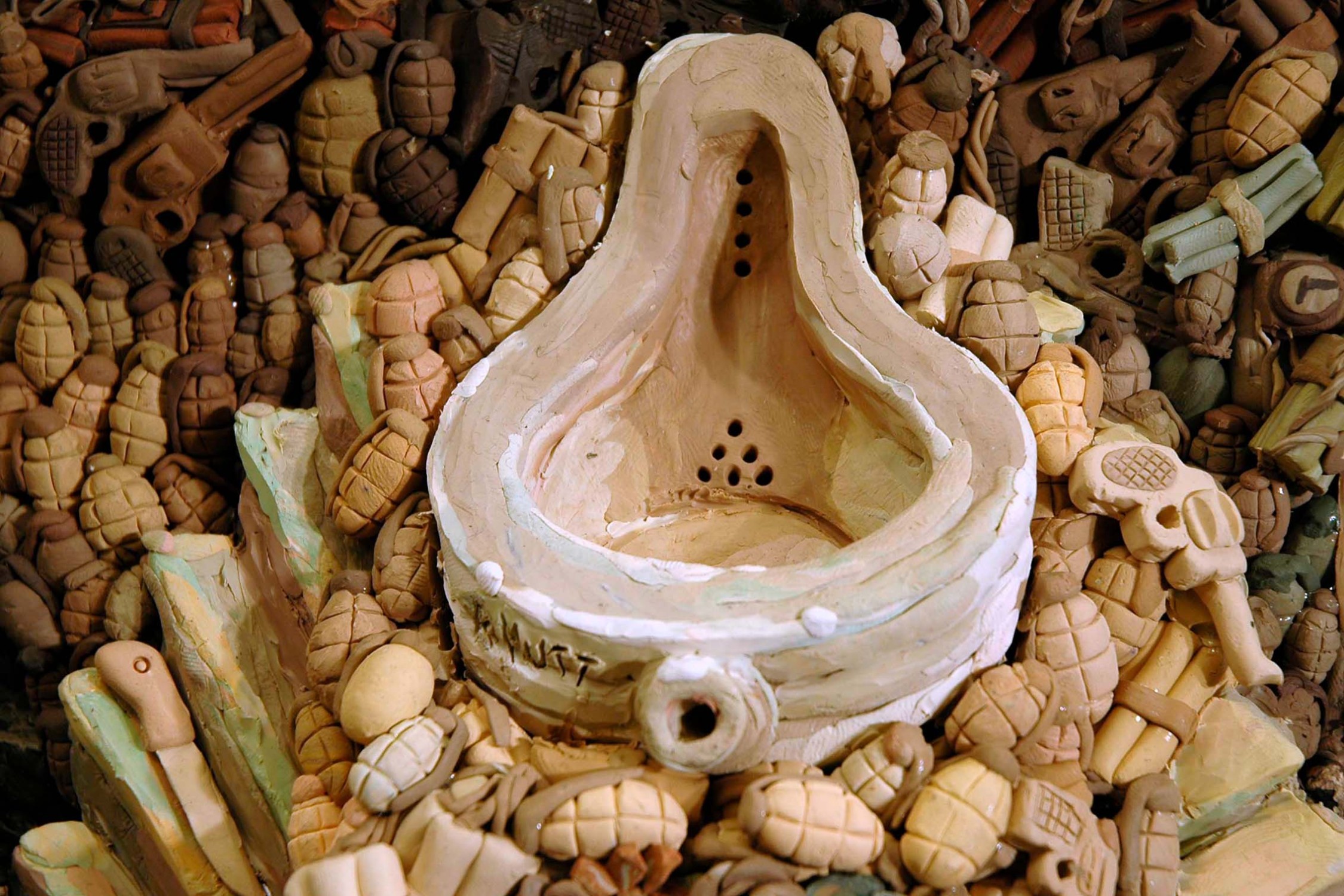
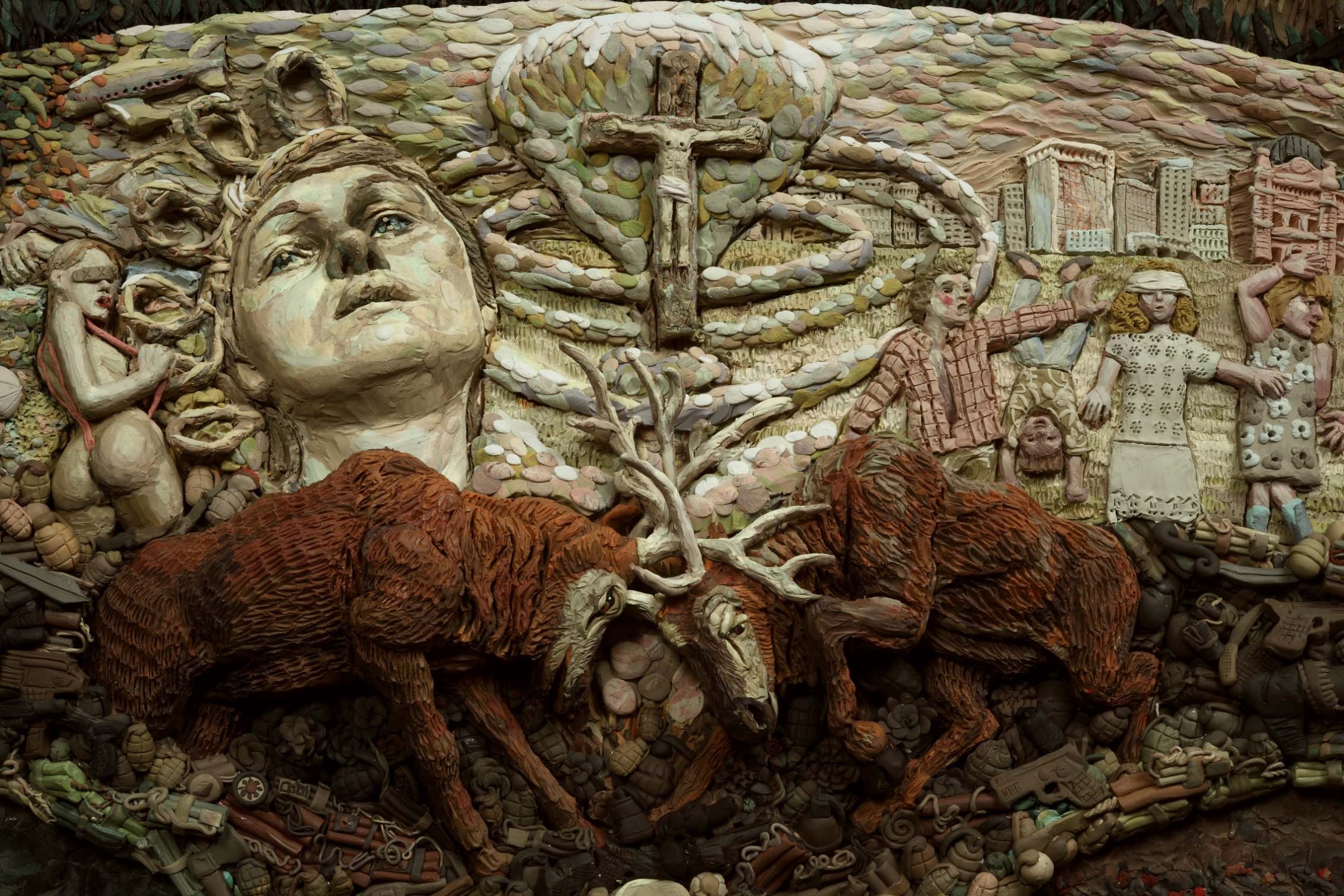
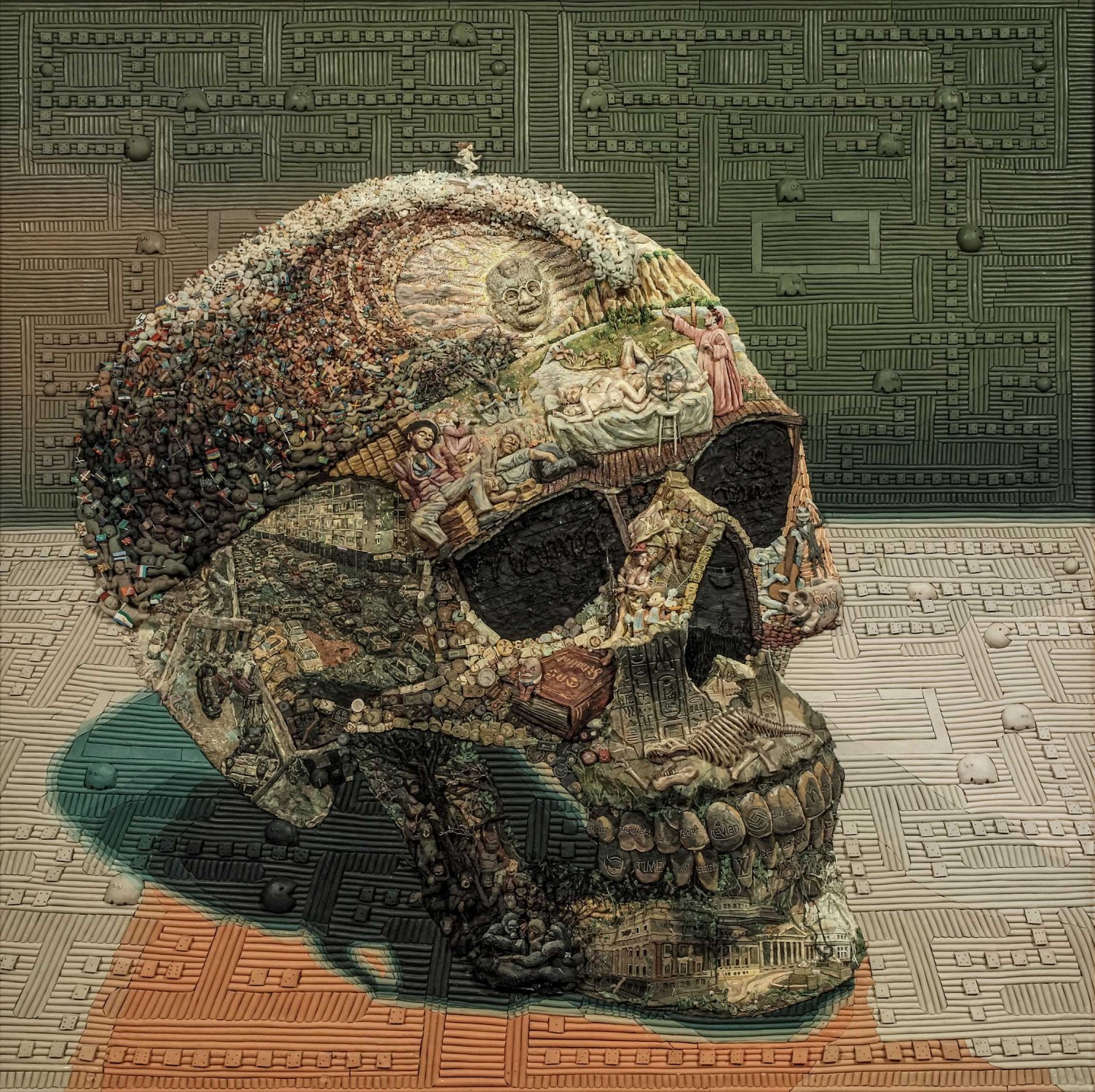
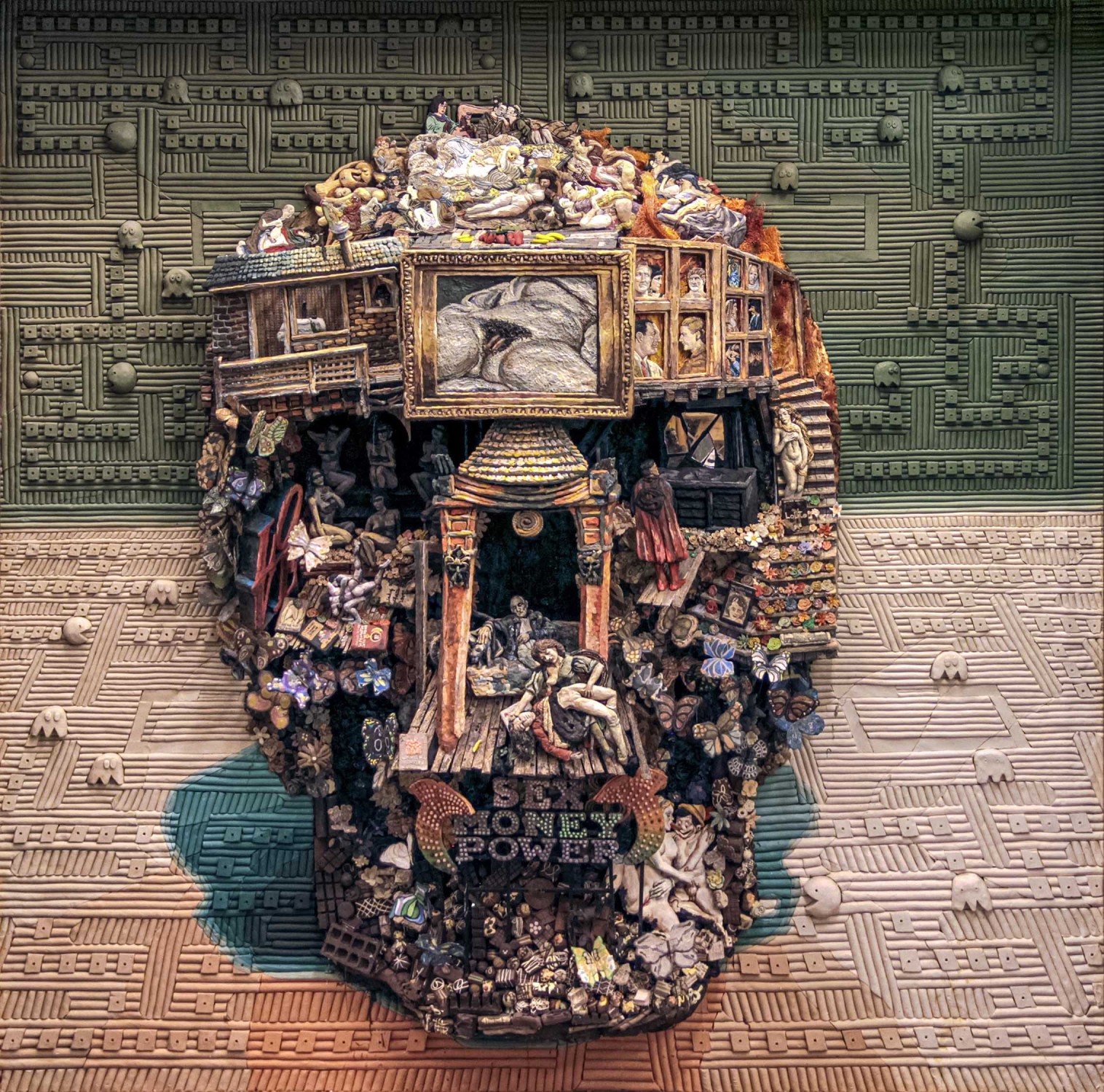
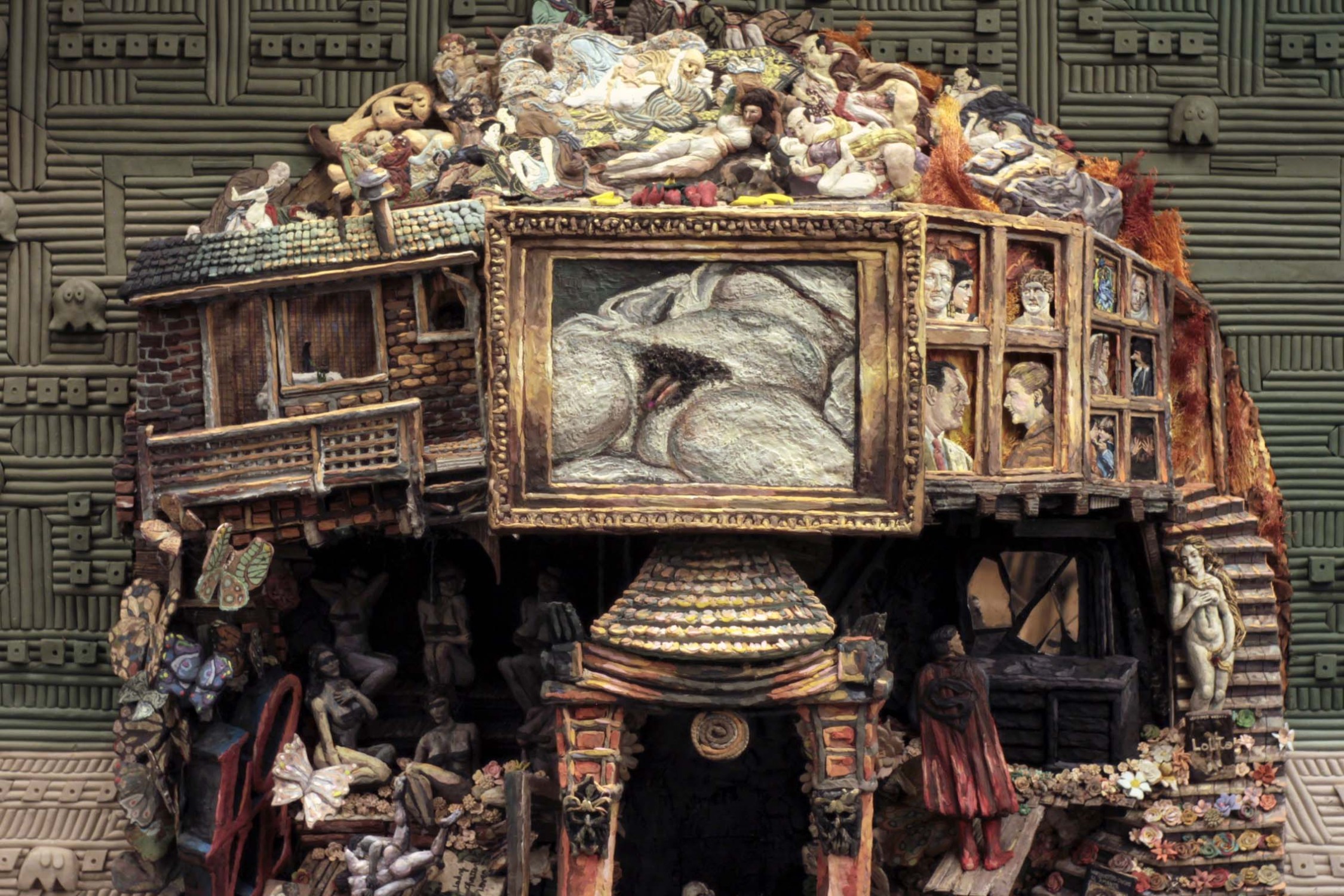
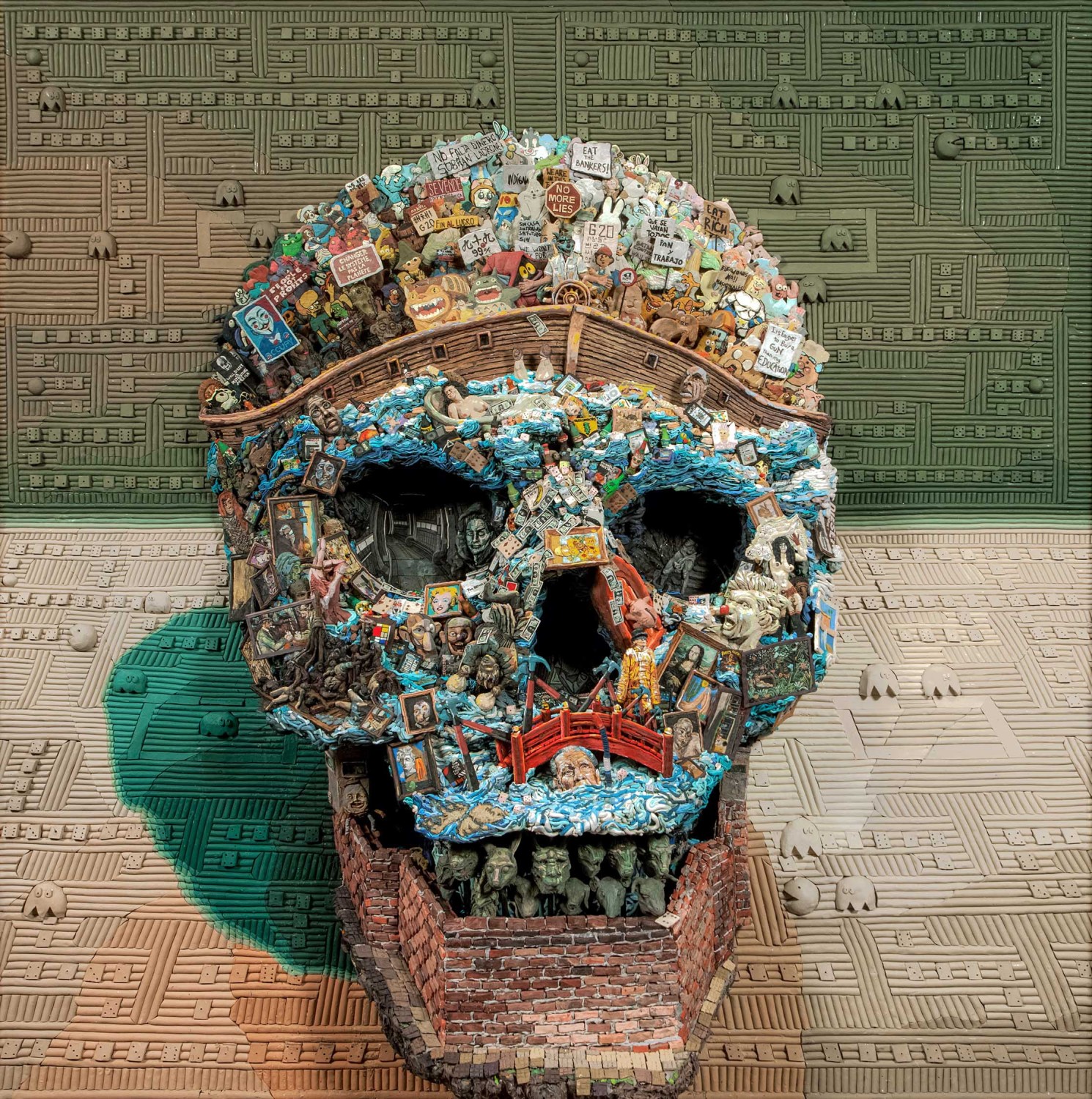
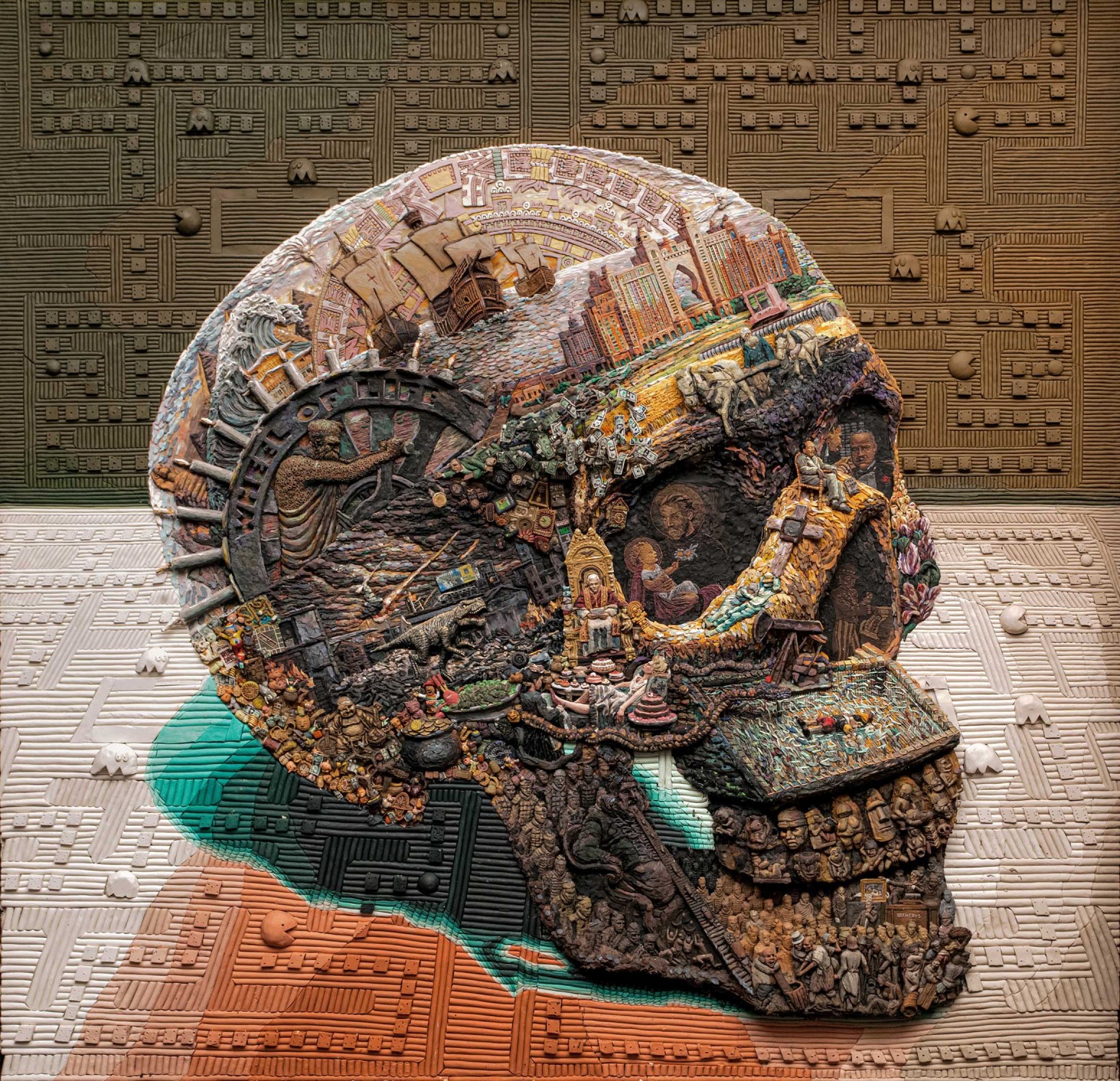
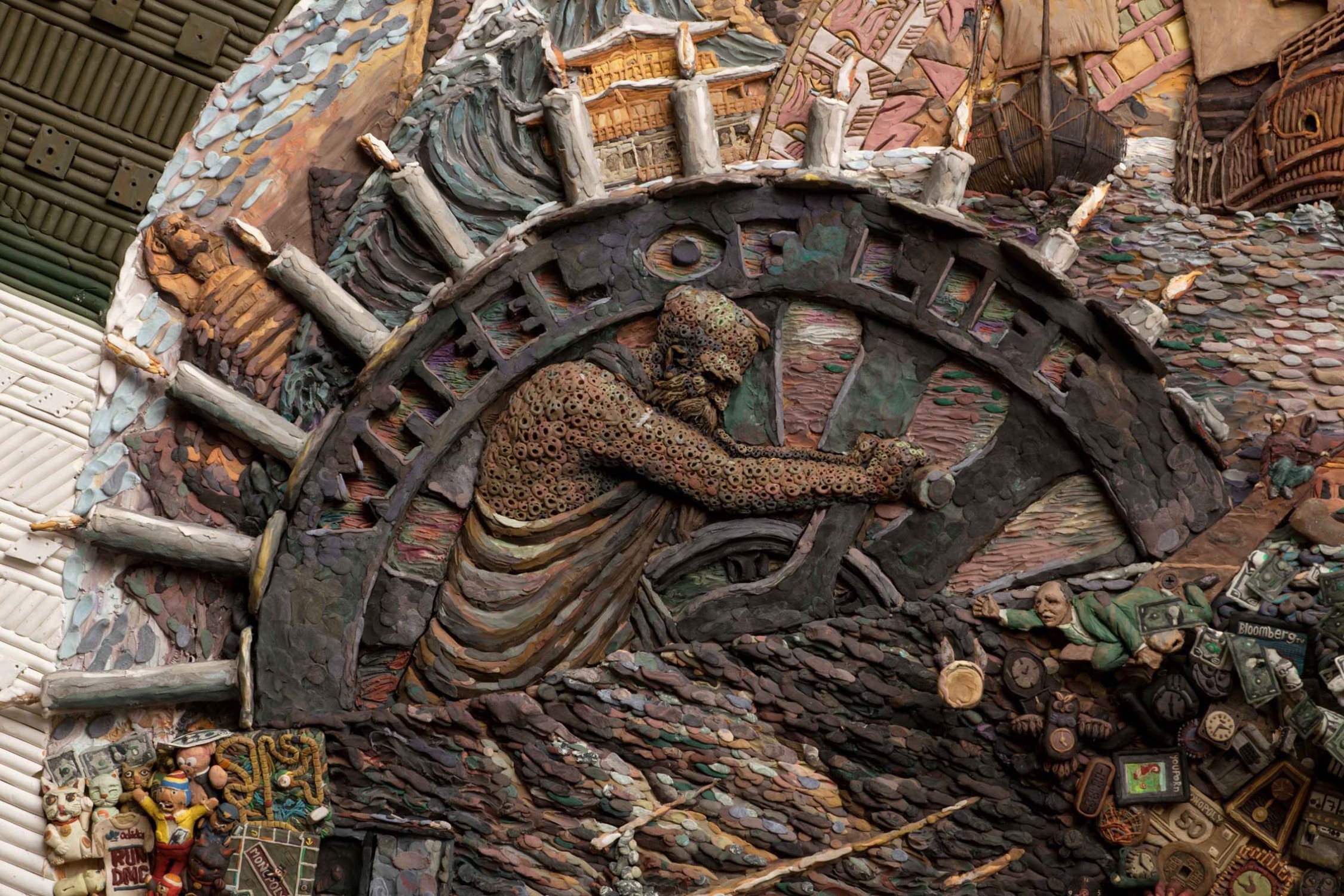
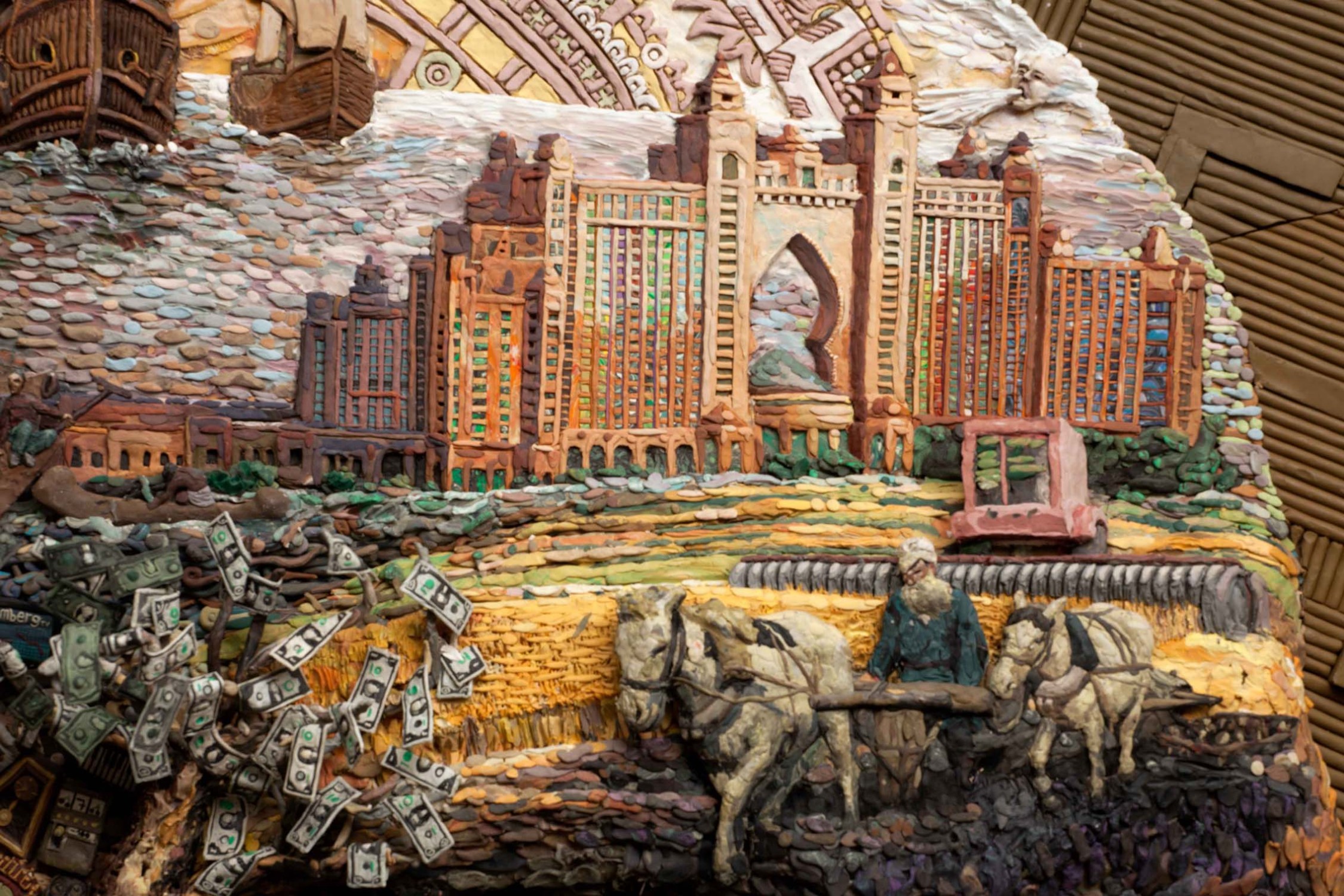
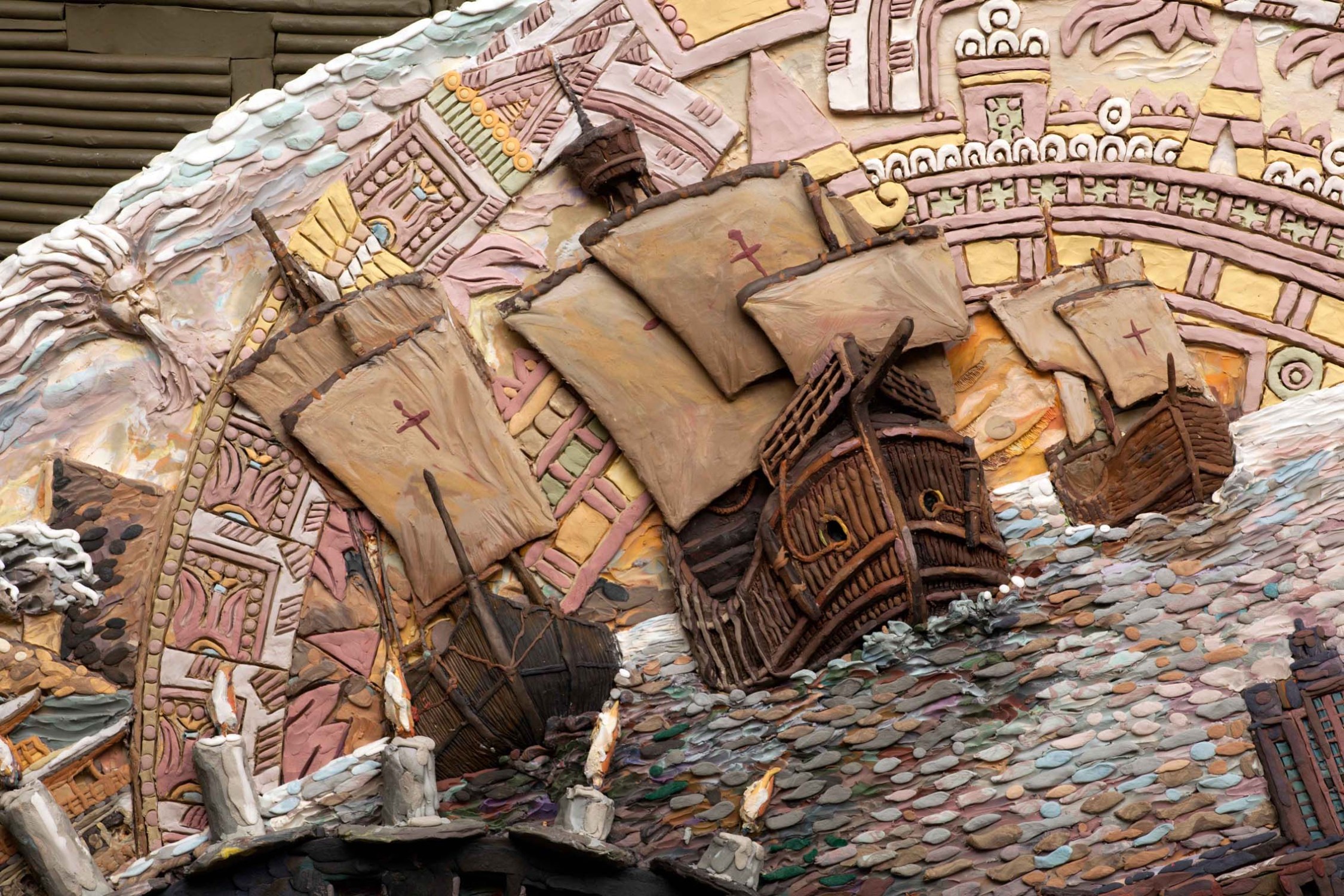
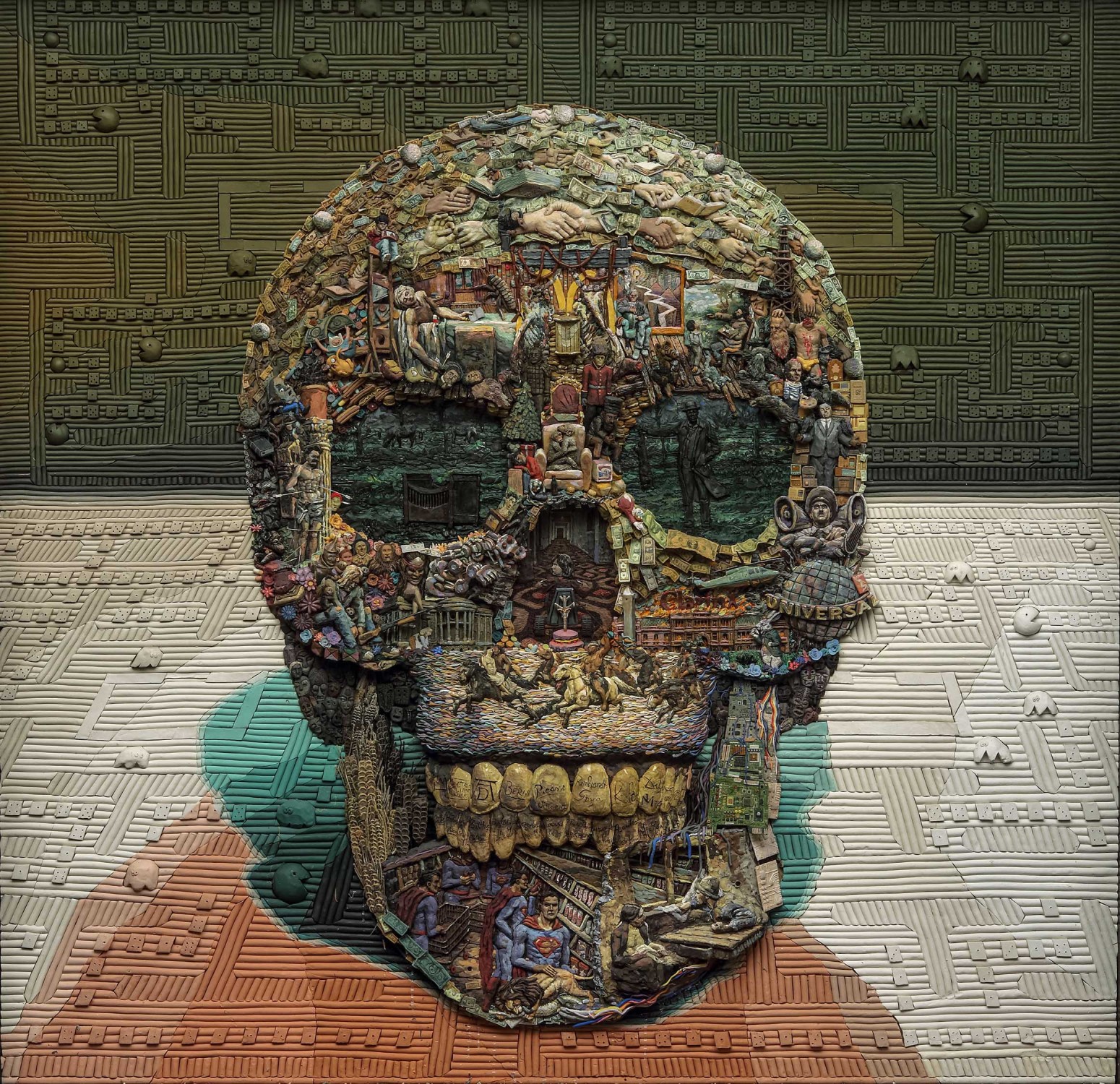
Skulls inevitably make us think of memento mori, and immediately lead us to reconsider the classic subject of death.
However in this day and age, in a world plagued by wars of greater or lesser intensity, by terrorism and mass killings; where one is exposed to the menacing culture of gratuitous violence that Haneke depicted in Funny Games, skulls would seem to represent, rather, a particular version of the contemporary psyche.
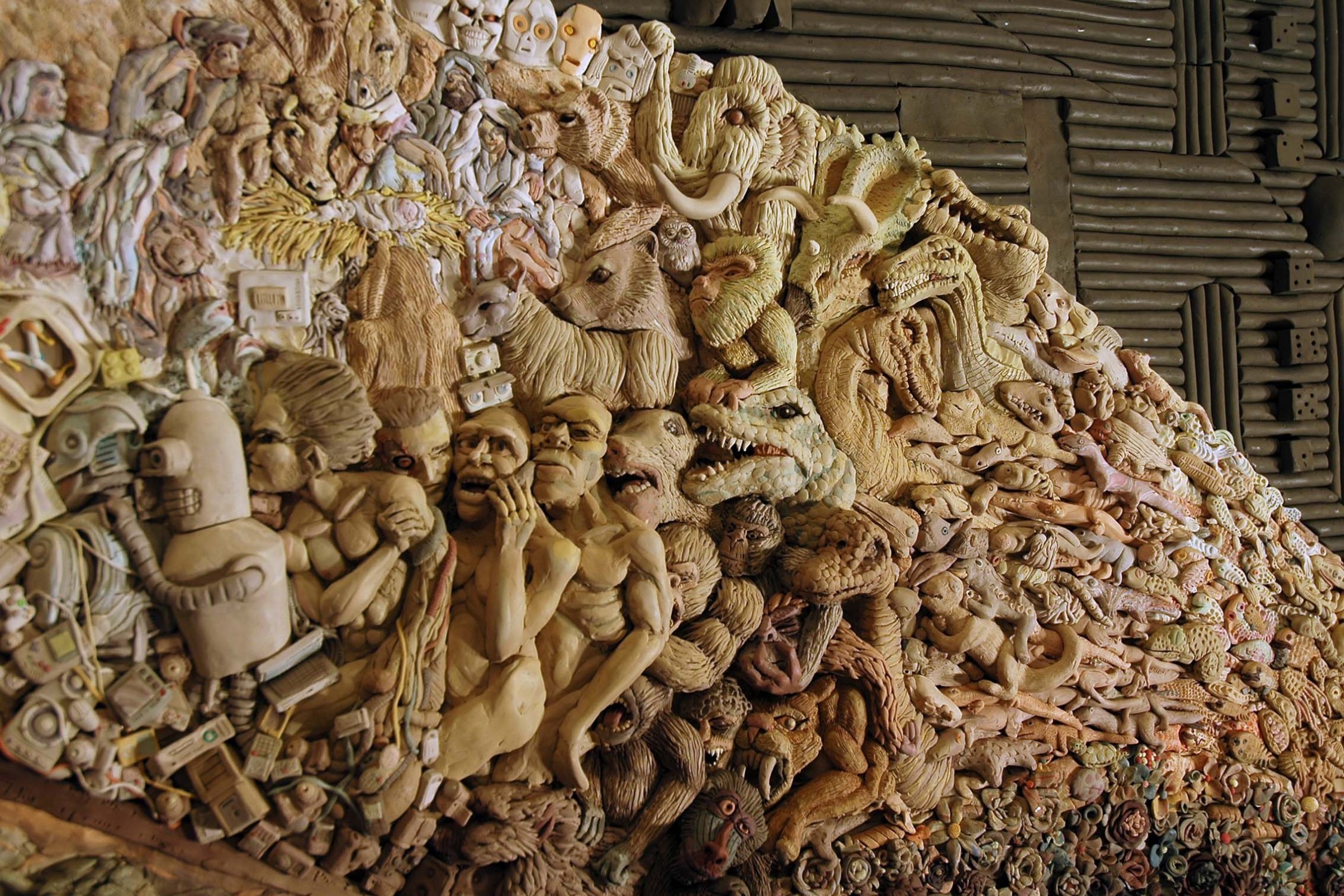
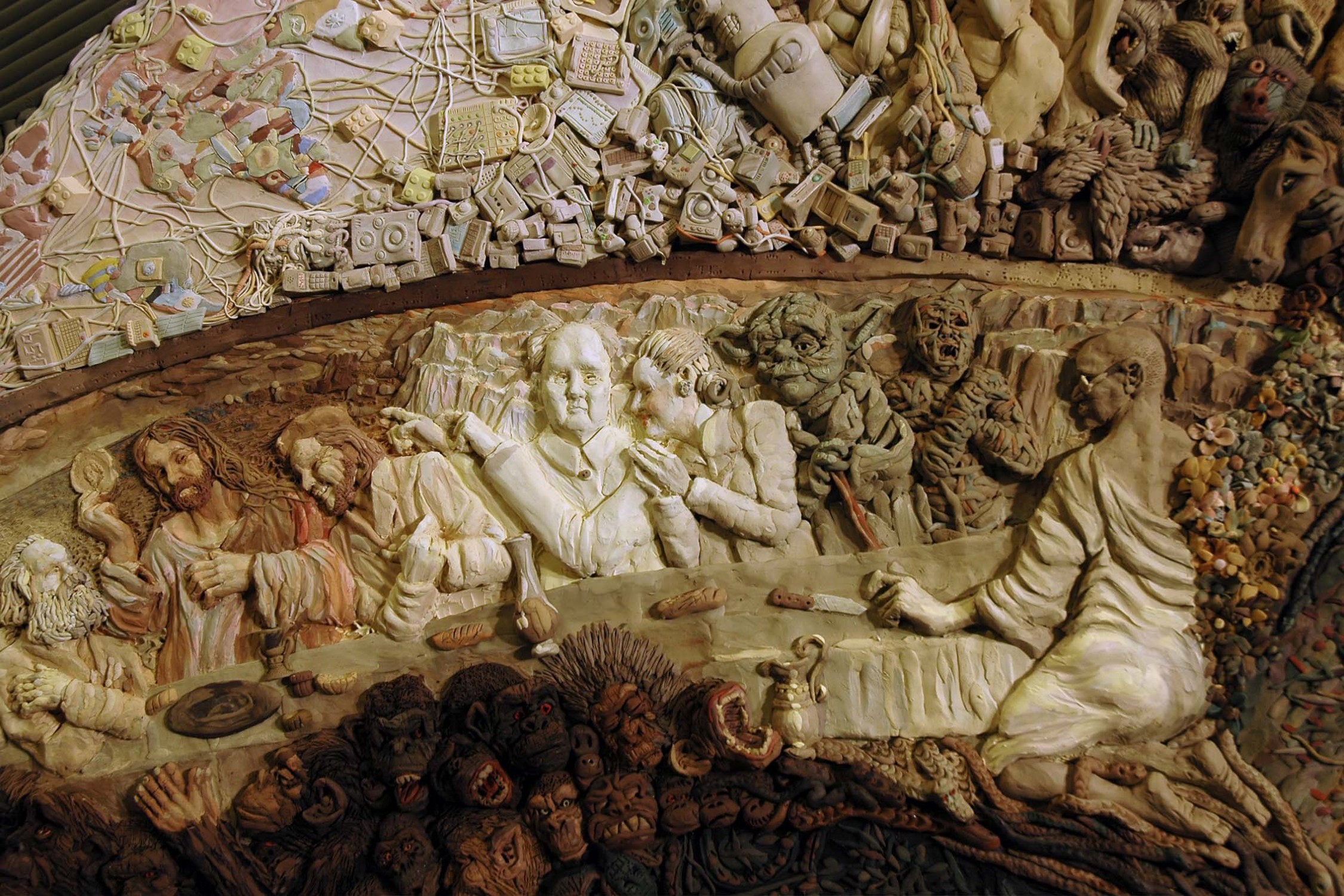
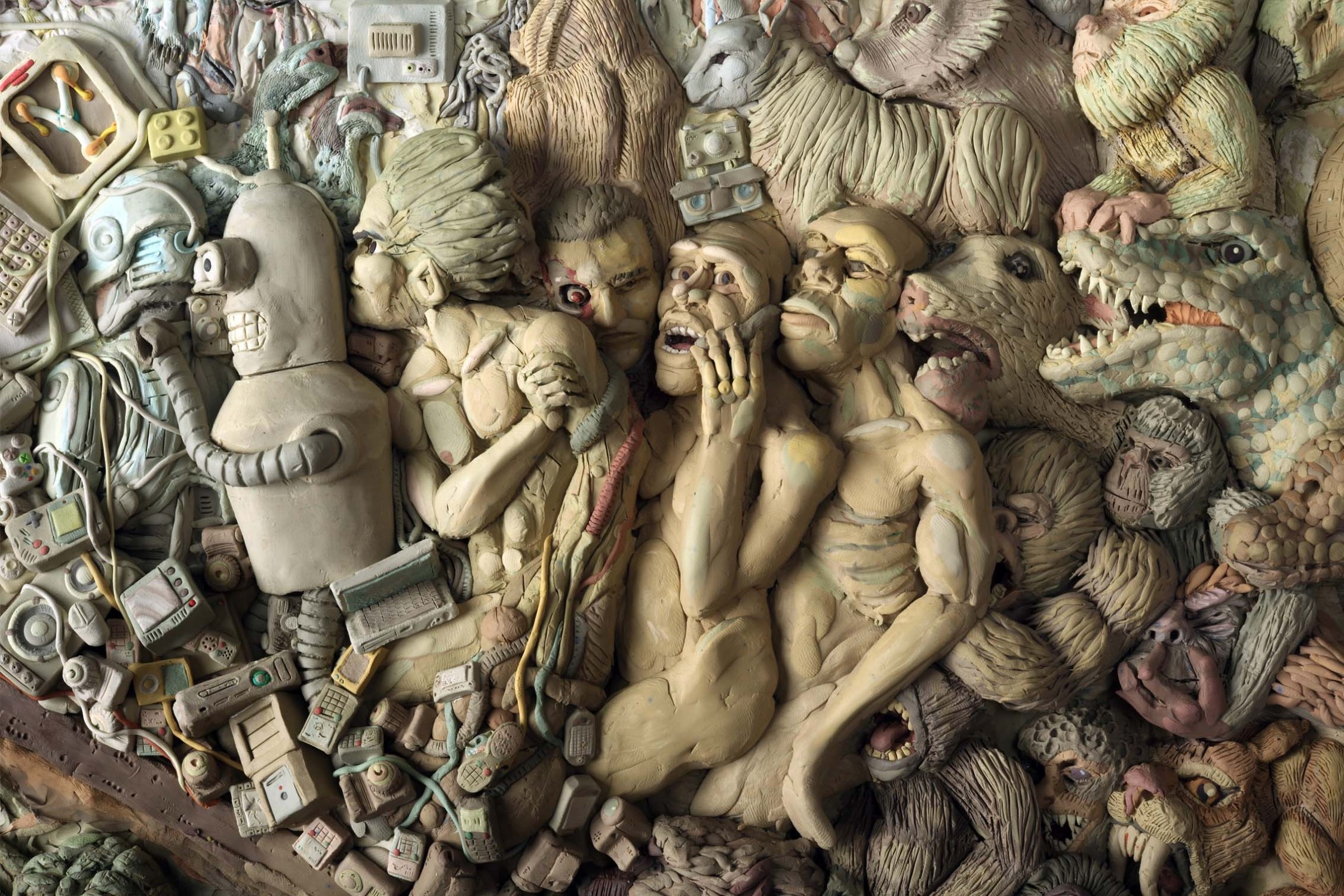
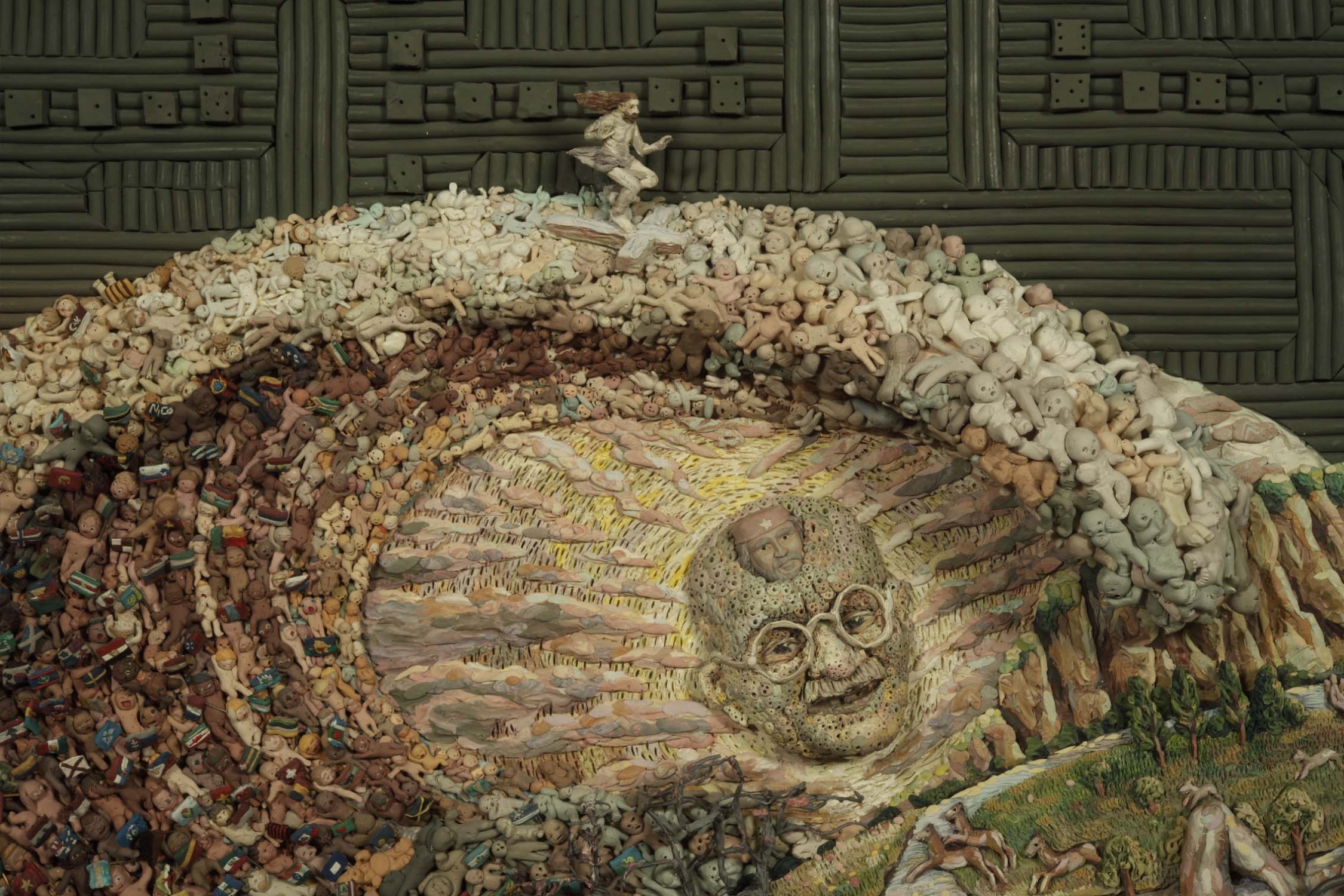
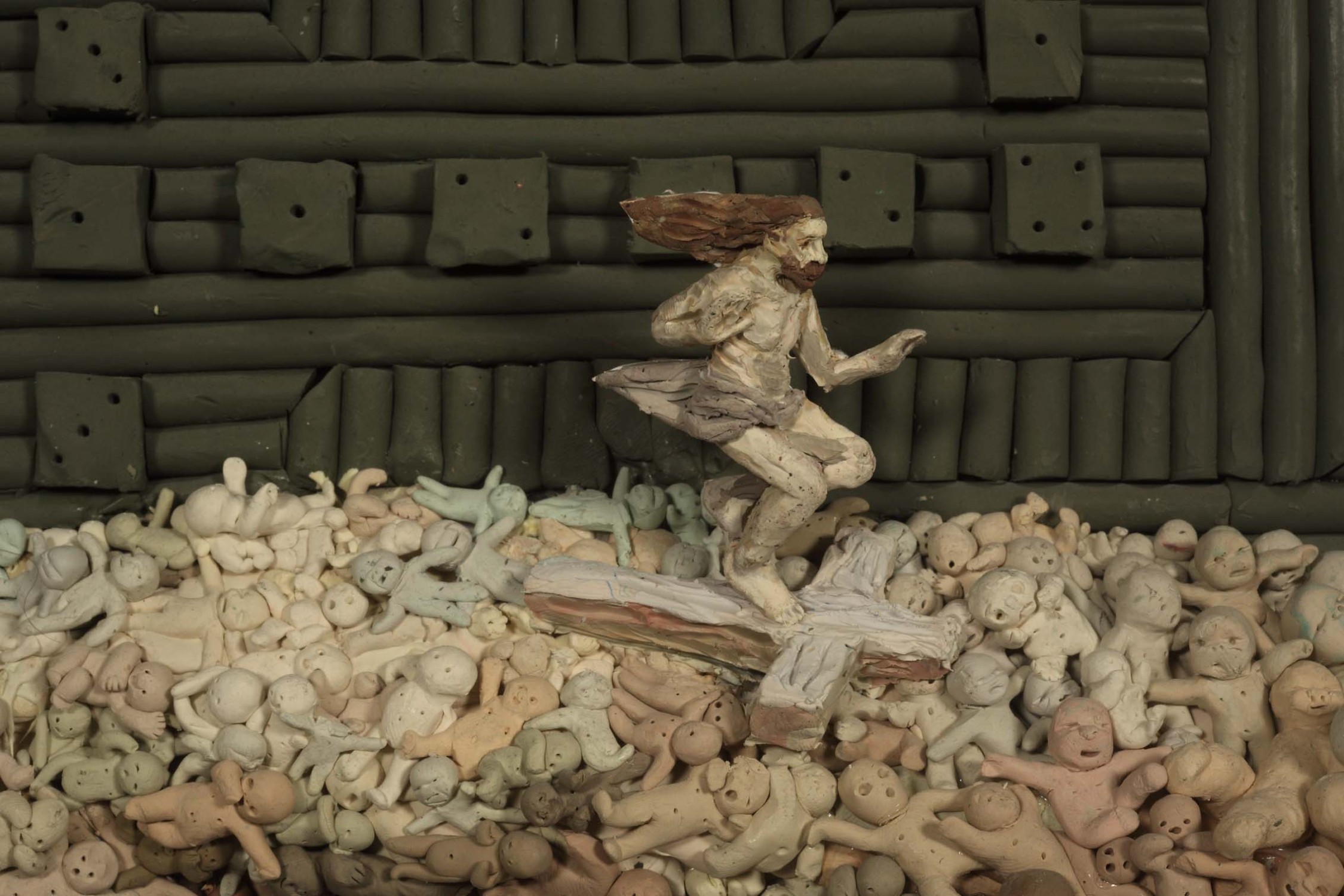
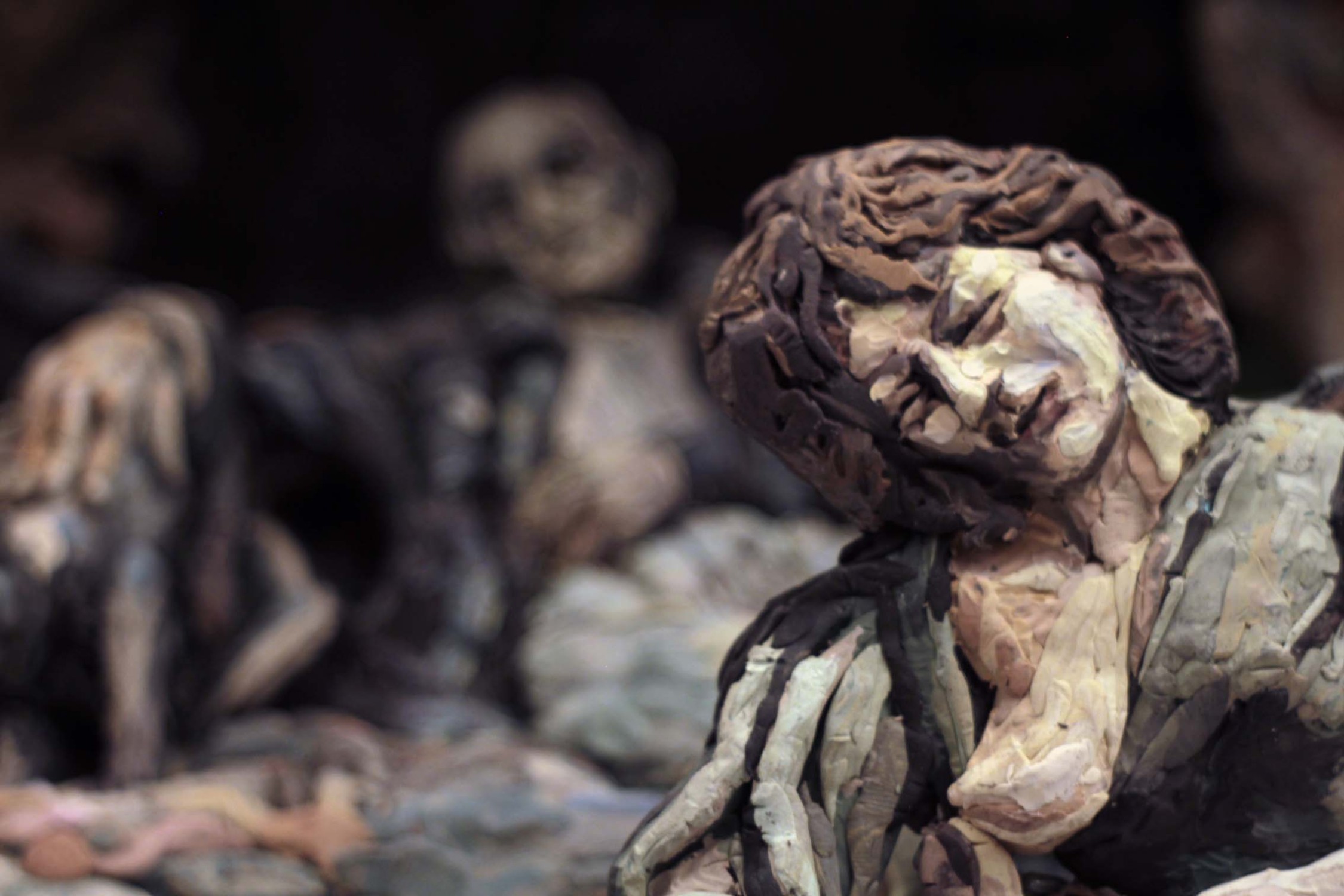
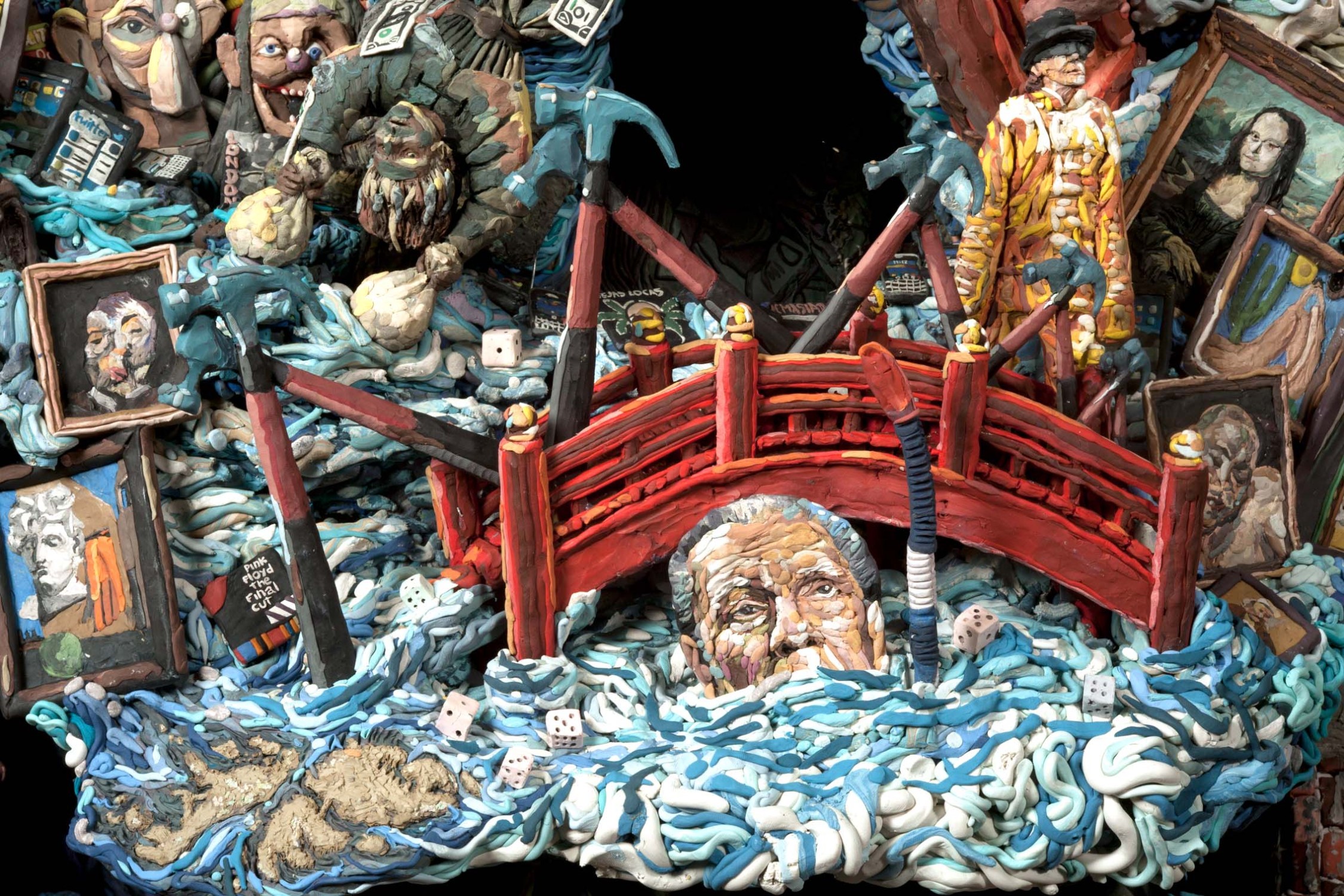
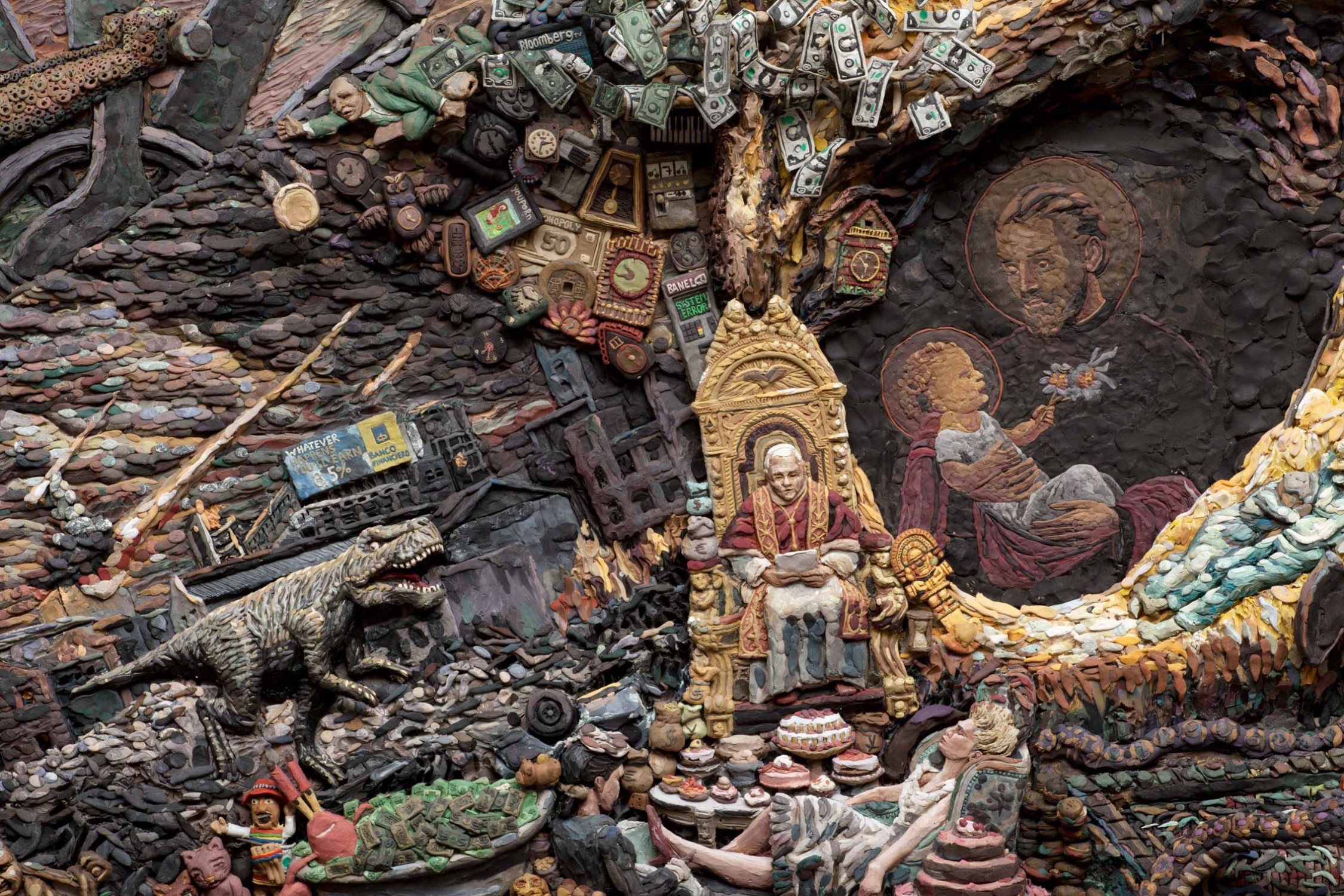
They are vast containers, lled to bursting, that we are always transporting with us to every harbor, in which we pile all the garbage that we’ve managed to accumulate over a lifetime. They are sad and banal images of an overdose of information, but at the same time they are very funny, and everything is crowded together without rhyme or reason. Each one of us carries our own skull; some are no more than senseless accumulations of chosen or random things; some are intellectual, while others are emotional, egocentric X-rays; still others are open and generous; all are self-portraits.
—Kevin Power, [AÑO?]
THE LANDSCAPES
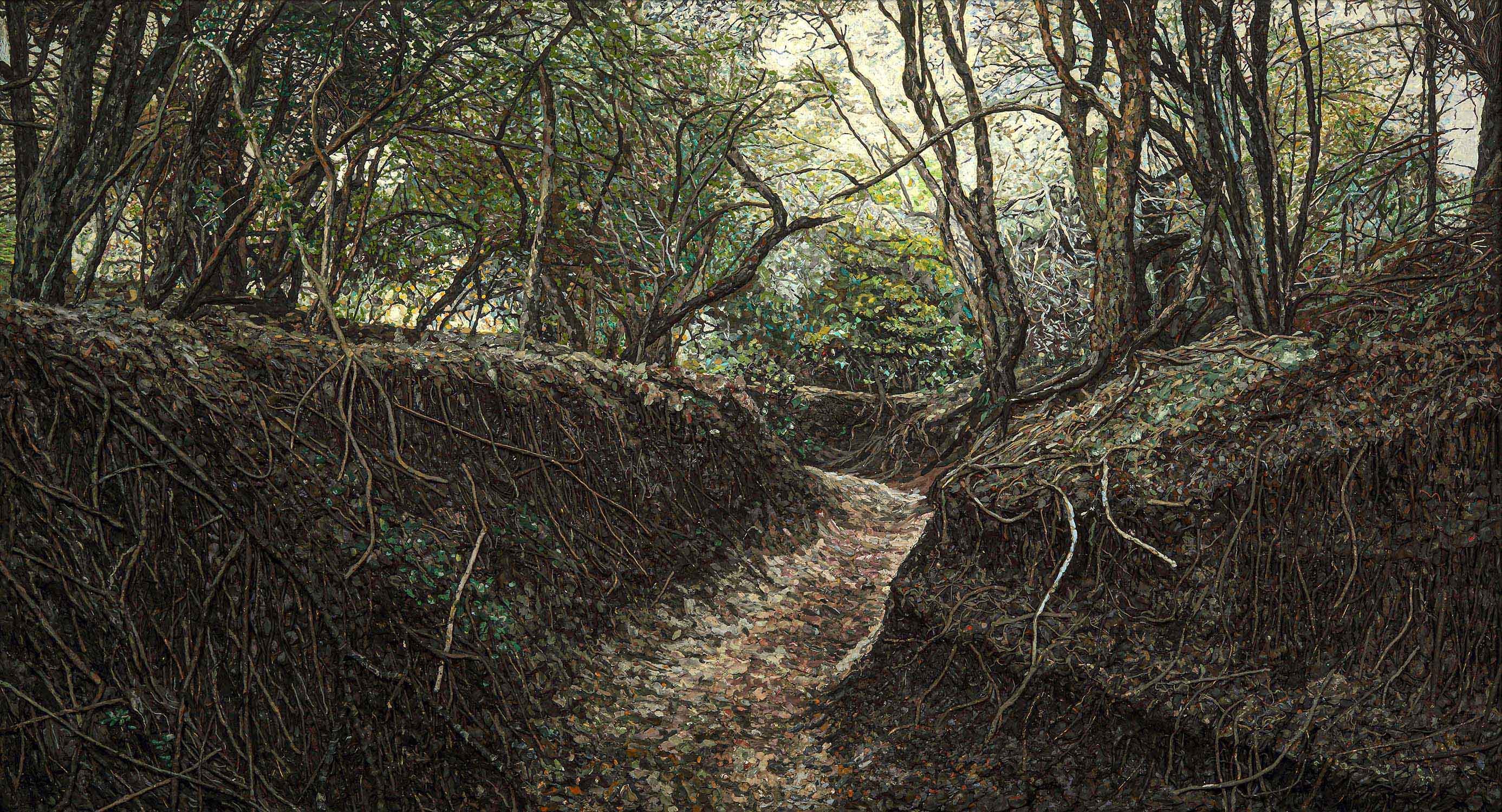
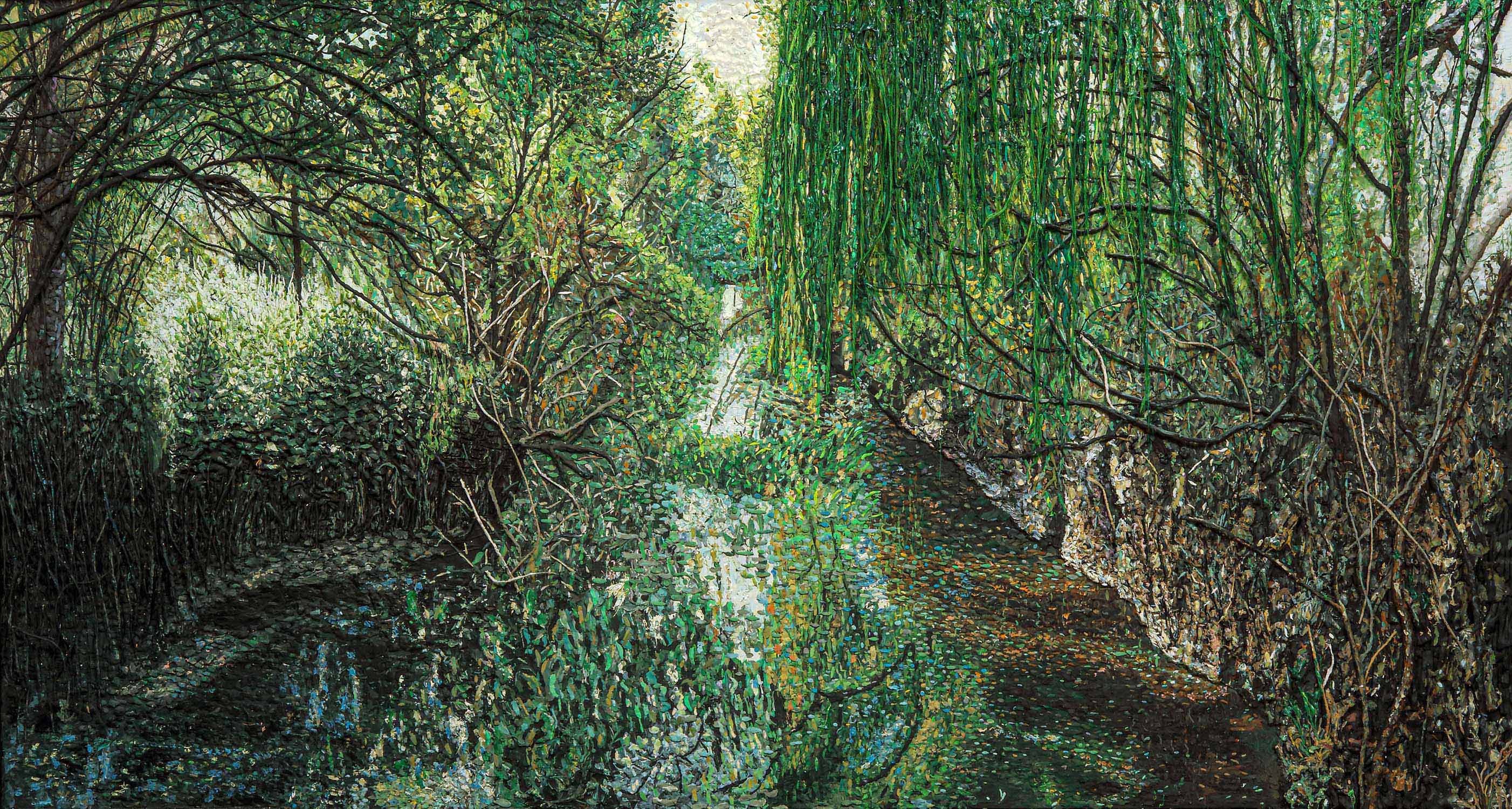
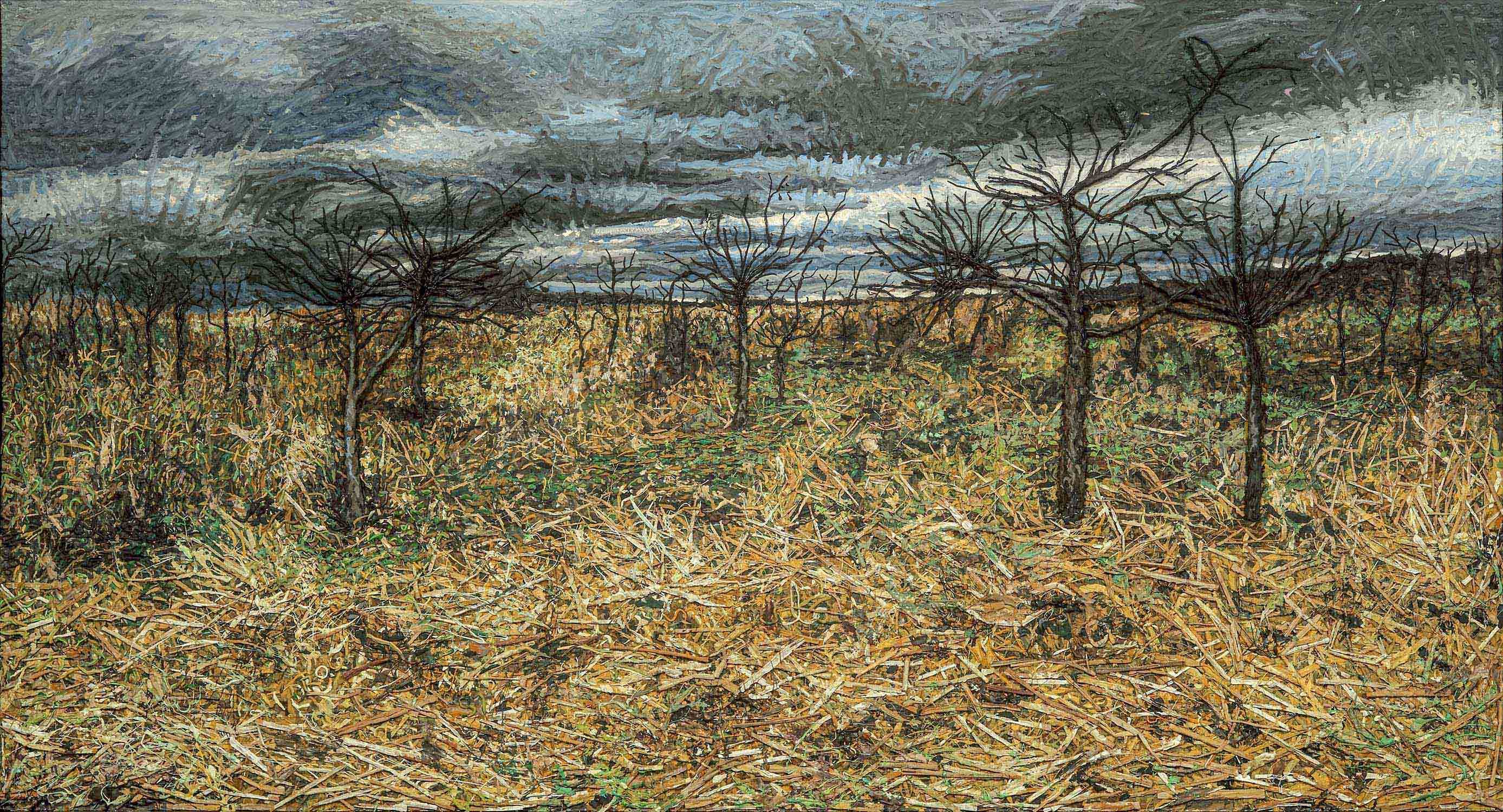
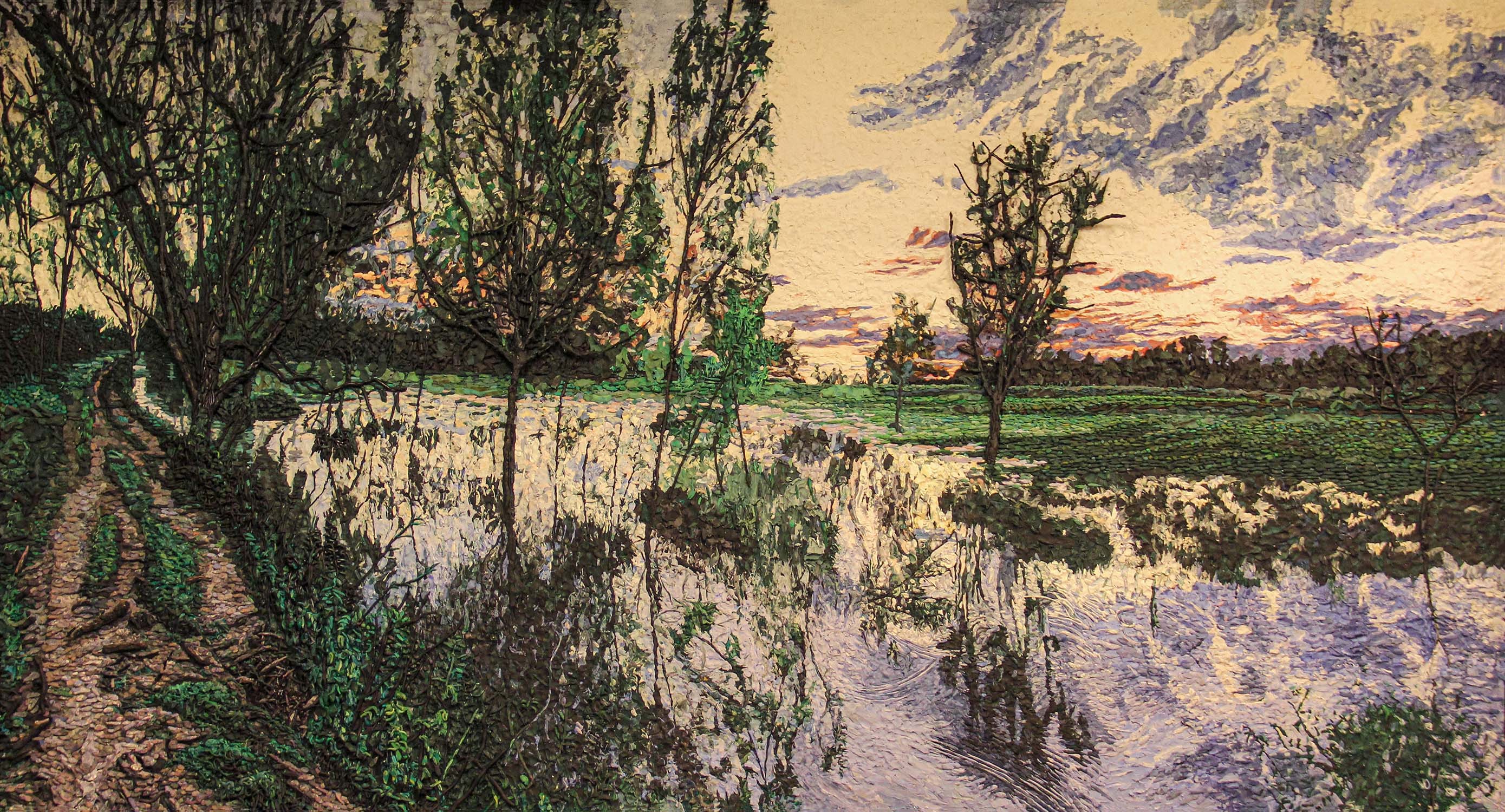
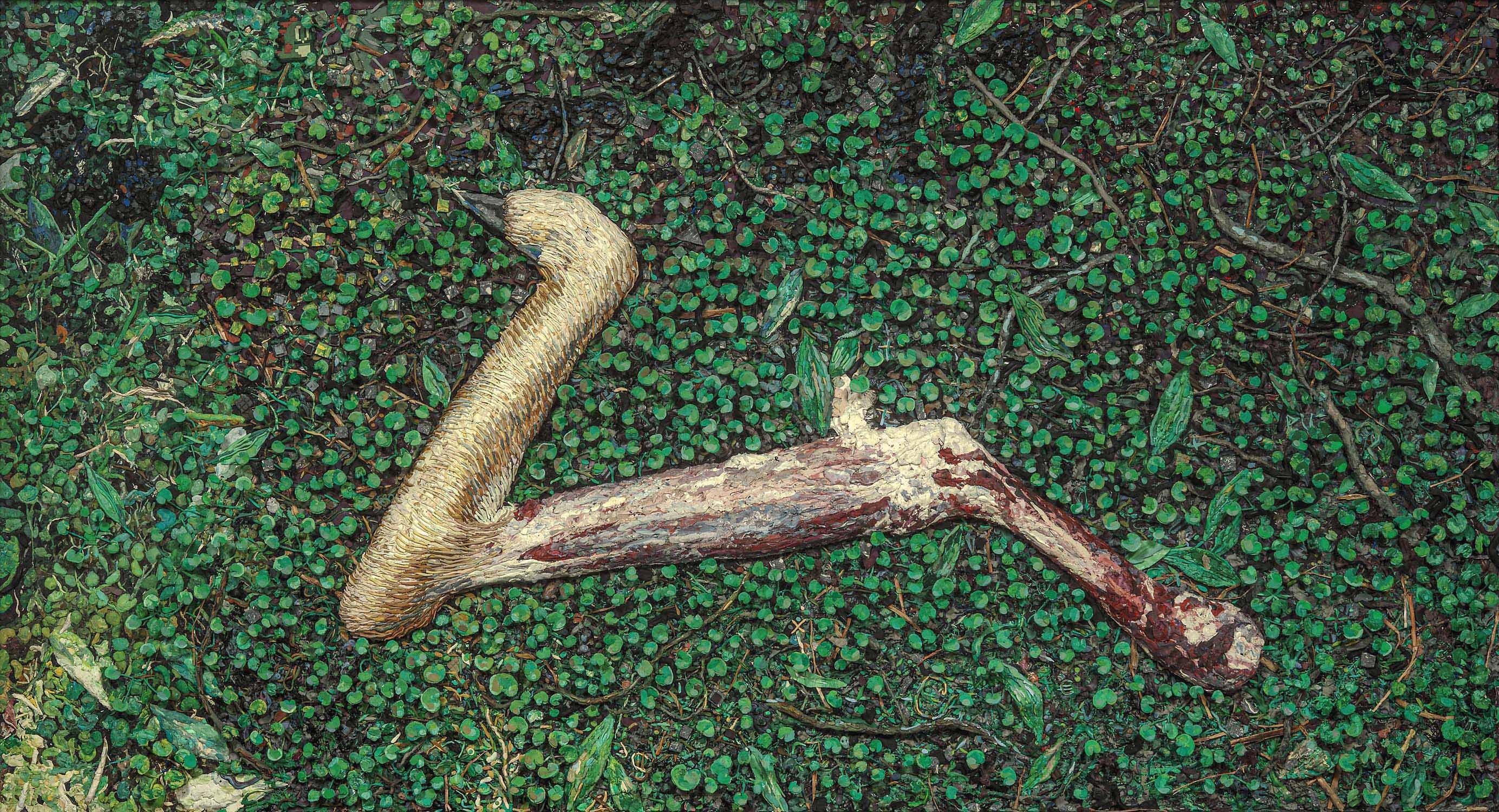
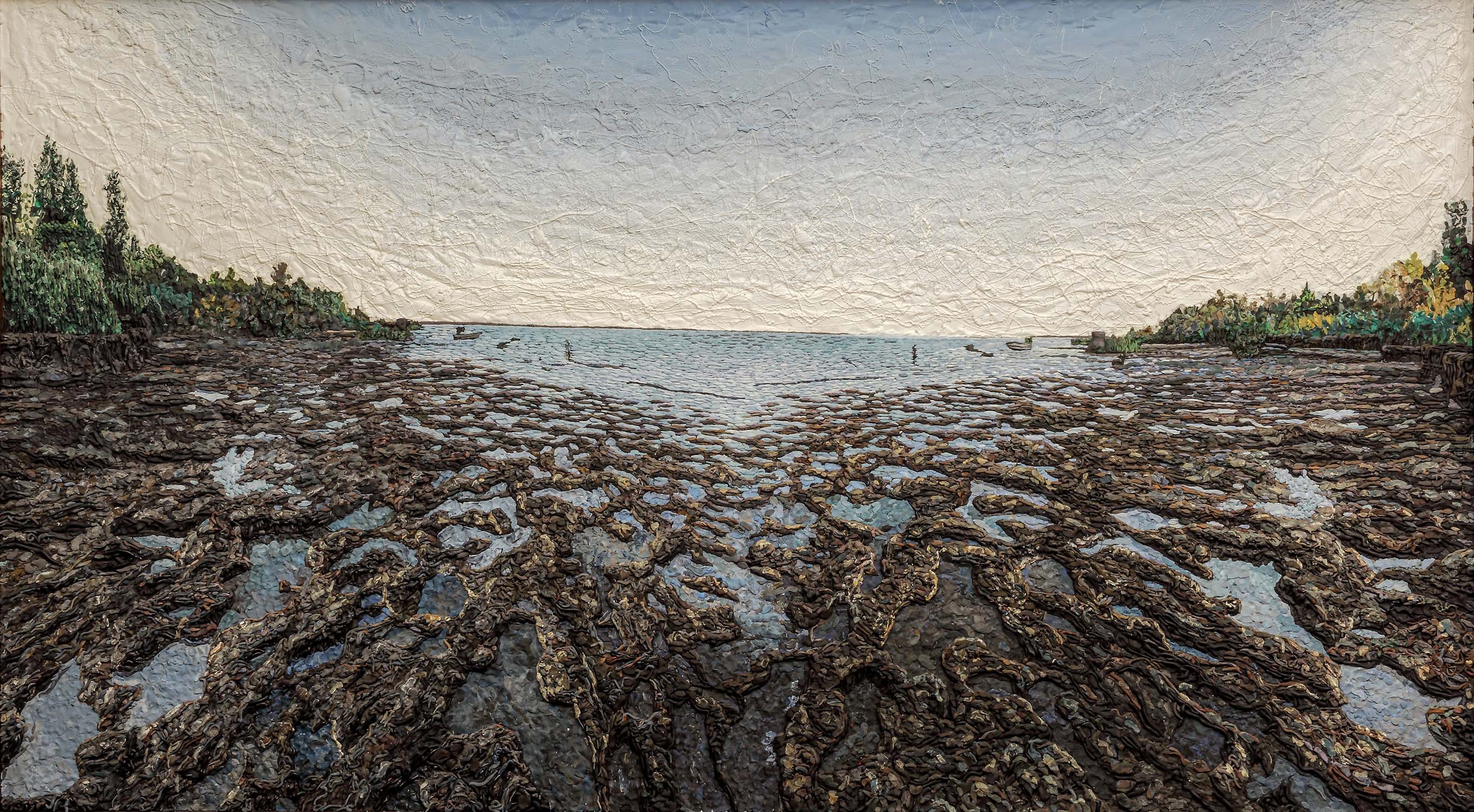
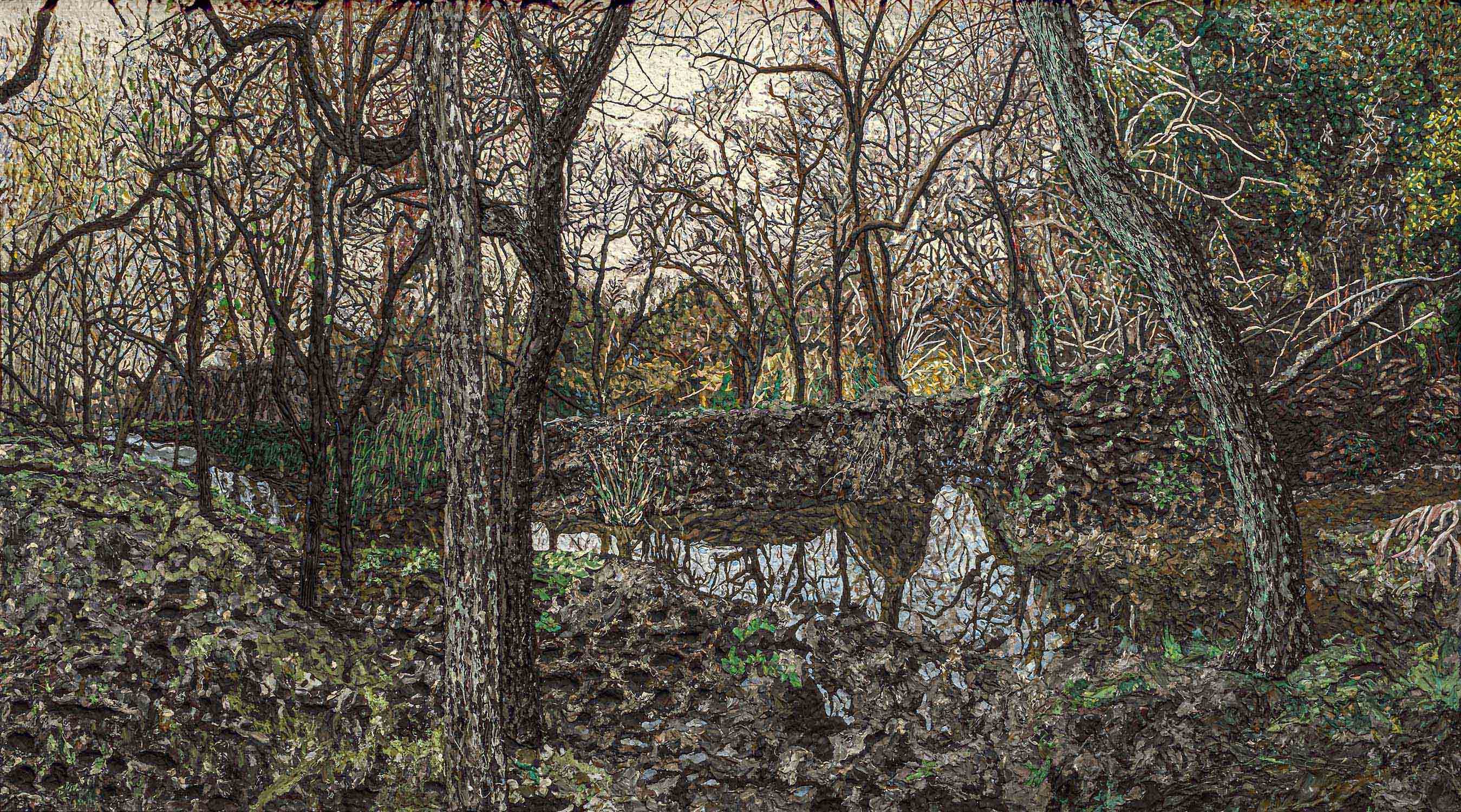
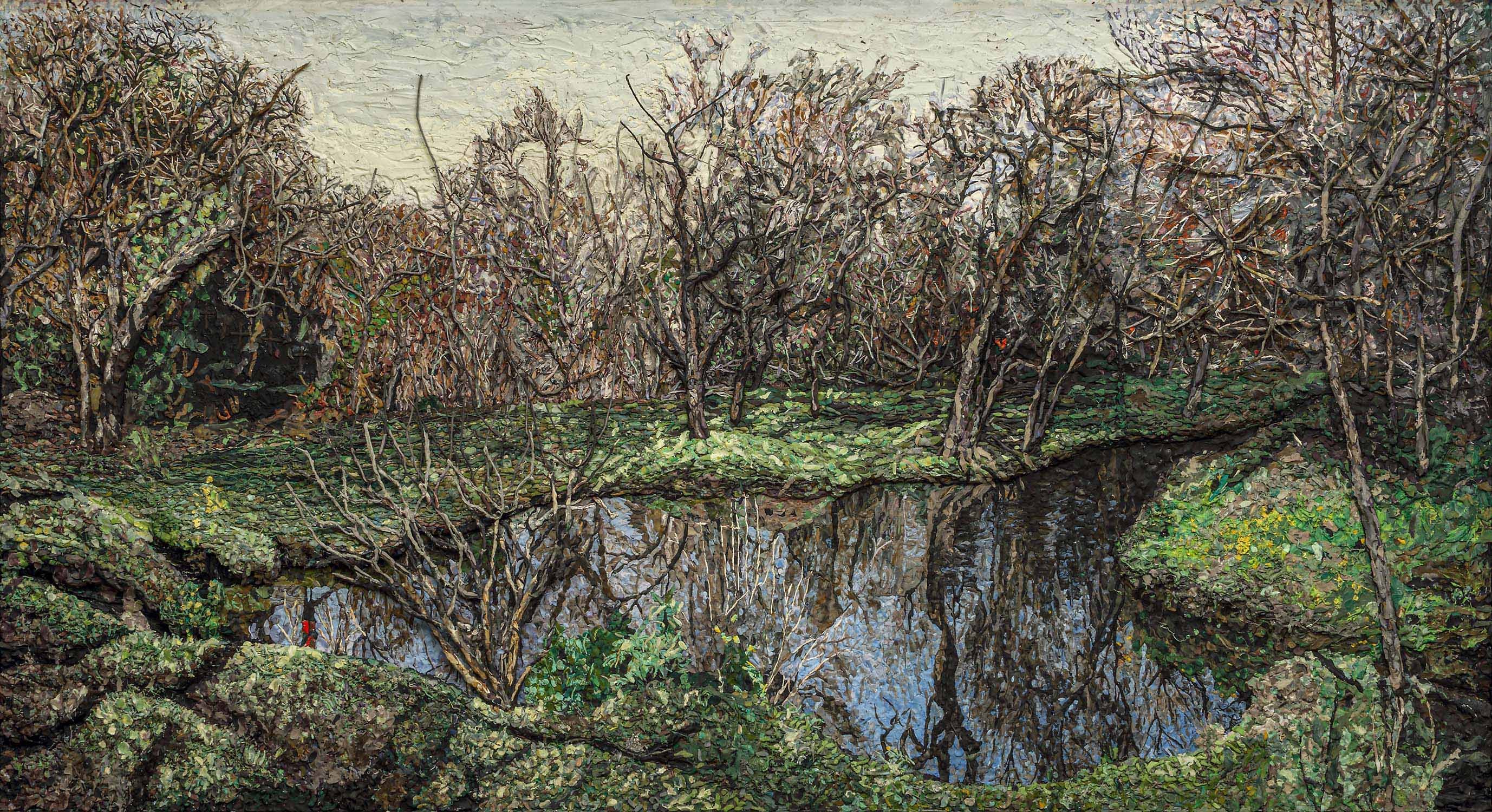
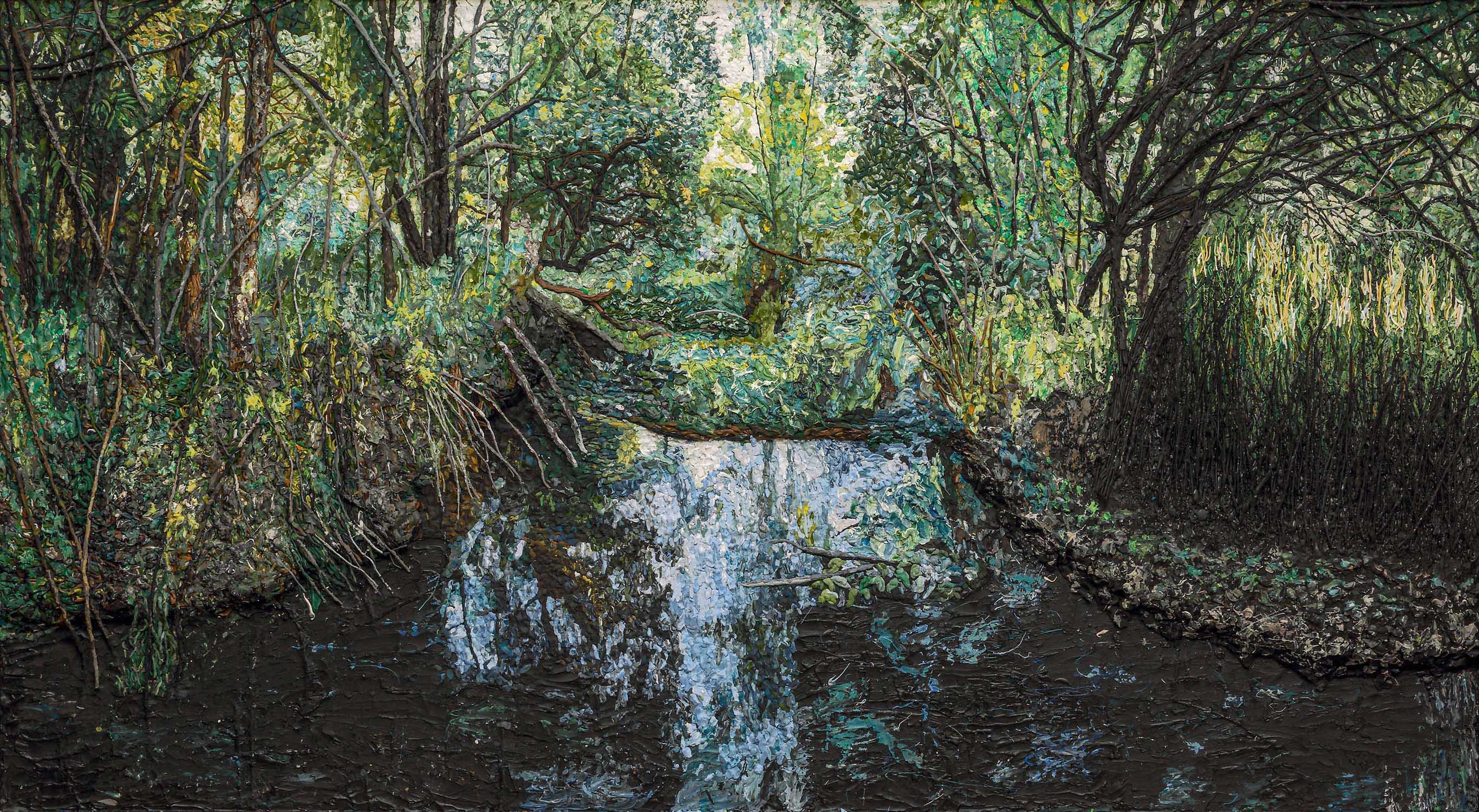
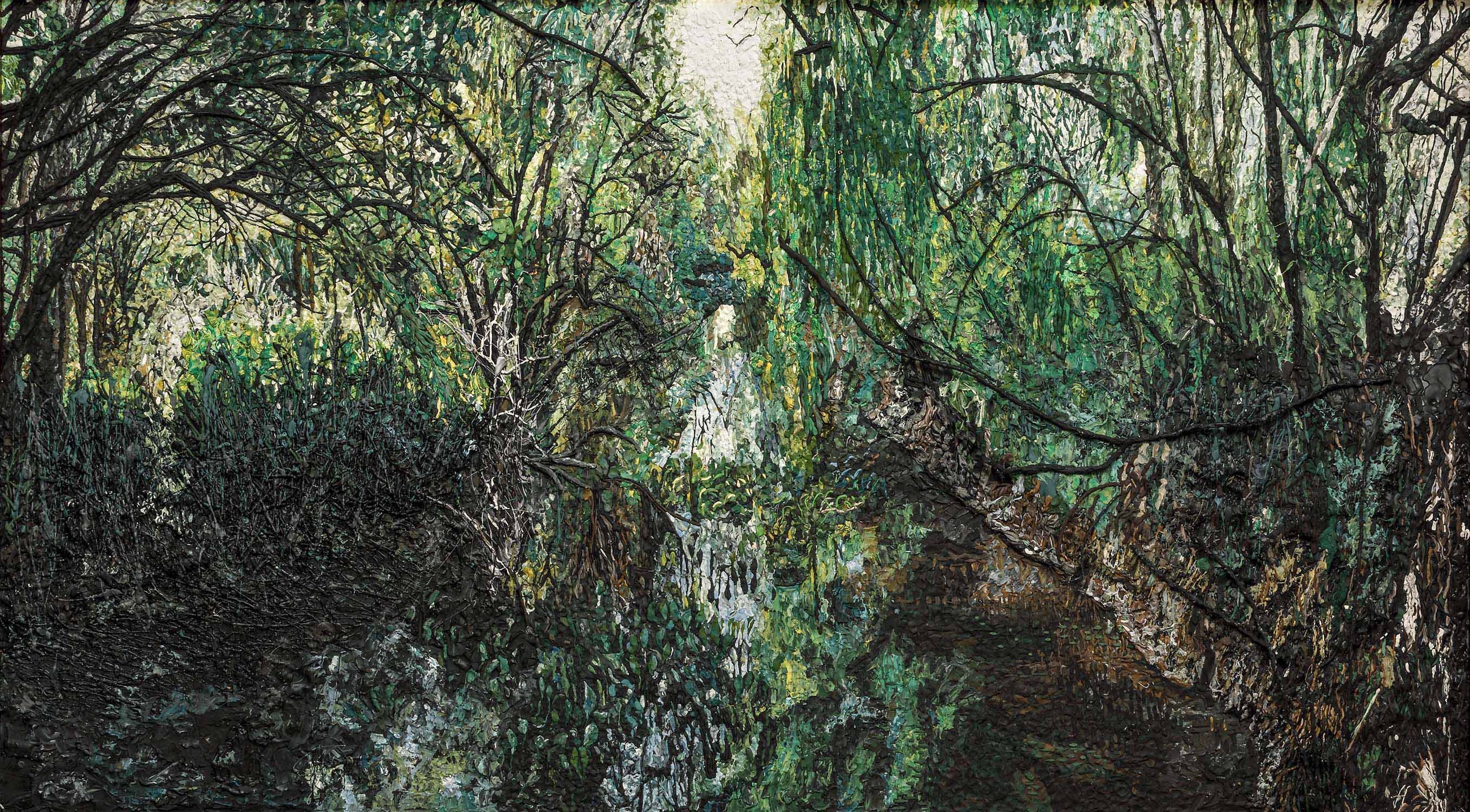
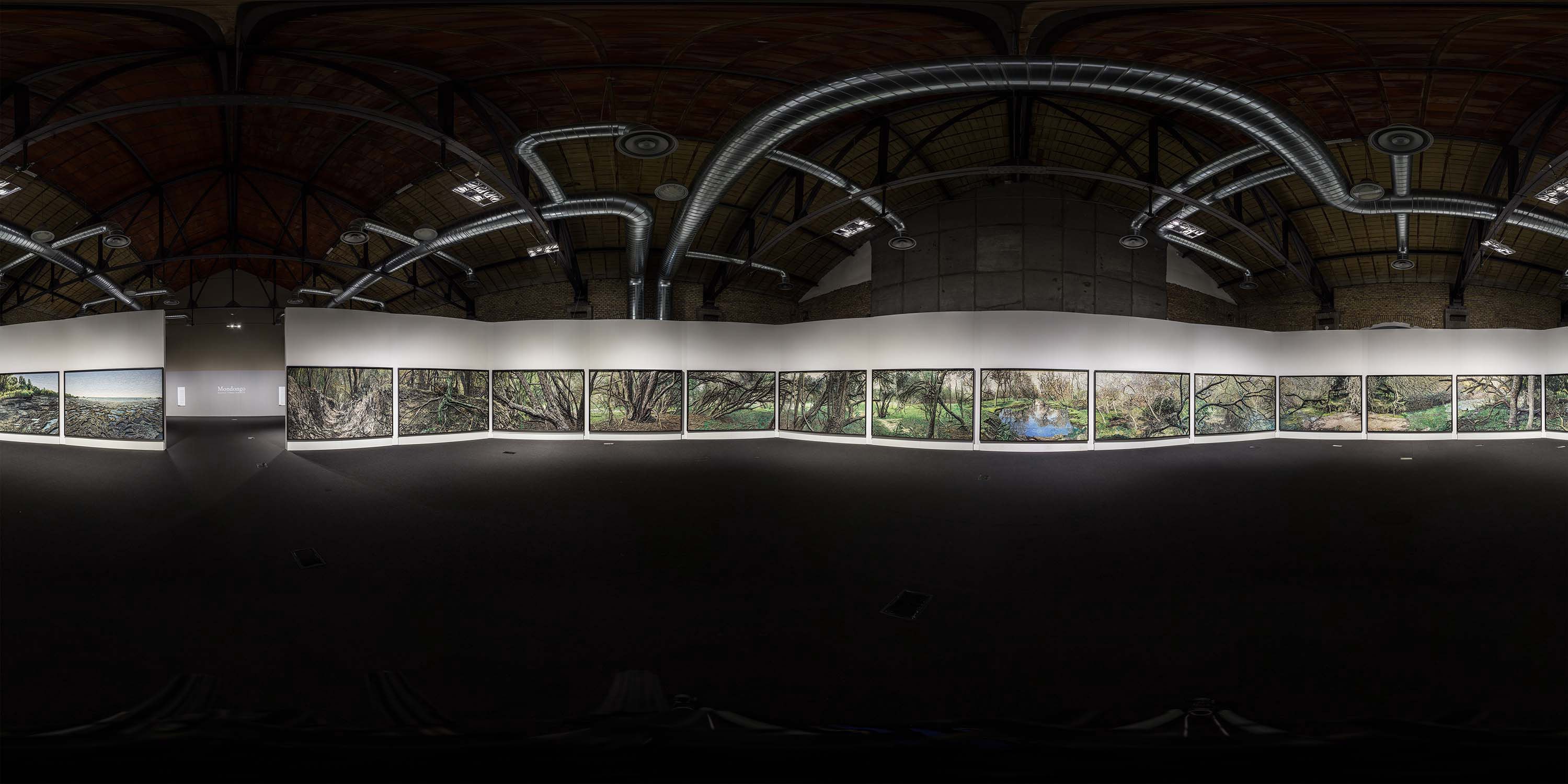
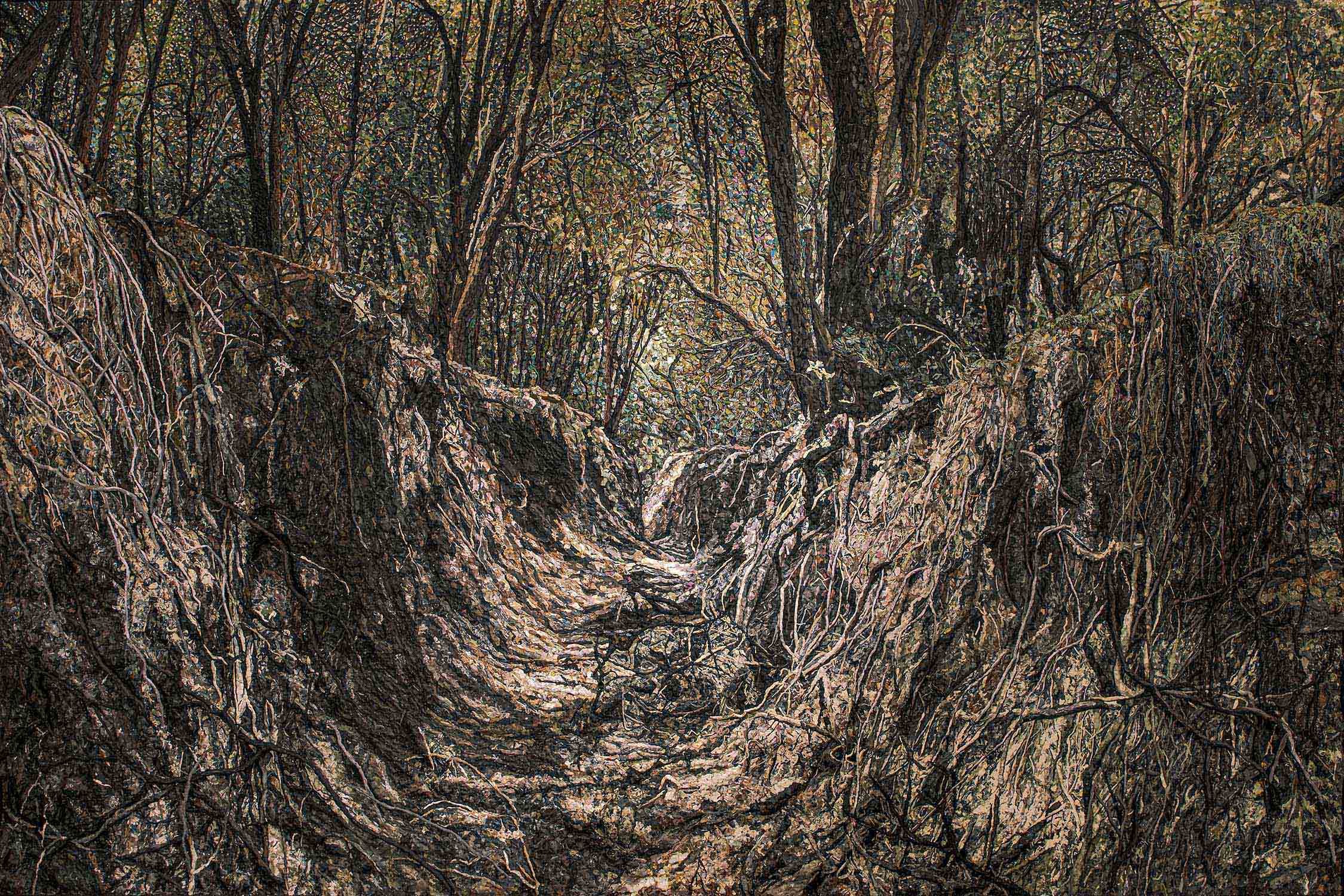
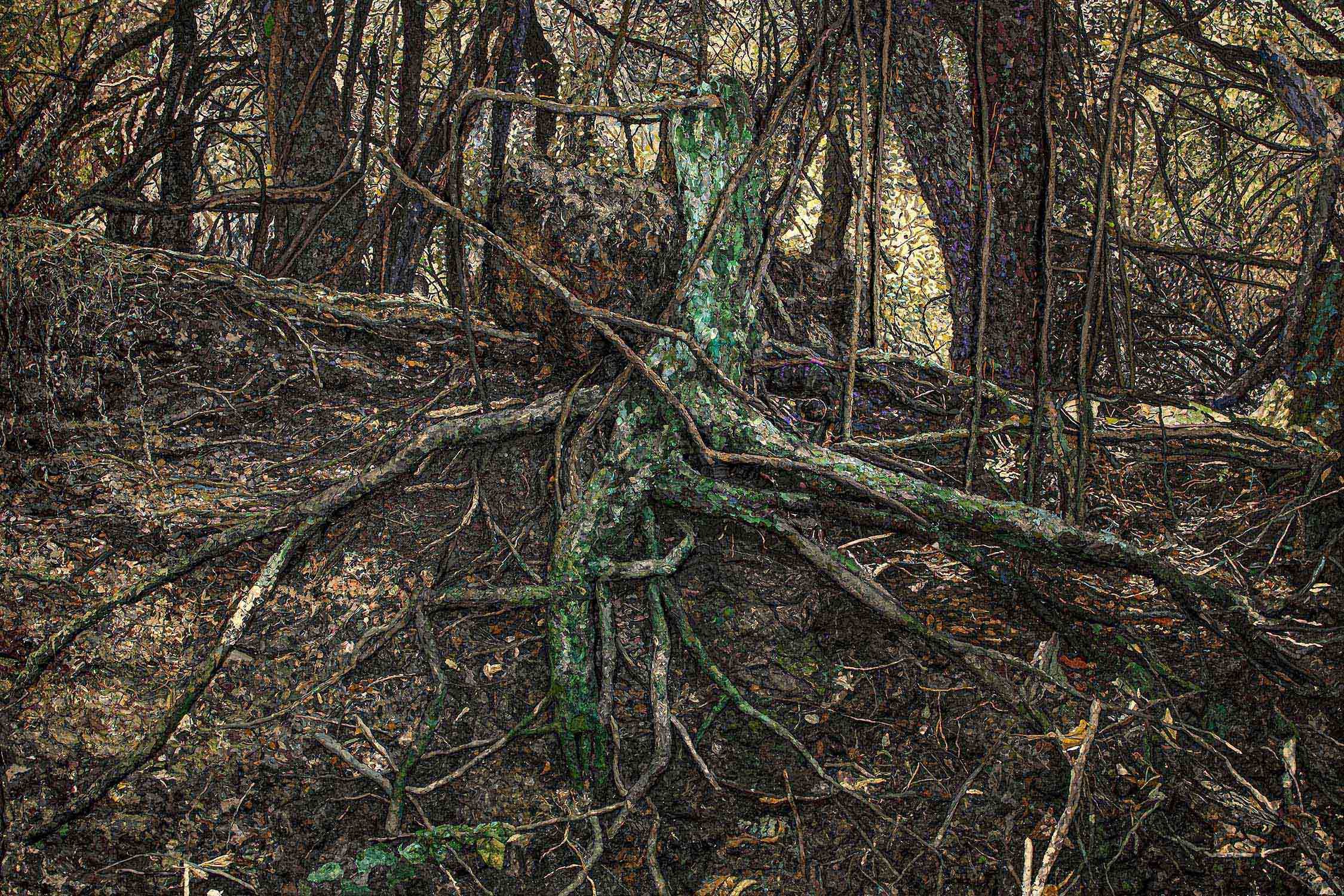
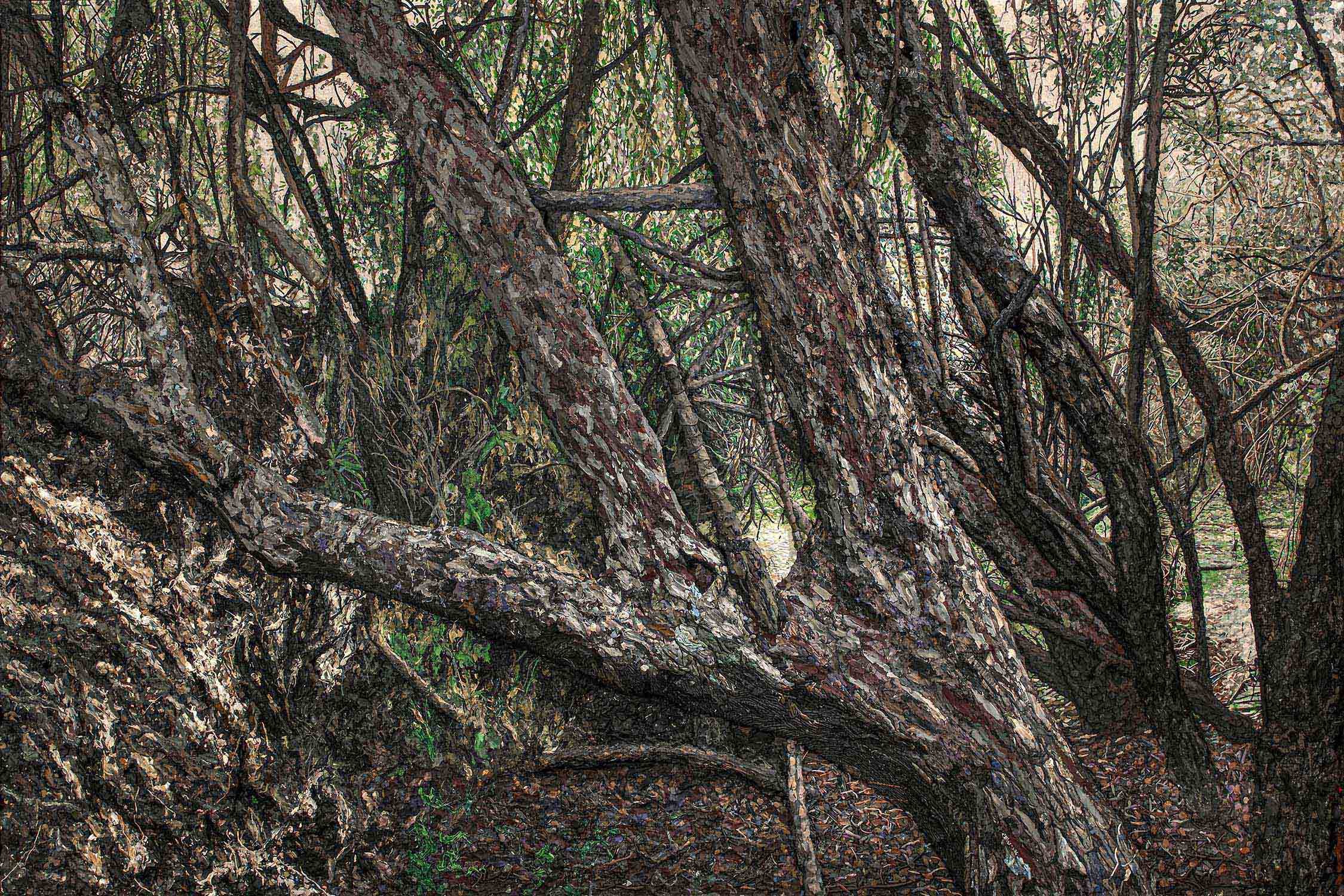
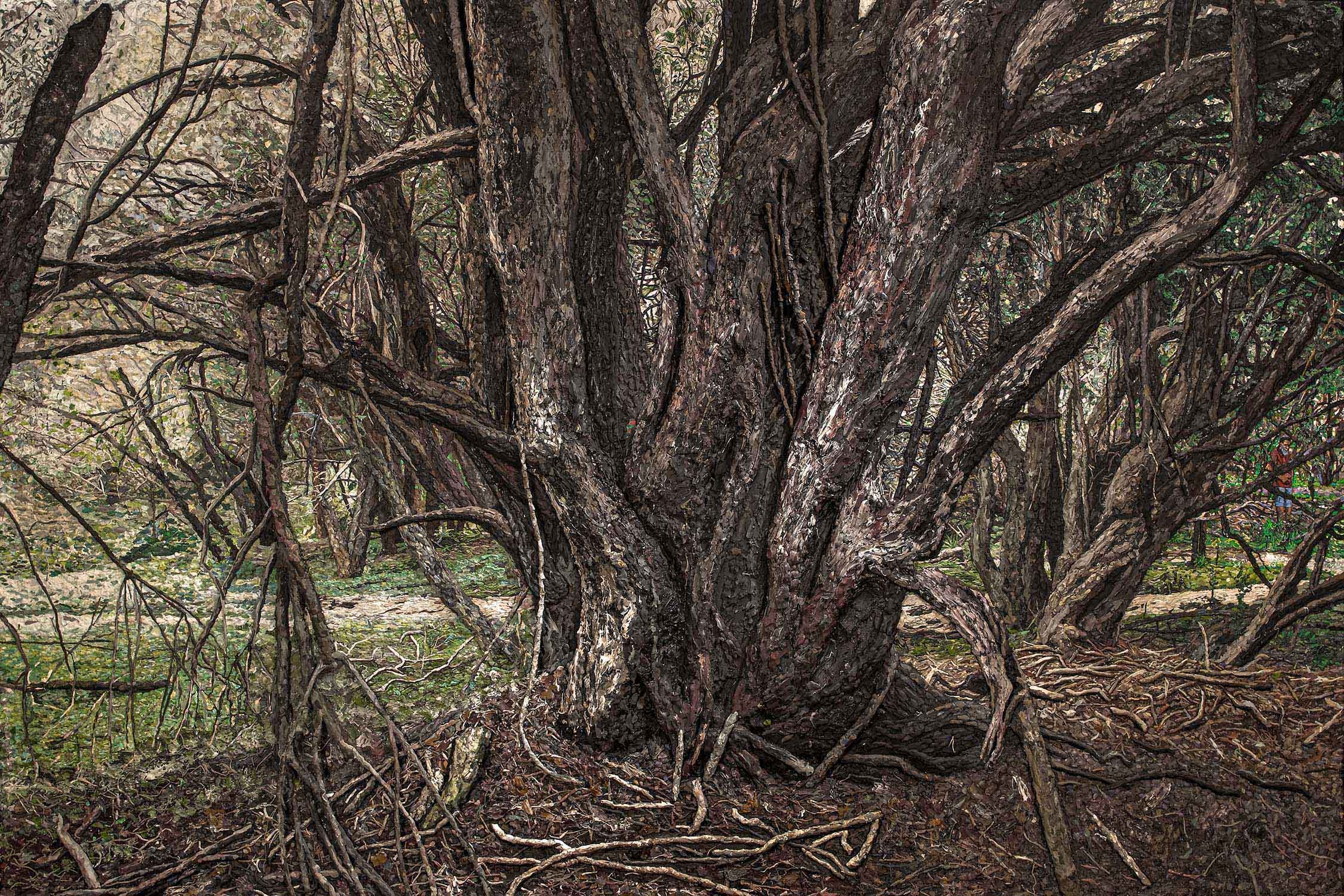
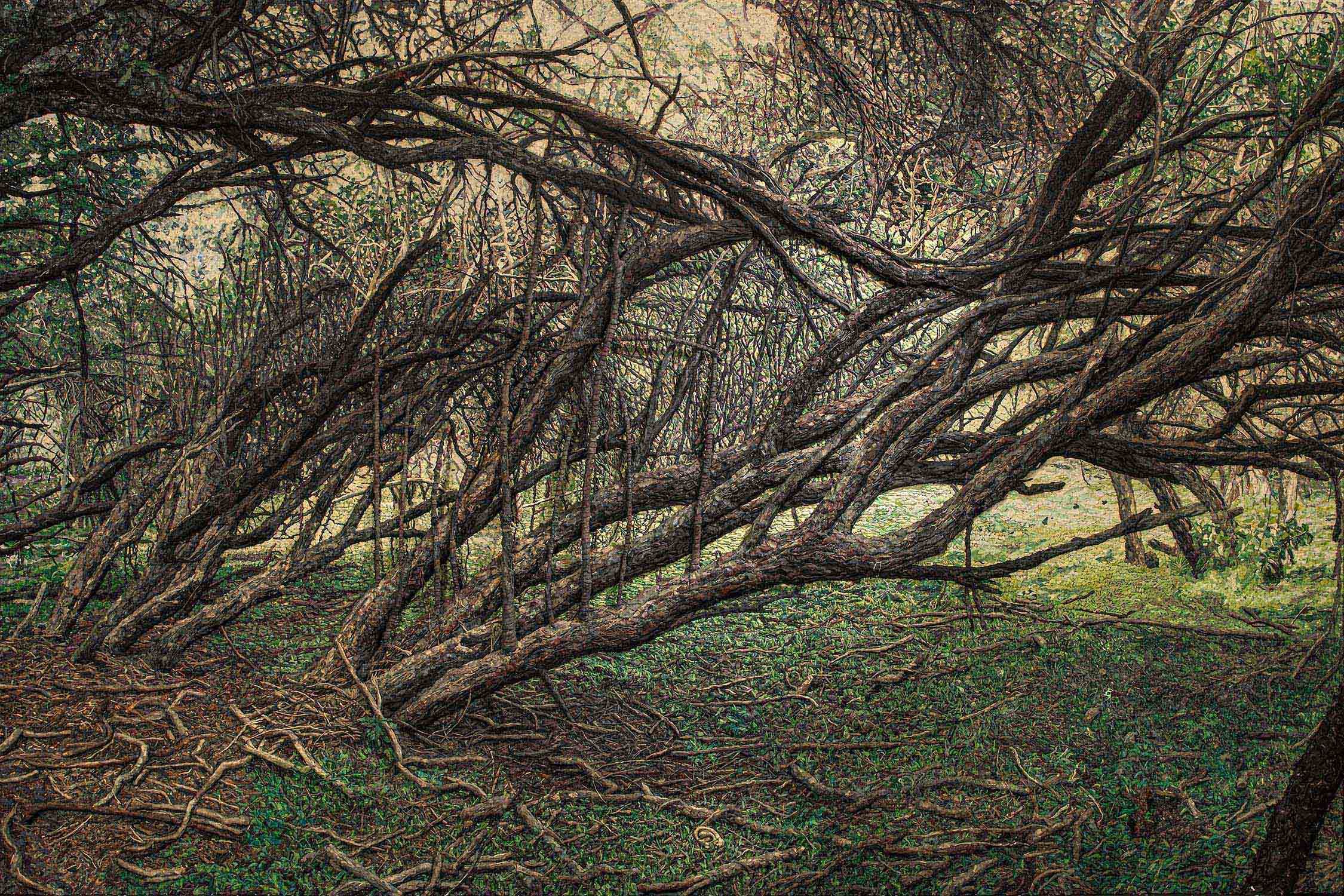
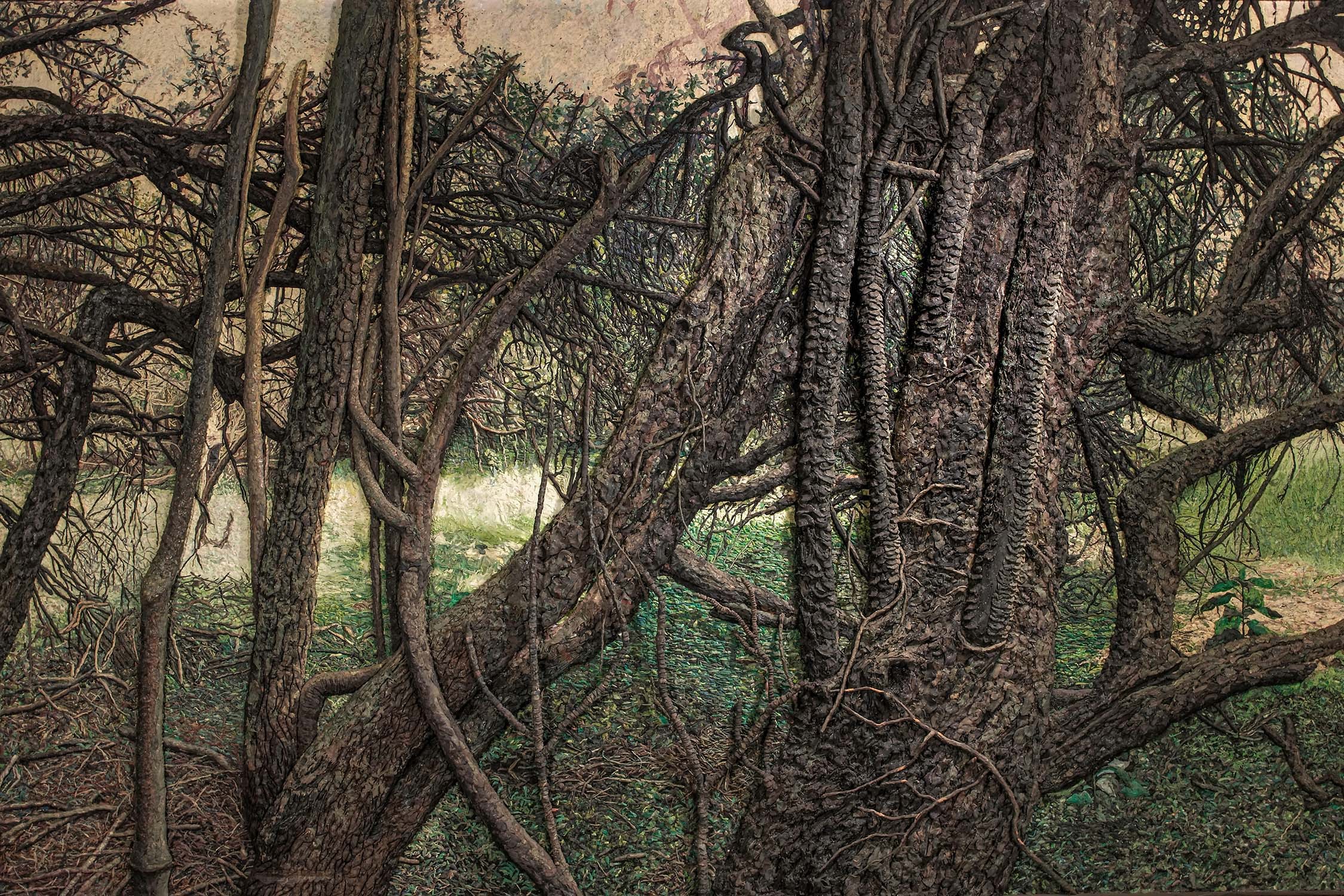
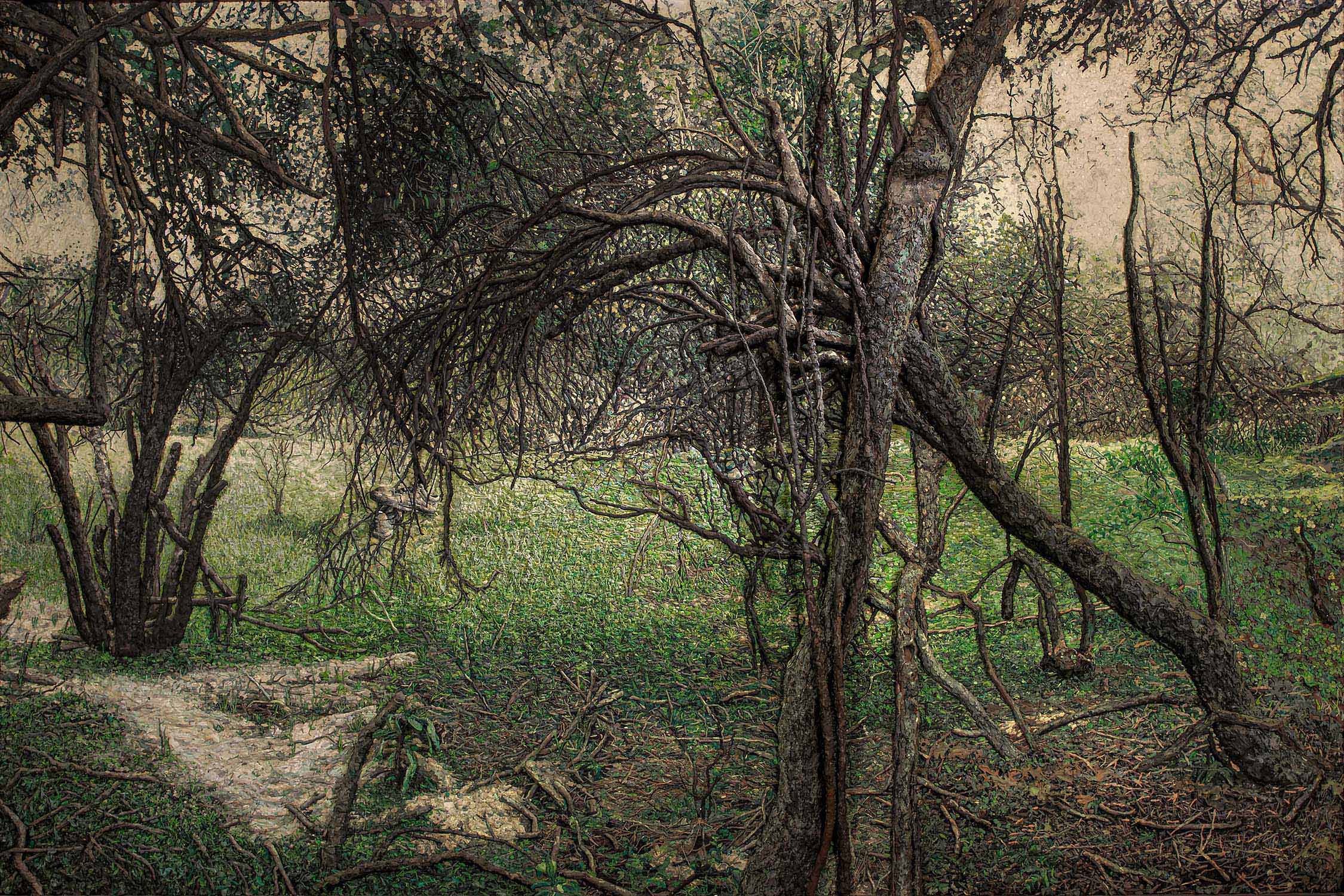
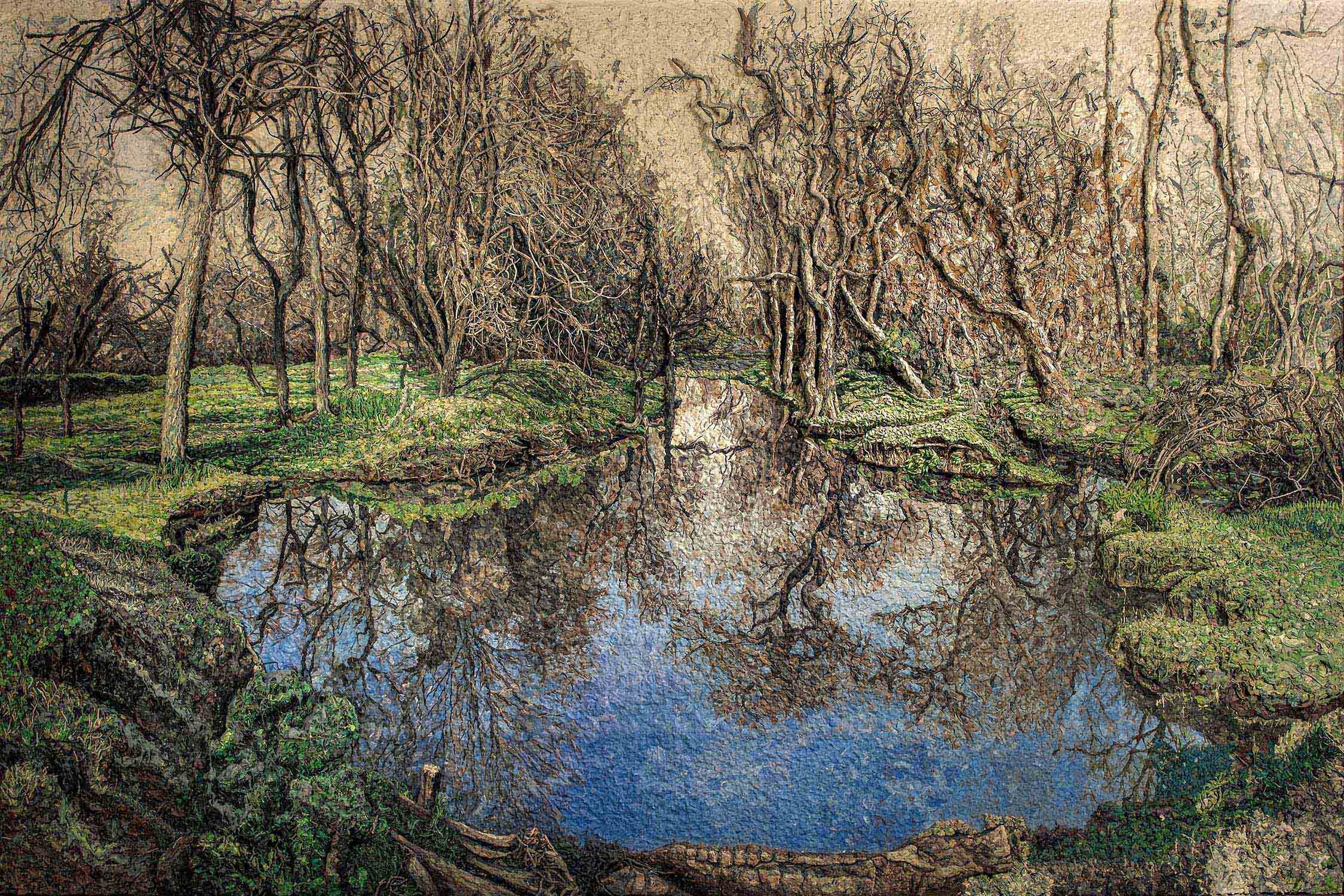
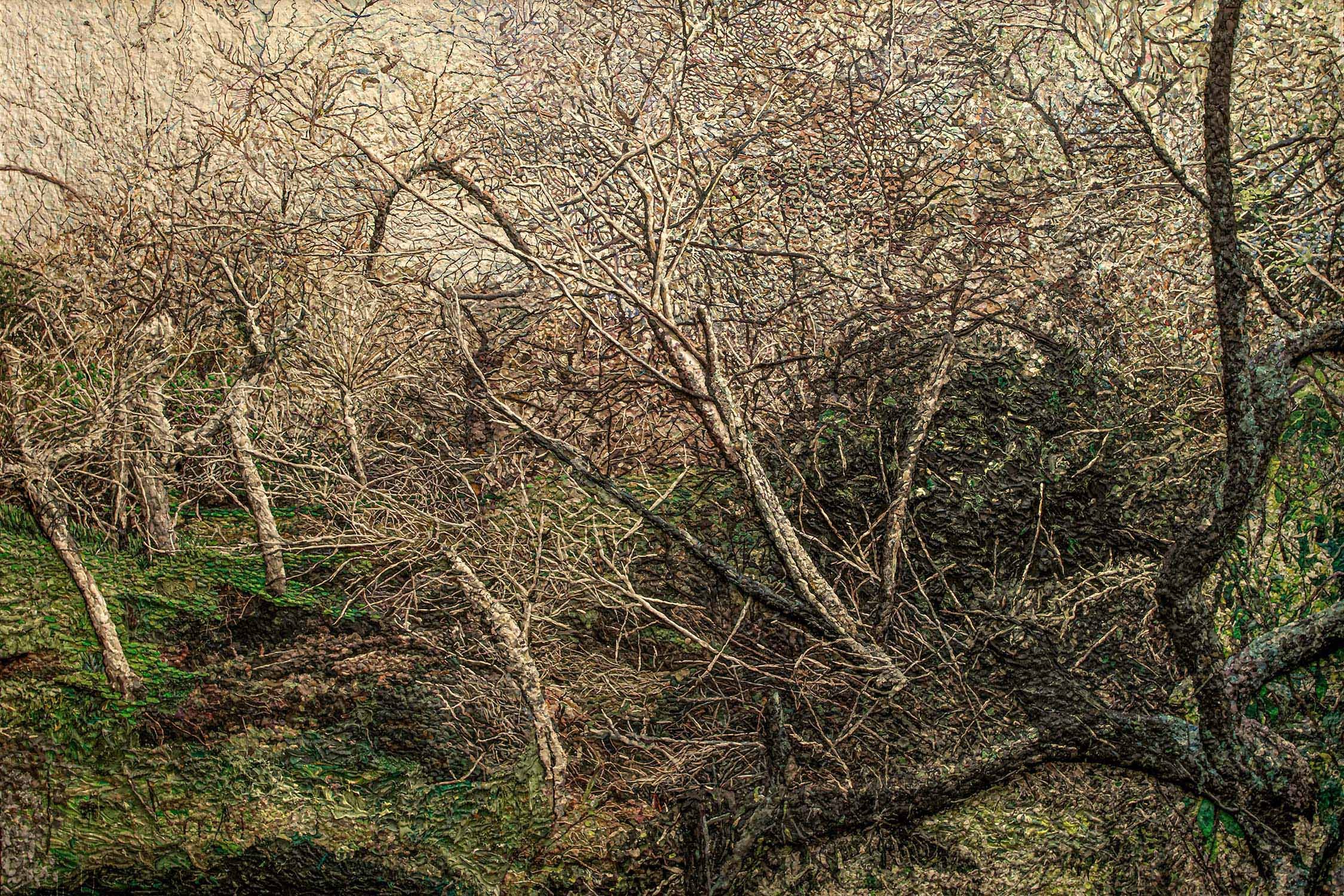
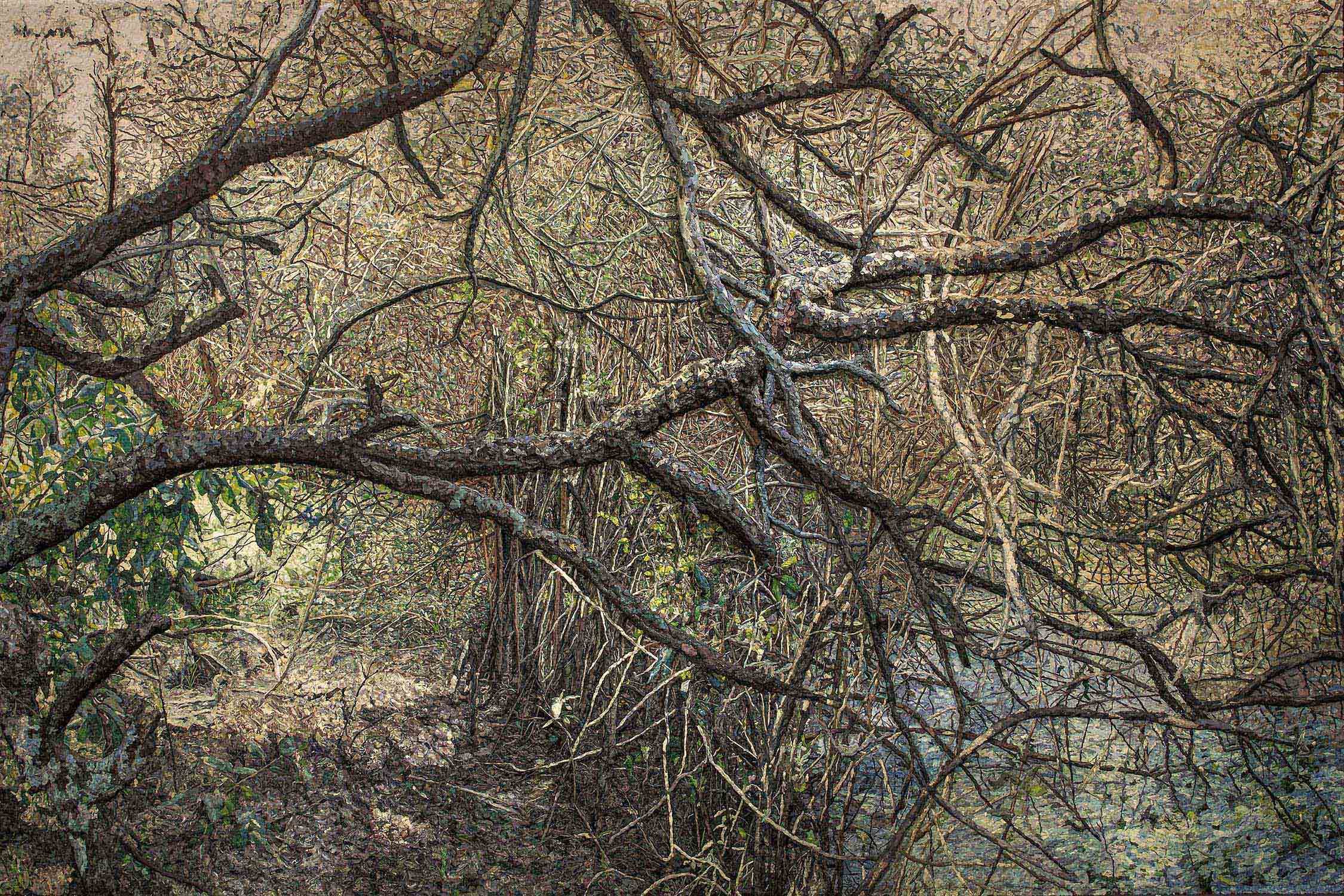
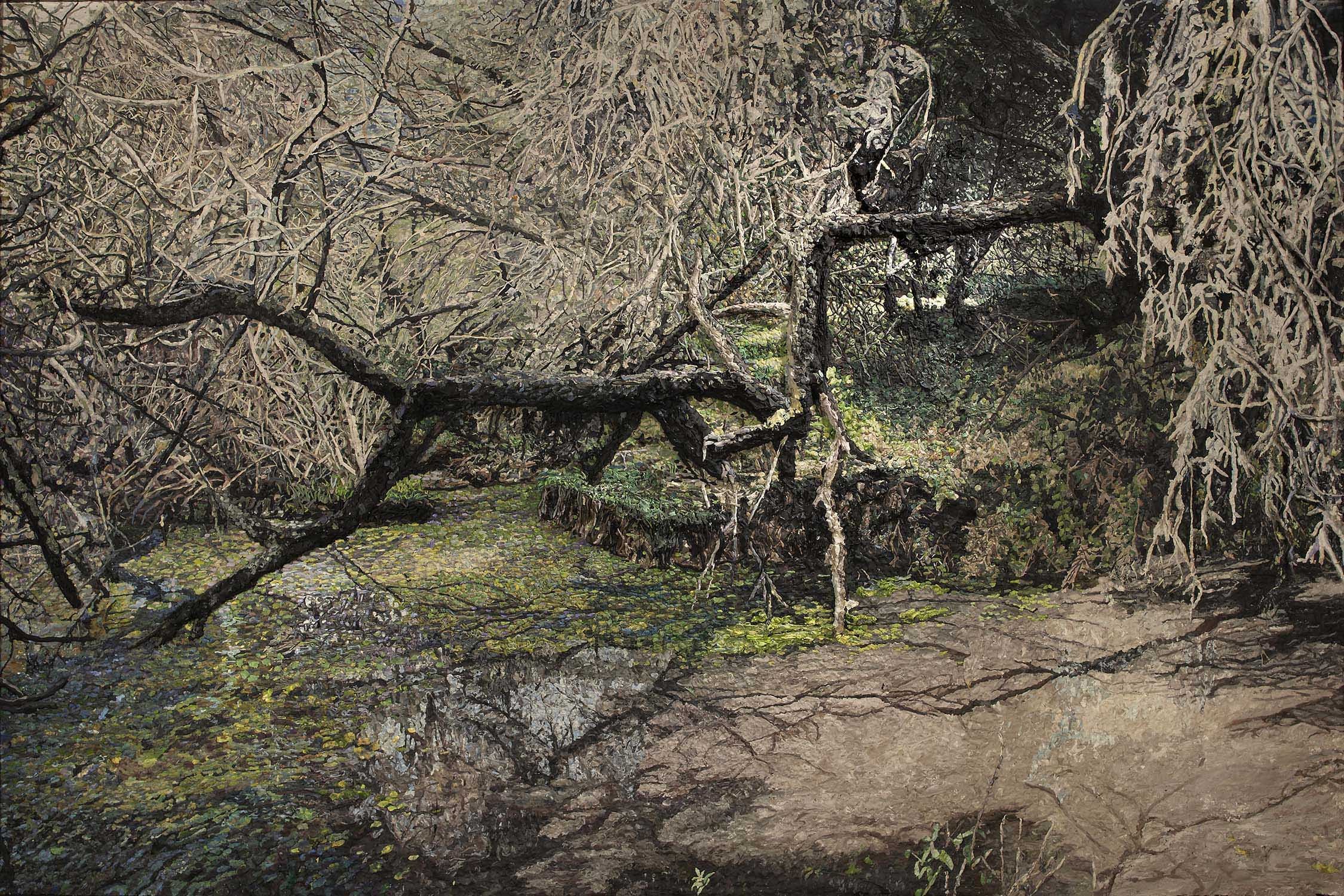
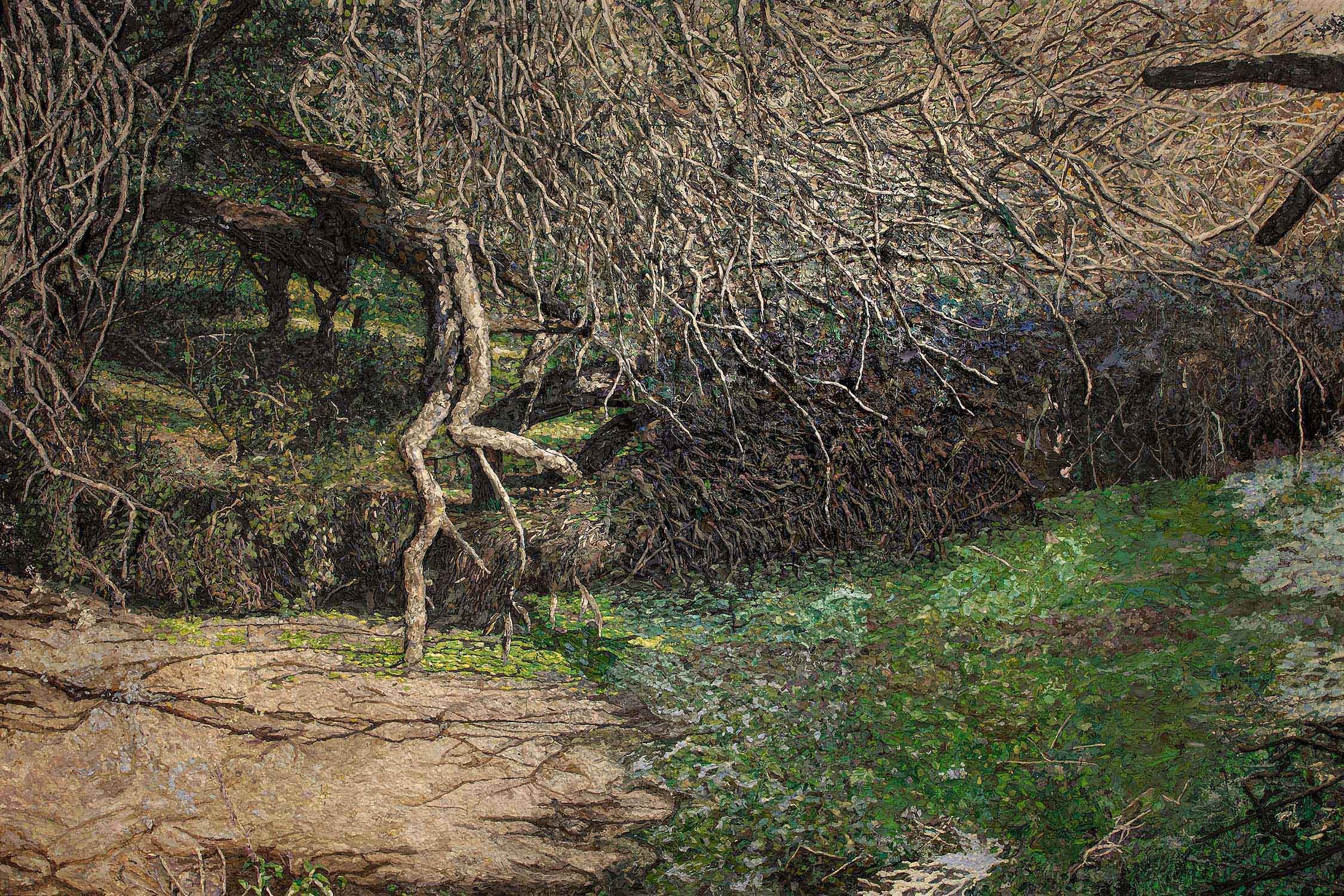
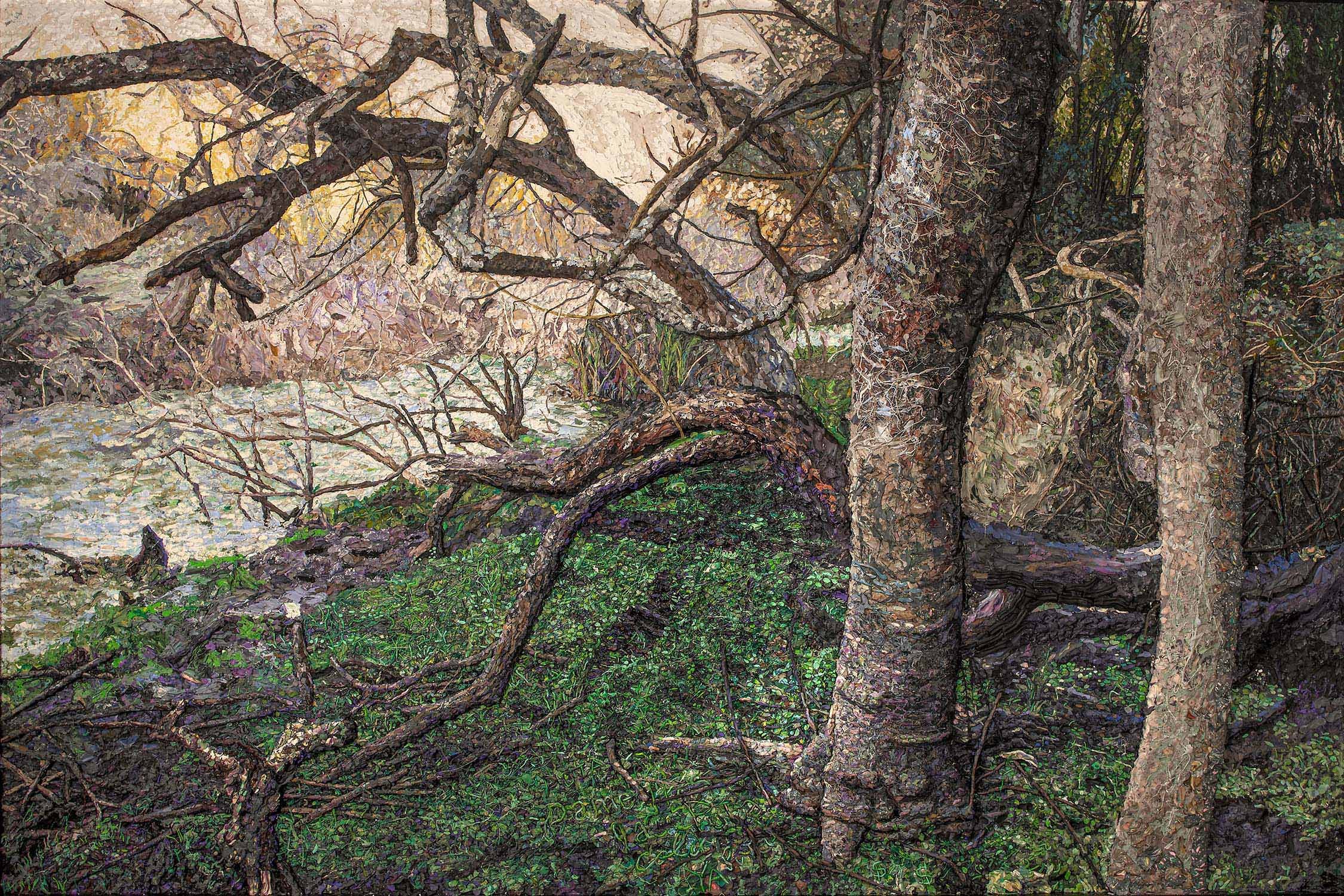
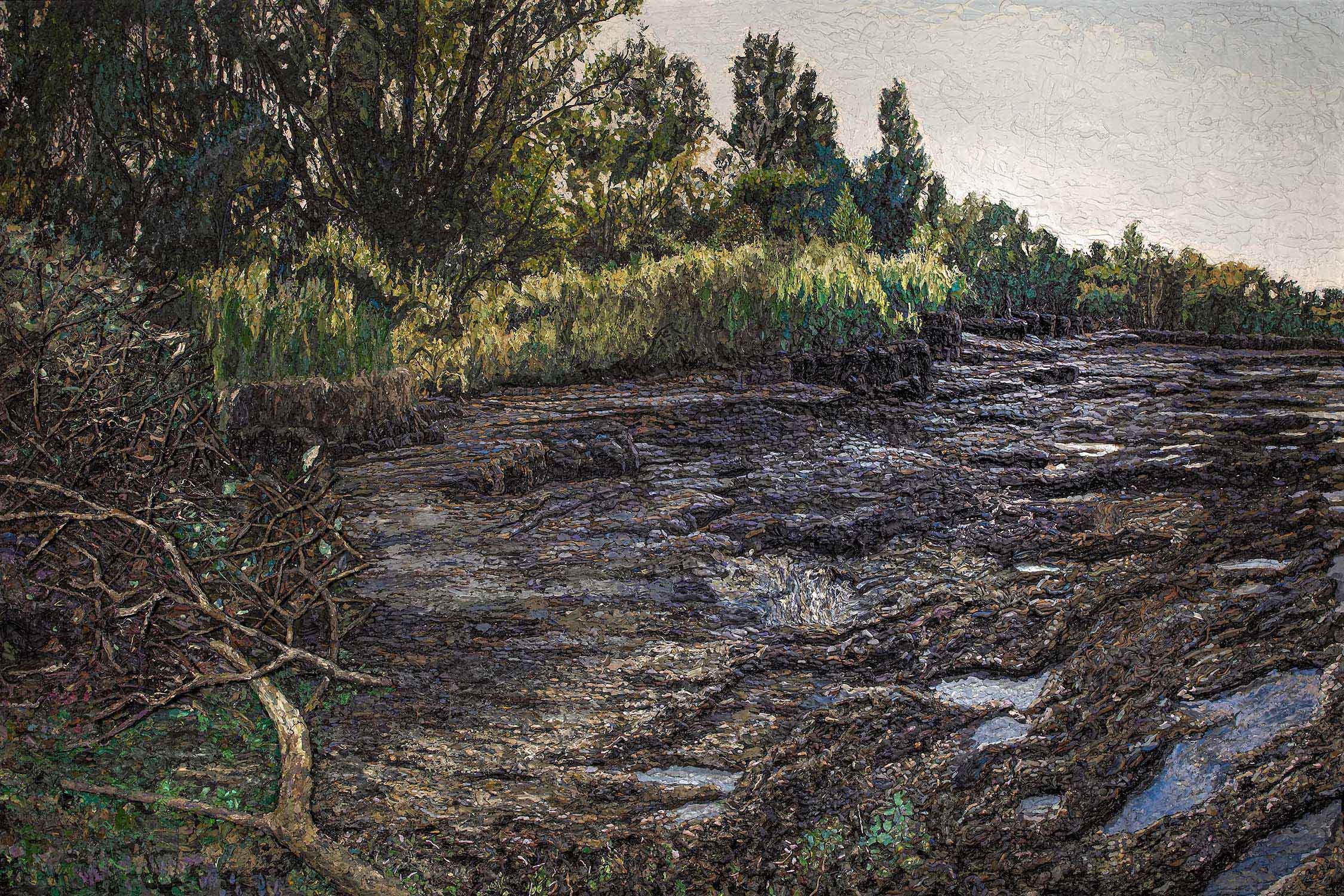
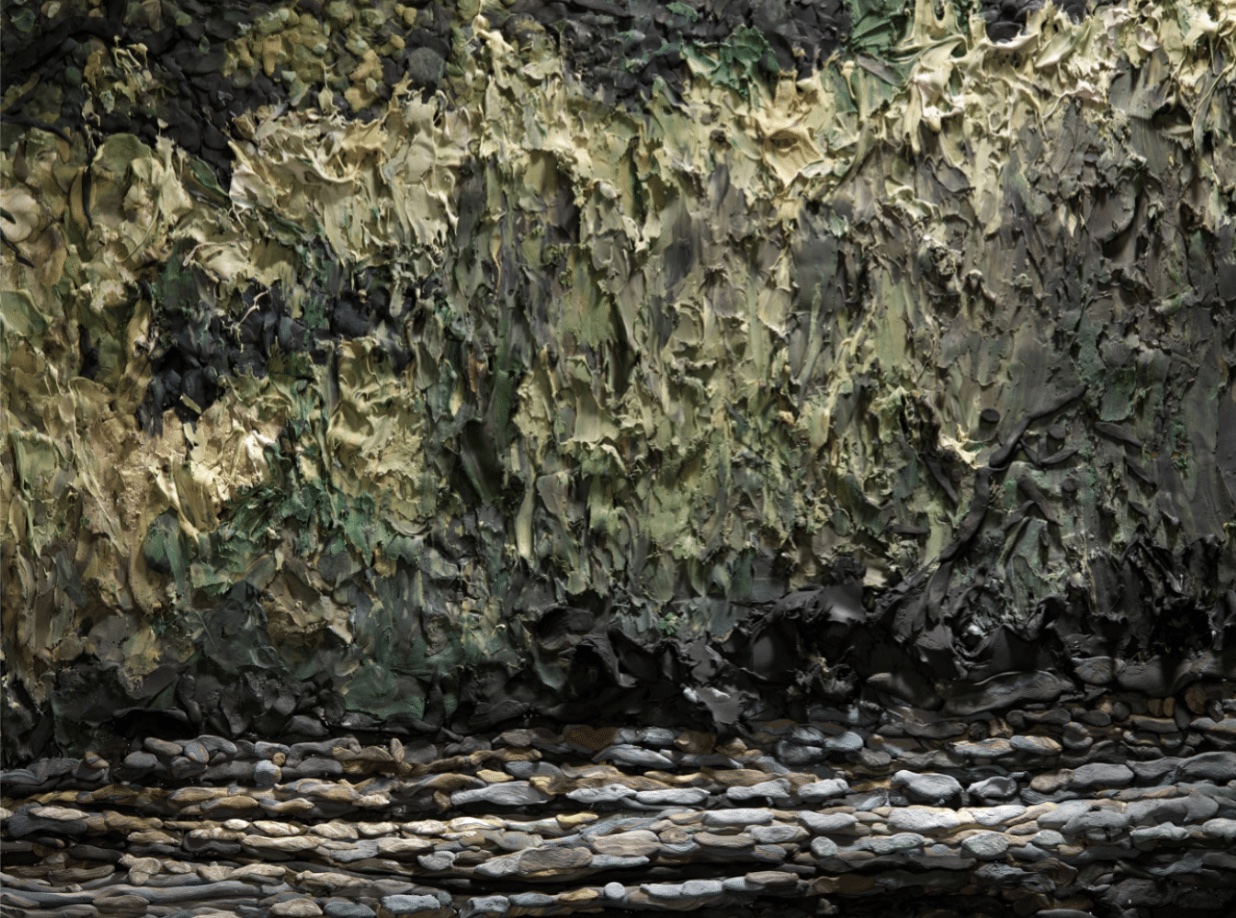
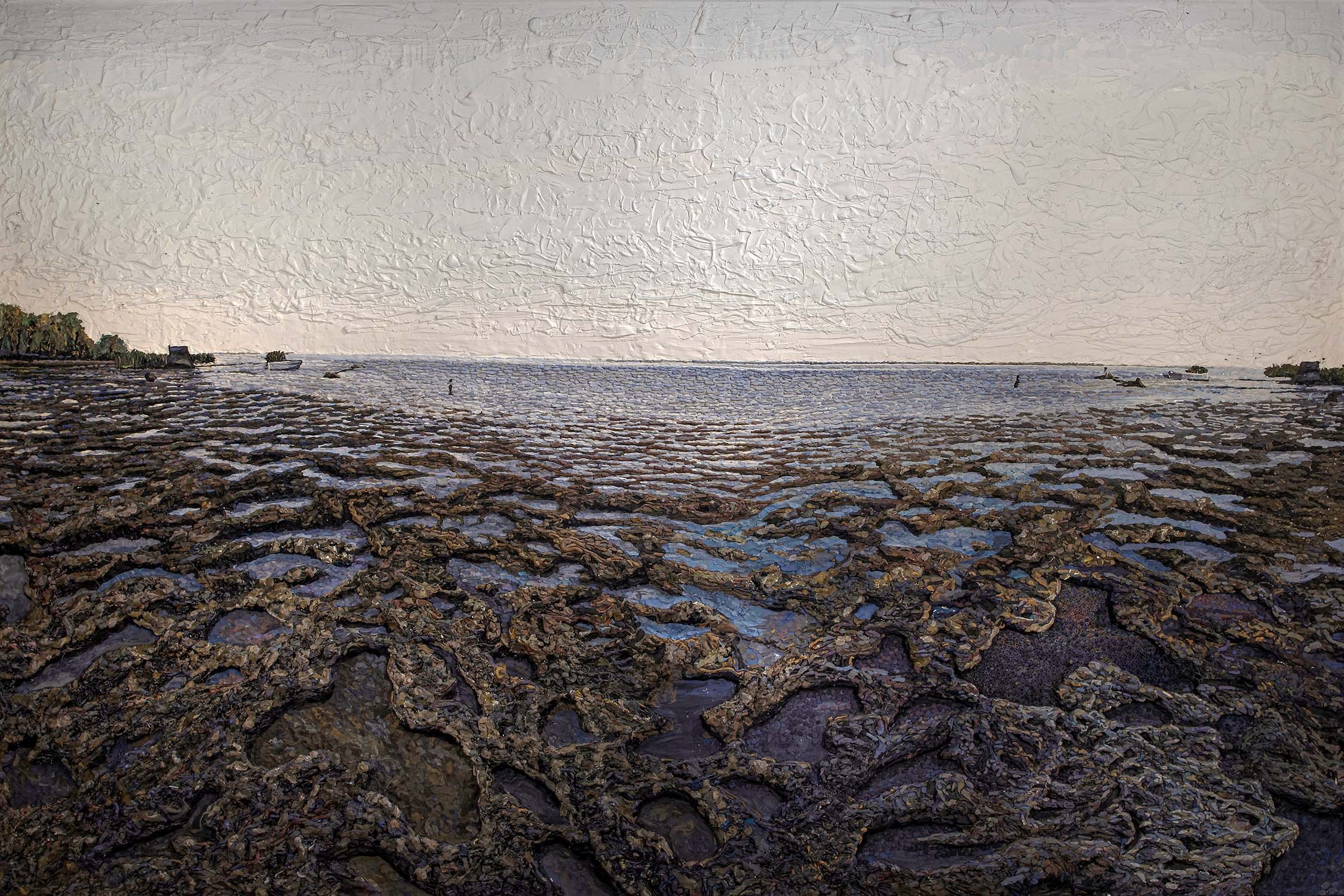
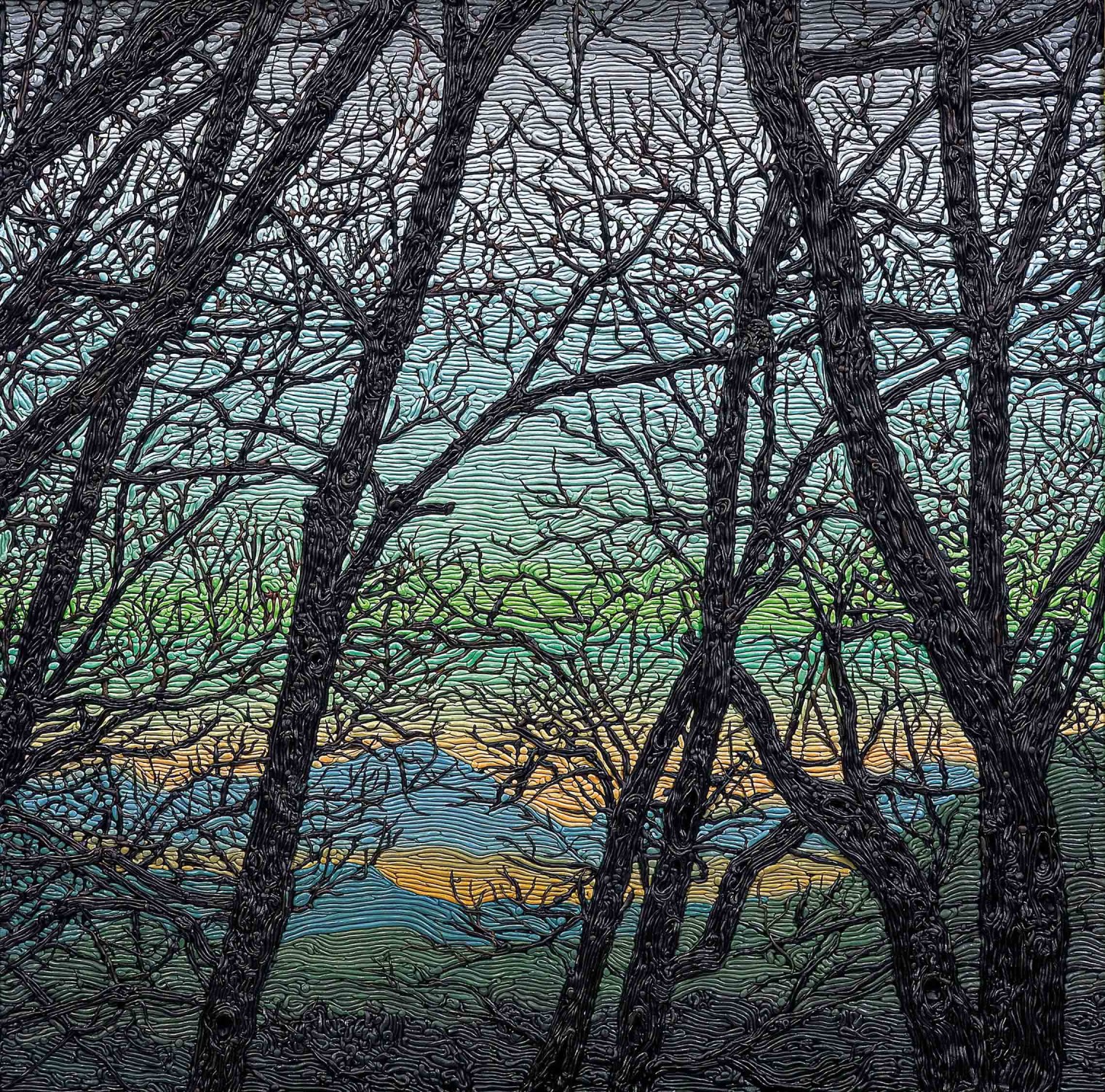
There are not many contemporary artists who have painted landscapes, but those who have, have been exceptional. The Mondongo(s) have found their own way of approaching this genre; they do not aim to deal with nostalgia or memory, nor to compete with photographic reality, nor to question how to represent nature, nor to be associated with a broader "ism": realism, symbolism, or impressionism. They do not return to the overwhelming presences of the Northern romantics, nor to the ordered worlds of Claude Lorrain or Nicolas Poussin, nor to the comfortable decor of the bourgeoisie in the work of the Impressionists, nor to the rich tradition of Argentine landscape painters of the 19th century. They do what they have always done: react and act. They have always strived to defend their freedom not to tie themselves to a language or style; they engage with the world through ideas, opportunities, and images that have temporarily provided energy to their own experiences. Their versions overwhelm us with that striking, immediate presence that they themselves, as artists and as people, must have felt. They convey a sense of dread and awe, of mystery and spirituality: a sense of surprise at the complex fabric of tensions in the world.
The origin of this series lies in a trip that Laffitte and Mendanha made to a friend’s estate in Entre Ríos to spend a long weekend. This is a relatively depressed, underdeveloped province, yet rich in resources, and as such, it offers a somewhat discouraging image, marked by the Argentine economic crisis. It speaks to us about ordinary people, where and how they live, and who they are.
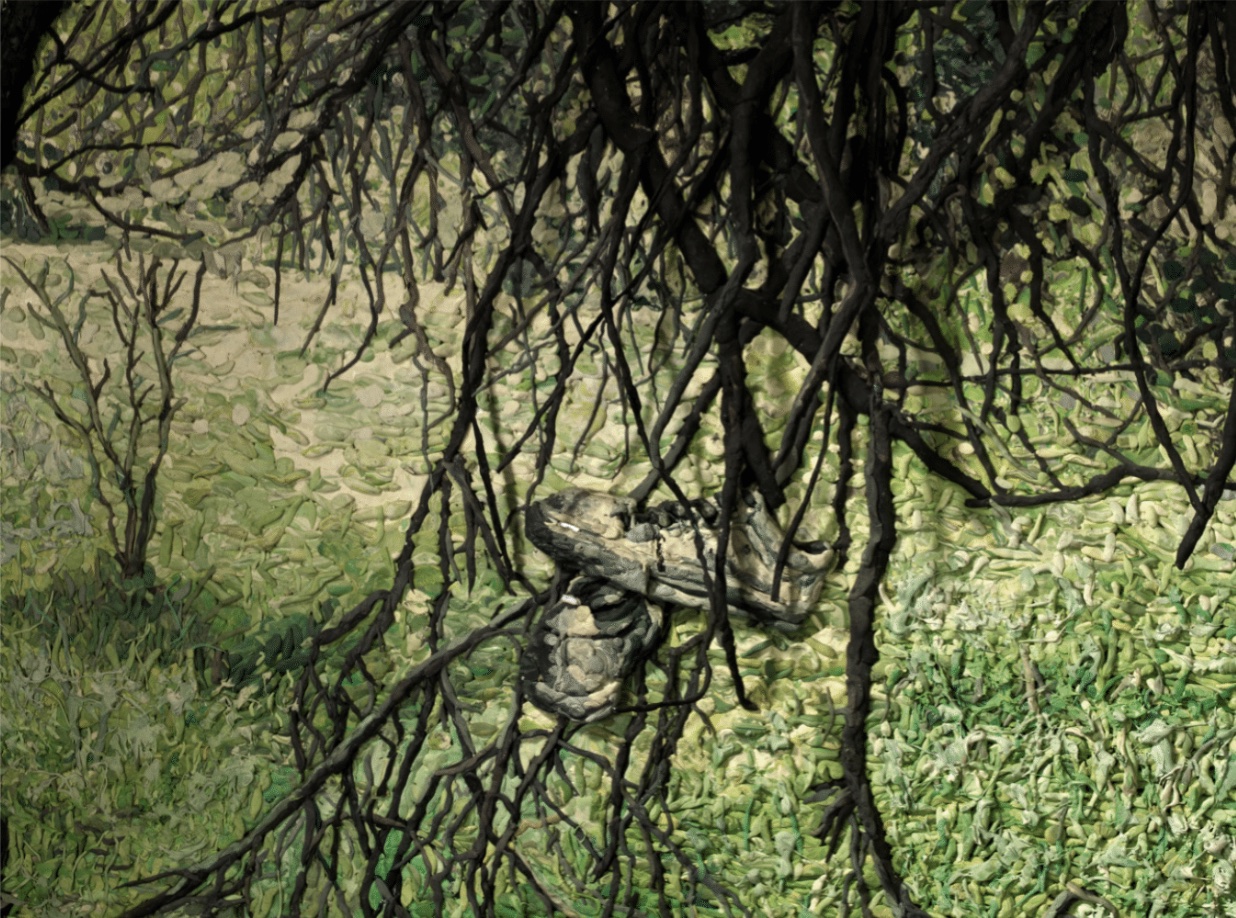
Manuel and Juliana took a large number of photographs during that trip but, above all, they were struck by the drama of that landscape, soaked and overwhelming; by the fertile decay of plant life and by the signs of death and rebirth after the devastating and frequent floods. They were excited about the project of painting landscapes and intrigued by the results. Little by little, they found themselves trapped by it, like flies in a spider's web. They realized that these images could be transferable or applicable to the social situation of the moment. Argentina was once again trapped in an economic cycle; falling freely and disoriented amid flagrant corruption and the absence of political vision. The rich, of course, had already stashed their money safely in Swiss banks or Caribbean tax havens, or converted it into U.S. dollars. The middle class, for its part, was in the process of losing everything it had saved: devaluation and inflation were slowly eroding it. And there, in the landscapes of Entre Ríos, one could perceive a symbolic situation similar to ground zero: a sense of sinking from nothing to less than nothing.
Although it is also worth noting that our conversation developed over the course of the realization of the series, and, over time, it became evident that the social or political dimensions of the works weighed less, in this case, than the allegorical, metaphorical, and poetic connotations, in which the viewer would find their own subjective interpretations.
—Kevin Power, 2013
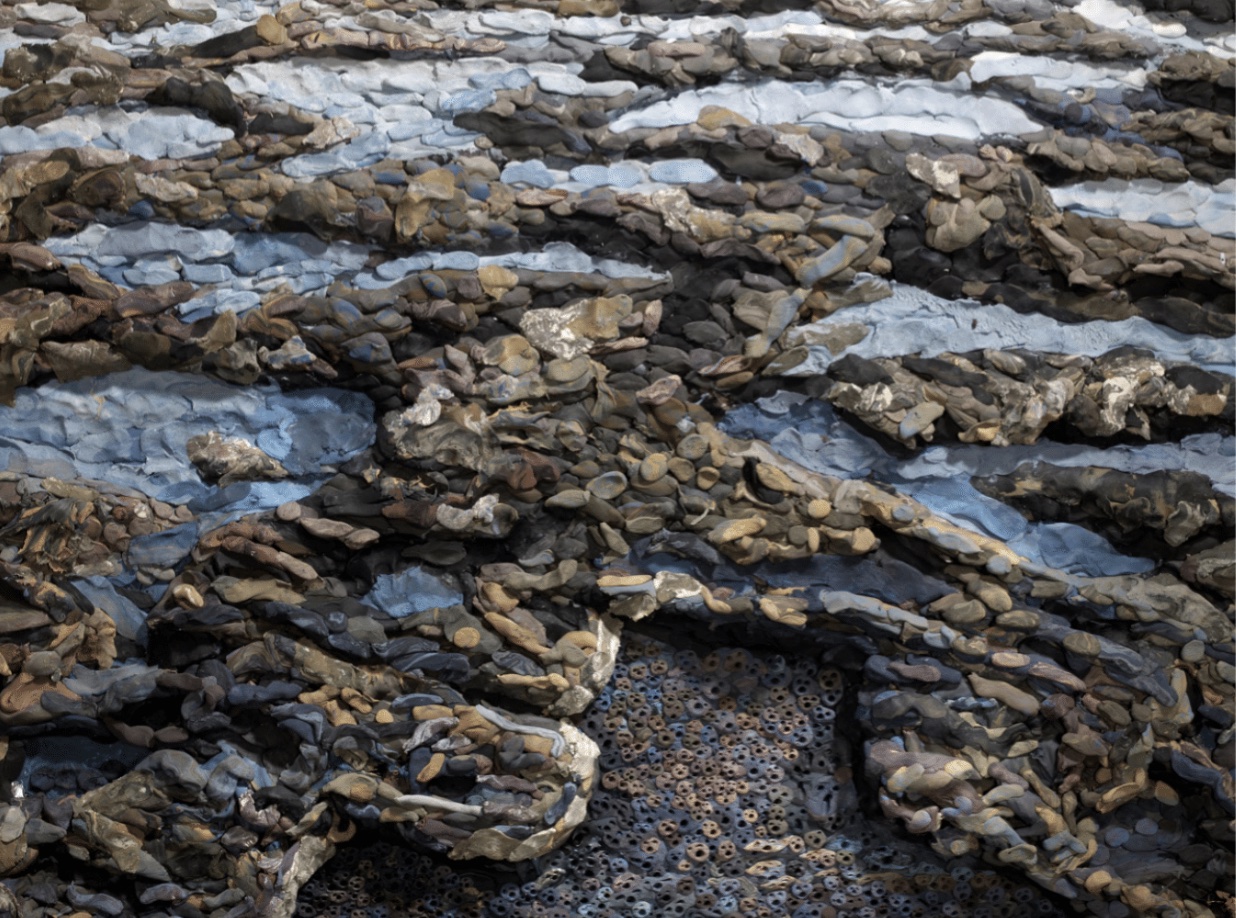
ARGENTINA
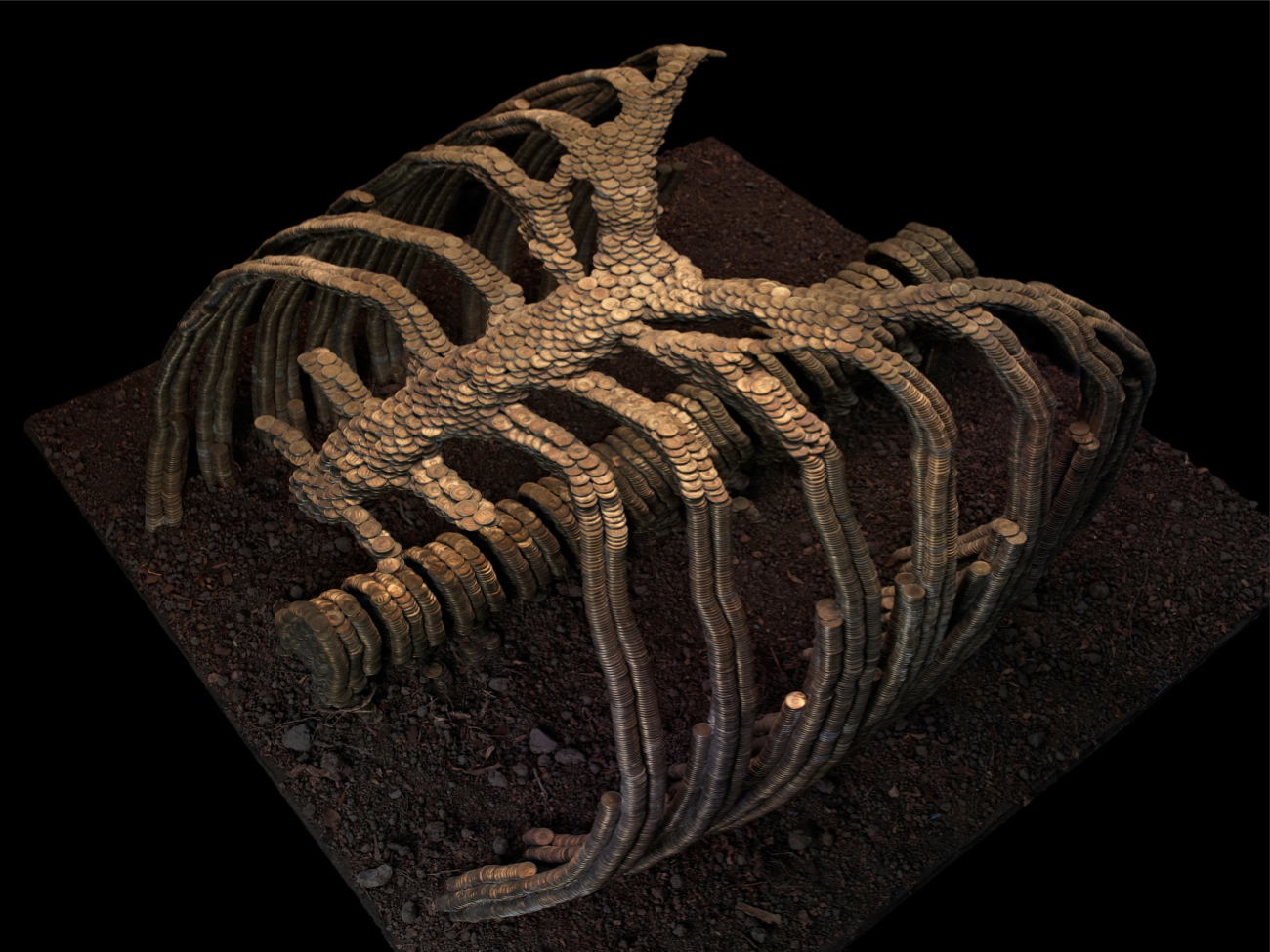
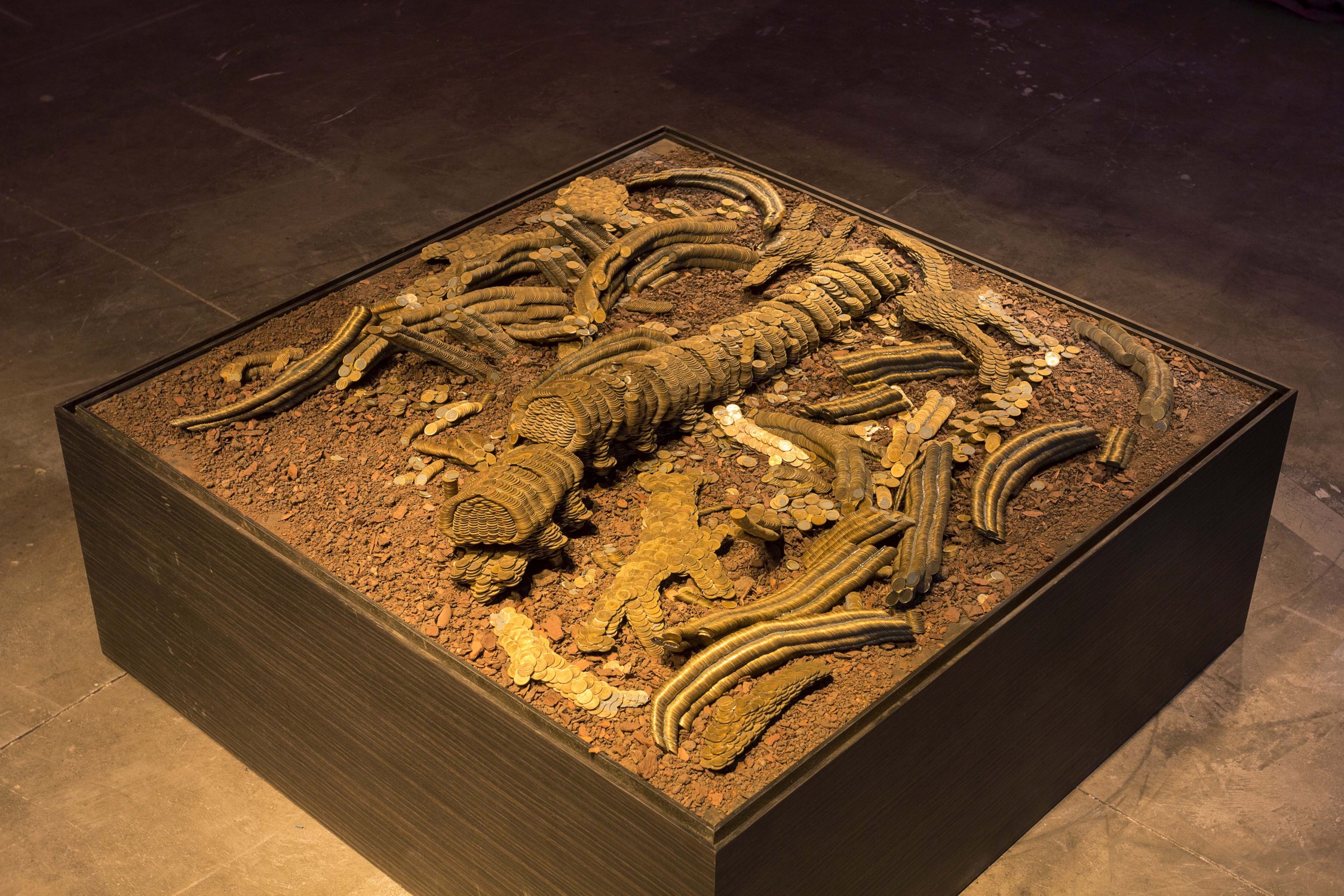
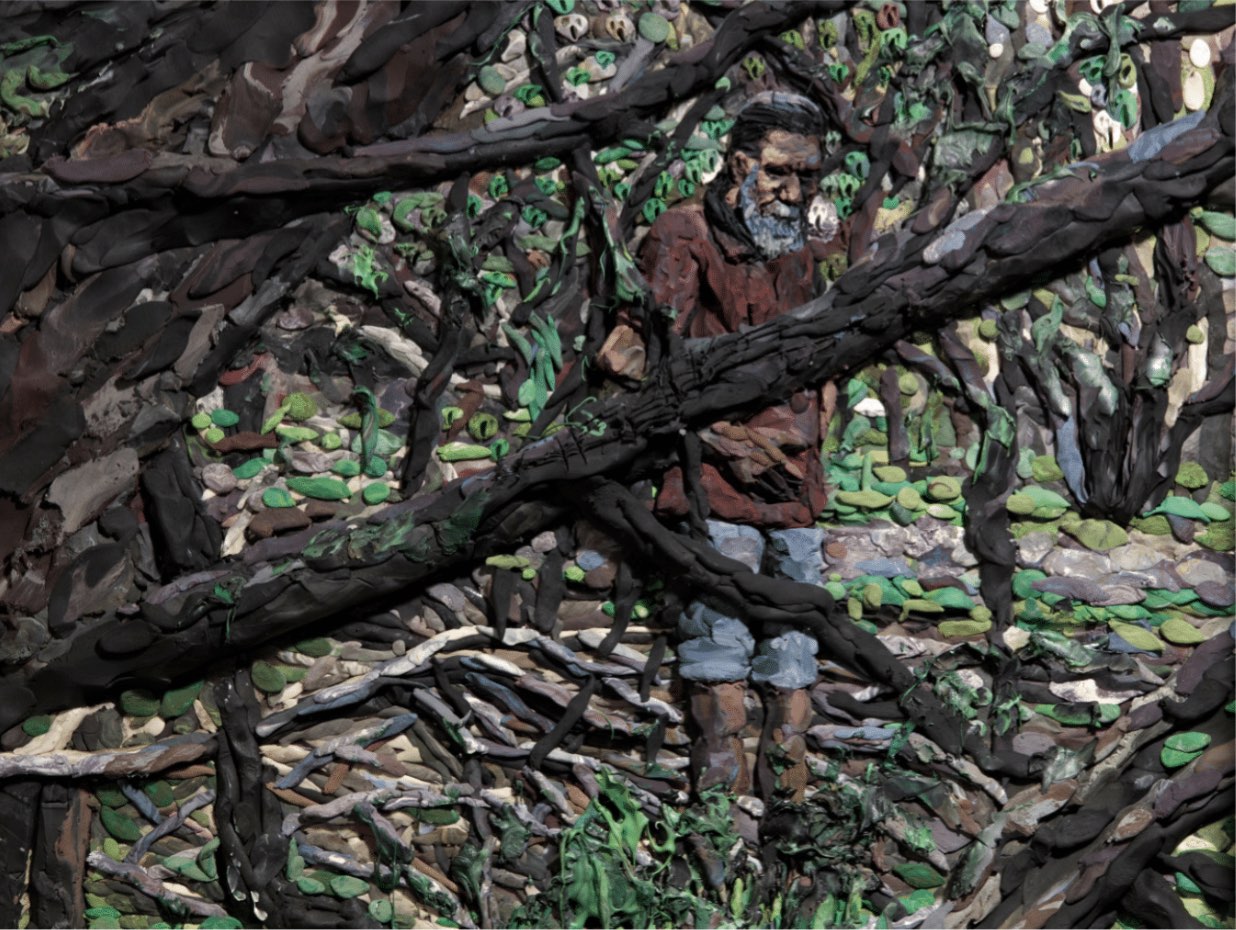
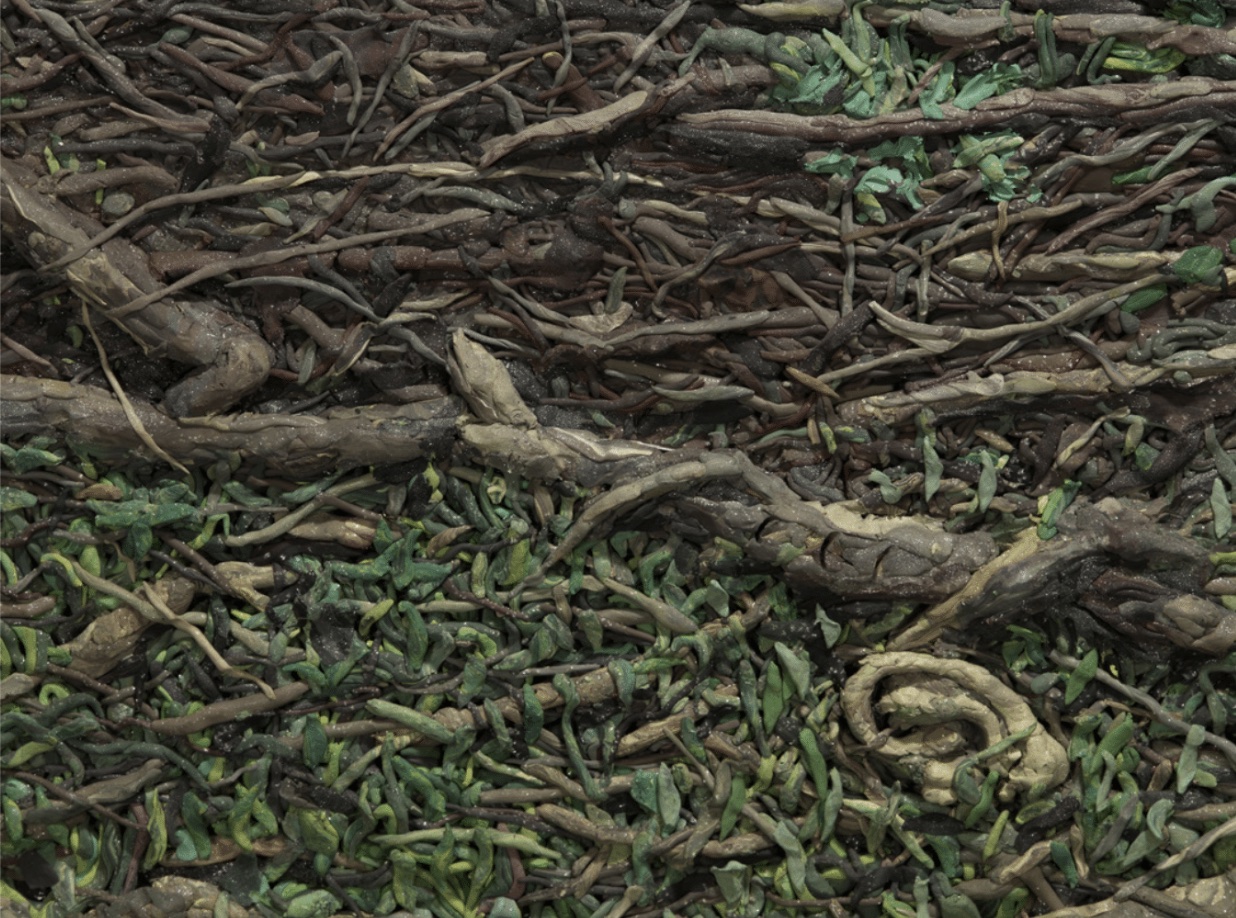
There aren't many contemporary artists who have painted landscapes, but those who have done so have been exceptional. Laffitte and Mendanha have found their own way to approach this genre; they do not intend to engage with nostalgia or memory, nor to compete with photographic reality, nor to question how to represent nature, nor to be associated with a broader "ism": realism, symbolism, or impressionism. They do not revert to the overwhelming presences of the Nordic romantics, nor to the ordered universes of Claude Lorrain or Nicolas Poussin, nor to the comfortable decorum of the bourgeoisie of the Impressionists, nor to the rich tradition of Argentine landscape painters from the 19th century. They do what they have always done: react and act. They have always been committed to defending their freedom to not be tied to a language or style; they address the world through ideas, opportunities, and images that have temporarily energized their own experiences. Their versions overwhelm us with that striking immediate presence that they, as artists and as people, have had to feel. They convey an impression of dread and wonder, of mystery and spirituality: a sense of surprise at the complex fabric of tensions in the world.
The origin of this series lies in a trip that Laffitte and Mendanha took to a friend’s estate in Entre Ríos for a long weekend. It is a relatively depressed province, underexploited but rich in resources, and as such, it presents a somewhat discouraging image marked by the Argentine economic crisis; an image that speaks to the common people, of where and how they live, and who they are.
Manuel and Juliana took a large number of photographs during that trip, but above all, they were struck by the drama of the landscape—soaked and overwhelming; by the fecund decay of plant life and the signs of death and rebirth following the devastating and frequent floods. They were excited about the project of painting landscapes and intrigued by the outcome. Gradually, they found themselves caught up in it, like flies in a web. They realized that those images could be transferable or applicable to the social situation of the moment. Argentina was once again trapped in an economic cycle; plunged into free fall and disoriented amidst blatant corruption and a lack of political vision. The wealthy, of course, had already tucked their money away in Swiss banks or Caribbean tax havens, or converted it into US dollars. The middle class, on the other hand, was in the process of losing everything it had saved: devaluation and inflation were gradually diminishing their wealth. And there, in the landscapes of Entre Ríos, one could perceive a symbolic situation akin to ground zero: a feeling of sinking from nothing to less than nothing.
However, it is also necessary to point out that our conversation developed during the course of the series, and over time it became evident that the social or political dimensions of the works weighed less, in this case, than the allegorical, metaphorical, and poetic connotations, in which the viewer would find their own subjective readings.
—Kevin Power, 2013
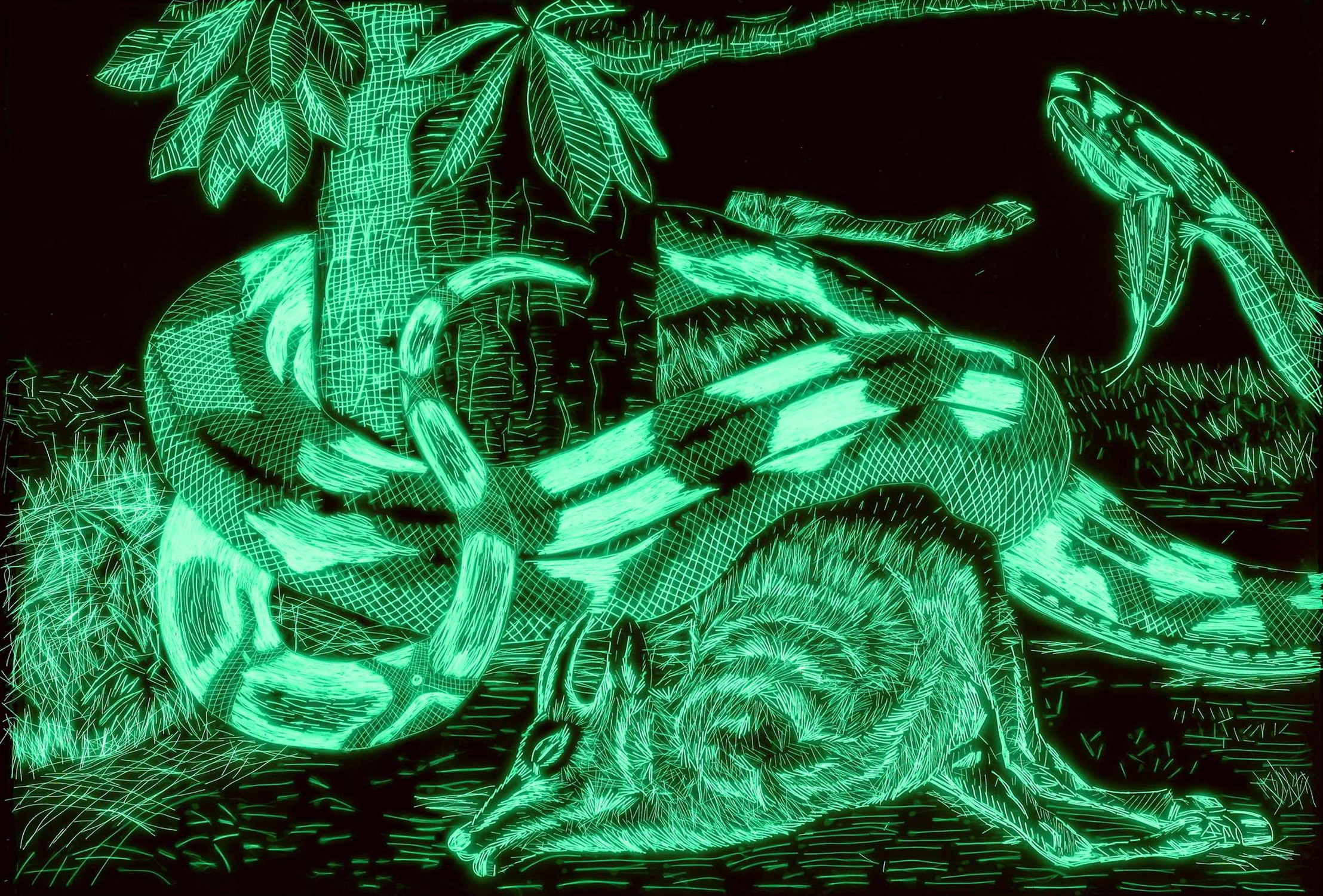
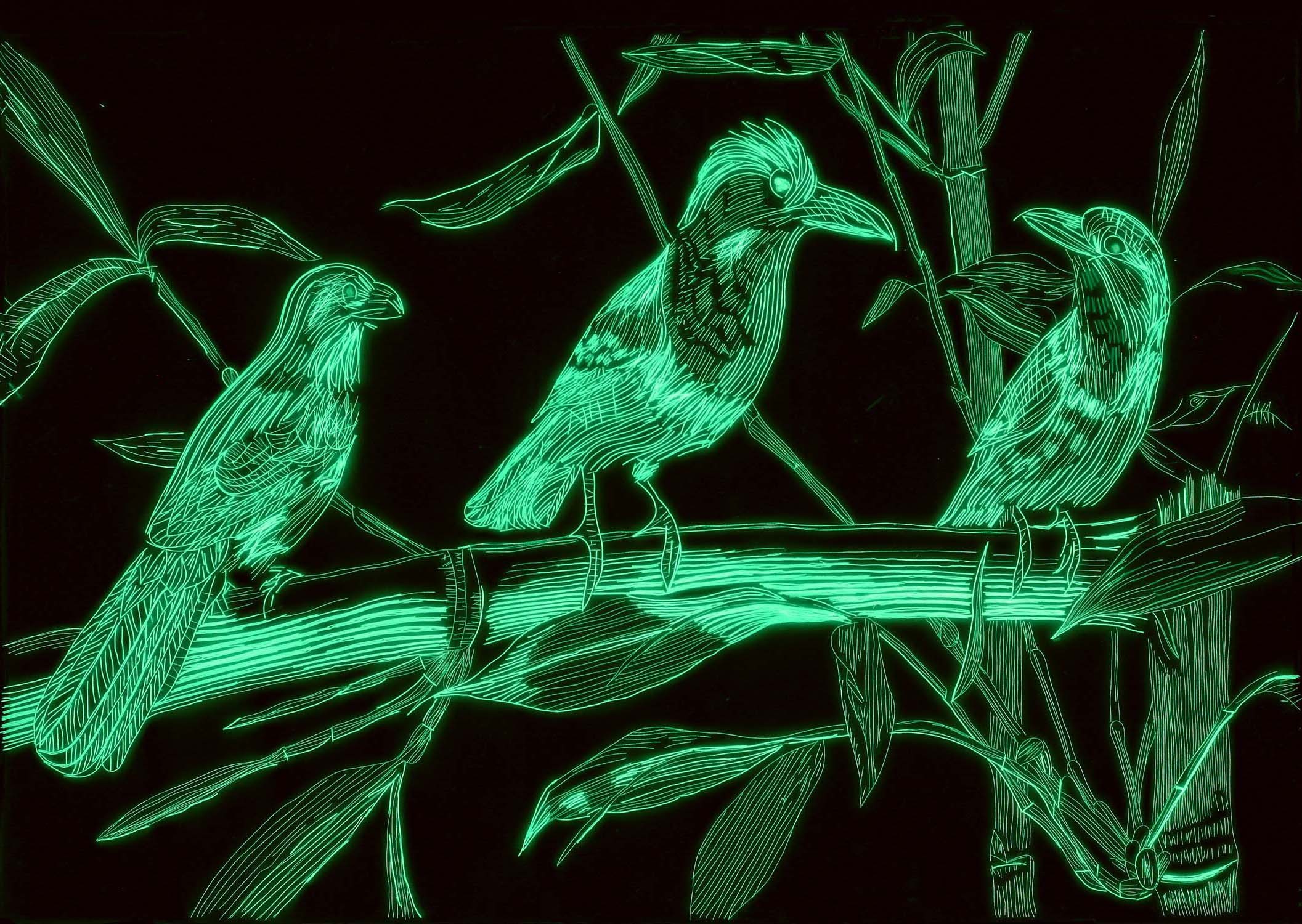
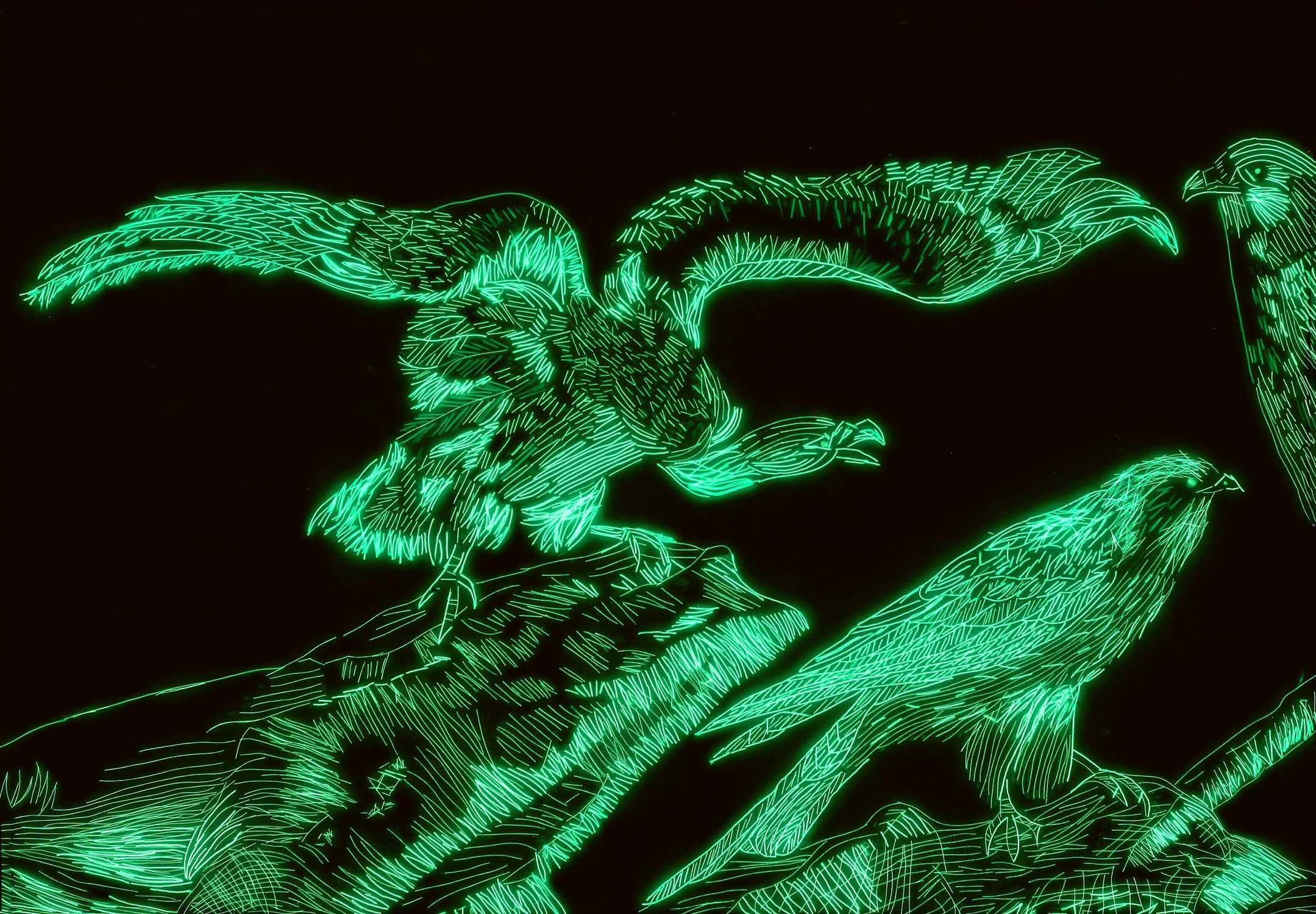
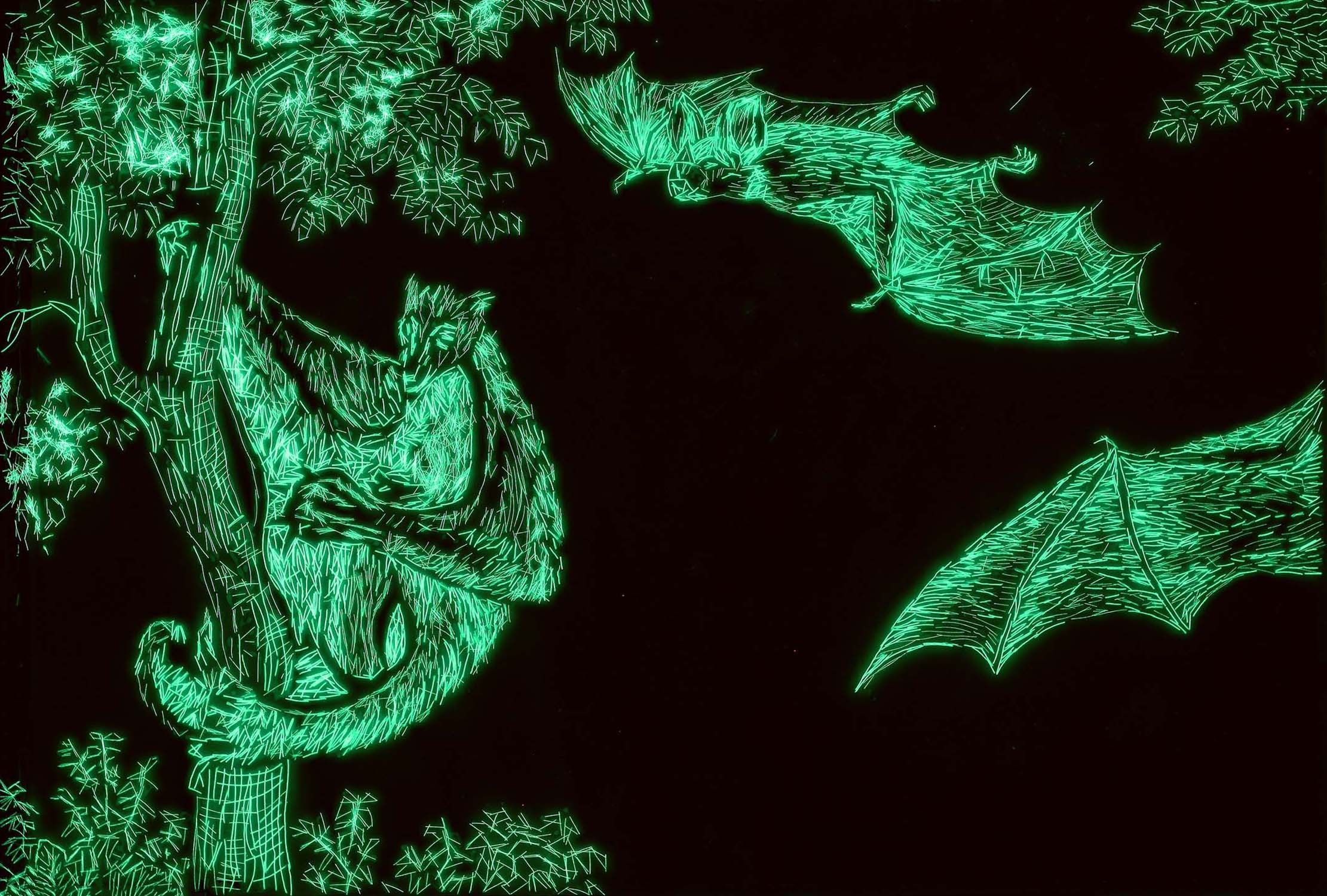
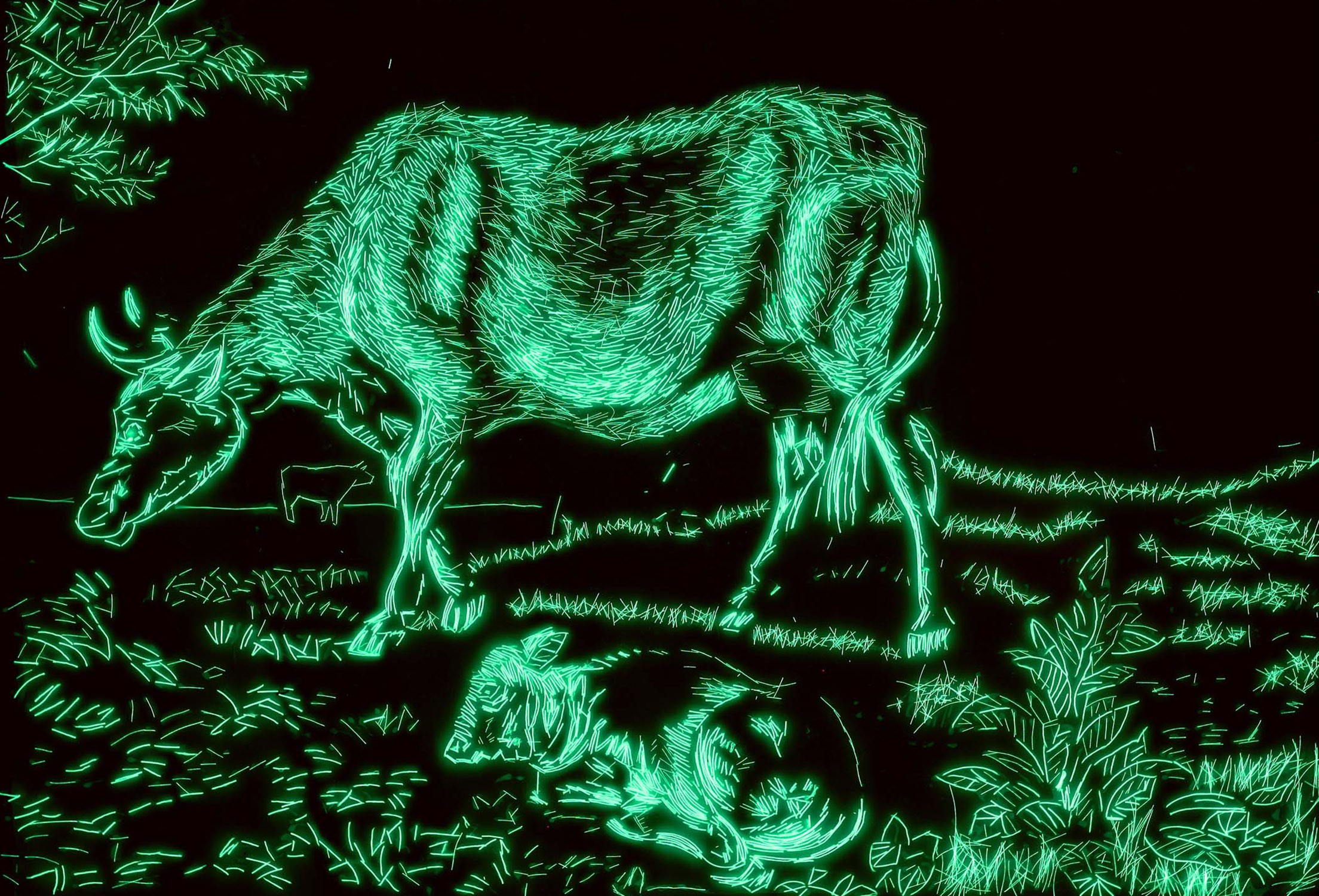
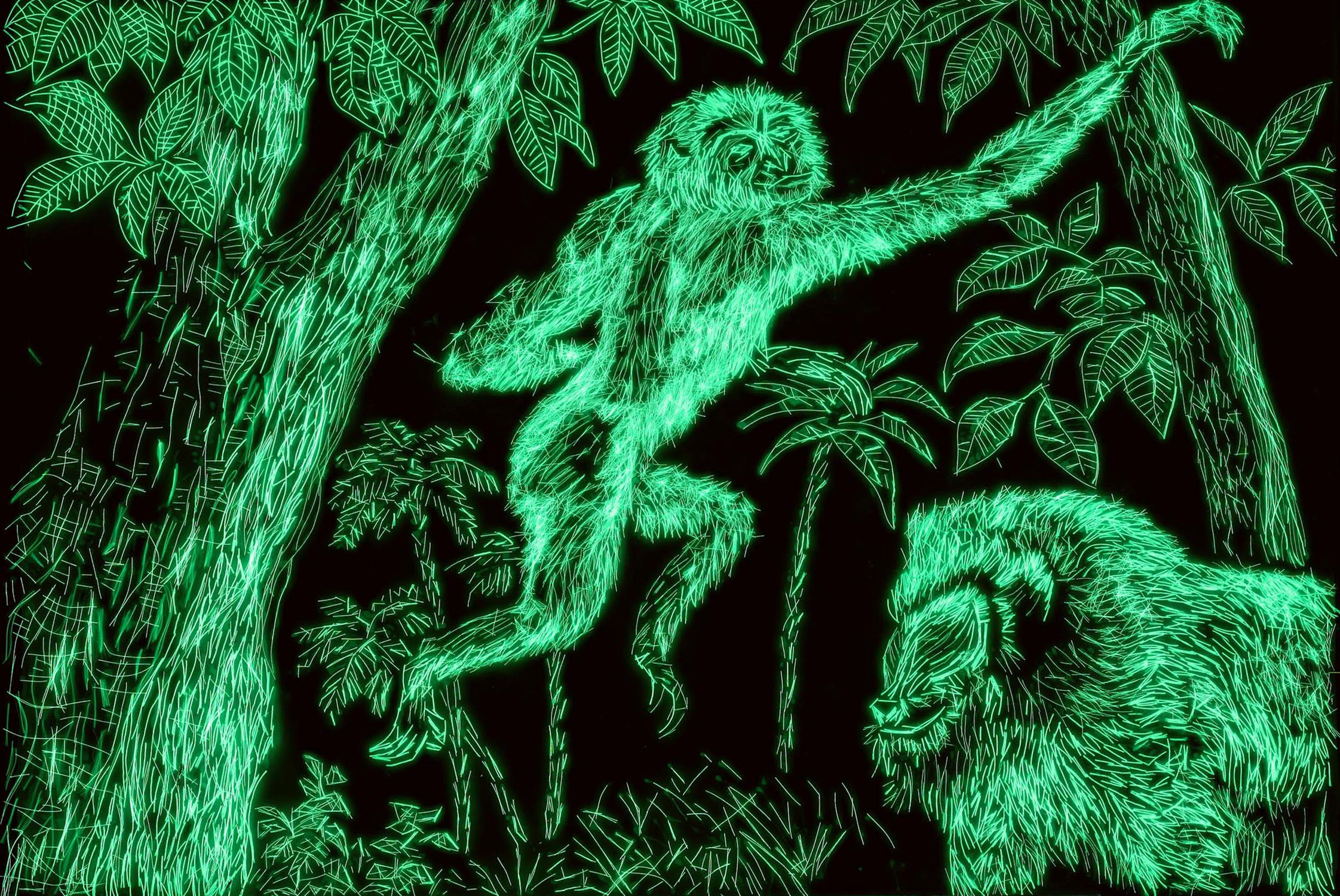
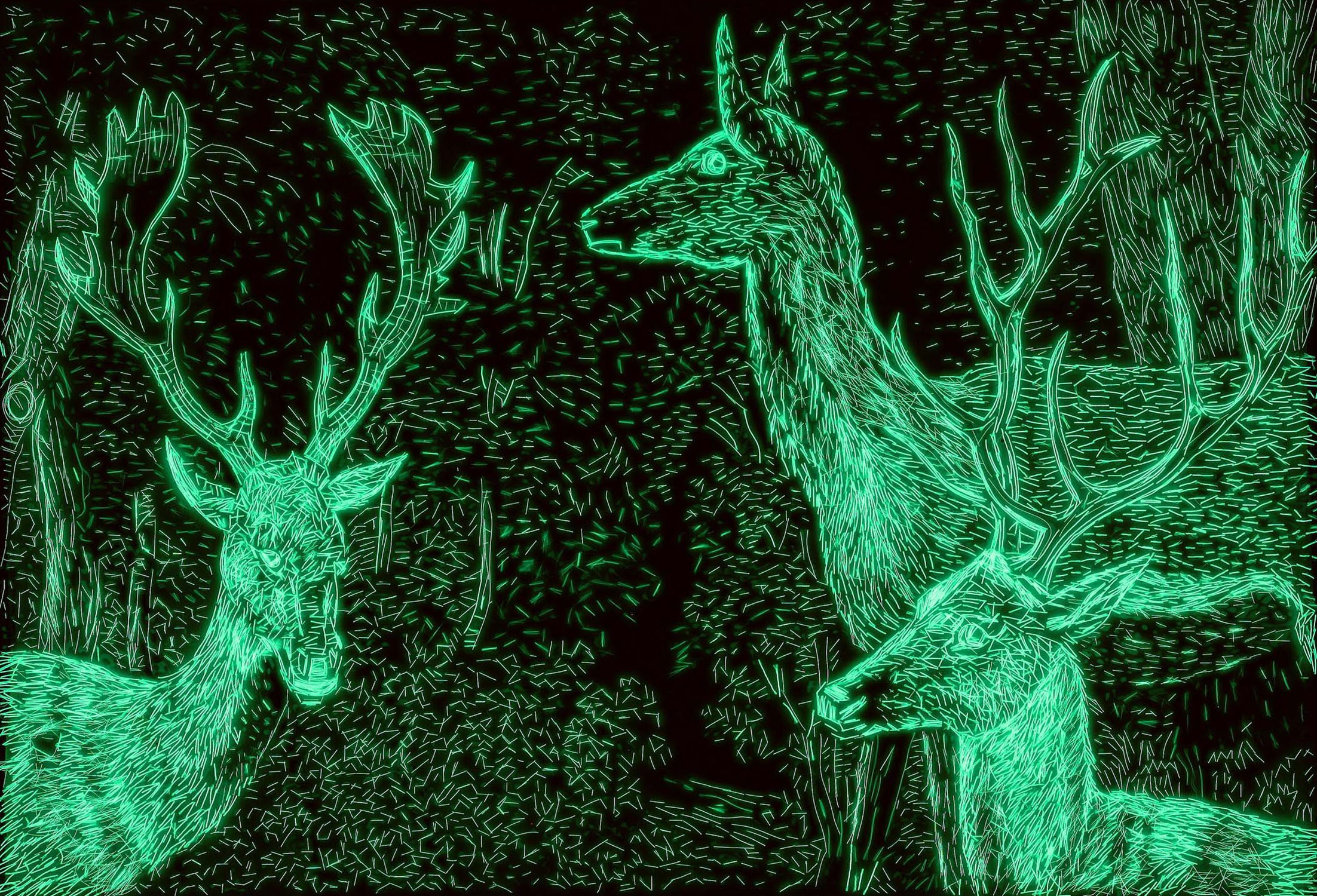
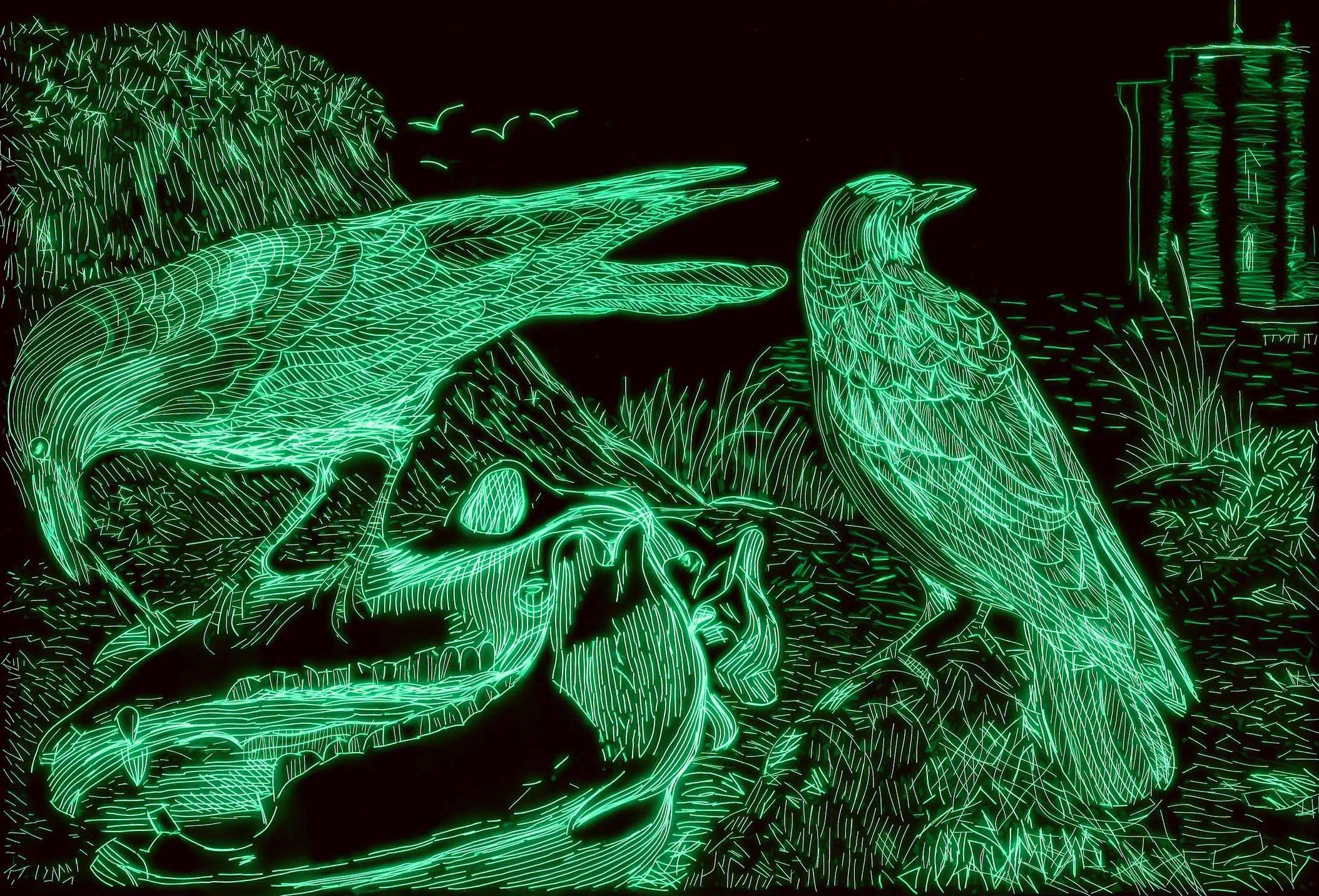
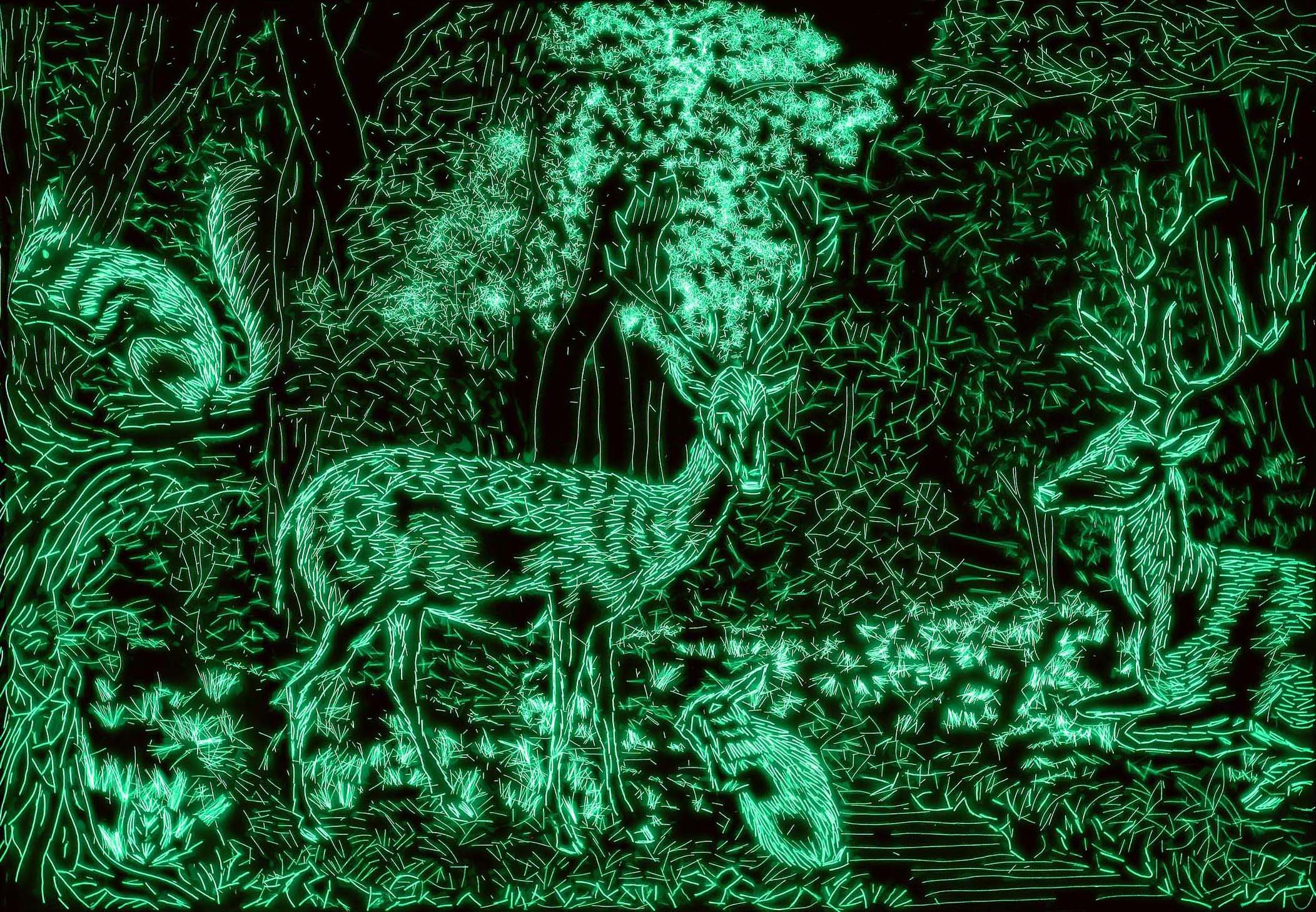
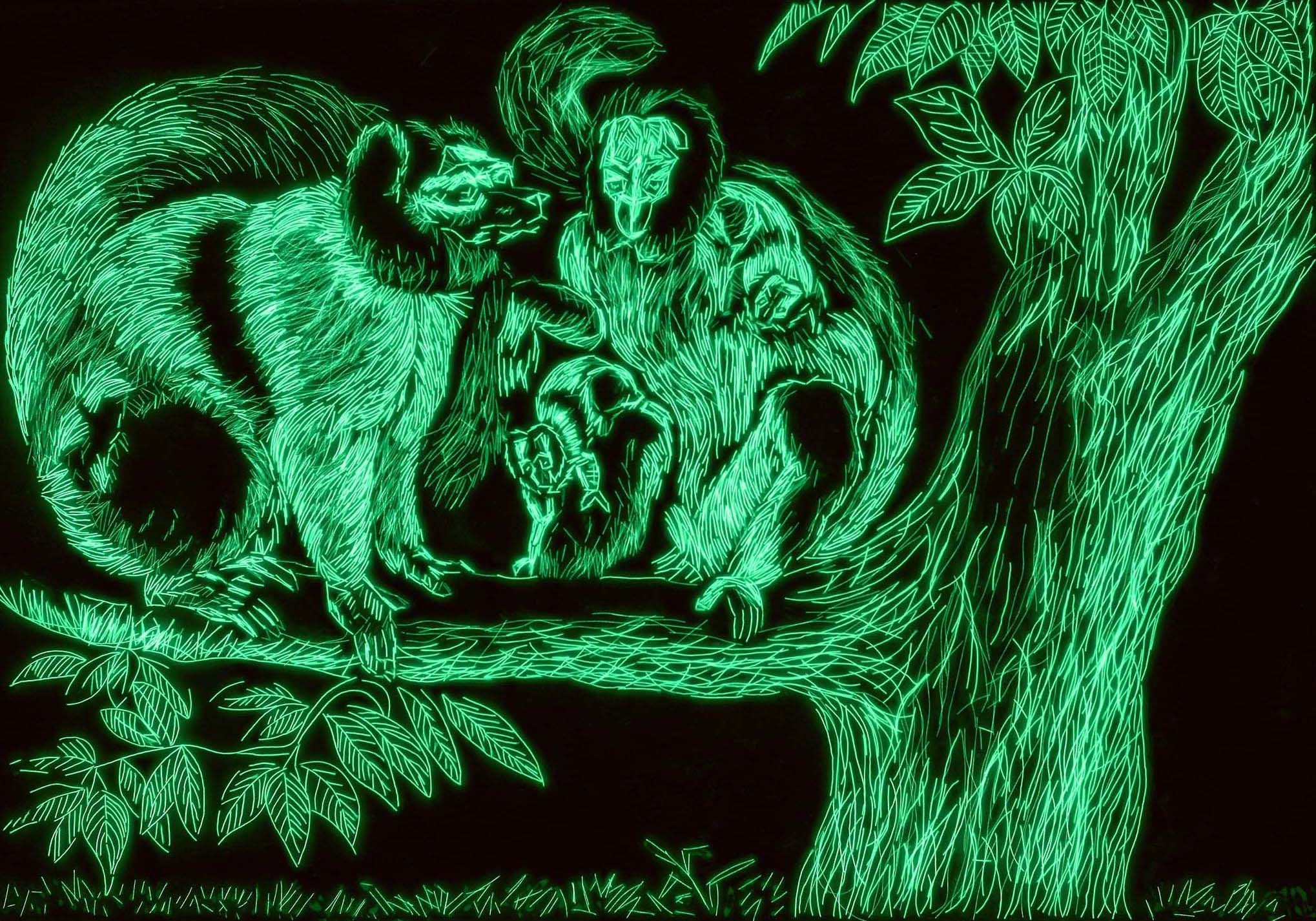
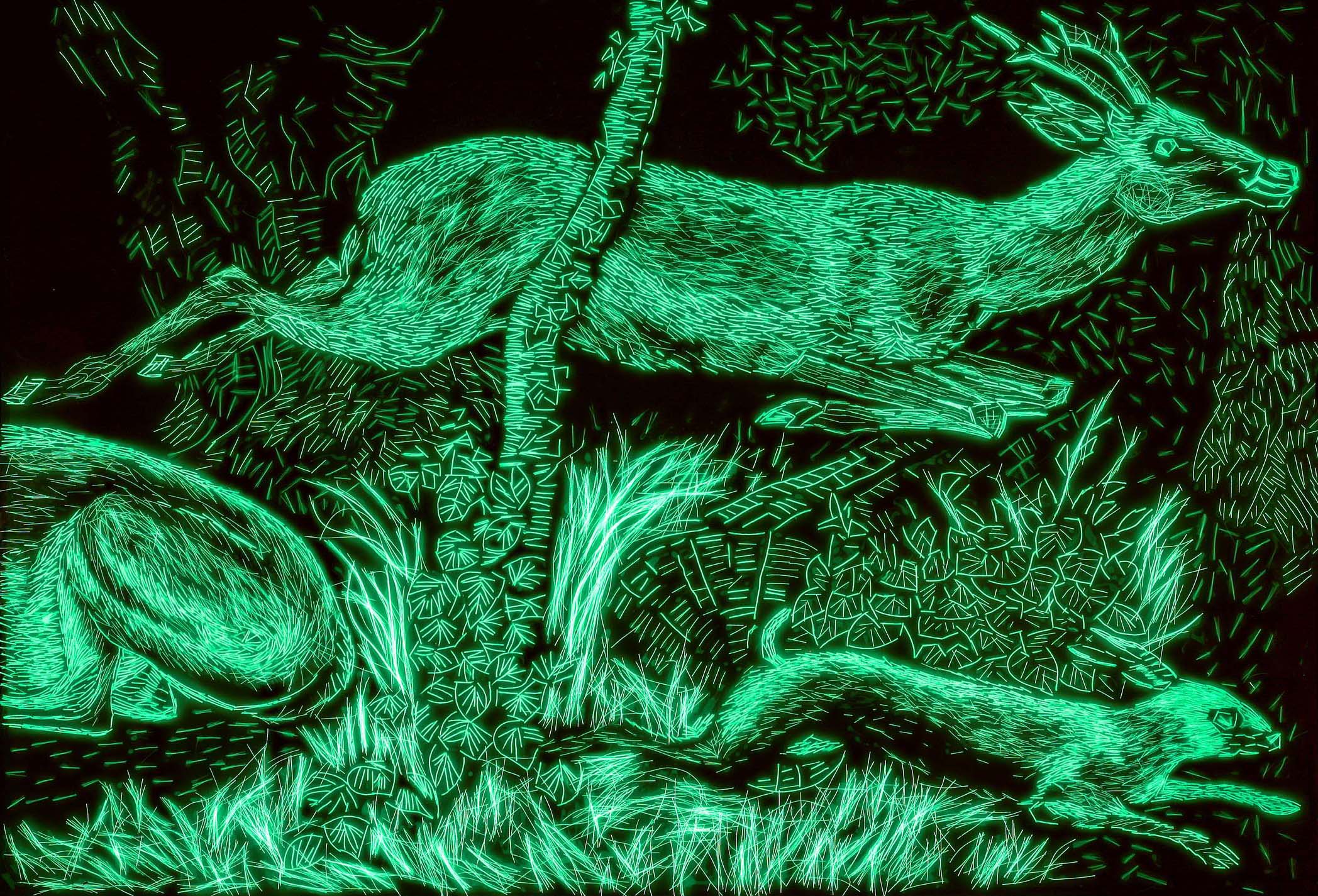
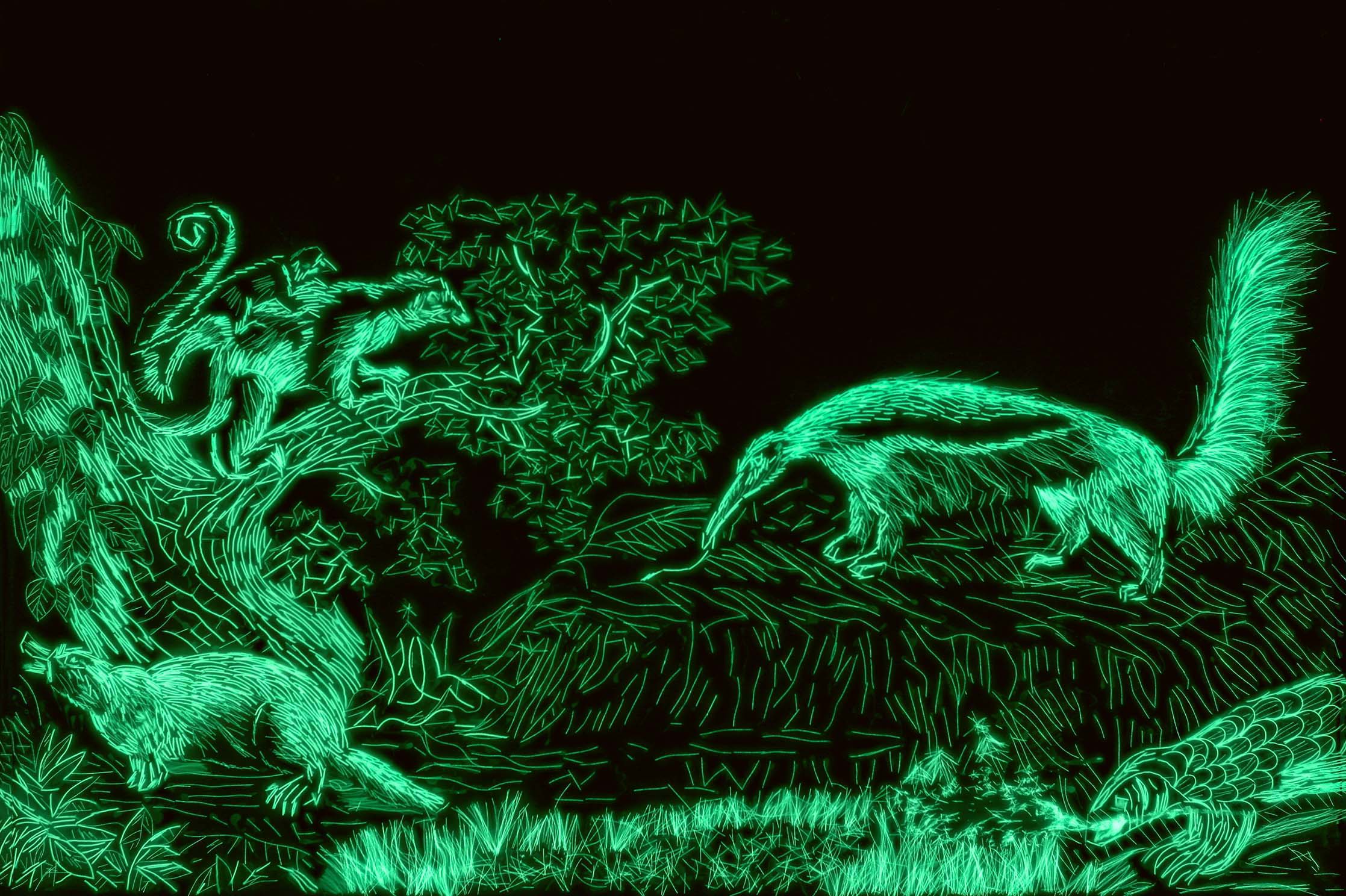
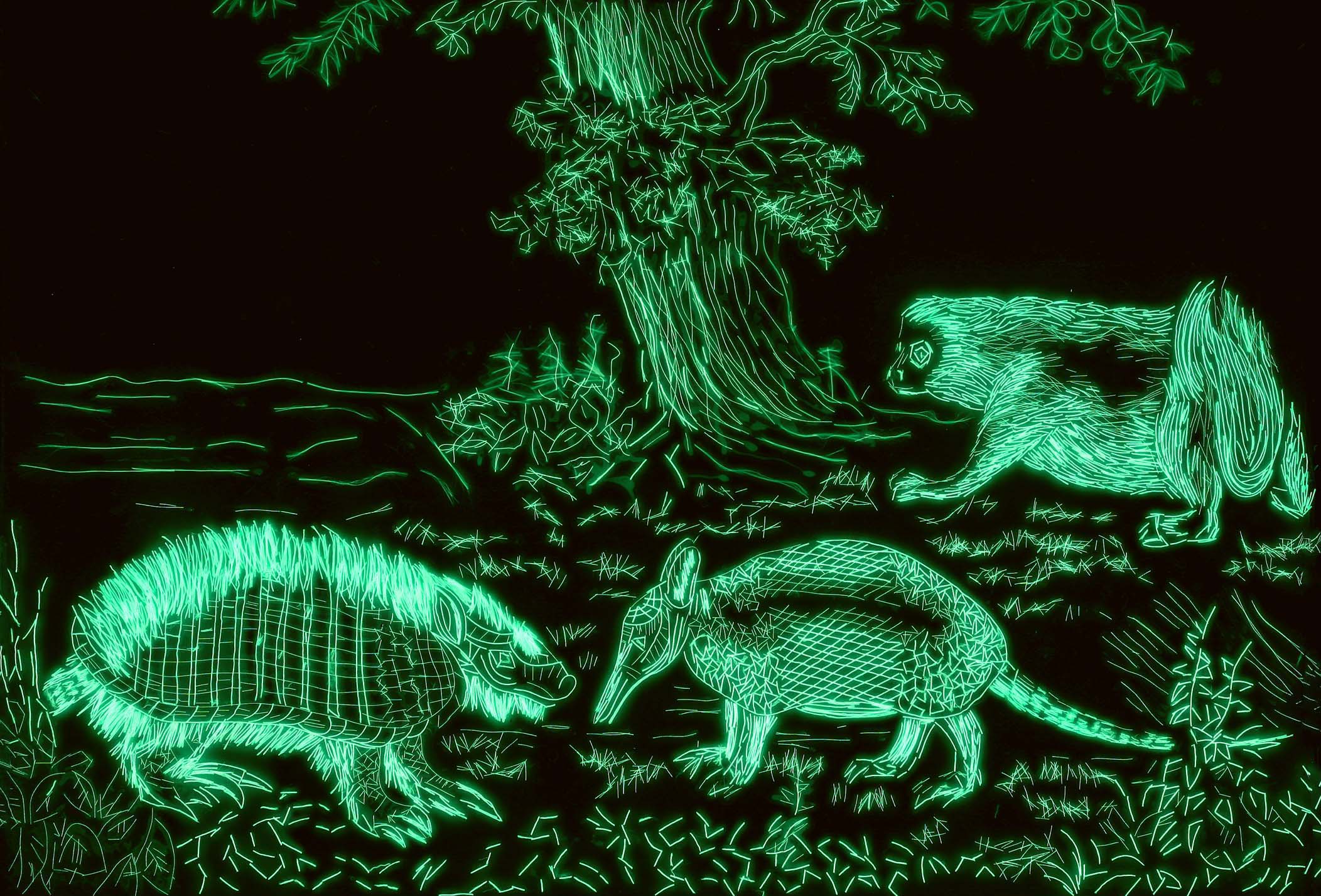
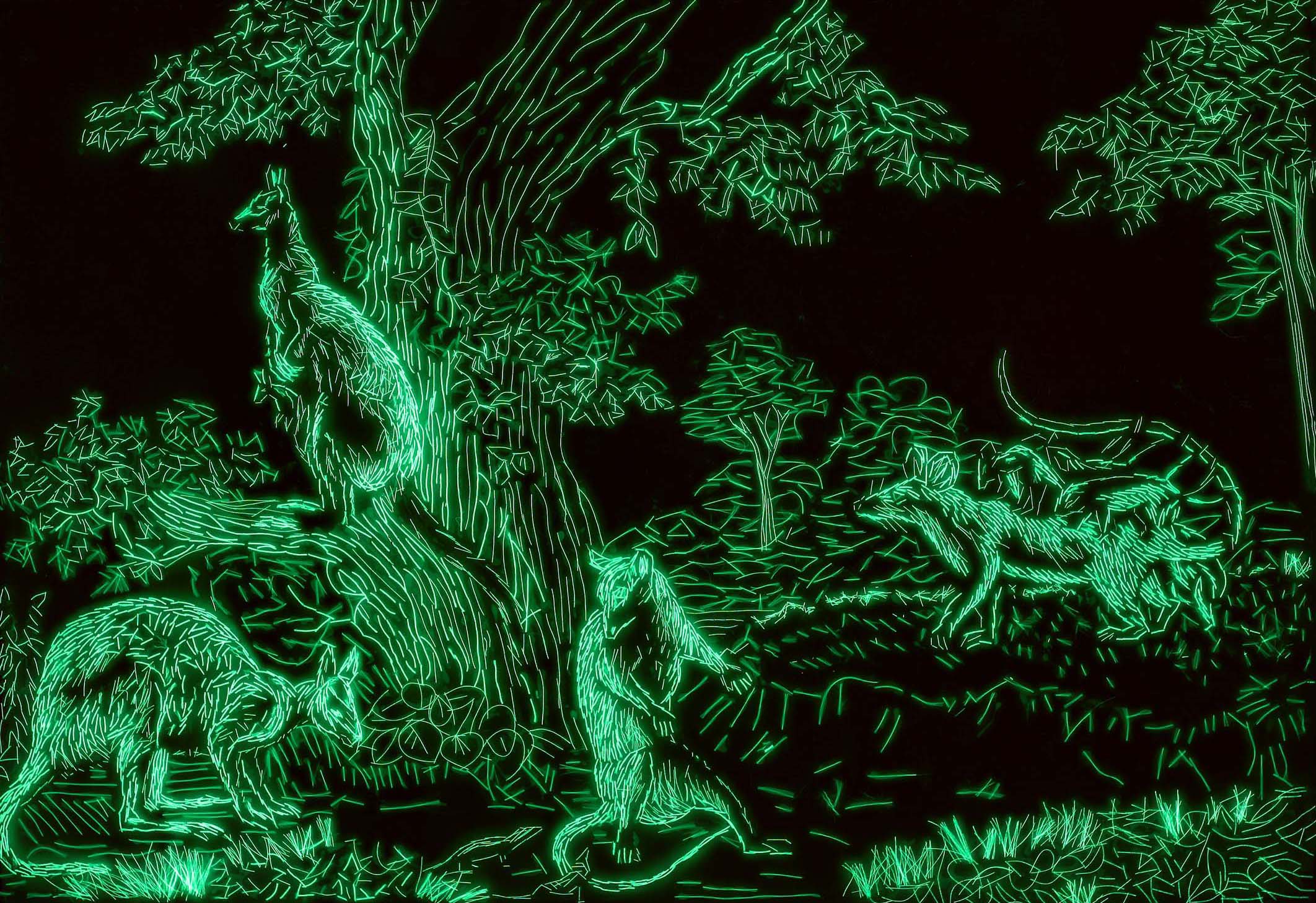
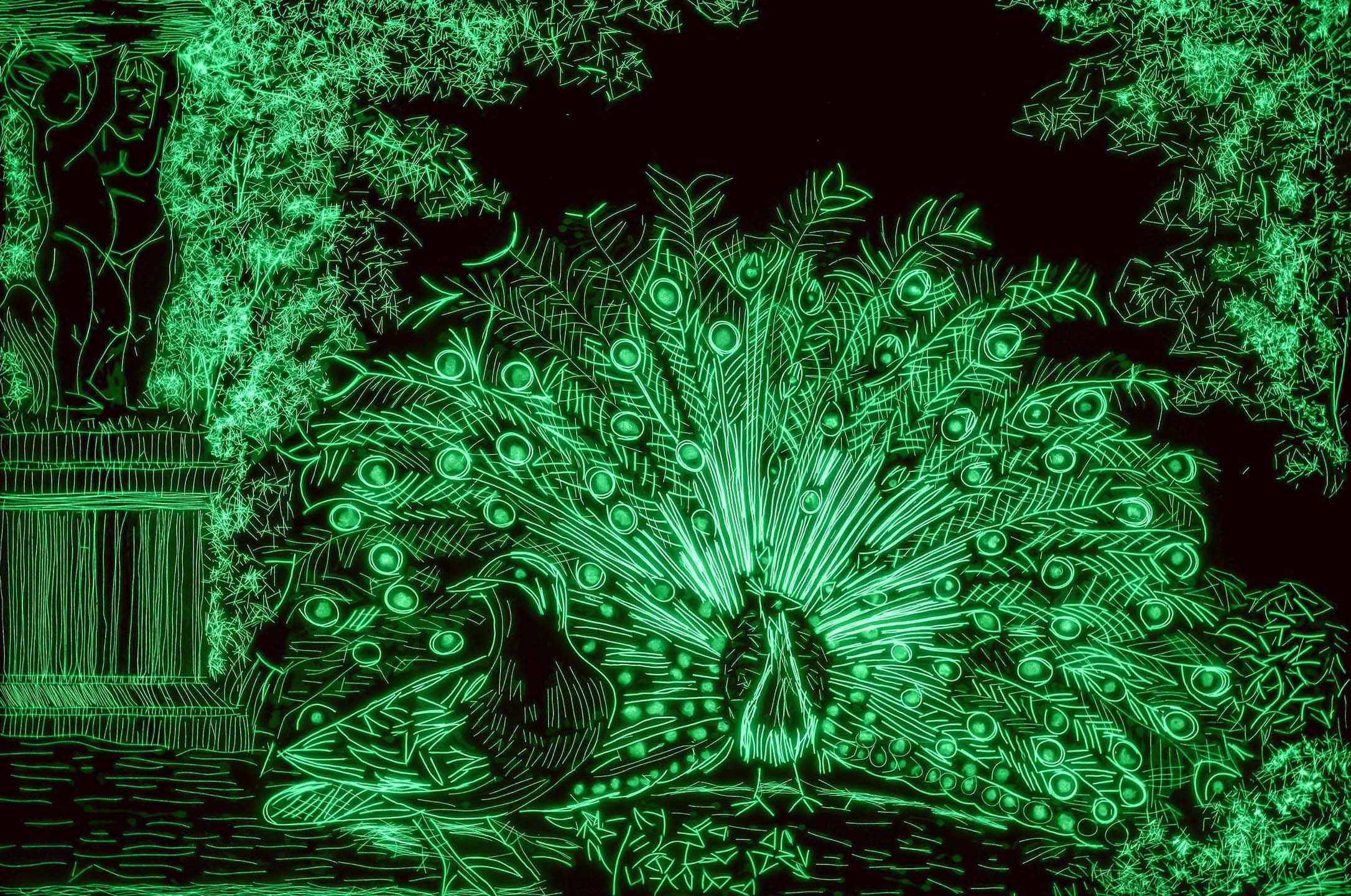
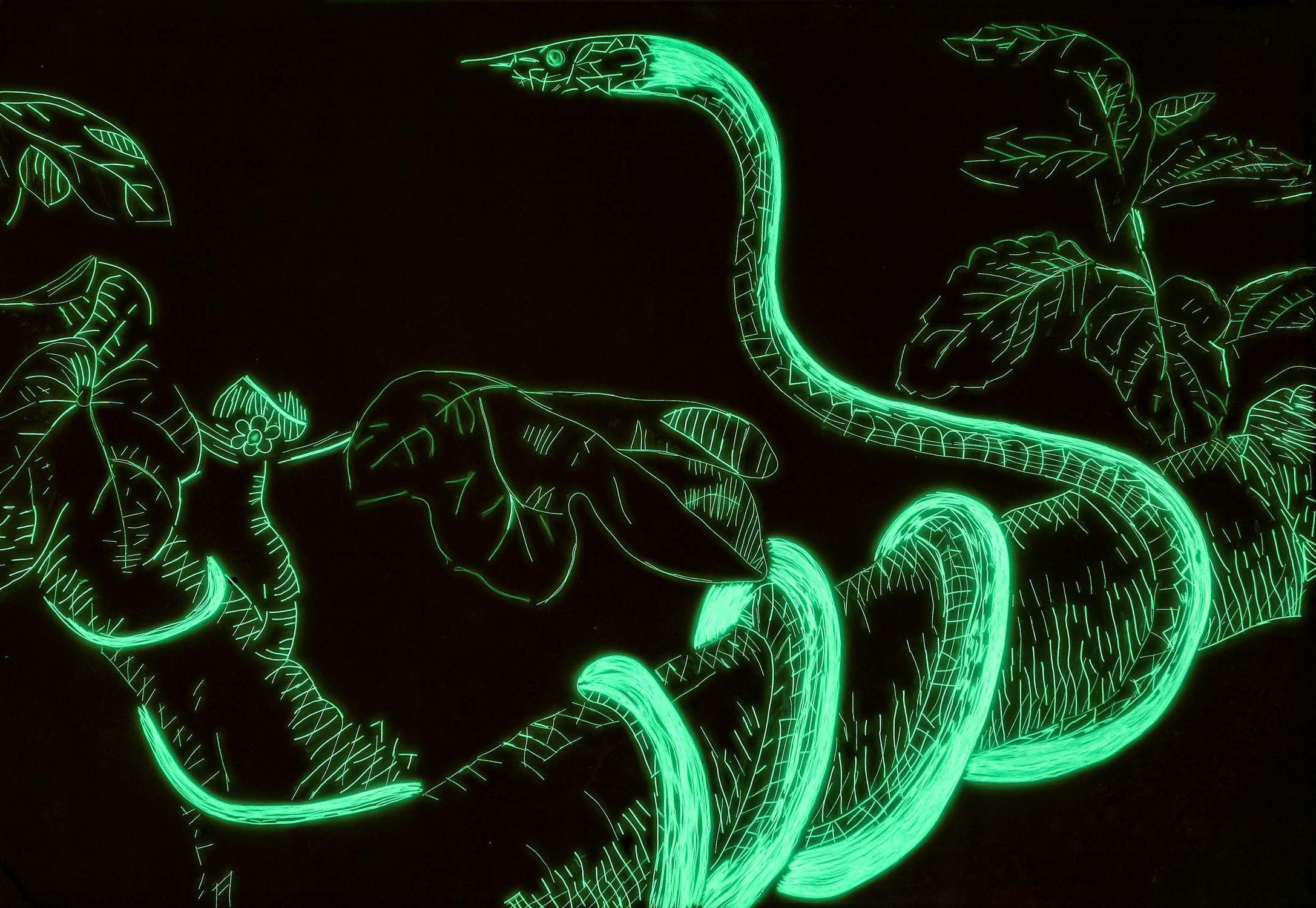
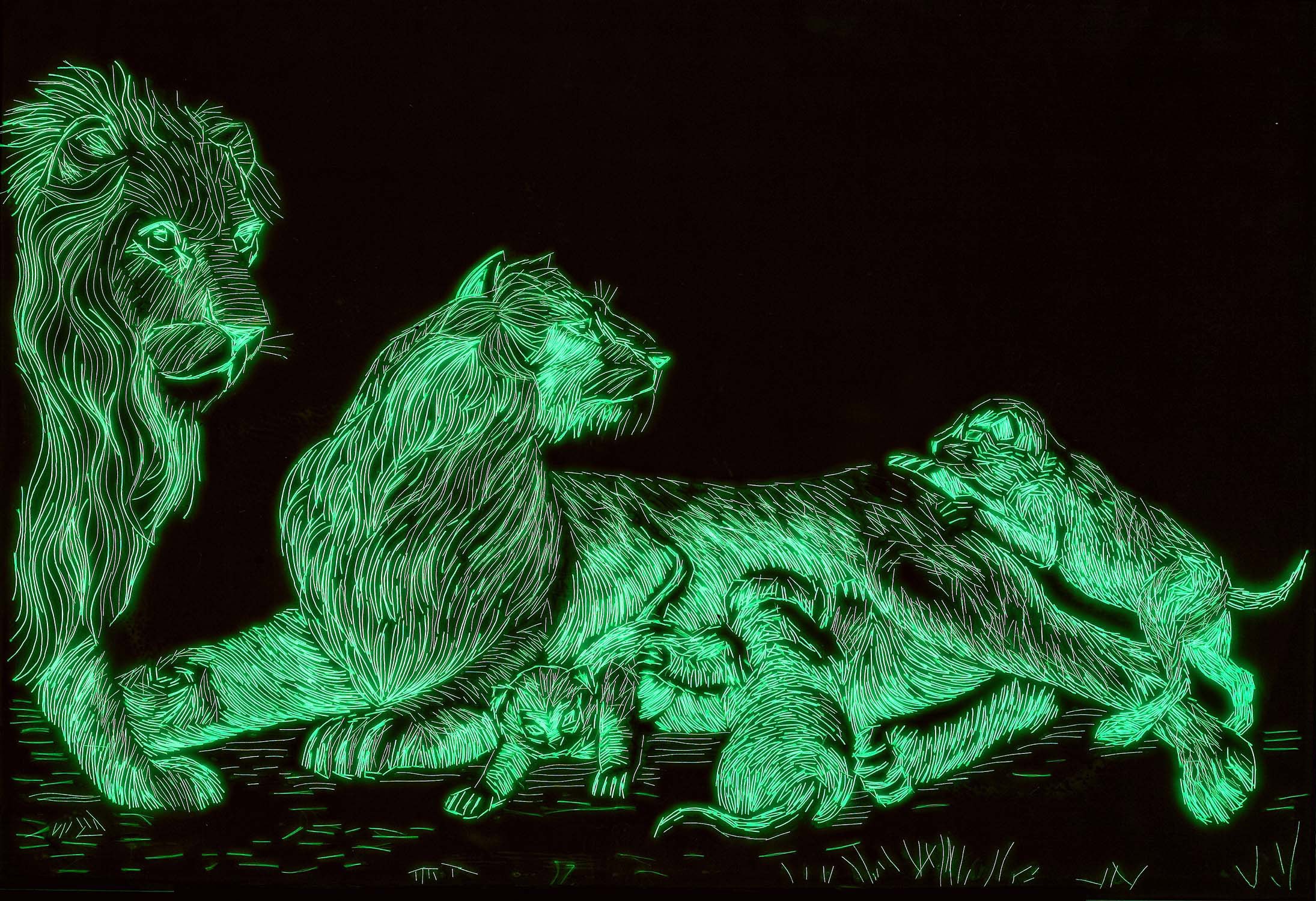
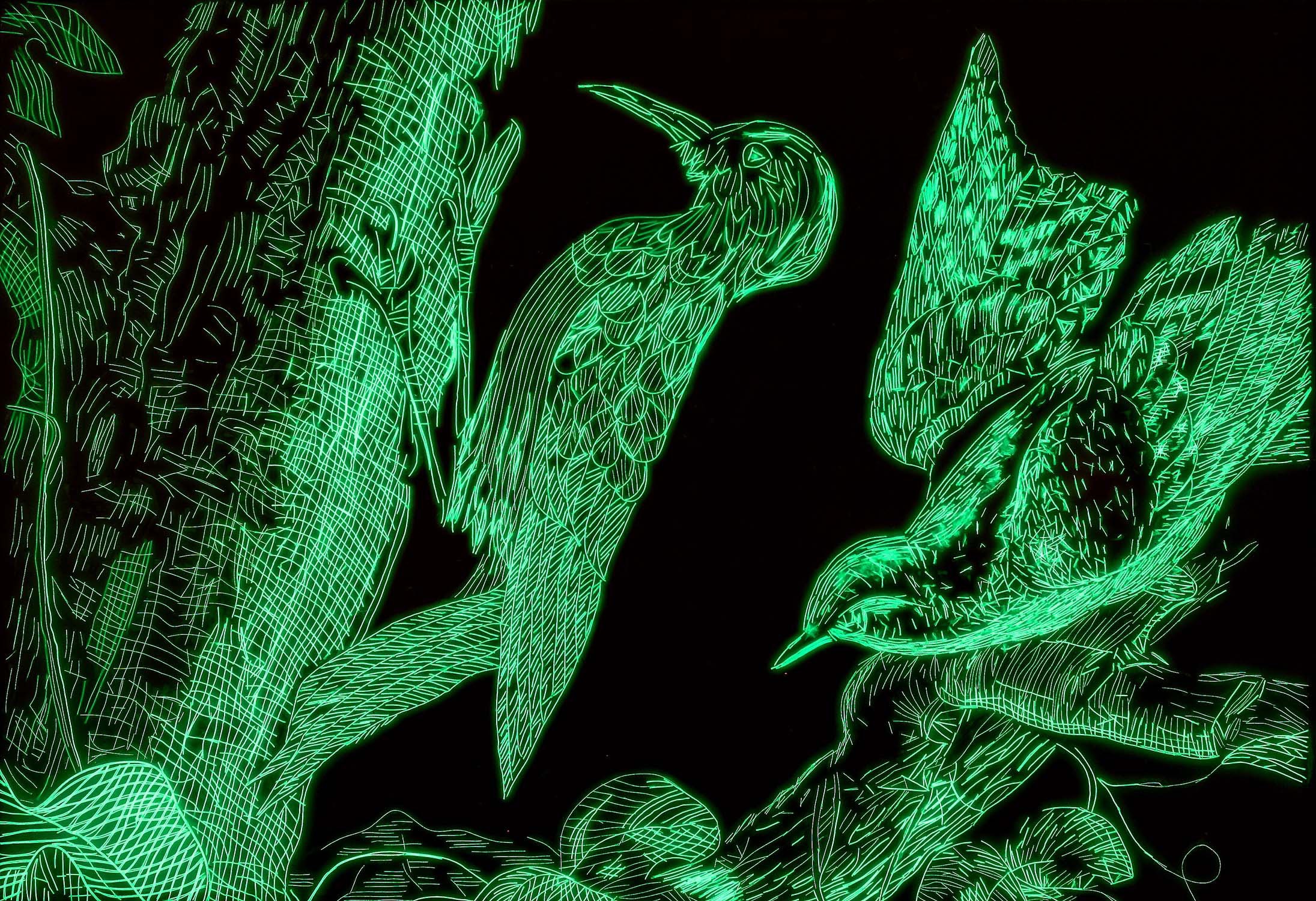
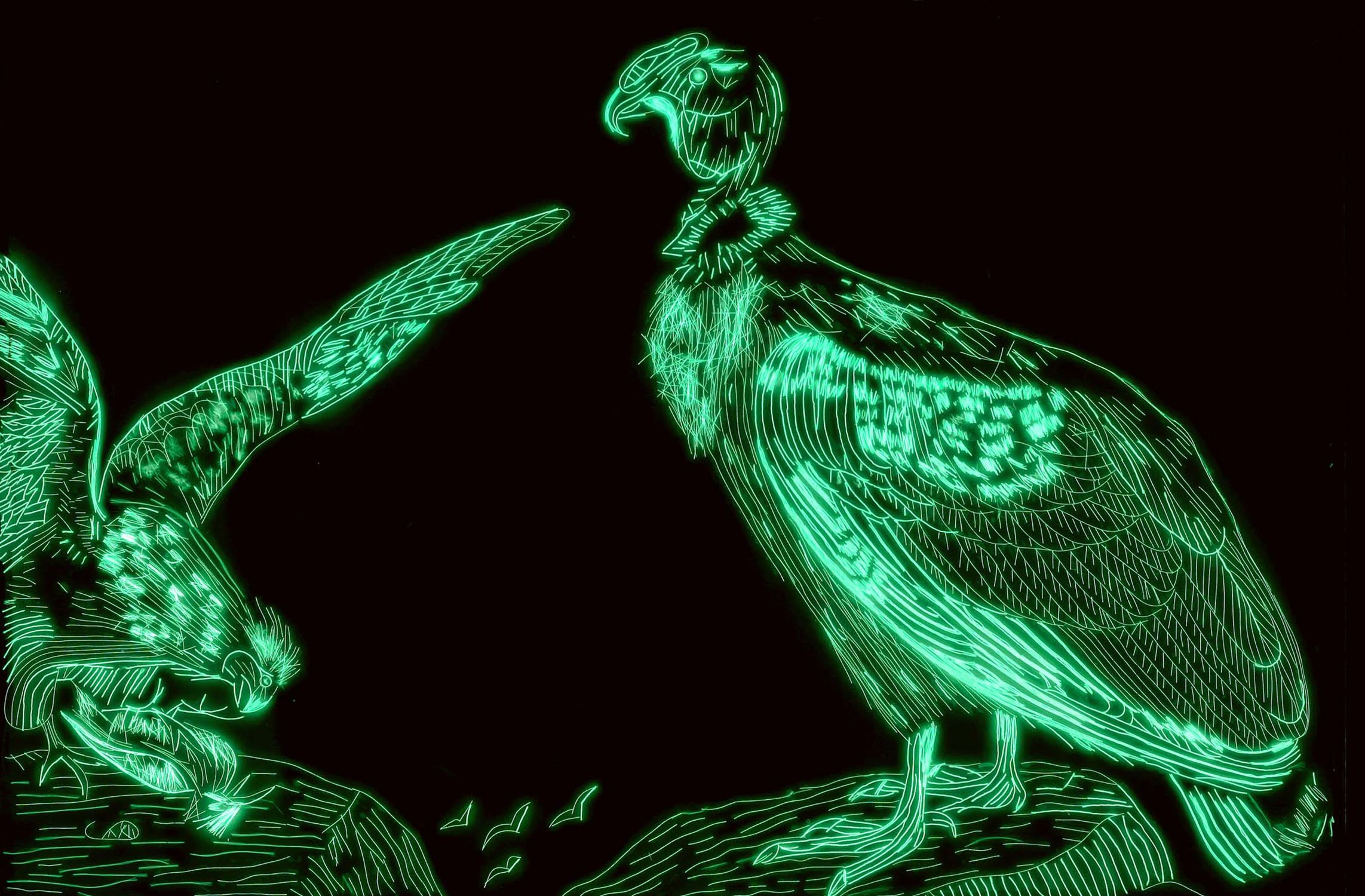
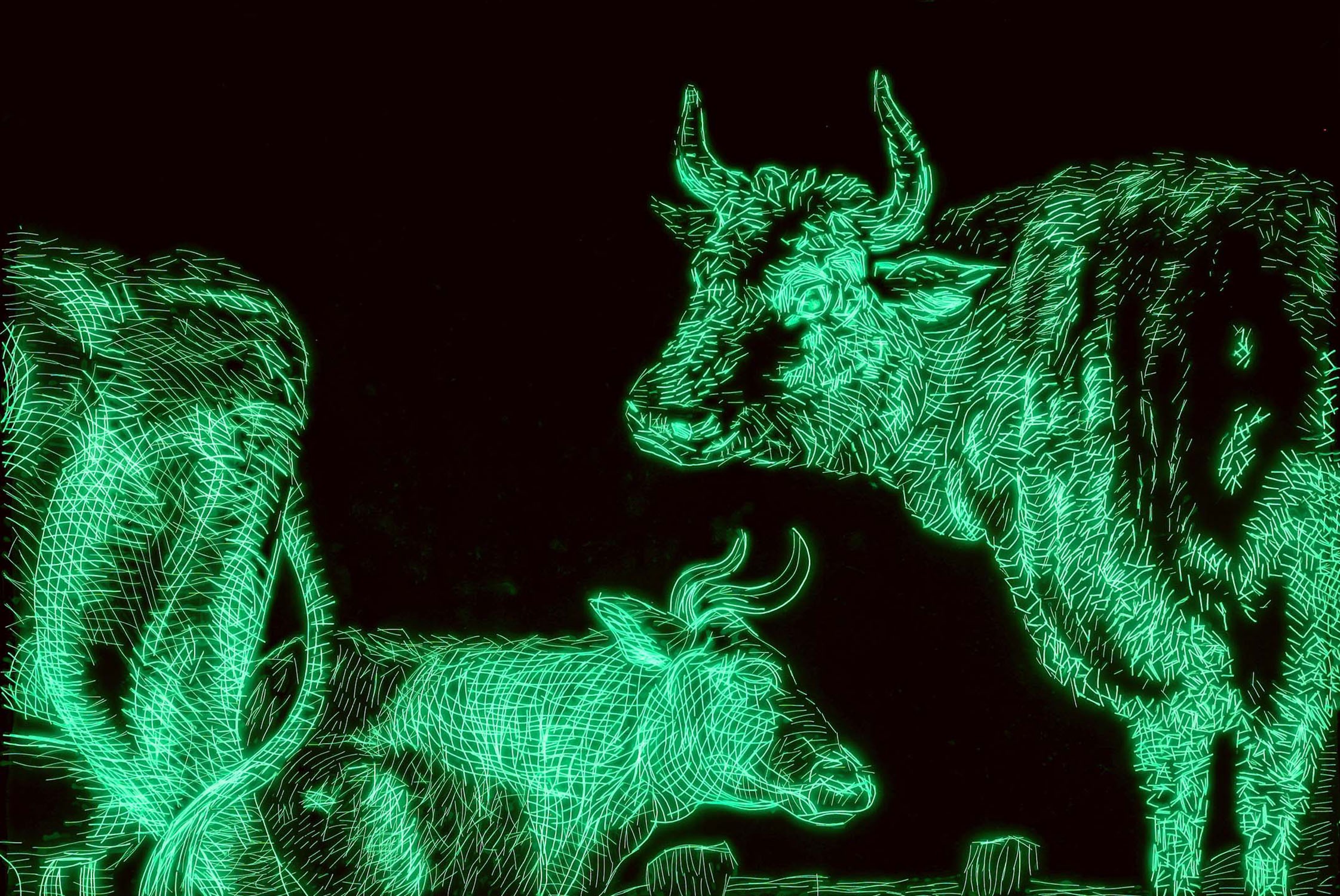
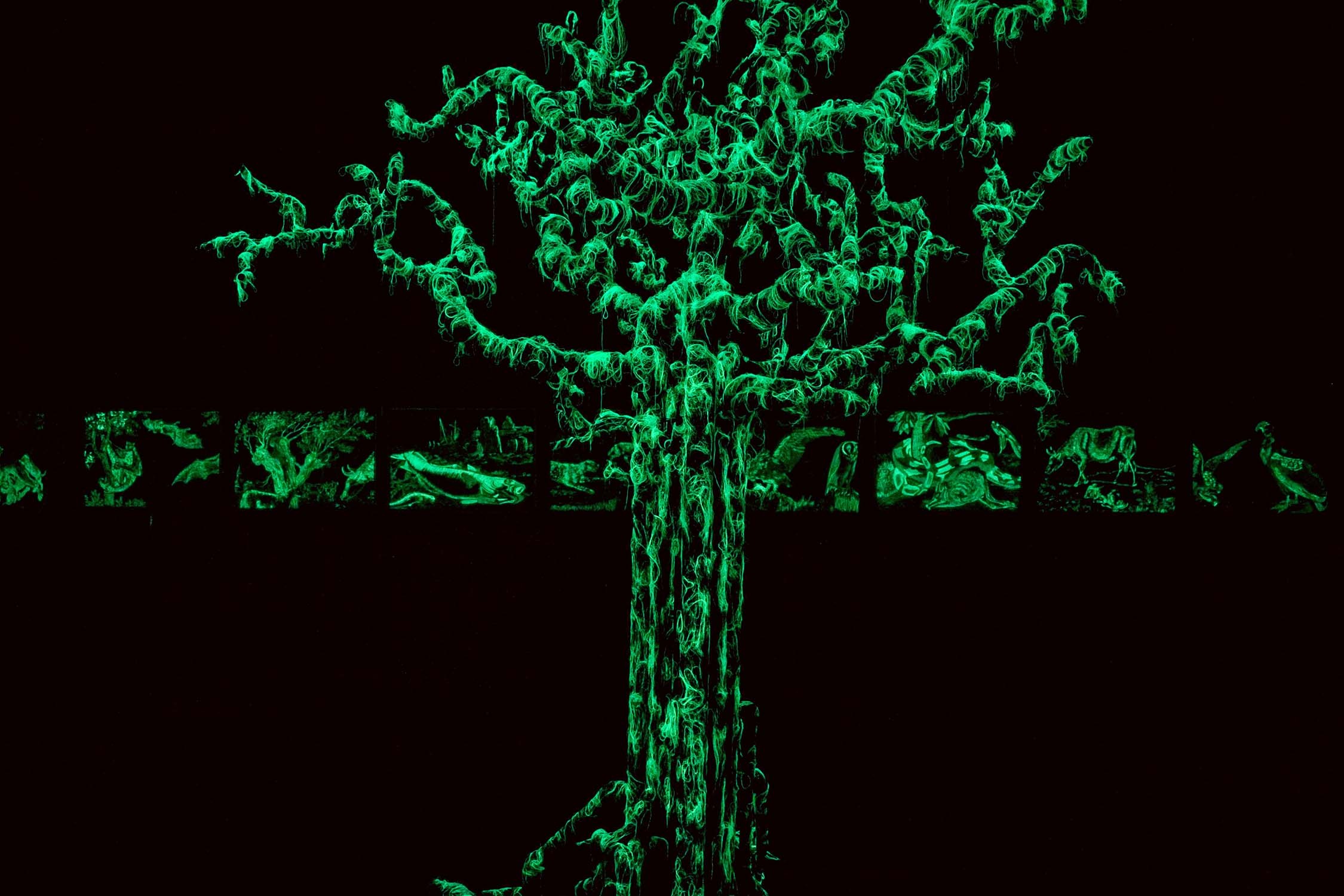

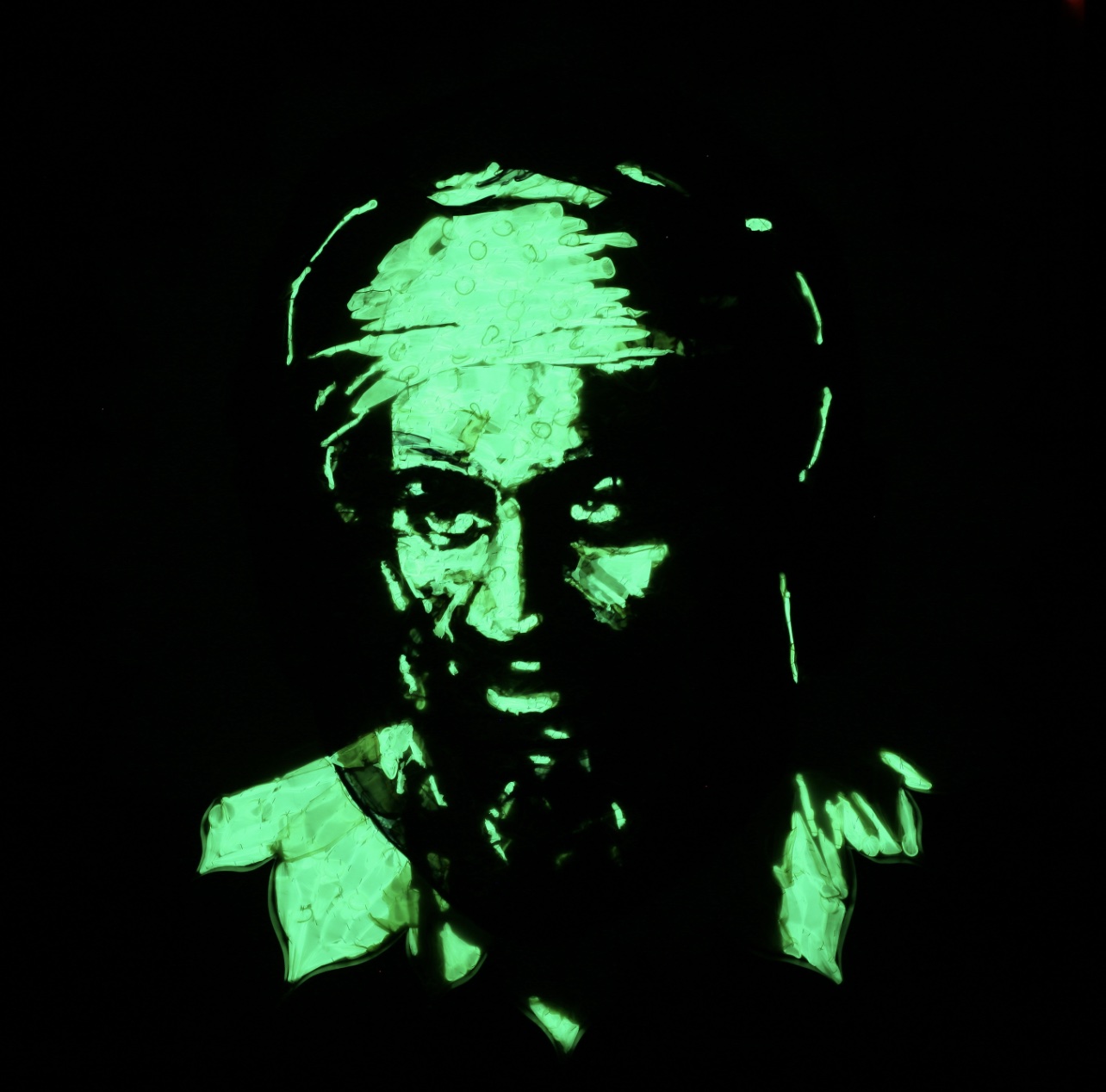
The first time I met Juliana, years ago, she confessed something without my asking:She told me that her parents were evangelists and that during her childhood, she had witnessed several exorcisms and seen many unbelievable things that she could never forget. I was surprised that she would tell me something like that fifteen minutes after meeting her in a work context for the first time. I had been called upon to write something for her exhibition.We were at her studio a few meters away from the Botanical Gardens, one of the most beautiful parks in Buenos Aires. Since that day I’m an assiduous visitor of that studio. A secret and magical space in Buenos Aires, that even though it’s private, it’s almost public because it’s always open to receive people that feels like visiting. During the day, people work stoically thereand when the sun goes down an infinite cycle of conversation begins, with Juliana and Manuel as hosts.You could say that one element that runs through all of Mondongo’s body of work is the almost sacred value of conversation. That’s why their first exhibition consisted in a series of masks of people from the world of culture, people that they hardly knew: they would go to these people’s houses and make plaster castsof their faces, but itreally was an excuse to have conversations. The last time I visited the studio we talked about the Mapuche living in the south of Chile and Argentina. We had read in the newspapers about Betiana, a 16 year old machi that had been guided by ancestral spirits to reclaim a piece of land. After that the Argentinean army shot her cousin Nahuel in the backand killed him. That day Manuel told me that when his parents were running away from the military dictatorship he had lived with the Mapuchein the Patagonia and that he remembers being fascinated, in the middle of this traumatic experience, by the love and dedication they put into their craftwork. Then I told them that for me their studio was a shamanic center in the middle of the wild megalopolis of Buenos Aires. Shamanic in the sense of healing, where art is understood as a ceremony where information (from reality, history and culture, both collective and personal) is transformed into an unknown energy capable of making people connect with their pain, even ifthey don’t realize it, even if they think they are just in front of some fantastic piece of art. Because,one way or the other,every piece created by Mondongo is aboutmourning, an inexhaustible feeling anchored in childhood and playing, just like the conversations lost in the air of the studio in Gurruchaga Street almost in the corner of Santa Fe
—Cecilia Pavón, 2018

THE REPUBLIC OF CHILDREN/PANOPTICON
Mondongo reads the world with irony, and sometimes through parody or postmodern pastiche. Whether they use pornographic images downloaded from the Internet to represent the bloated and insatiable political corruption of Argentina and its consumerist obsessions, or to show the viciously feline, modern, and gay sexuality that displays its merchandise in one of the city’s parks, the ironic gaze remains. Post-2001 Argentina has virtually disappeared from the world due to an nonexistent foreign policy and its entrenched internal corruption. Brazil gains hegemony, and few statesmen seem interested in making a trip to Buenos Aires. The Kirchners have failed to recognize that Argentina cannot survive on its own and needs to negotiate effectively with Bolivia, Venezuela, Uruguay, and Mercosur. Out of necessity, everyone has had to learn to survive alone, or more precisely, those who have learned survive, and those who haven’t are left hanging by their fingertips. Mondongo's work is, therefore, naturally filled with ironic and even cynical signaling. Thus, they inevitably see what they see: either an artistic system or politics. Their relationship is parodic, using and abusing, and as such, it moves toward a public discourse that openly seeks to avoid the aestheticism and modernist hermeticism and its concomitant political self-marginalization.
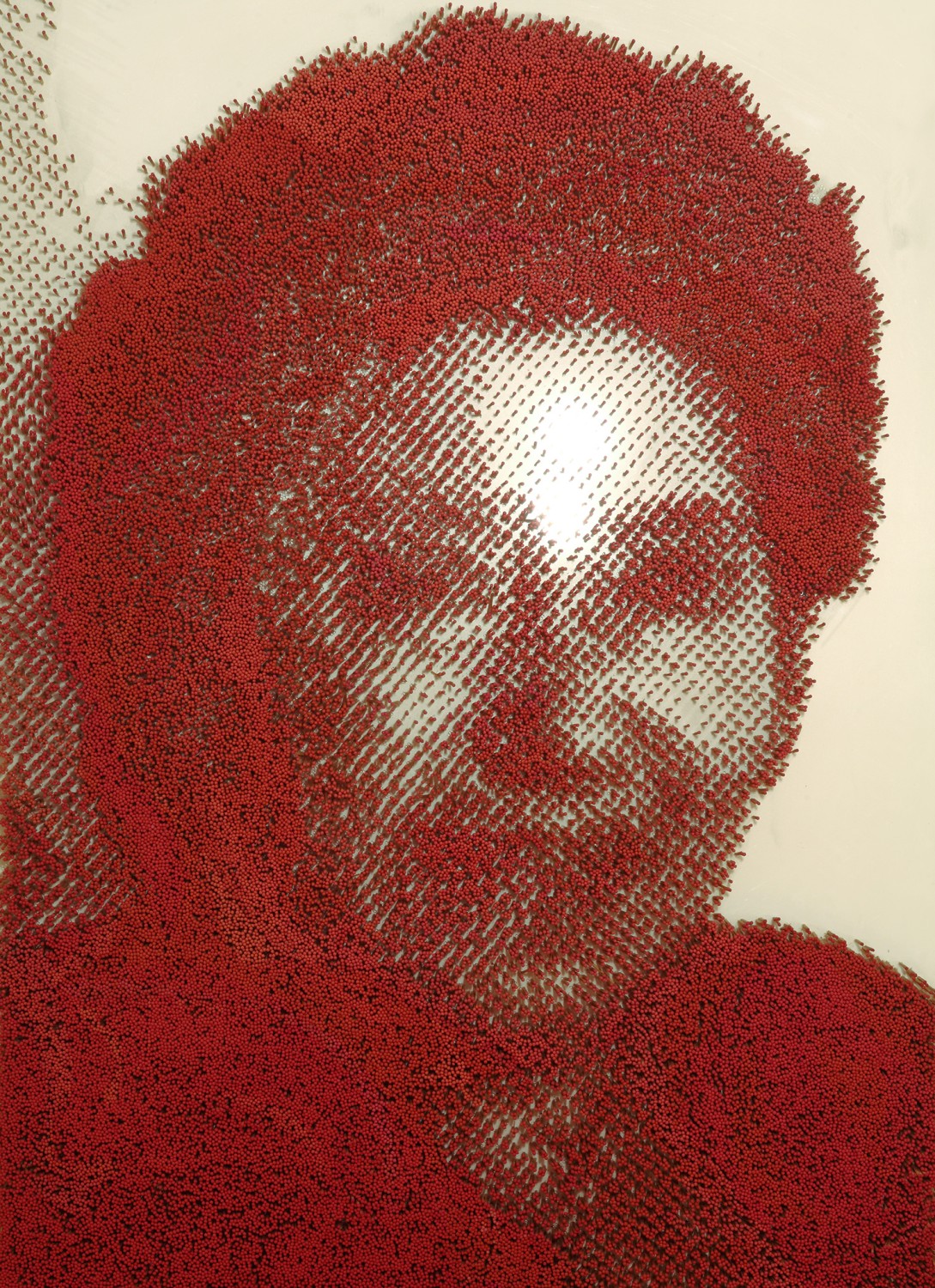
They are certainly not political artists, but it would be a mistake to overlook their ideological and, more precisely, ethical concerns, as well as their commitment to forming a more collective aesthetic code through a marriage of contemporary vernacular culture in terms of images (newspapers, the internet, reproductions, both original and borrowed photos) and materials (condoms, matches, plastic bags).
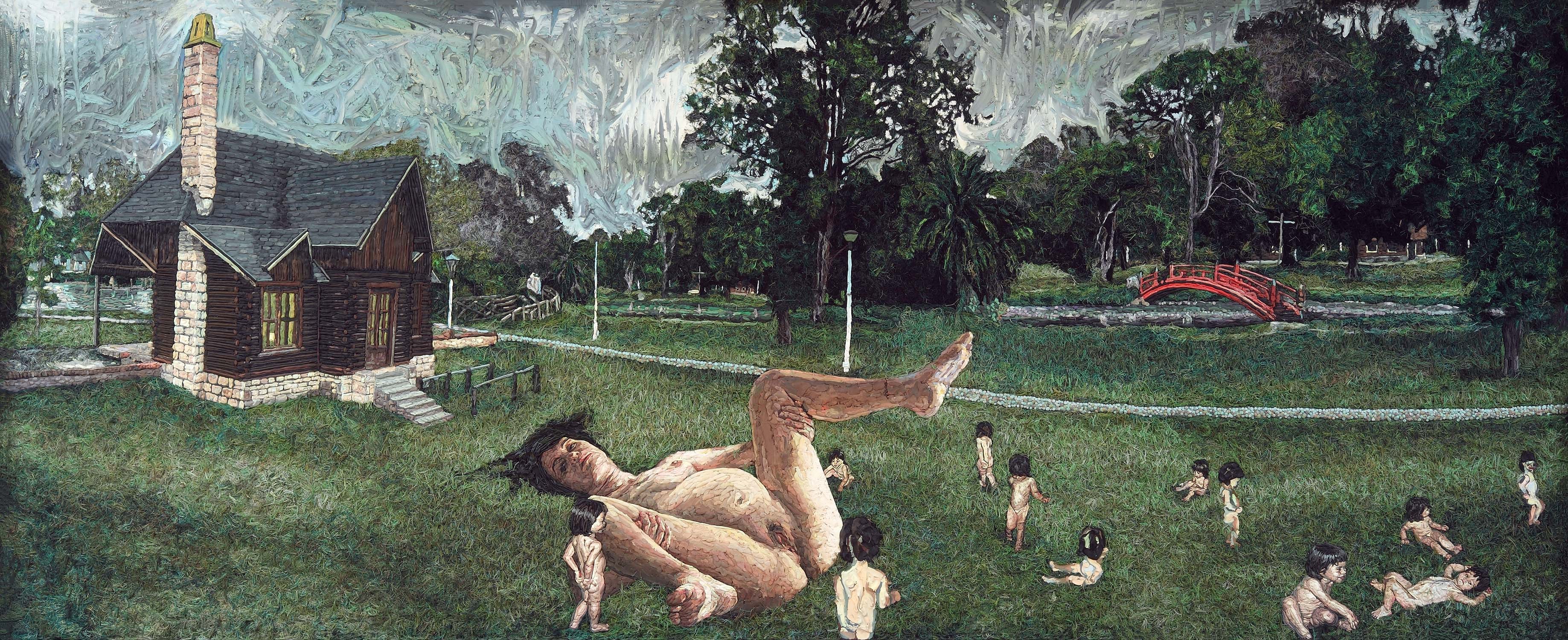
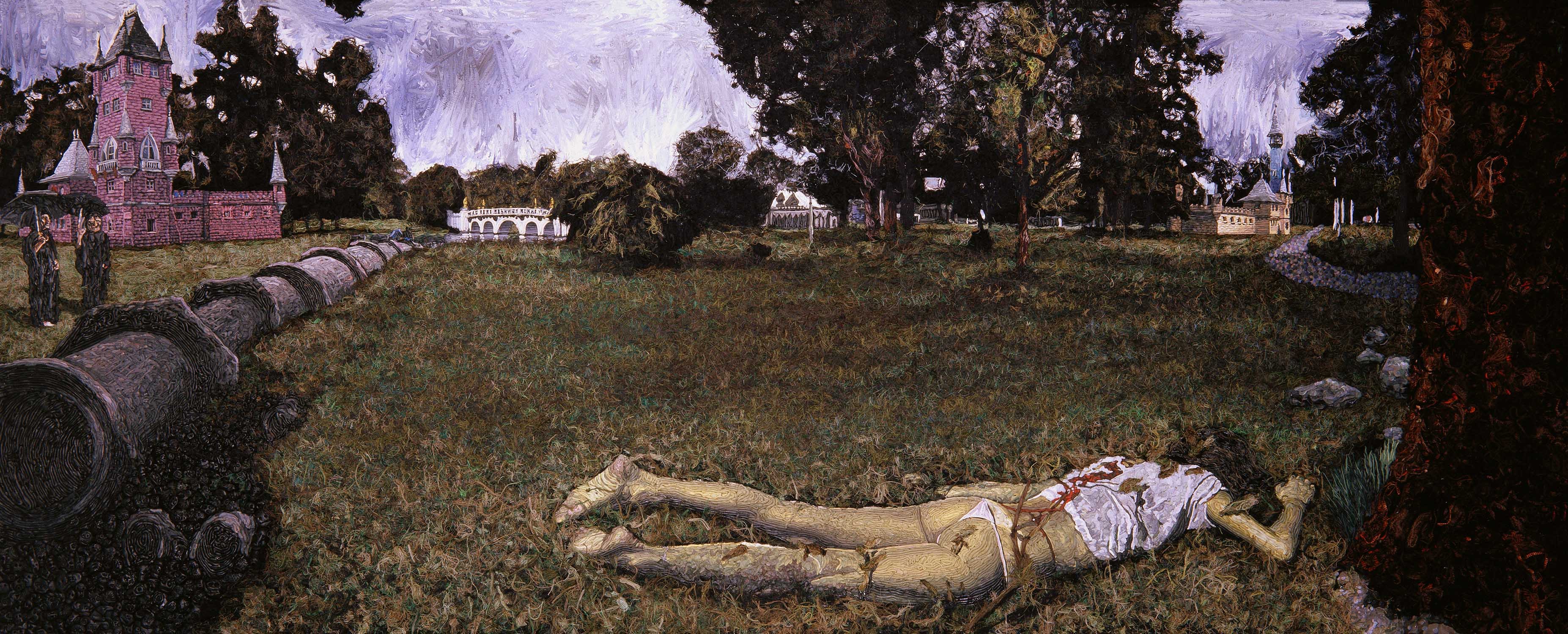
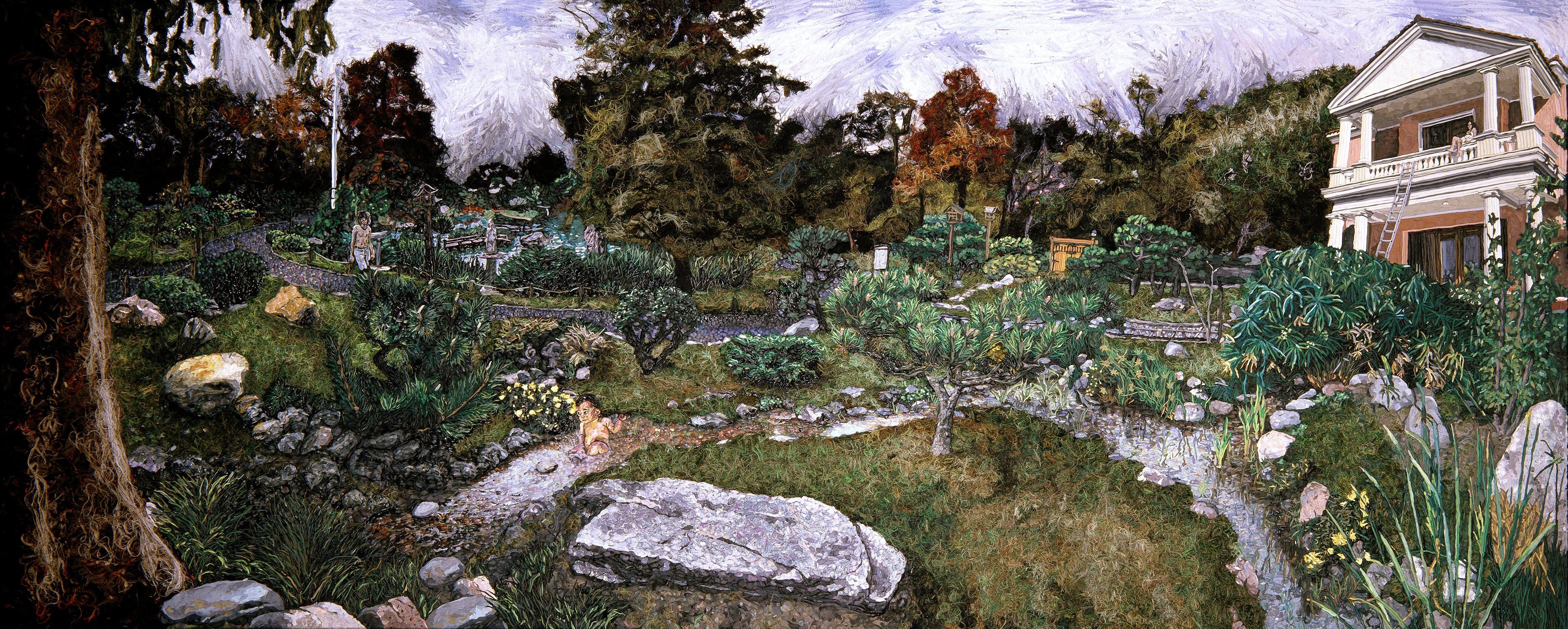
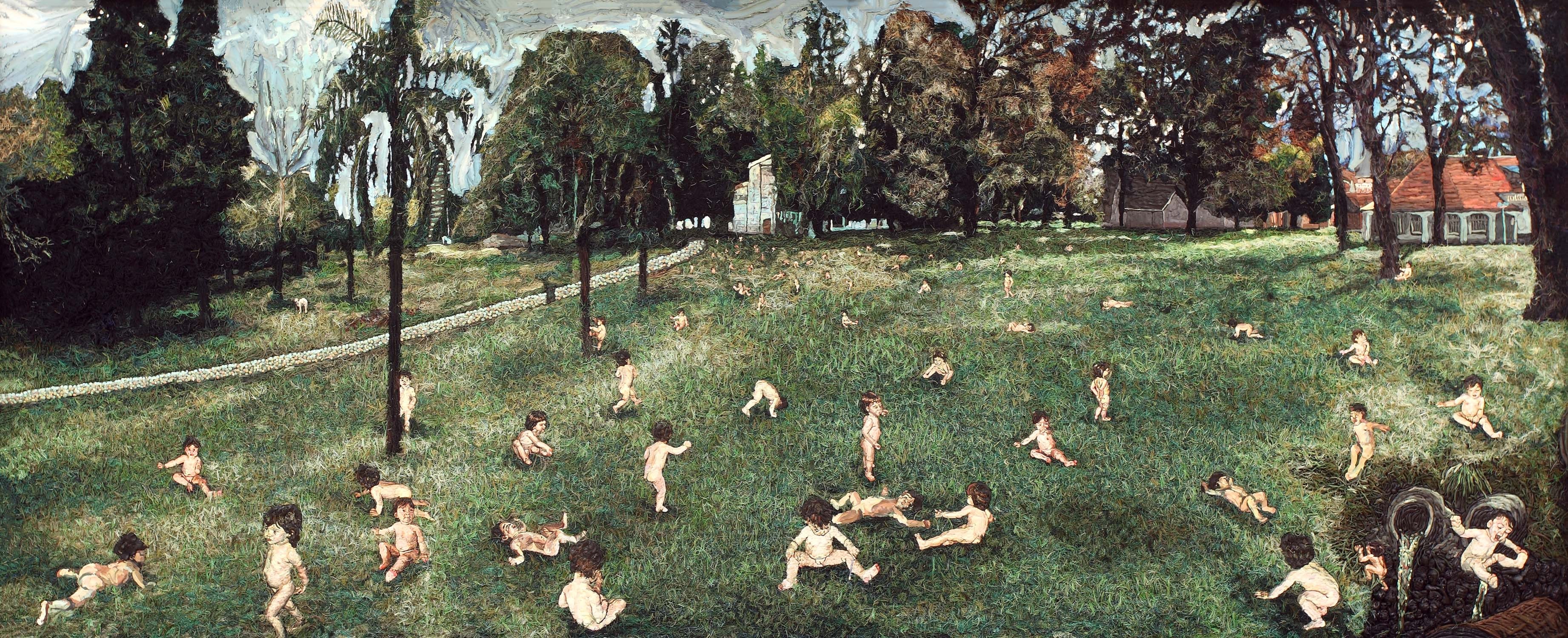
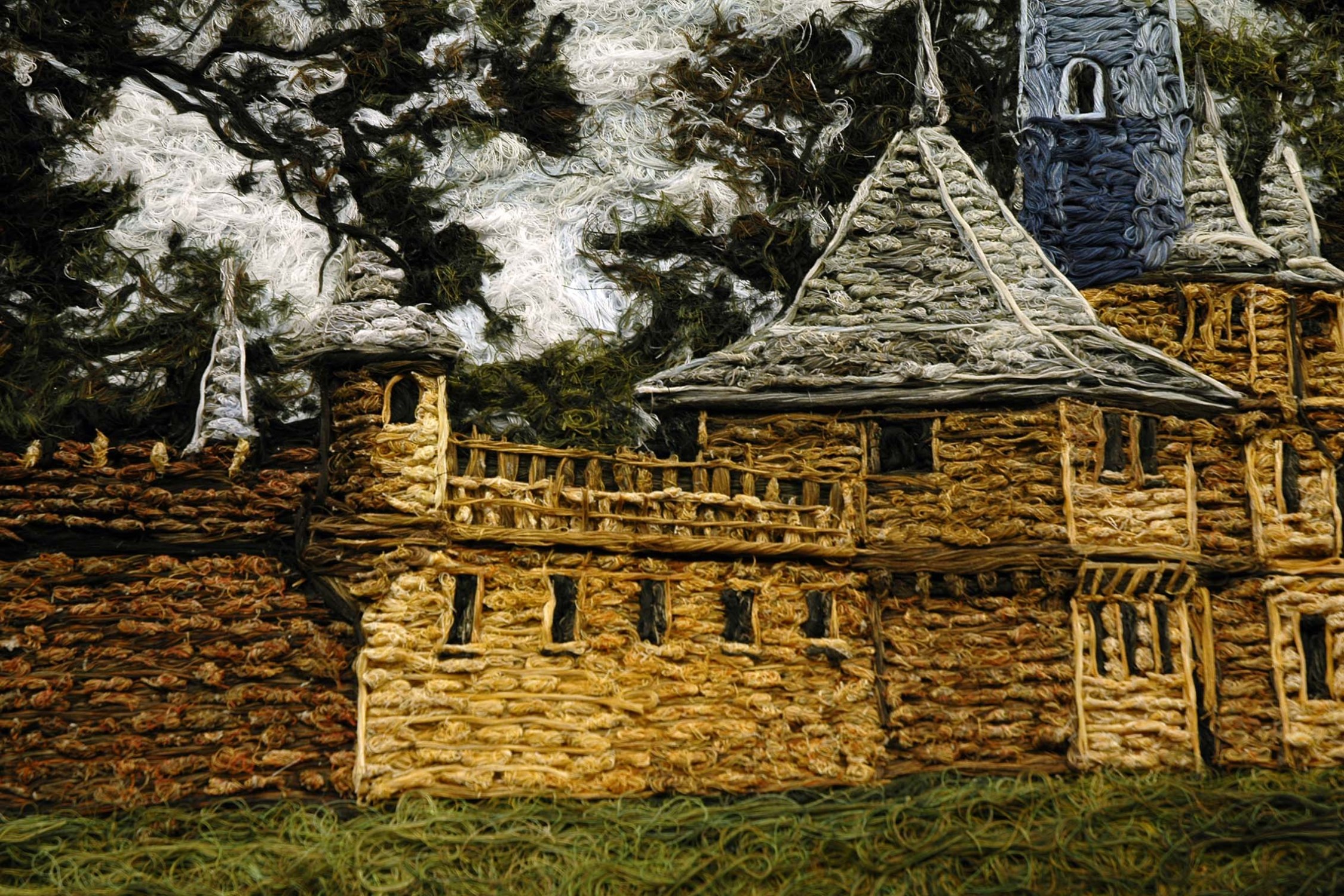
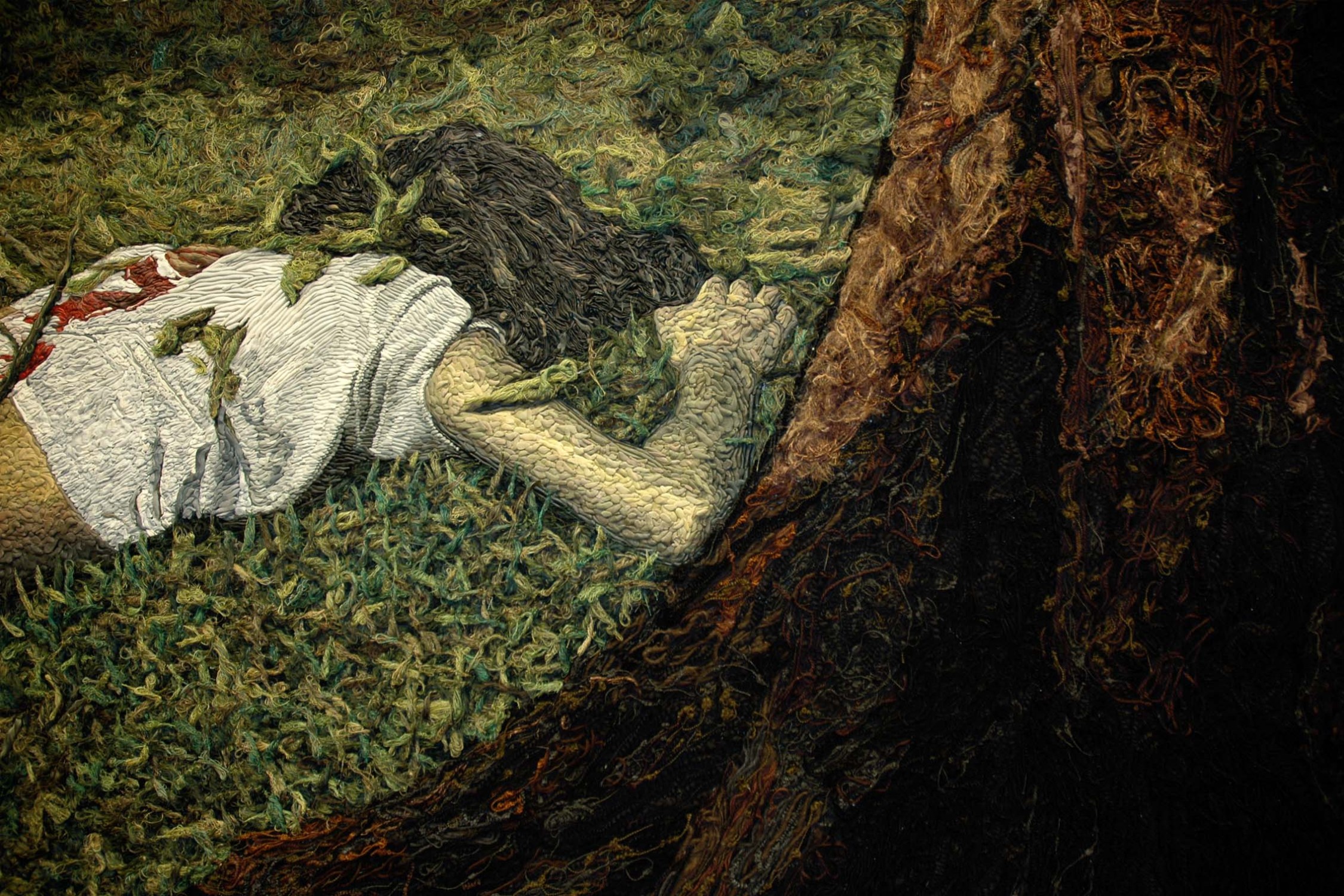
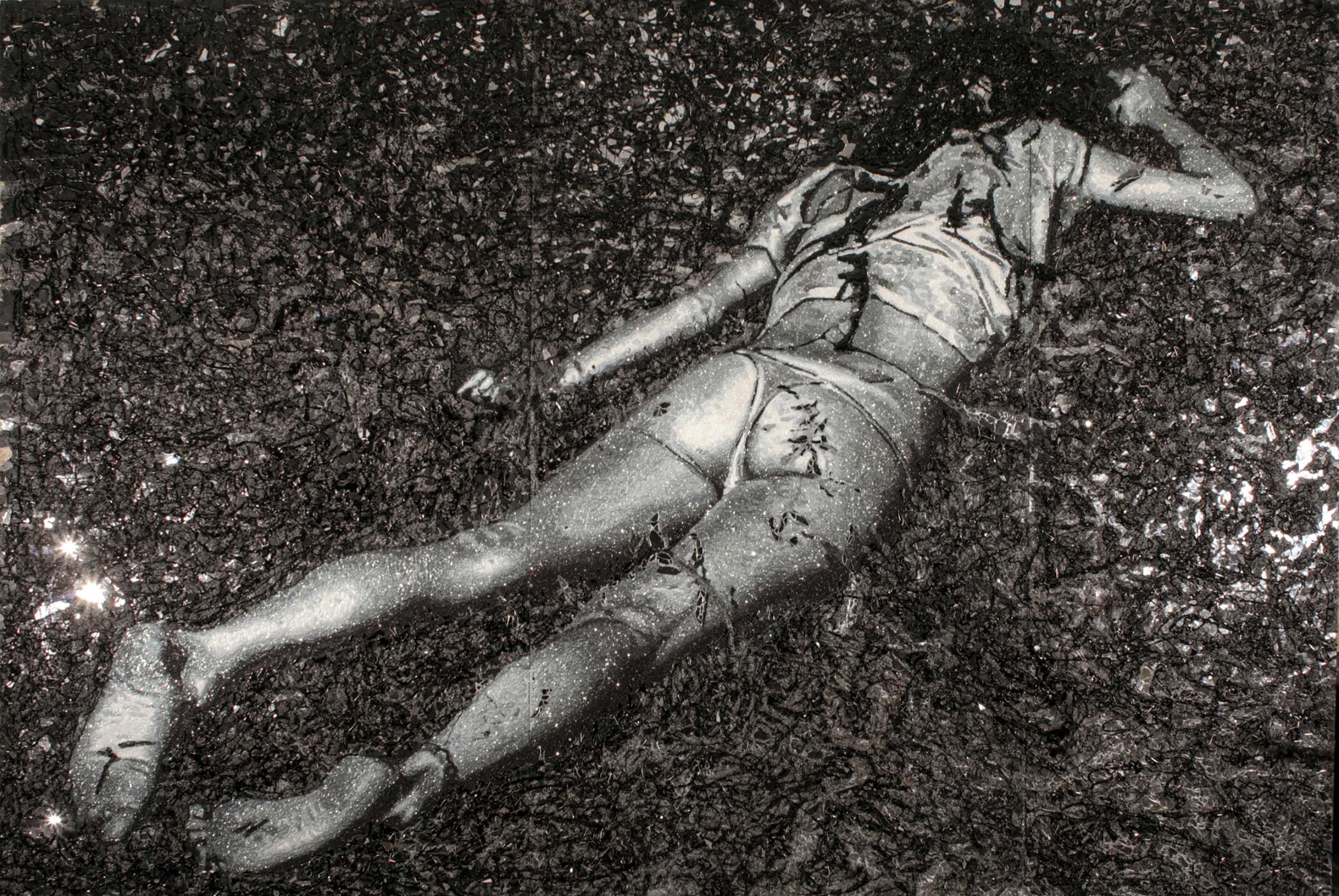
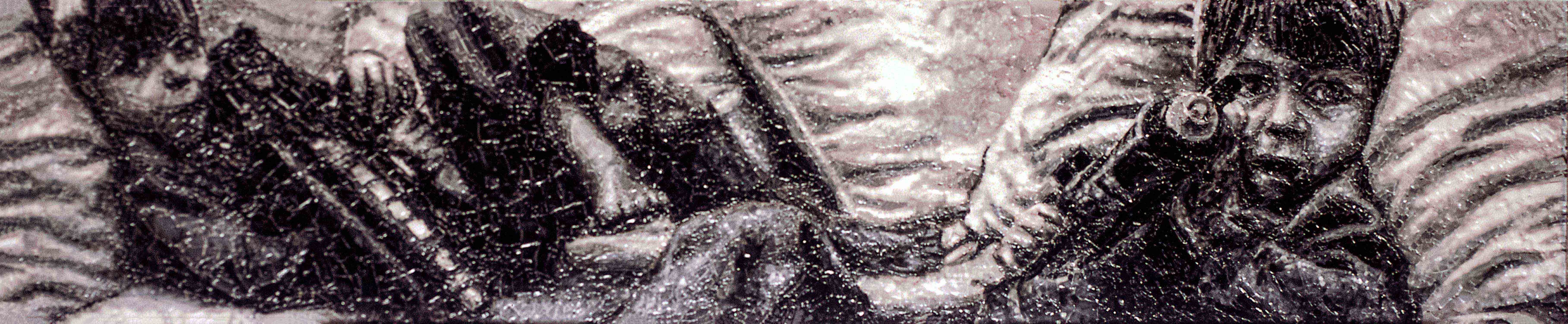
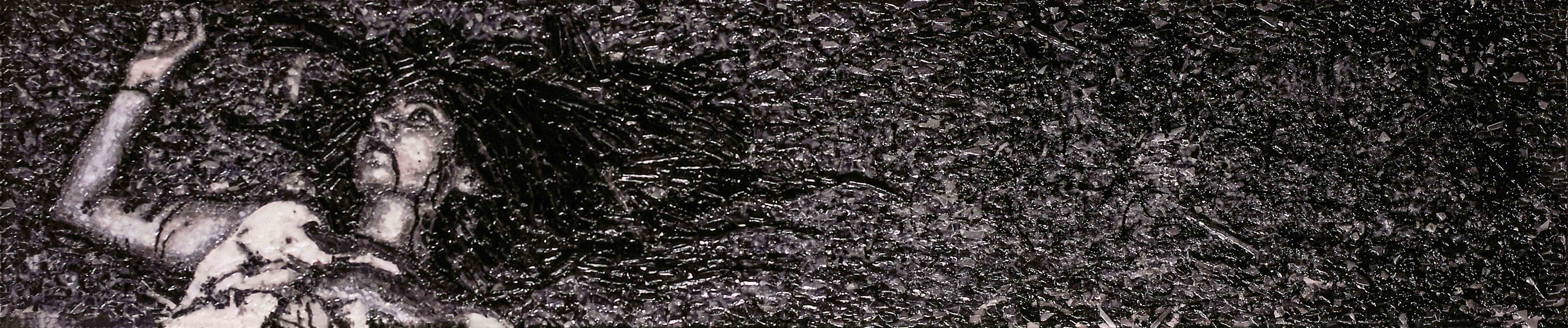
How else can we effectively read The Republic of Children, for example, if not with an ideological and allegorical gaze? This immense work has been approached in different ways: a double version—one in wool, thread, and plasticine (a combination they have used in several works), another in wax—and one from their panopticon series. It is not simply the image of a scene of violation but also the image of the violation of a country; a painful symbol, brutally mistreated, like a postmodern princess who falls victim to the natural violence frequent in our mass social distress. There is a strong black-and-white version and another, slightly softer, in color, where the background contextualizes the meanings within the work and makes them more complex. The image was extracted from sensationalist press and deals with a well-known but still unresolved case of a rape in December 2003. The incident occurred in the gardens of a strange estate that Perón had built in the 1950s, La República de los Niños: a miniature republic with its own senators, deputies, ministers, Church, railway tracks, etc. However, Mondongo does not simply focus on a horrific crime but also looks back at a period of immense upheaval, in which dictatorship and even democracy often appear as fantasies whose crimes remain unresolved. This was a period that began with Perón, continued through the dictatorship, and passed through Alfonsín and Menem, like a repugnant roller coaster. Manuel extends the range of meanings in his particular reading of the work:
“There is a myth that says that Walt Disney, when he visited Argentina in the 1950s, was inspired by the Republic of Children to create Disneyland. If that were true, it would be an echo of the past resonating in recent history, with foreigners from the ‘civilized world’ continuing to buy and exploit everything we have—from public services, now in the hands of international companies as a result of illegal and spurious privatizations in which our politicians filled their pockets, to natural resources like vineyards, wool and soybean production, and even the emblematic meat industry, culminating in the ultimate absurdity where we cannot enter eighty percent of the Southern Lakes region (one of the largest natural water reserves on the planet) because it belongs to foreign landowners, mainly from the United States and Europe.”
Perón conceived his Republic for didactic purposes, aiming to instill in children his particular demagogic reading of democracy. At the time of its construction, the Republic was a marvelous attraction where children could enjoy the meaning of life in an ideal city. It was specifically built for orphaned and marginalized children. Today it is a ghost town, sad and filled with shadows of the past, like frozen history. It serves as an eloquent but silent reminder, full of mystery, dark as the historical period it evokes, and vulnerable to criminal acts.
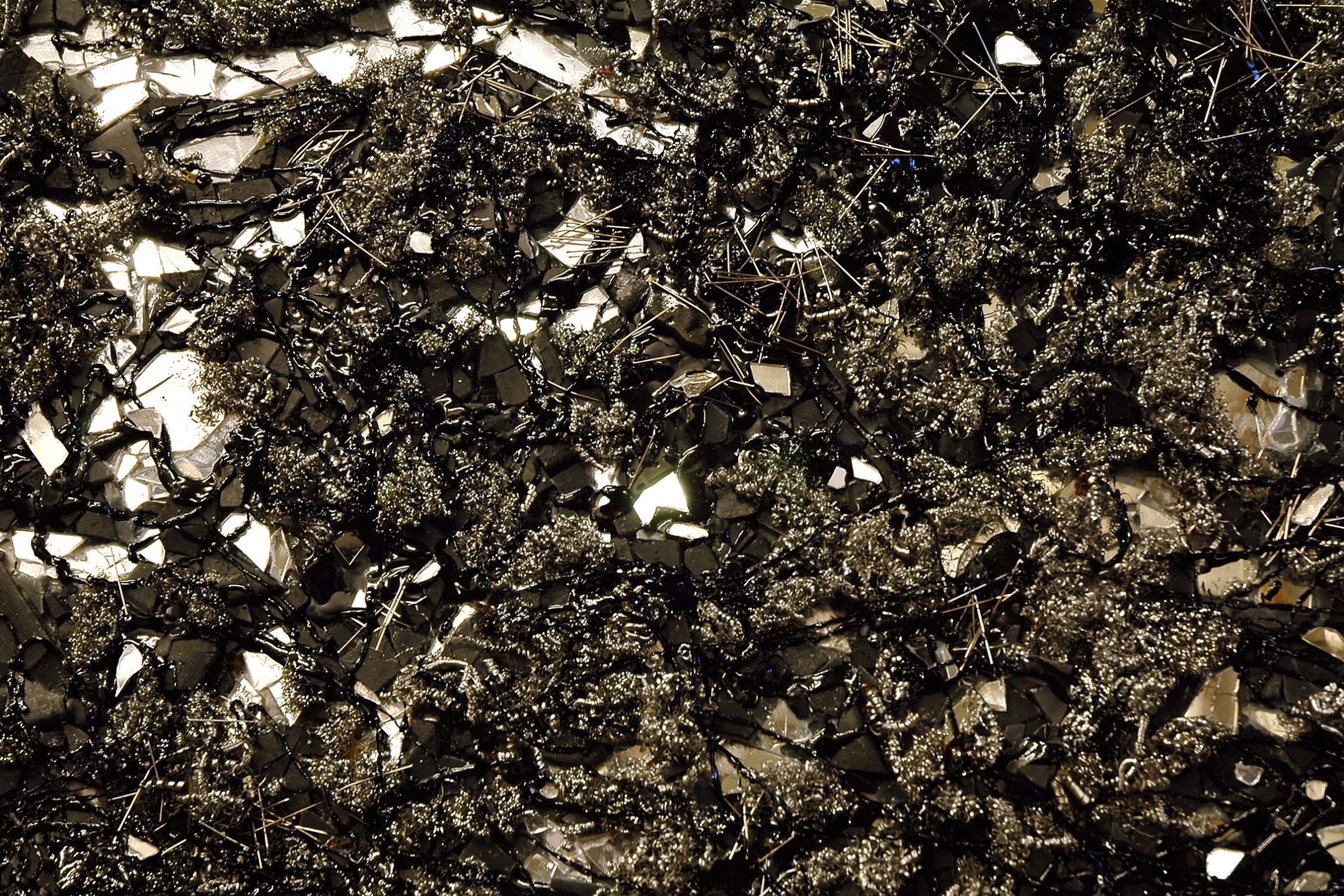
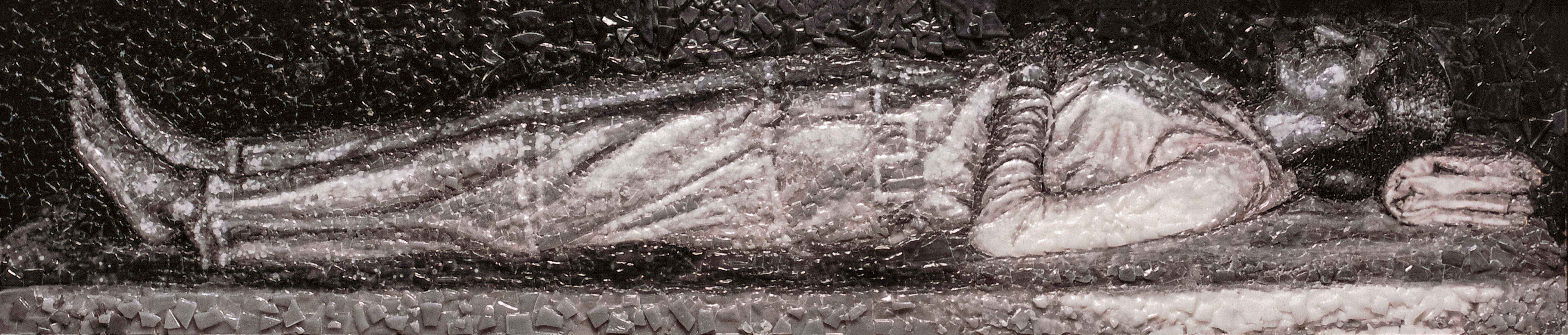
The first of the images in this series presents desolation, like a black-and-white horror film. Being made of wax enhances the sense of opacity and gives it a cadaverous texture. The materials heighten the violence and focus on the abandoned and grotesque form of the victim and their state of abused nakedness. It represents a time when violent death and abuses of power were common. While it is true that La República de los Niños, as a dark and threatening location, can serve as a metaphor for all other banana republics around the world, within the Argentine context, the image acquires multiple connotations that broaden its field of reference beyond the abandoned body and the accumulation of shadows that give the work the horrific density of the particular. The accompanying image is softer, crafted in wool and plasticine, and here the victim is more situated in the twists of memory and imagination; they are more a part of the landscape than a disembodied symbol.
—Kevin Power, 2009

THE DREAM OF REASON
Whether they use pornographic images downloaded from the Internet to represent the political corruption of Argentina and its consumerist obsessions, or to show the feline and vicious sexuality that displays its merchandise in one of the city’s parks, Mondongo's ironic gaze remains. They are not political artists, but it would be a mistake to overlook their ideological and ethical concerns, as well as their commitment to forming a more collective aesthetic code through a marriage of contemporary vernacular culture in terms of images and materials.
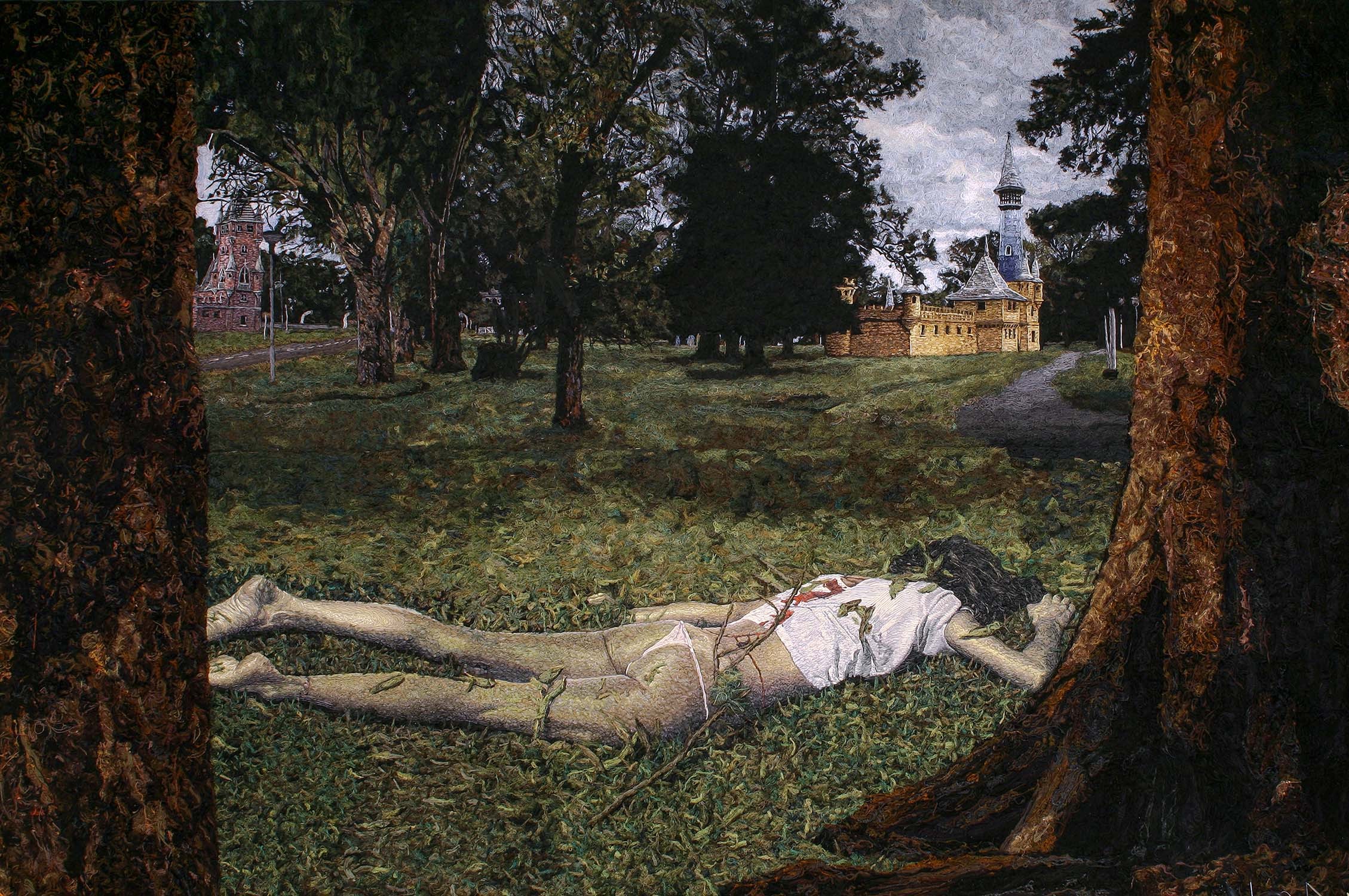
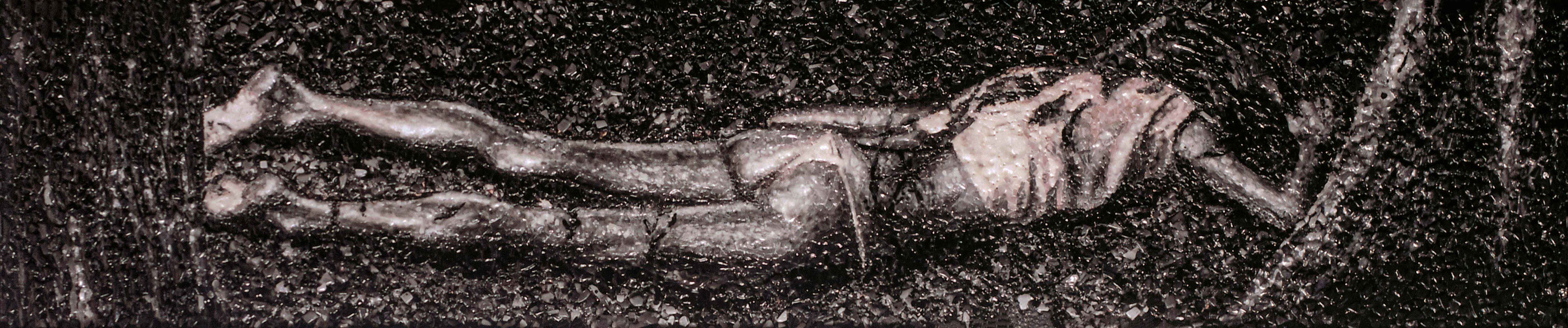
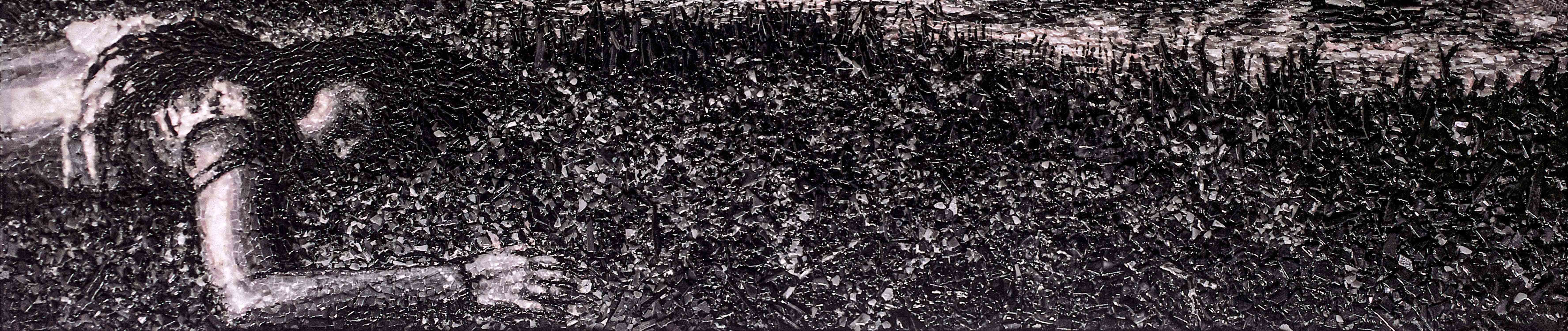
How else can we read The Dream of Reason (2008), for example, if not with an ideological and allegorical lens? This immense work, which has a double version—one in wool and plasticine and another in wax—is not simply the image of a scene of violation, but also the image of the violation of a country; a painful symbol, brutally mistreated. There is a black-and-white version, and another, slightly softer, in color, where the background contextualizes the meanings within the work and makes them more complex. The image was drawn from sensationalist press and deals with a well-known but so far unresolved case of a rape in December 2003. The event took place in the gardens of a strange estate that Perón had built in the 1950s, La República de los Niños: a miniature republic with its own senators, deputies, ministers, Church, railway tracks, etc. Mondongo does not simply focus on a horrific crime but also observes a period of immense upheaval, in which dictatorship and even democracy appear as fantasies whose crimes remain unresolved. Manuel—one of the three members of Mondongo—extends the range of meanings in his particular reading of the work: “There is a myth that says that Walt Disney, when he visited Argentina in the 1950s, was inspired by the Republic of Children to create Disneyland. If that were true, it would be an echo of the past that resonates in recent history, with foreigners from the 'civilized world' continuing to buy and exploit everything we have—from public services, now in the hands of international companies as a result of illegal and spurious privatizations in which our politicians filled their pockets, to natural resources like vineyards, wool and soybean production, and even the emblematic meat industry, culminating in the ultimate absurdity where we cannot enter eighty percent of the Southern Lakes region (one of the largest natural water reserves on the planet) because it belongs to foreign landowners, mainly from the United States and Europe.” Perón conceived his Republic for didactic purposes, aiming to instill in children his particular demagogic reading of democracy. At the time of its construction, the Republic was a marvelous attraction where children could enjoy the meaning of life in an ideal city. It was specifically built for orphaned and marginalized children. Today it is a ghost town, sad and filled with shadows of the past, like frozen history; an eloquent but silent reminder, full of mystery, dark as the historical period it evokes, a possible stage for criminal acts.
The first of the images in this series presents desolation. Being made of wax enhances the sense of opacity and gives it a cadaverous texture. The materials exacerbate the abandoned and grotesque form of the victim, their state of abused nakedness. It represents a time when violent death and abuses of power were common. While it is true that La República de los Niños, as a dark and threatening location, can serve as a metaphor for all the other banana republics around the world, within the Argentine context, the image acquires multiple connotations that broaden its field of reference beyond the abandoned body and the accumulation of shadows that give the work the horrific density of the particular. The accompanying image is softer, crafted in wool and plasticine, and here the victim is more situated in the twists of memory and imagination; they are more a part of the landscape than a disembodied symbol.
—Kevin Power, 2010
DIALOGUES
Here is a problem. Have you ever tried to communicate with someone? Everything is interpretation, and once said, everything is out there in the world and susceptible to being distorted. I have friends whose only goal seems to be to maintain incessant chatter, to dominate the conversation, and to allow no room for communication, the exchange of ideas, or discussion. After the collapse of ideology, dialectics has receded. Instead, we are left with dialogics. It seemed, at the time, like an advancement! But one wonders...
—Kevin Power, 2013
[...]
[HO]: History is history, although each of us internalizes it differently; the same happens with death. Does your insistence on it establish any philosophical source, or, on the contrary, a recent historical reference of the country?
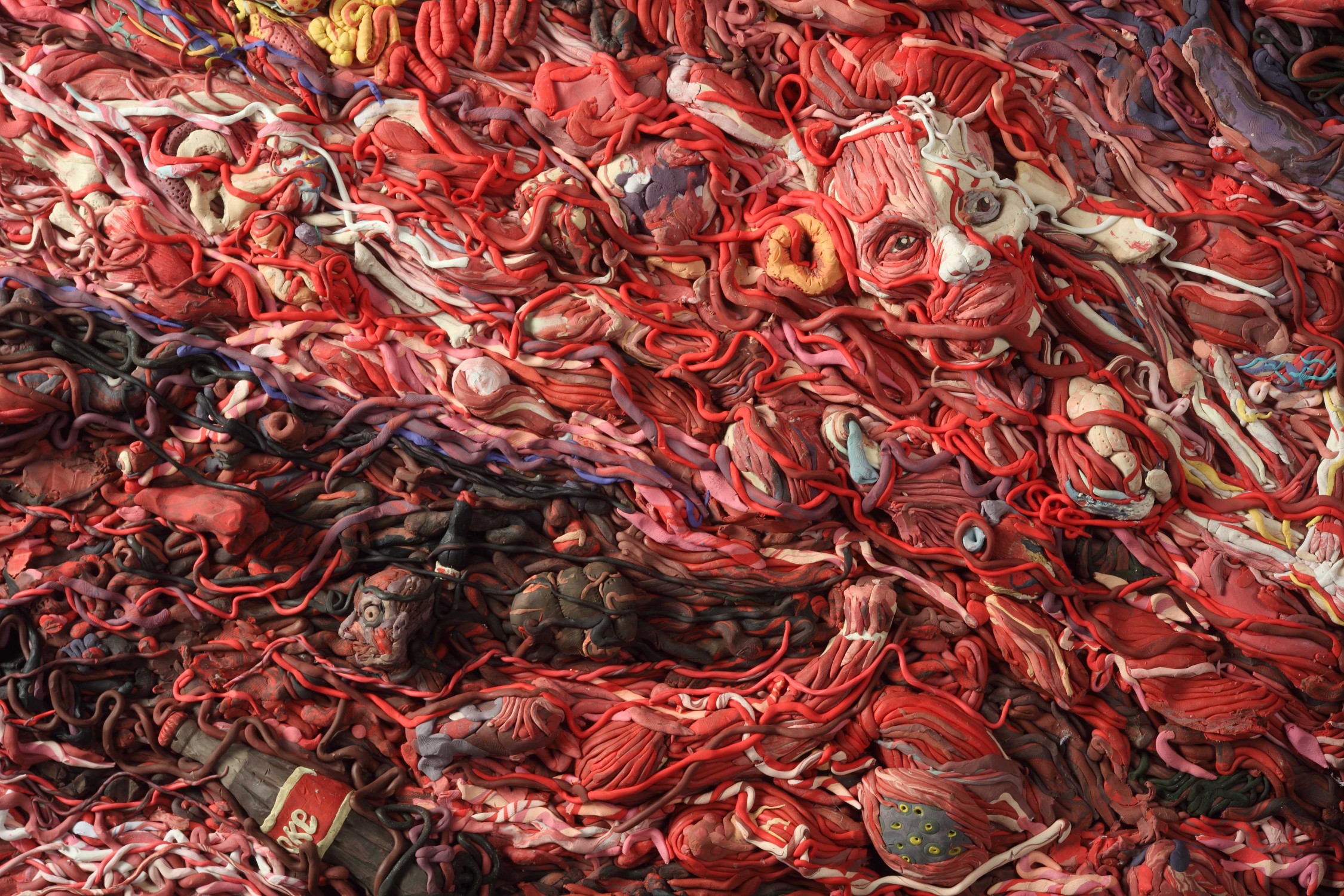
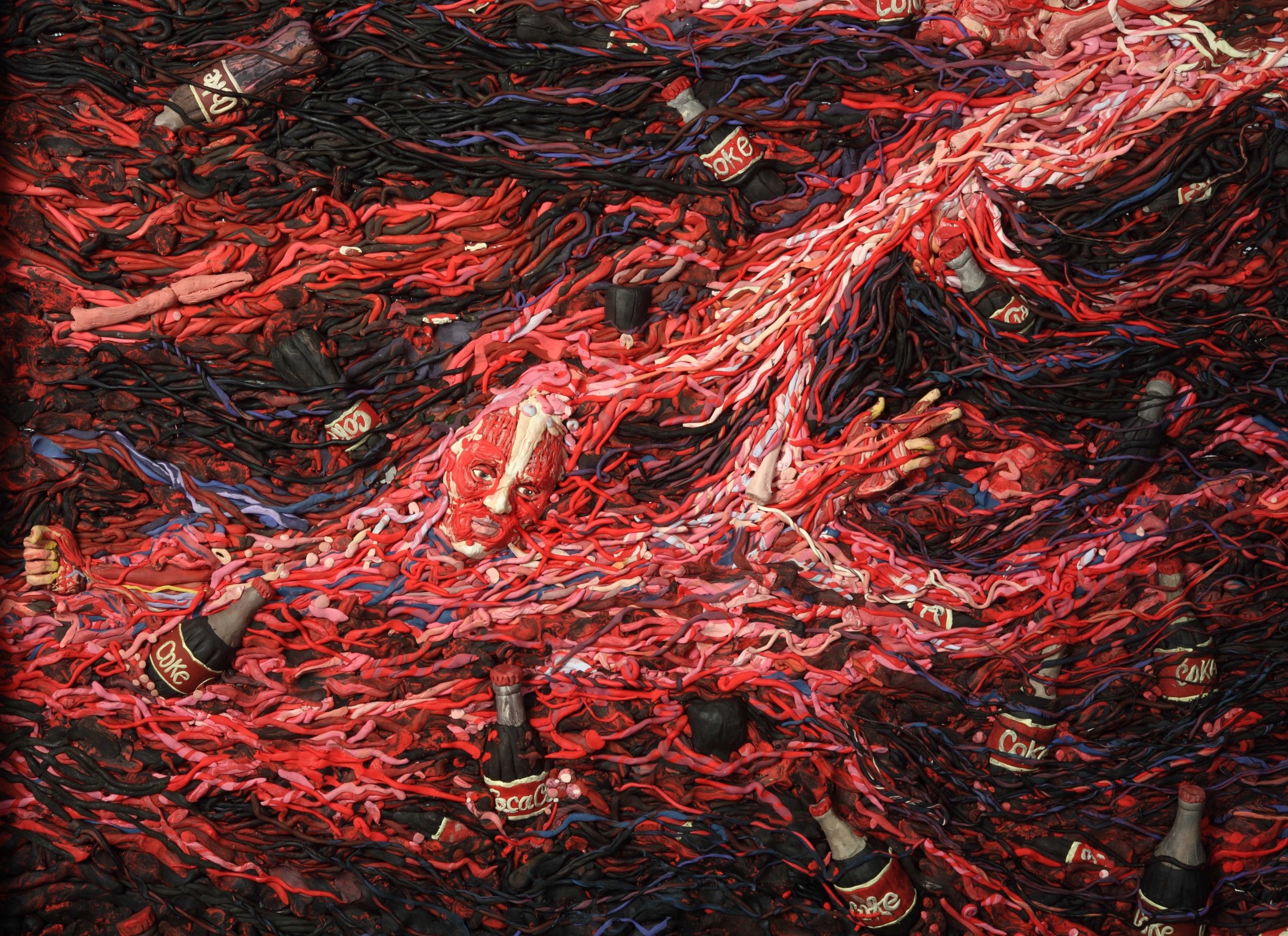
[m+j]: Starting from two famous myths involving death (both Evita and General Perón), we reiterate something we've mentioned before: the importance of La República de los Niños (The Republic of the Children). The childlike scale of the amusement park accentuates the fabric of violence involved in the murder of a teenager, worked by us in the workshop, as a social texture or backdrop. The contradiction at play here is an oscillation that seems constant in our country, and it’s the axis of Justice/Injustice. The crime remained unpunished for years, and we thought it served as a clear example of the state of injustice in Argentina.
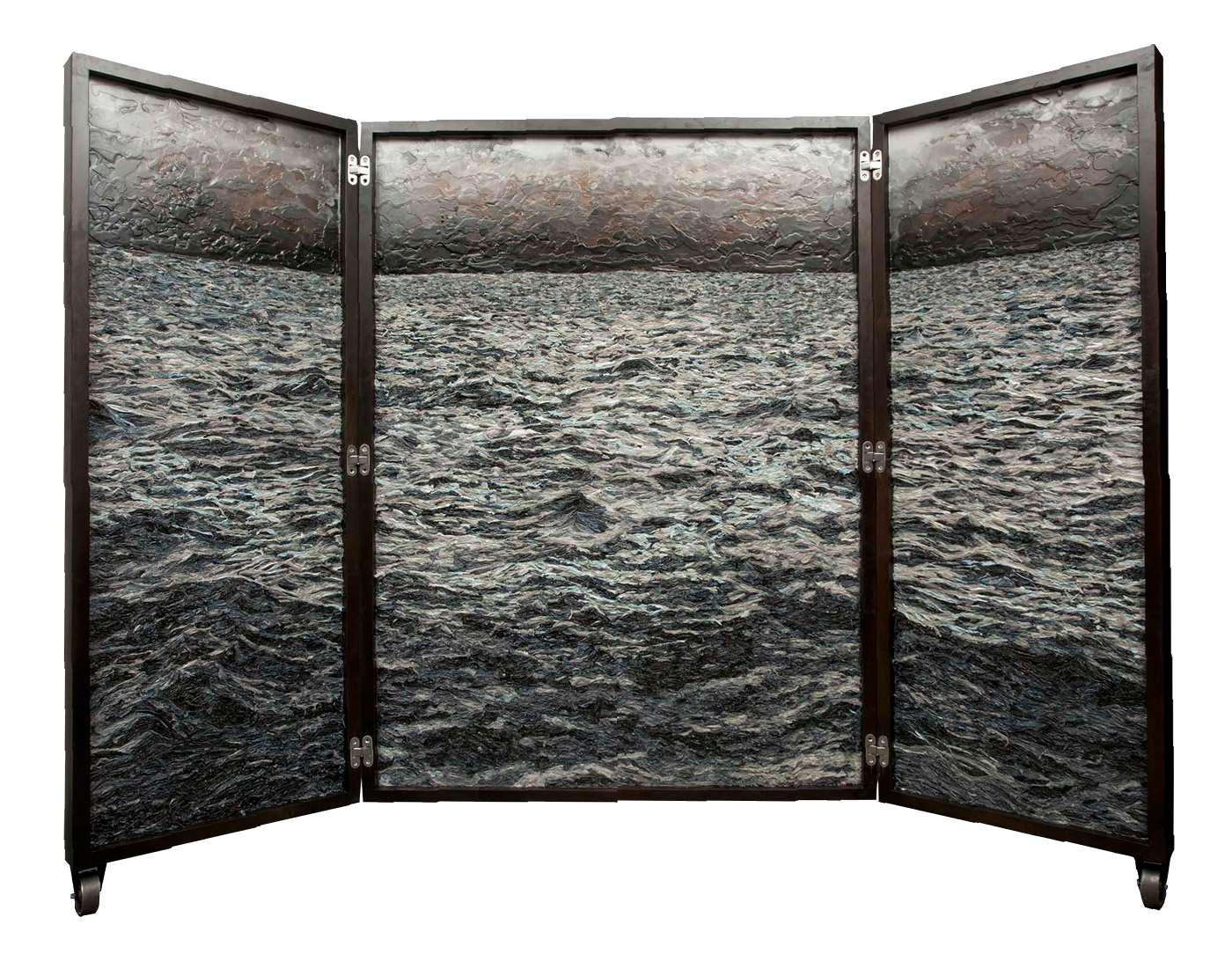
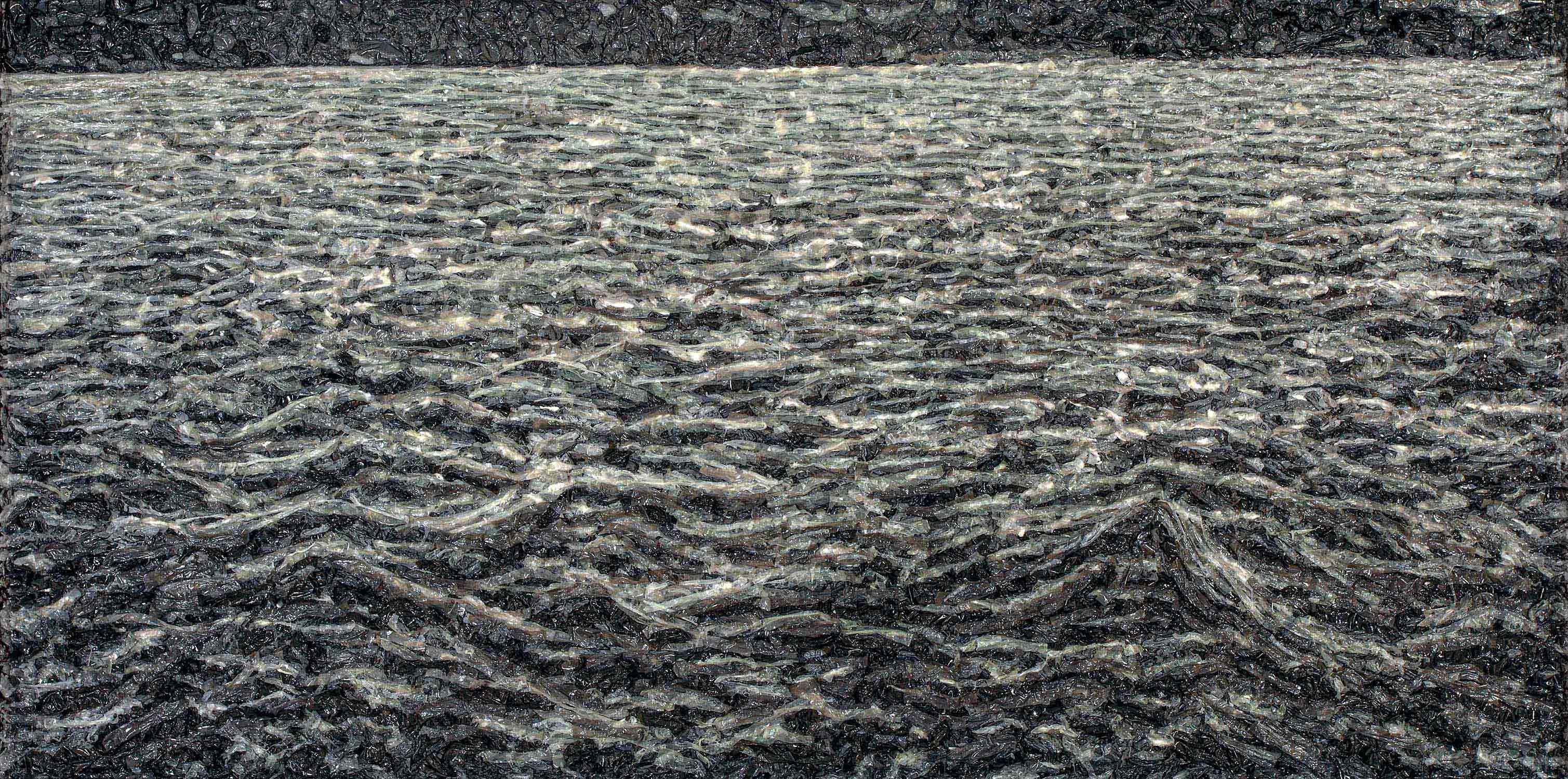
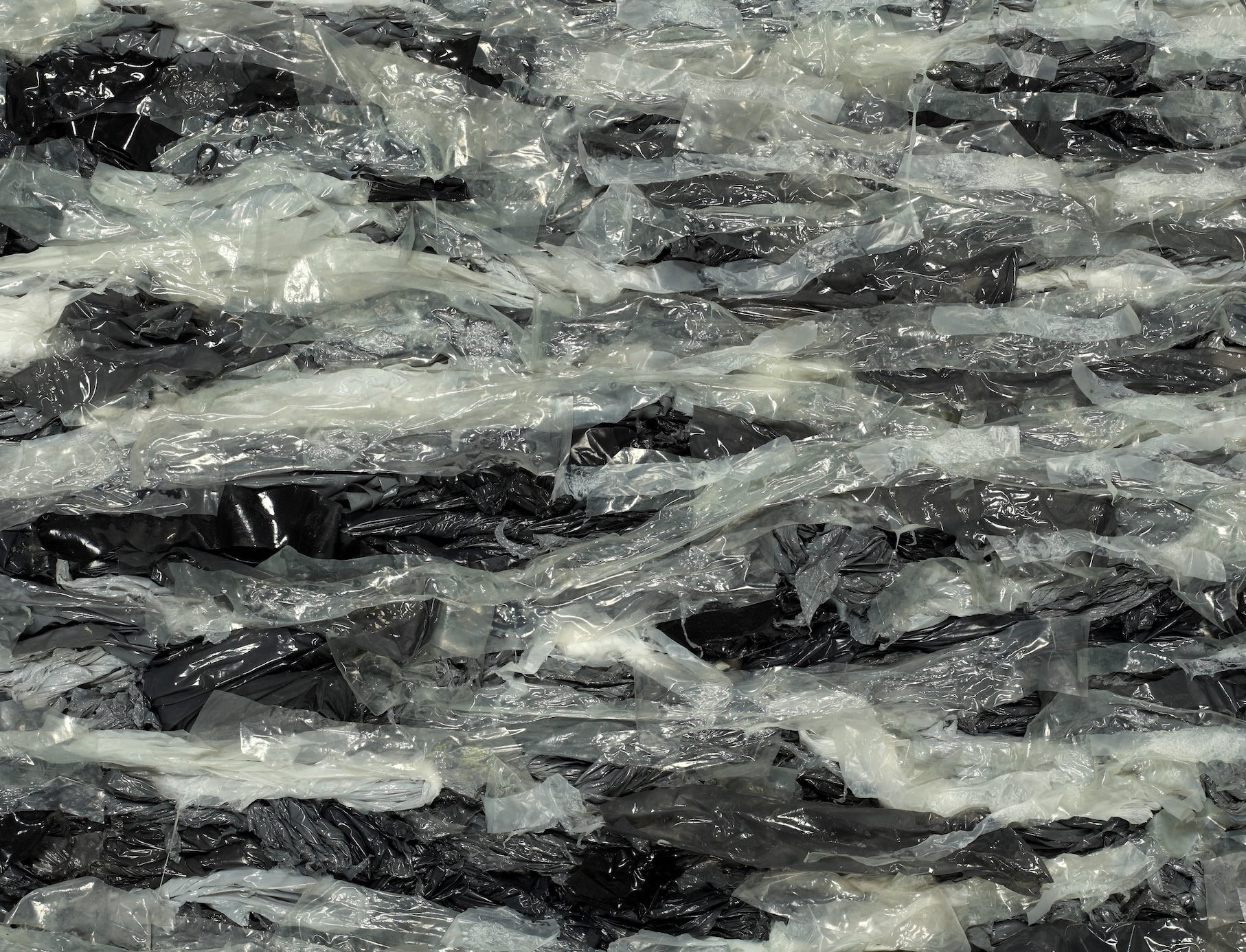
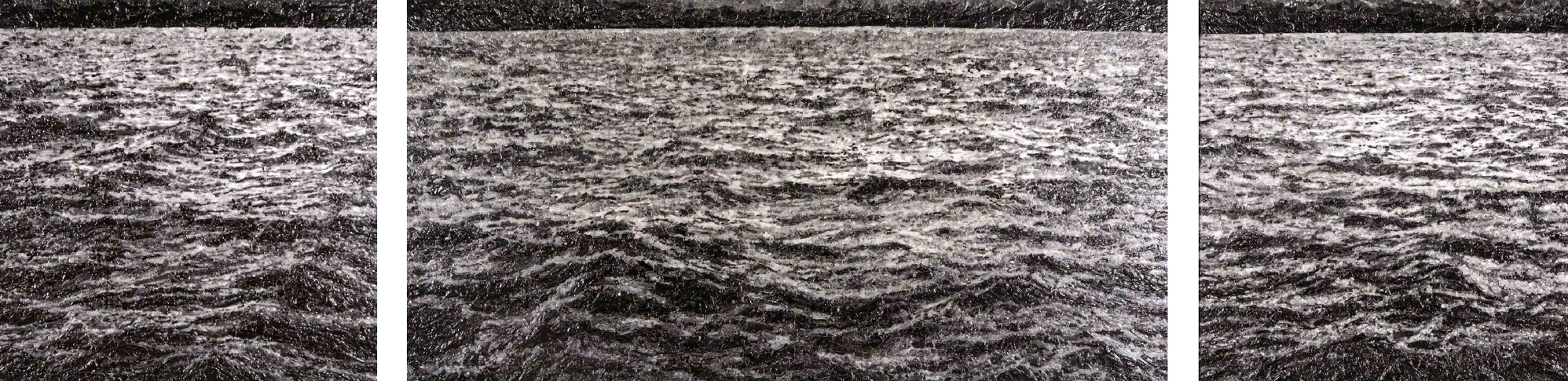
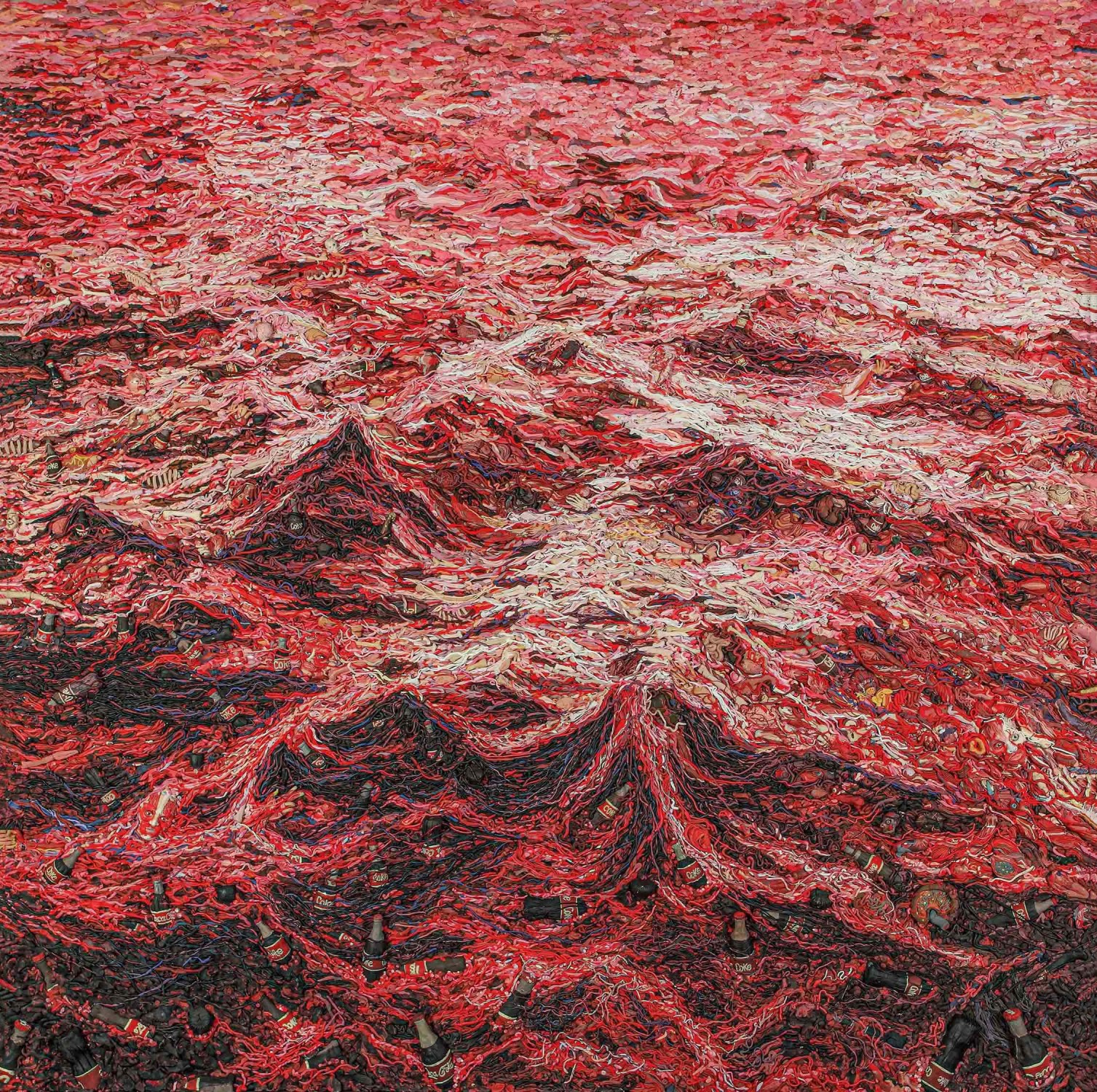
In the case also mentioned, the marinas of the Río de la Plata made—either with garbage bags or modeling clay in shades of red—were a clear reference to the events that occurred during Argentina's last military dictatorship, where state terrorism threw its victims from helicopters into the river in garbage bags.
—Héctor Olea, 2017



MERCA
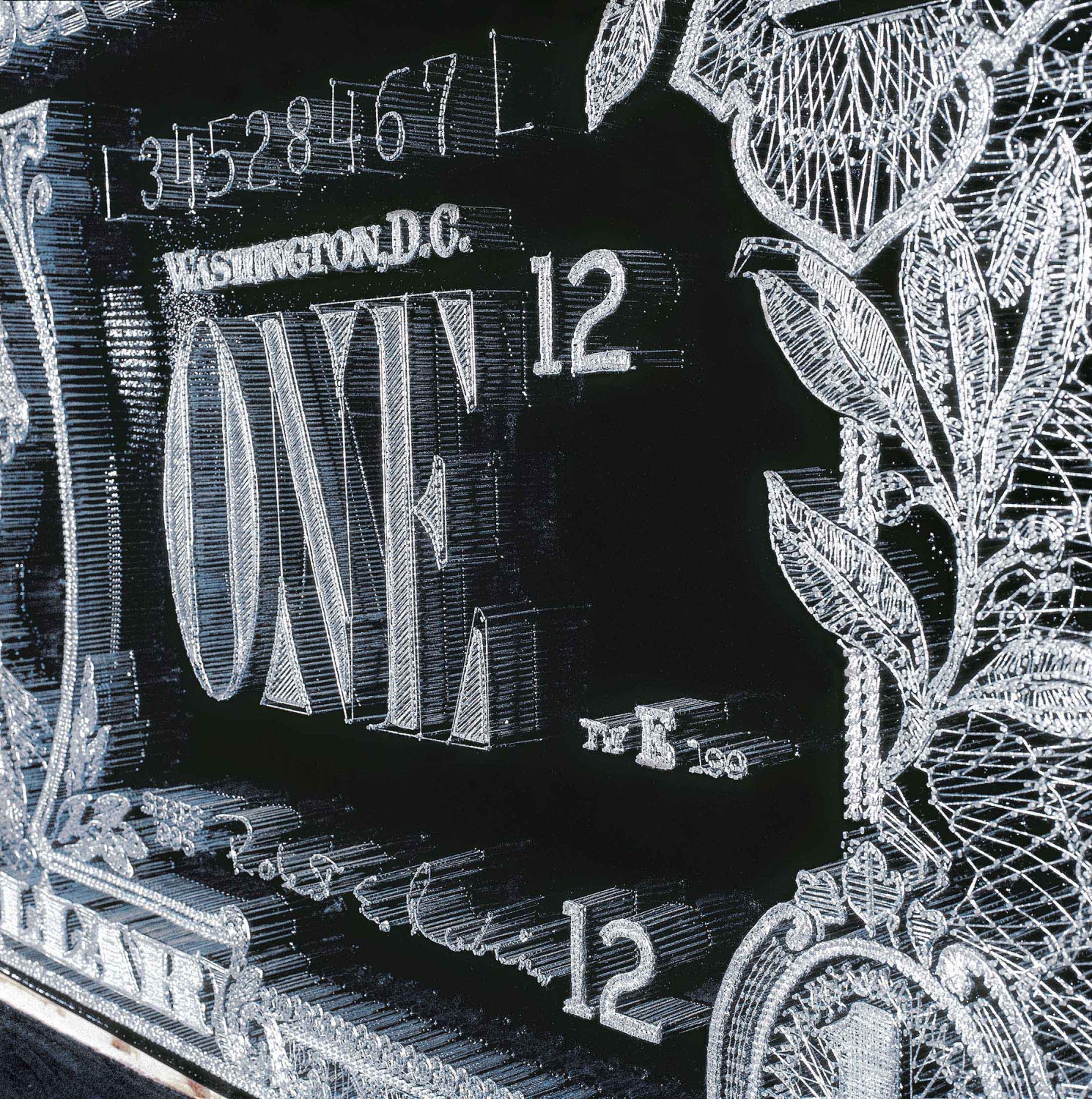
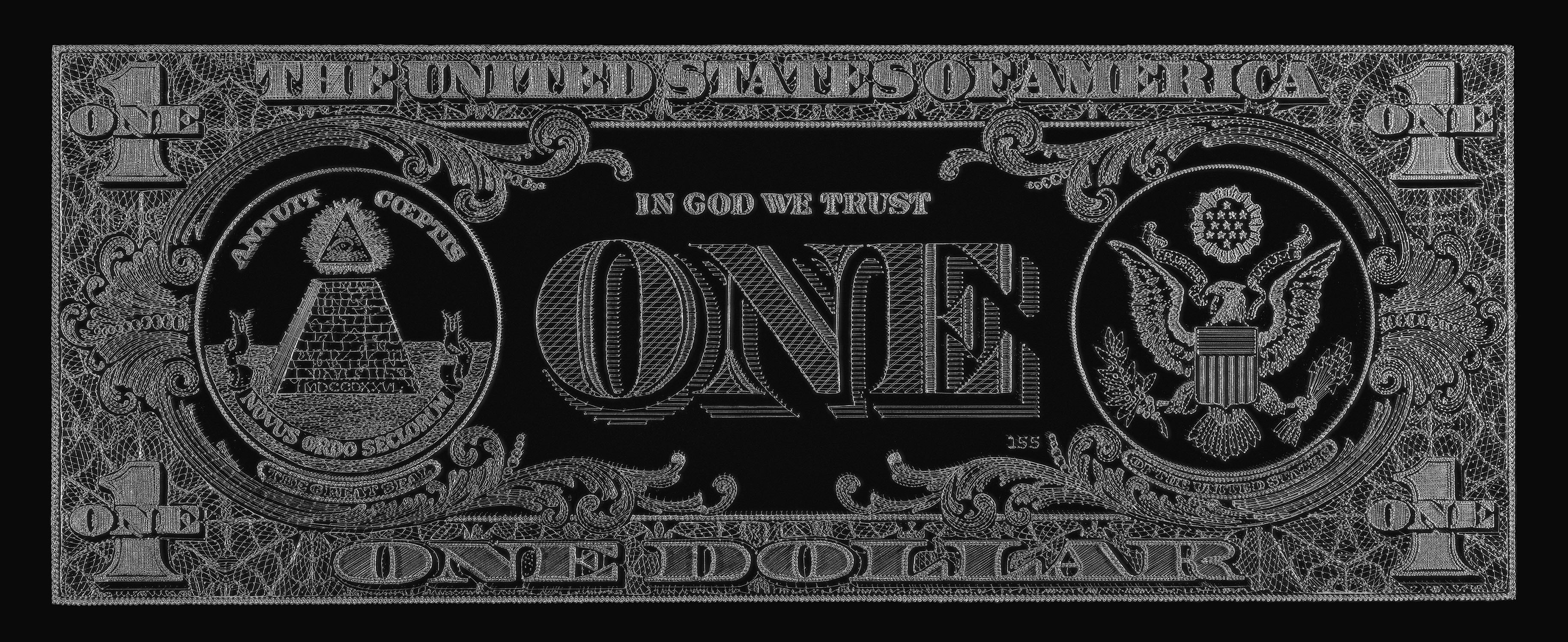
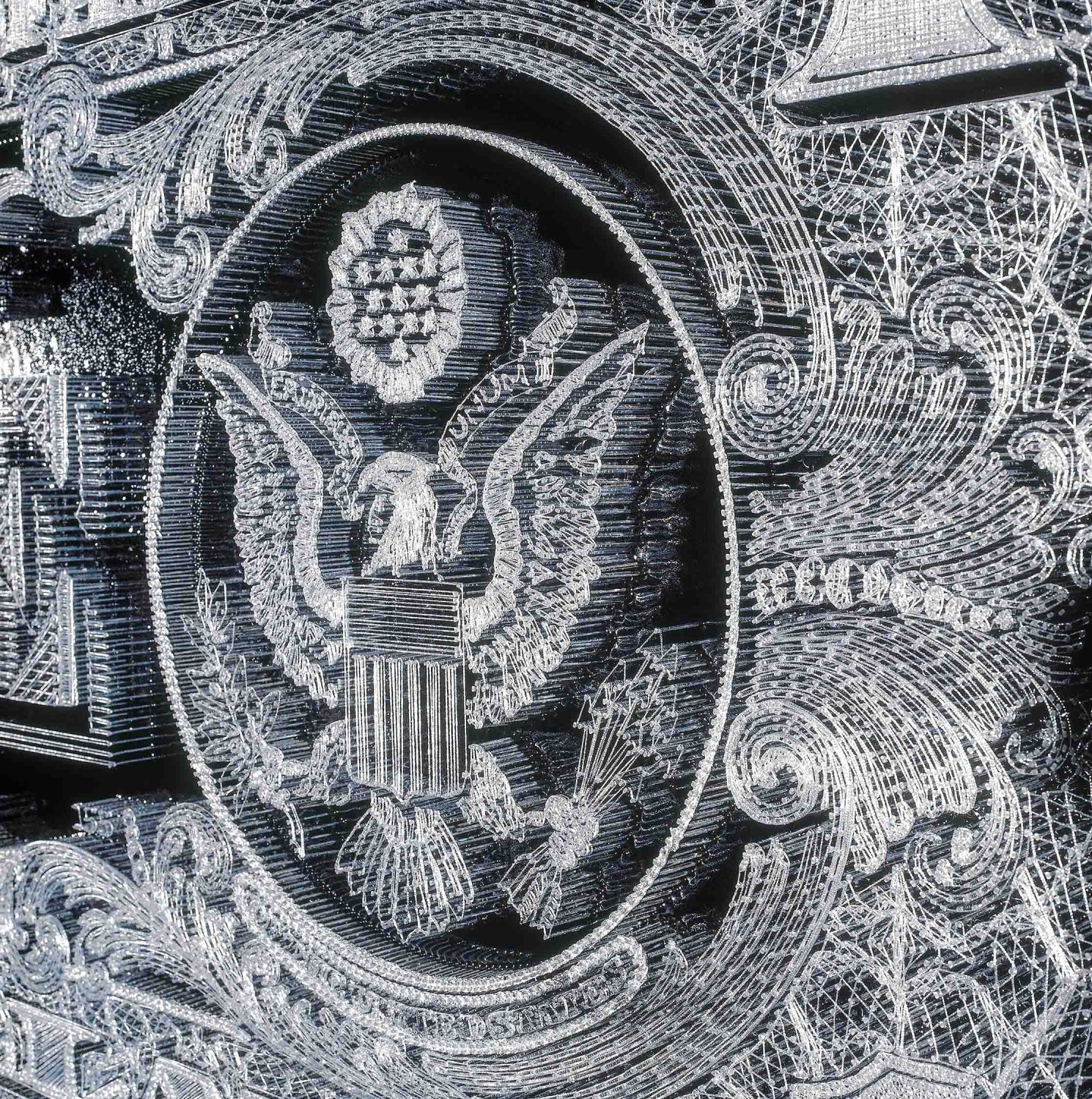
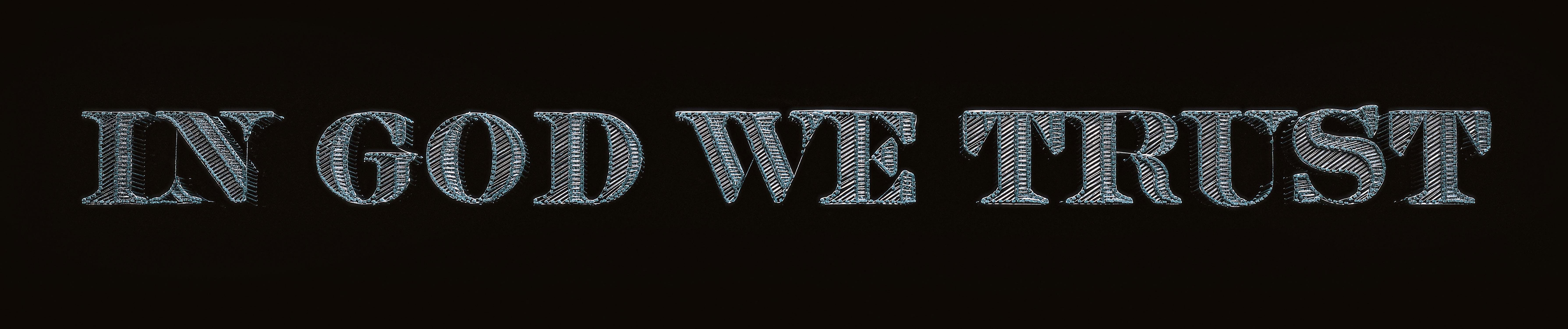
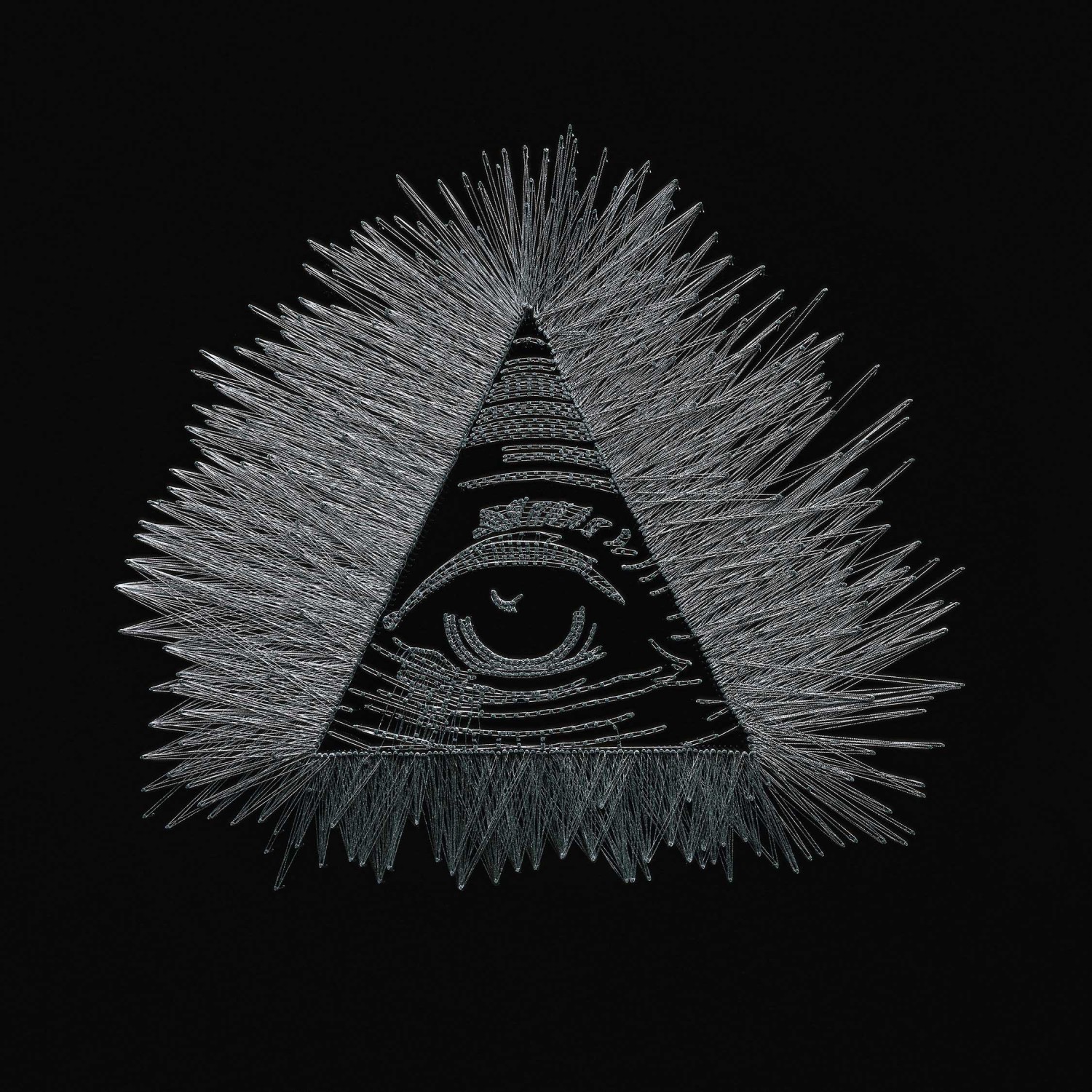
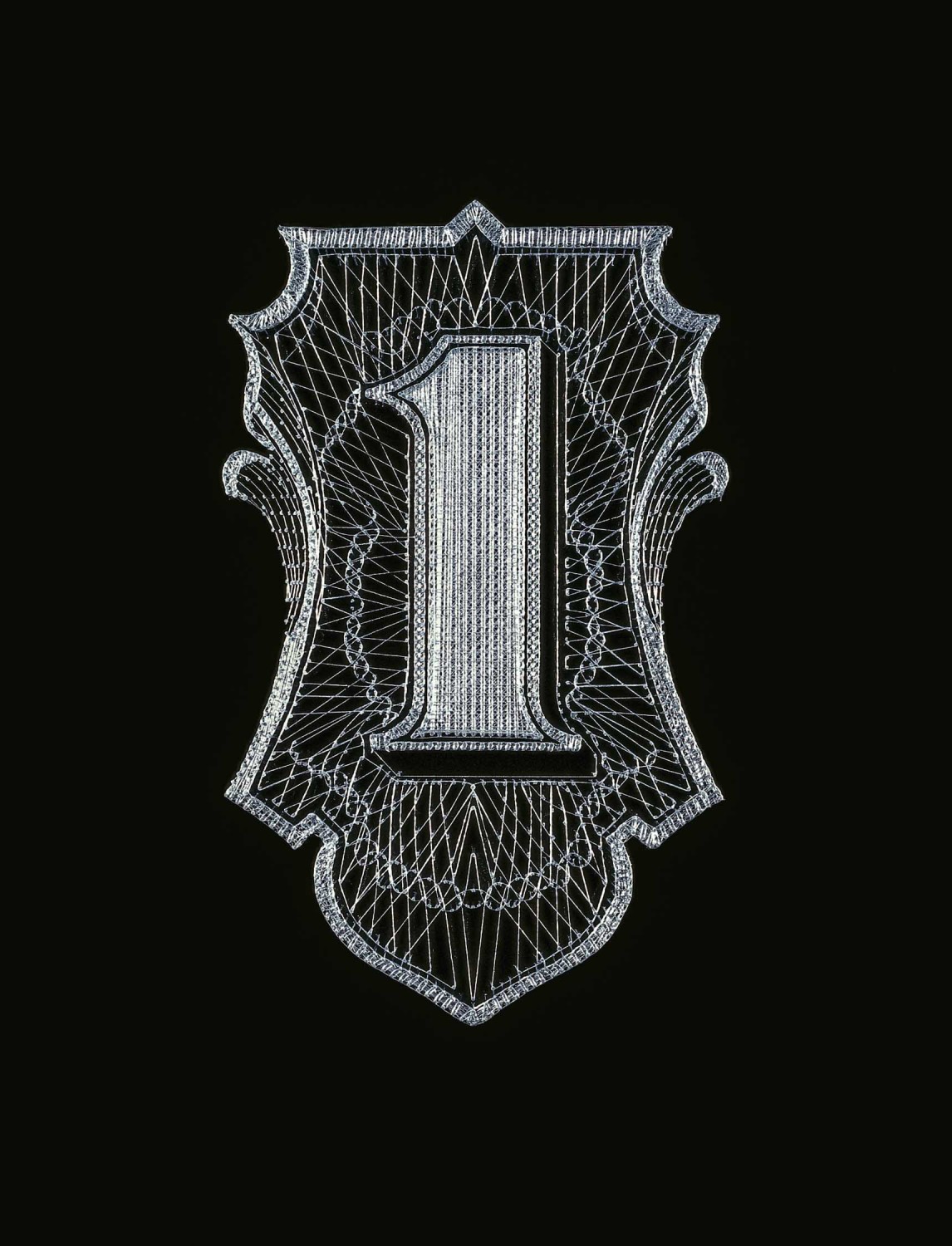
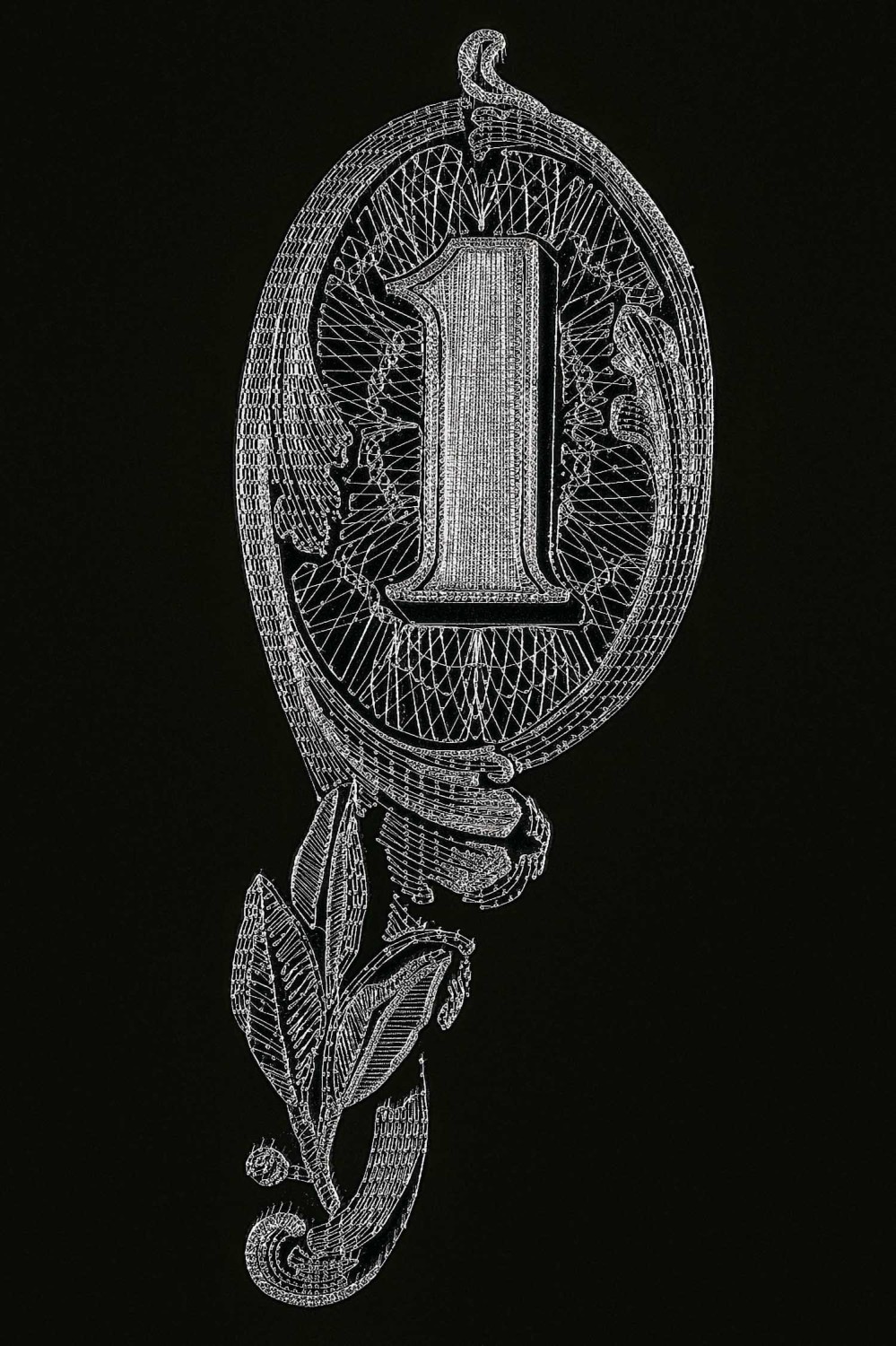
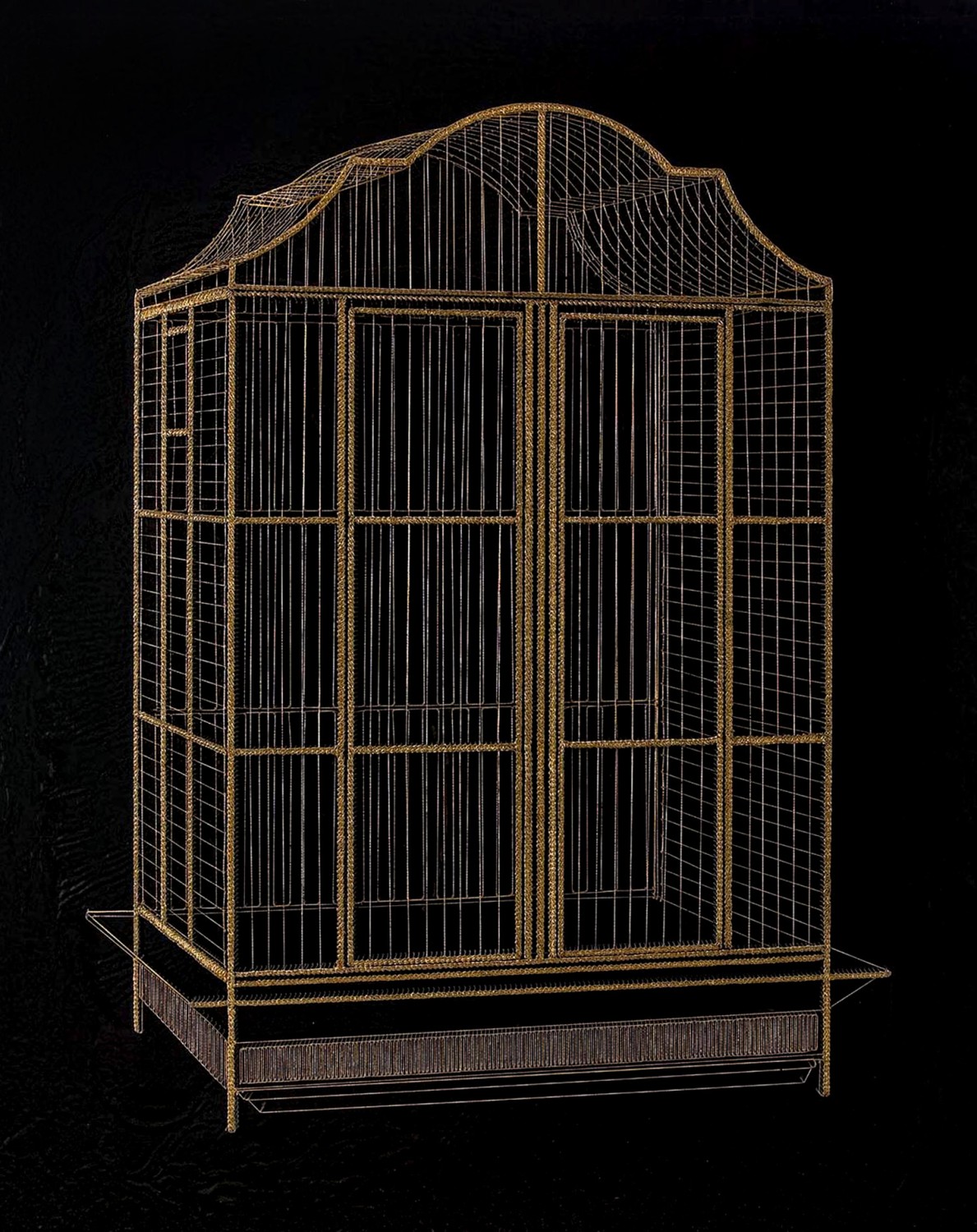
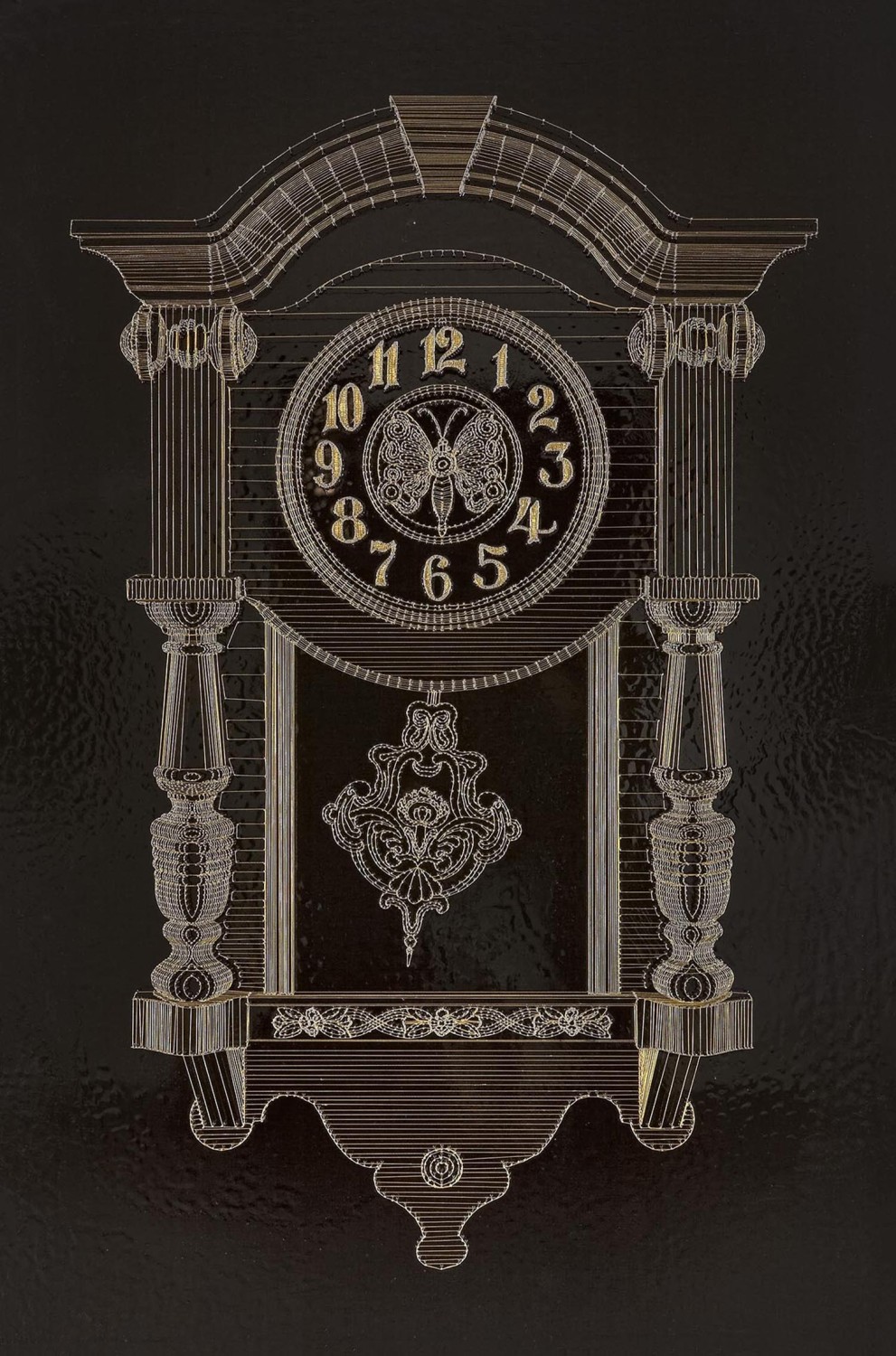
I think its representation of the dollar has been more precise. Works of art make no sense until they pass through the filter of interpretation; from there, they circulate in language. It is in the process of this negotiation that they acquire the status of social currency. Works of art need the subtleties of contextualization and must be tested by a critical reception that seeks a certain degree of consensus. The dollar has often been represented through pop art. It has become yet another of many banal images, but in the context of Argentine socioeconomic history, it holds a predominant presence, and its meanings are local (or “glocal,” in the sense that many parts of the world that have experienced globalization know its traumatic effects). Over a decade, the Argentine peso lived the false dream of parity, artificially sustained by a government that stuffed its own pockets and those of its accomplices; and today, a country that once had a thriving, educated, and professional middle class has become a territory of rich and poor, with an economy dependent on tourism and a brazen and ignorant neo-colonialism from Spain.
The installation of the dollar bill, appropriately constructed with nails, is surrounded by an invasion of stray cats, which not only live among the waste but also fight fiercely for it. Today we can see echoes of those images in the collapse of the global economy. Argentina has known uncertainty for decades, and now neoliberal economics is undergoing a profound crisis. Mondongo’s vicious dollar, miraculously suspended in the air, is a dazzling symbol of massive failure.
—Kevin Power, 2010
Sensitive content
Sensitive content
Sensitive content
Sensitive content
Sensitive content
Sensitive content
Sensitive content
Sensitive content
Sensitive content
BLACK SERIES
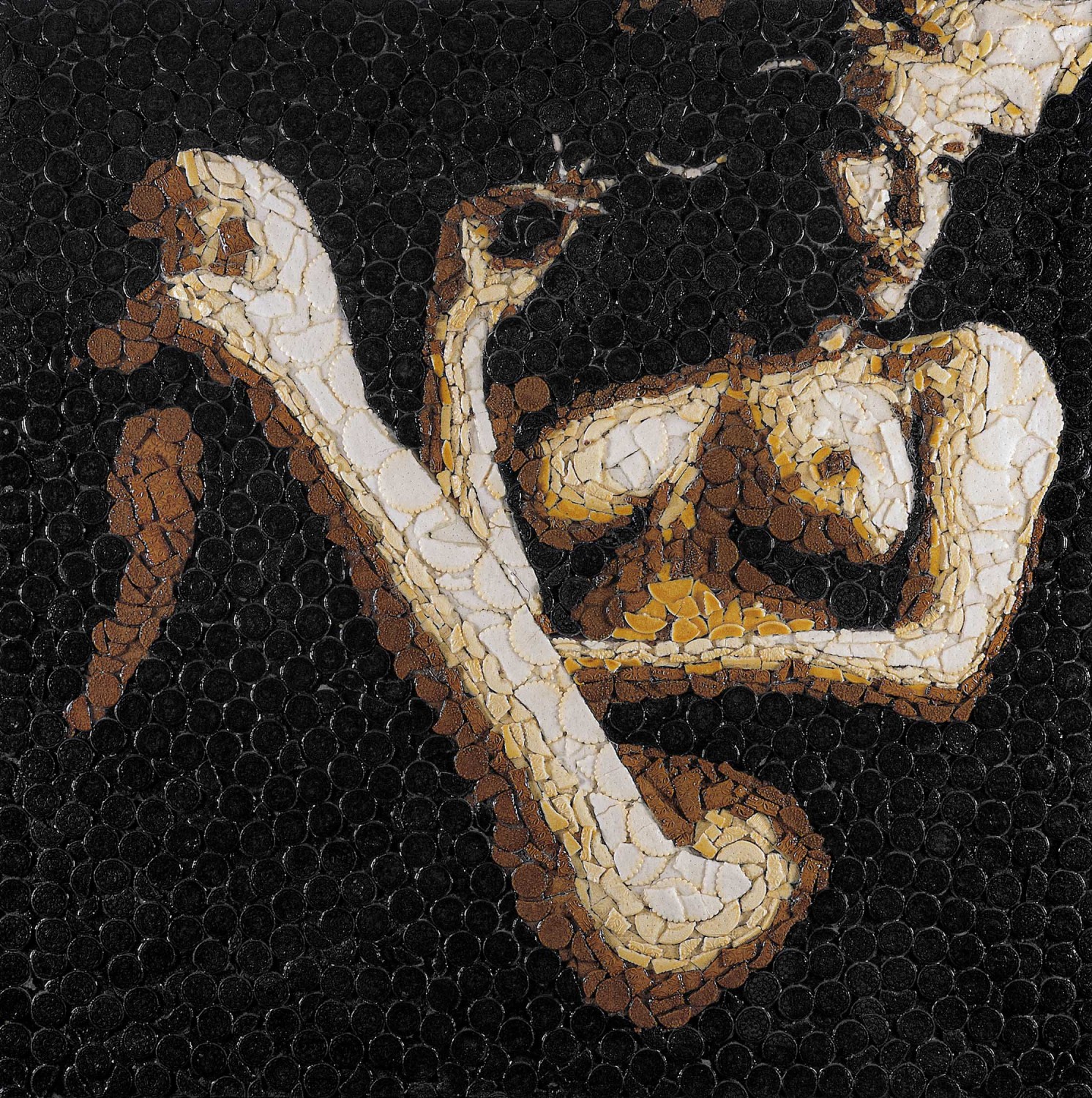
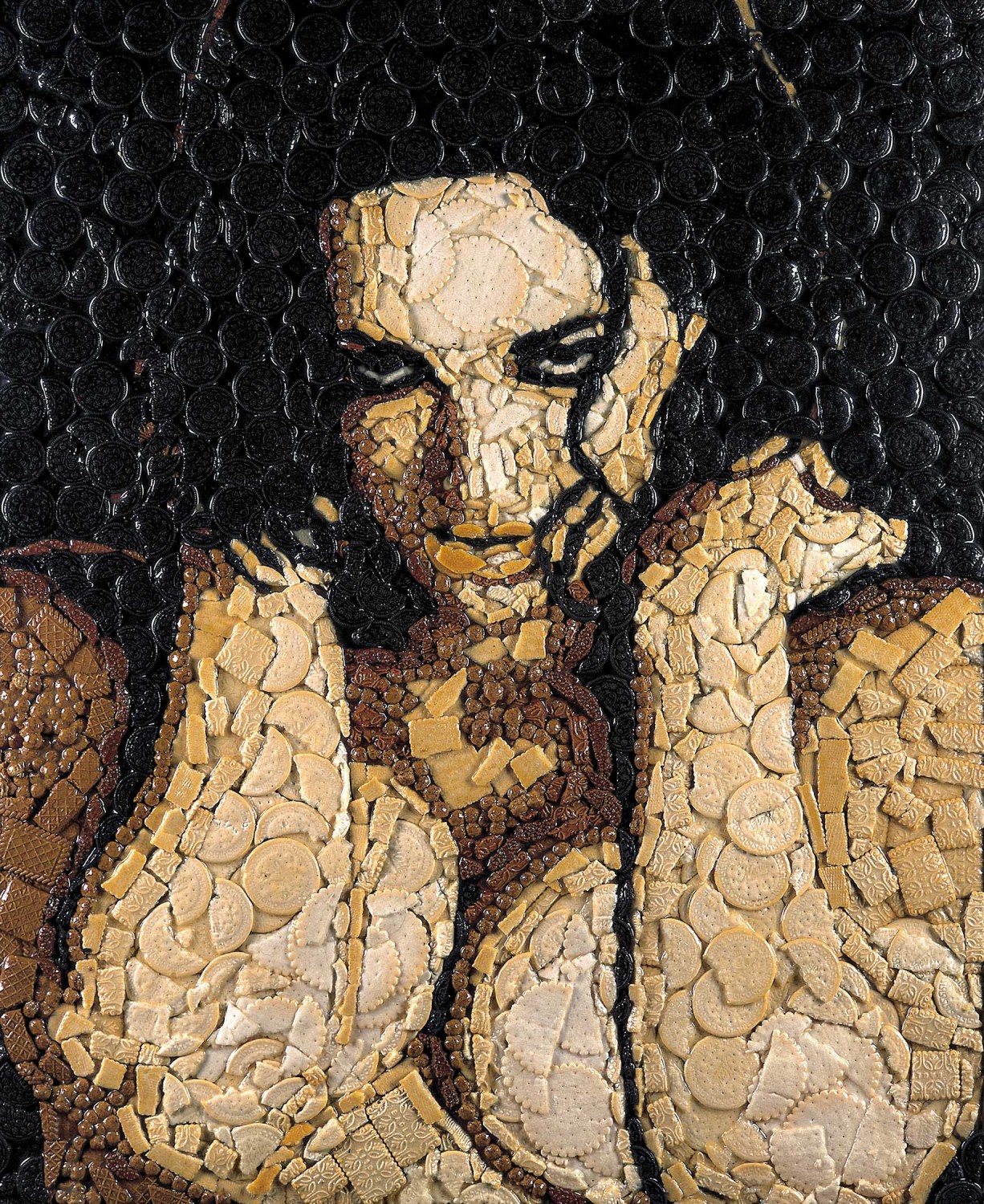
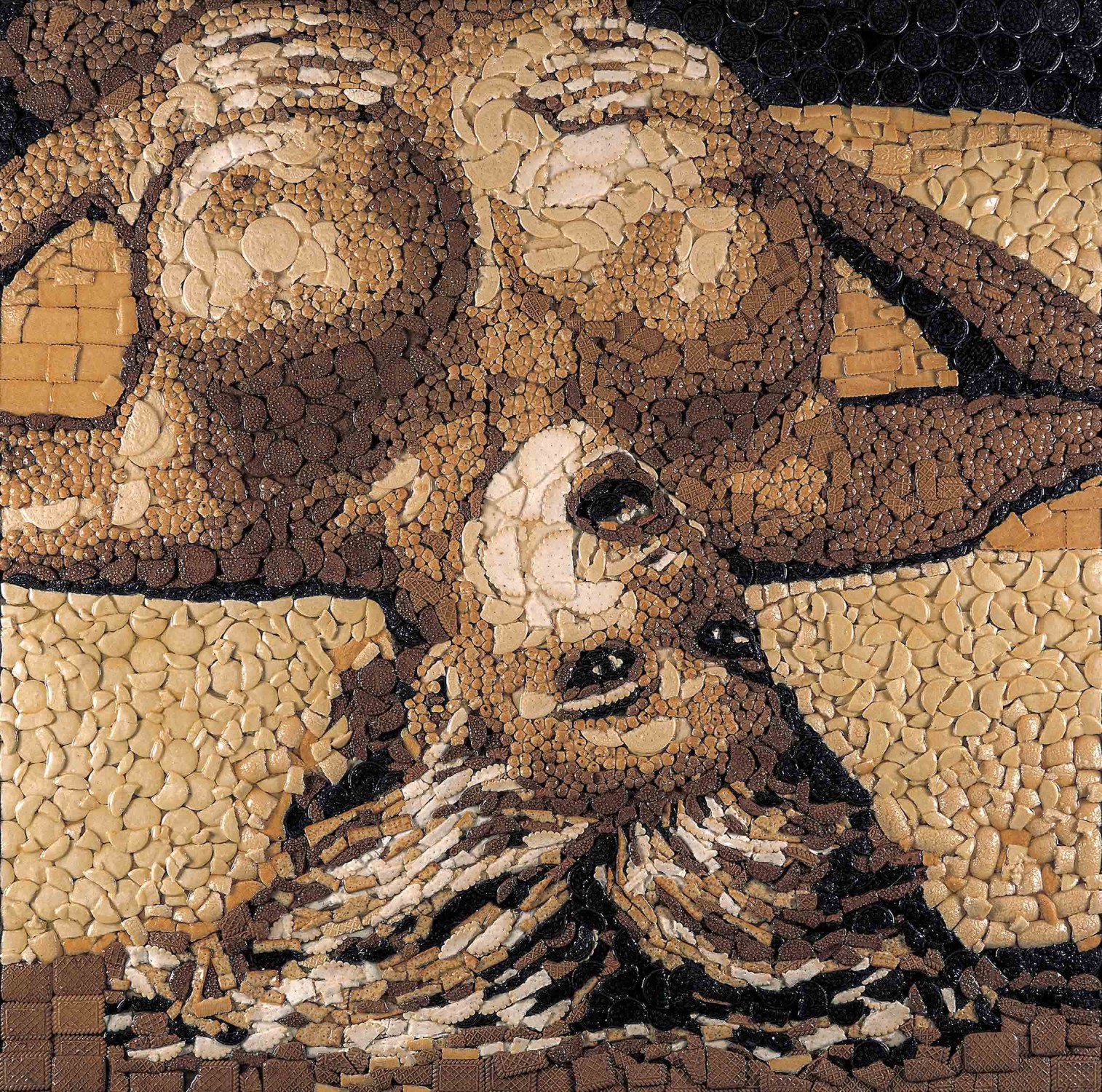
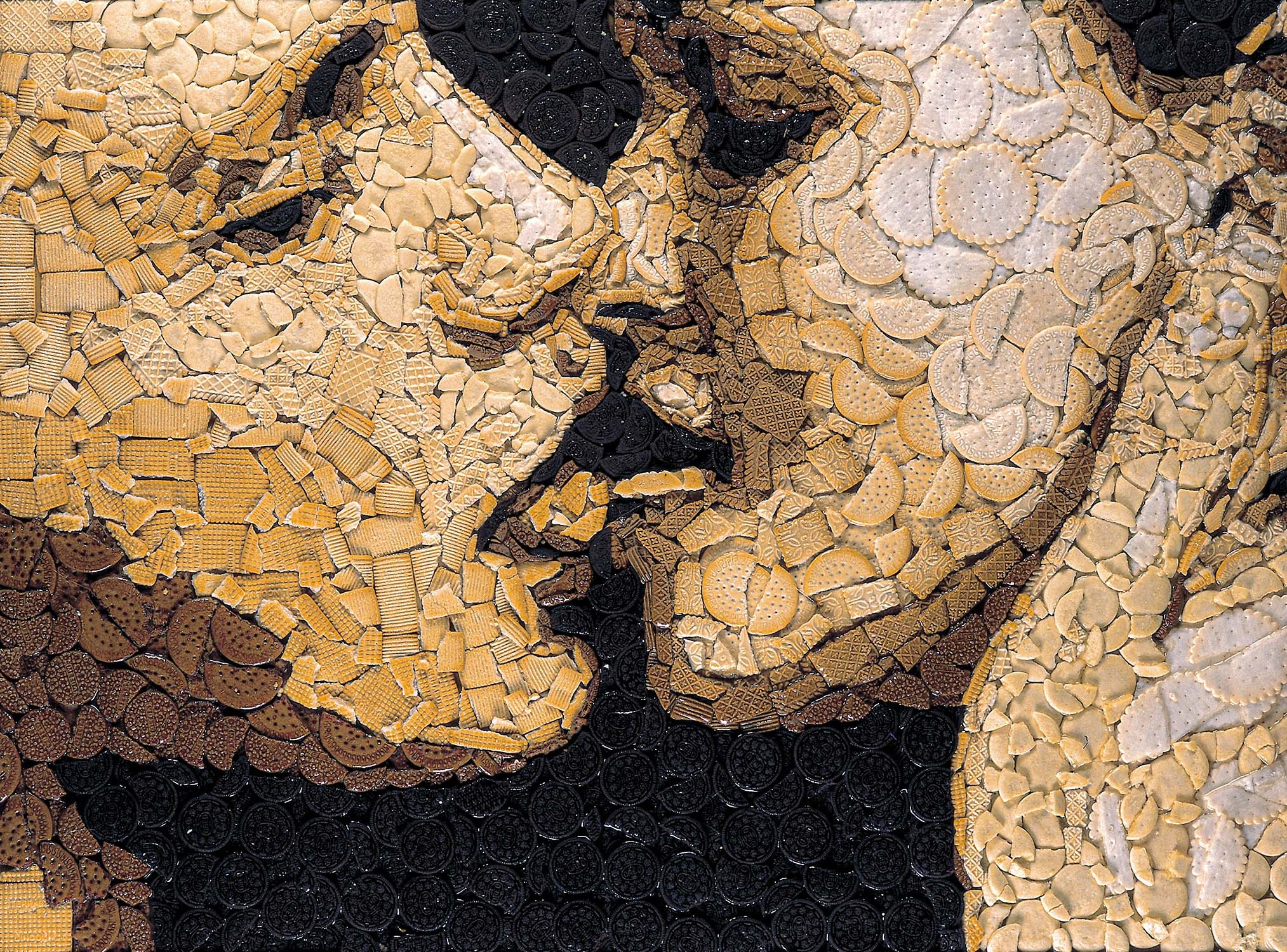
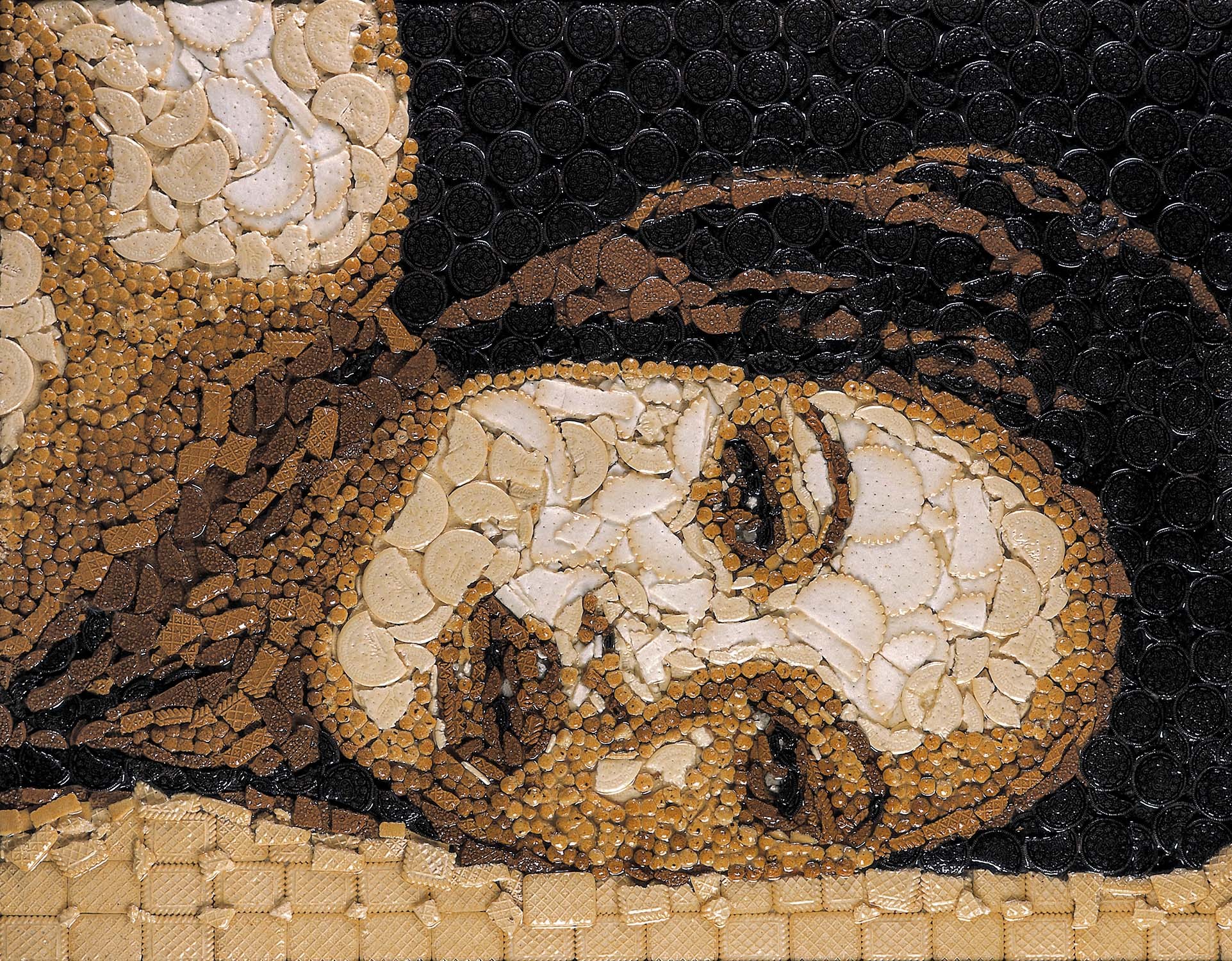
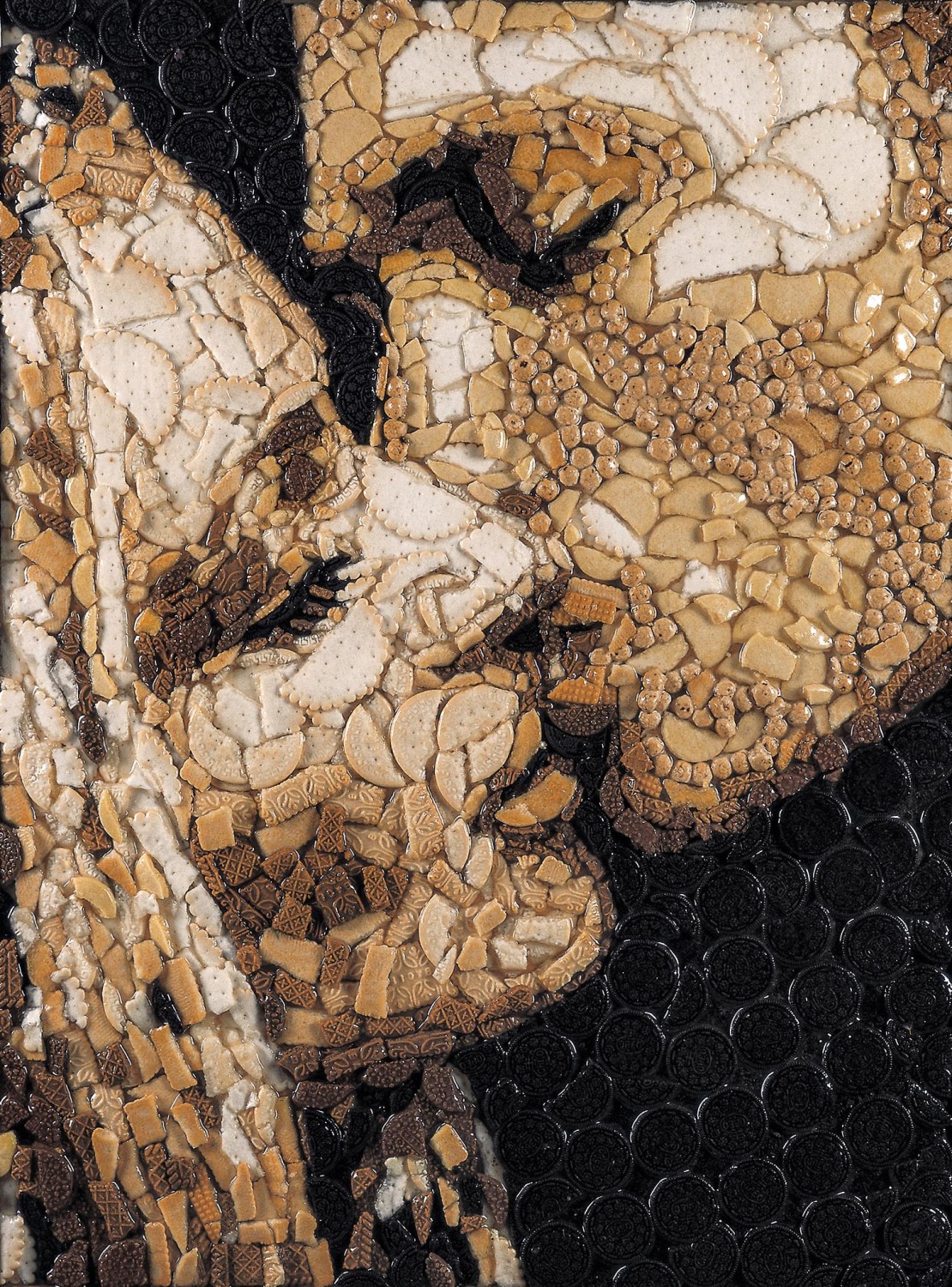
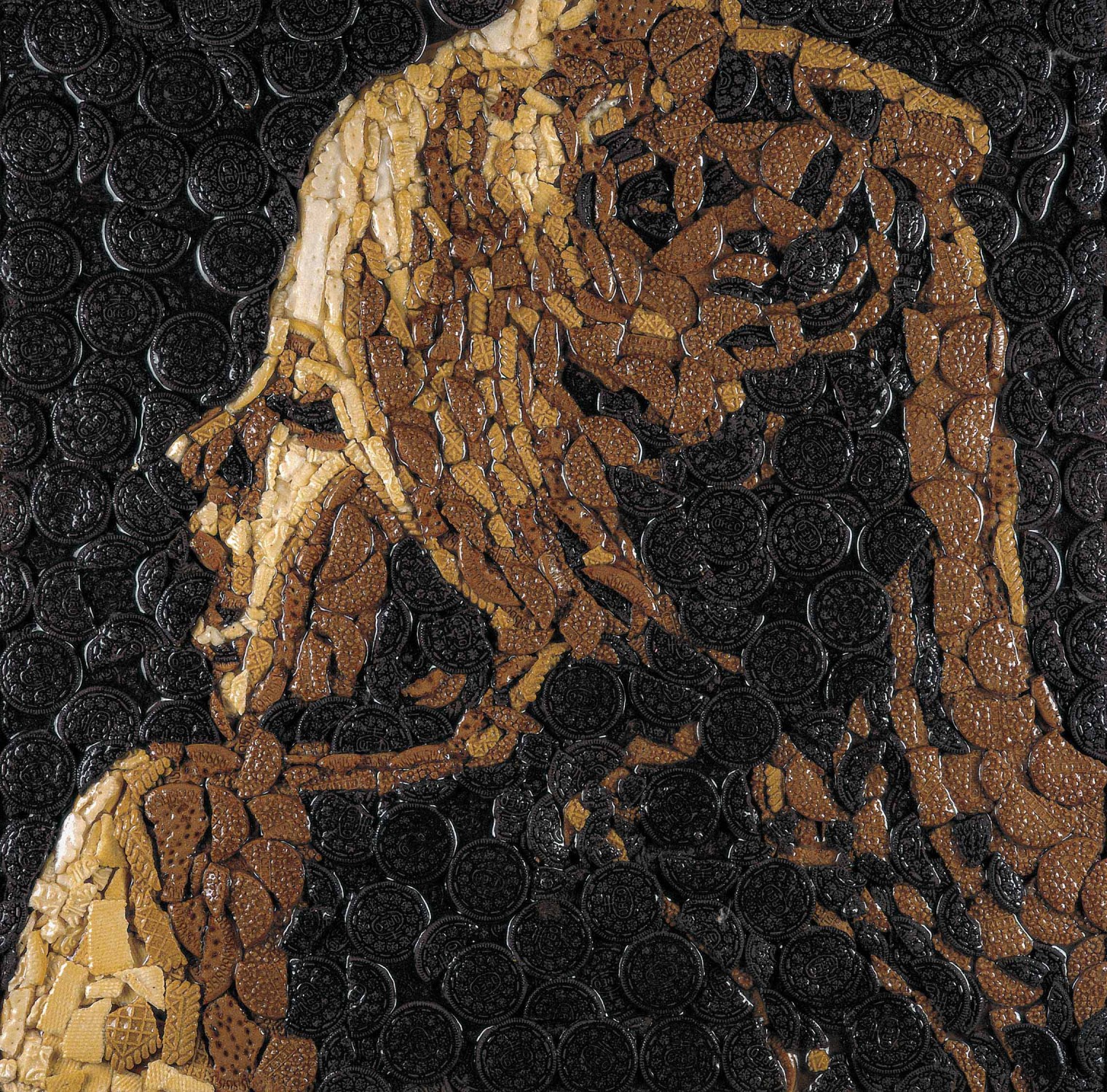
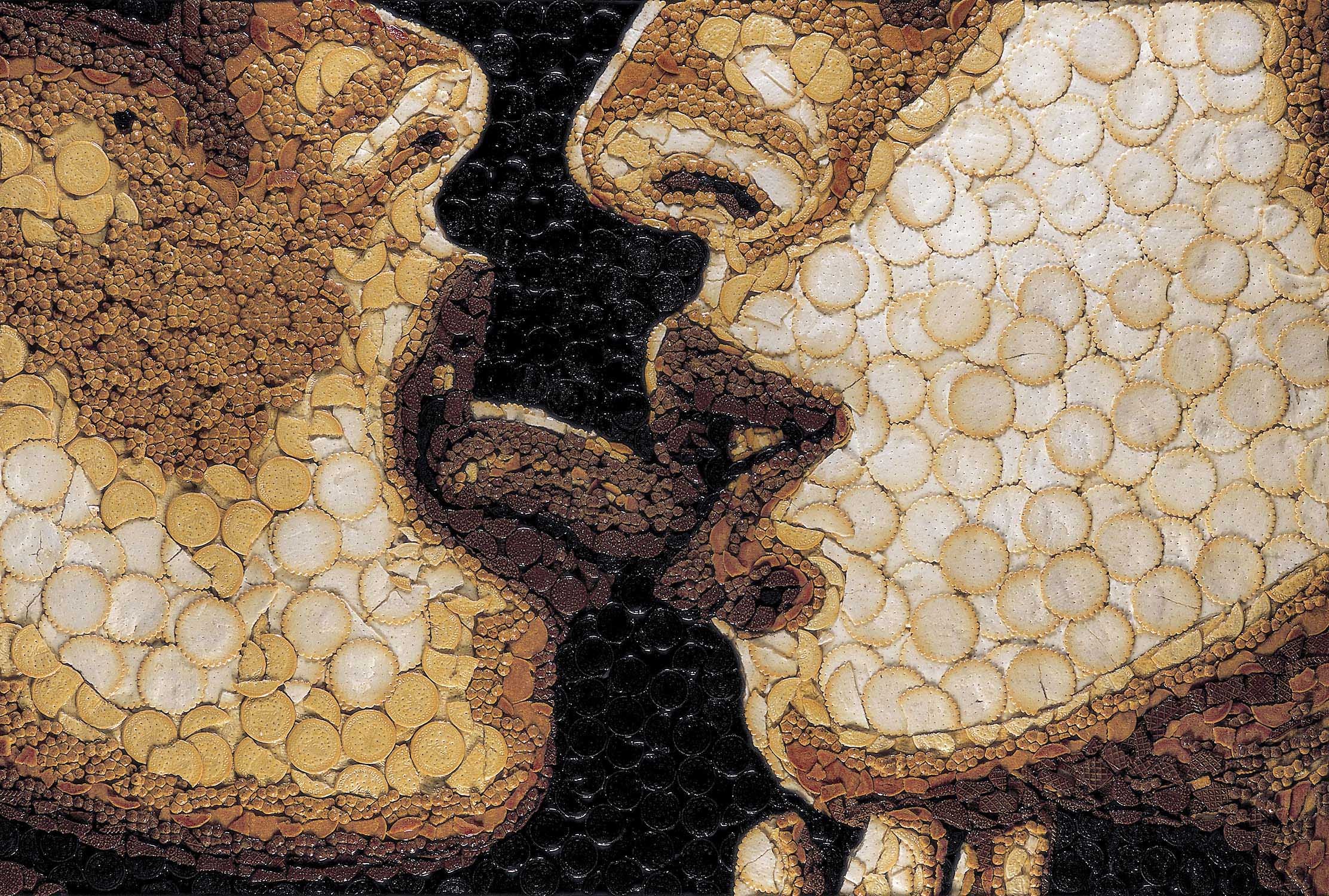
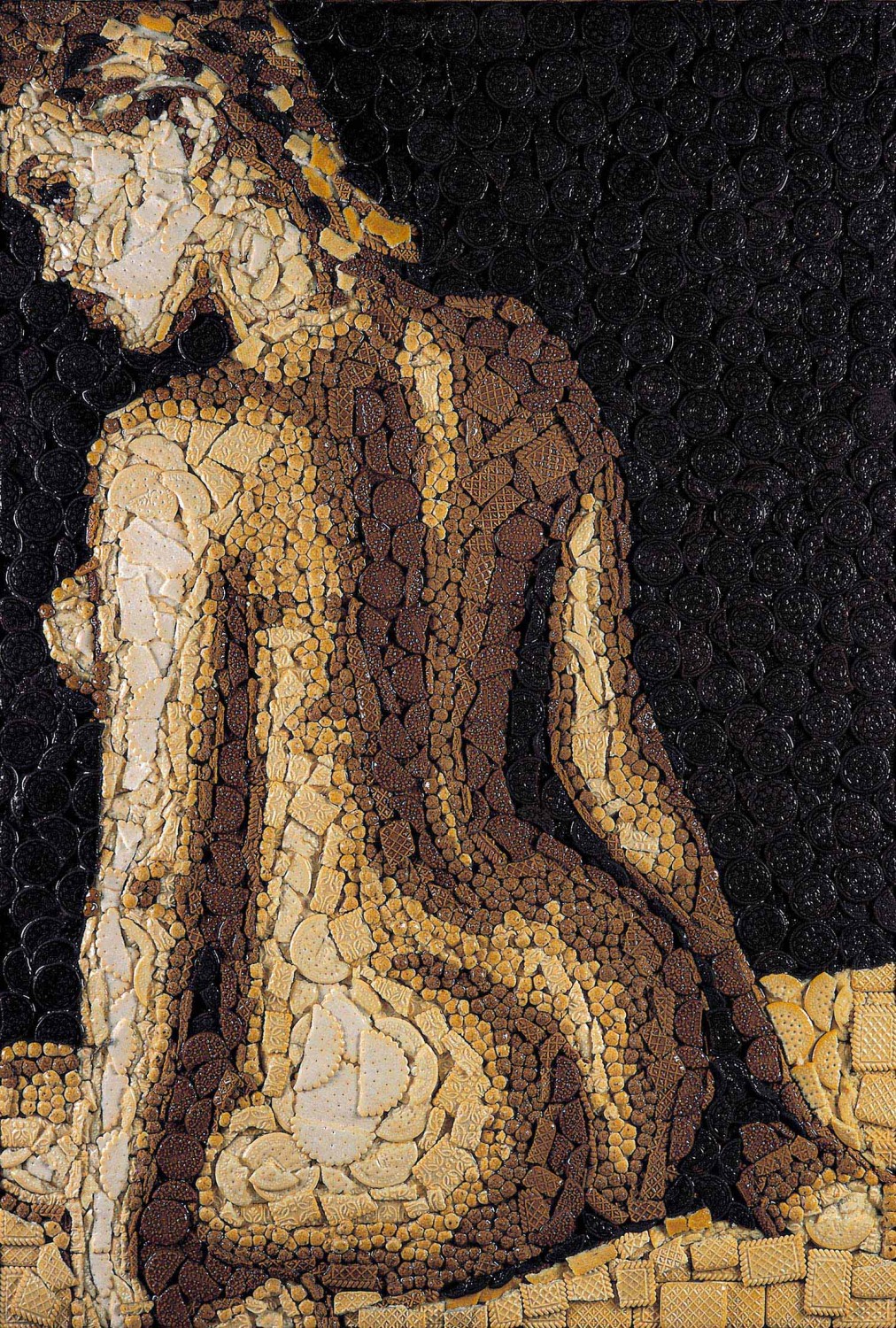
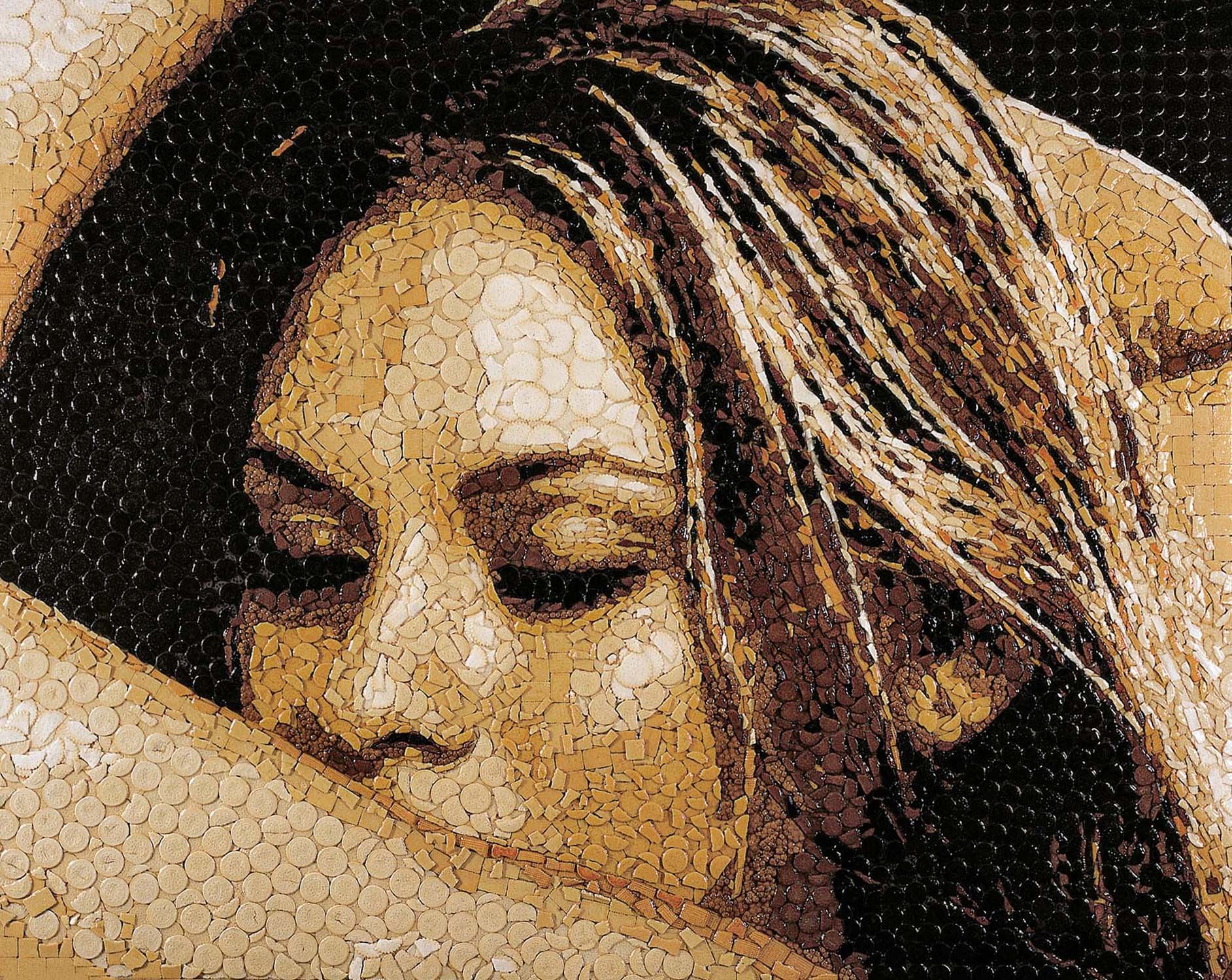
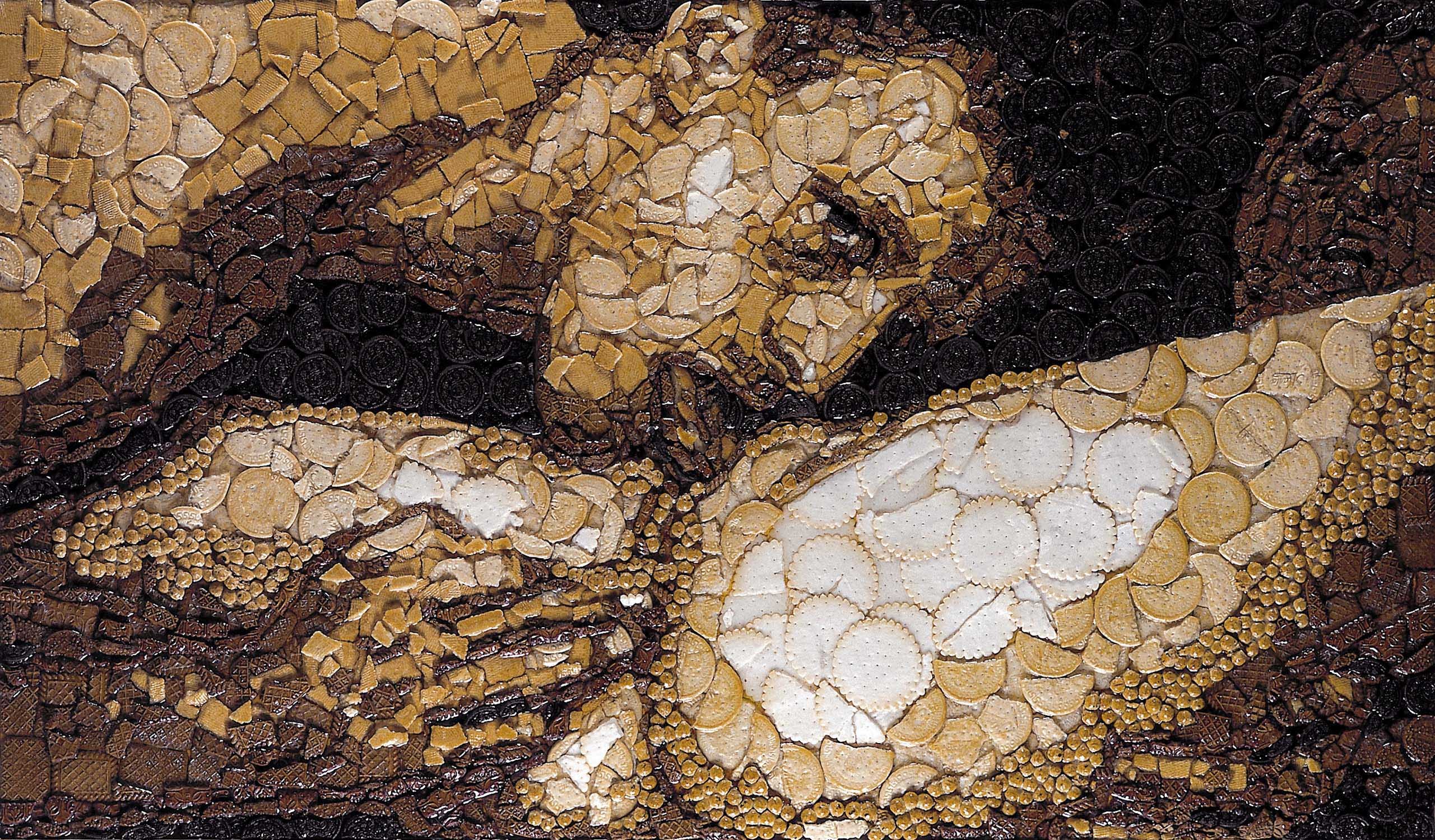
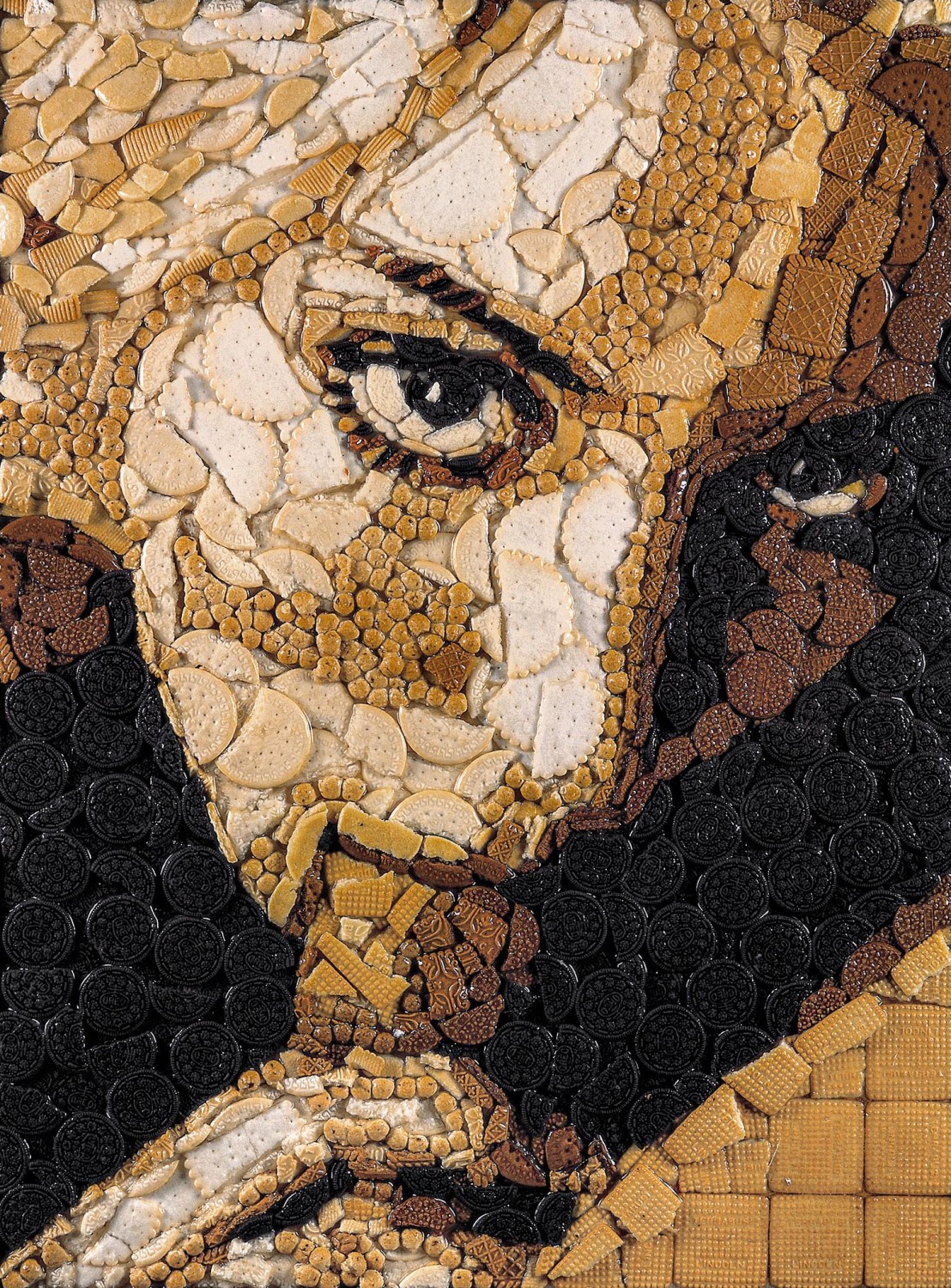
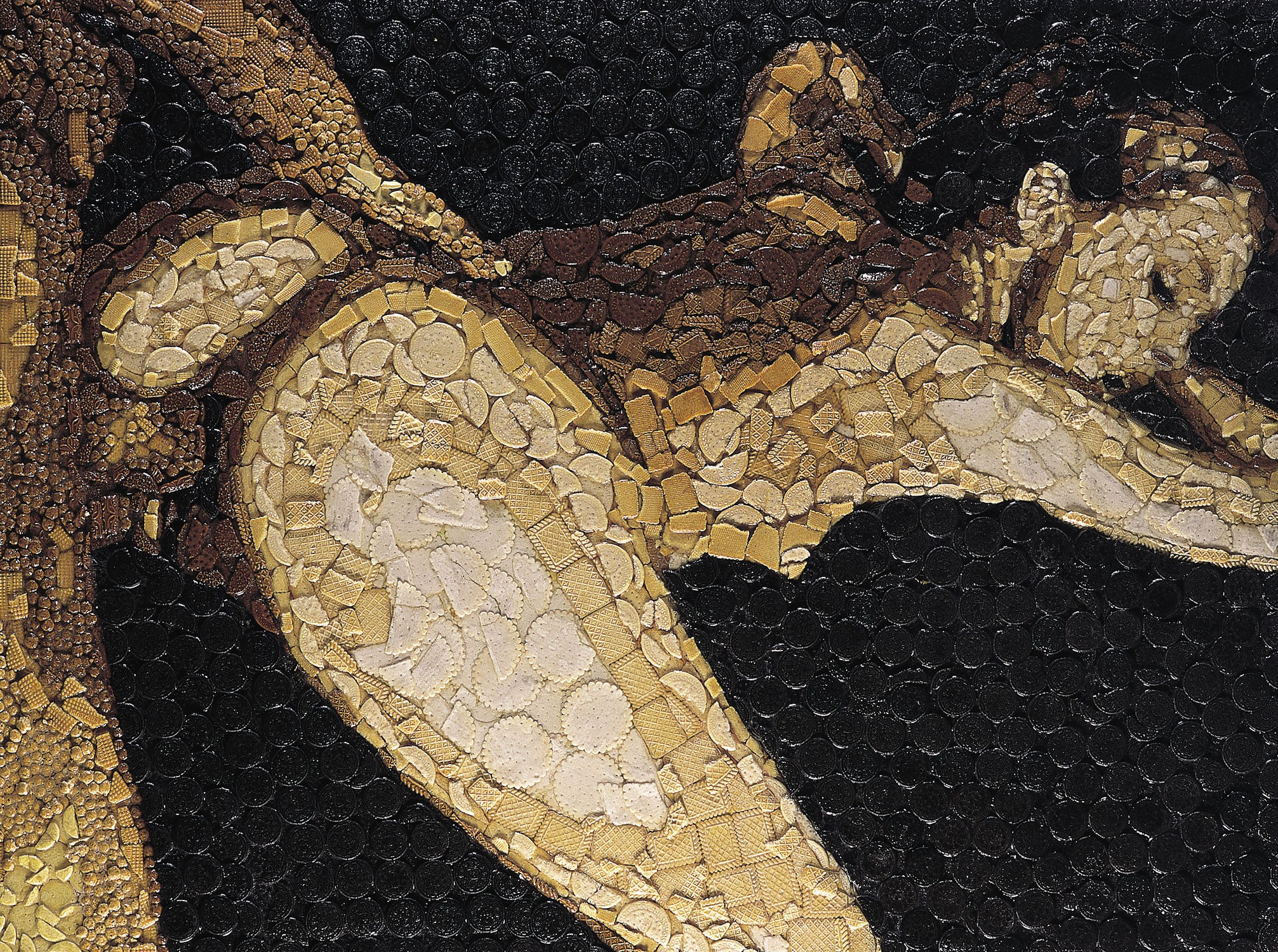
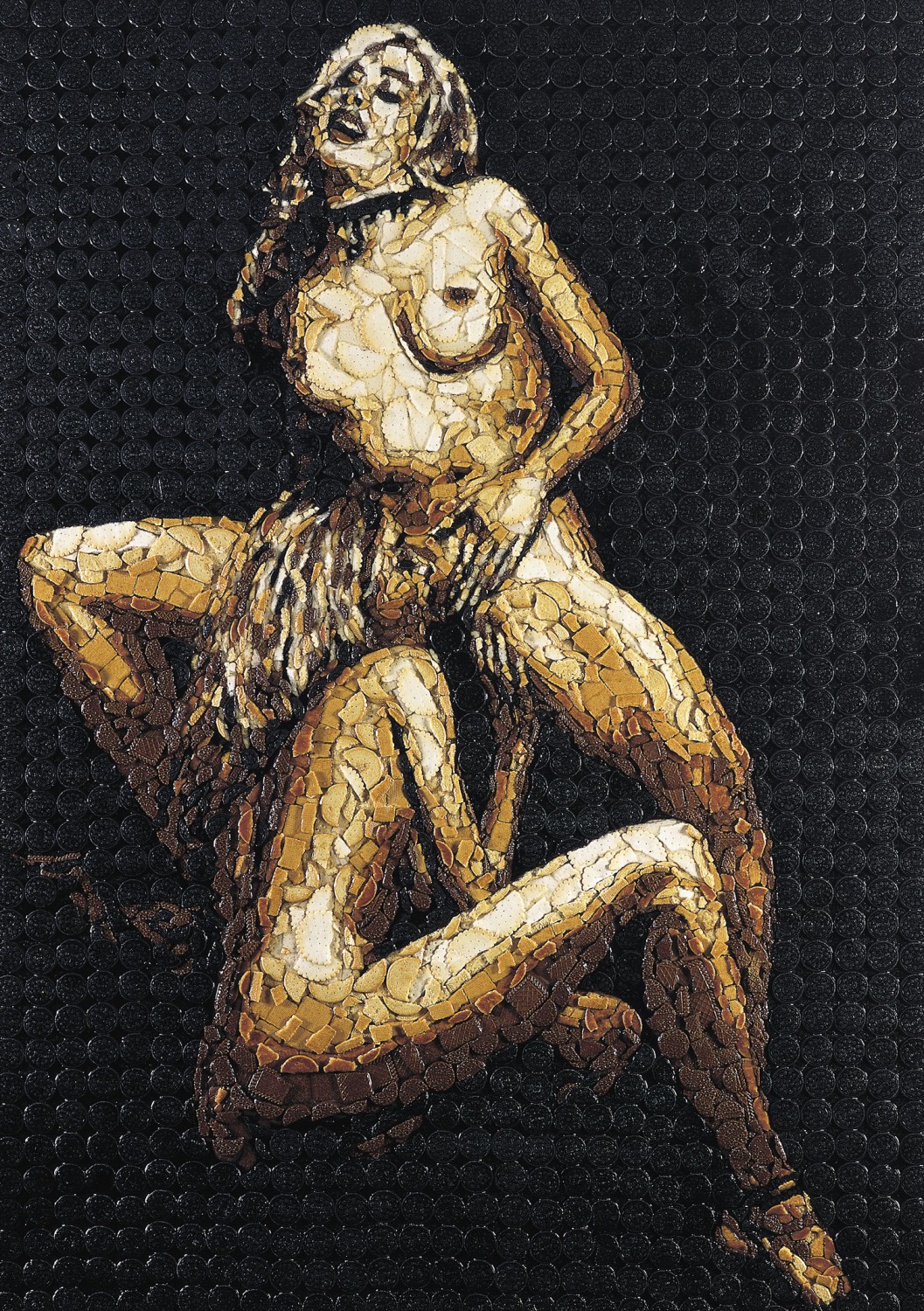
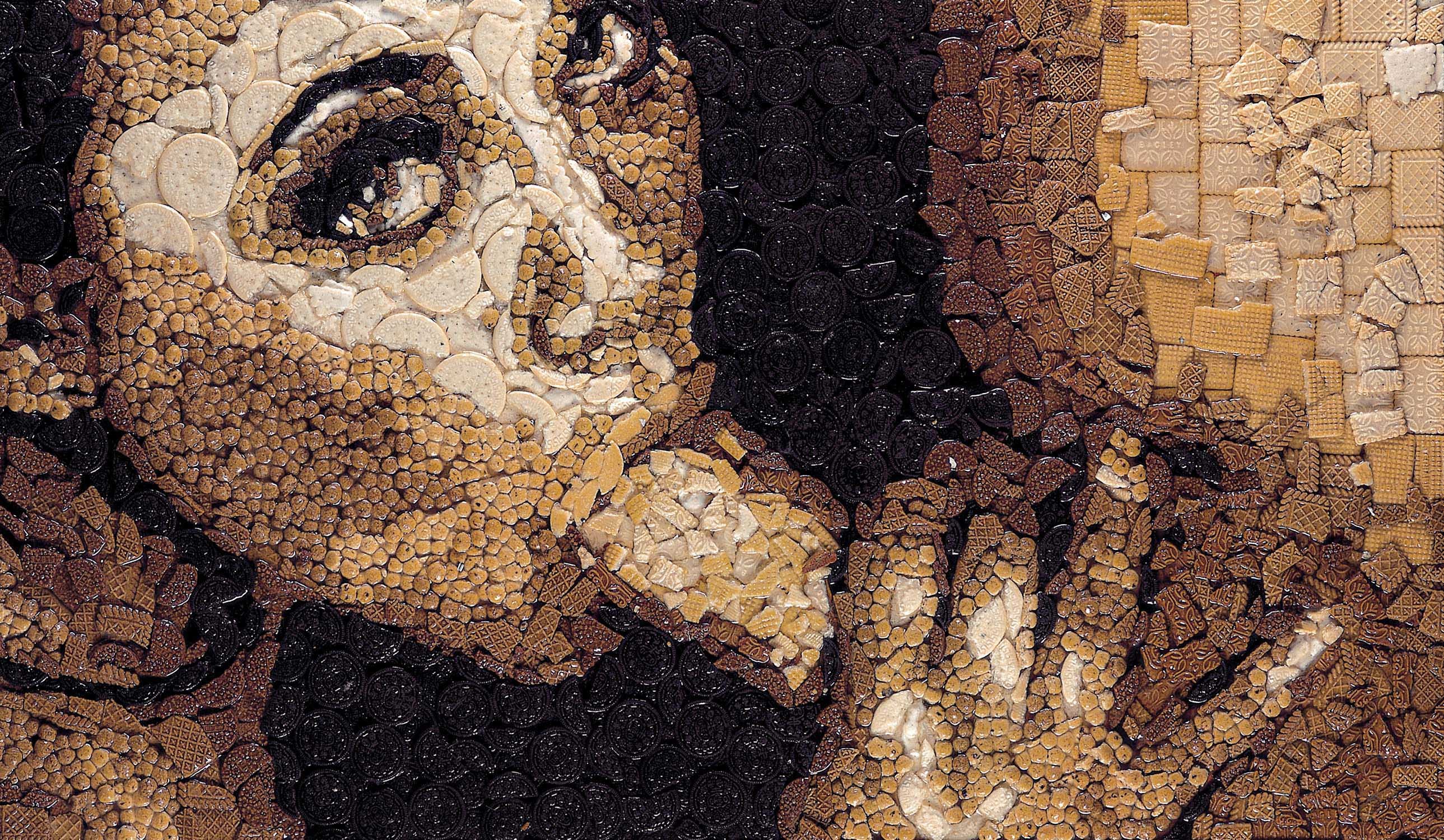
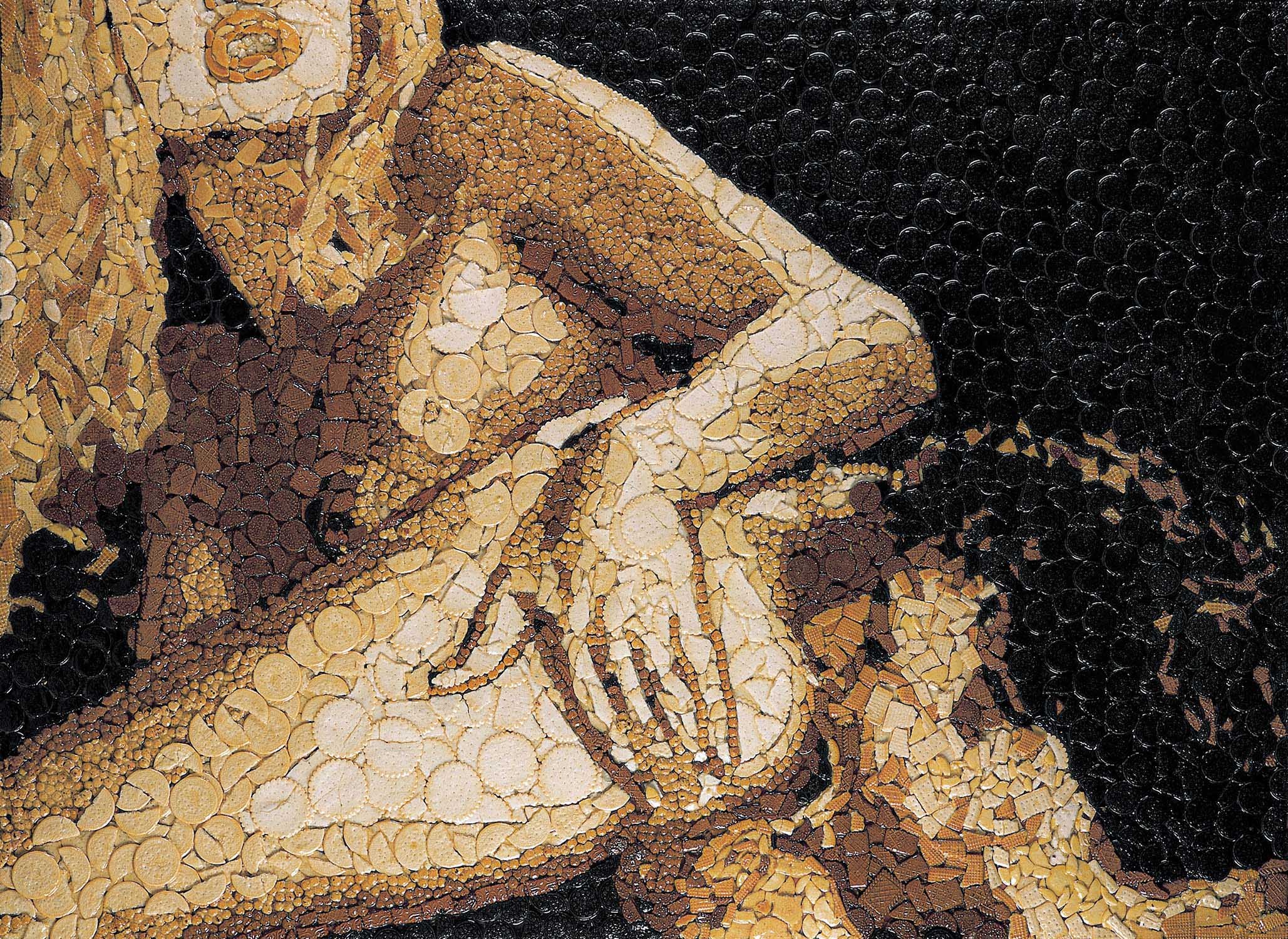
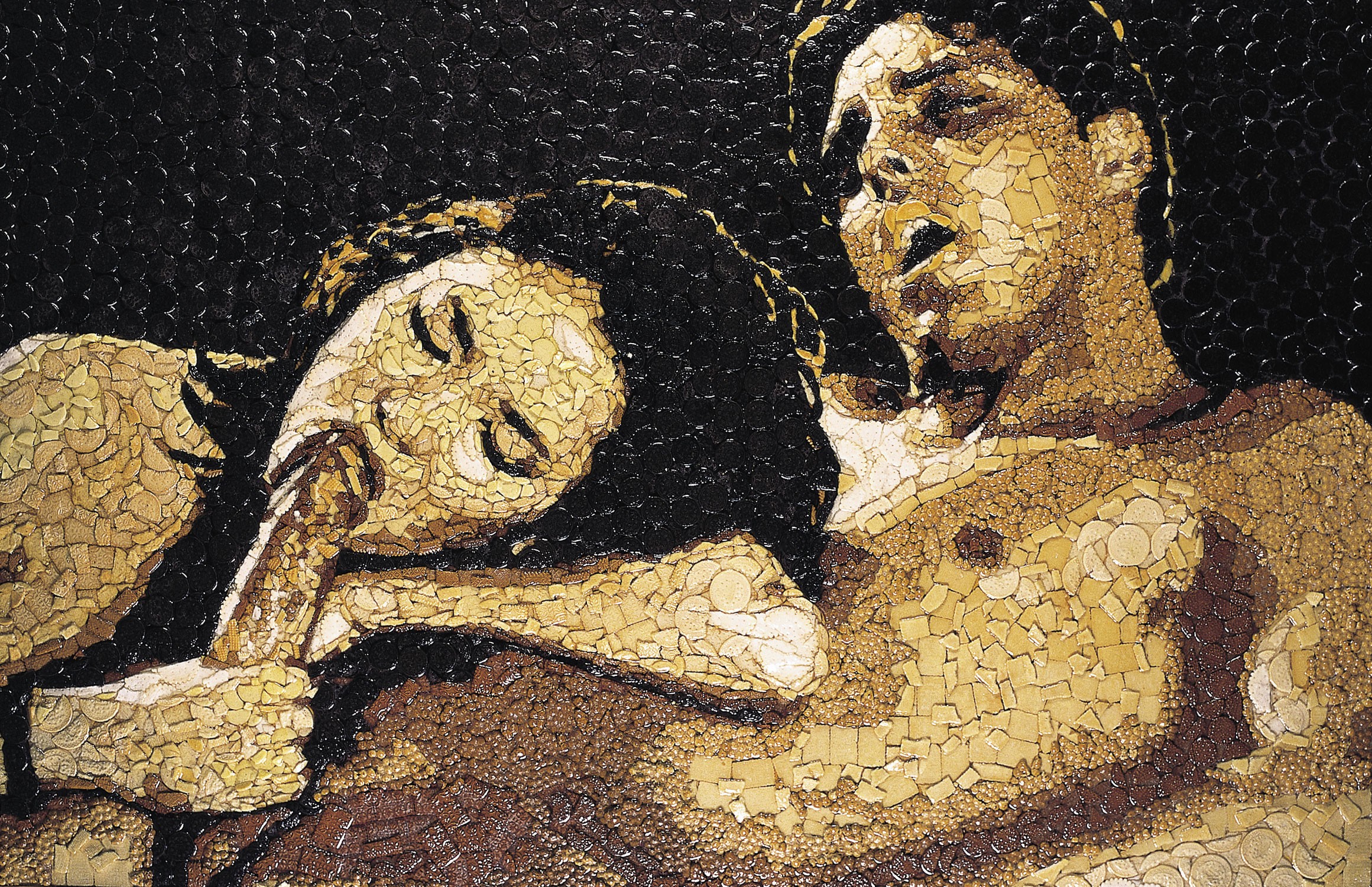
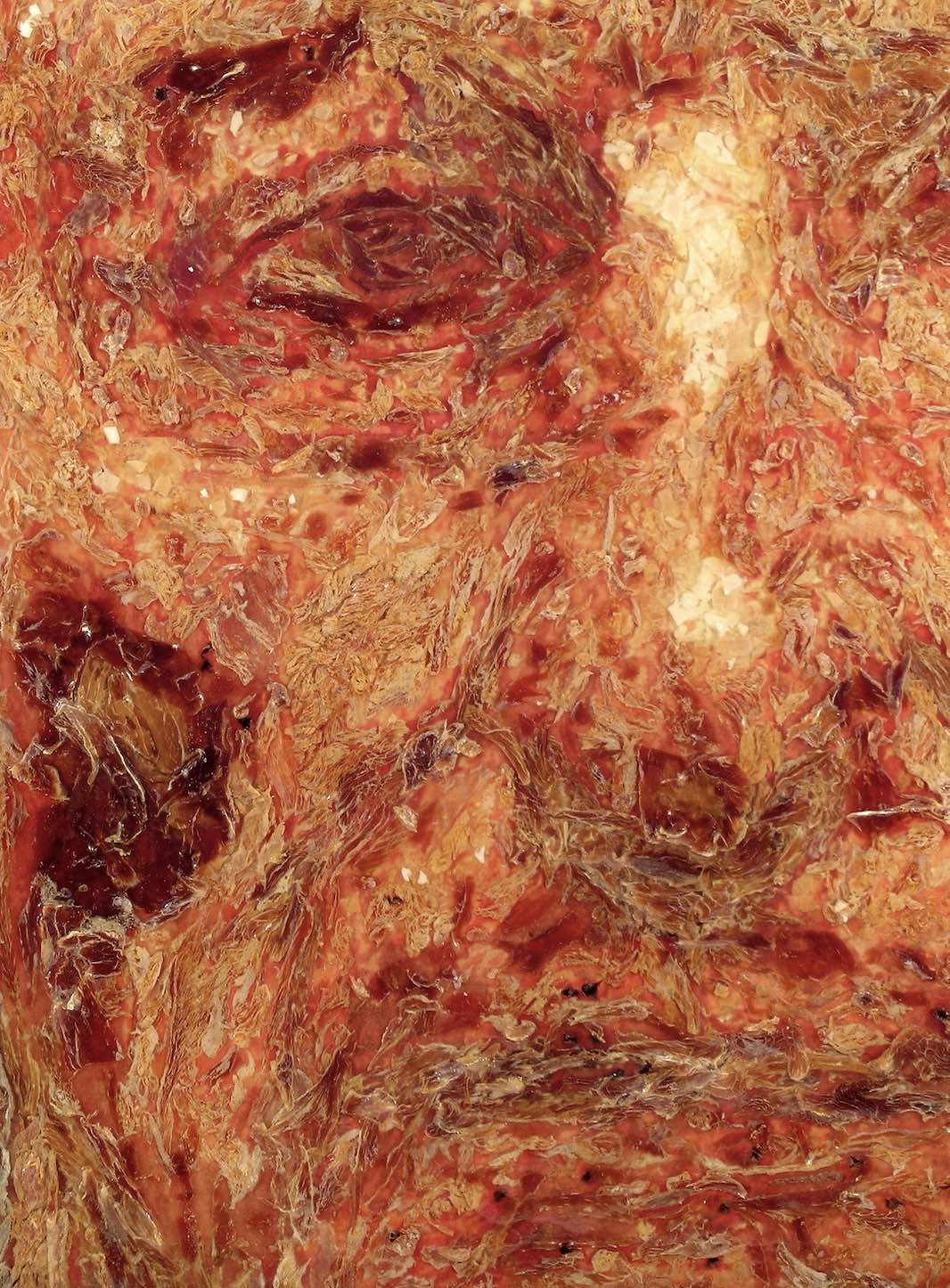
Sexuality is also a metaphor for production and consumption, which seems to be the intent of Black Series (2003-2004). I remember the words of David Meltzer, who wrote that pornography is the most accurate image of contemporary North America. This observation could equally apply to global neoliberal consumerism. Pornography is the most sought-after material in video stores and on the Internet. This demand says something about us and the society we are developing as a home. It is not my intention to delve into the pros and cons of pornography, but it seems to respond to a number of human needs and benefits, both social and economic. Our everyday visual world is saturated with pornography, ensuring that every last breath of libido is satisfied. The images from Mondongo, taken from the Internet, appear as select frames made with cookies, representing yet another form of soft consumerism, of sweet splashing, of fast food for immediate relief. I understand the point, but it still seems to me a facile and one-dimensional cliché in terms of reading the work. As an image, it delivers meaning too quickly, and in a visually sophisticated society like ours, such a surrender of meaning seems a suicidal strategy. However, like in a pornographic film, the idea is for the works to be read as a series, with a rapid rhythm, almost staccato. Mondongo's intention is not to speak of pornography but of Argentine society, of Menemism, of the scars and consequences left by certain policies, of the indecencies committed – and known to all – ranging from the disappeared during the military dictatorship to the elimination of the savings of a large part of the middle class in recent years: an enormous legacy of pornography. The question is: can these themes be addressed through a system of images that has lost most of its power and has become just another splinter in the slaughterhouse?
—Kevin Power, 2010
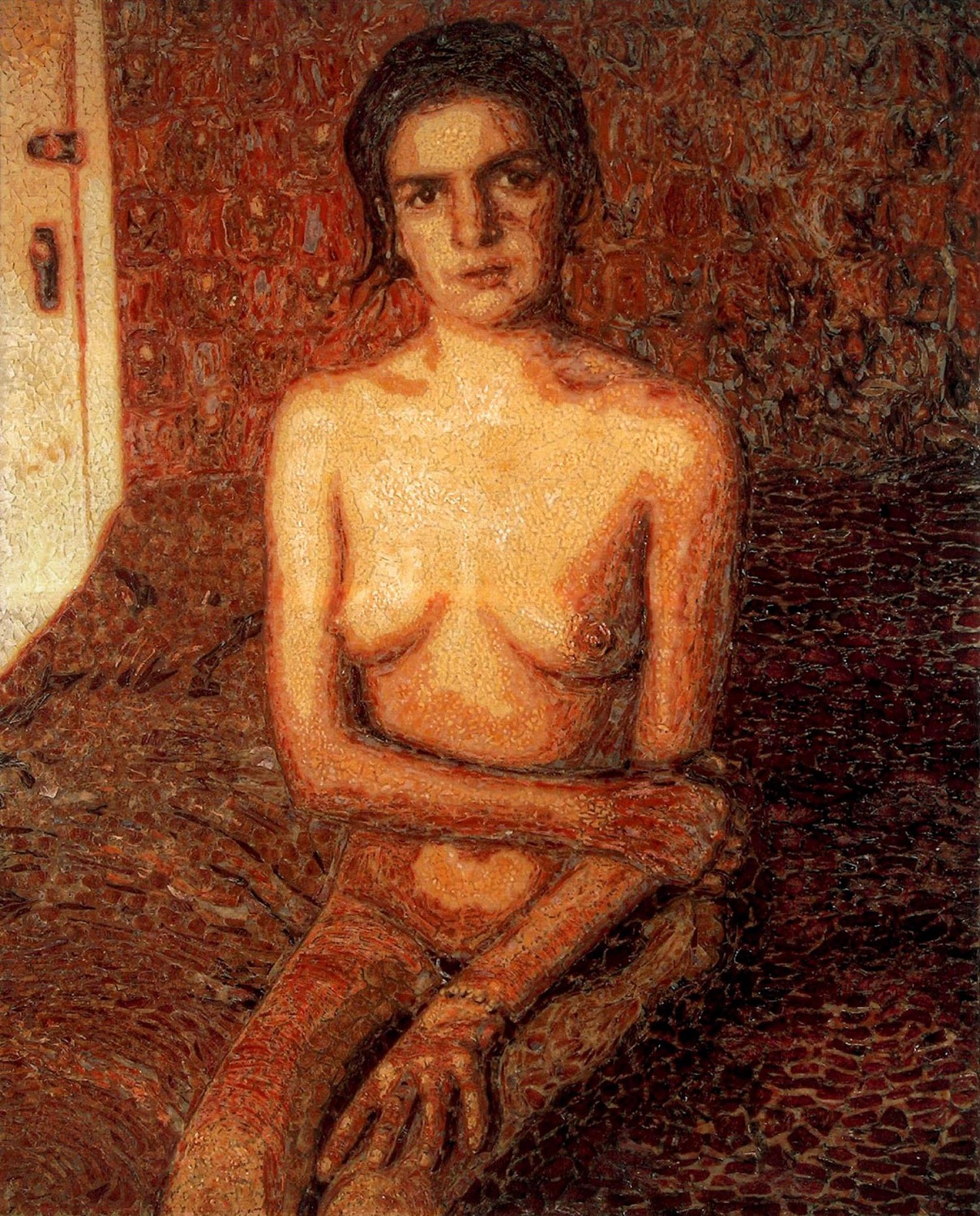

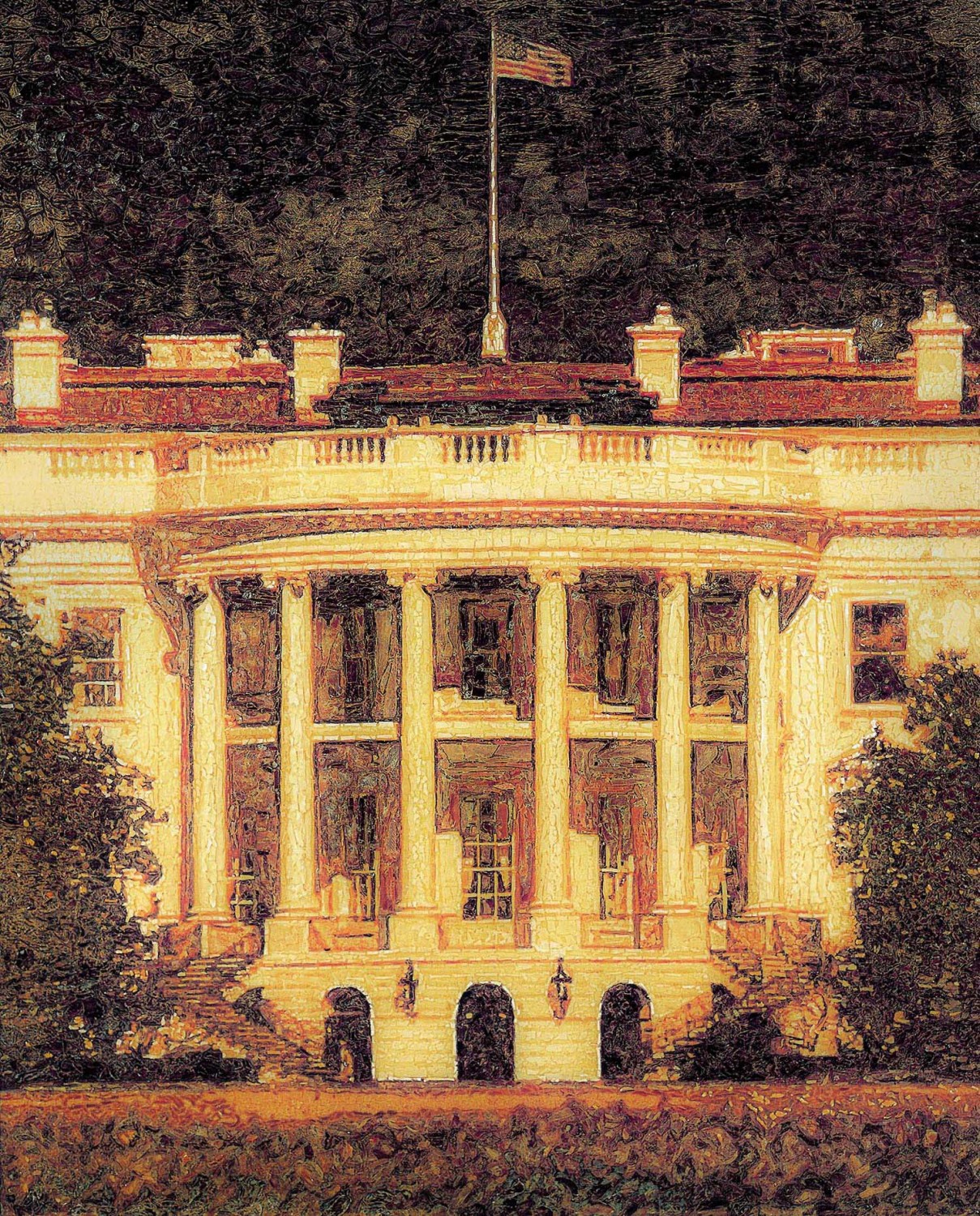
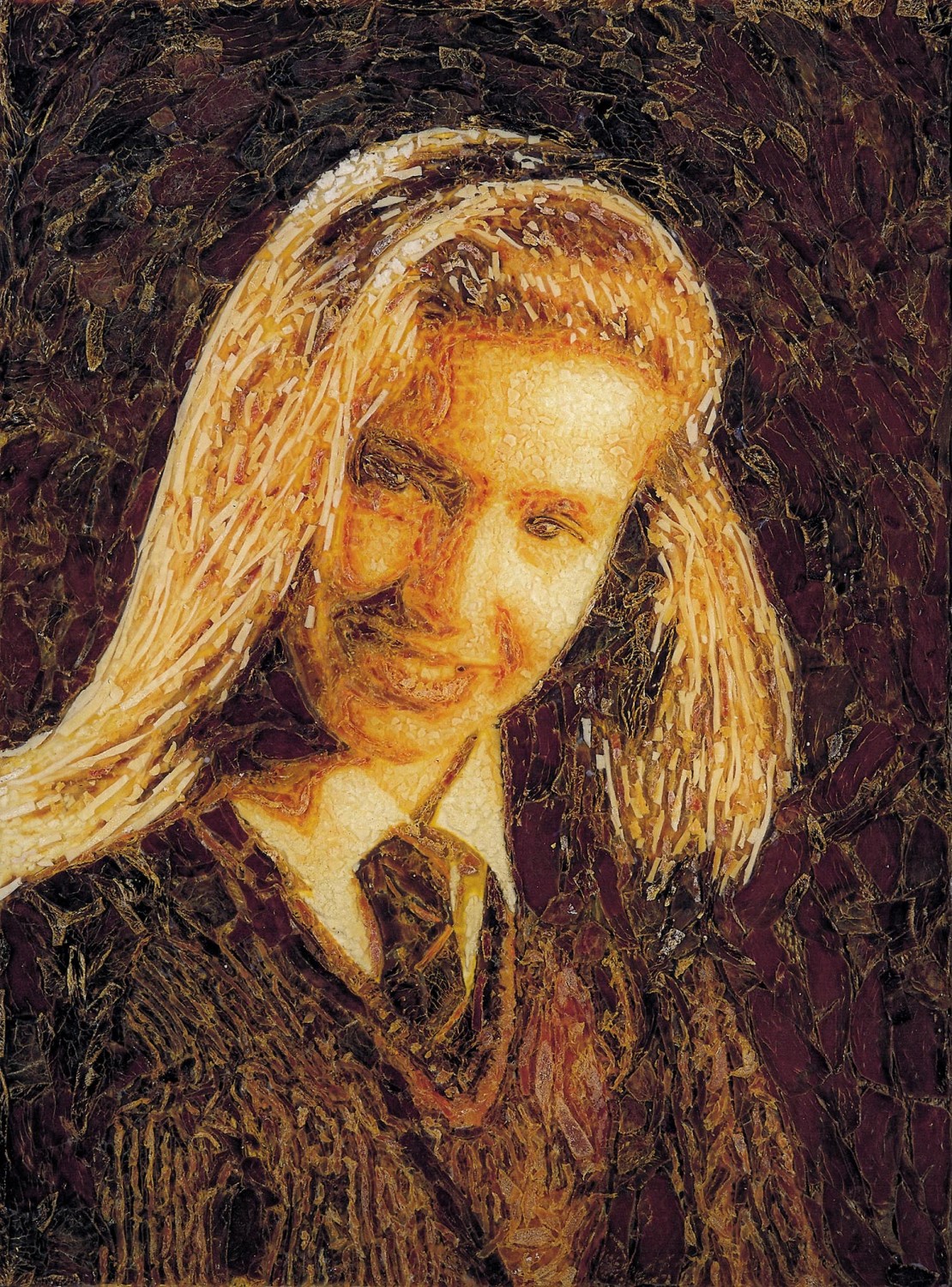
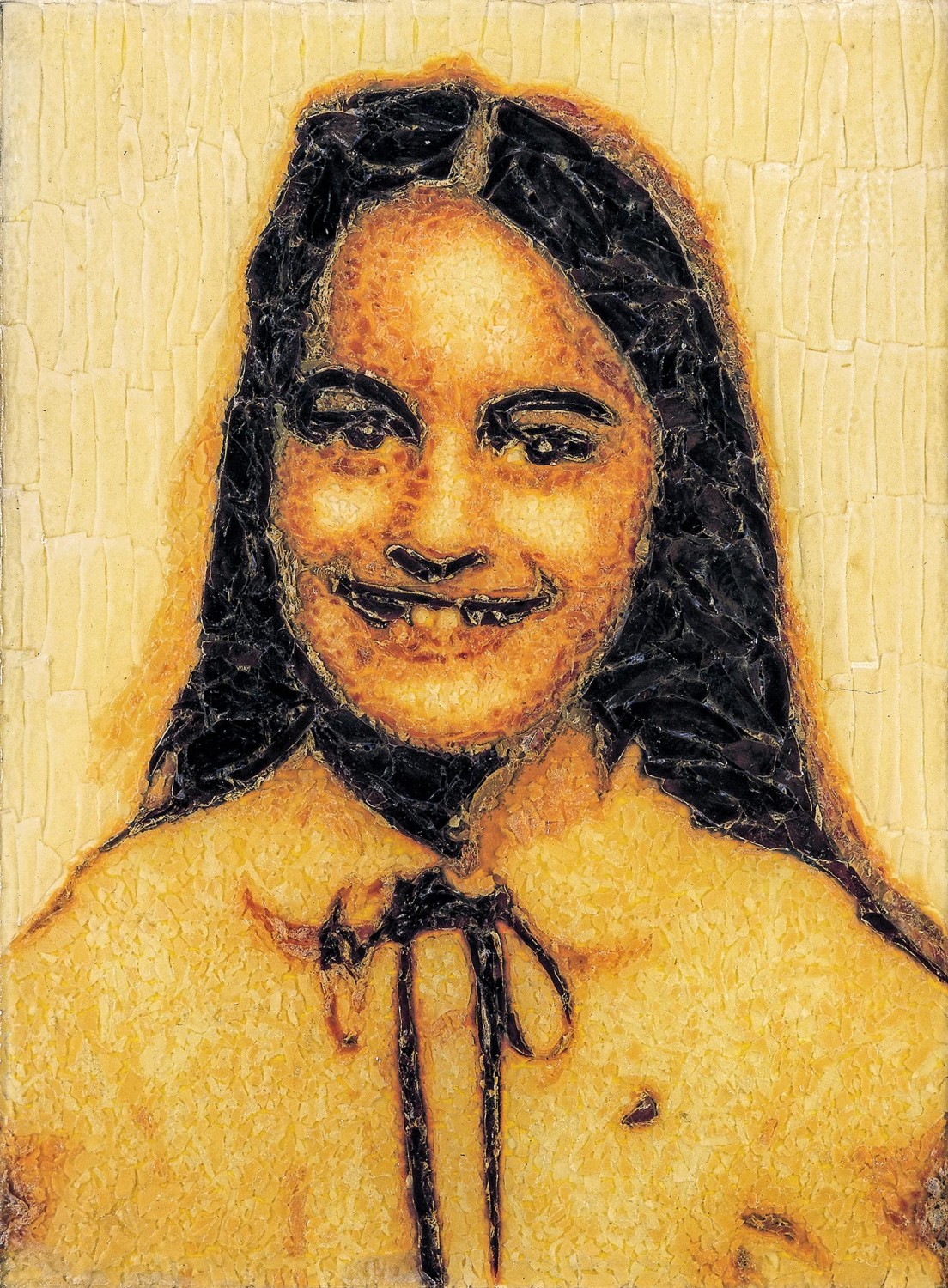
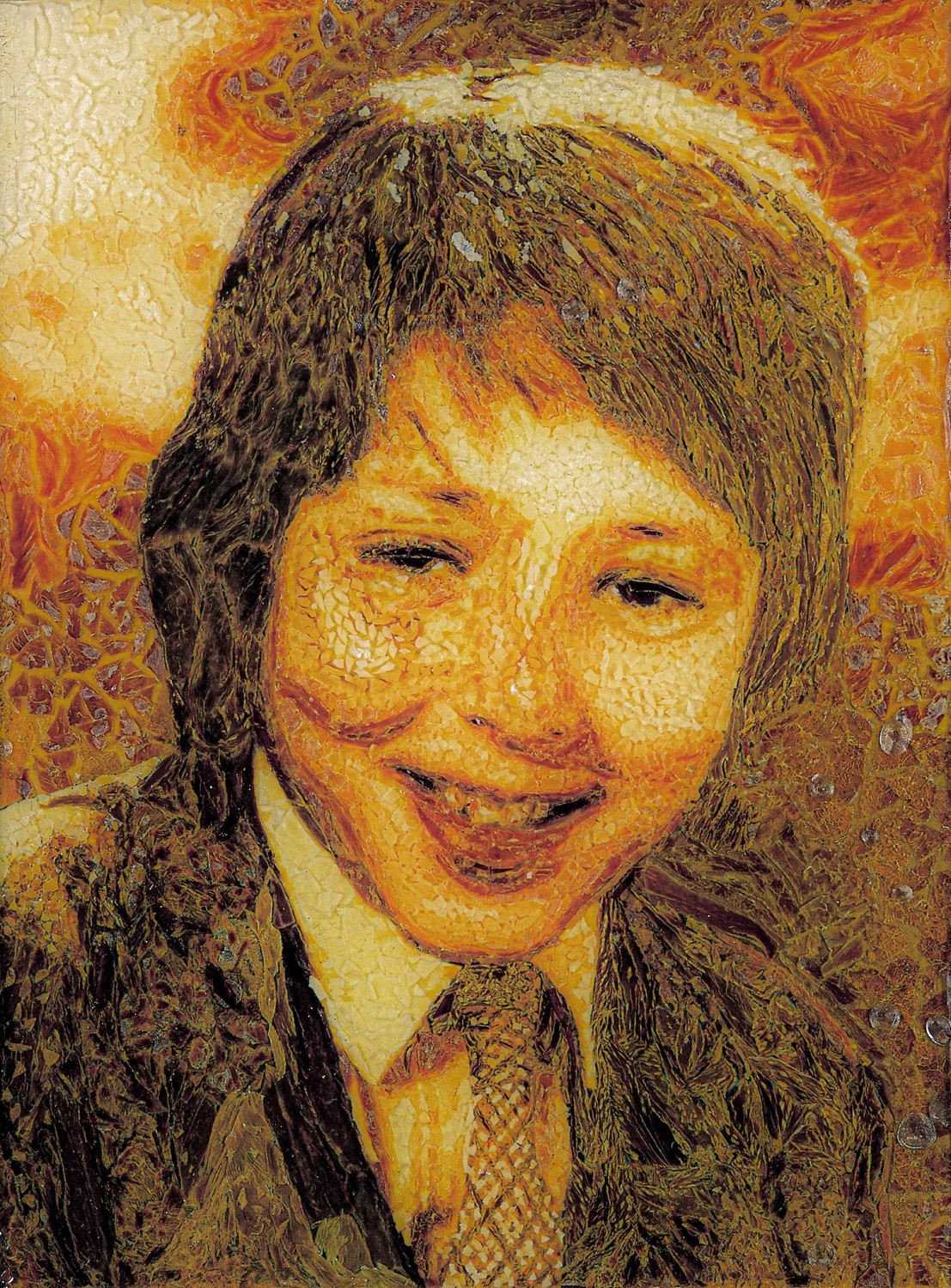

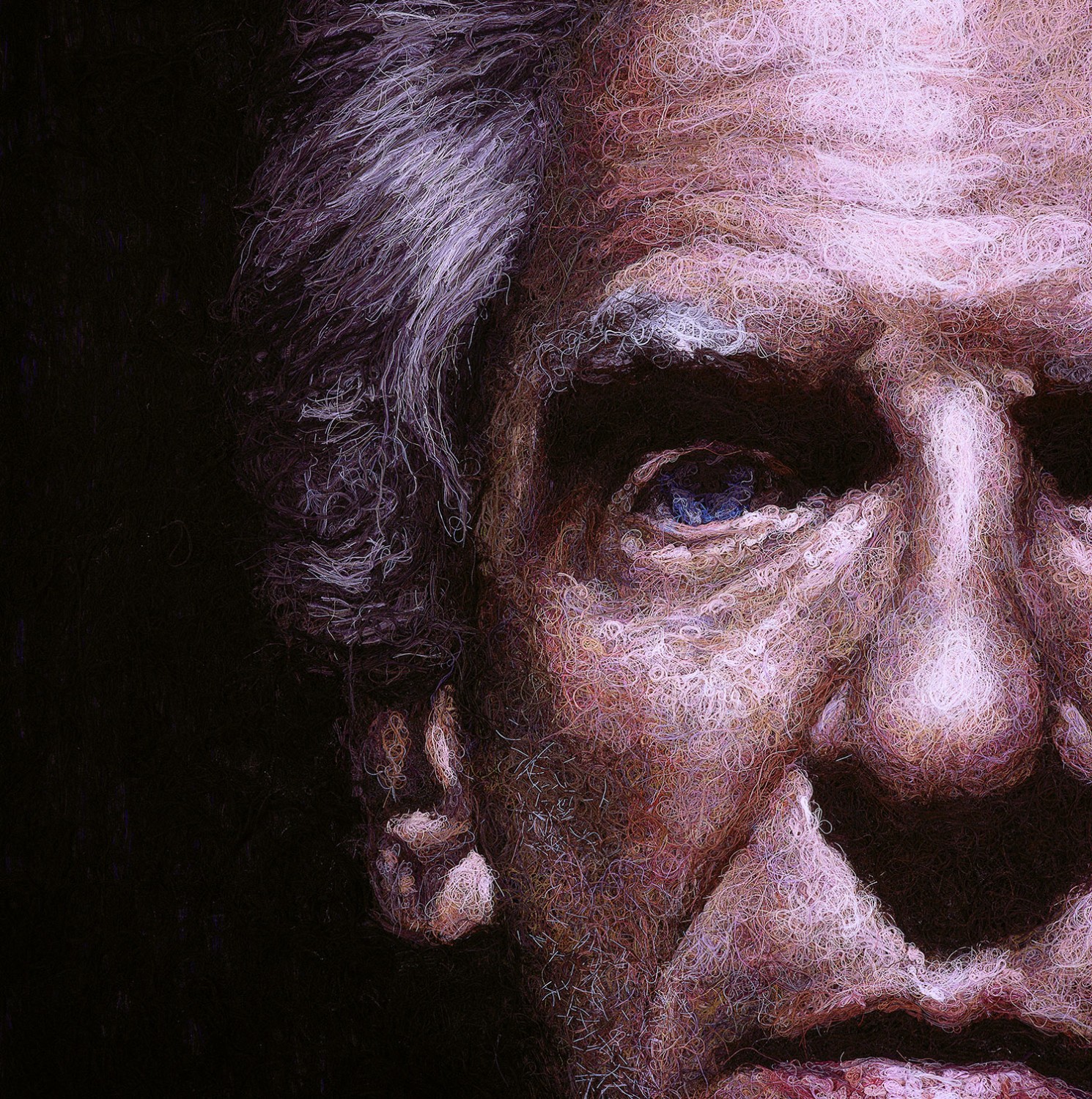
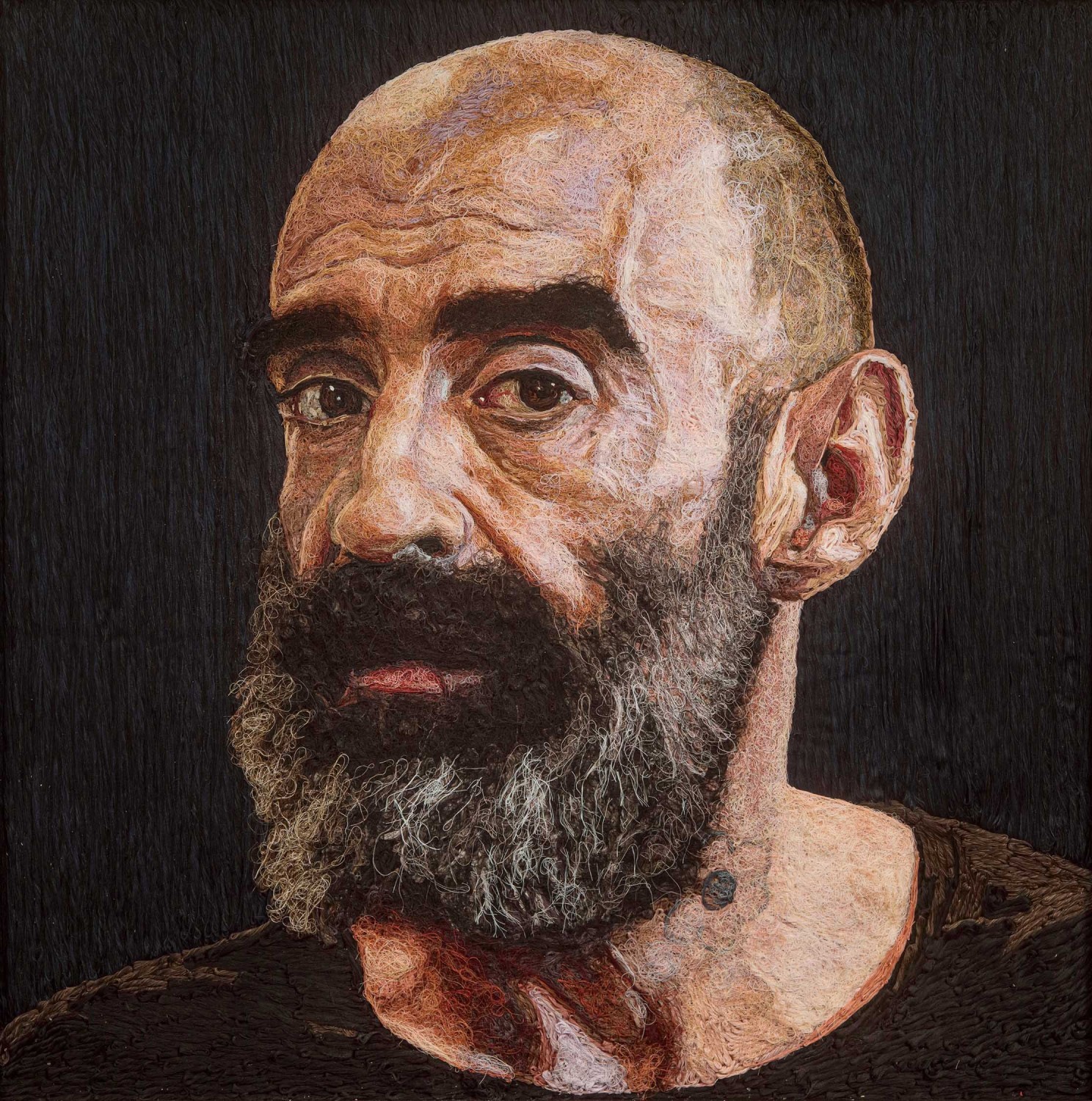
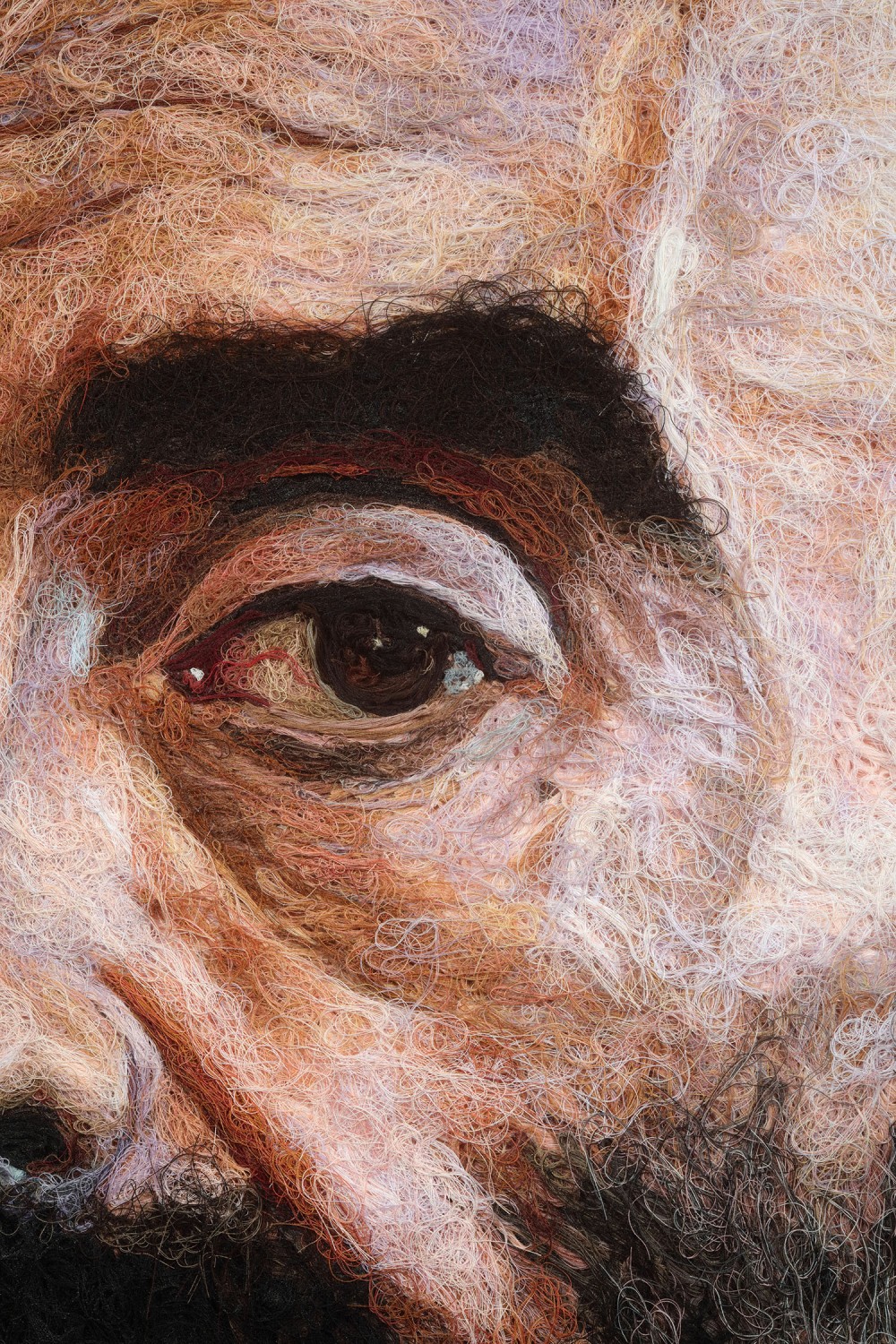
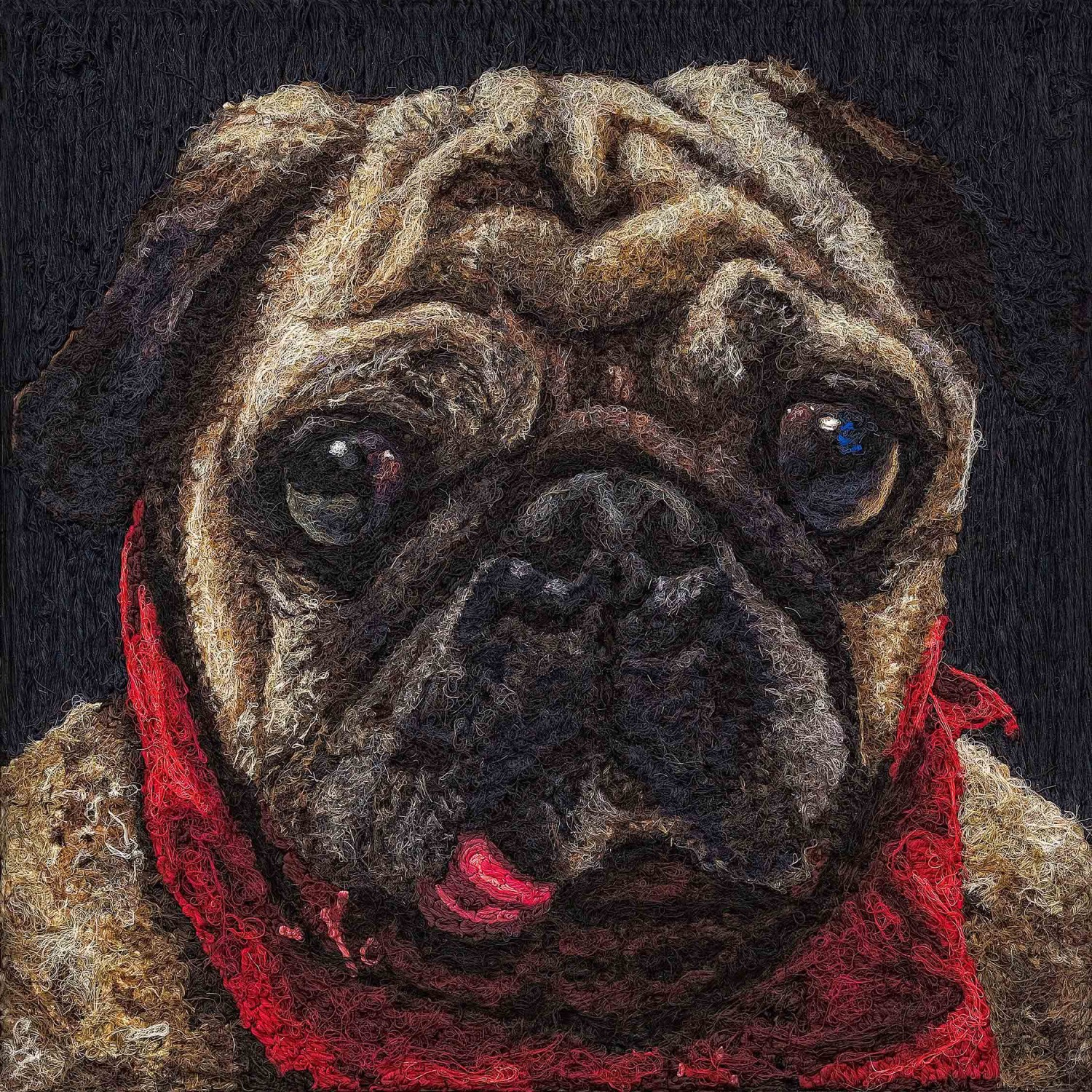
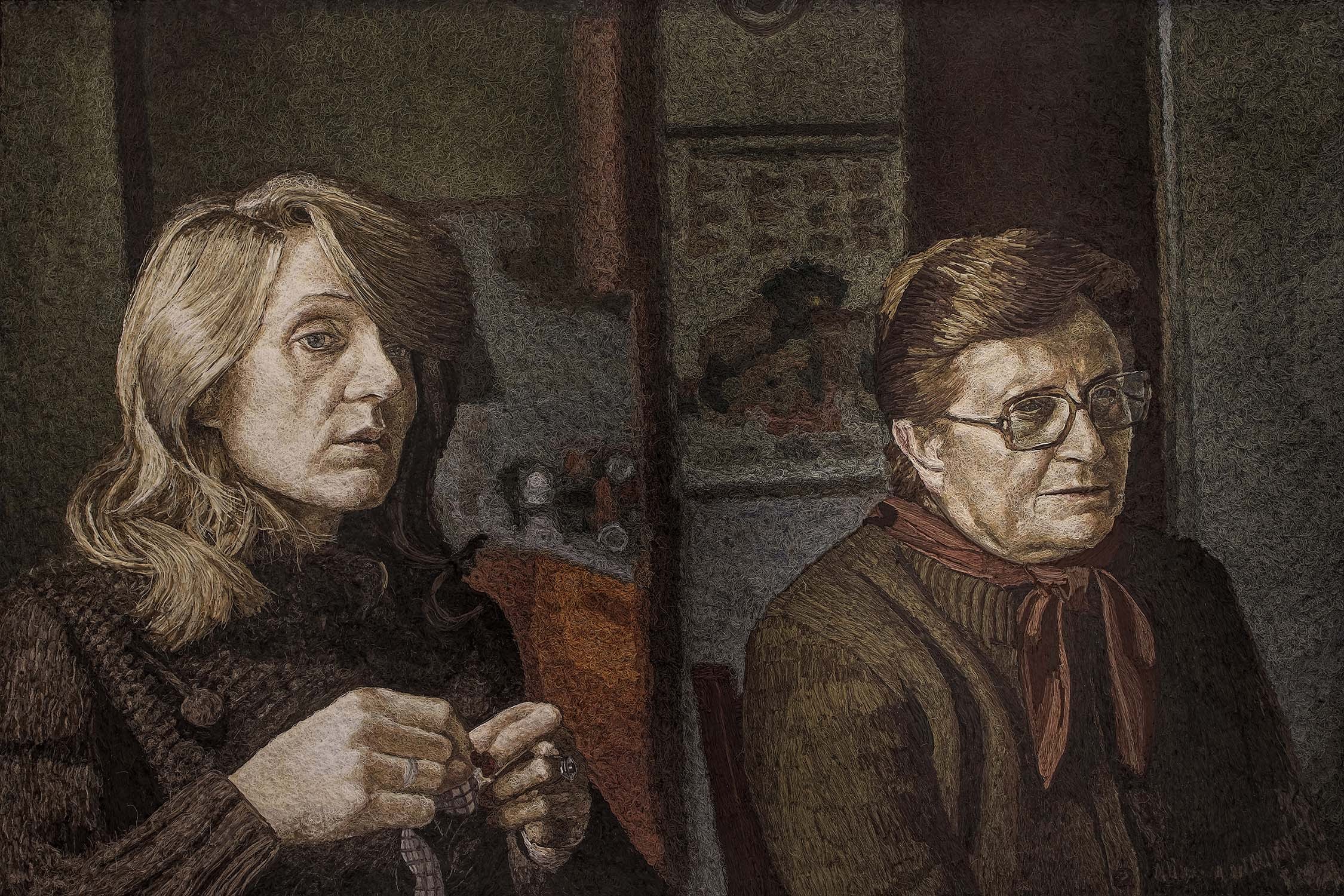
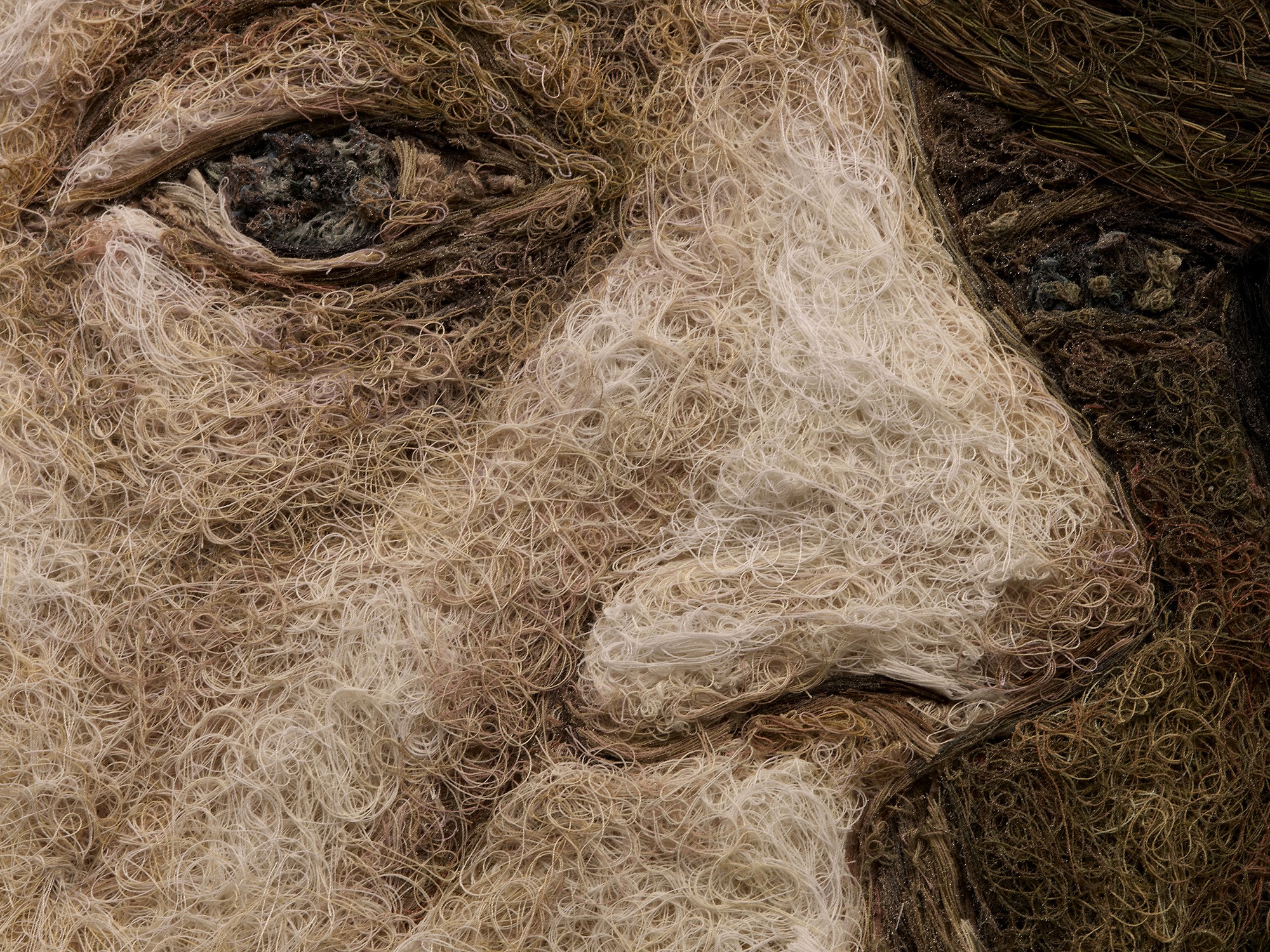
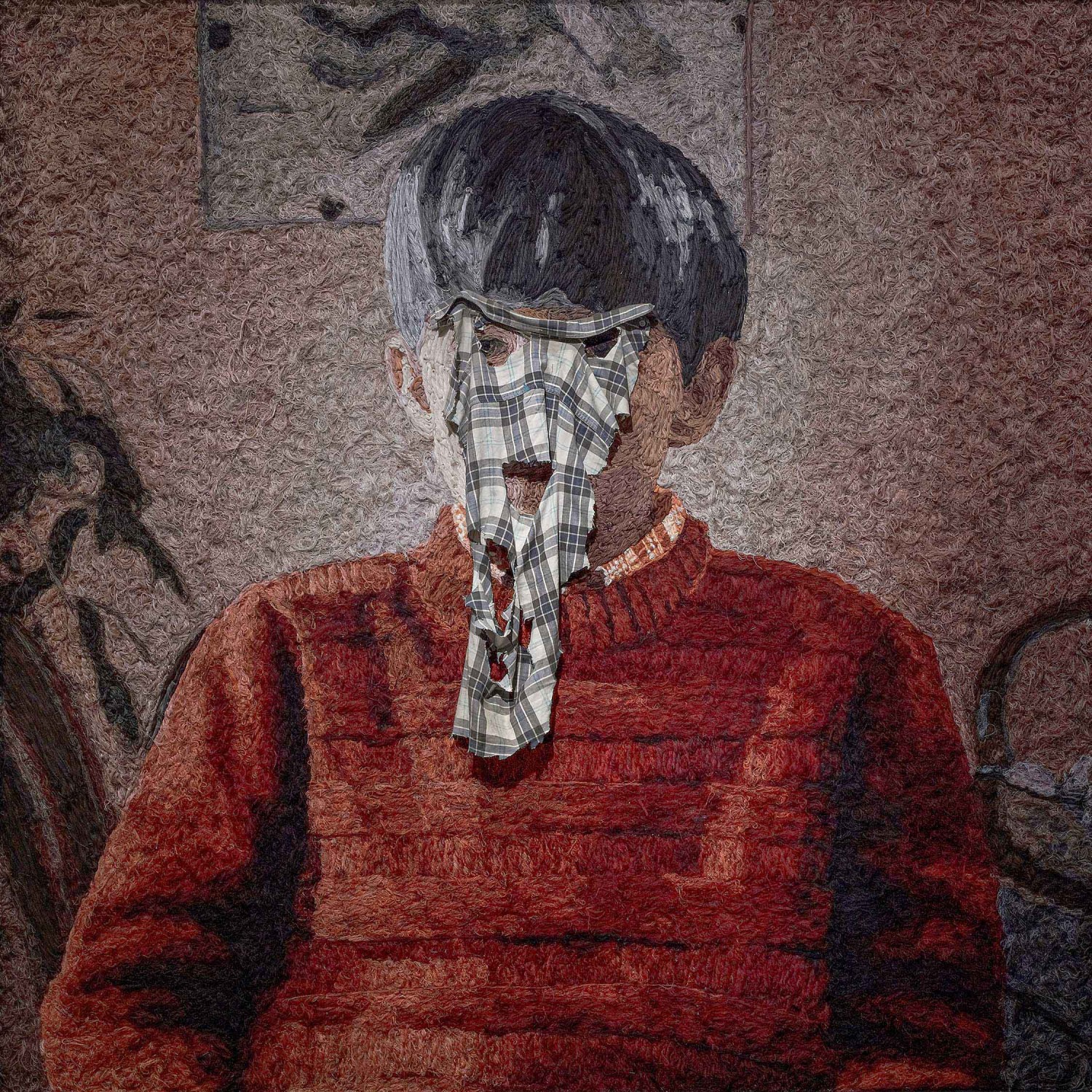
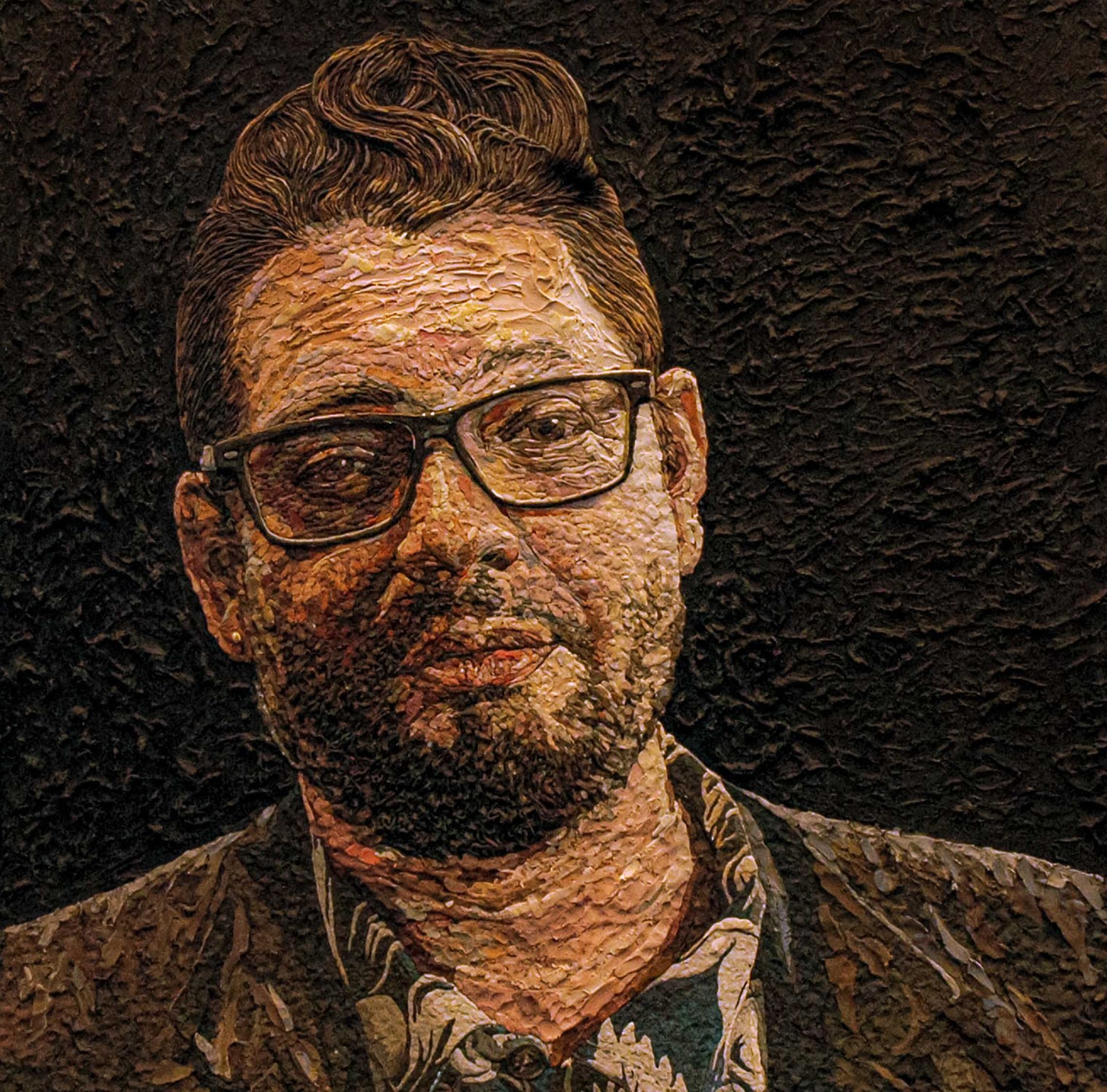
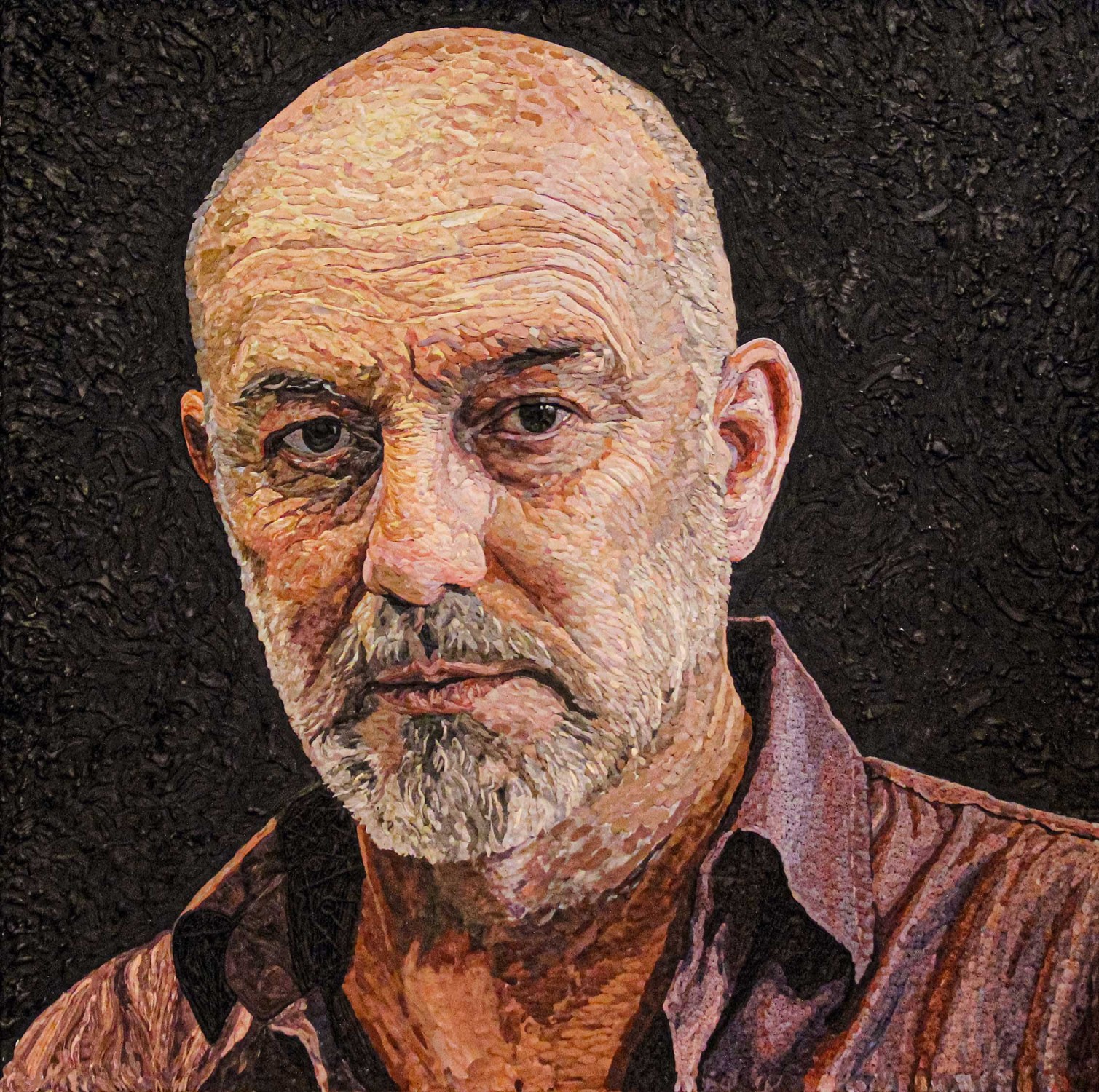
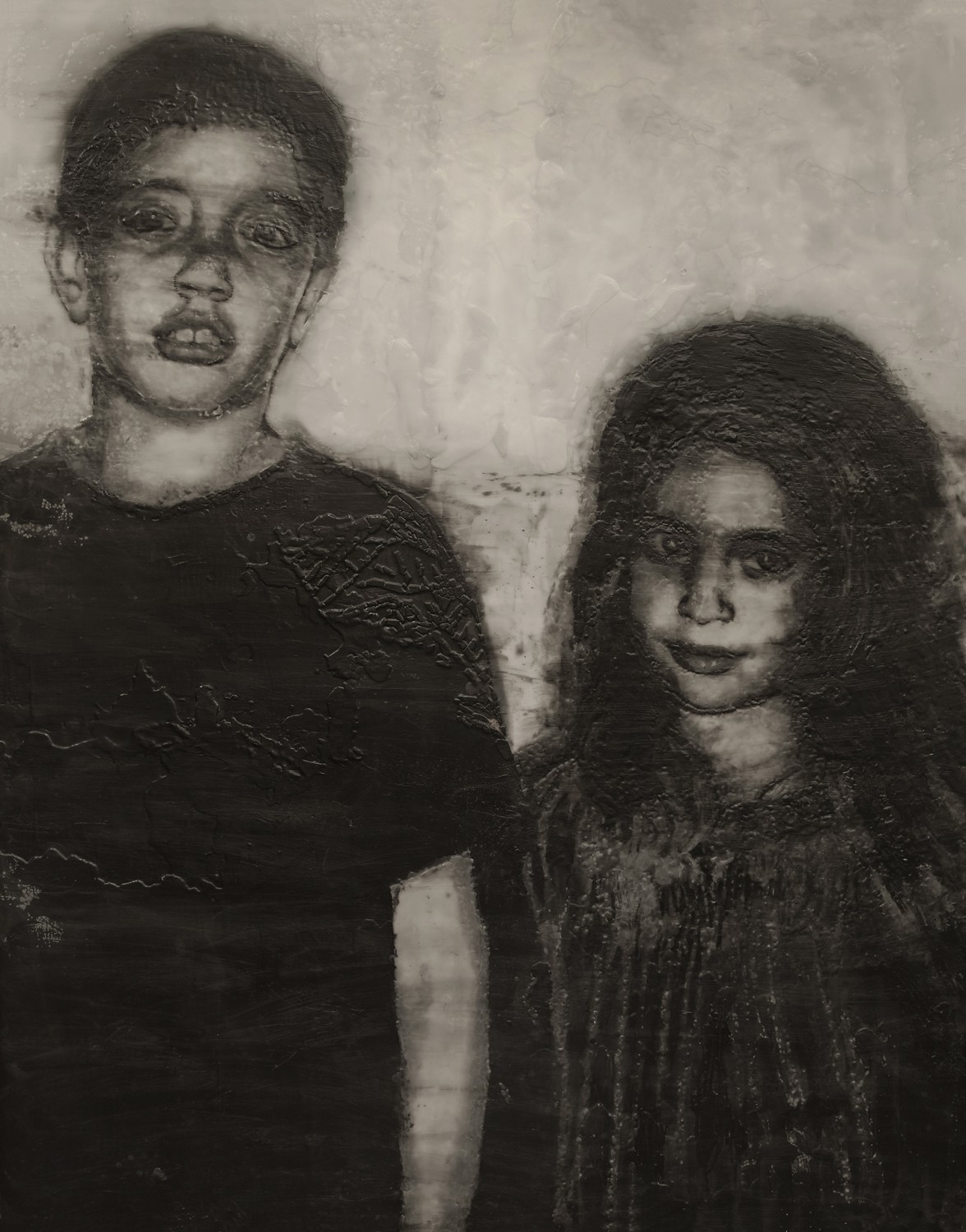
A Portrait’s Weft
[...]
There are faces that we know well because we live with them, there are others that seem familiar to us due to their social relevance or continuous presence in the
media. Our manner of looking at them, drawing closer to them or understanding their expressions is very different. For Mondongo, the portrait has always implied
a search that goes beyond a simple representation of the face. In this selection of portraits, they delve deeper both into the enigma of the diverse faces the portrait
bears and into how to account for that diversity itself.
Not a single one of us possesses a face. Our face, just as our identity, is multiple, and that multiplicity is not simply resolved through showing different faces. As
Pessoa wrote “Everything in me tends to go on to become something else”
A face is a constant mutation, or continuity –a series of layer- faces that, like a weft of fabrics, interlace with earlier faces, become superimposed upon others, or sync up with later ones: a complex and intricate weft that resists unveiling its mystery through a single image. Just like the landscape, th
e face changes at each moment dependent upon the lighting, or mood or the passing of time, without ever ceasing to be the same, at least while it is alive. Death renders the face unrecognizable, distant, and empty, as if it no longer pertained to that person we knew.
...
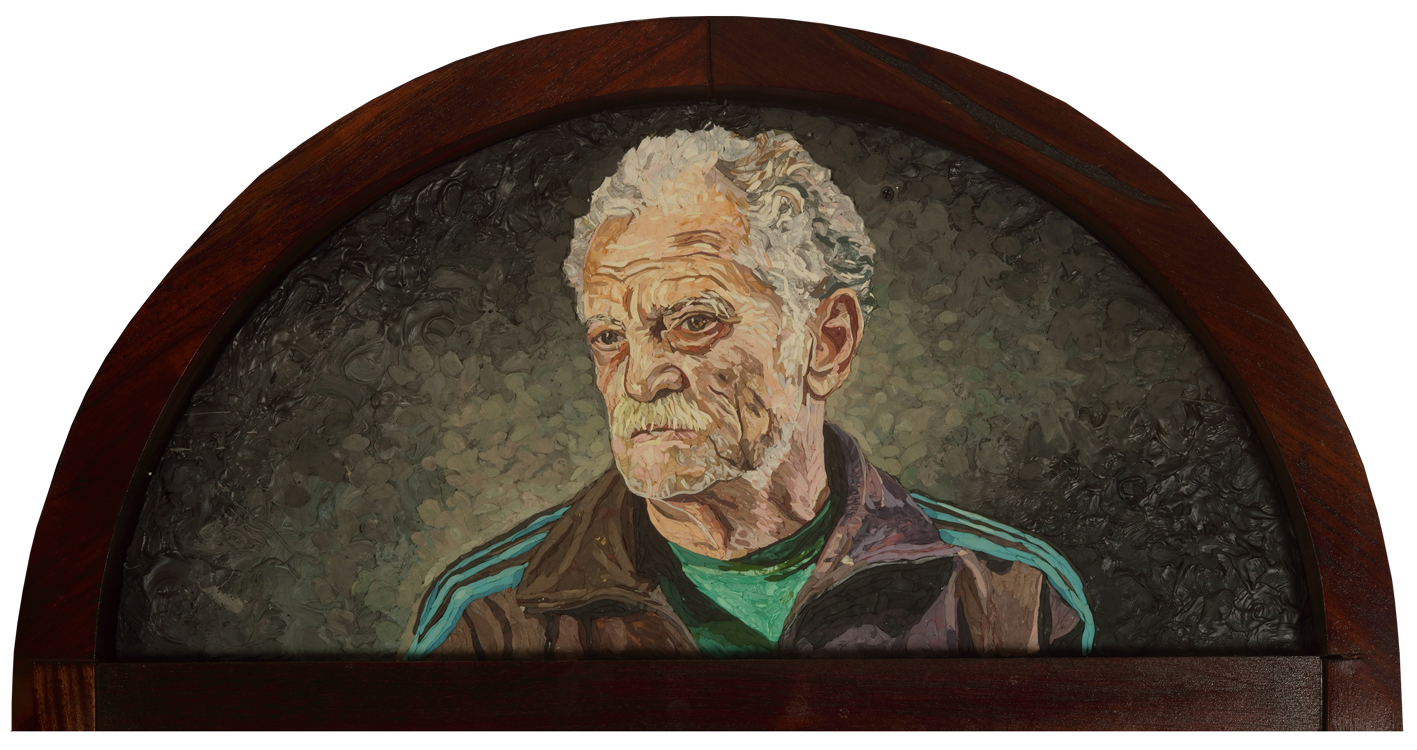
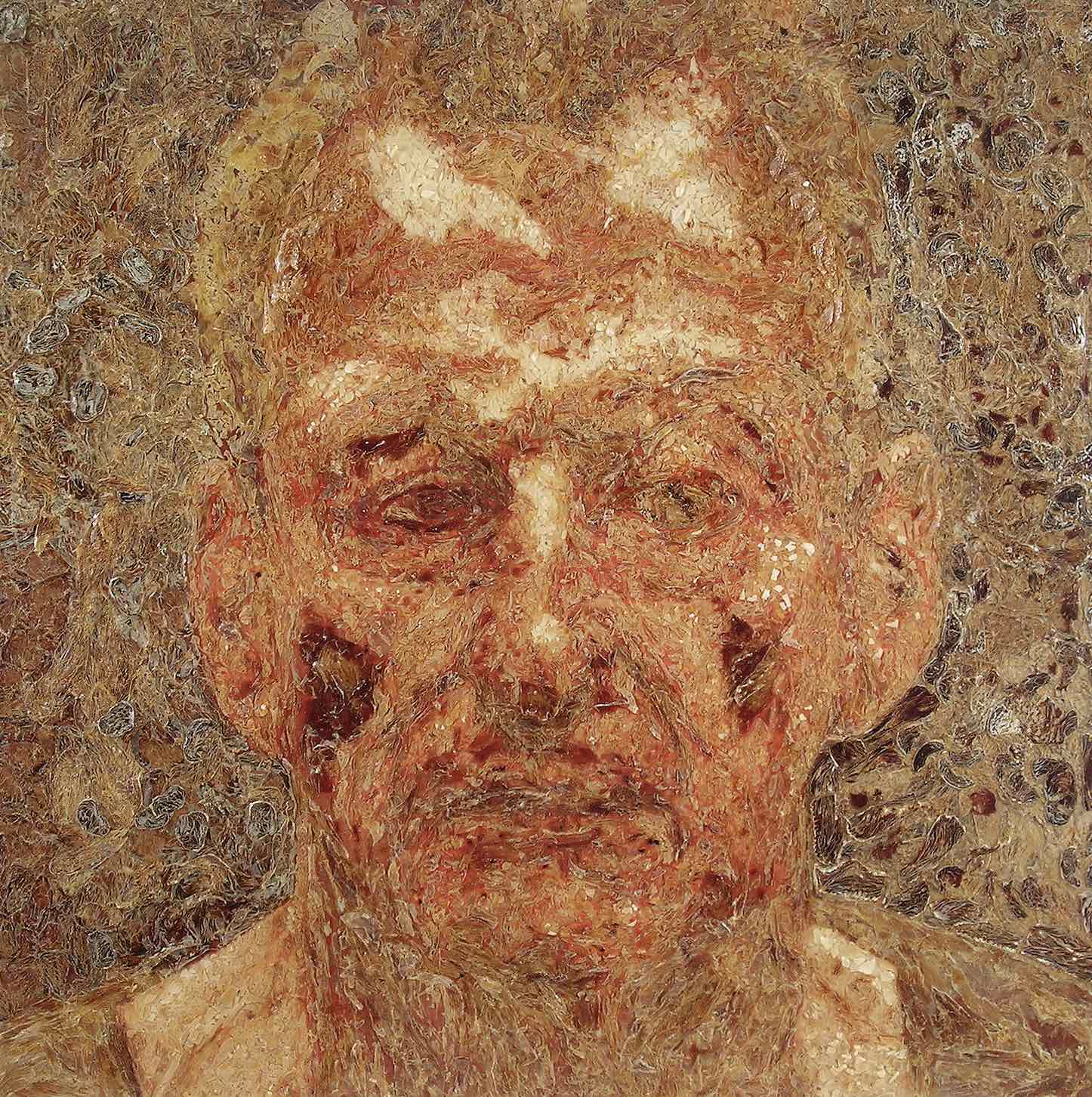
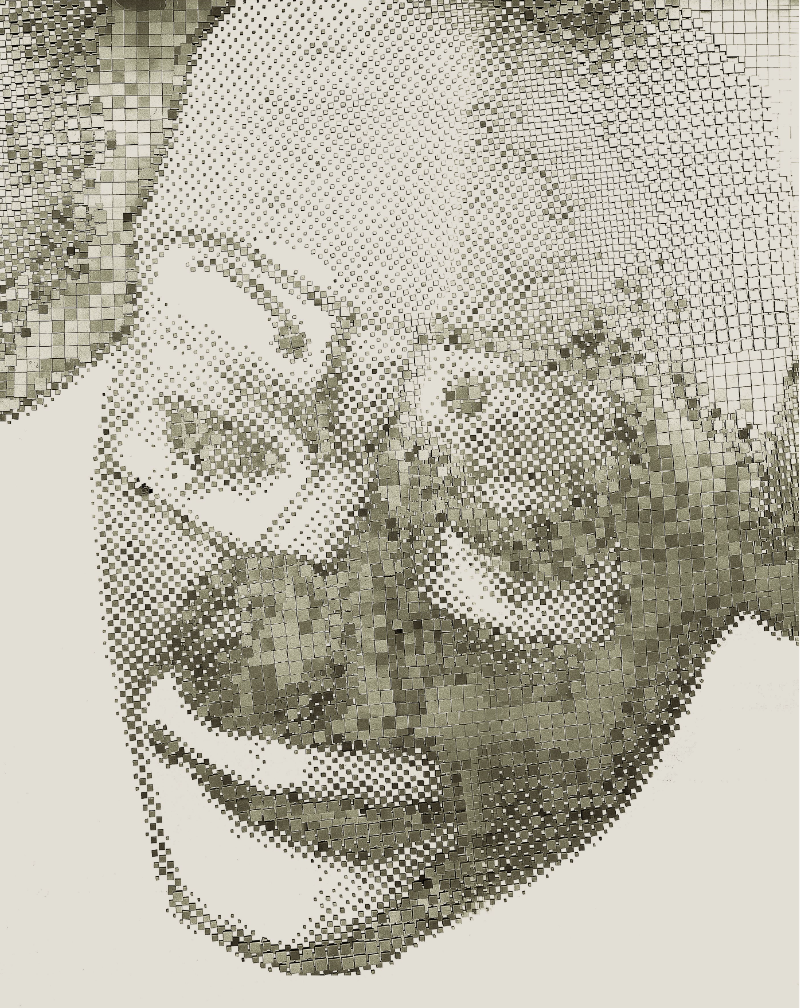
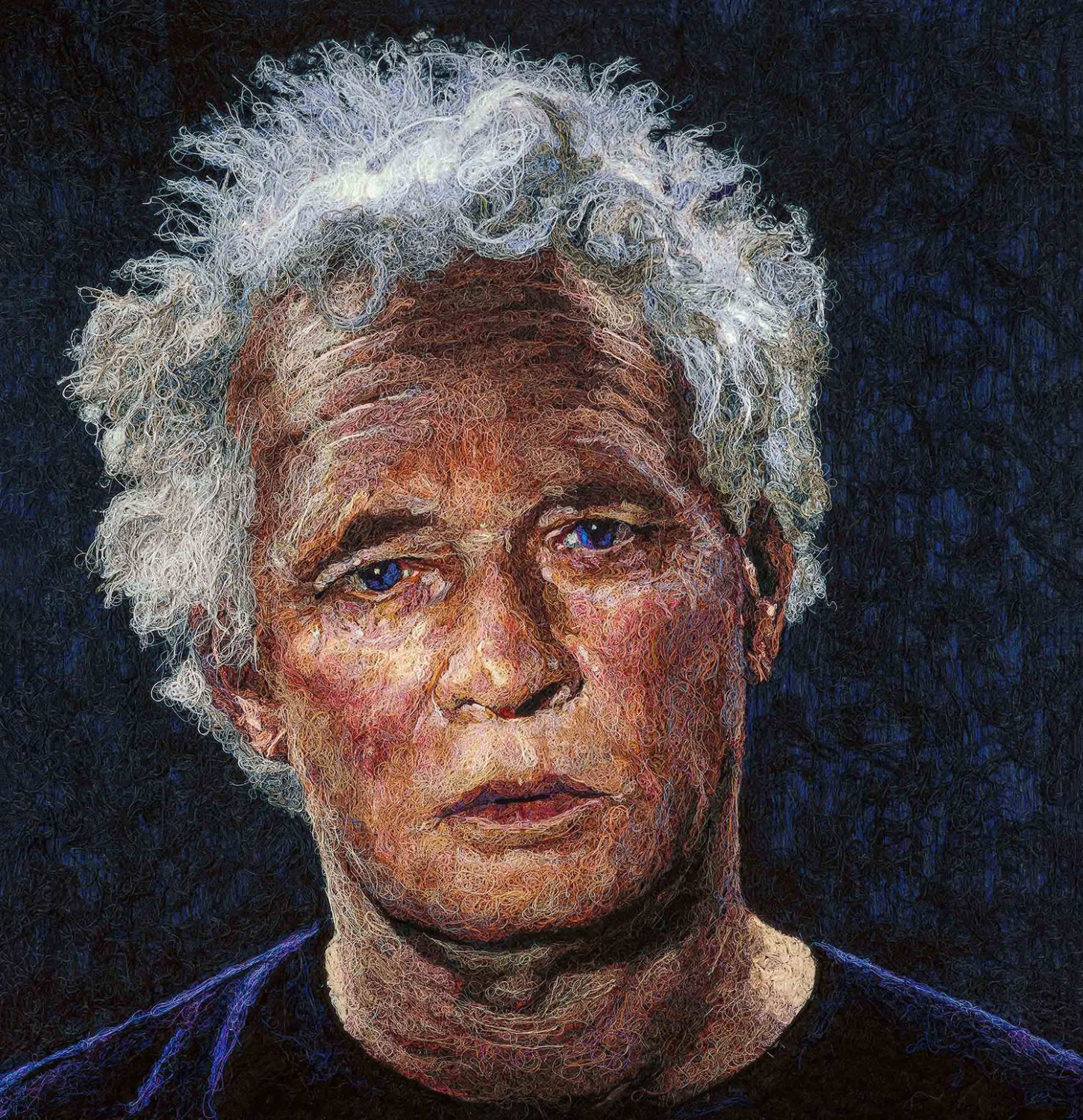
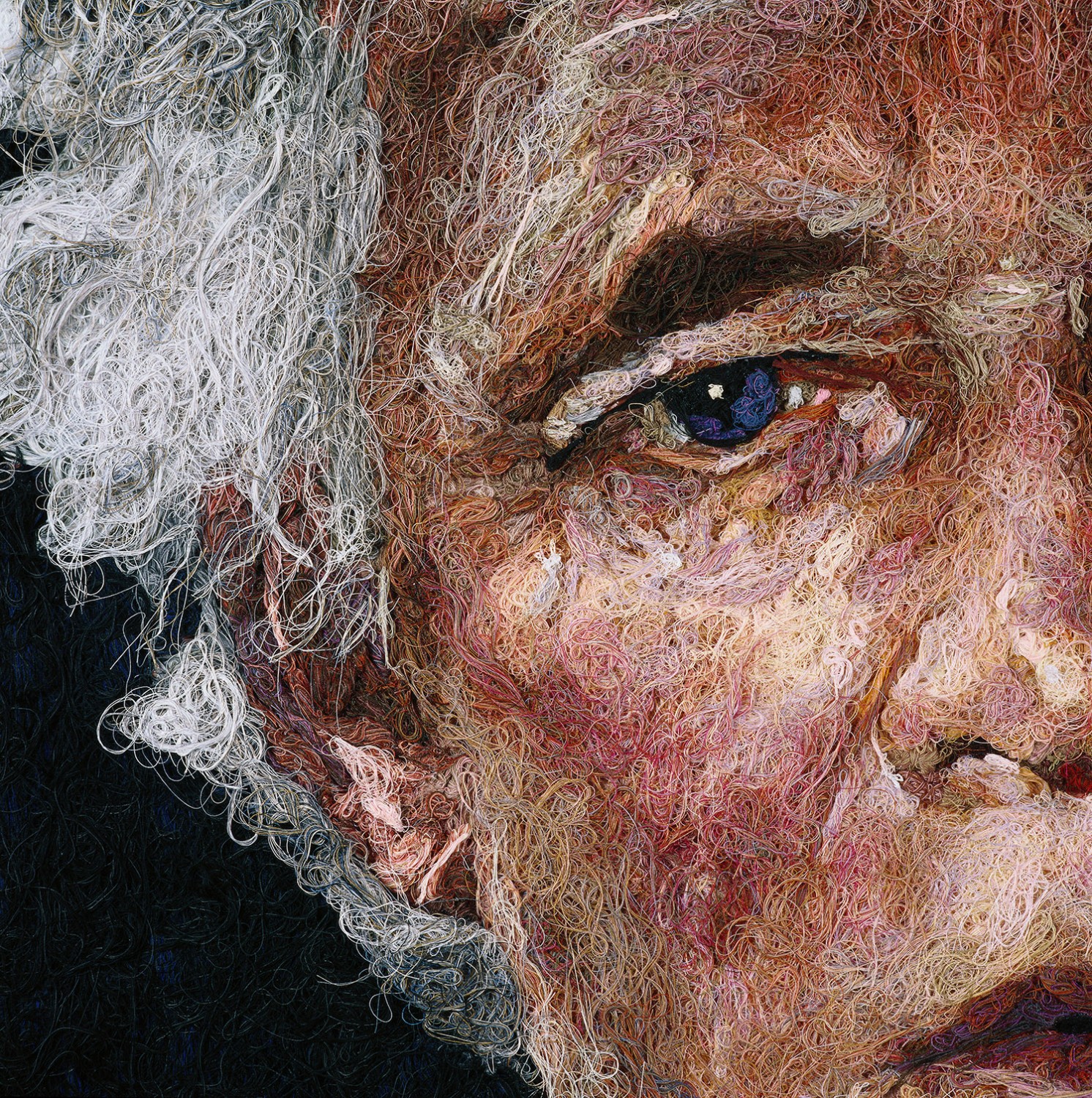
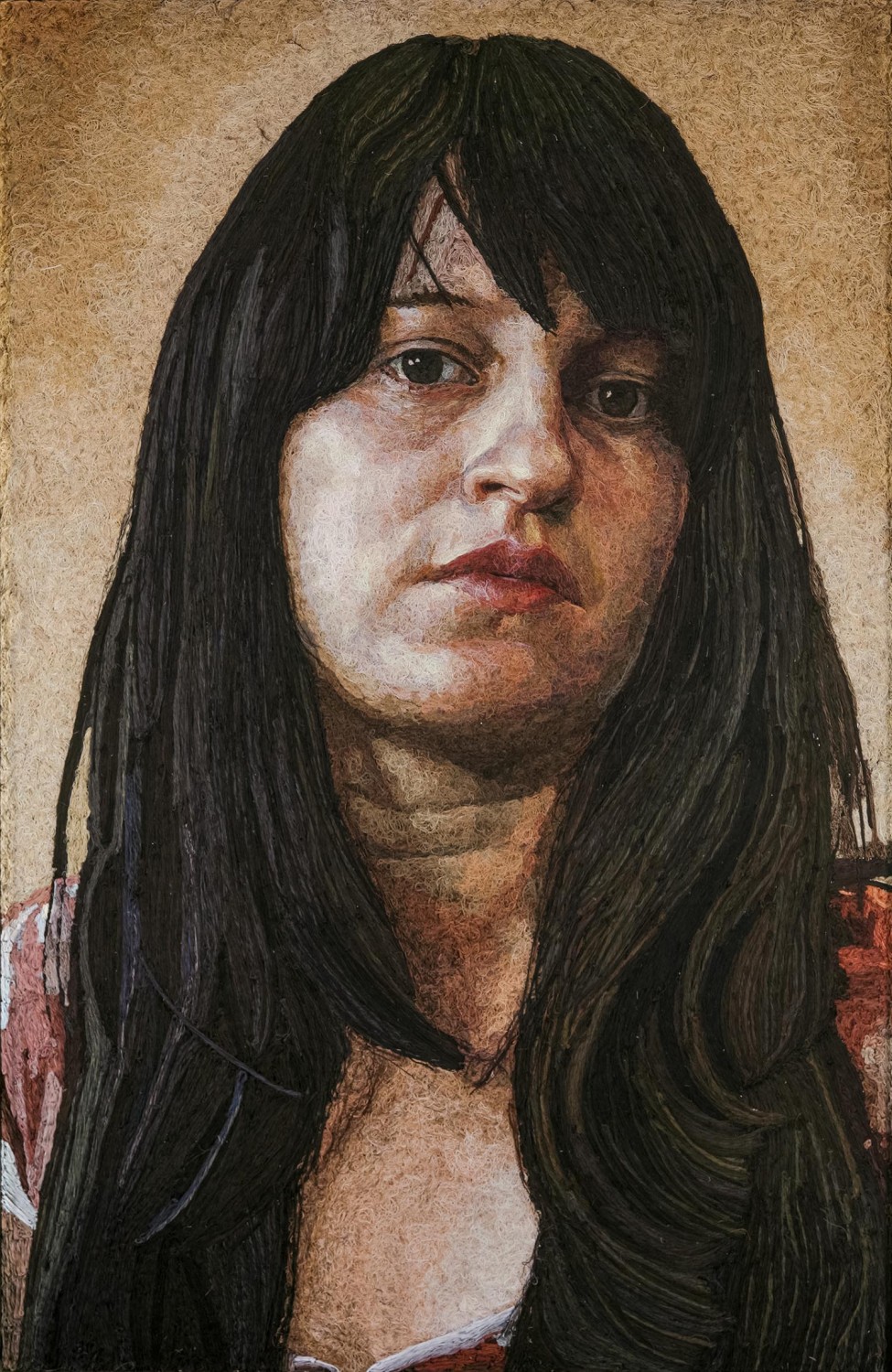
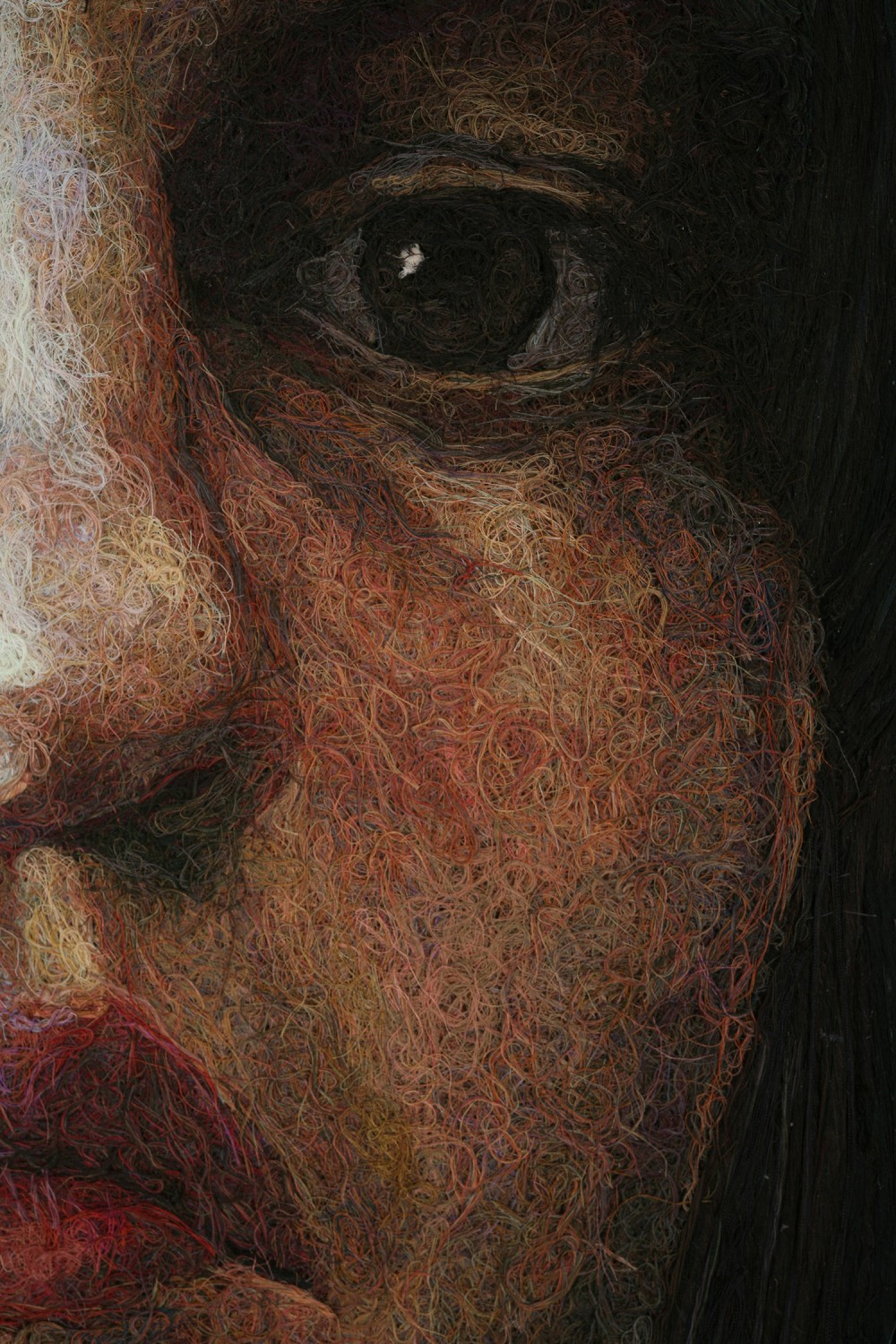
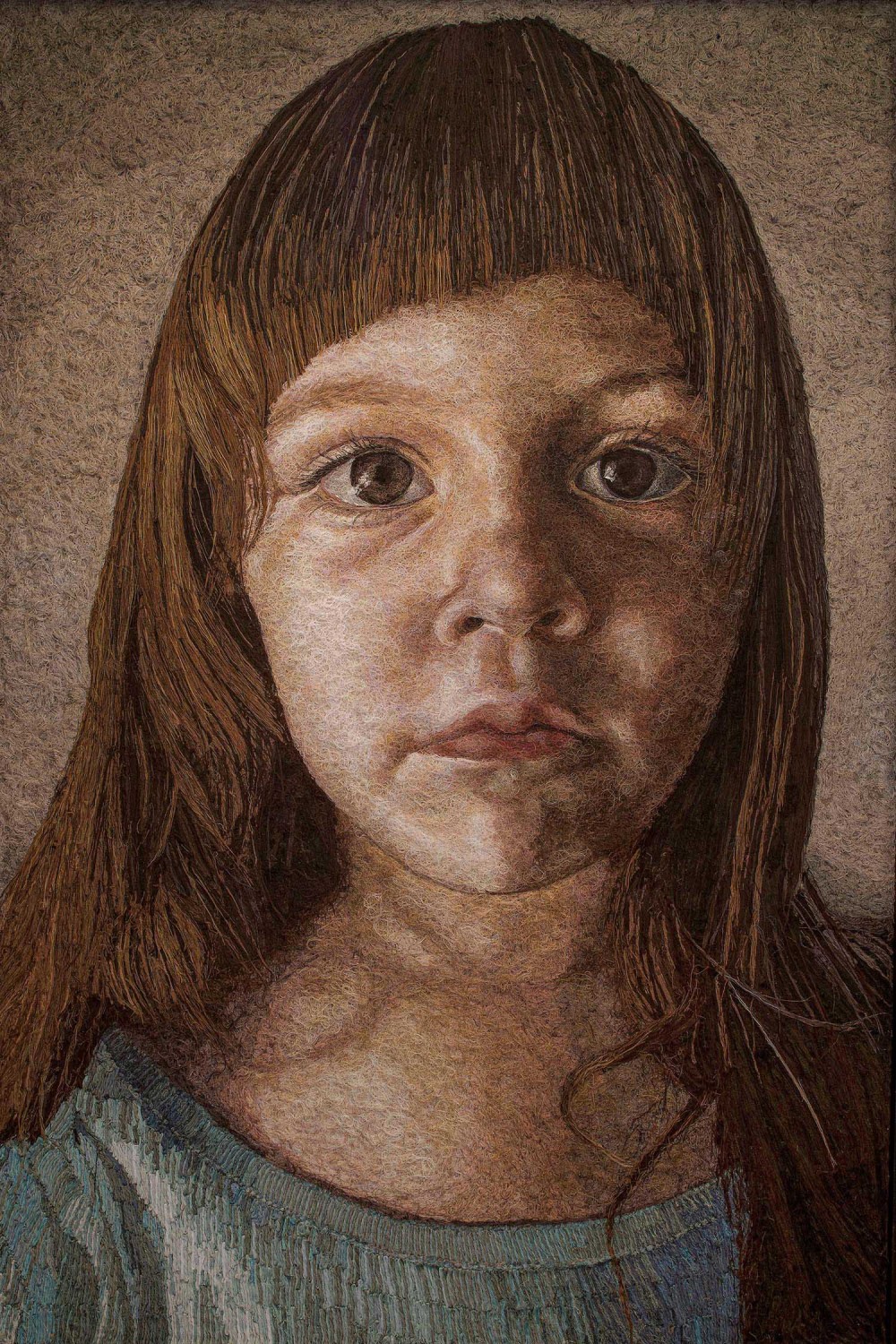
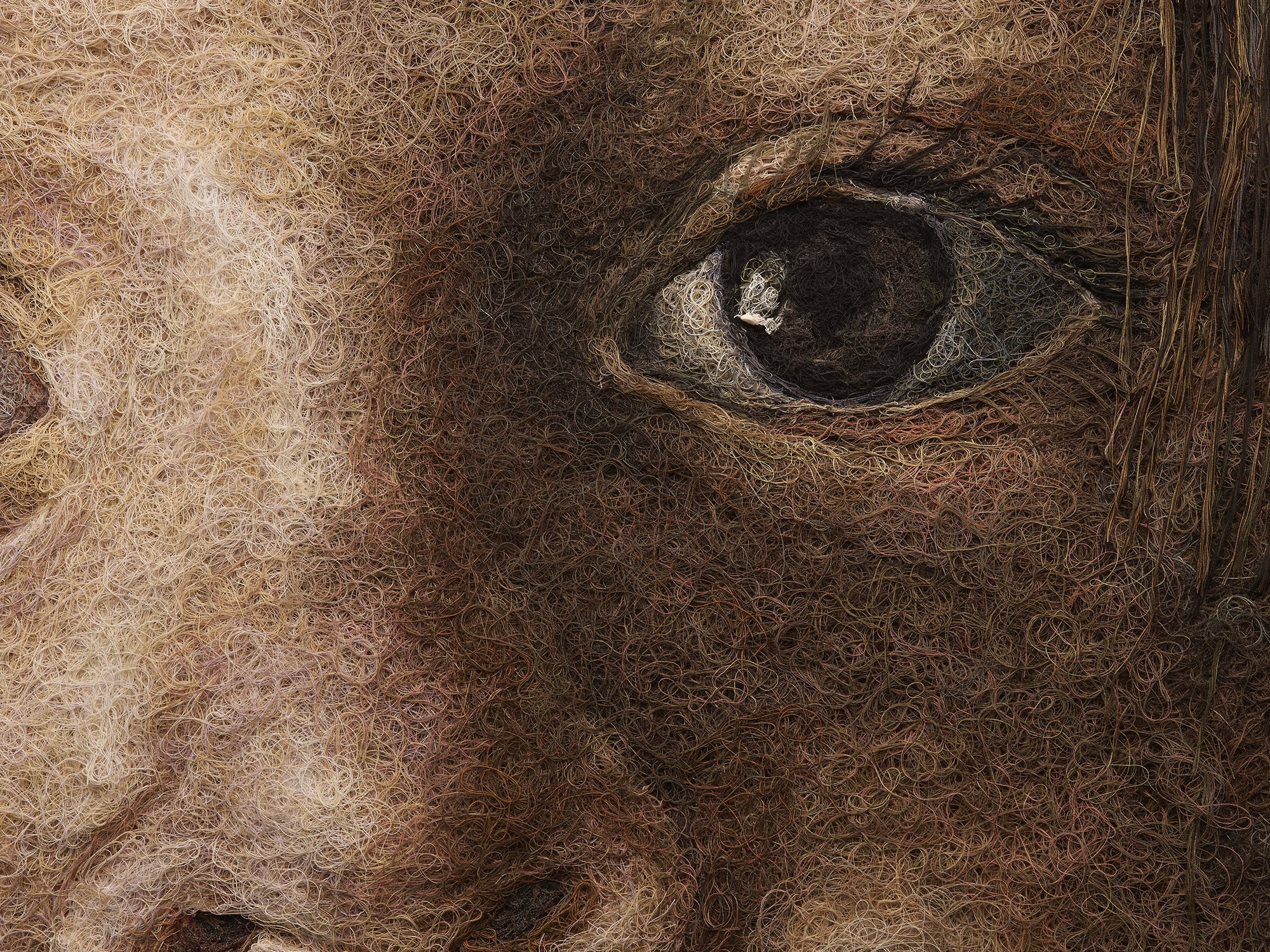
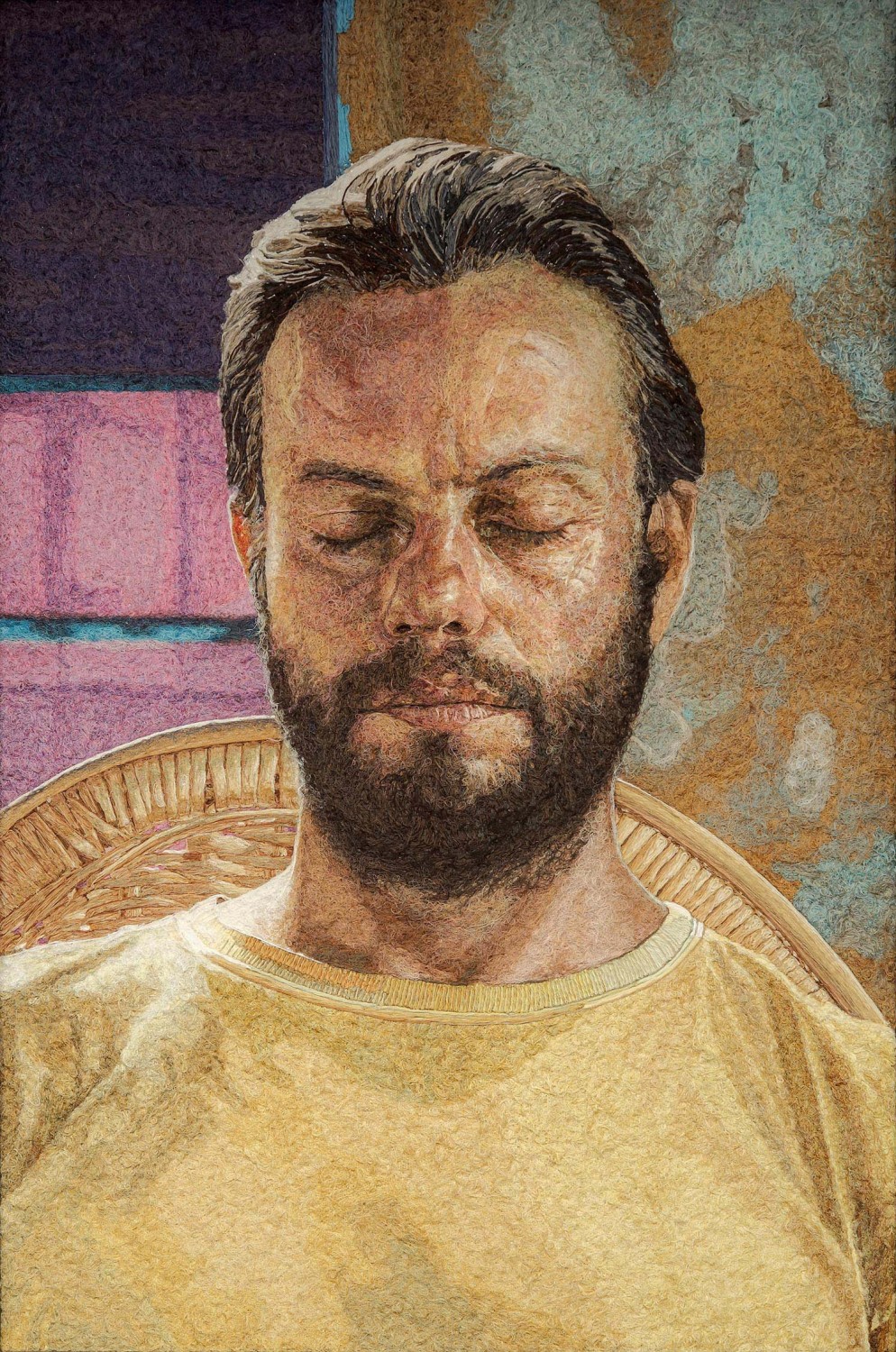
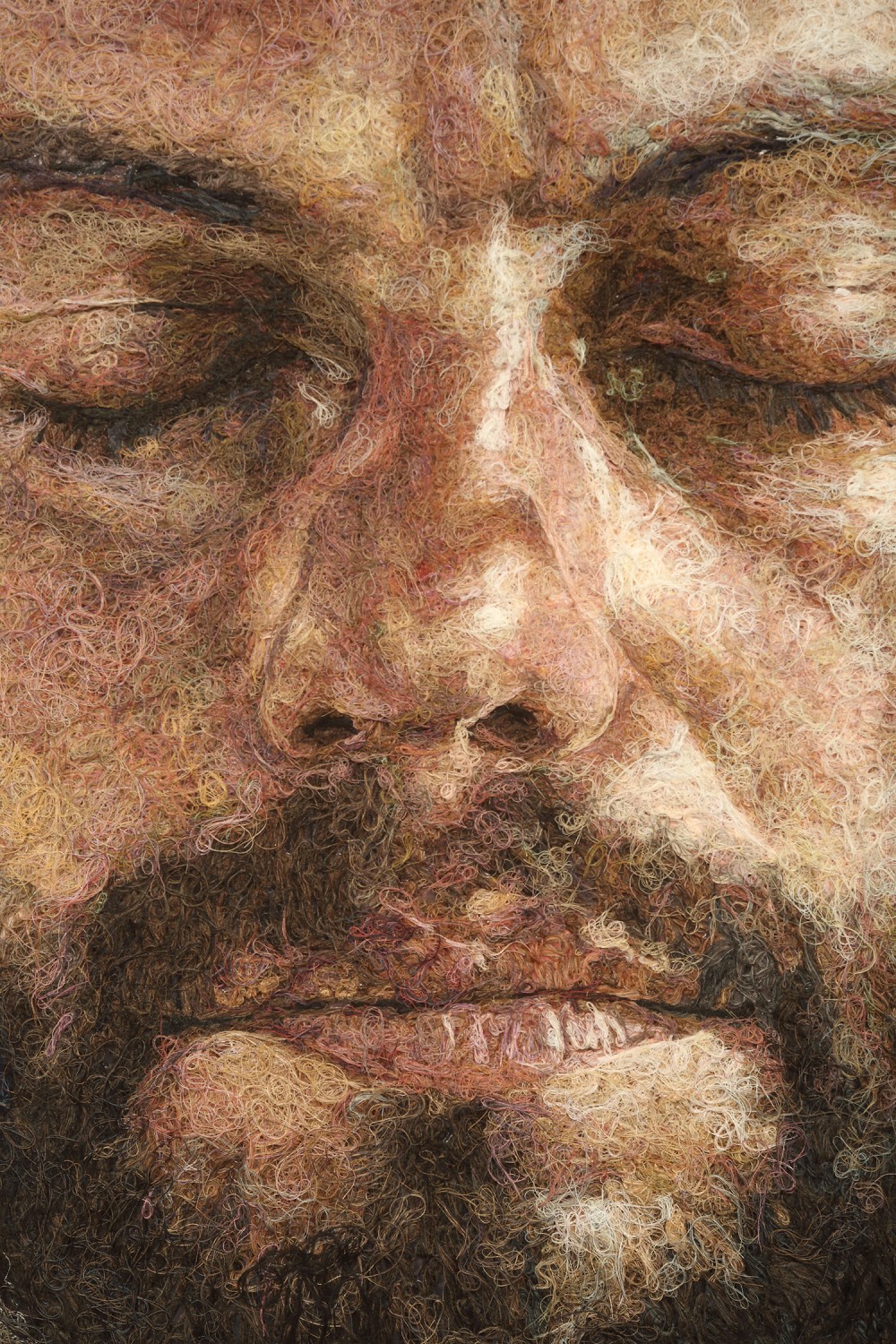
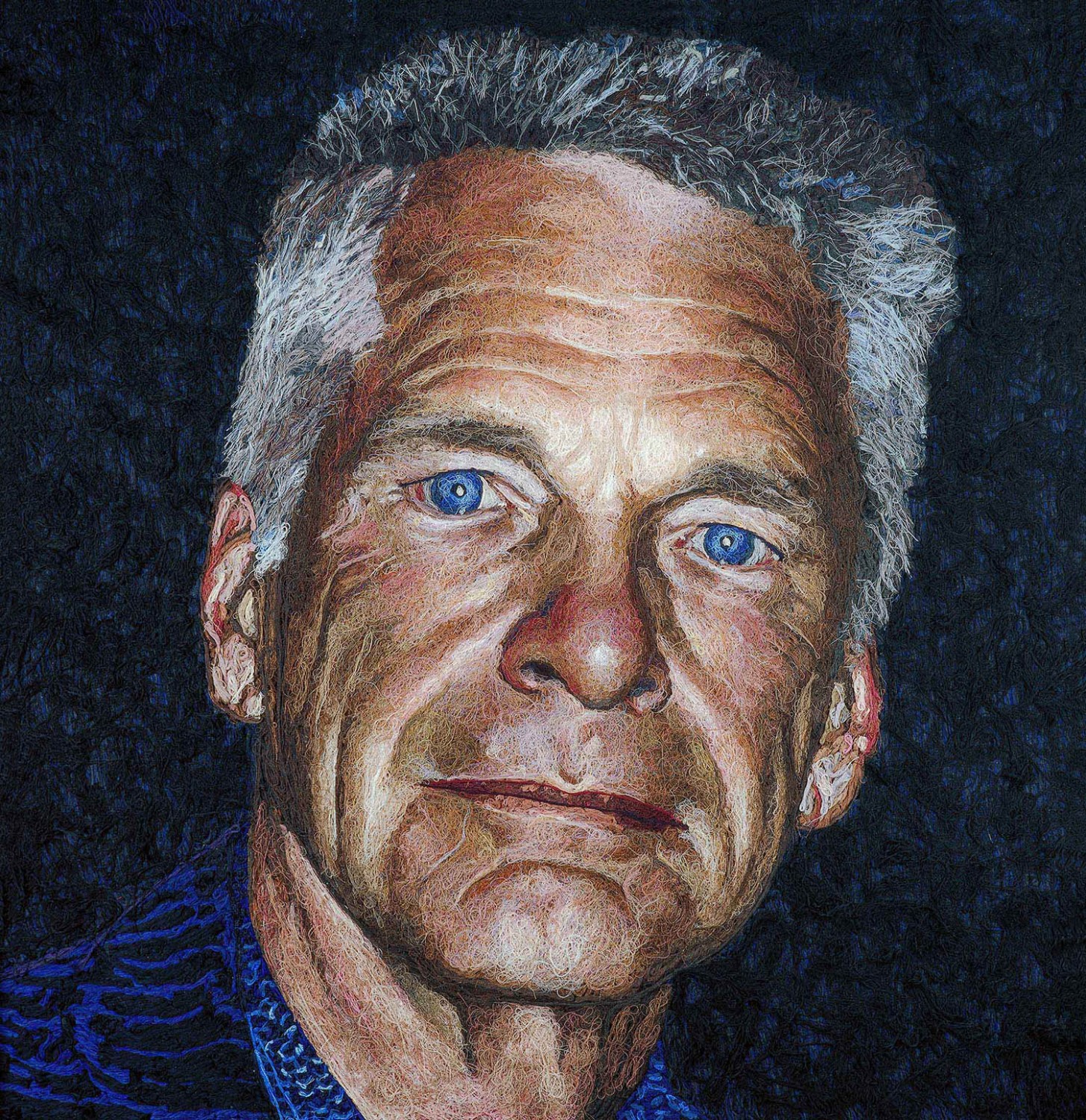
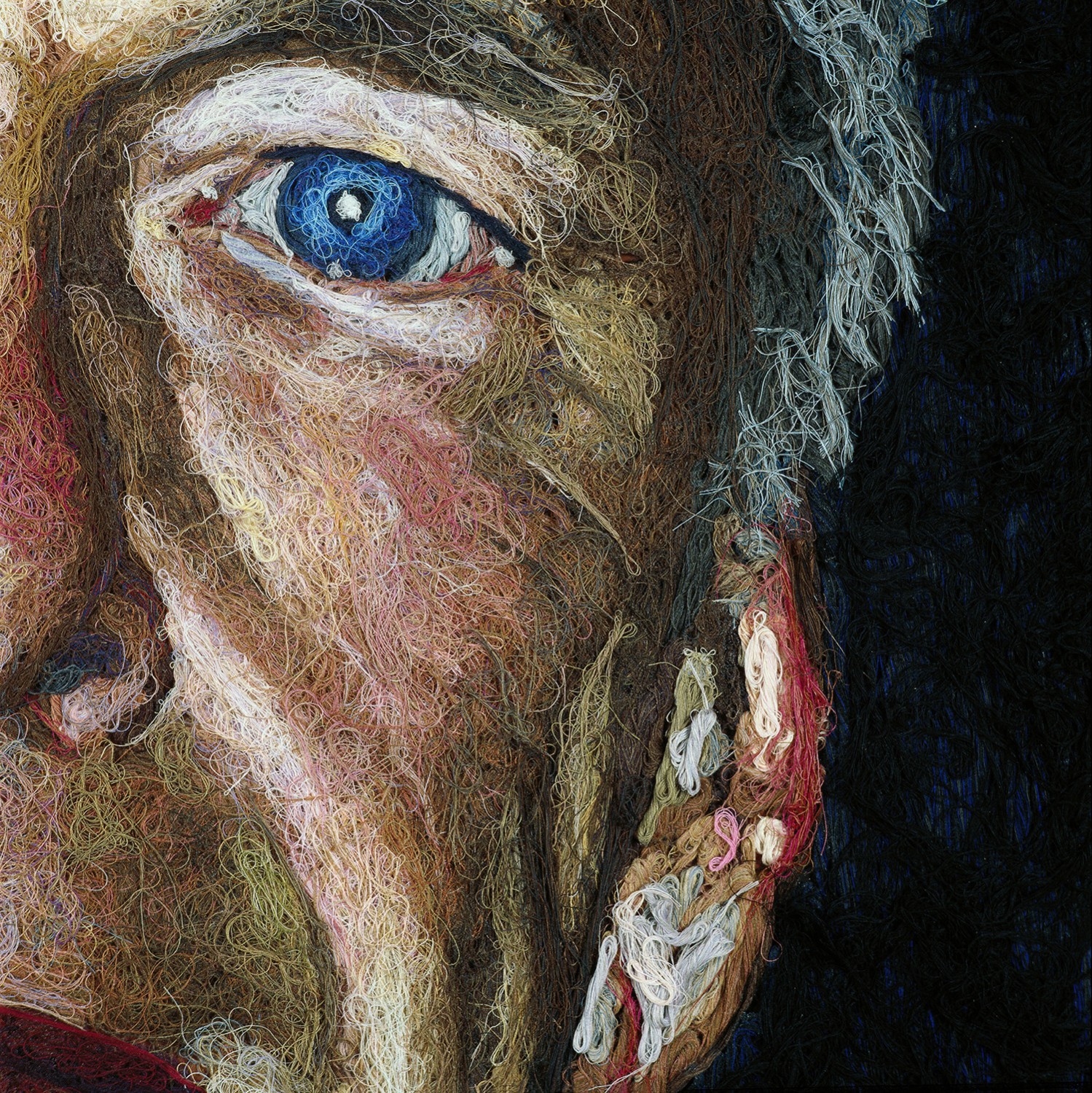
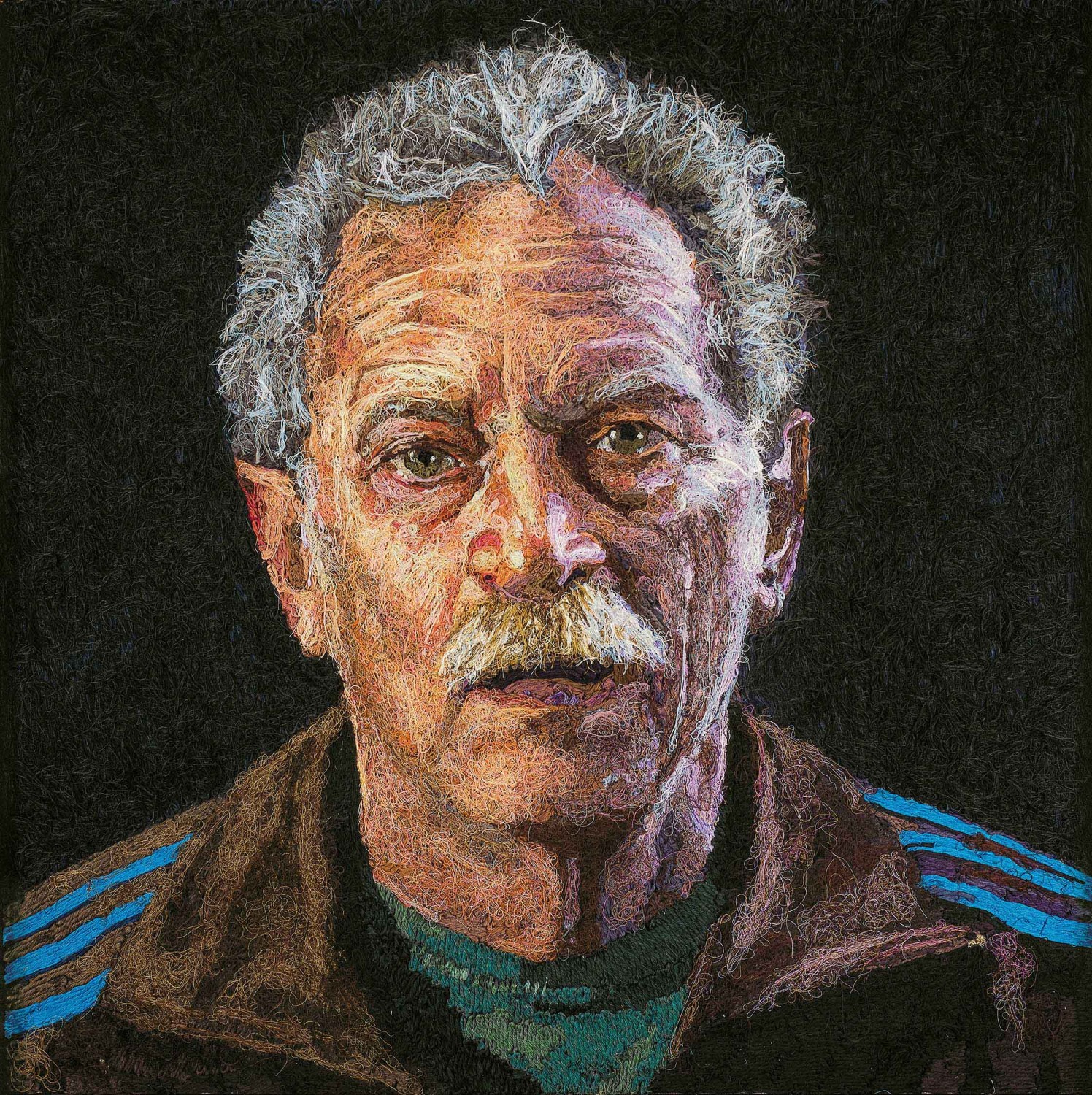
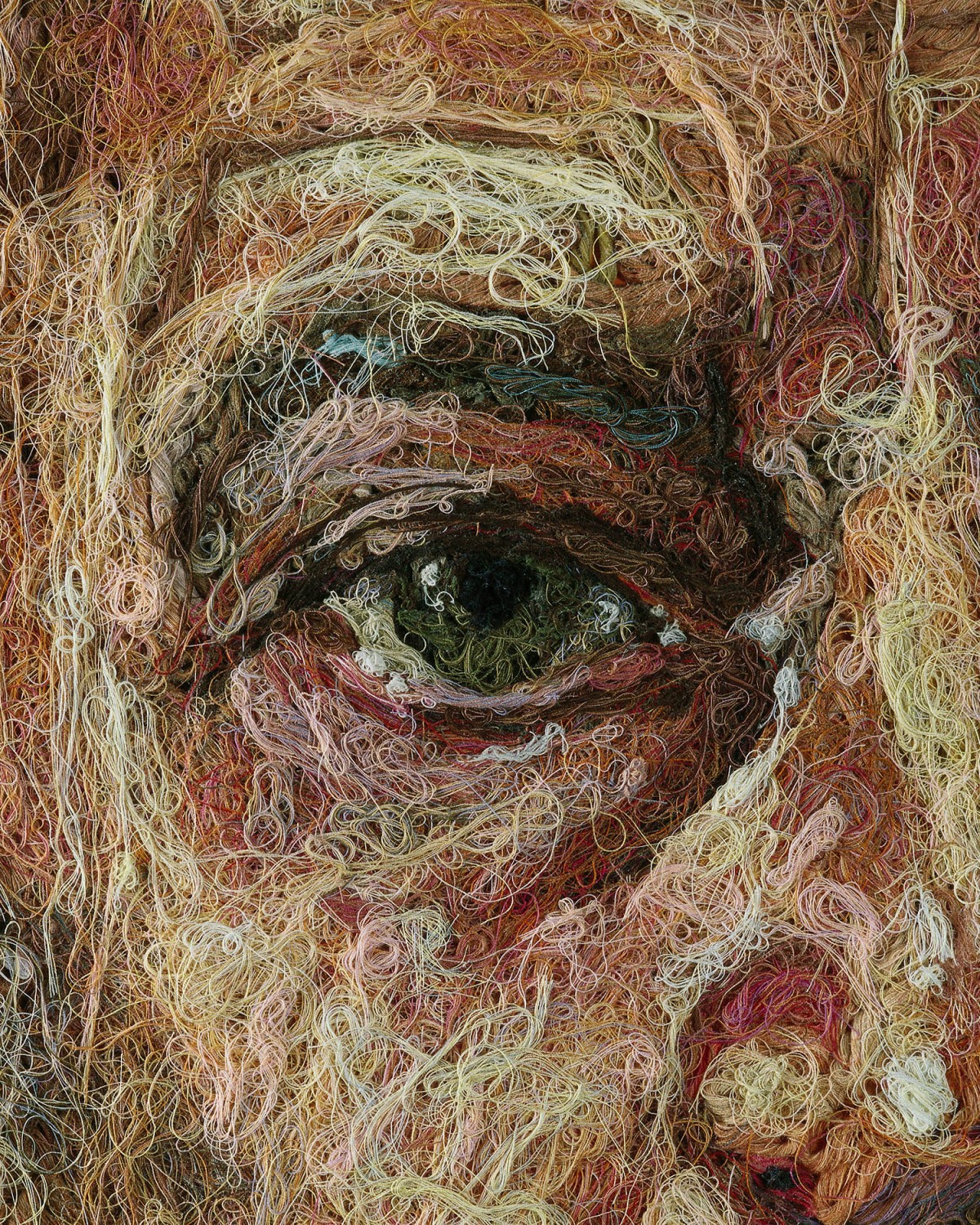
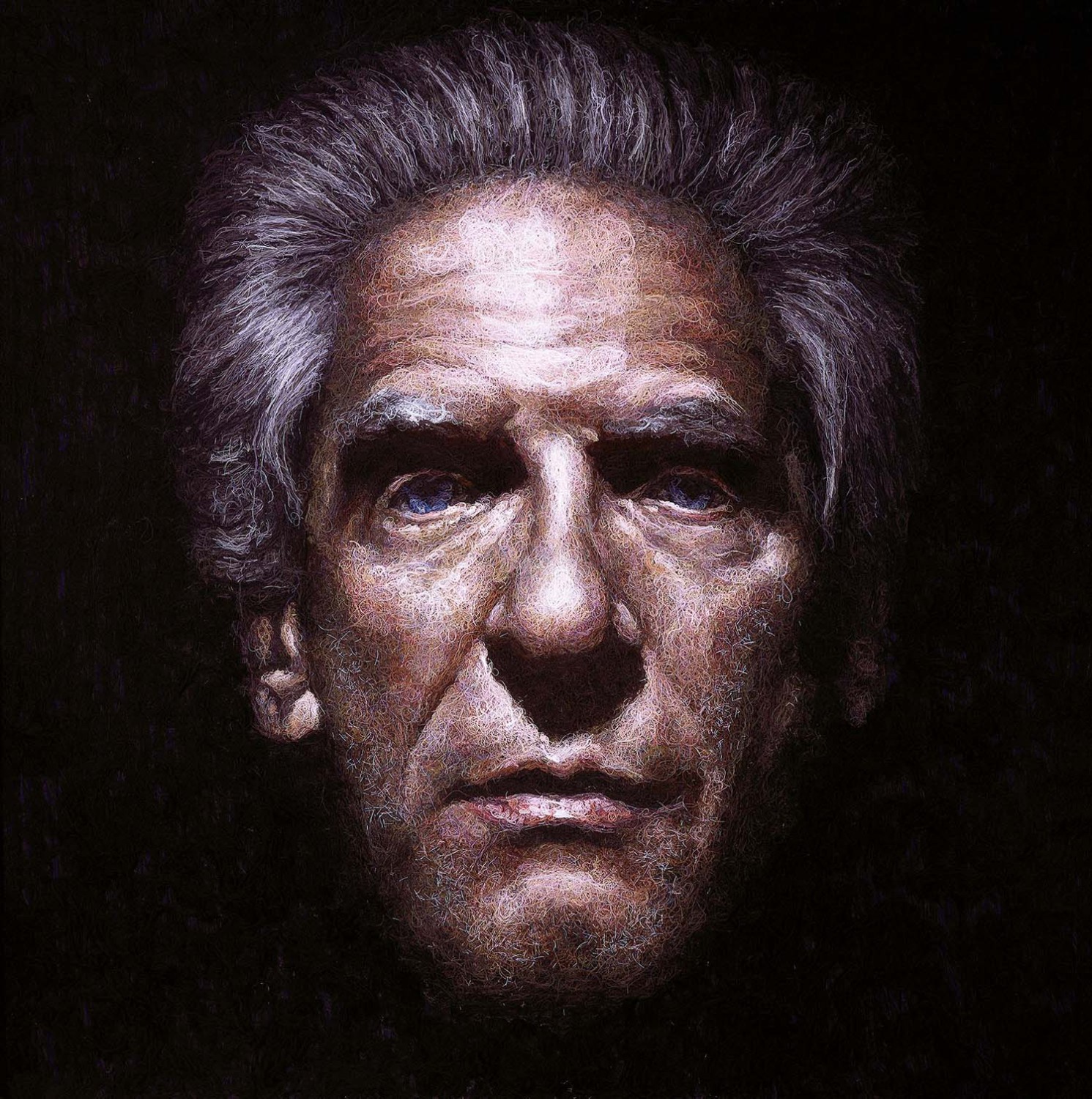
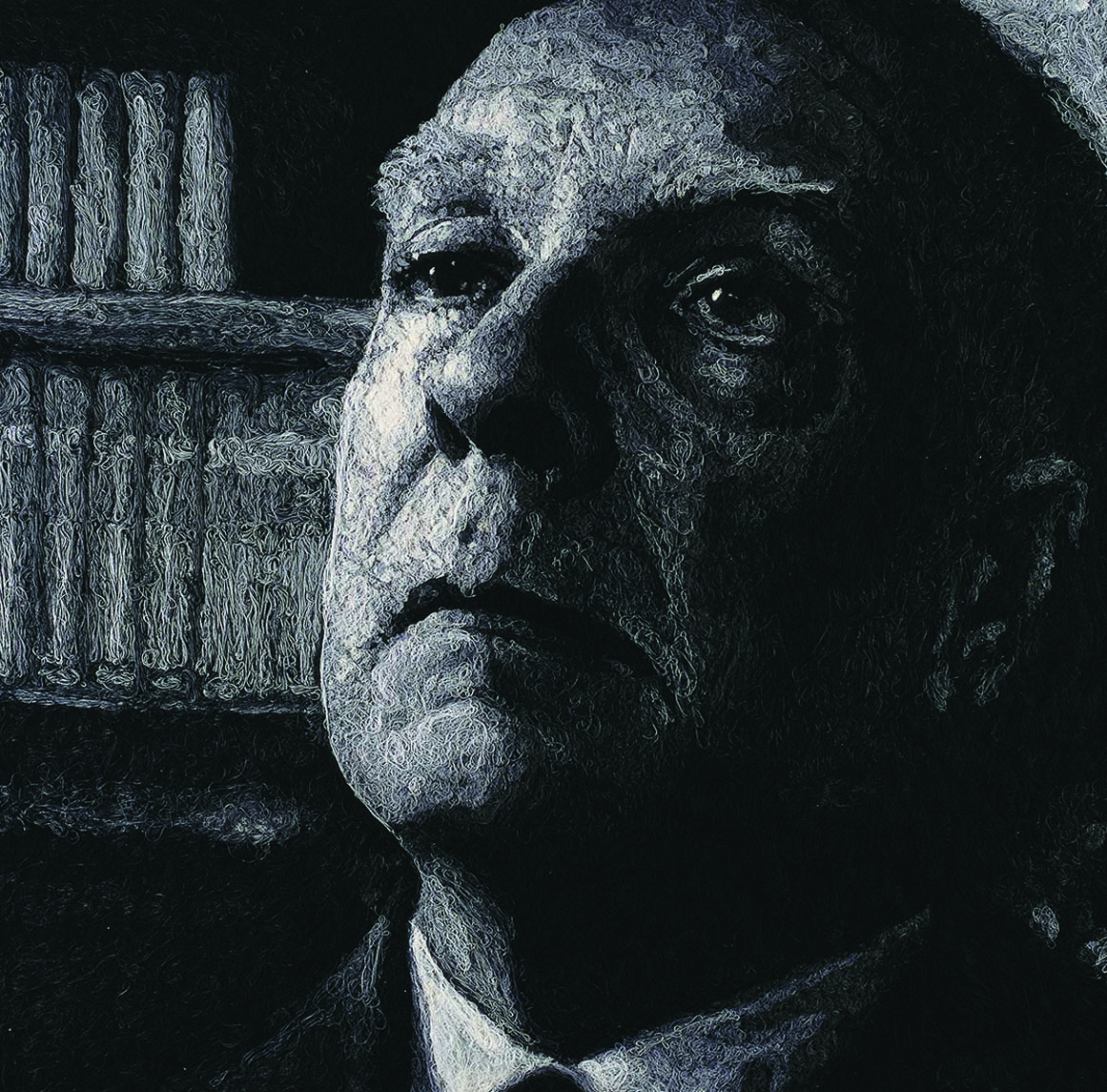
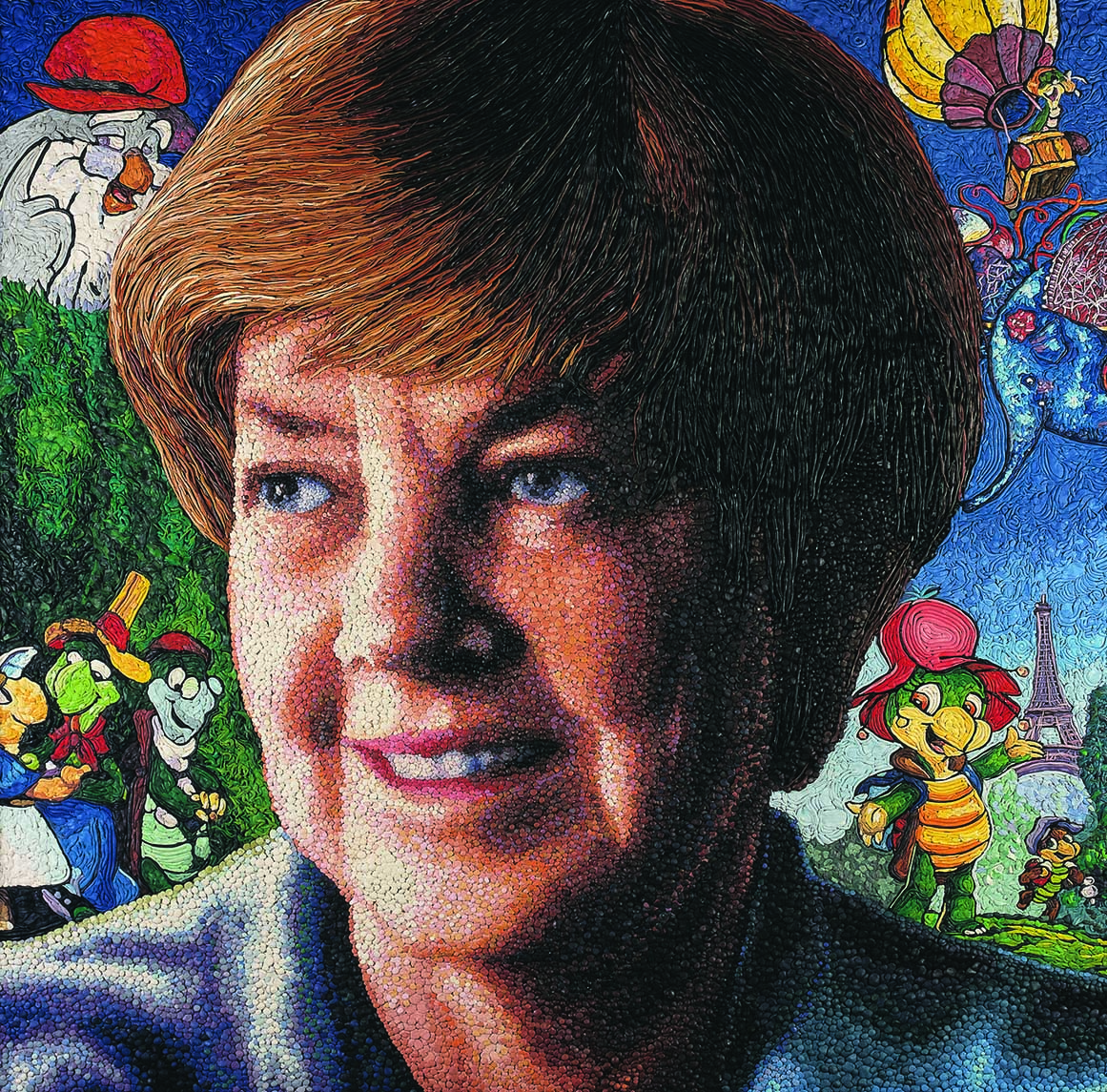
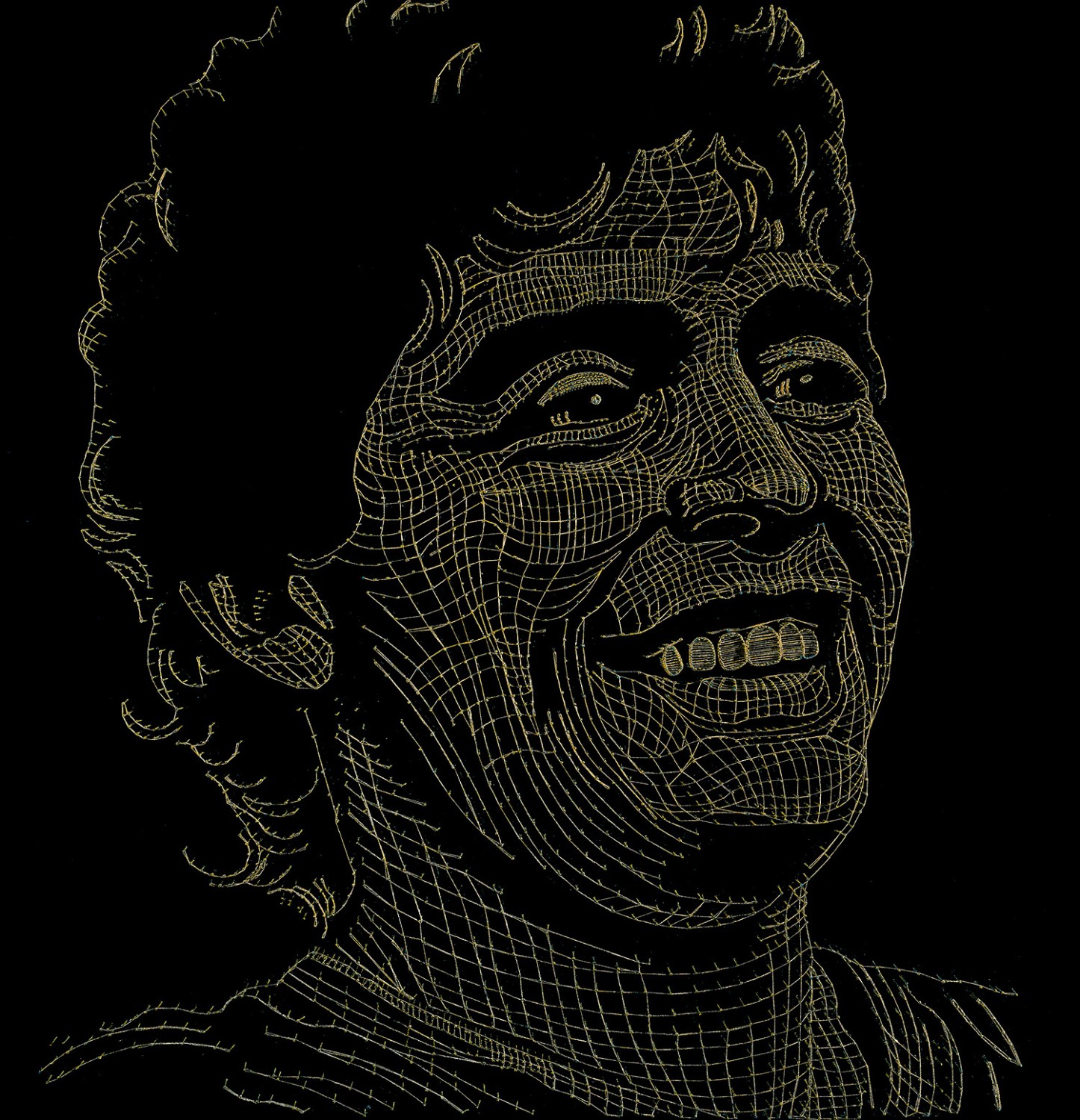
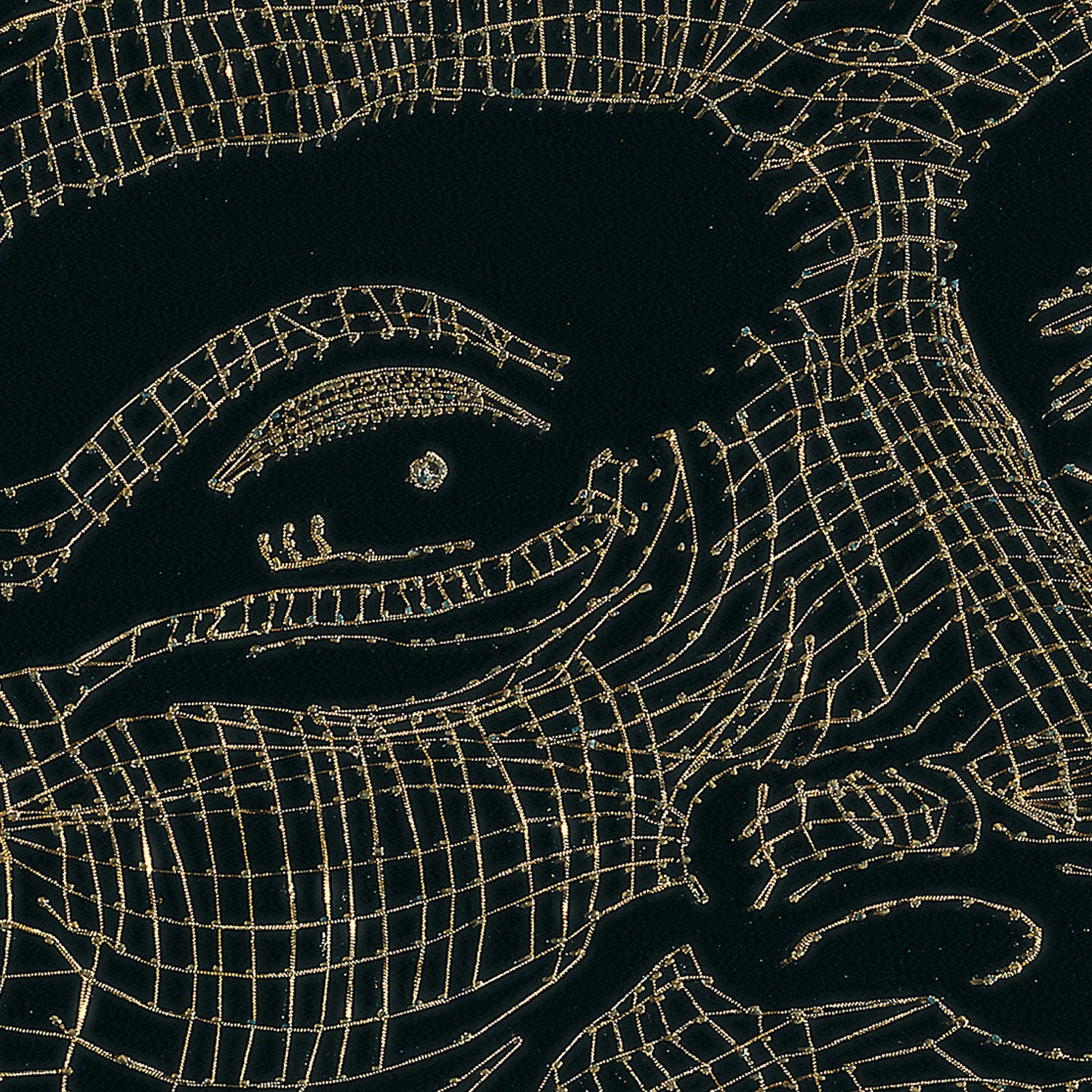
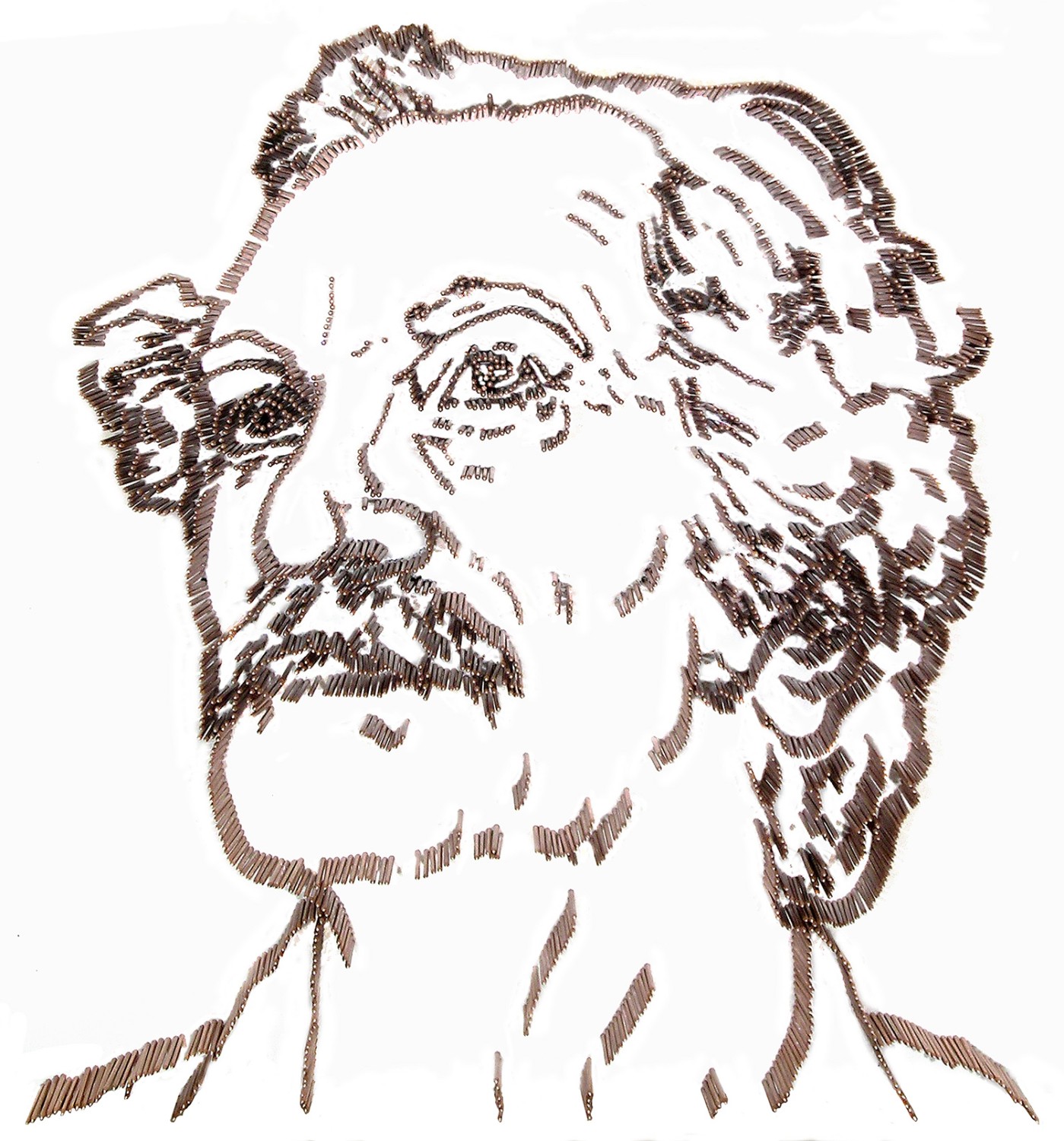
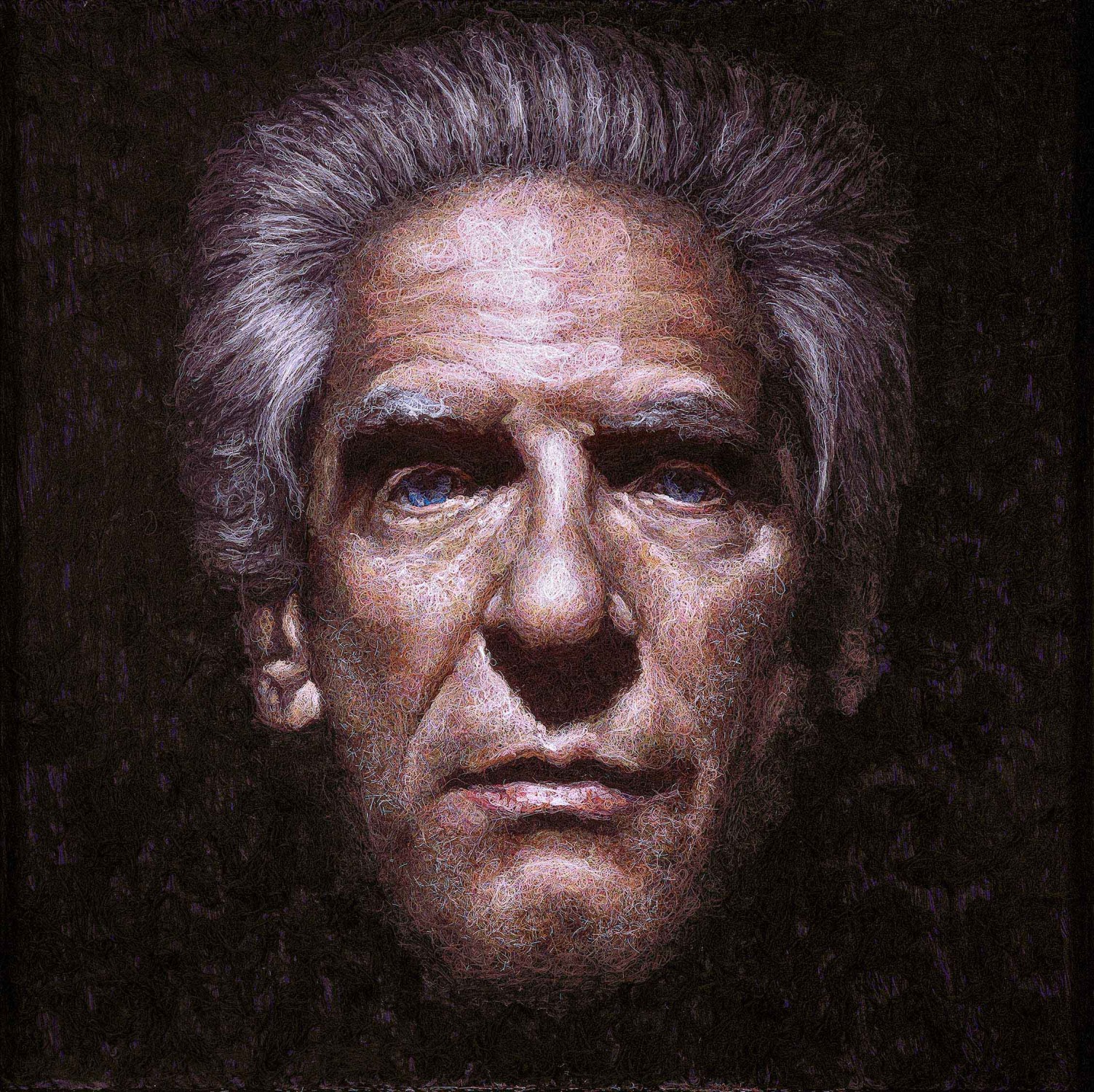
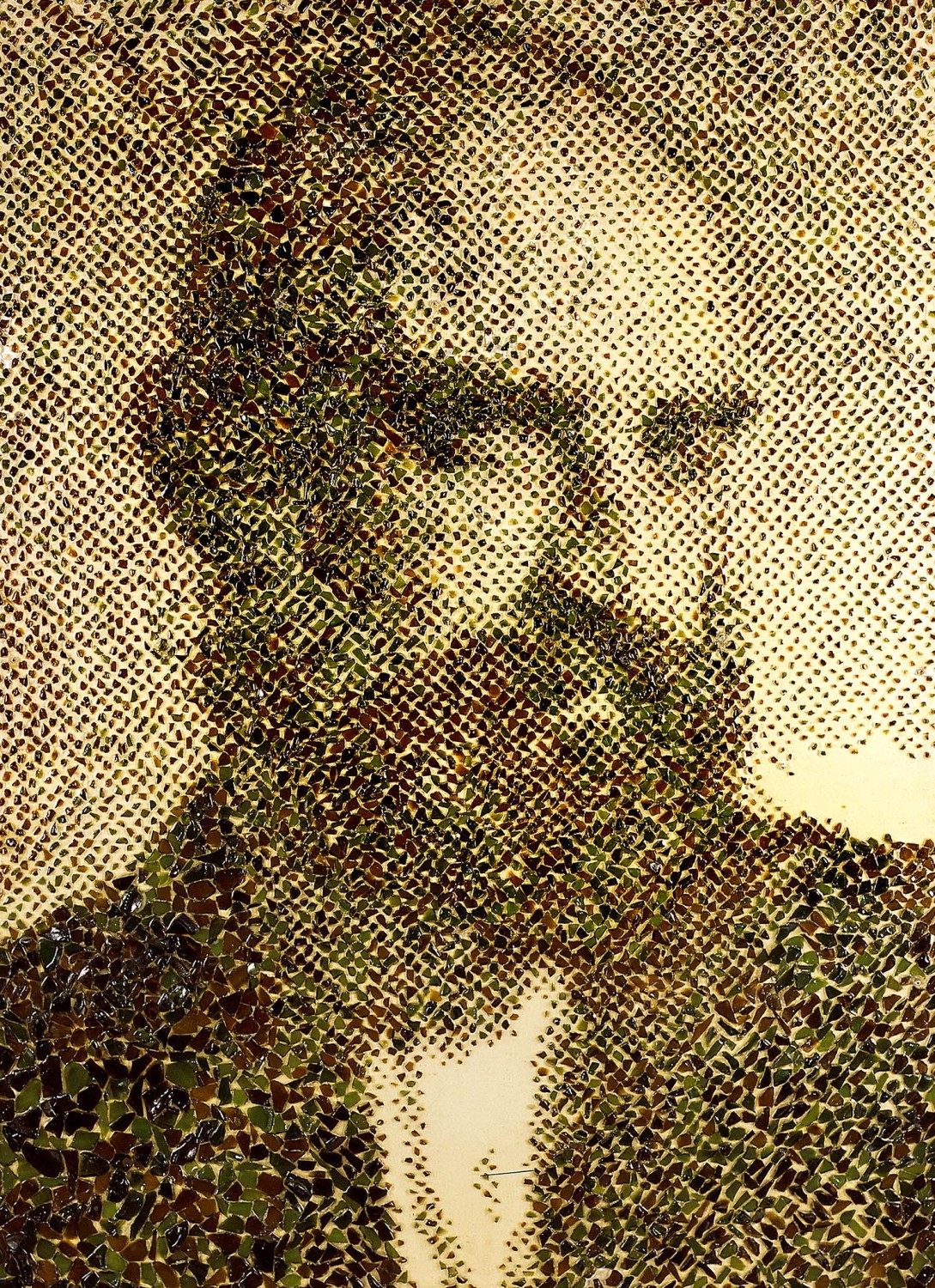
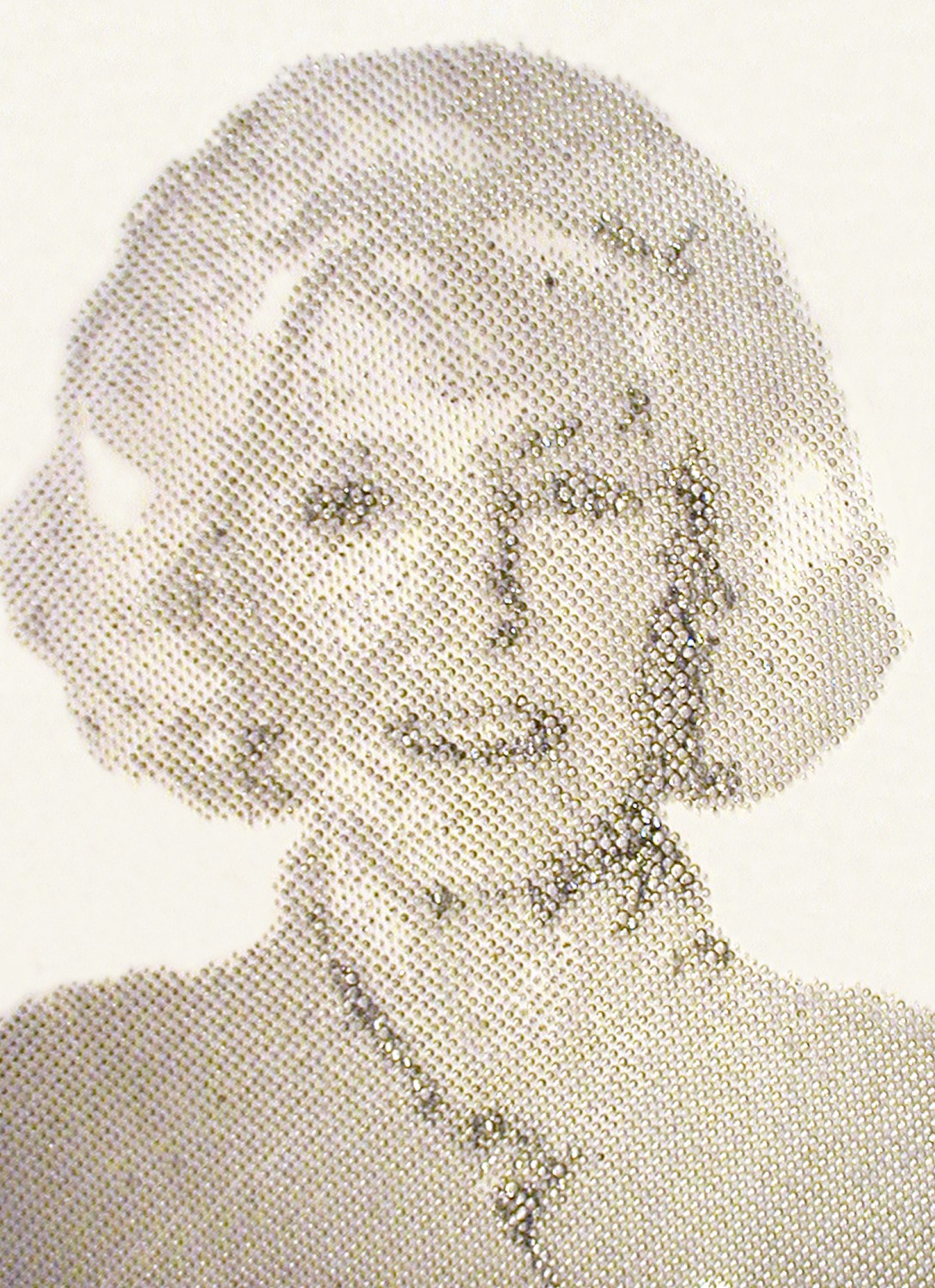
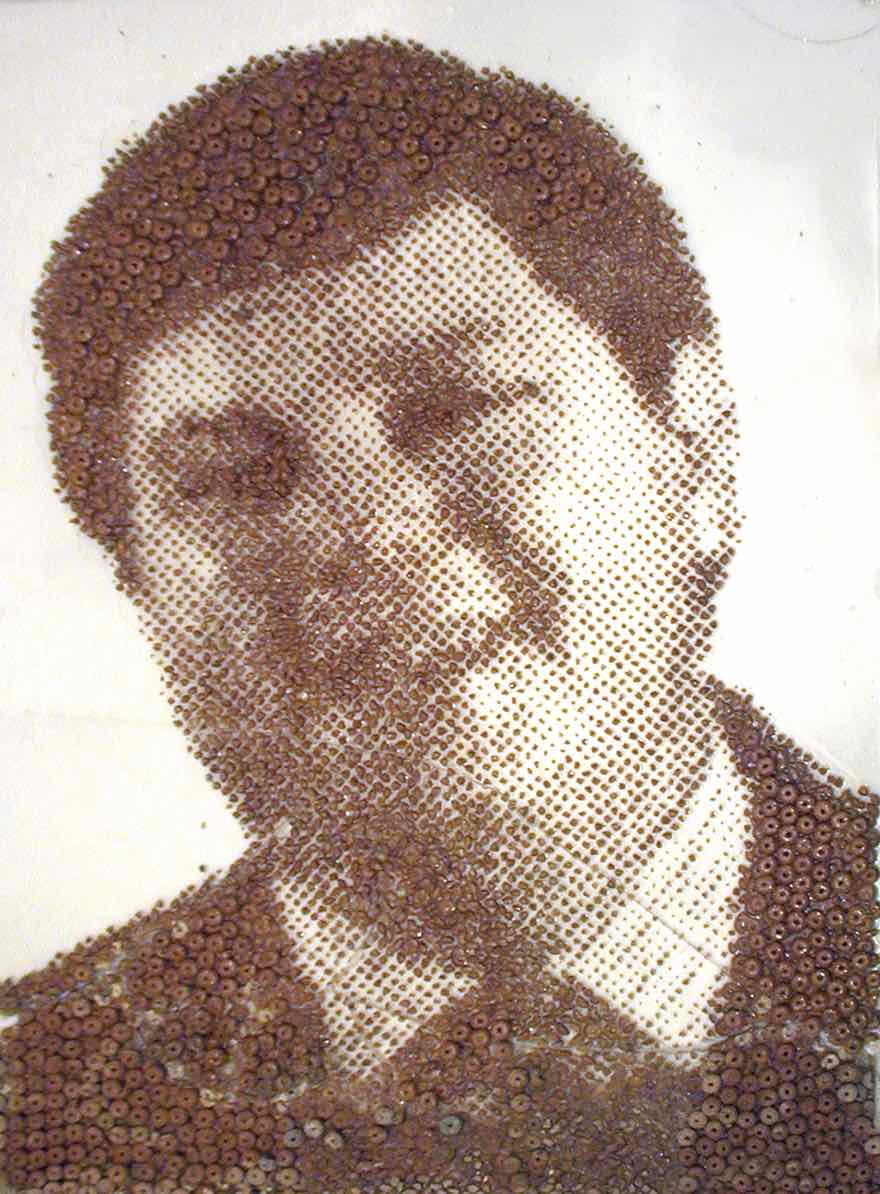
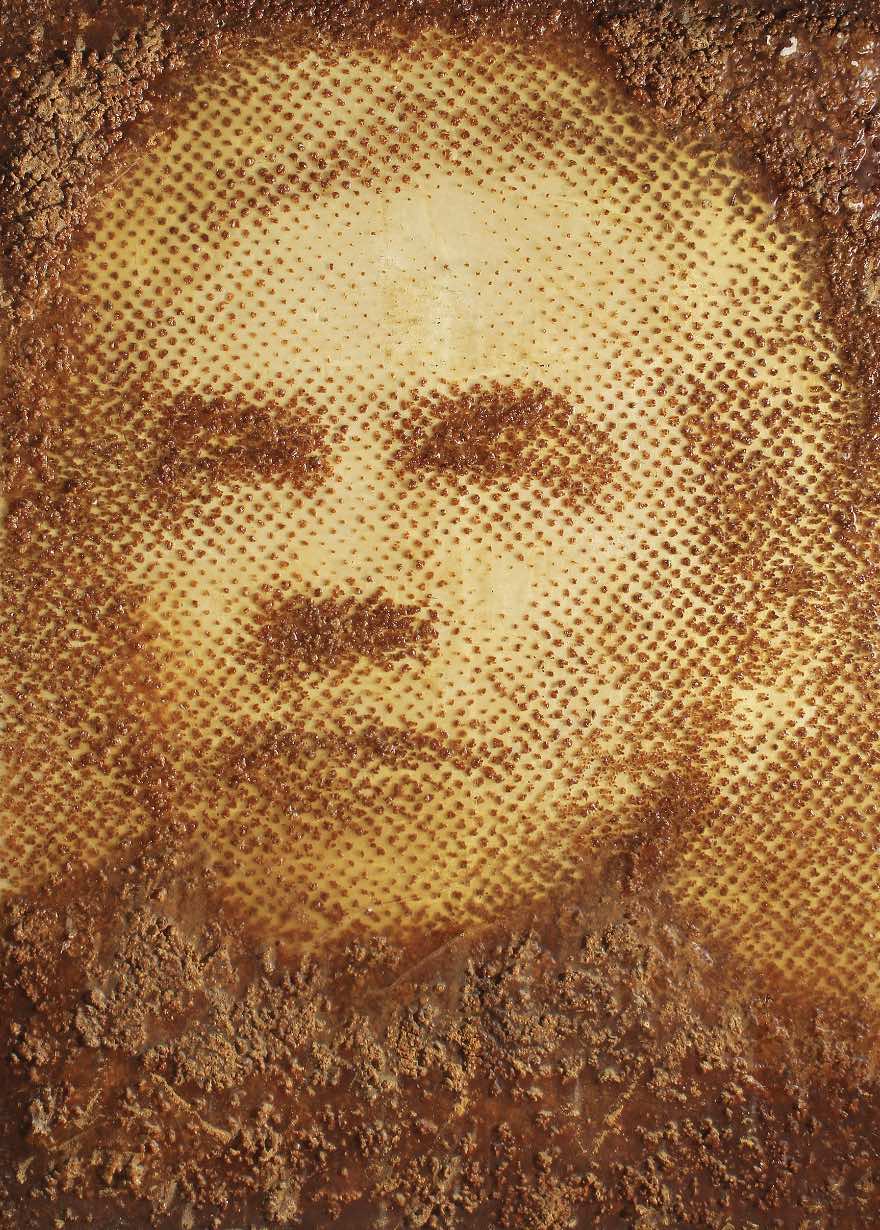
The technique of strings emerged with the portrait of Kevin Power, and Mondongo then used it for the portraits of Enrique Fogwill, followed by Tom Pattchet. These three portraits, in my opinion, could form a sort of structural trilogy, in the sense of something akin to a tripod. They are portraits that, as it is in Fogwill’s case, give more of the person than just the image of their face. The sensation of united that is achieved in the portrait of Fogwill, for example, immediately gives way to new possibilities for reading into other personality dimensions of a psychological nature: nonconformist, complex, lucid, imaginative, radical, attractive... The attention to detail in the strands of hair, the eyes, mouth, or wrinkles on his face, the play on lights and the deep, light toned backgrounds serve to highlight, even furthermore, the presence of those three illuminated heads.
—Mónica Carballas, 2013



SUMMIT
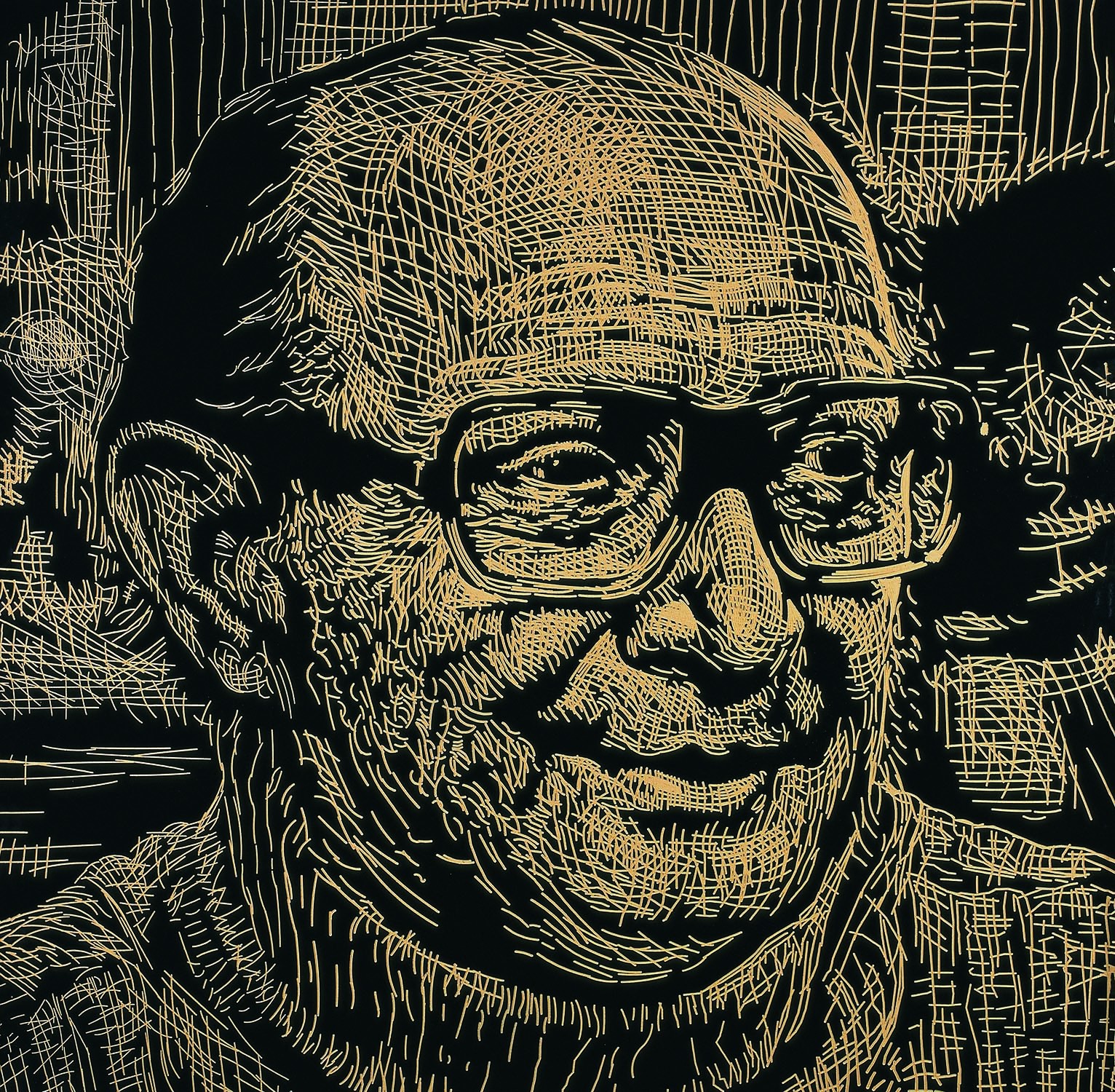
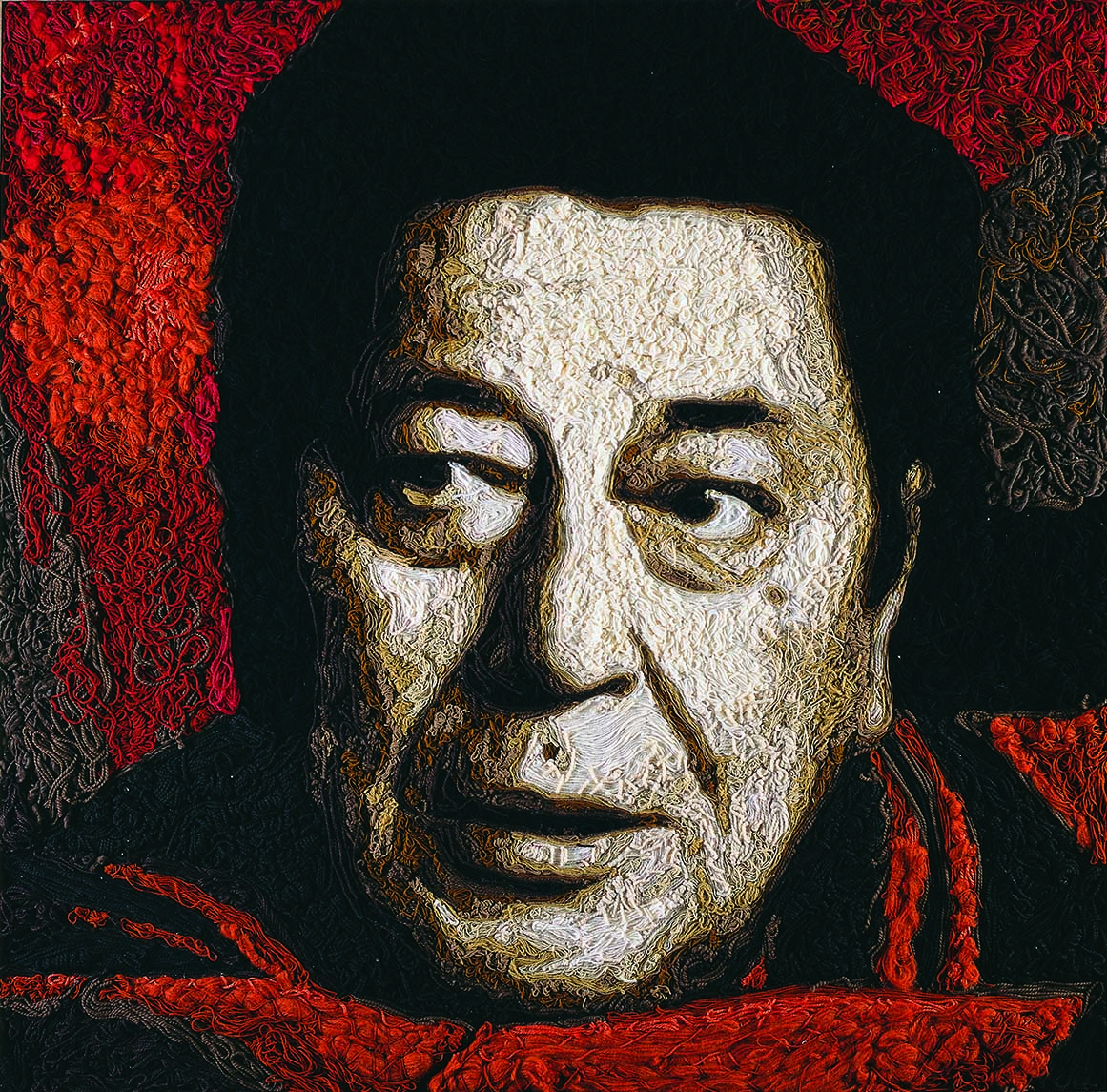
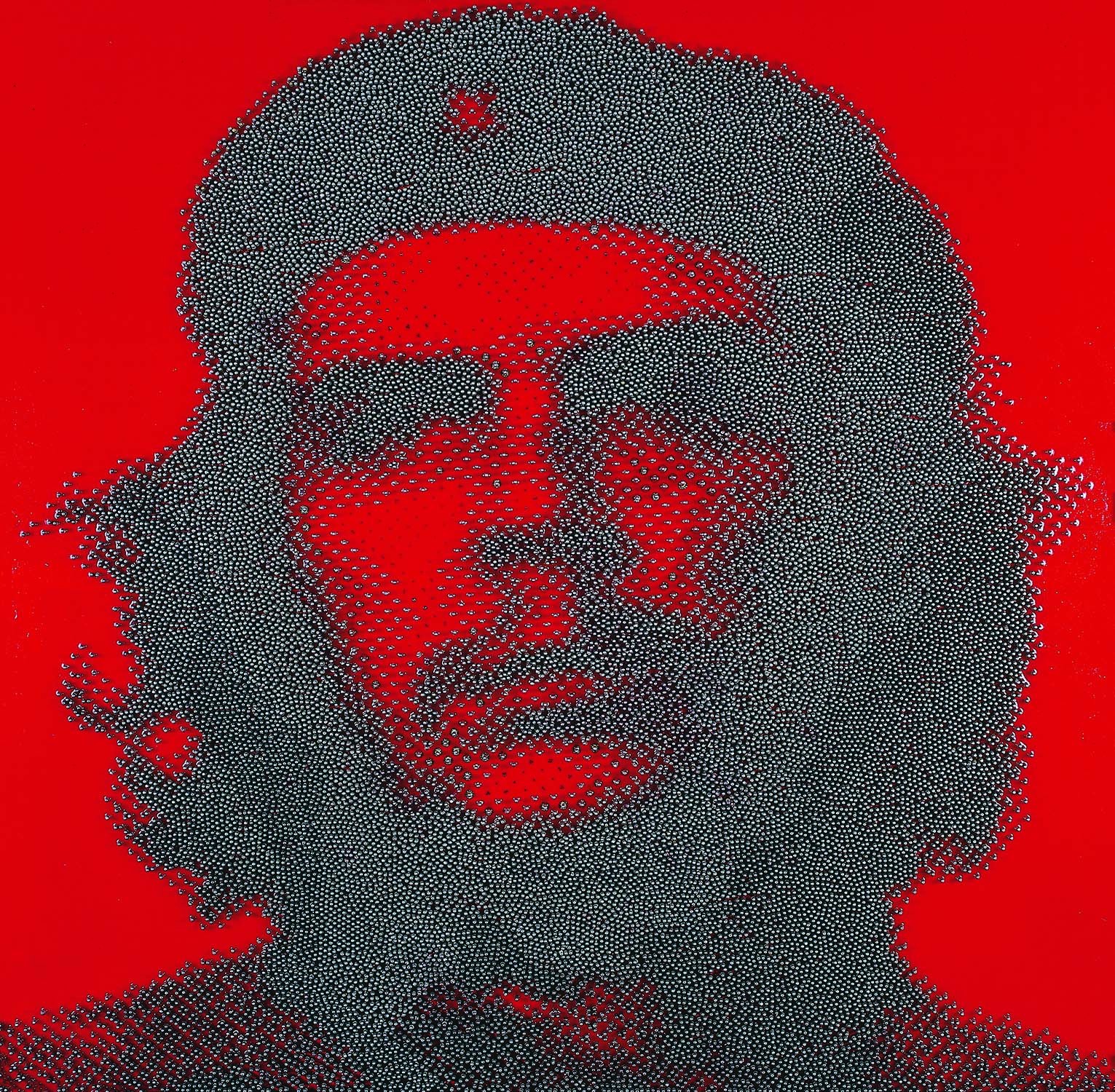
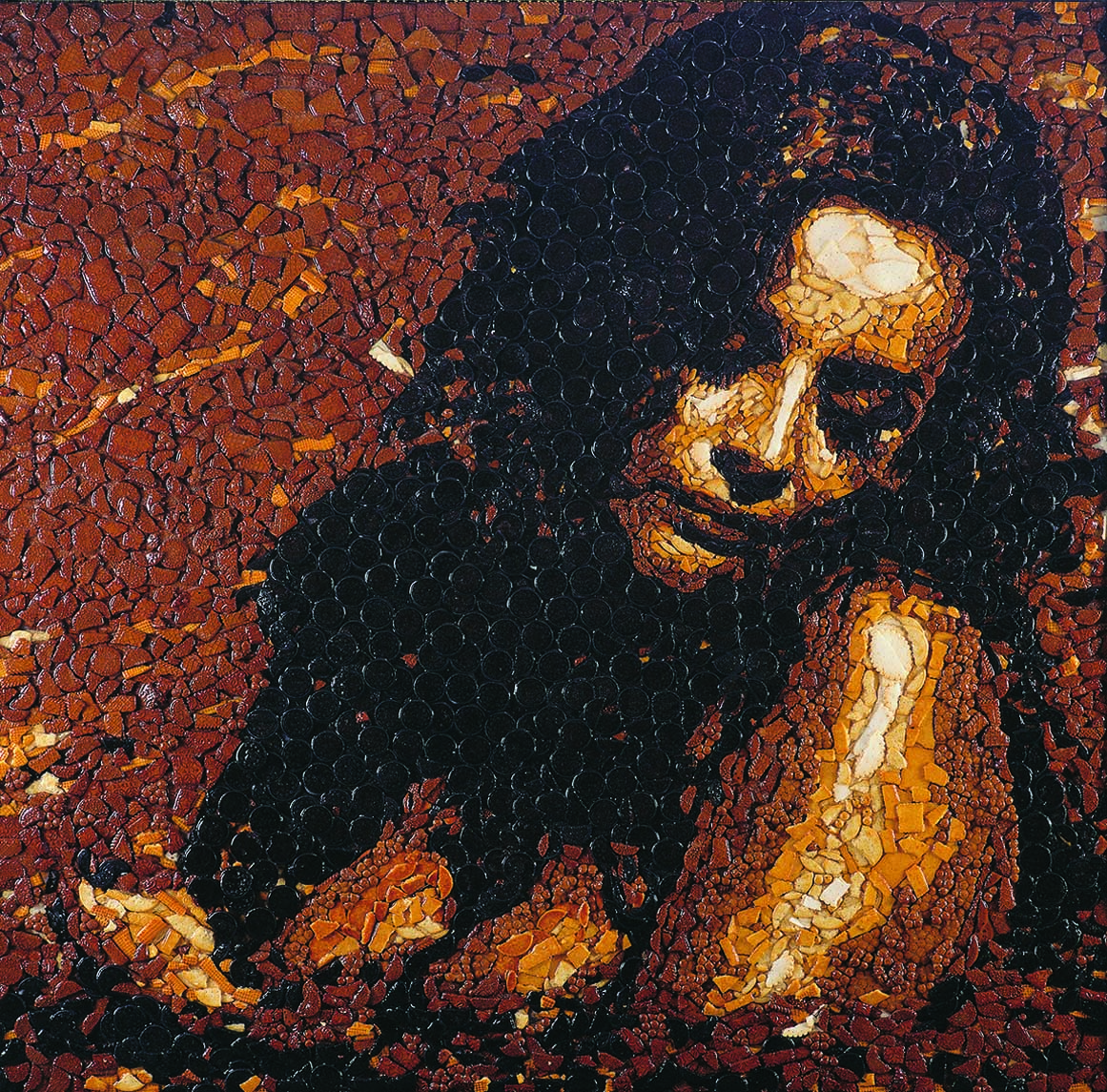
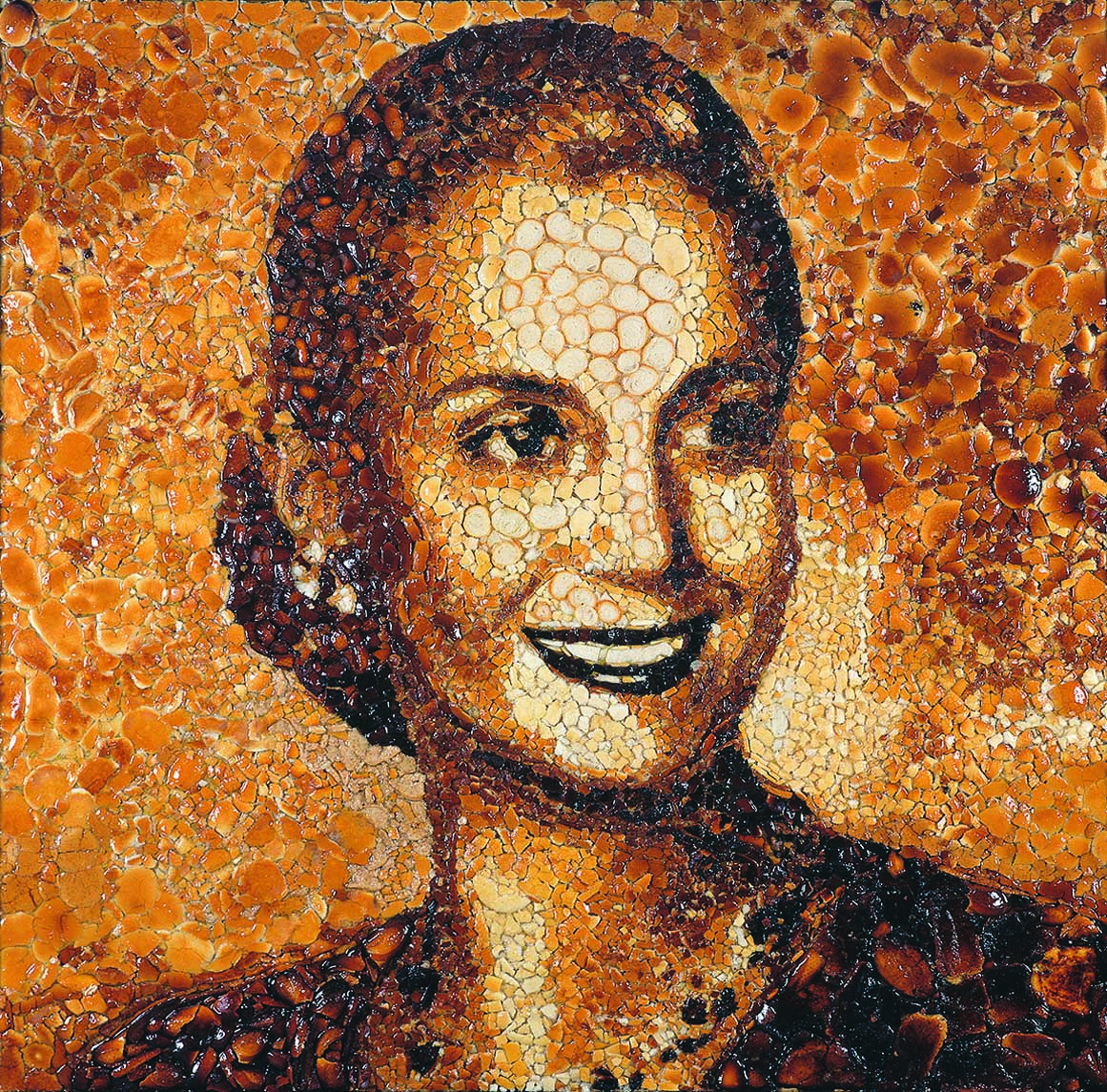
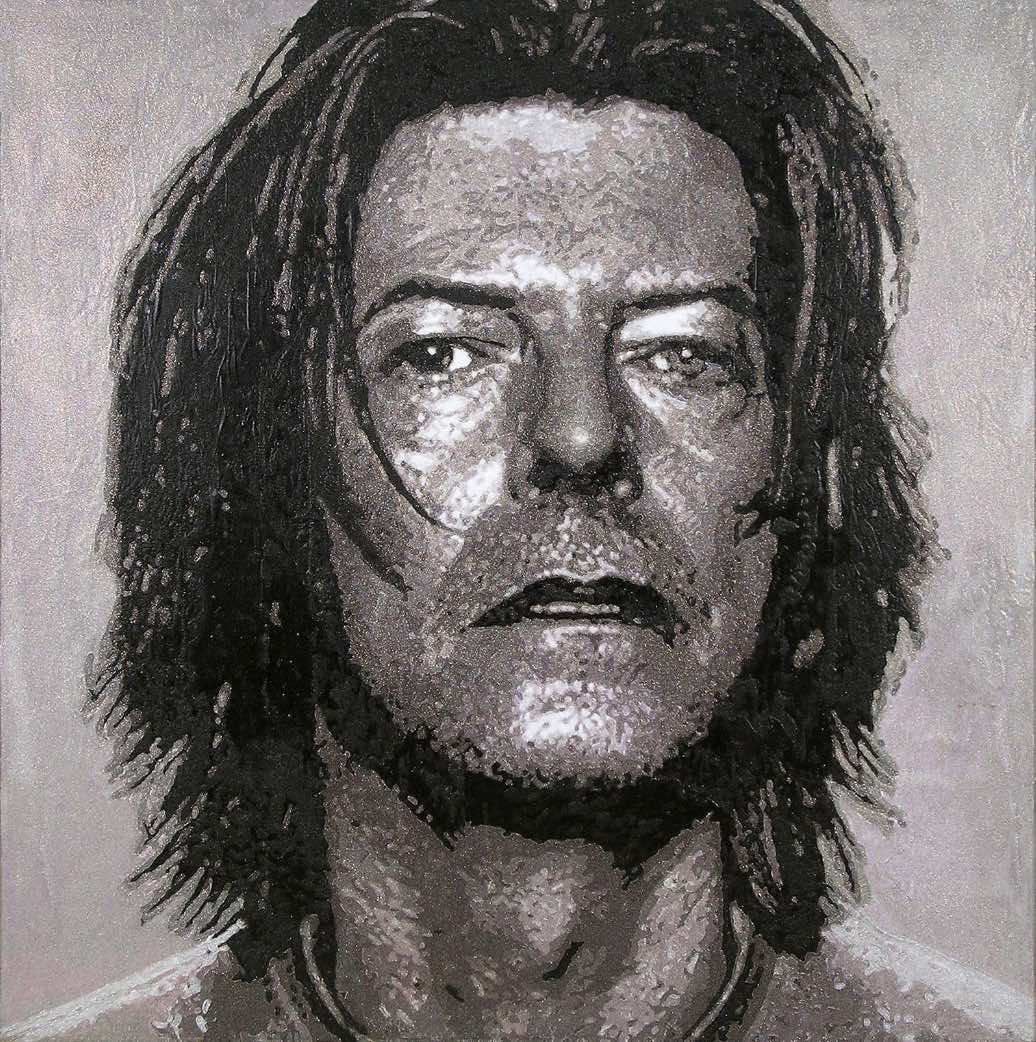
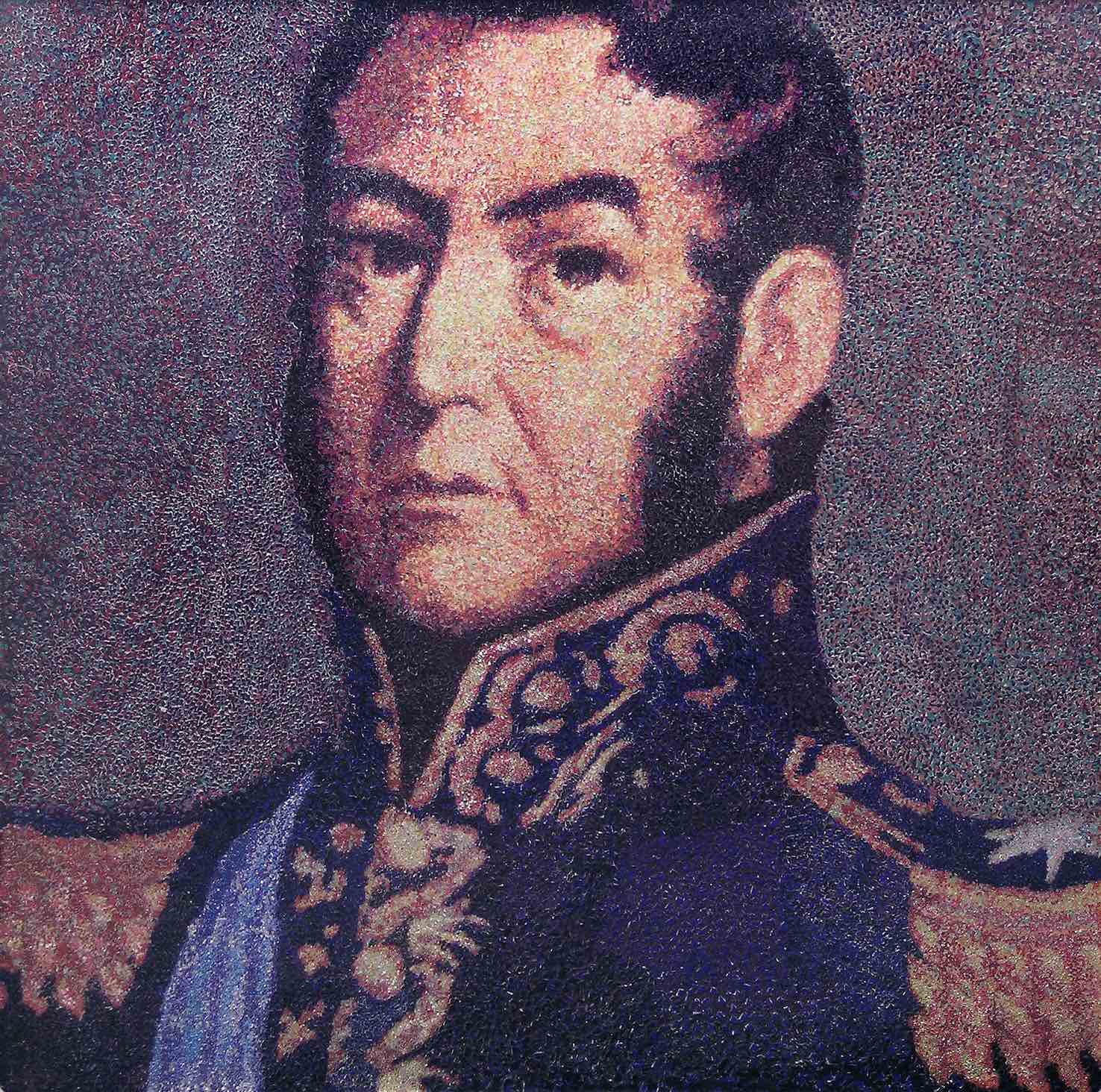
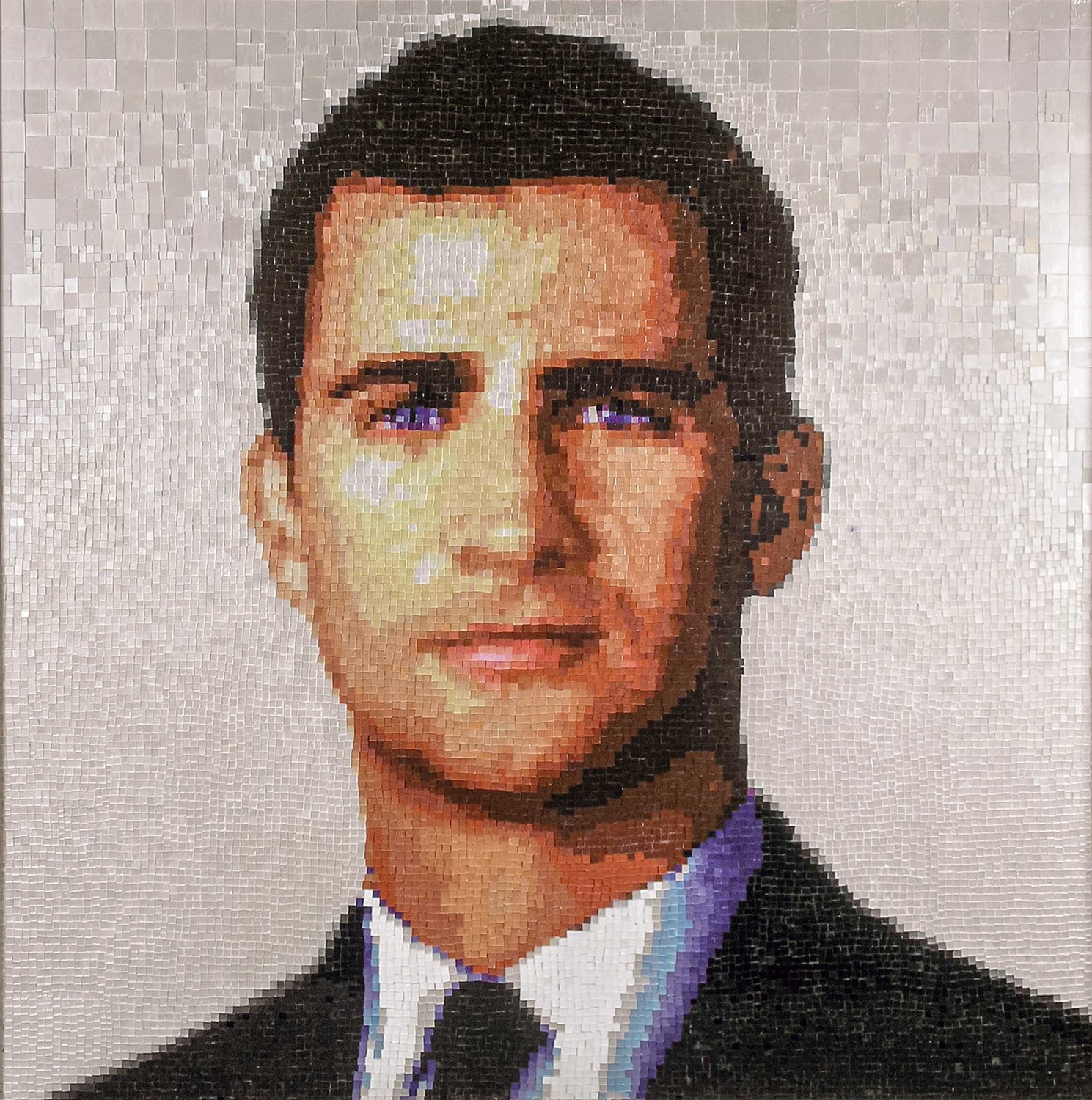
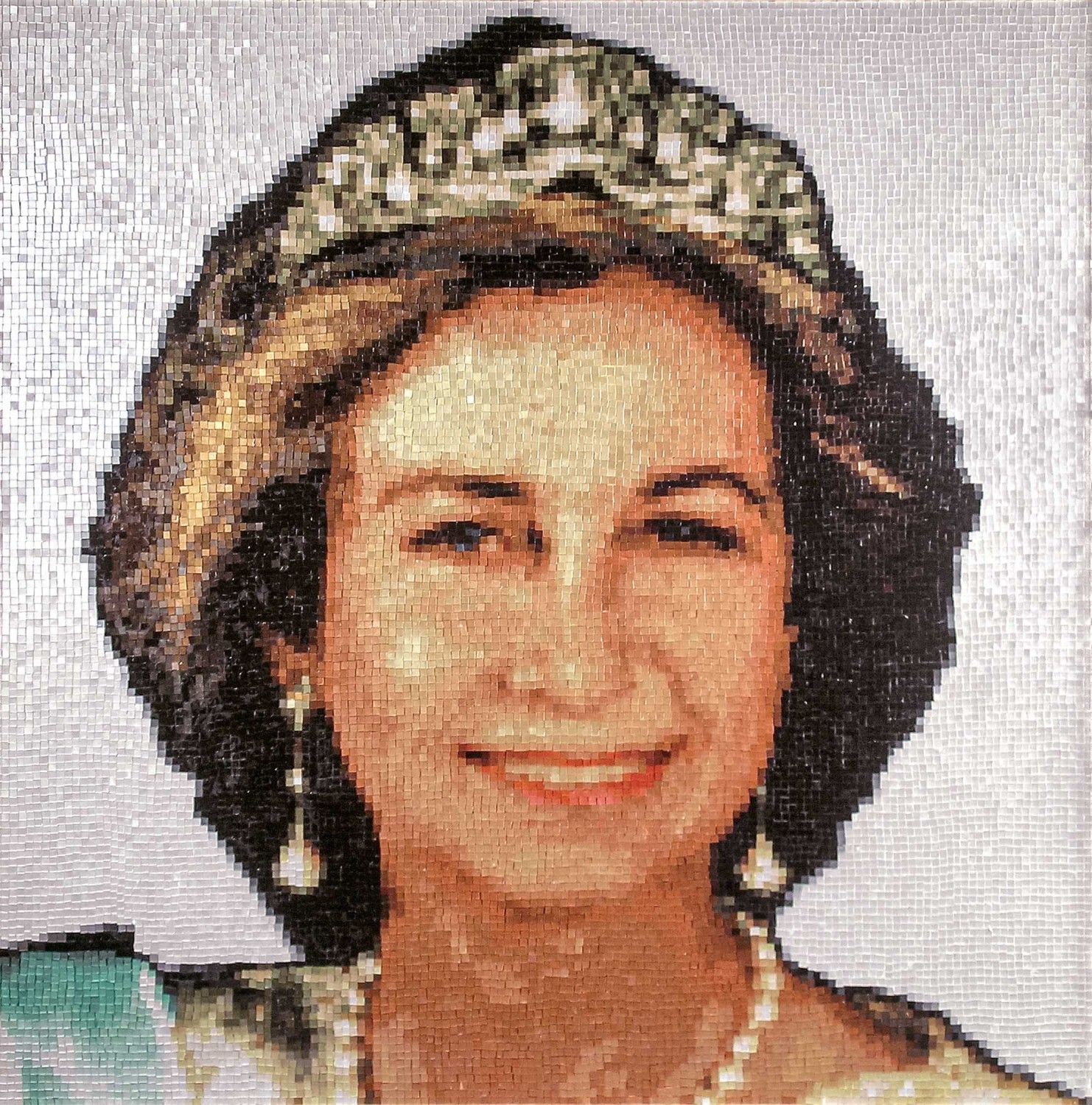
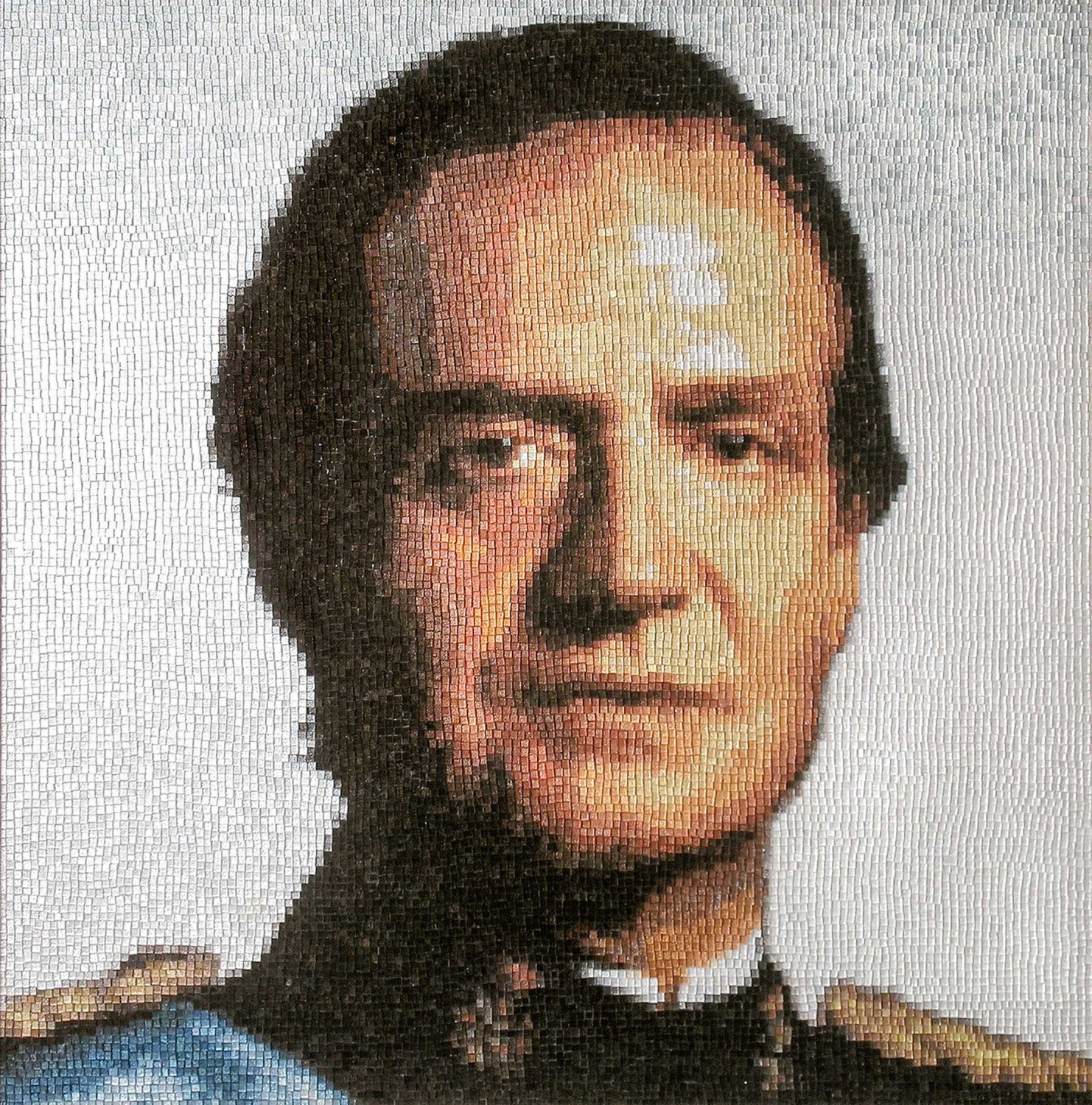
Ten works make up the select repertoire Mondongo has prepared for its debut in Madrid. Following the reading conventions established for historical genres, at first glance, nine seem to be portraits—predominance of human faces—and the tenth would be a landscape—a small wooded grove—but upon a second look, the dense web of decisions behind each image eludes the comfort of easy categories.
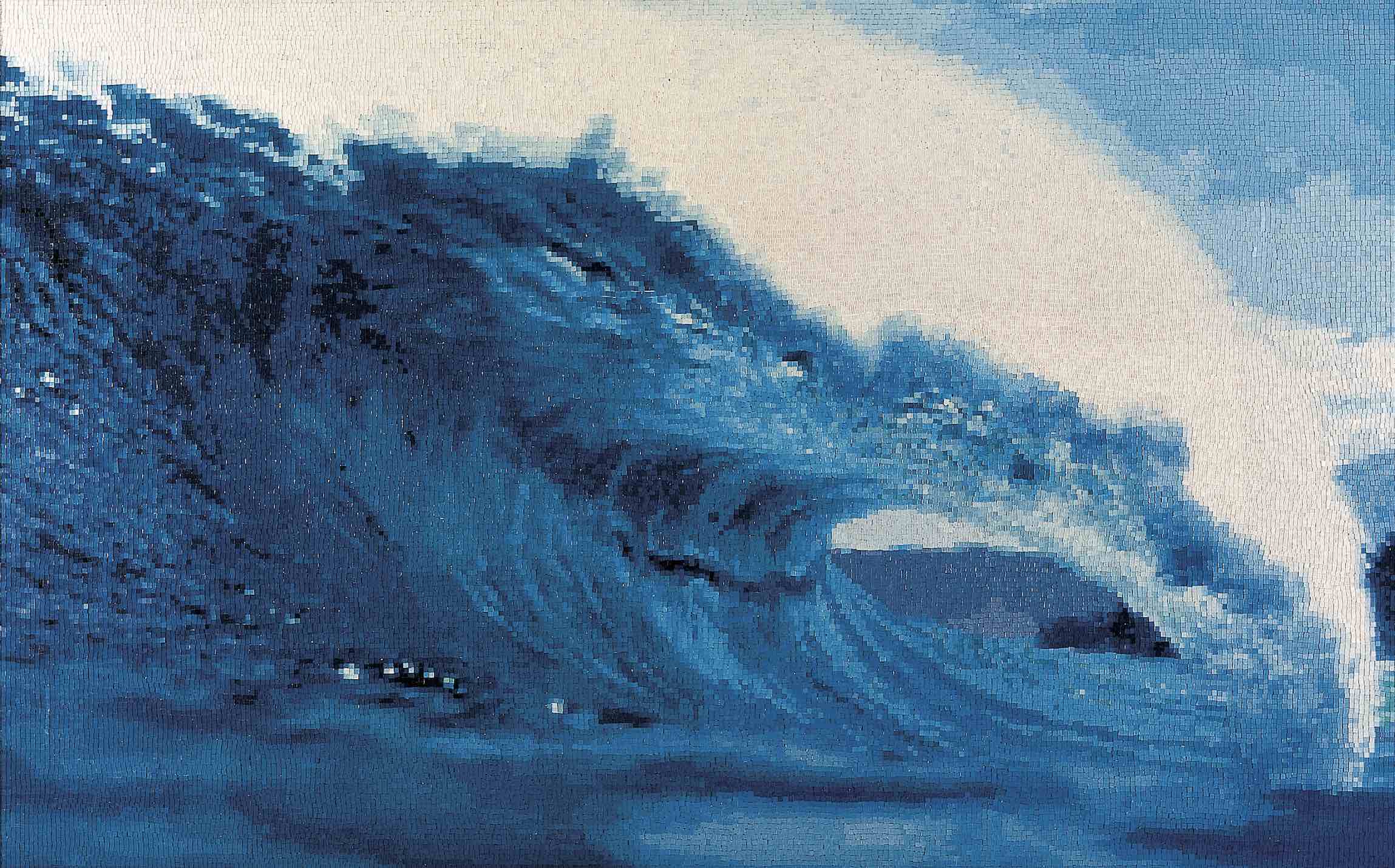
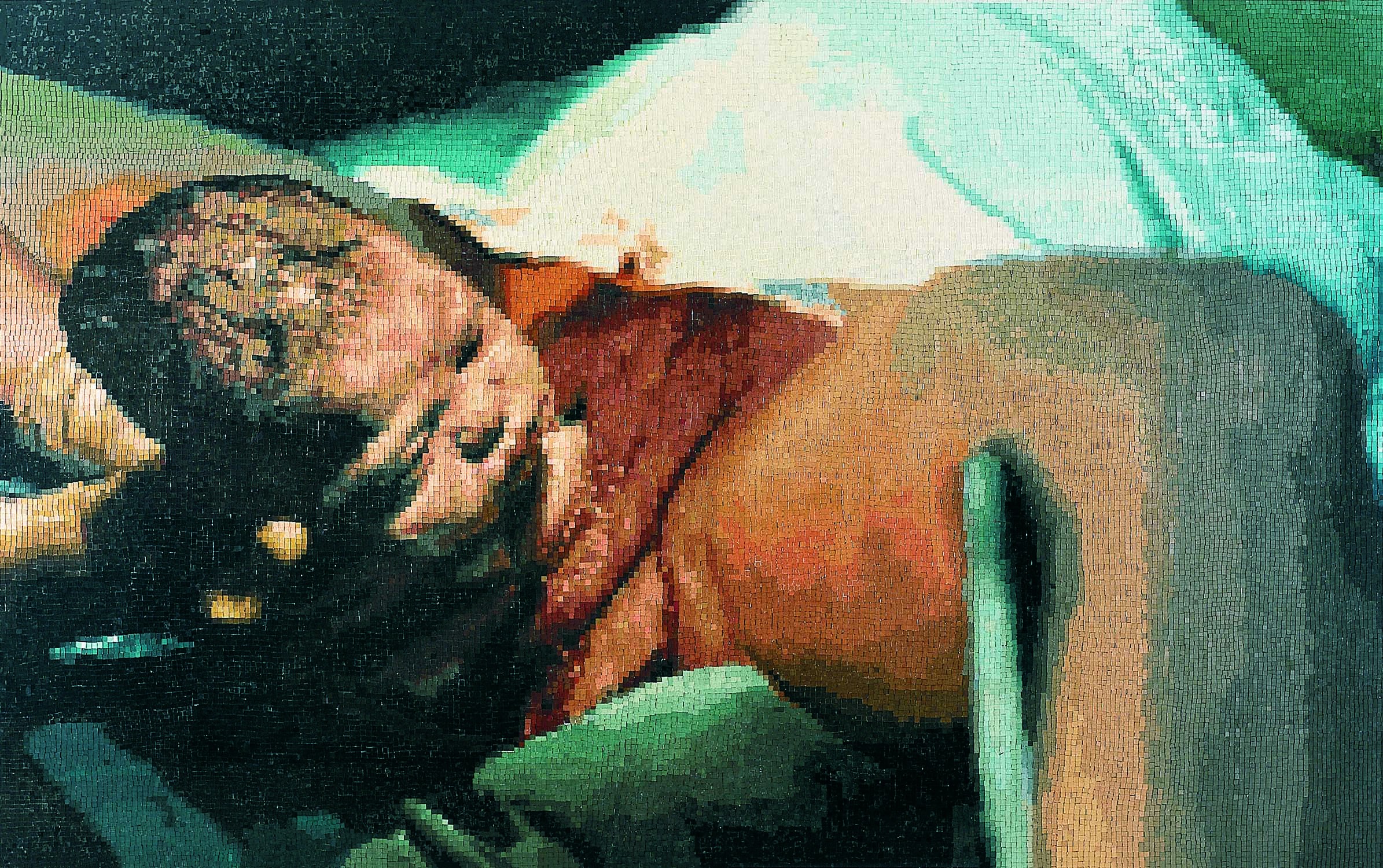
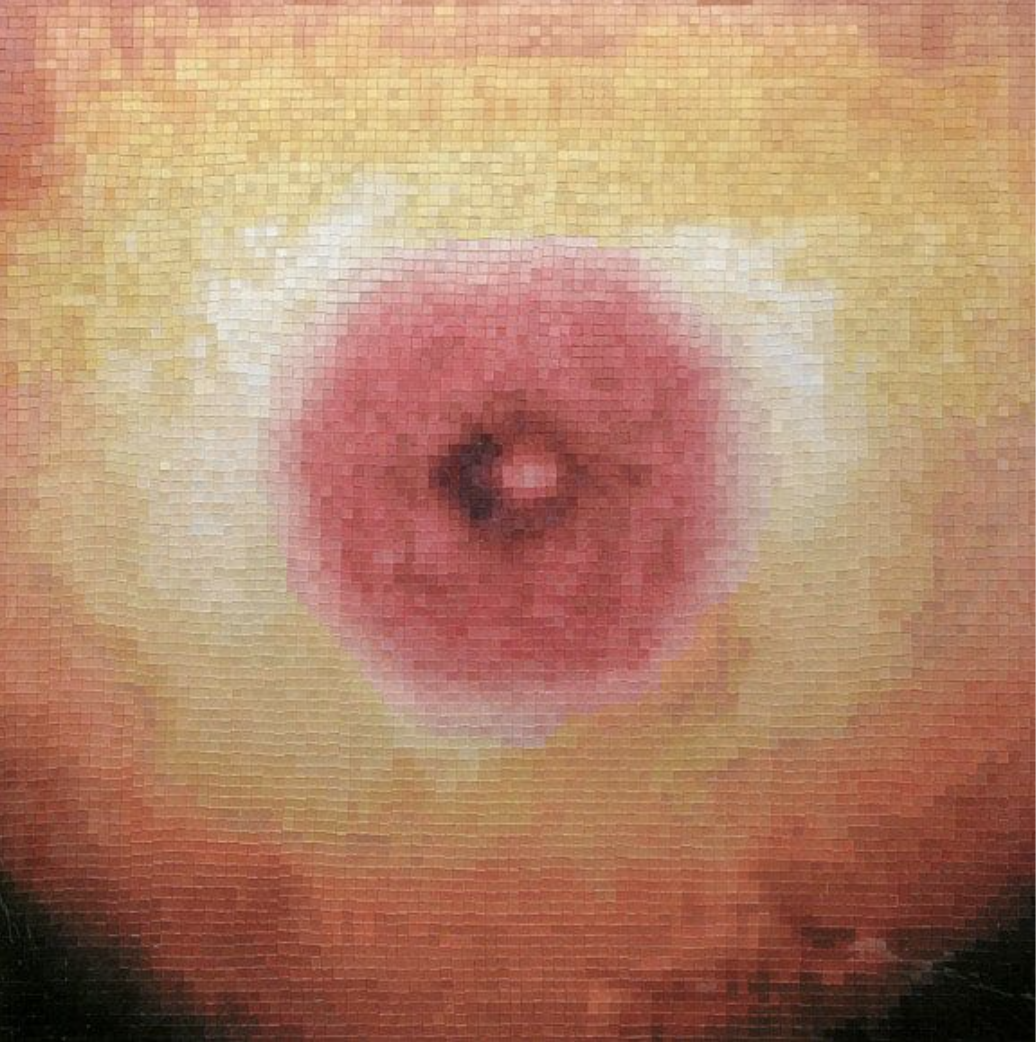
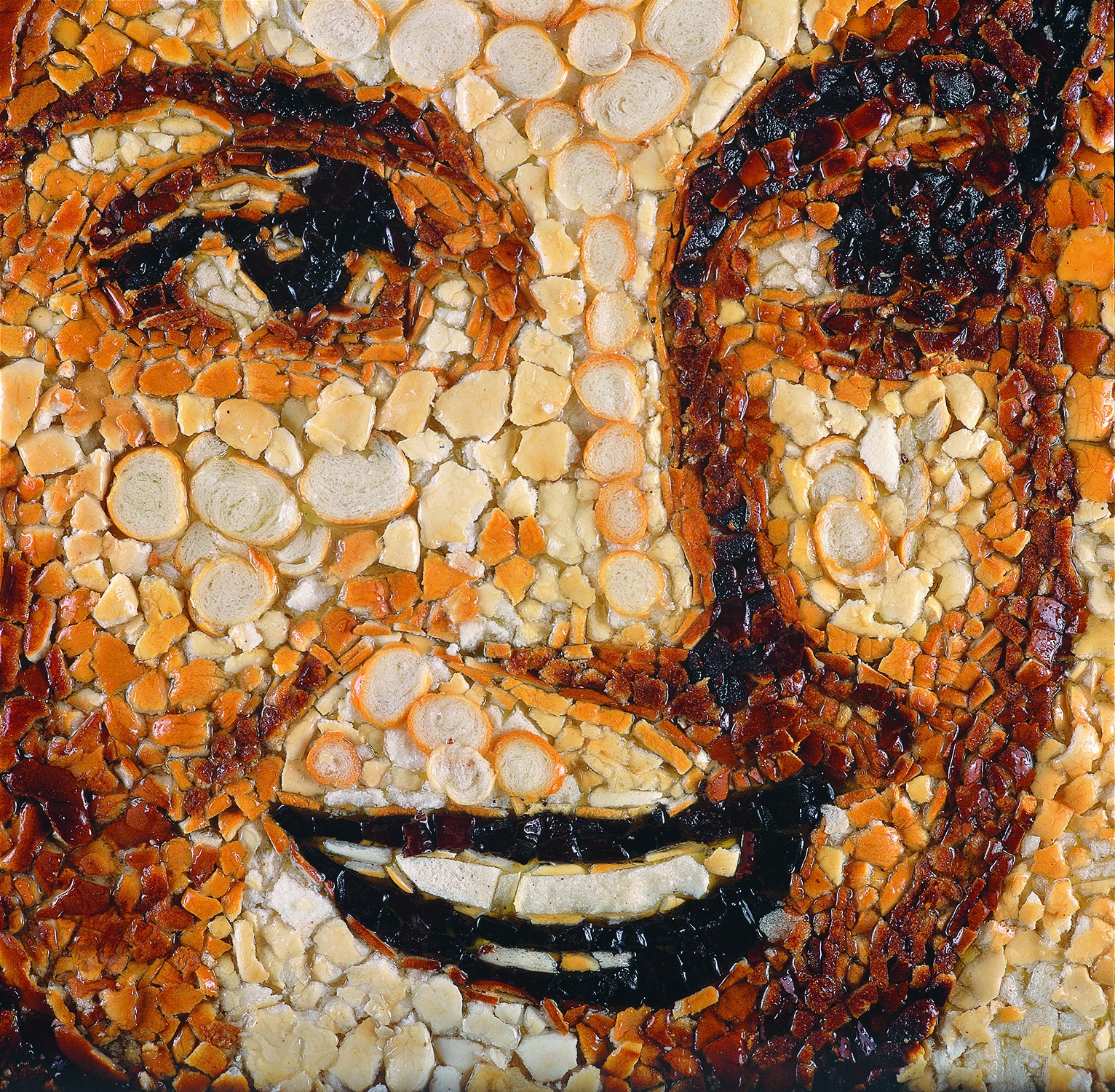
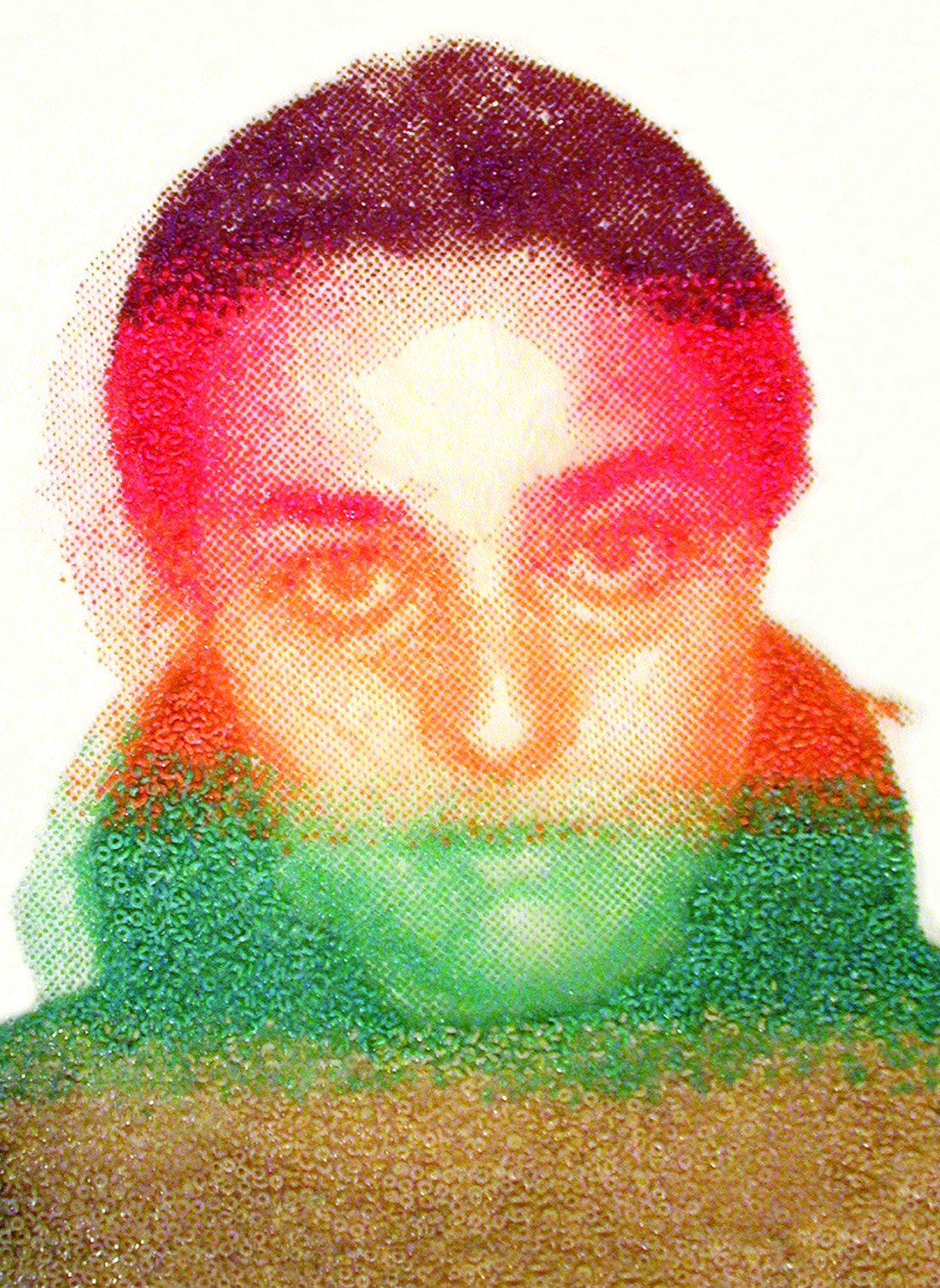
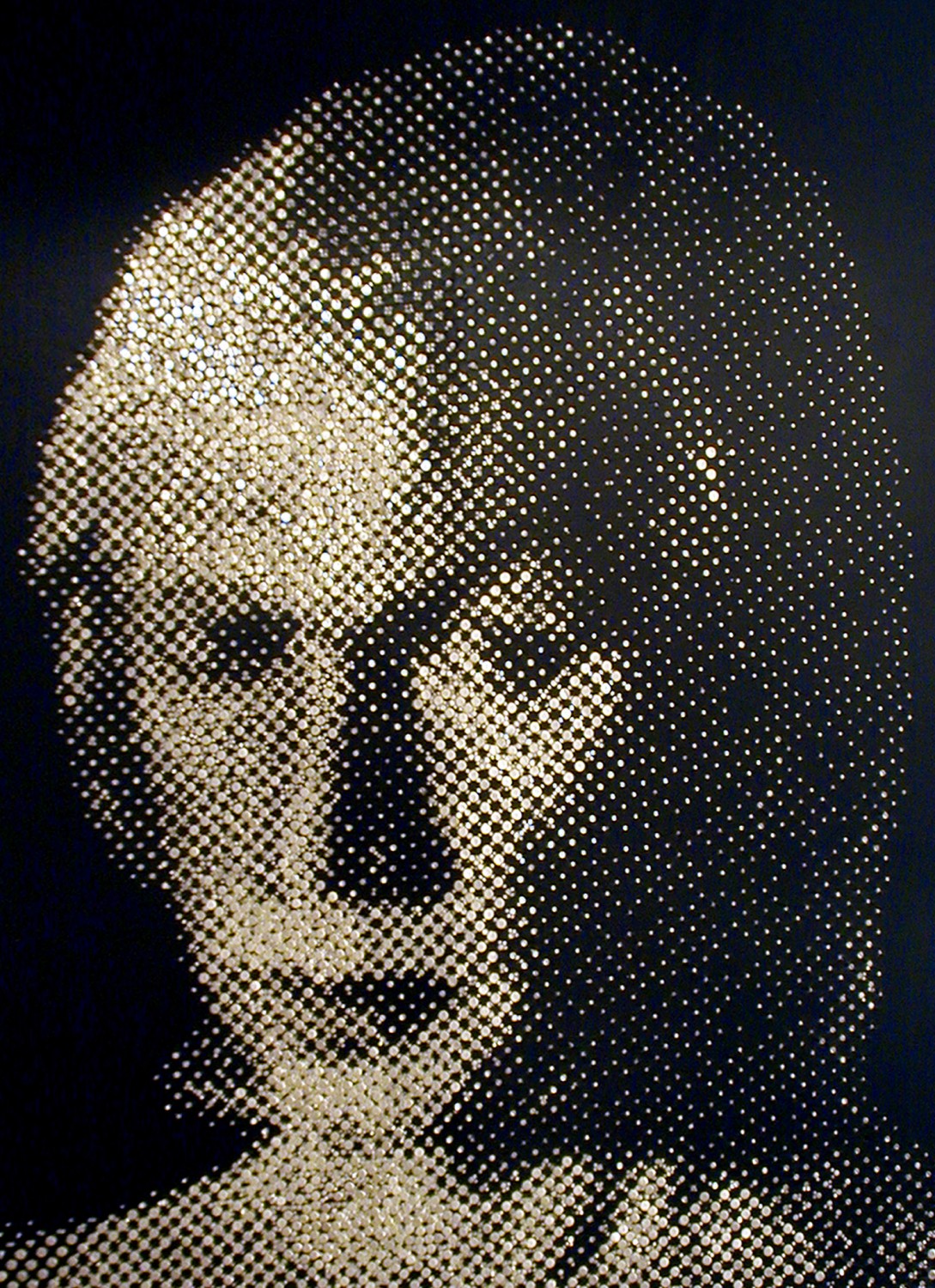
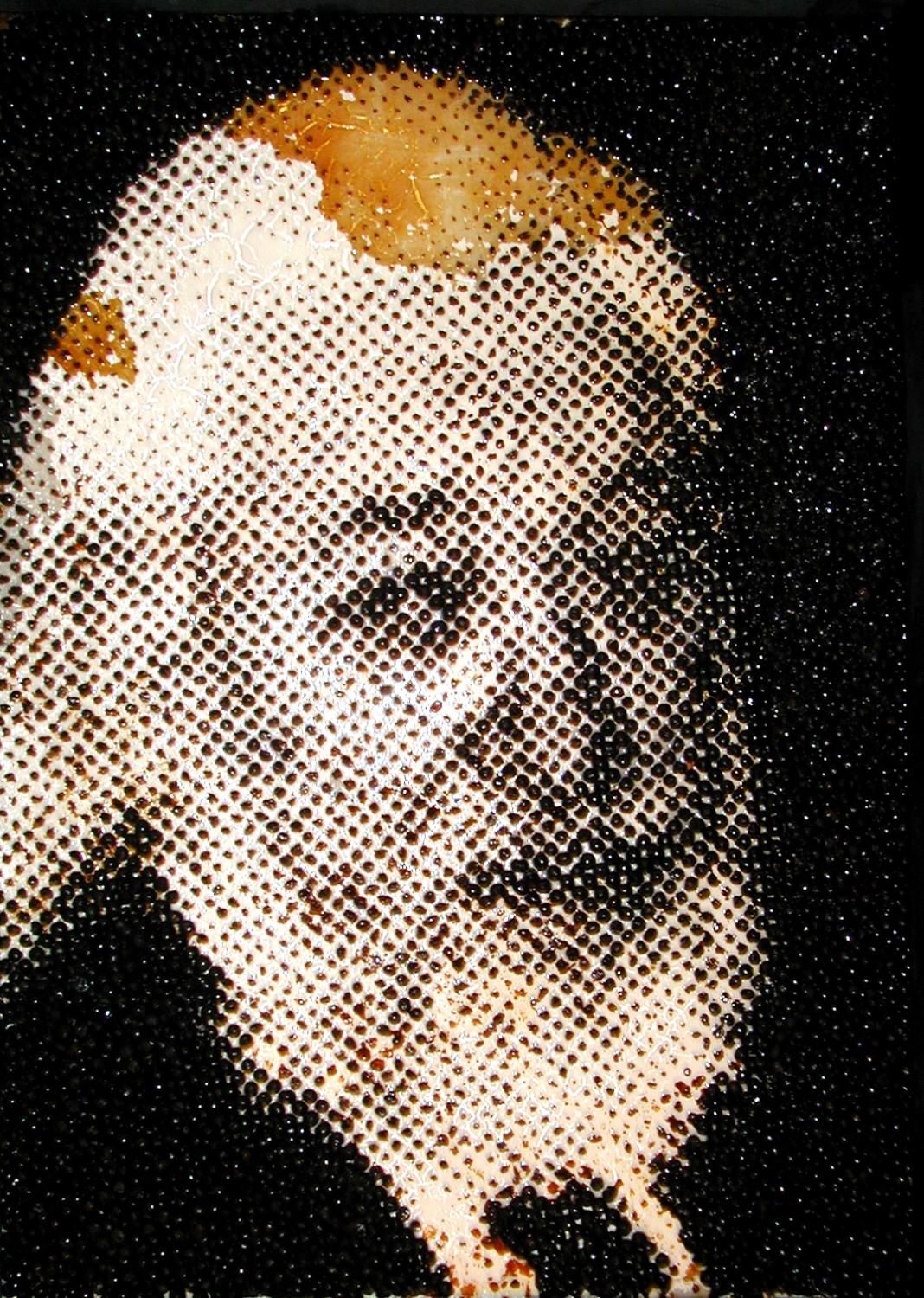
In stylistic terms, the first transgression of the genre in its most traditional sense is that the realism of these representations does not come from the classic painting method—the archetype of the artist who copies from the model while it poses—but from photographic technique. Digitized and manipulated until they become grids of color, later enlarged and transferred onto a plane, then coated with various materials, the photos are not used in their pure state; rather, they are part of a process that adds multiple layers of distance between the real and its graphic version, closer to collage than painting, as it is resolved with a certain relief over a plane.
Absent body, technical mediations, virtuality: the usual language of contemporary art might seem appropriate to address these pieces, but its operability is also partial. By delving into a process made of stages that deepen the space between artists and models, another undeniable fact dismantles the hypothesis of technological art and restores the relevance of the pictorial legacy: in the choice of materials with which they work, Mondongo’s members seek nothing but total closeness with their subjects, just as the easel painter sought to capture the aura, the soul, the essence of their model. Like those painters, this group of artists also appeals to the meticulous study of the person to be portrayed, except that instead of directly observing the body, they reconstruct it from invisible assumptions. The portrait they design and create with ultra-craftsmanship derives from the dialogue with the identity/ies of the chosen character, with their apparent qualities and flaws exposed in the public sphere, with a sum of social assertions and the gaze of others.
Conceived as an image upon an image, the work results from the intersection between subjective appreciation and the discussions between the three artists, which materialize into a common voice and the flow of available and open information circulating outside of any will. Crossed by multiple imaginations, the supposed realism of these paintings then appears shaded by a rare dose of fantasy, not immediately identifiable. Despite the verisimilitude guaranteed by a frontal and direct photograph, Mondongo has found a way to create fiction instead of documentary.
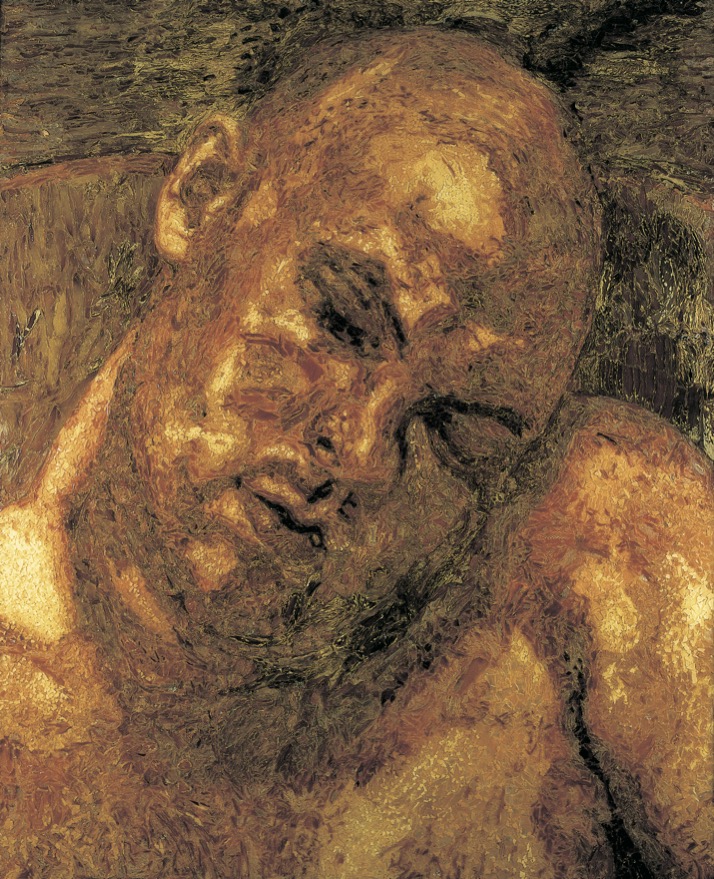
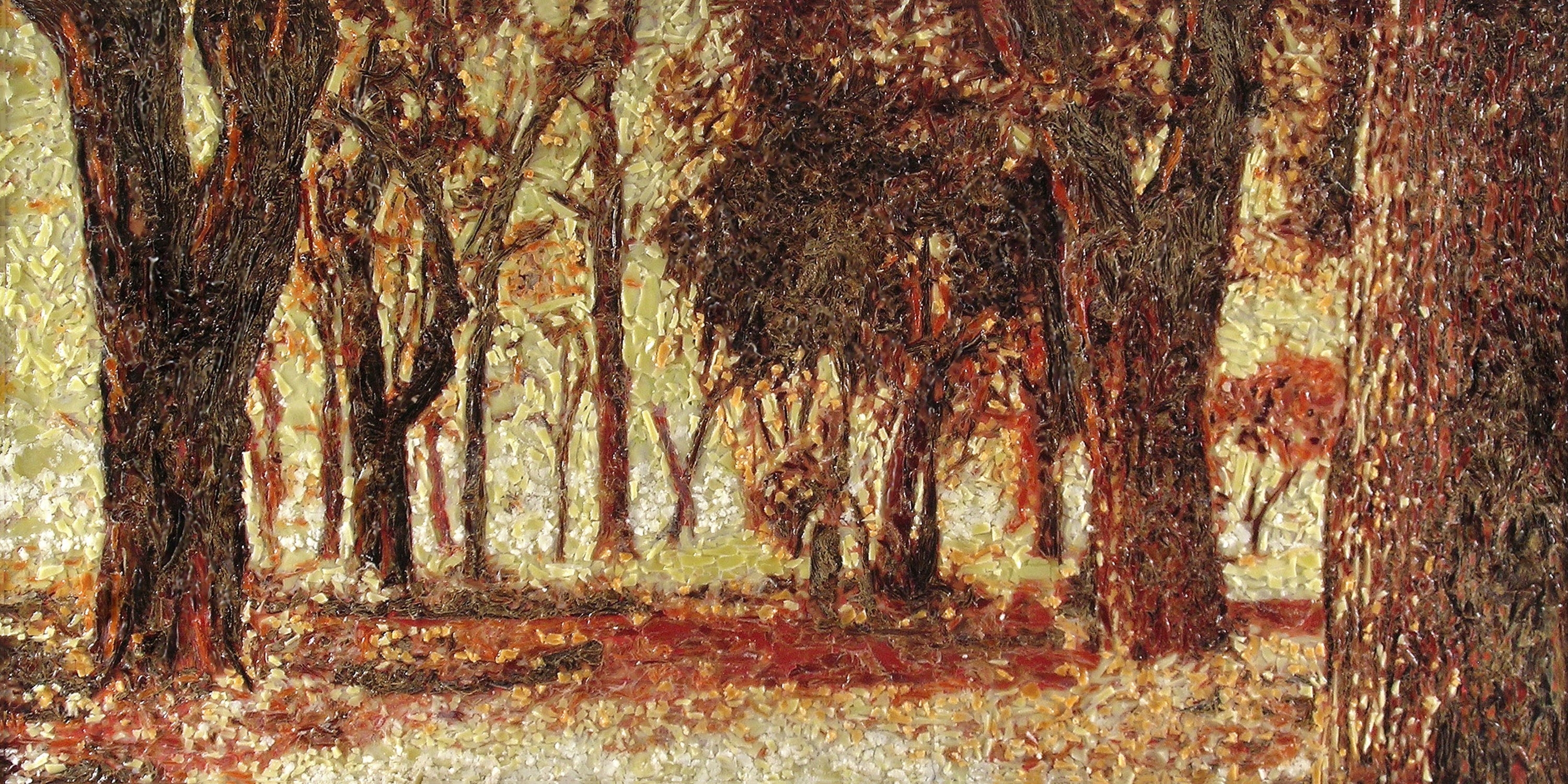
When Walt Disney’s face, hero of U.S. expansionist pedagogy, is covered in plasticine and becomes almost sinister, Mondongo offers its own narrative around the great fabricator of stories. When not only Bowie’s eyes but his entire face shines with glitter, Mondongo pays tribute in stardust to the master of pop self-invention. In the San Martín made of glazed paper, a hero so grand that it overflows the frame; in the pope made of hosts over veined wood; in Lucian Freud turned into pure organic matter; in the kings of Spain and the prince made of infinitely colored crystals meticulously hand-painted; in the image of Argentine writer Fogwill, sheltered behind the tips of white pencils on a white background, in all their creations Mondongo takes collective symbols and transforms them into personal visions, narratives that amalgamate appearance and concept. Lastly, the trees of a landscape—the Botanical Garden of Buenos Aires—are clothed in flesh: in Mondongo’s pantheon of favorites, a beloved place attains the status of a person.
This series of ten pieces attempts to seal the impossible encounter of several figures who, at first, would have little in common. It is a summit meeting of people who have reached the top and from there have dealt or are dealing with the twists and turns of fame, admiration, and fanaticism, perhaps with loneliness and the weight of knowing they are icons. Mondongo confronts to honor or criticize, the gesture is not explicit, and irony weaves its fine nets around certain figures who hold prestige and authority. The technique is what first fascinates, but it is and is not what matters. Beyond the skill invested in the creation of each image, Mondongo invites reflection on idolatries, myths, surfaces of power, and crowds.
“I think the 'aura' is something that only others can perceive, and they only see what they want to see. Everything is in the eyes of others.” (Andy Warhol)
“At the summit, it’s very cold.” (Victor Hugo)
—Eva Grinstein, 2004

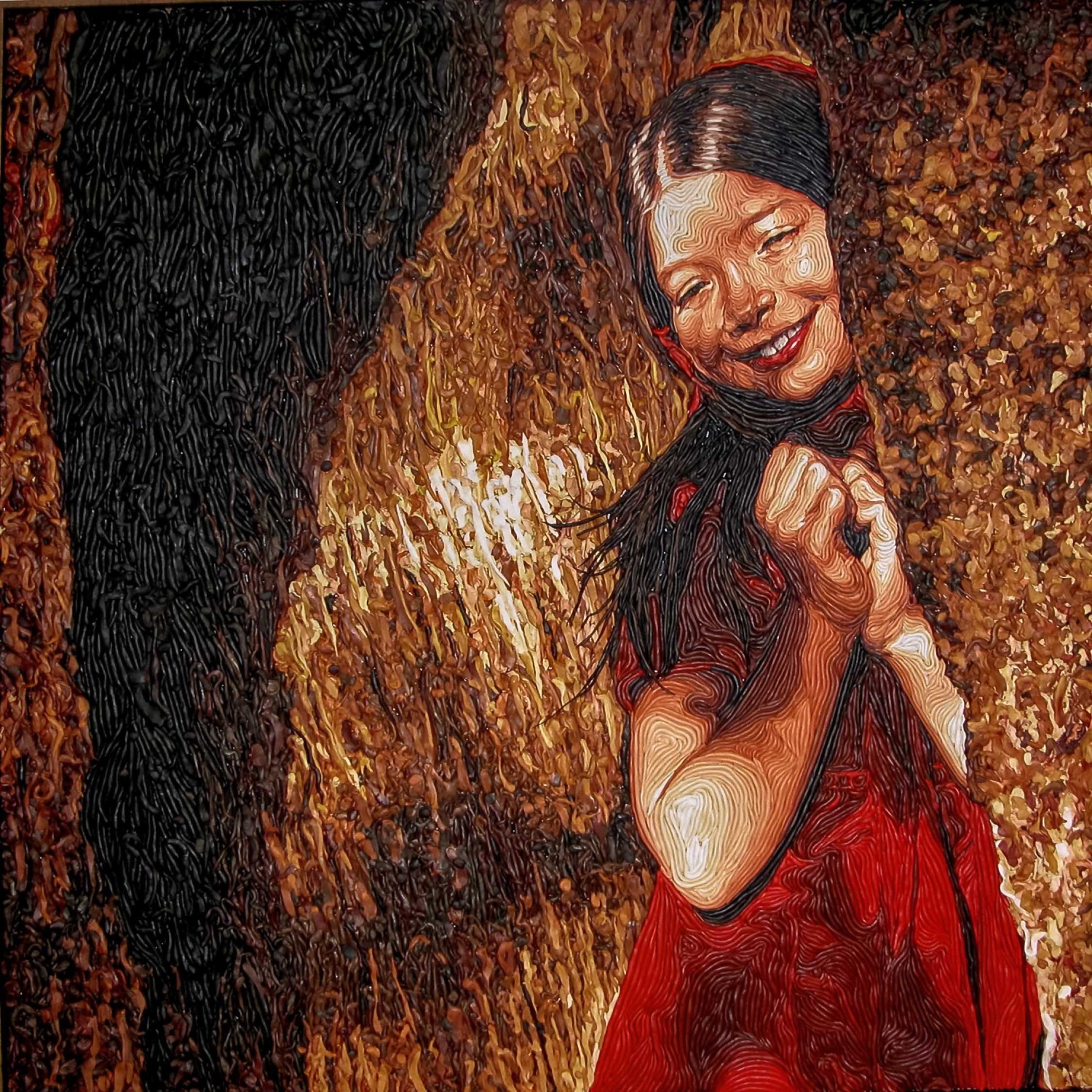
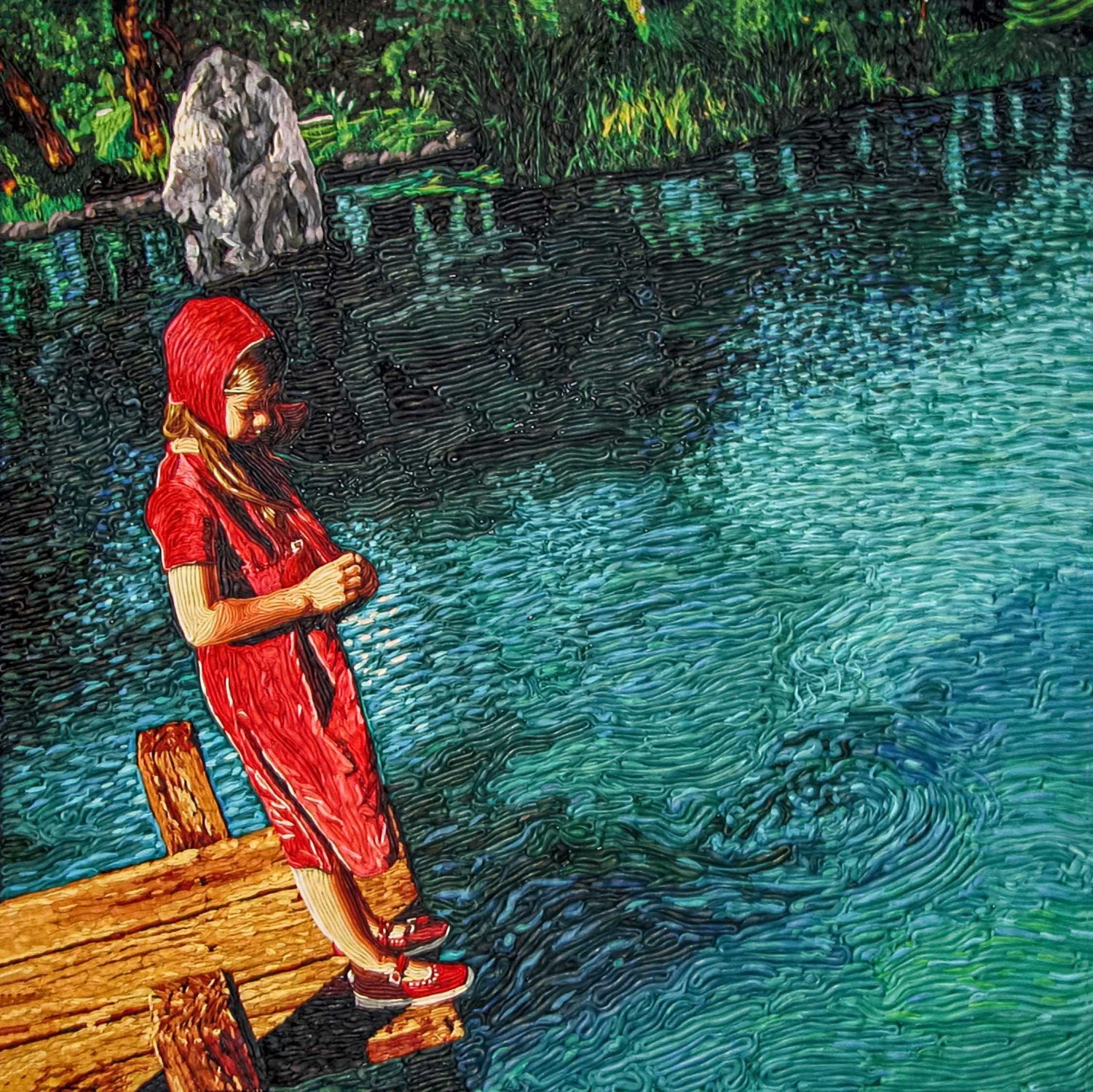
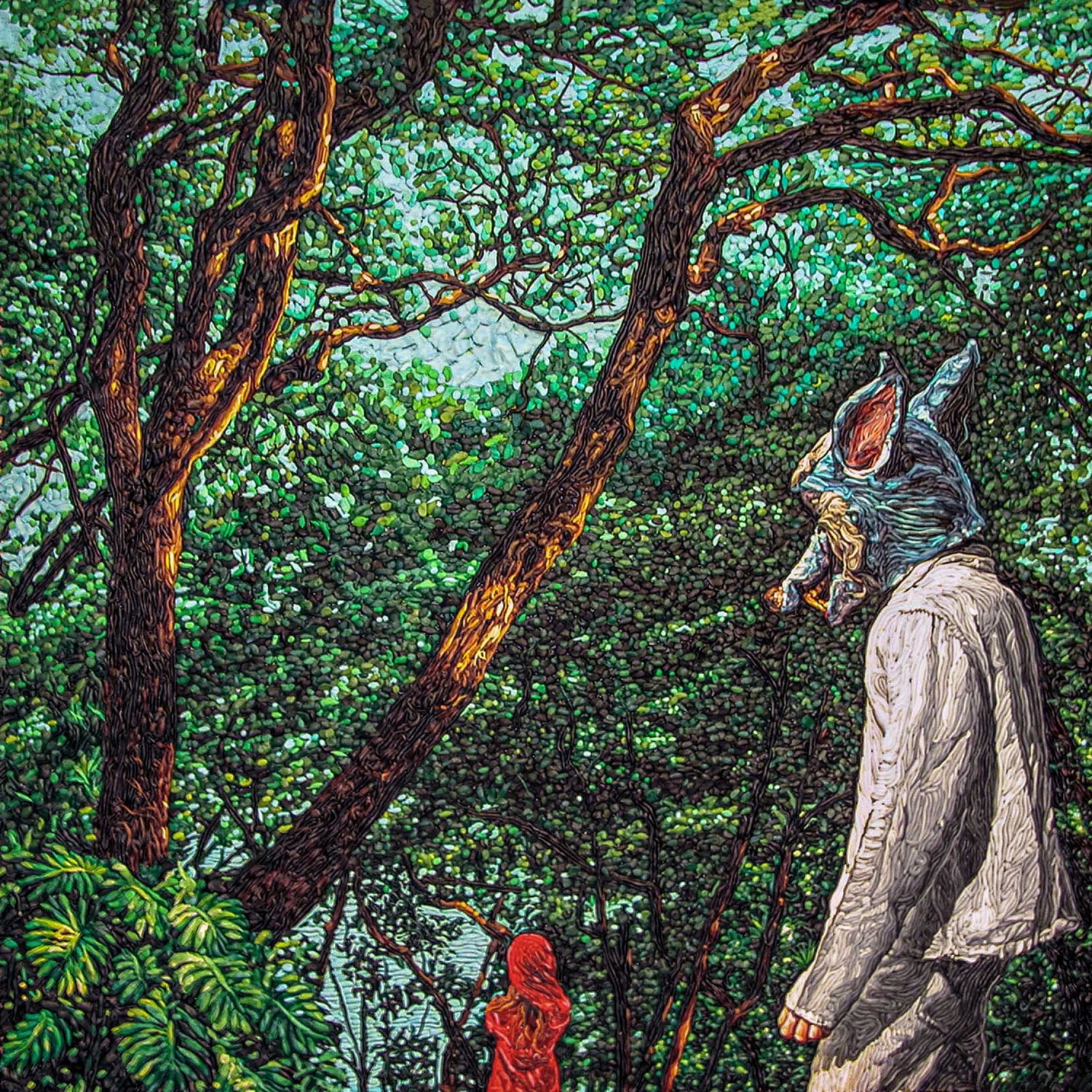
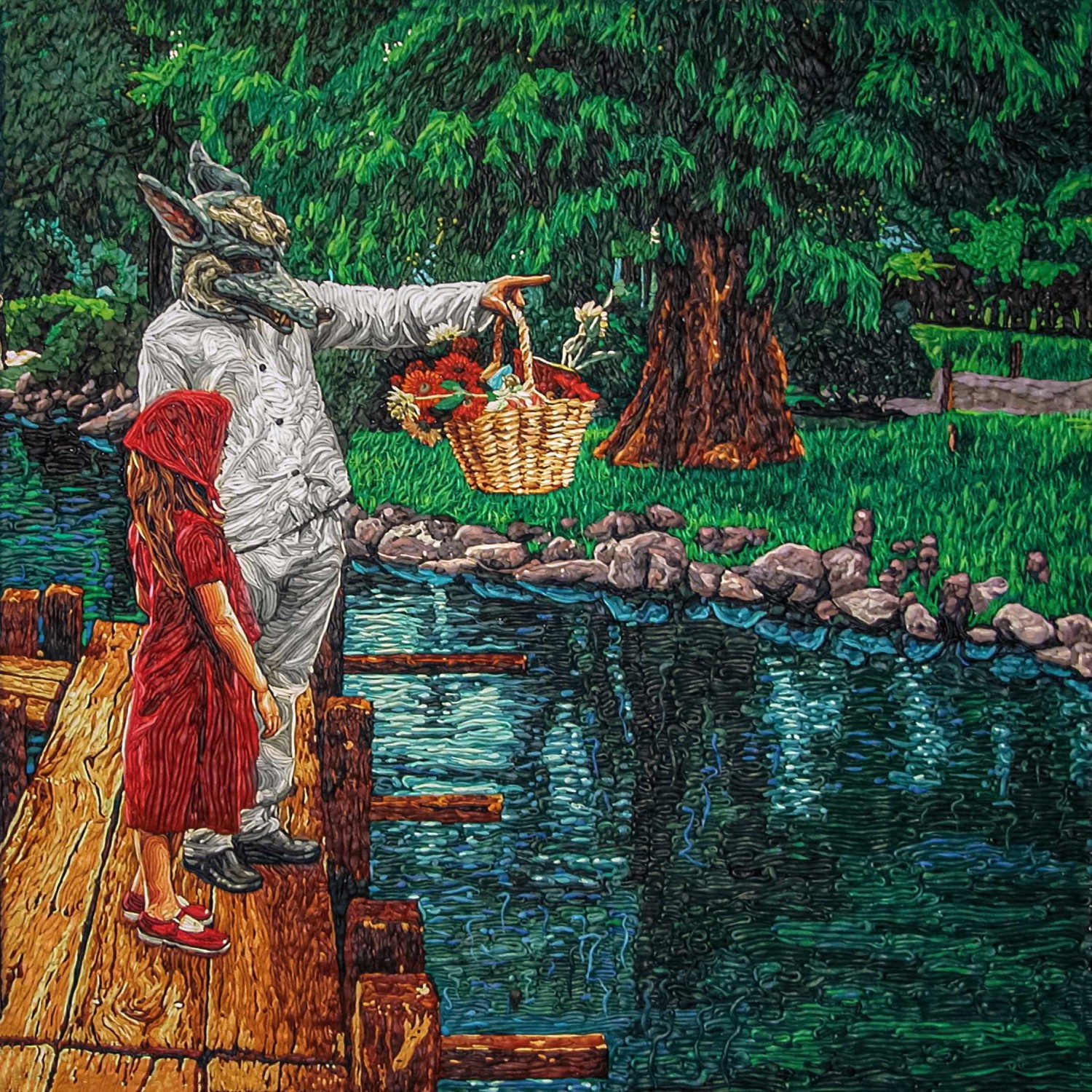
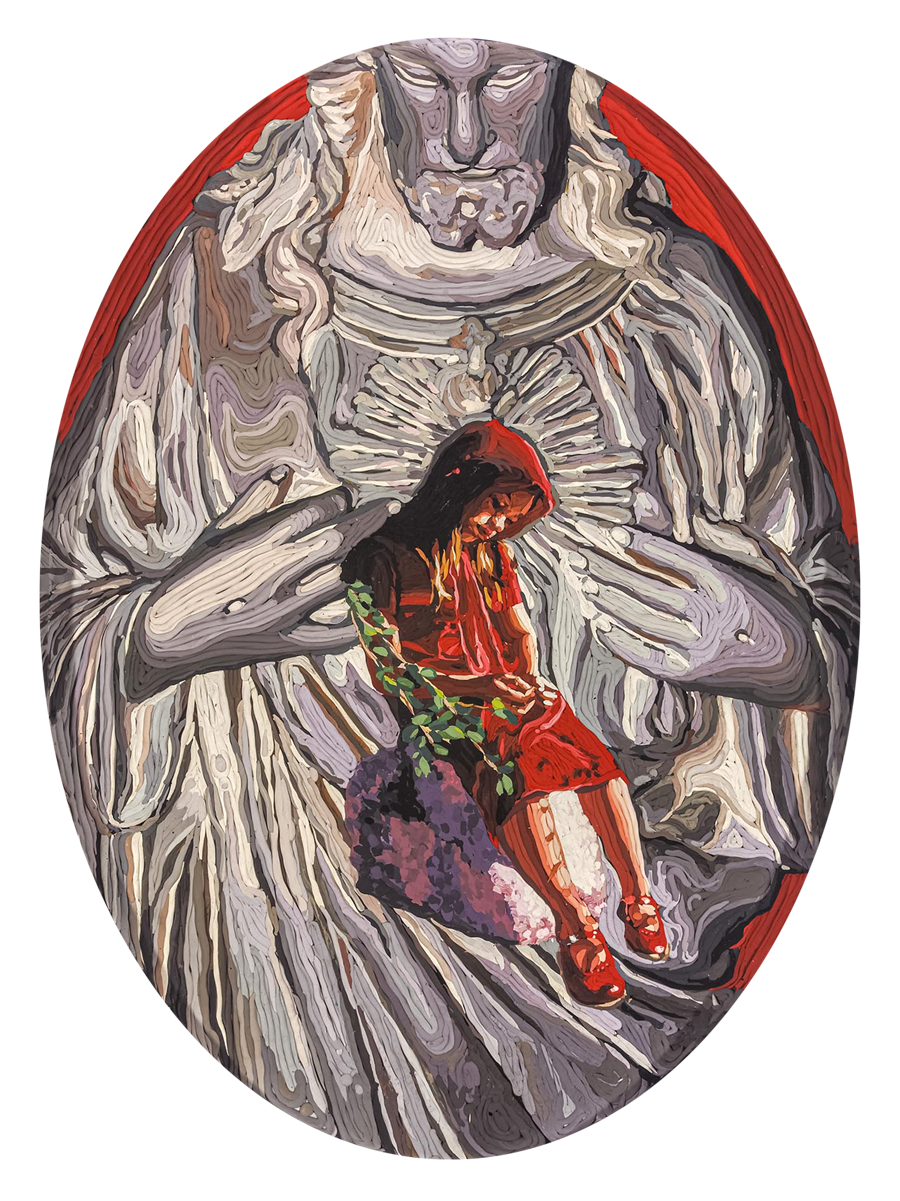
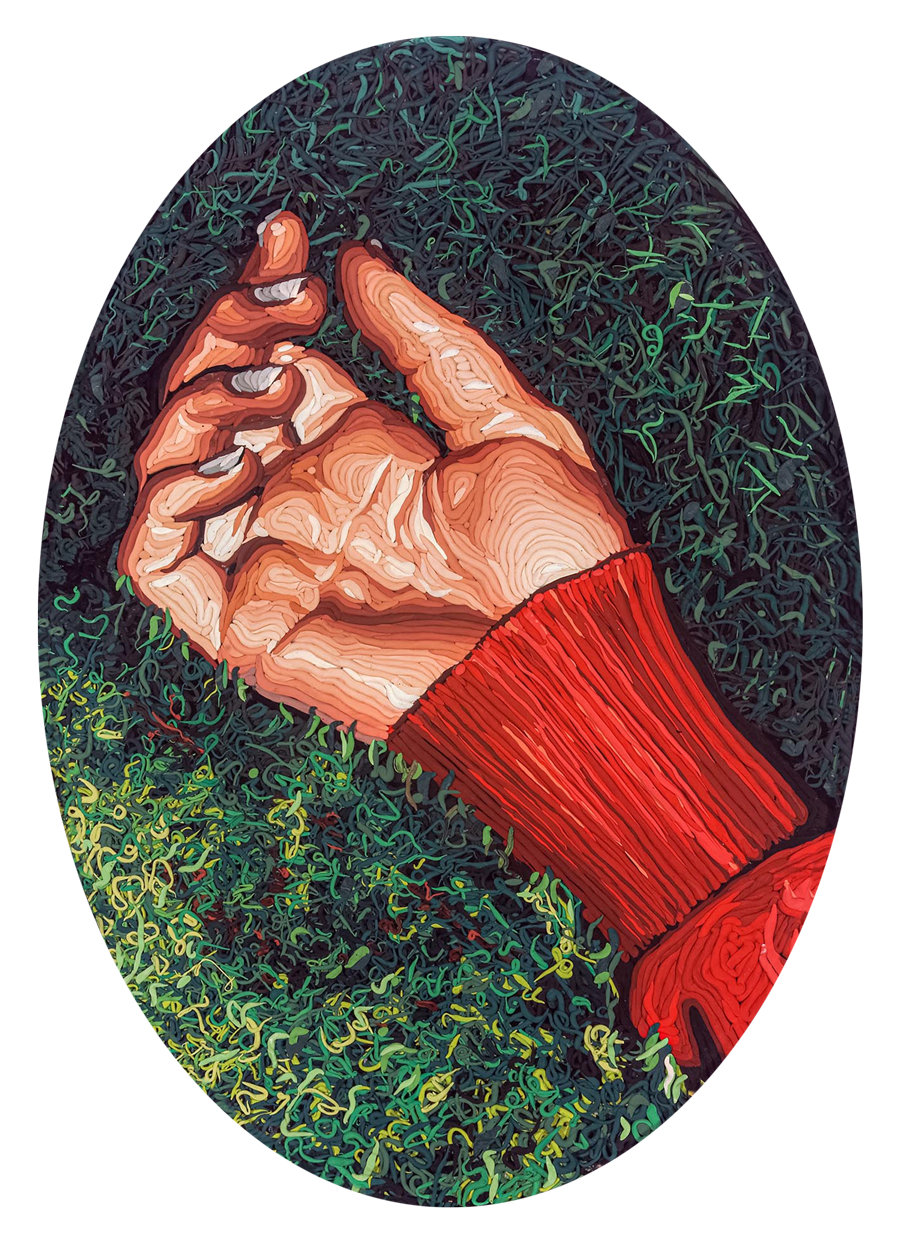
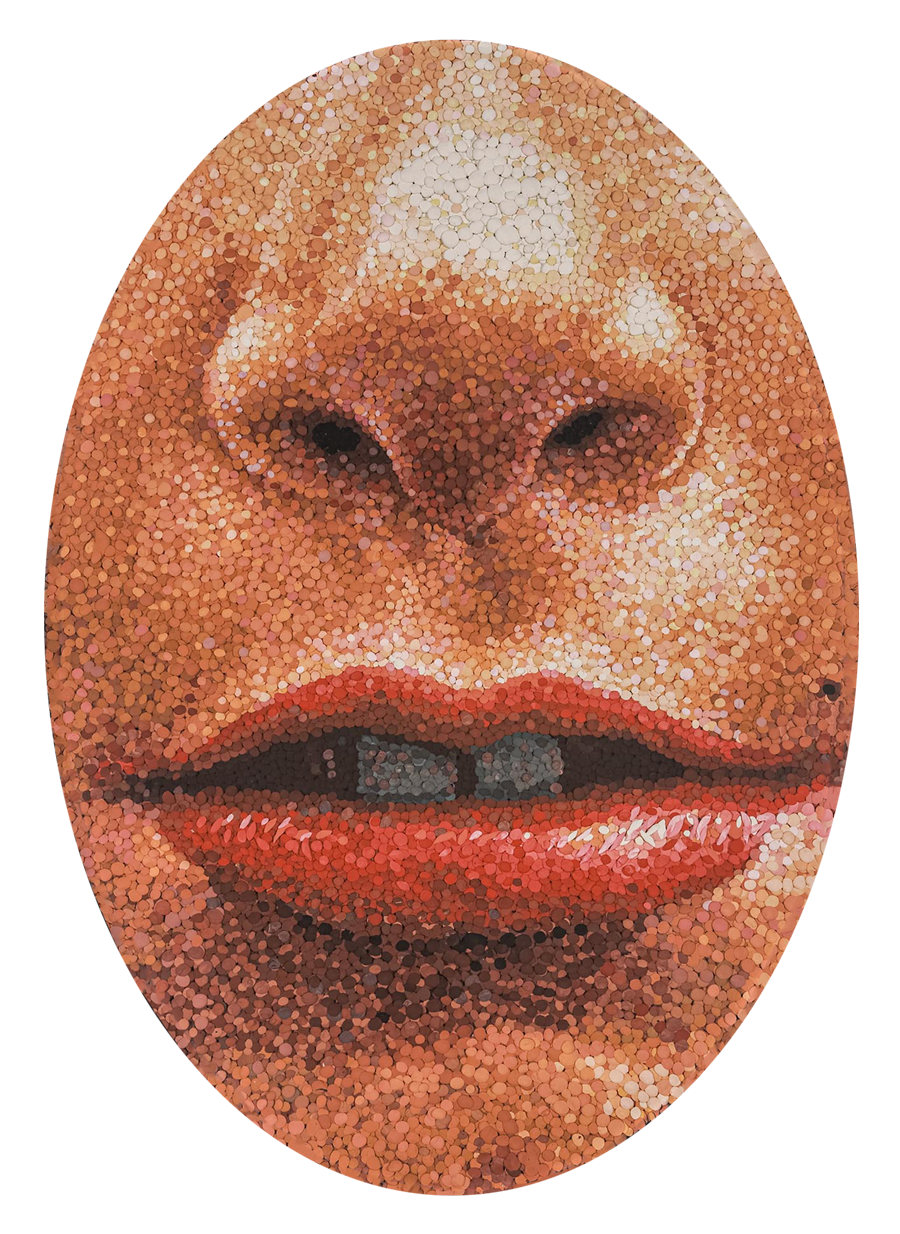
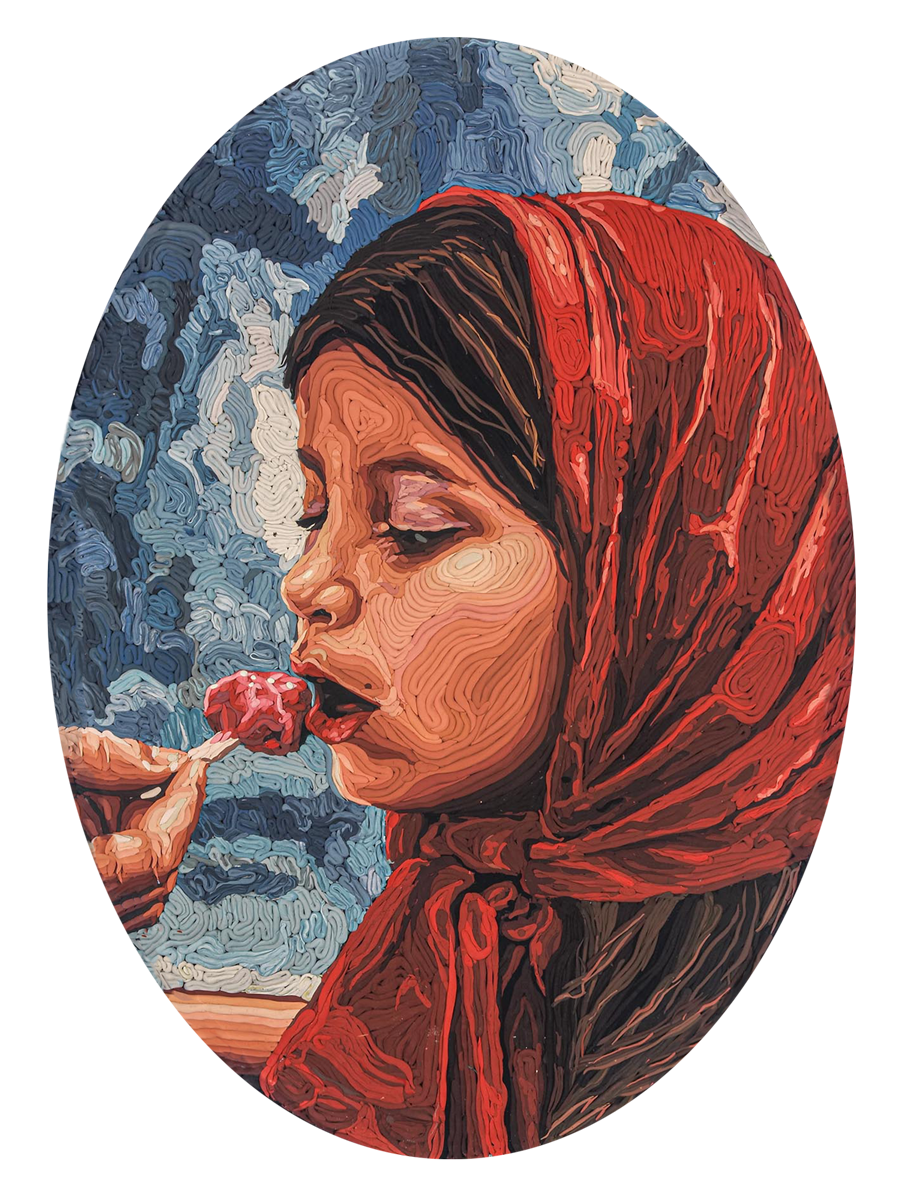
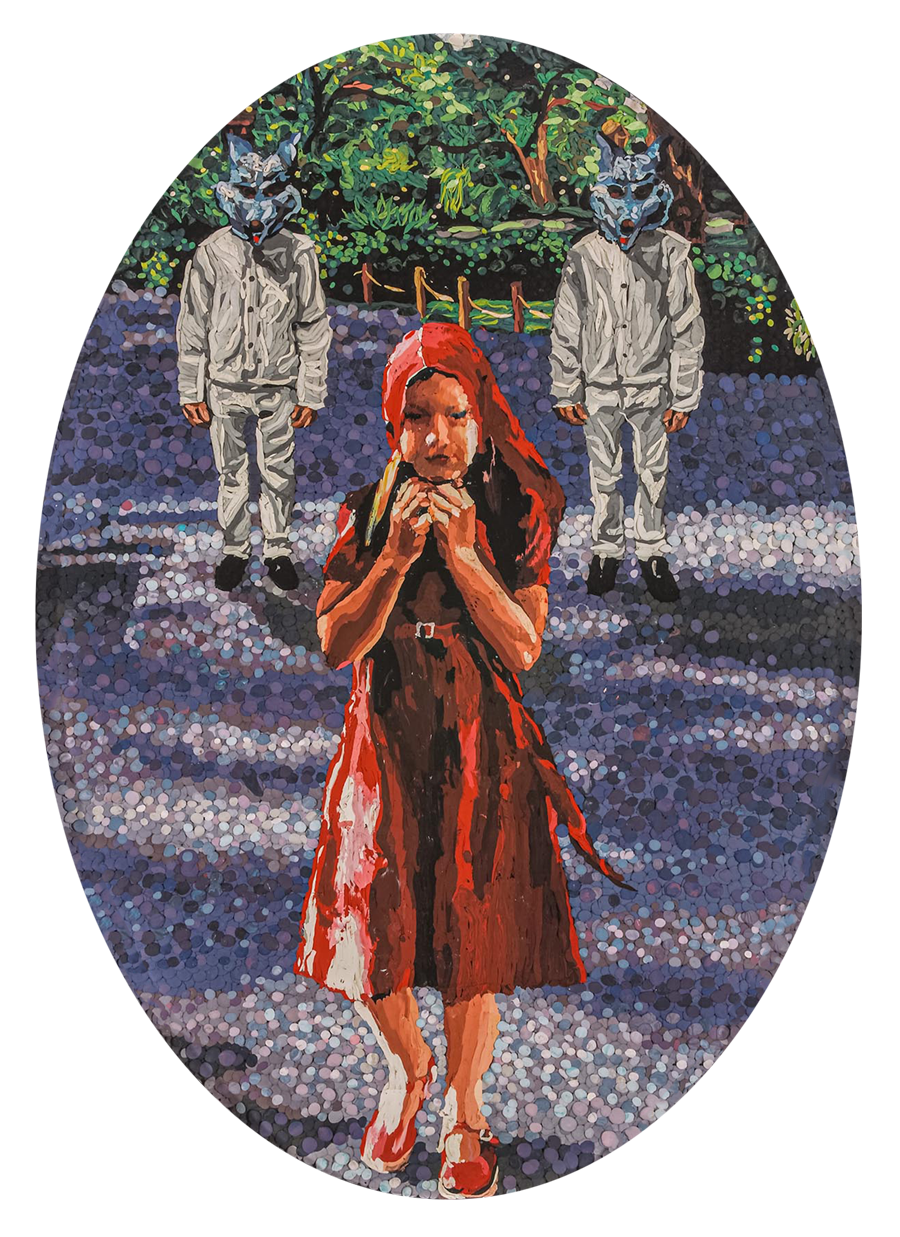
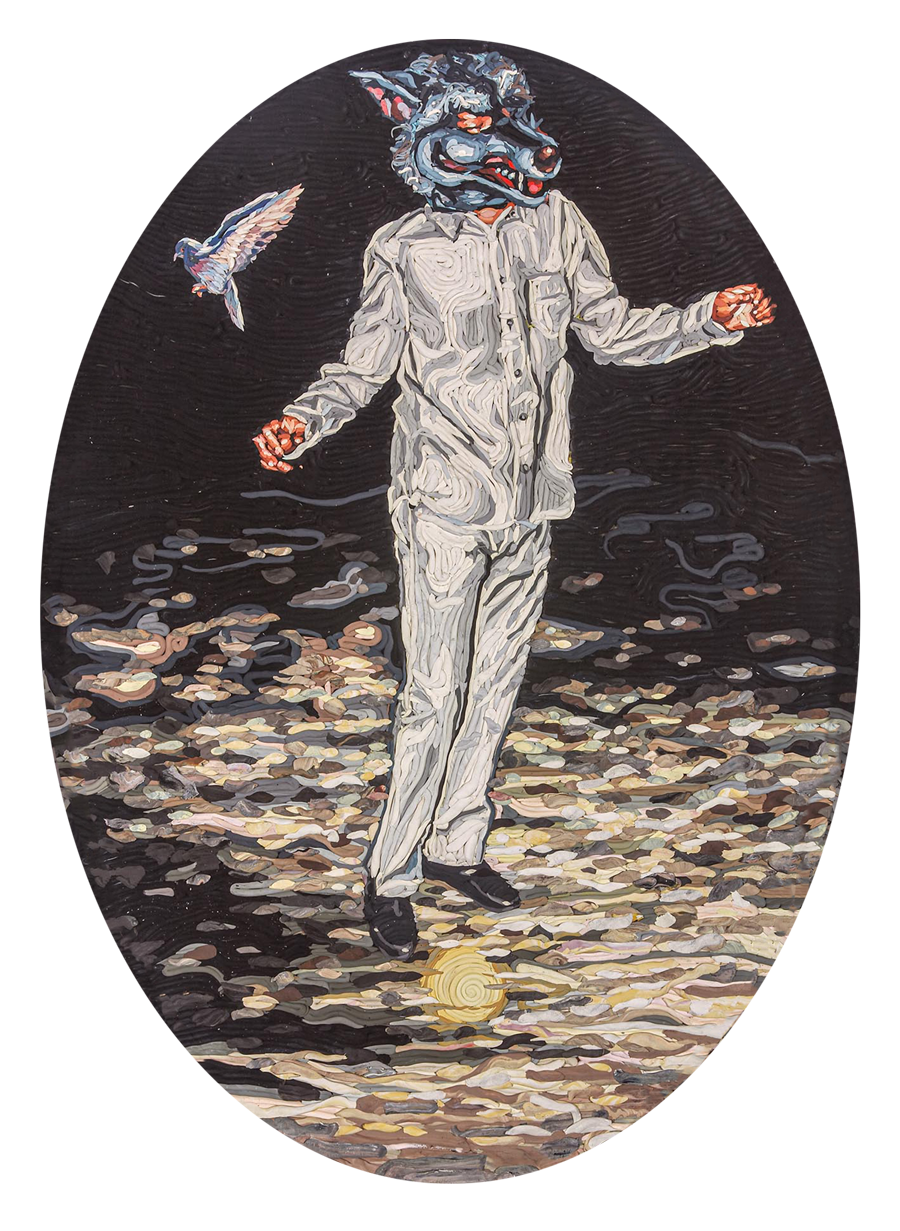
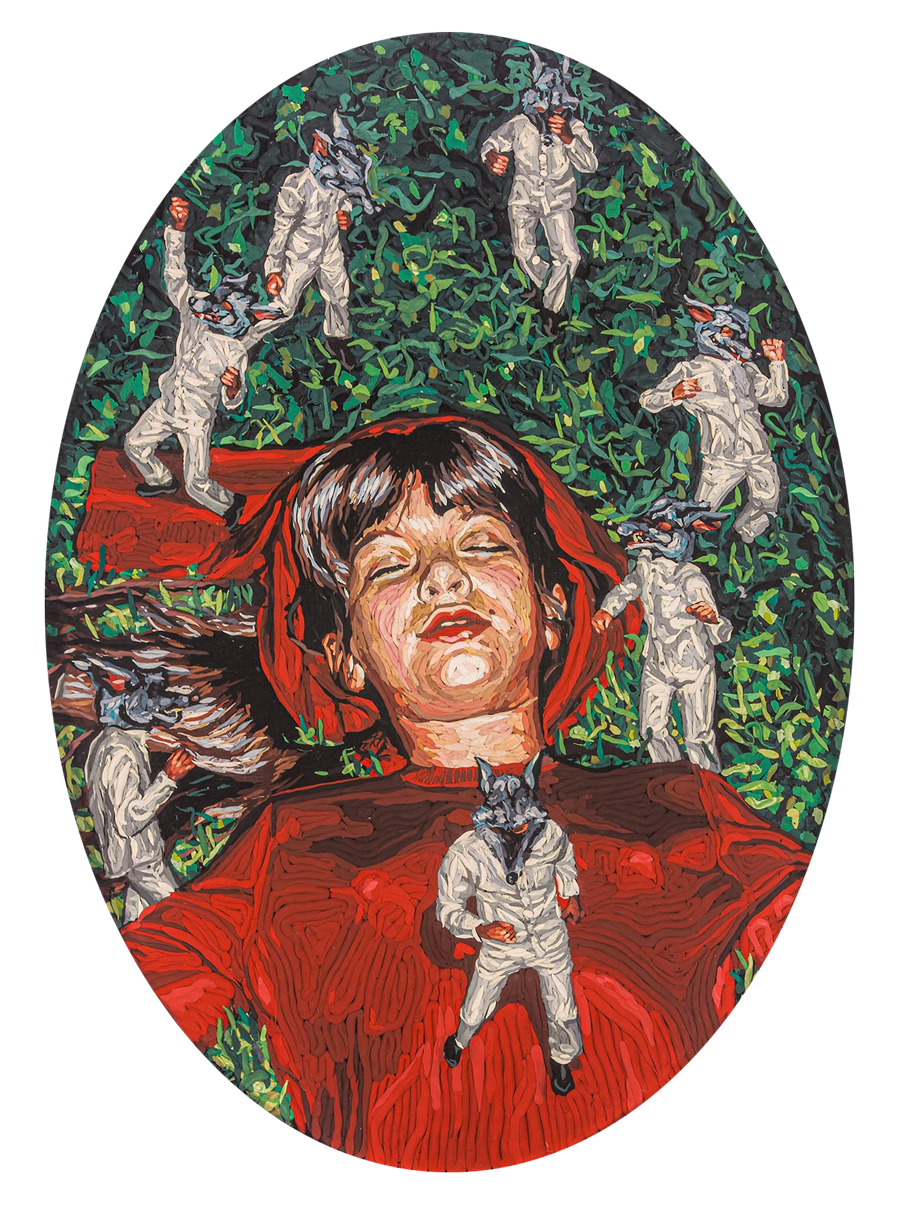
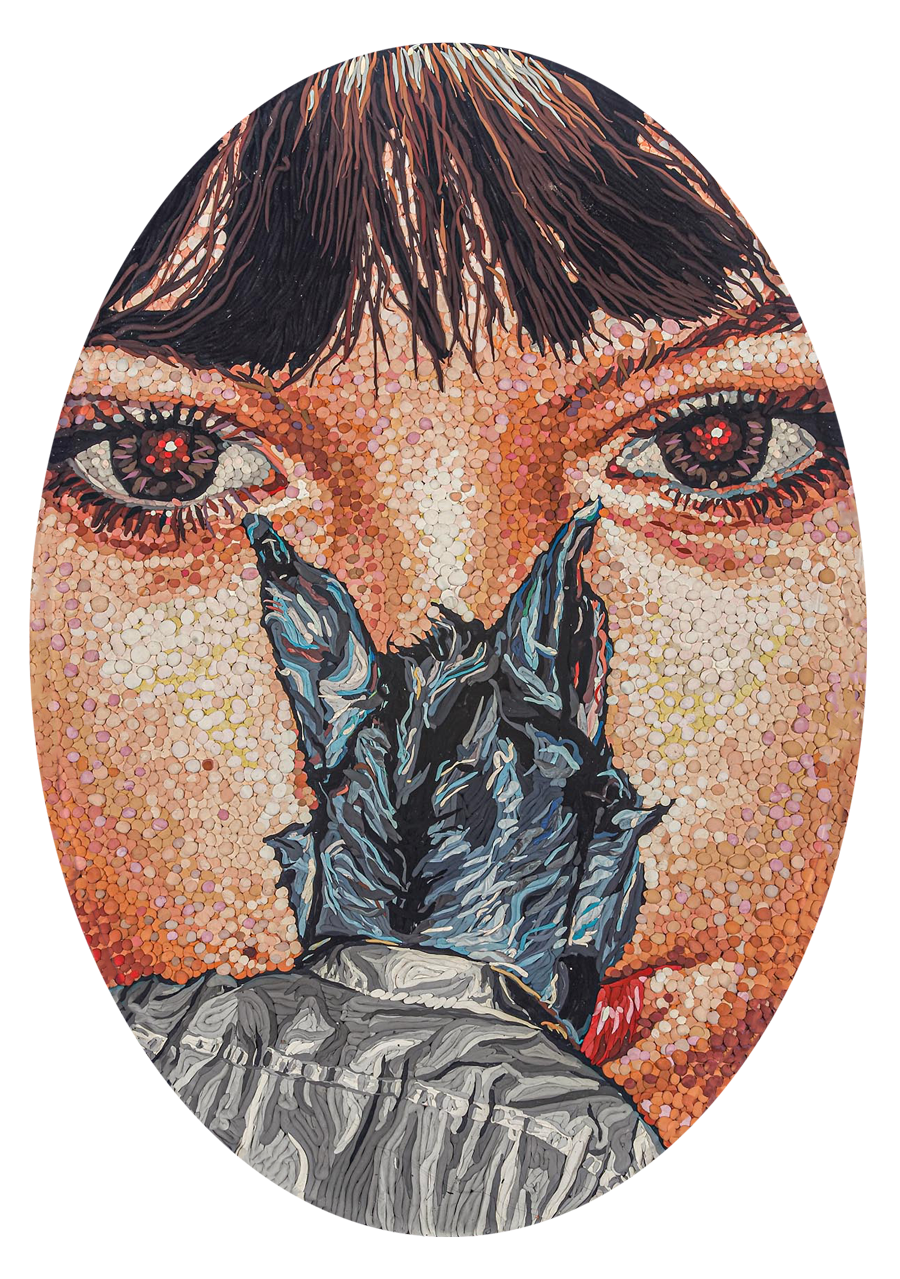
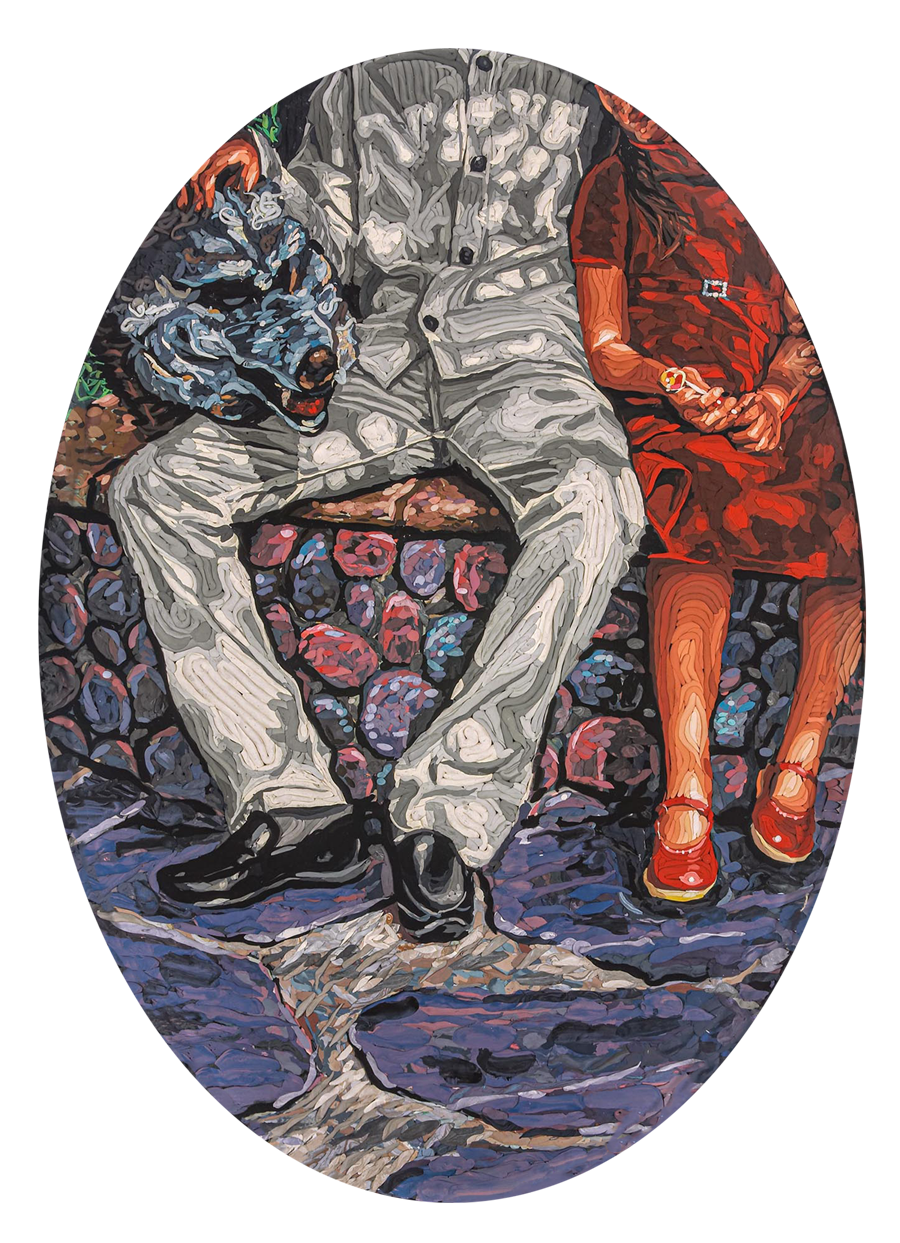
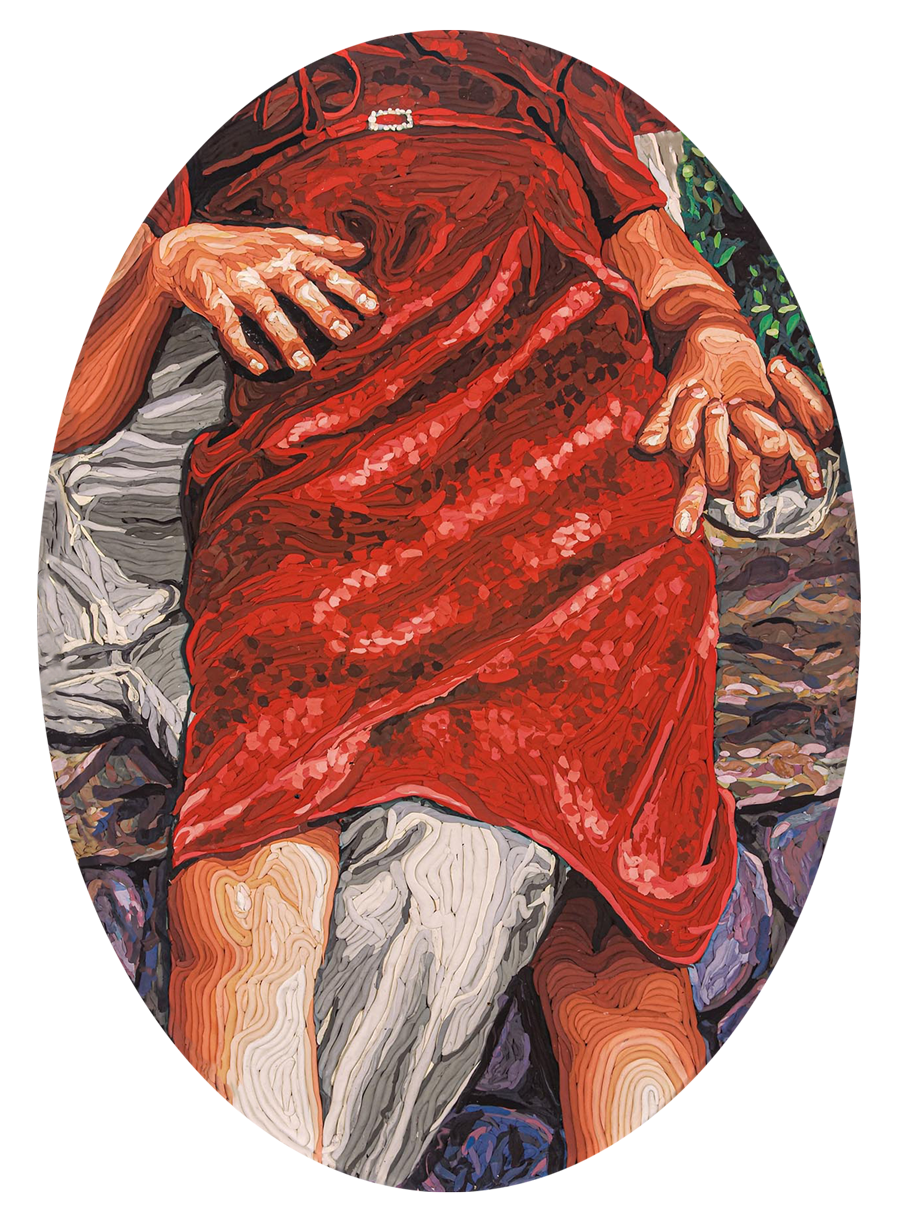
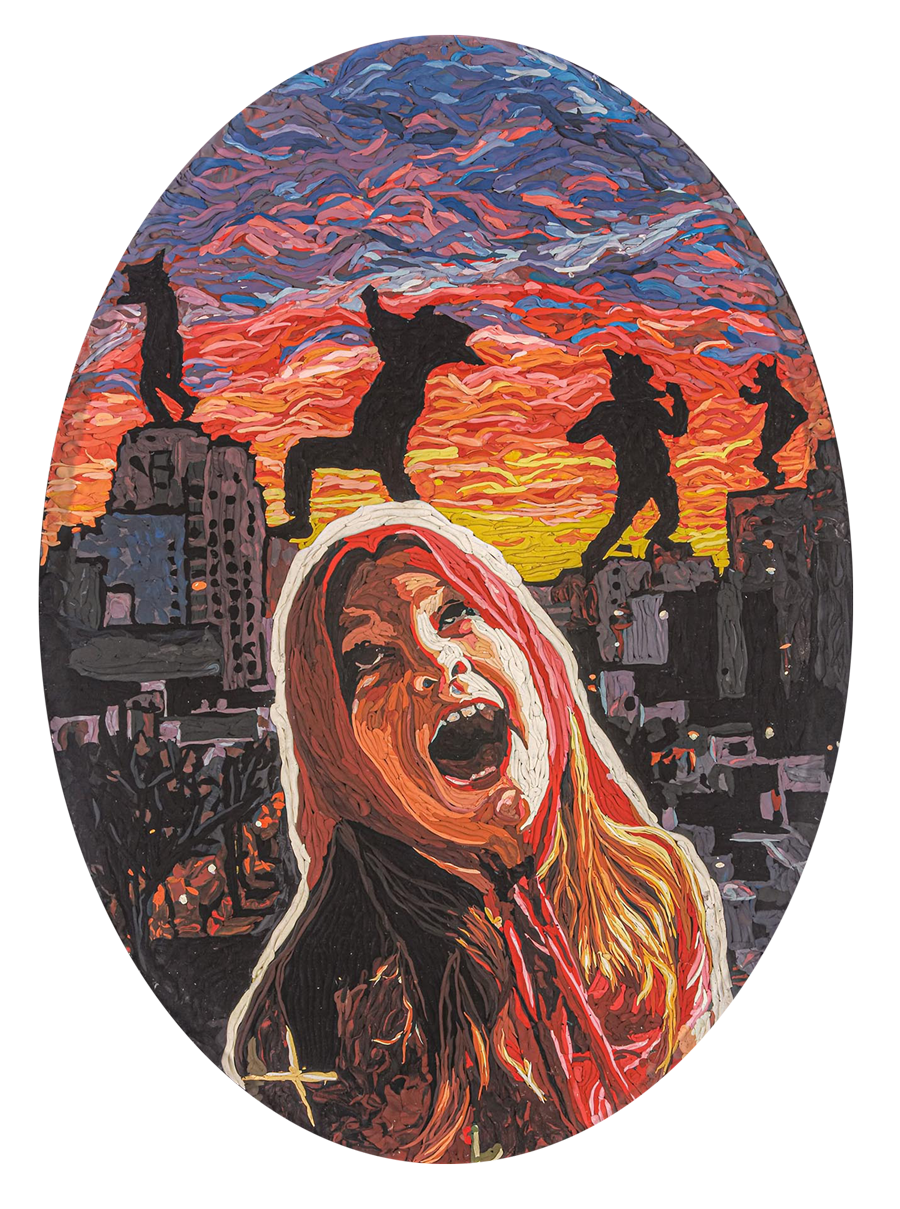
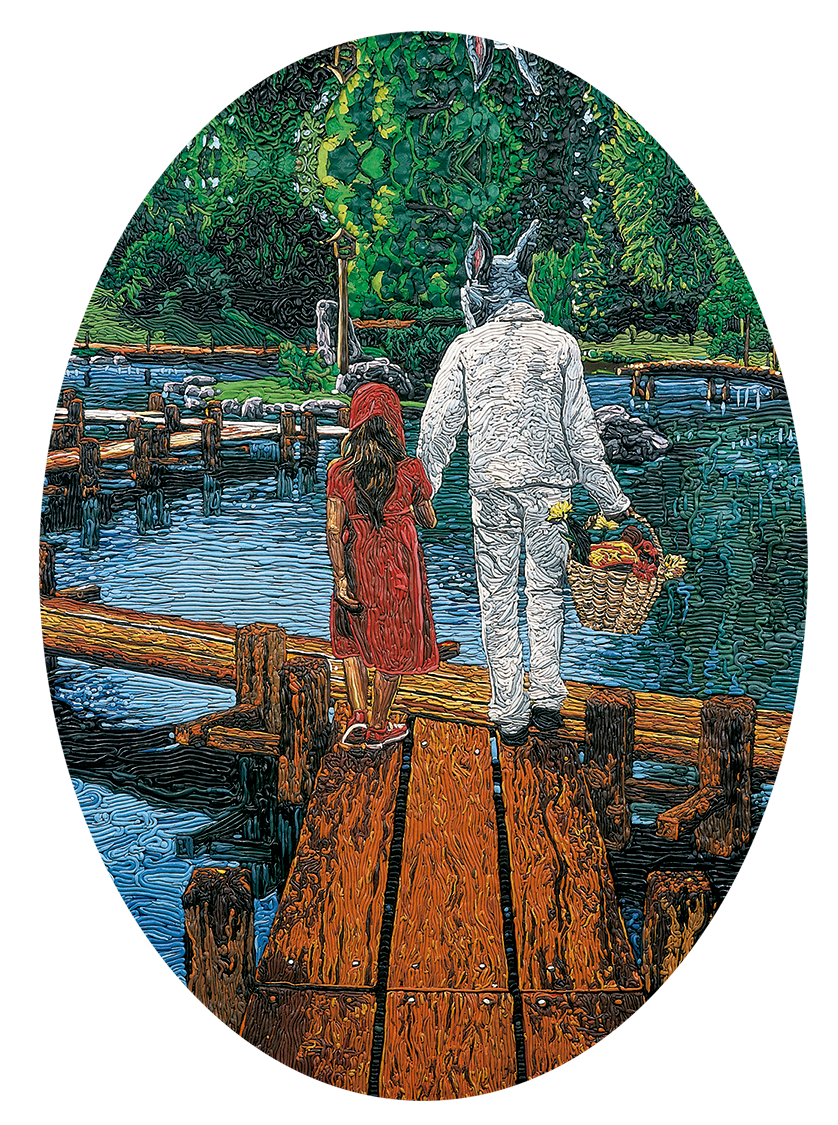
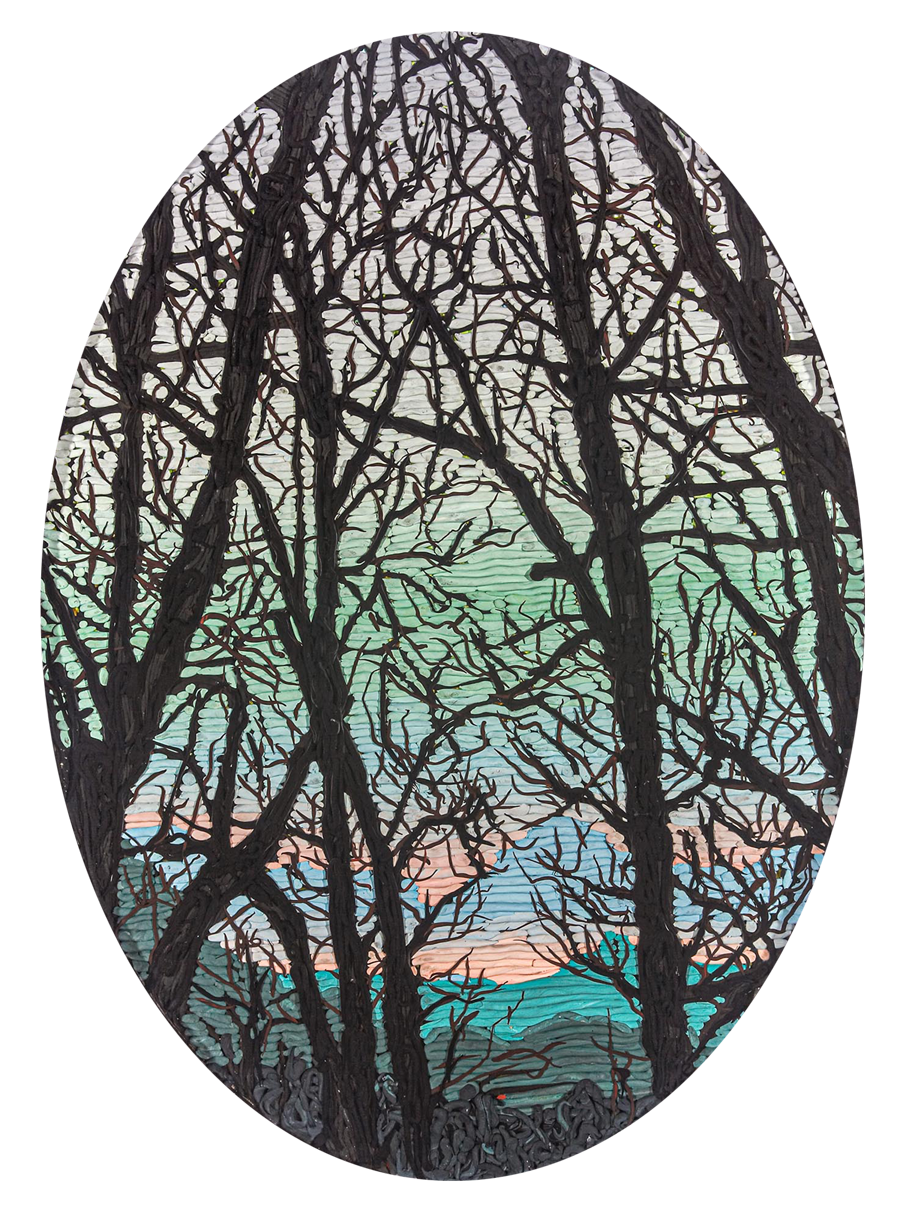
LITTLE RED RIDING HOOD SERIES
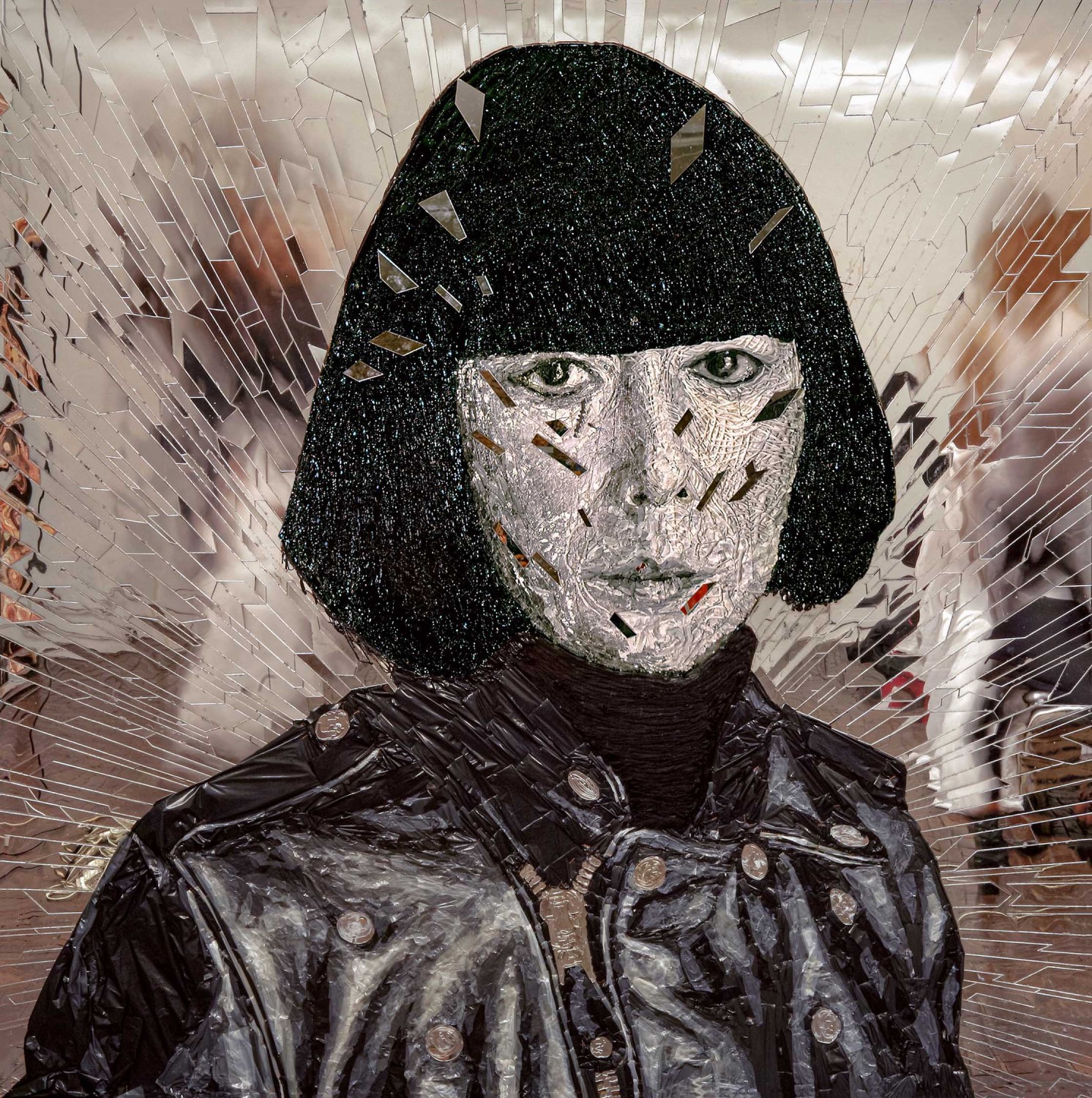
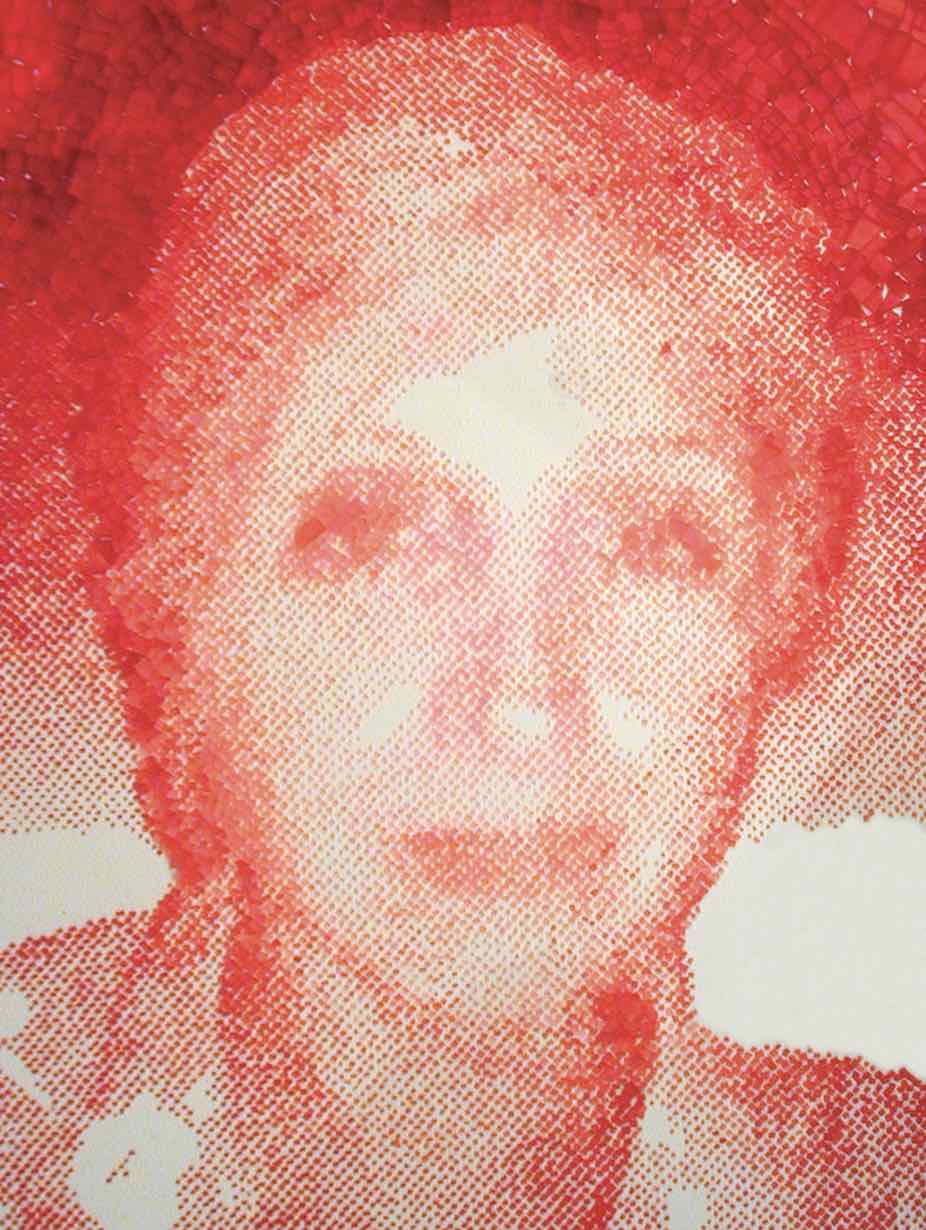
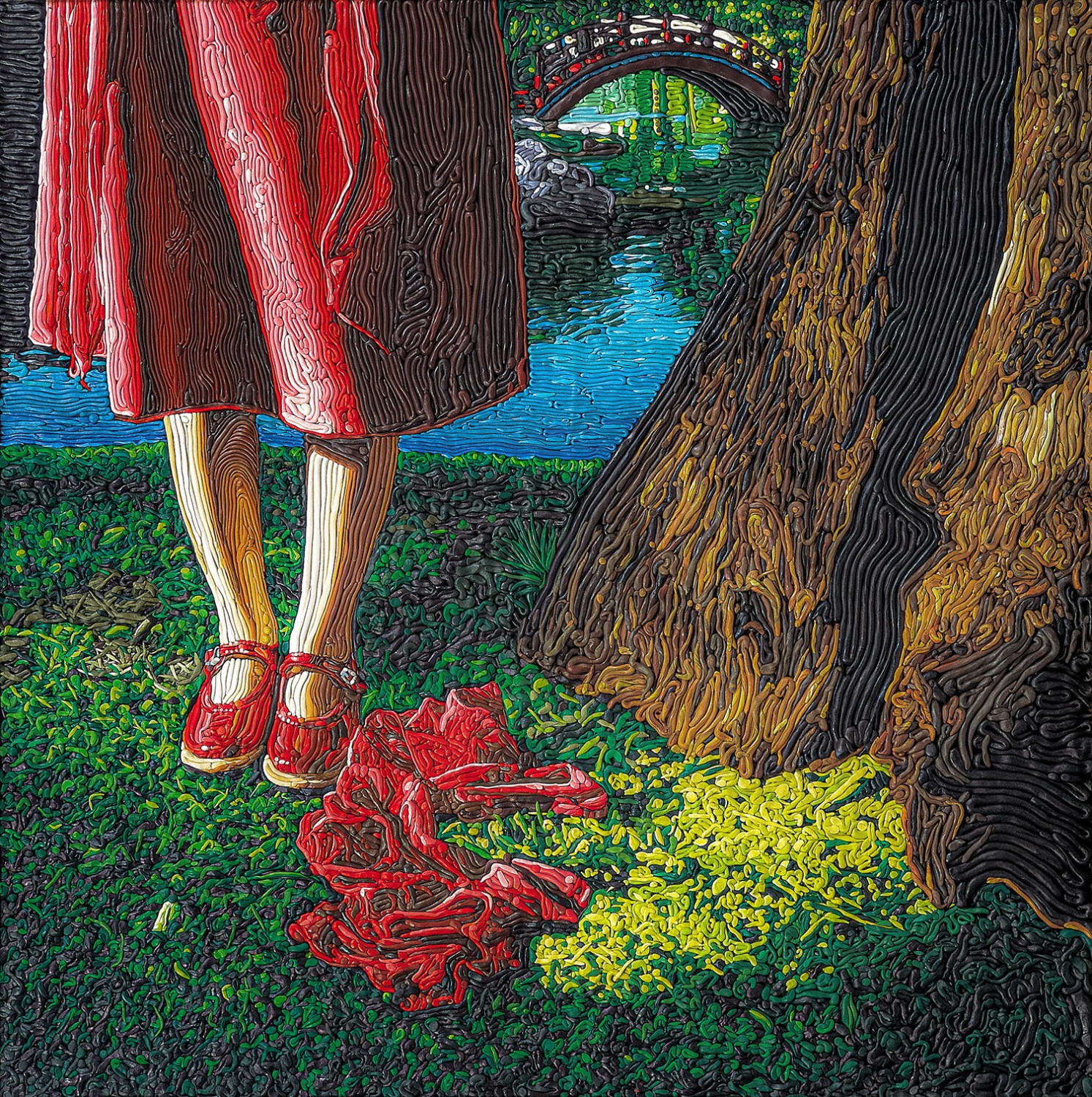
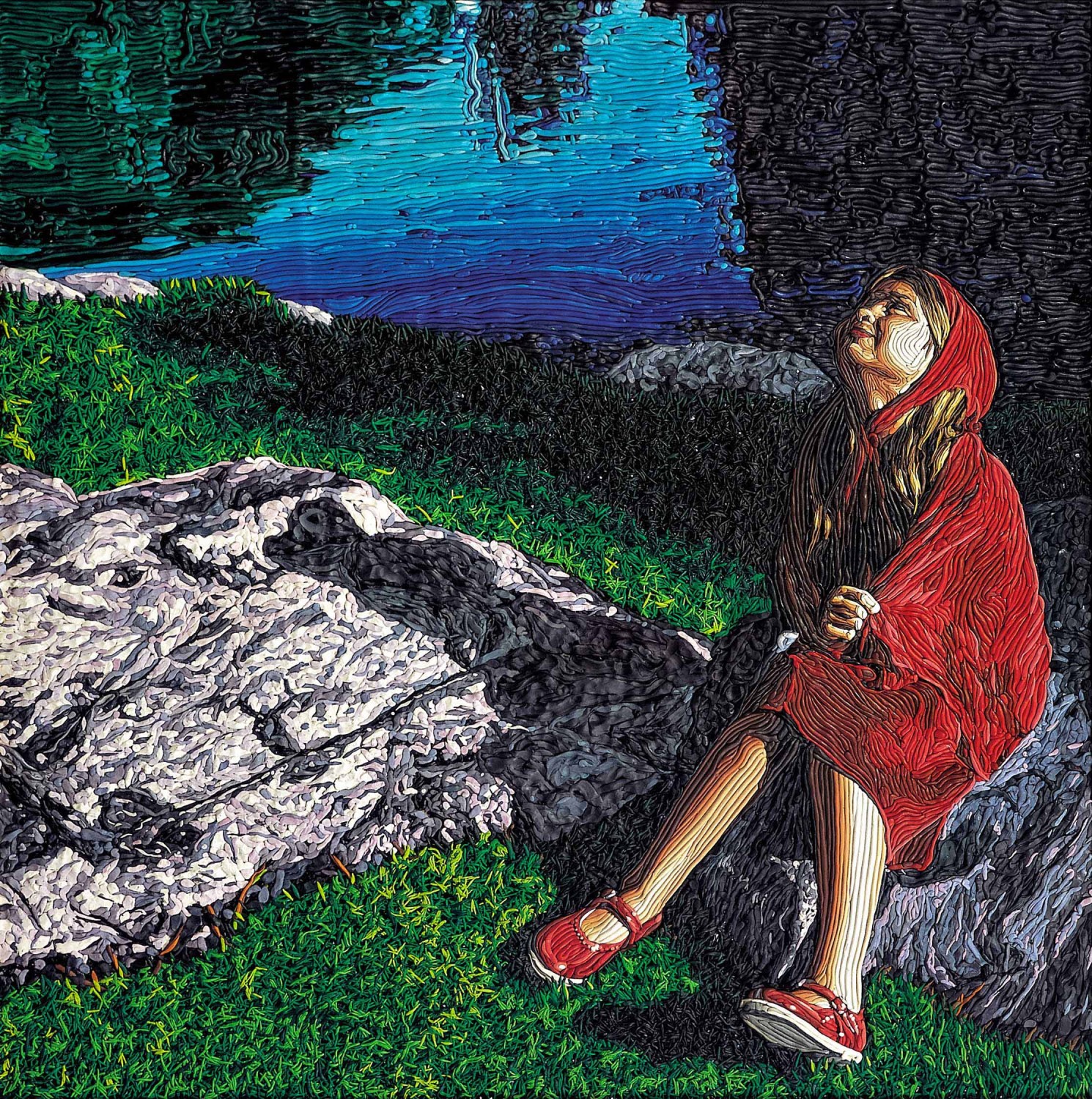
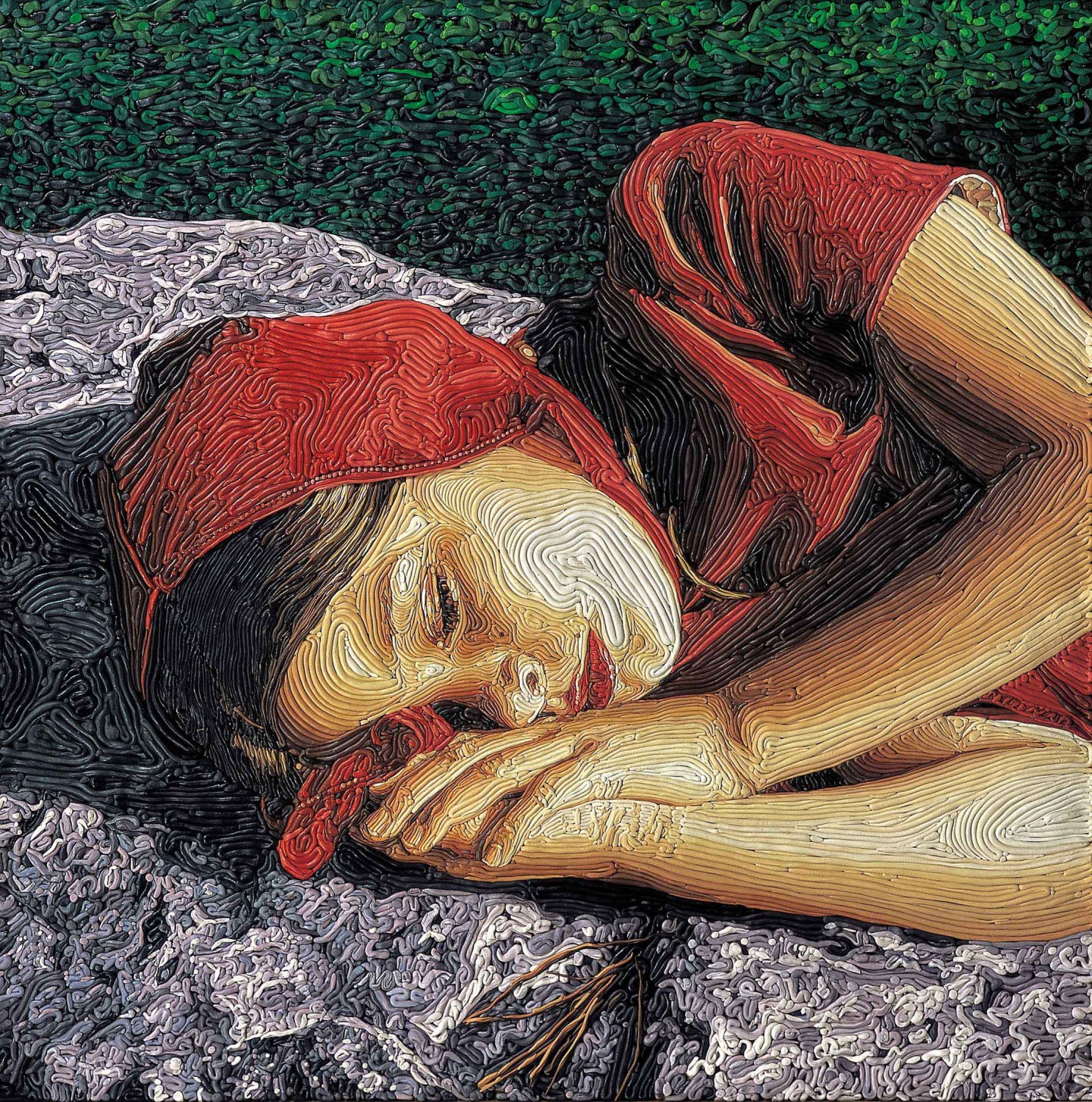
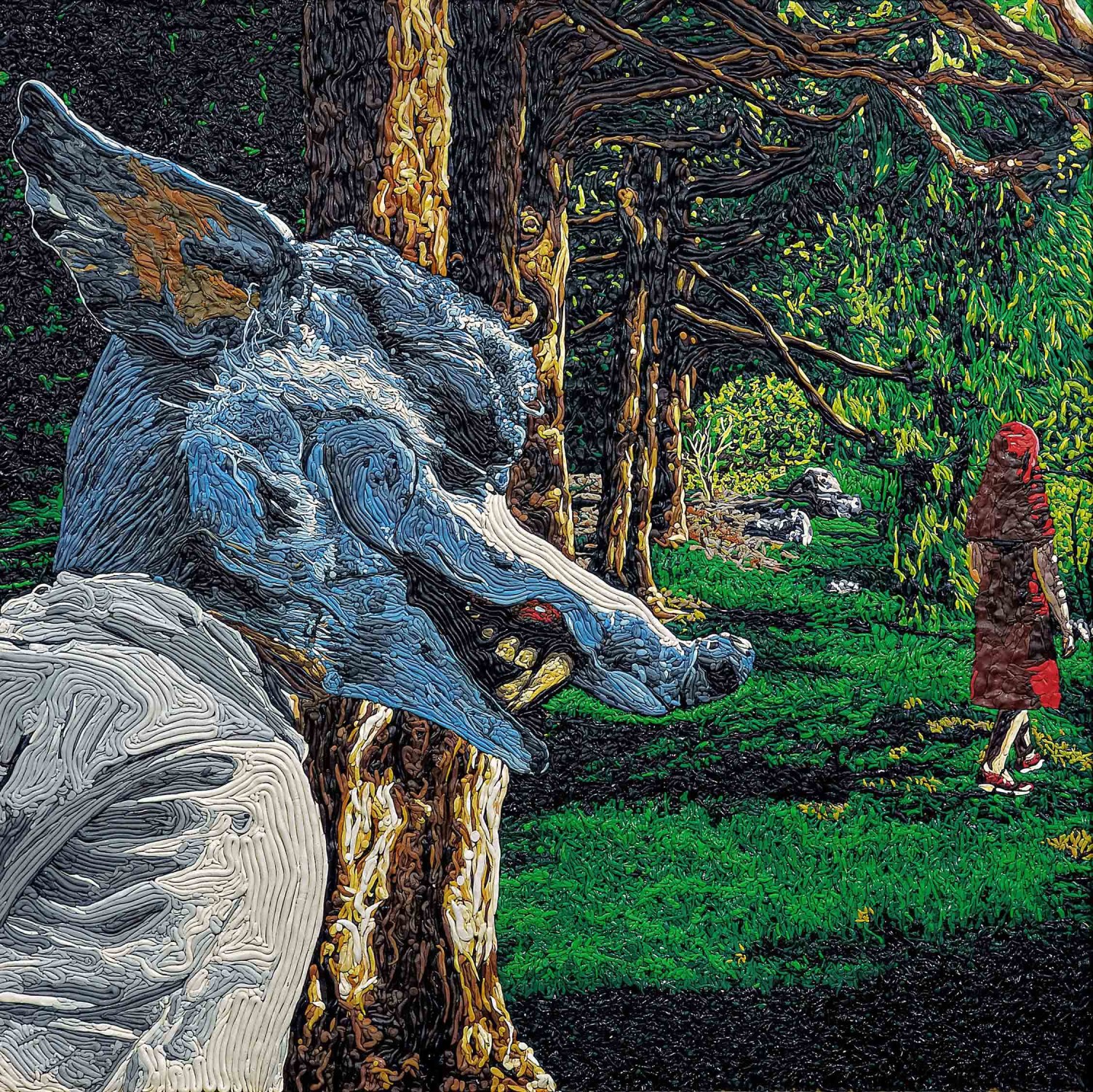
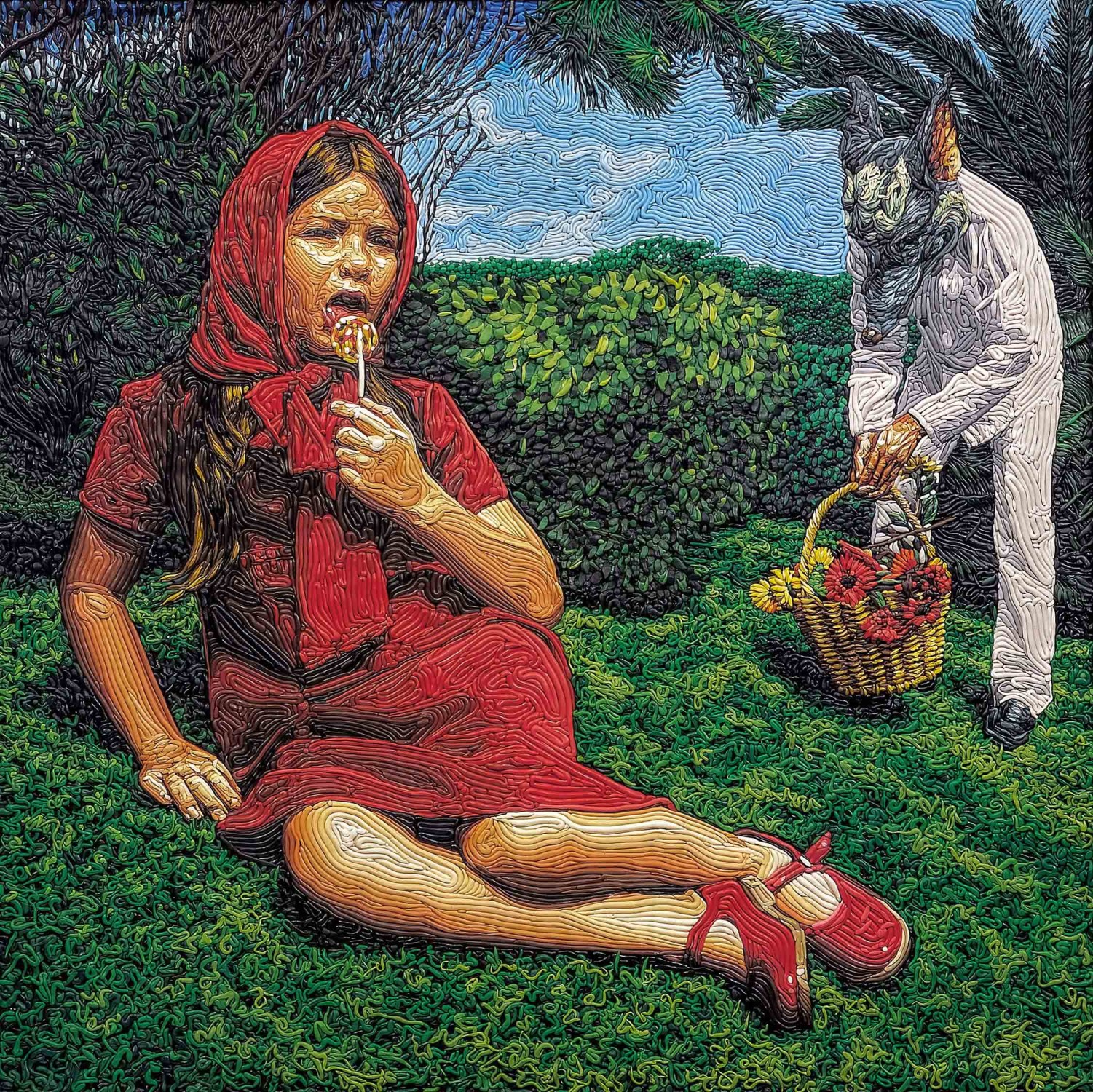
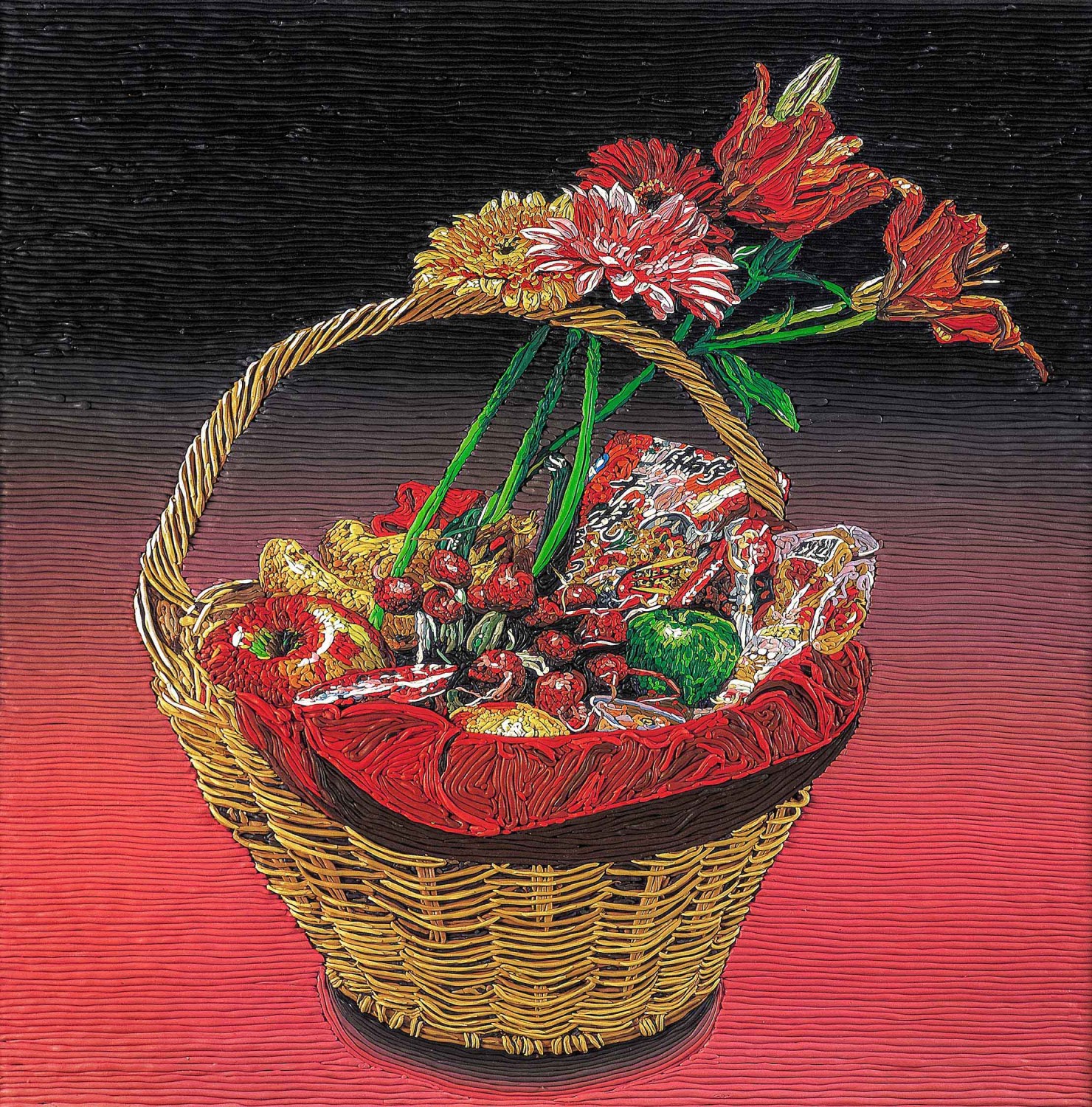
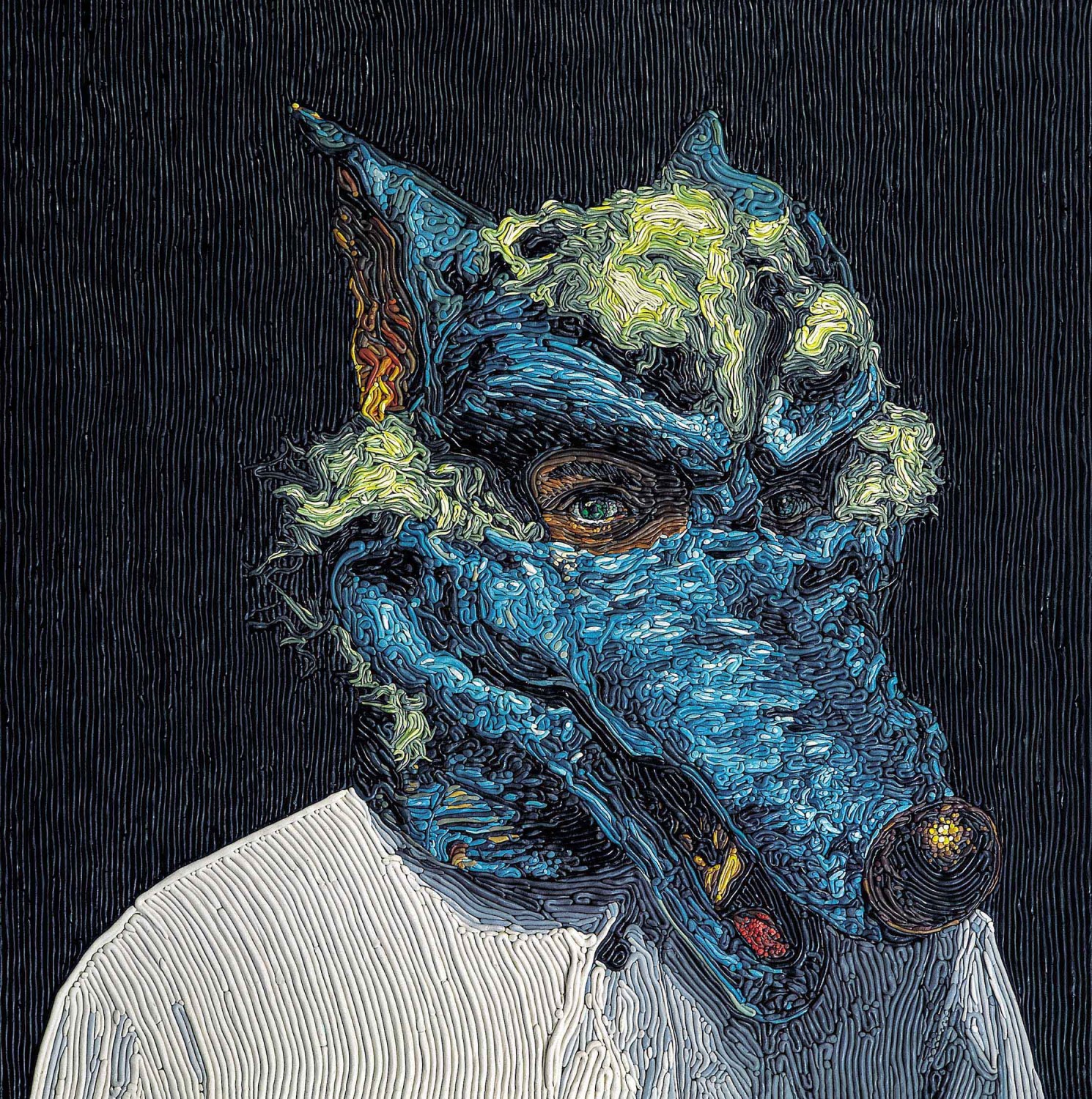
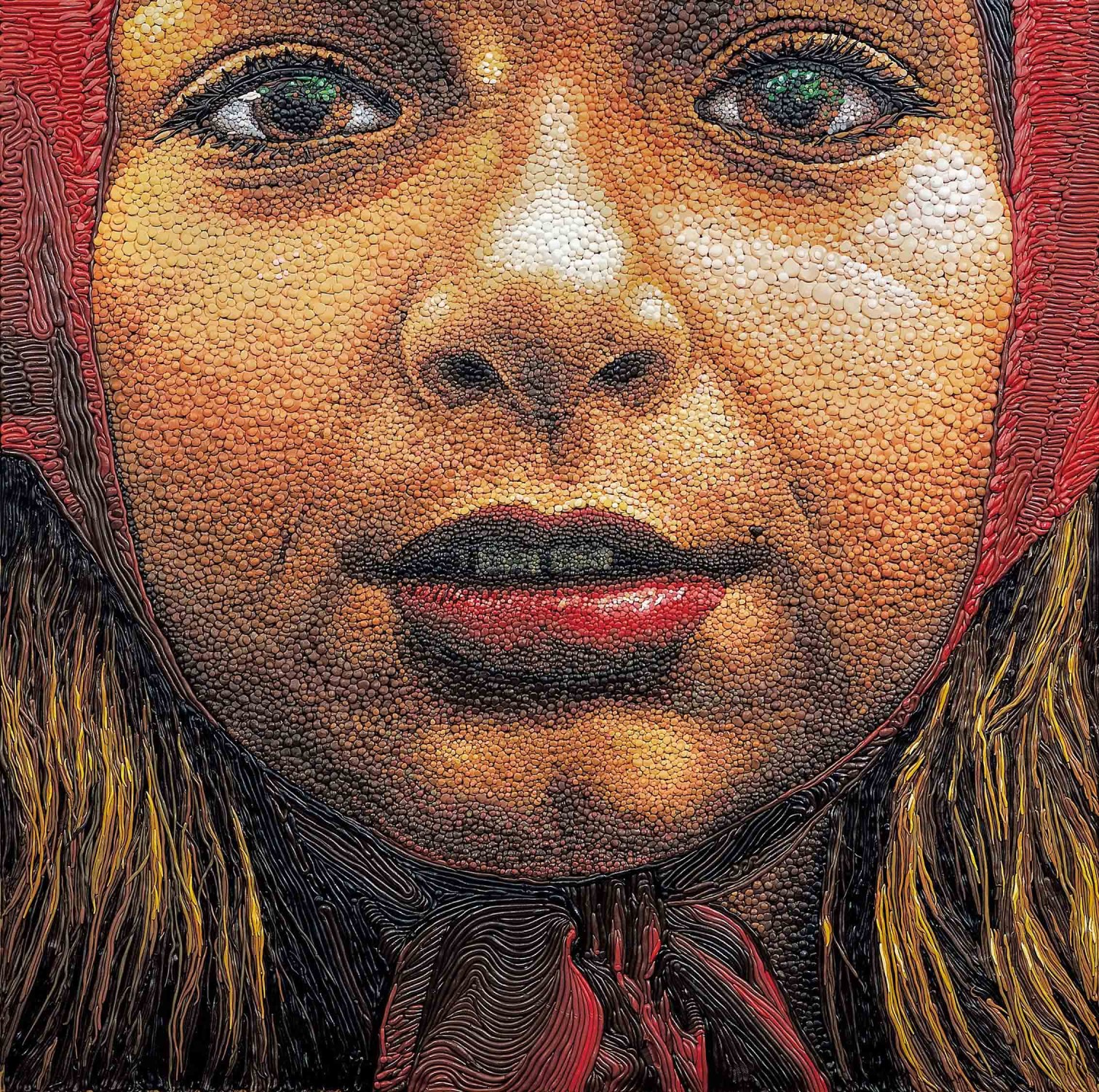
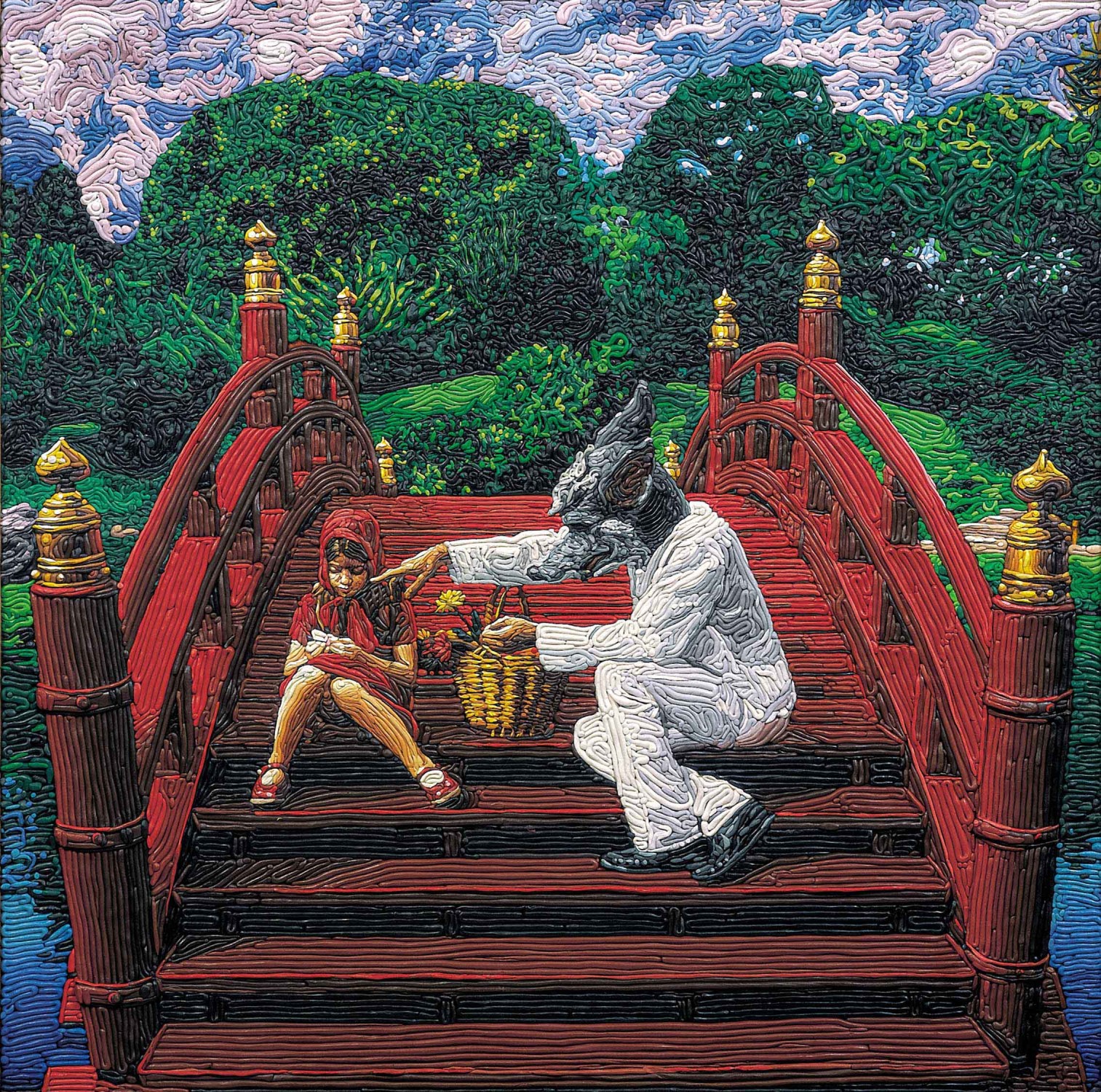
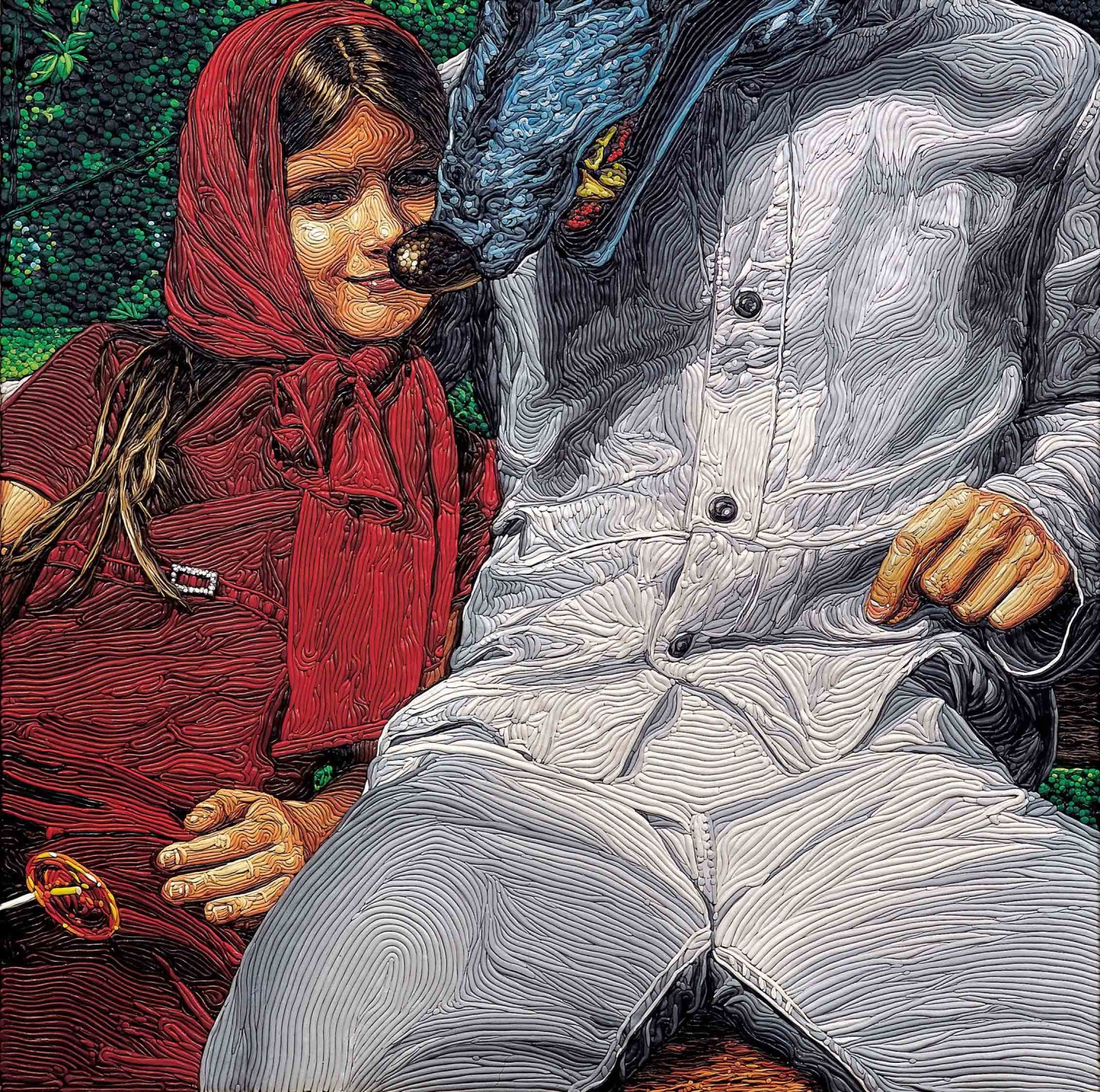
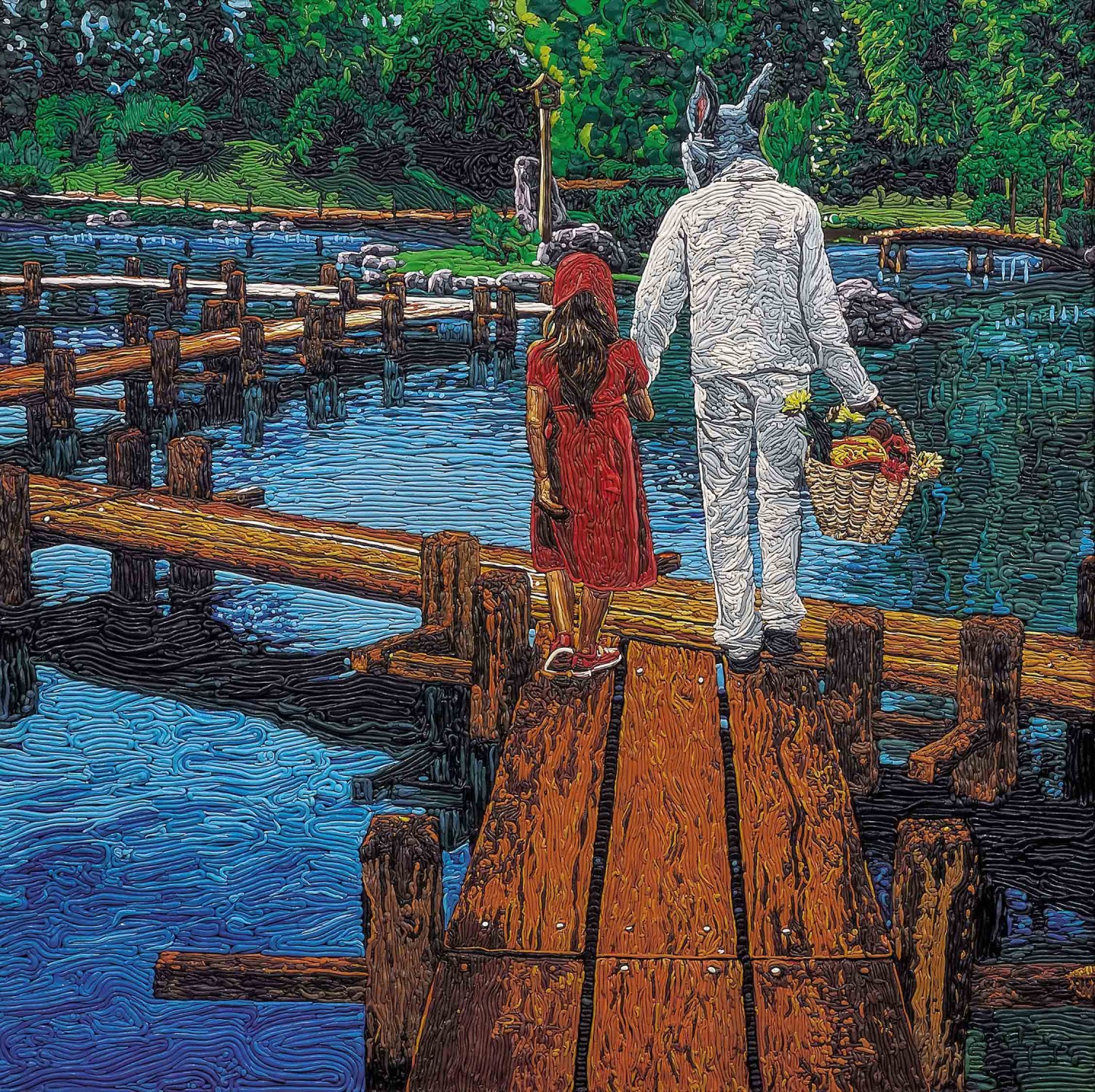
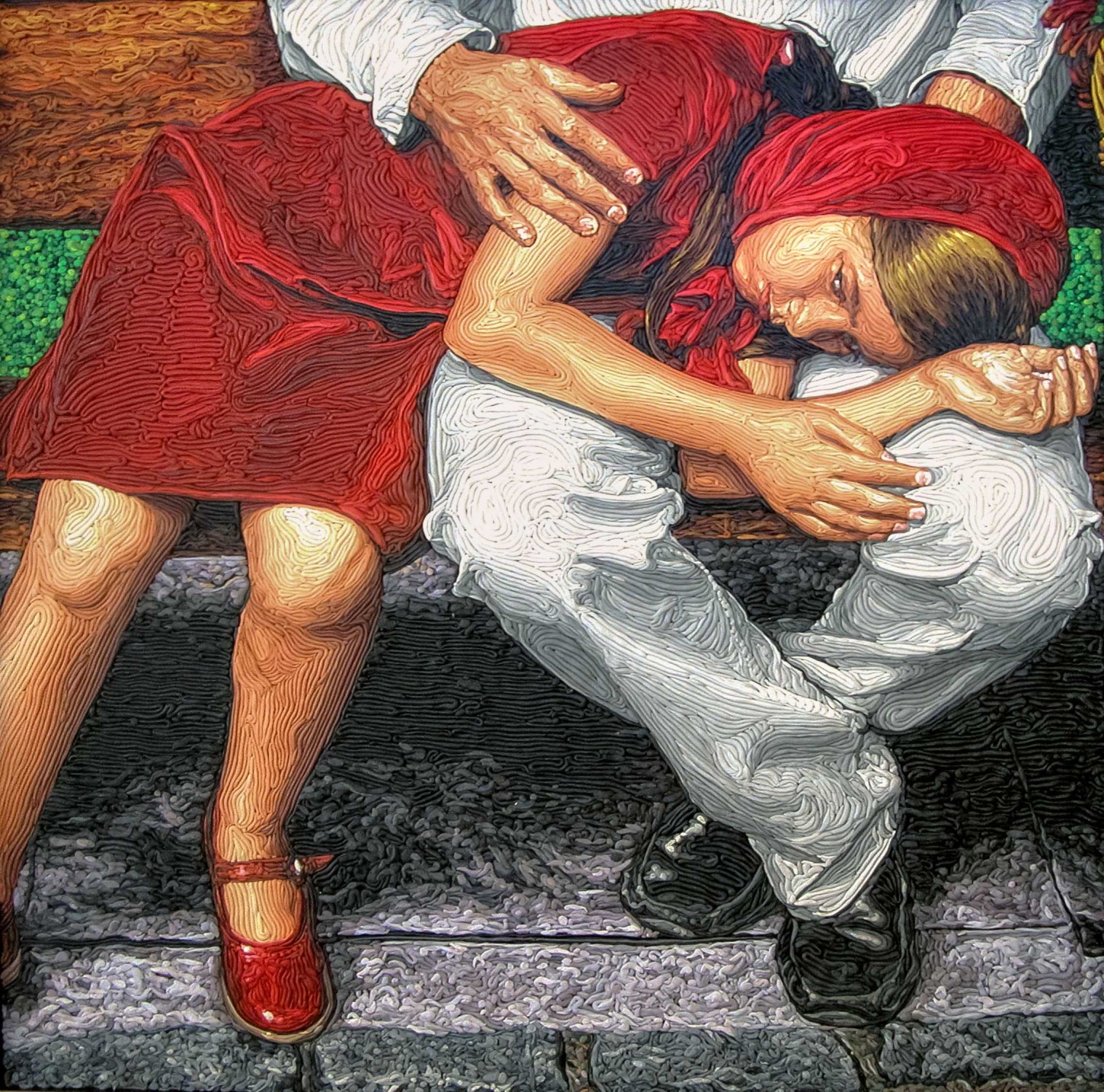
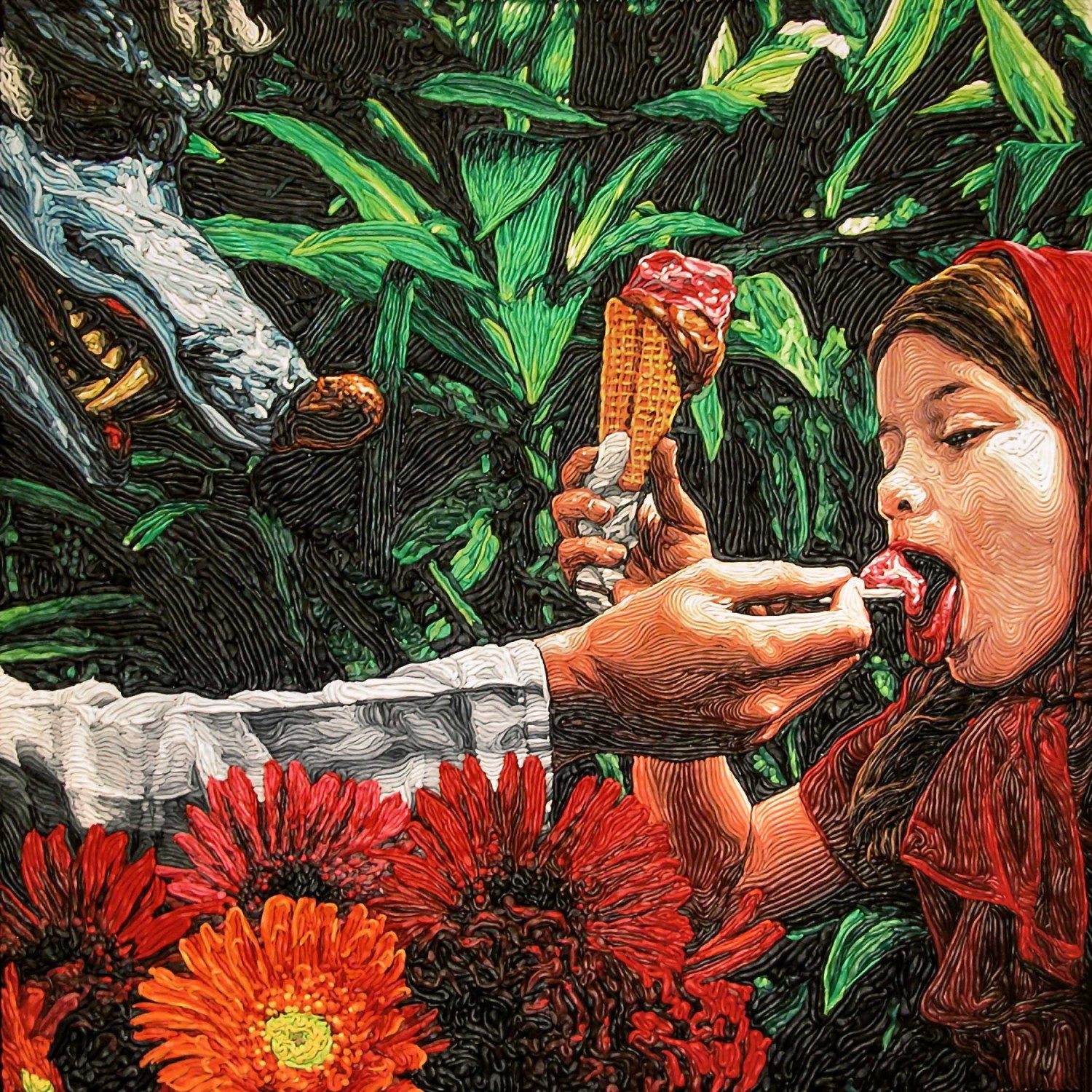
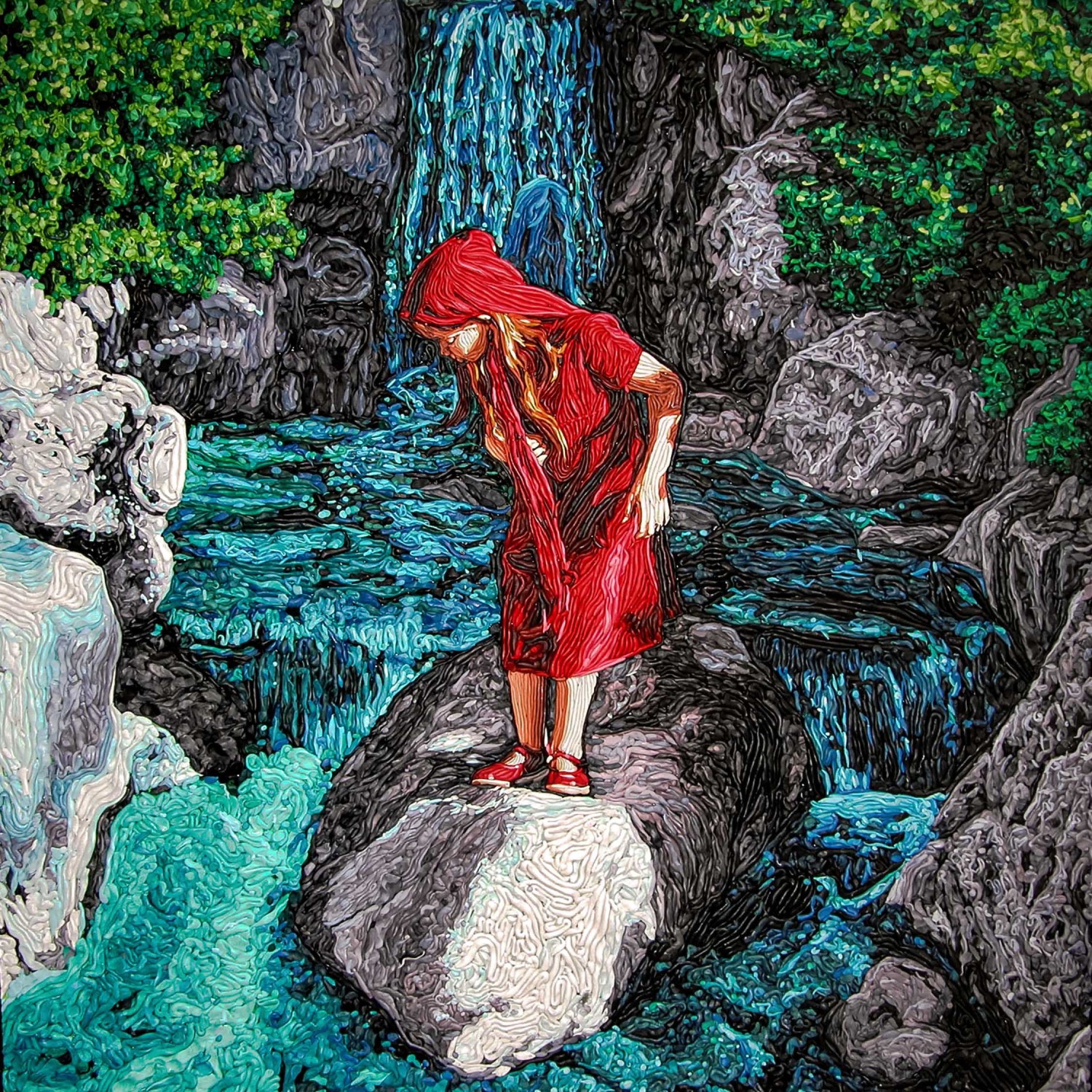
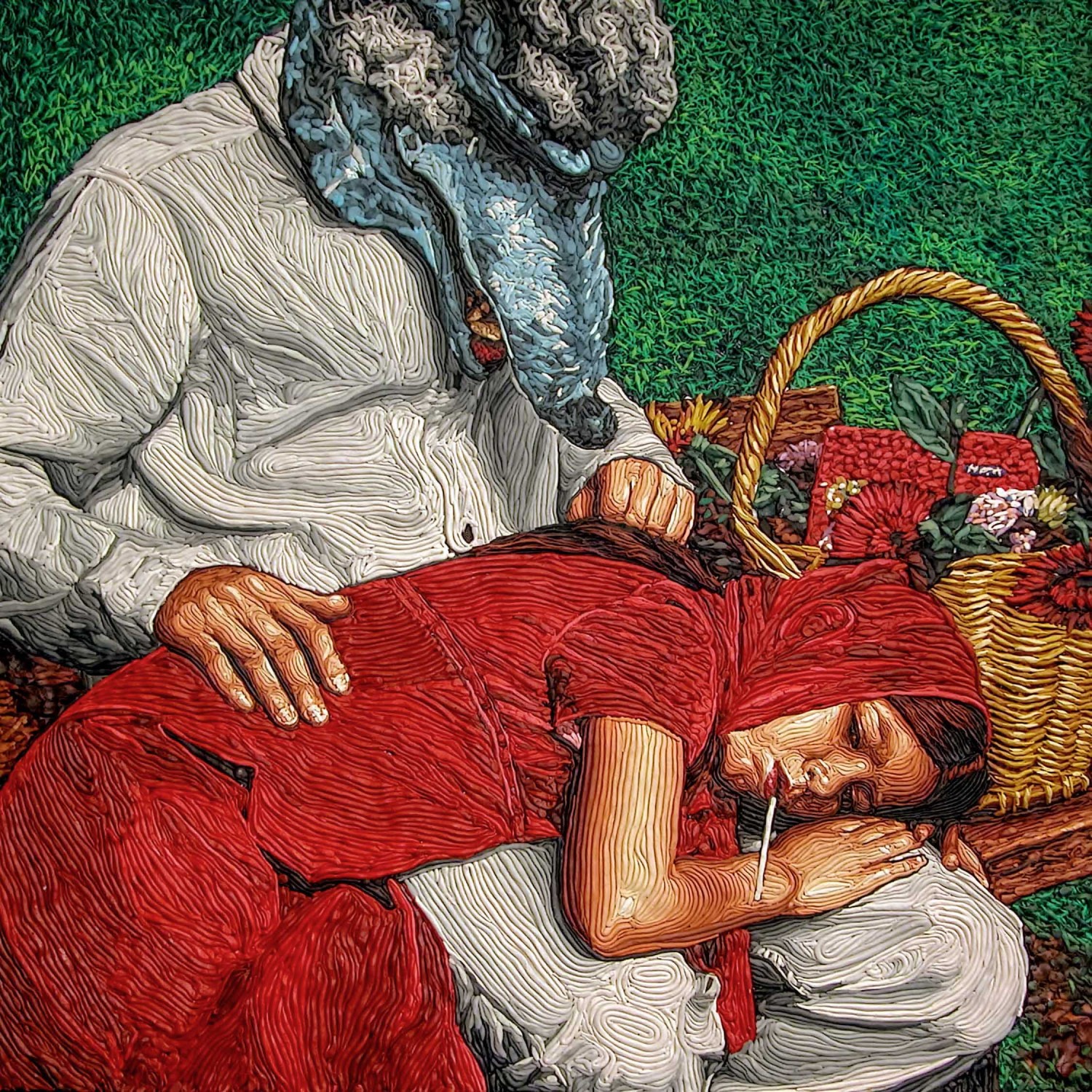
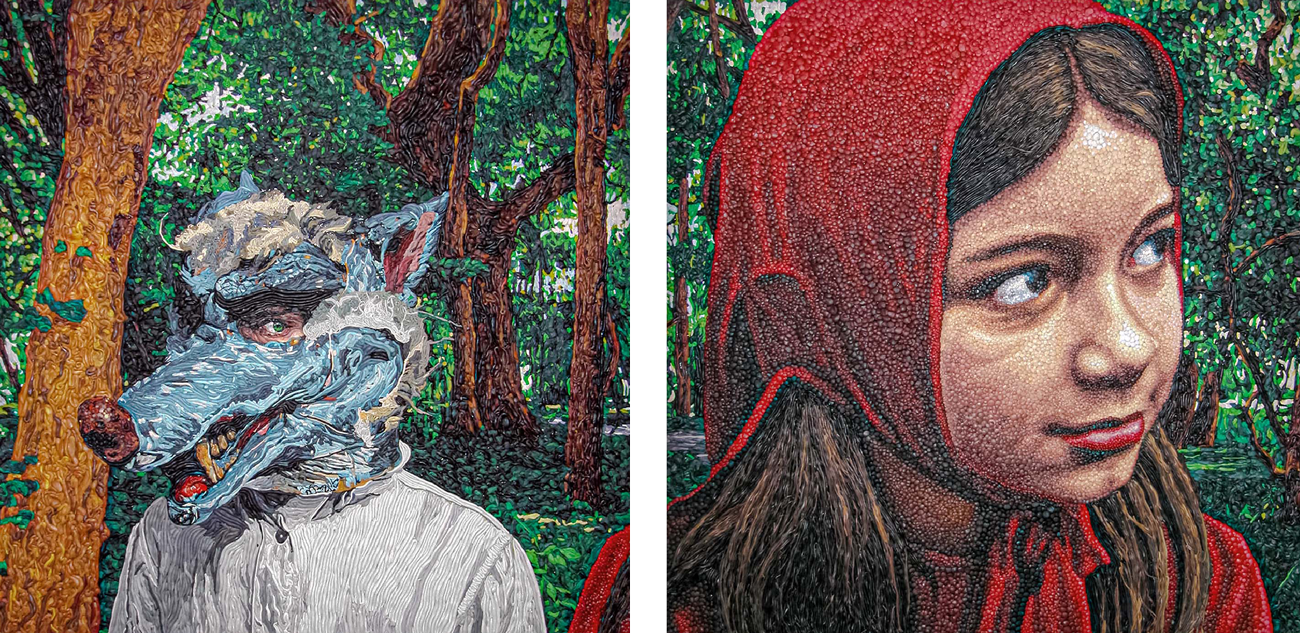
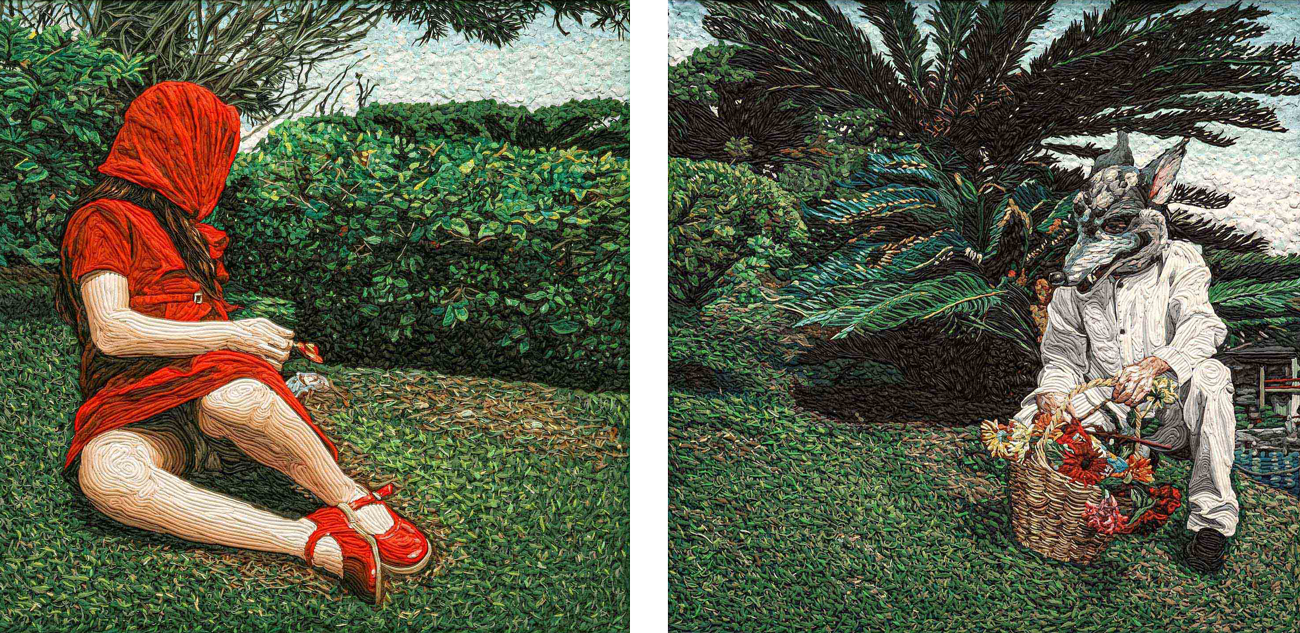
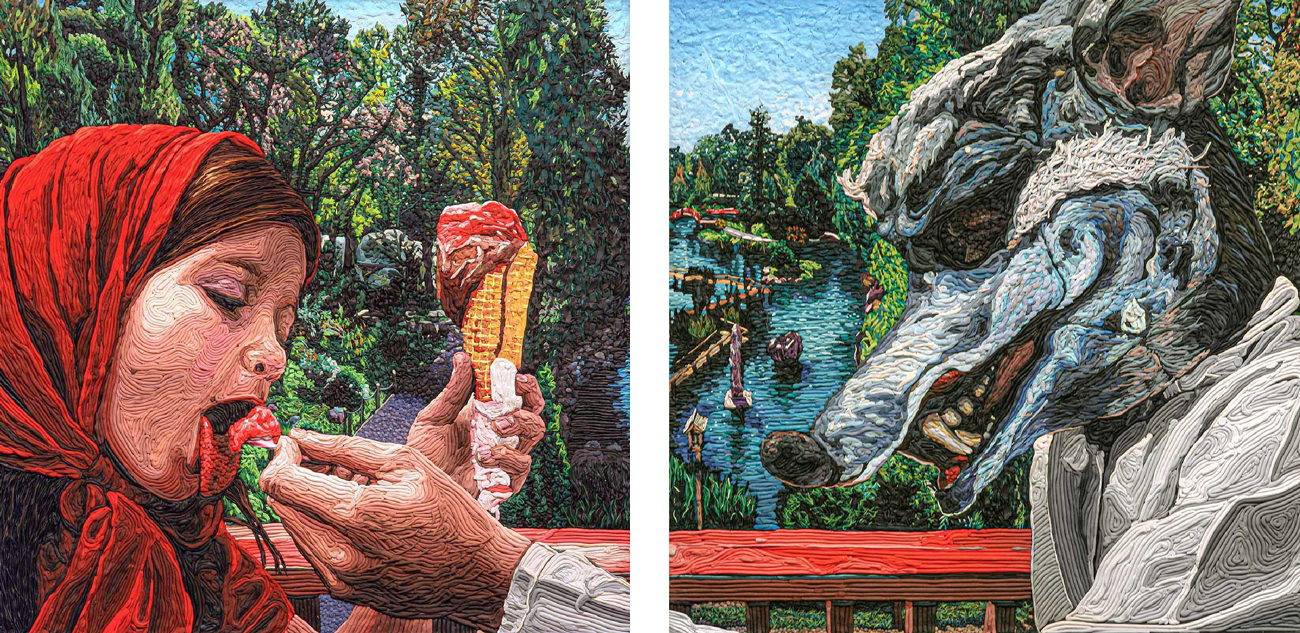
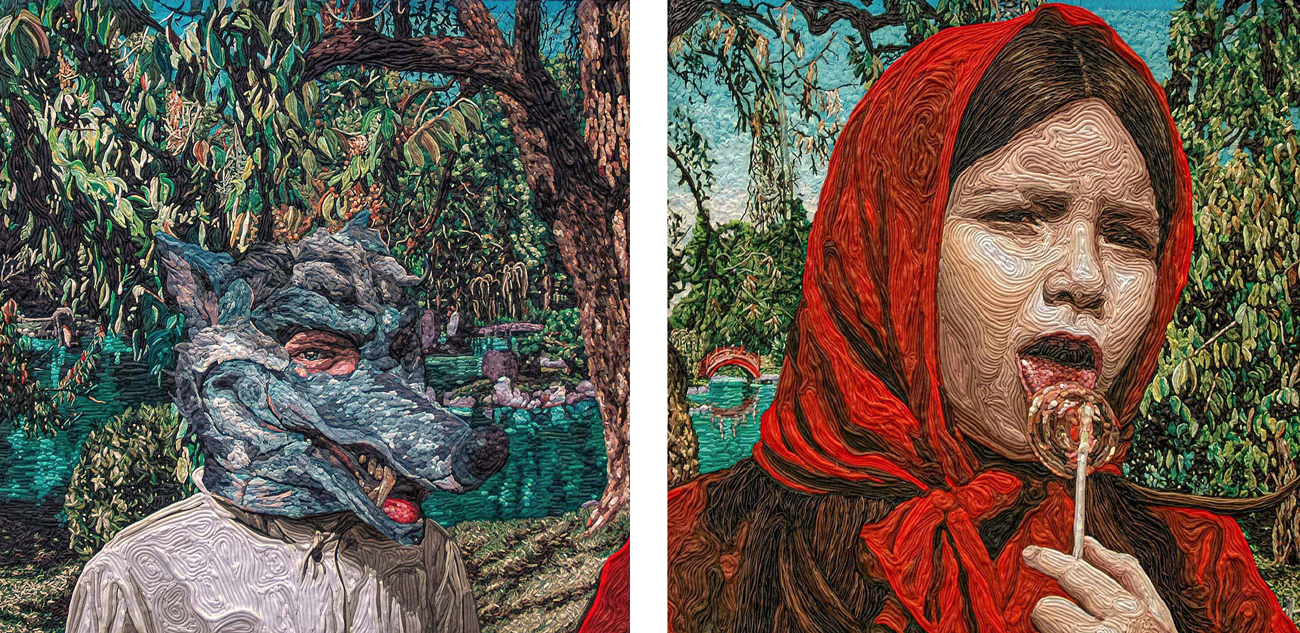
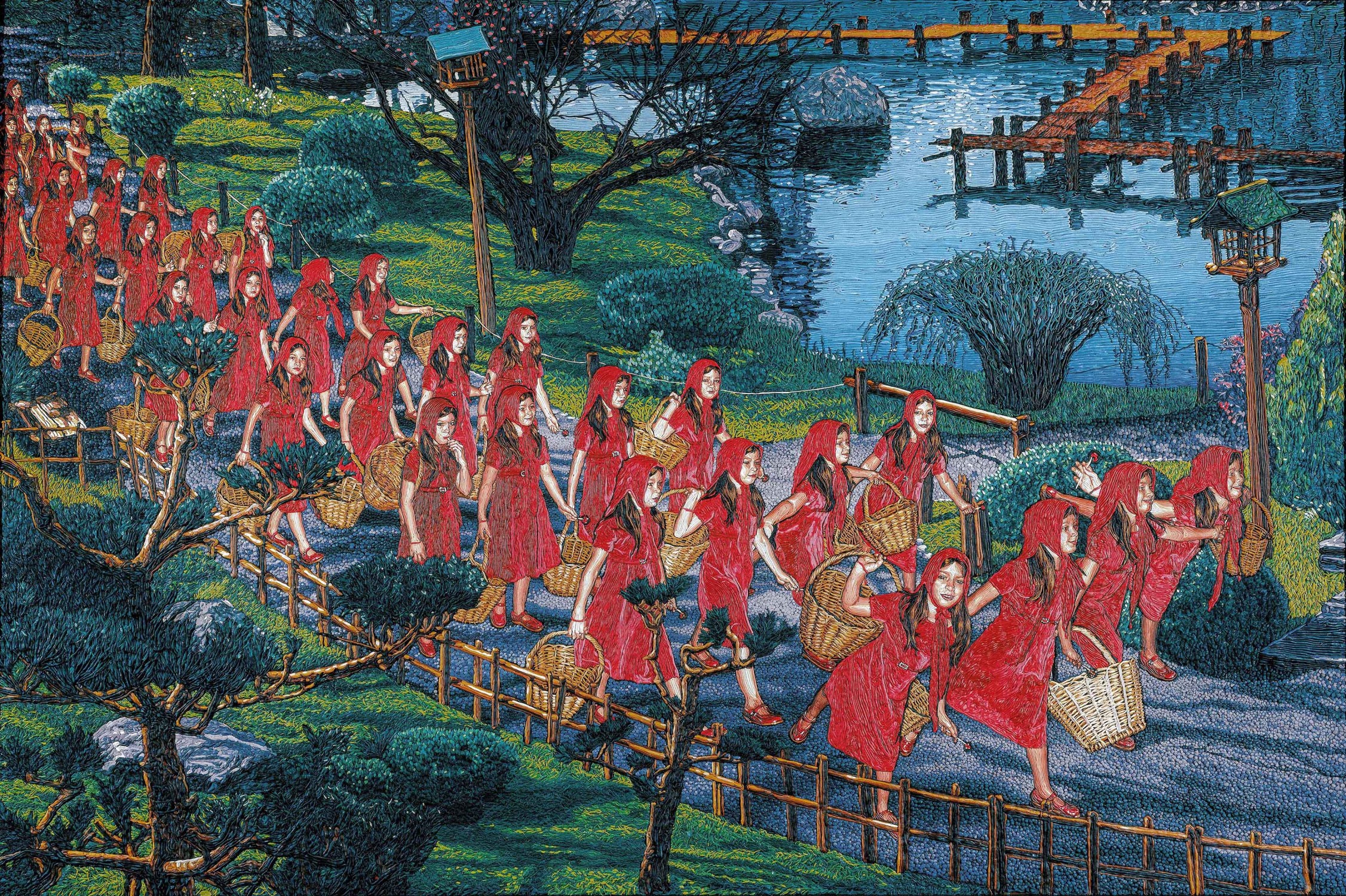
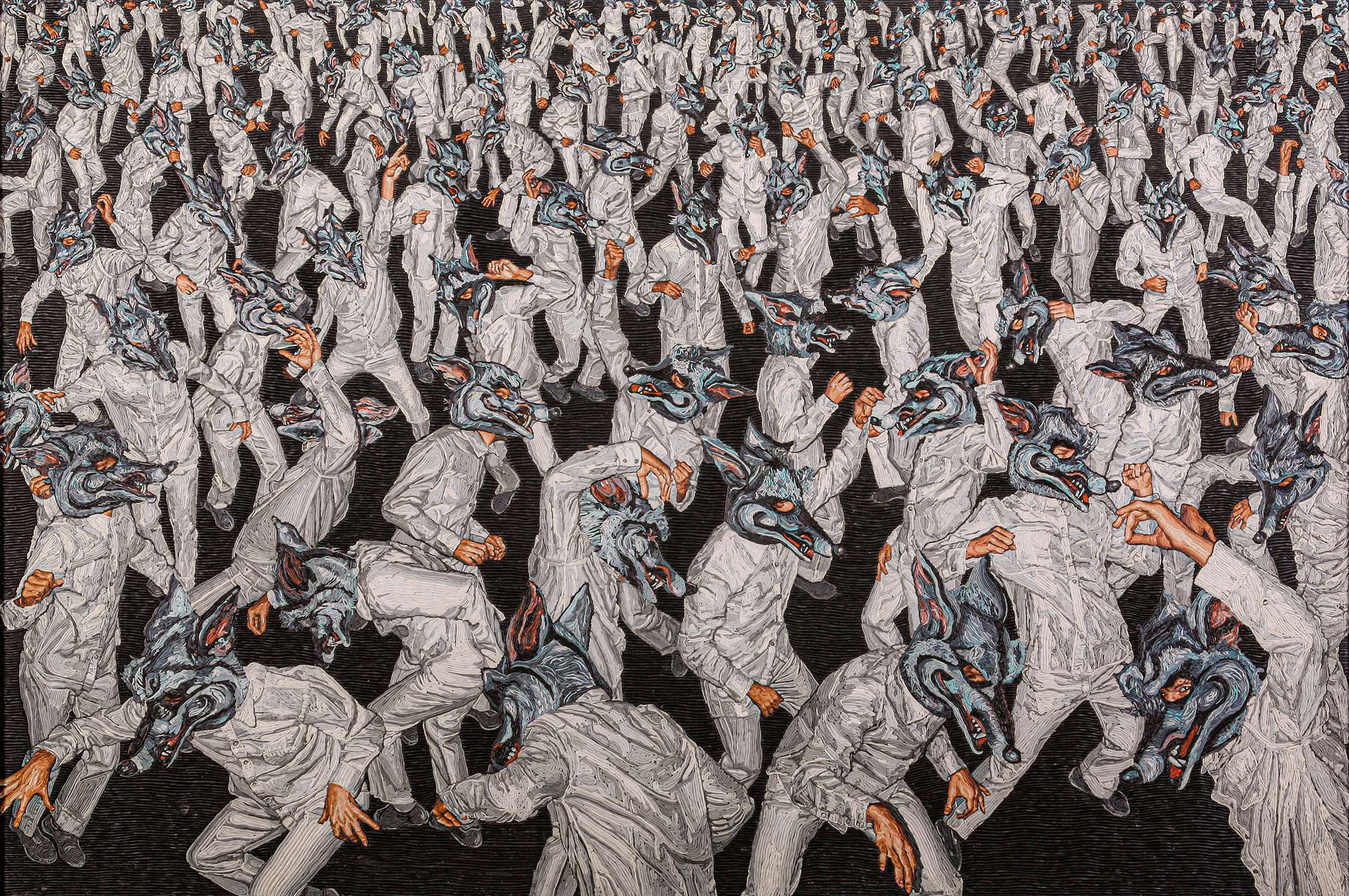
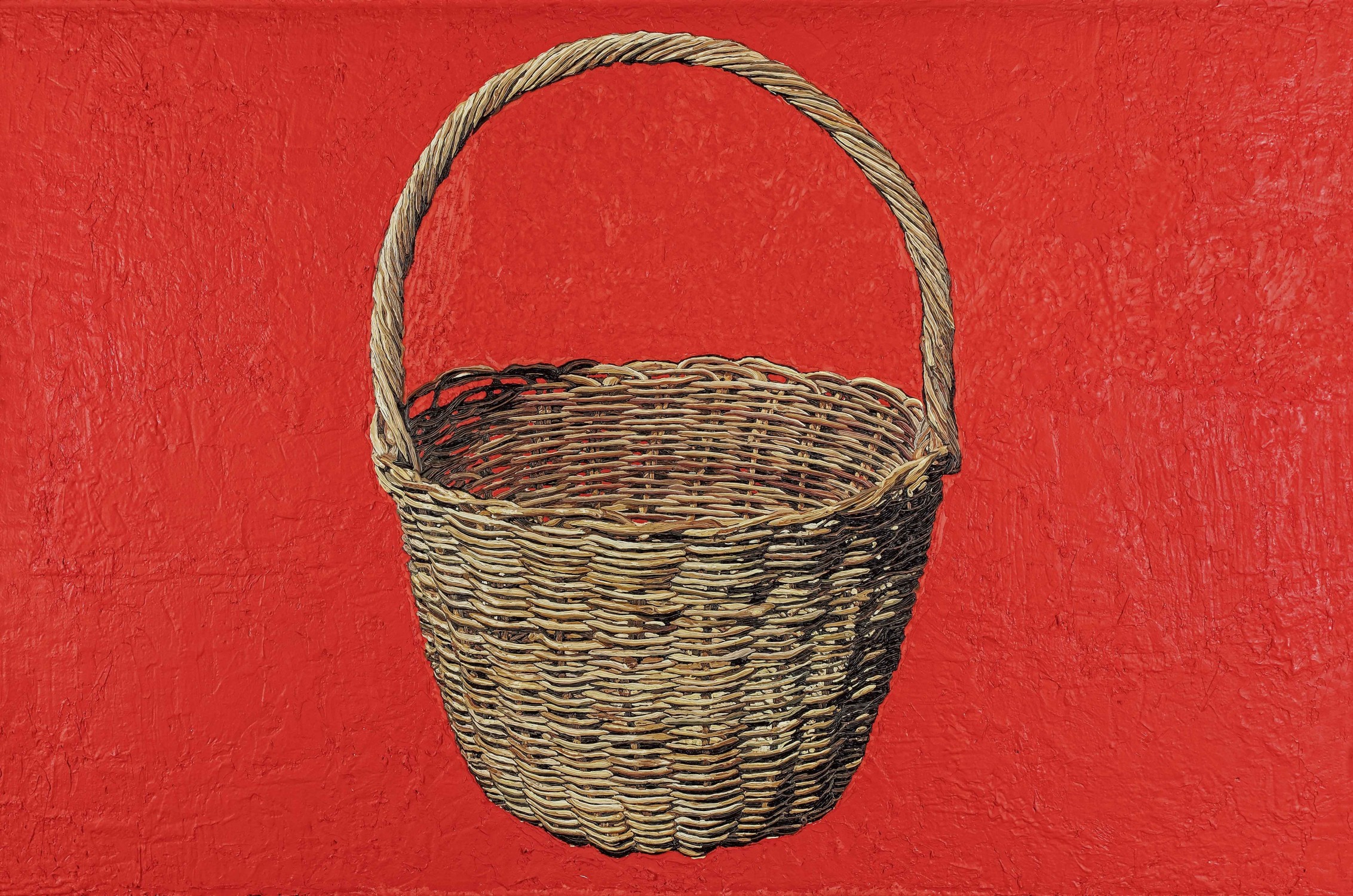
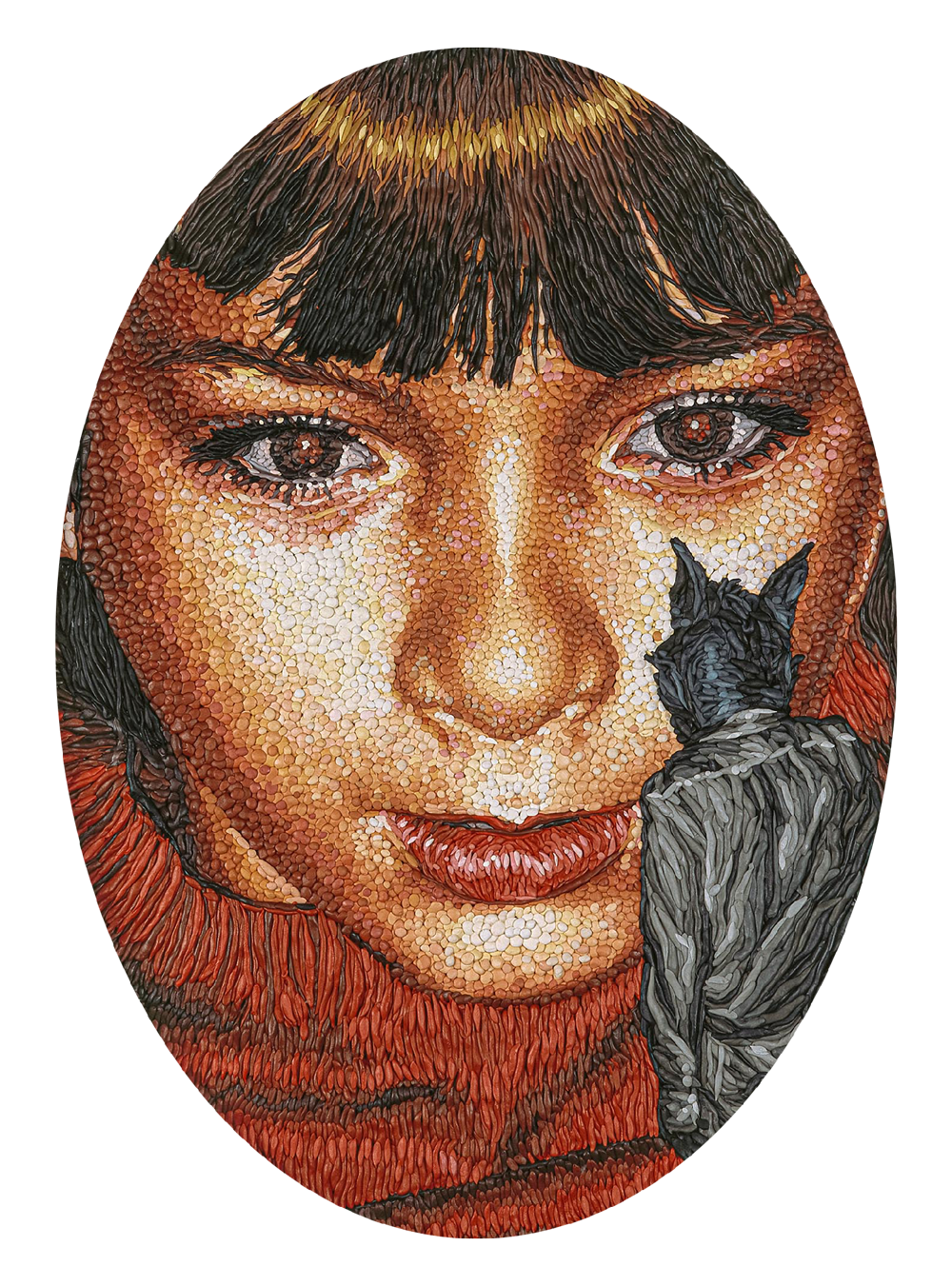
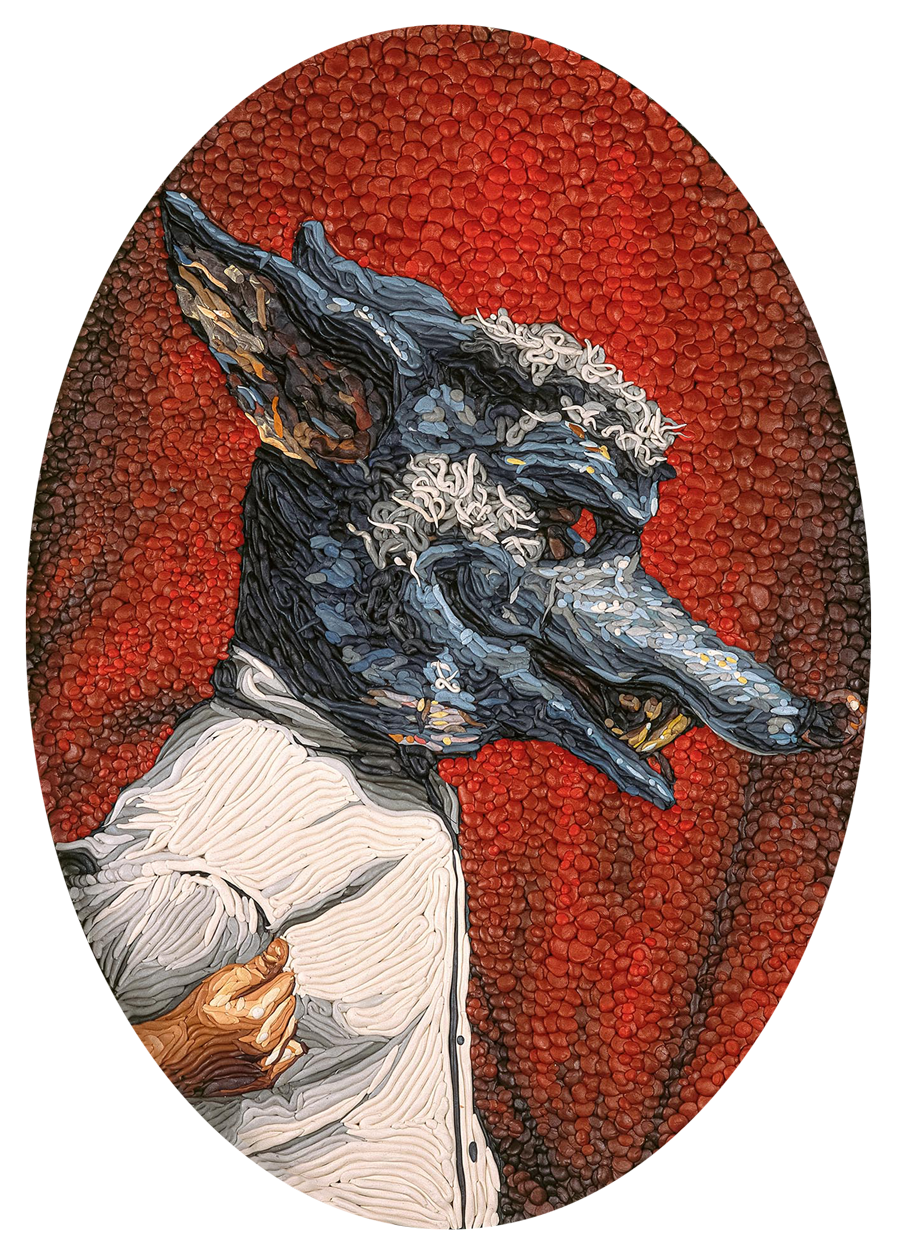
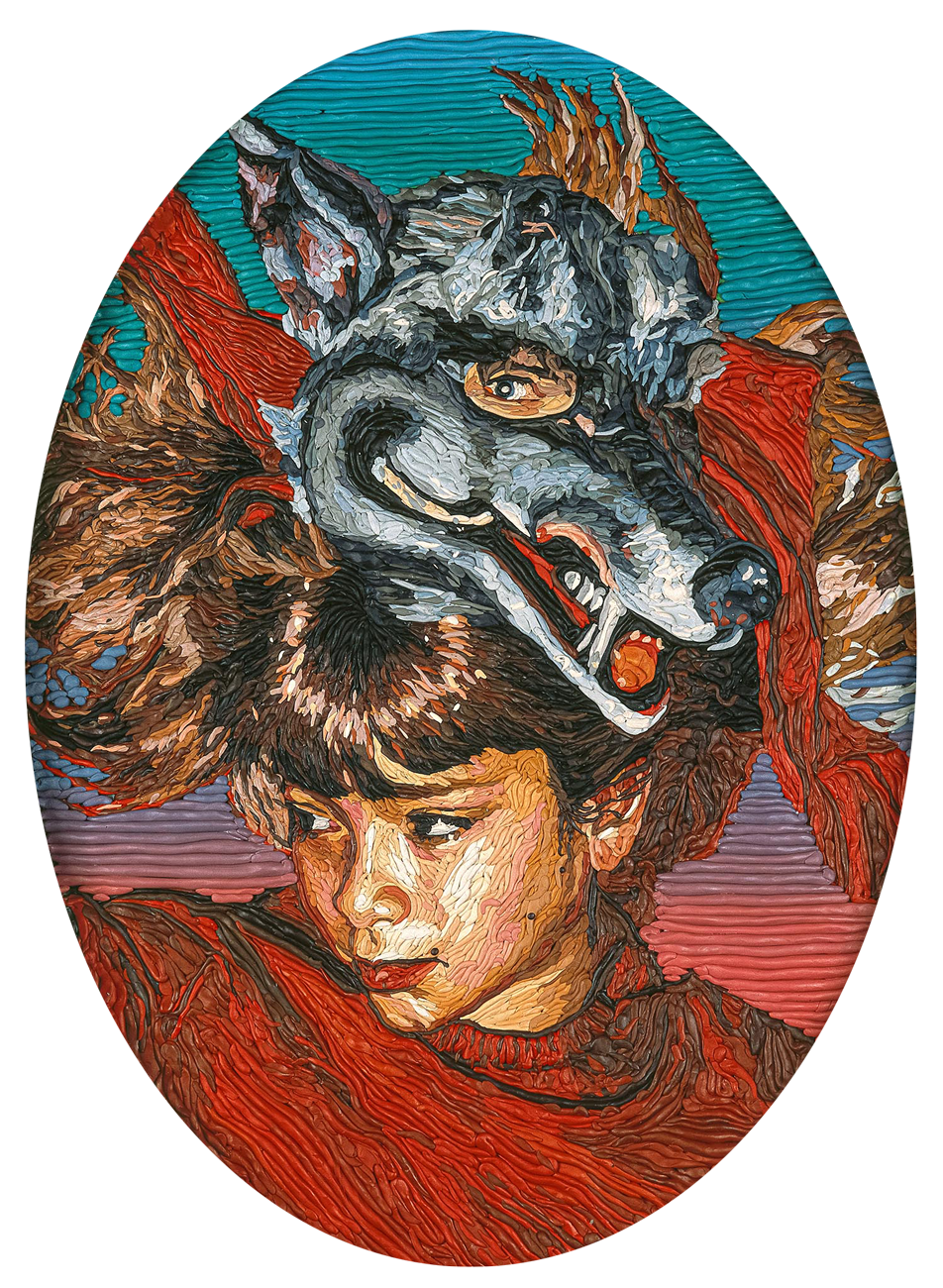
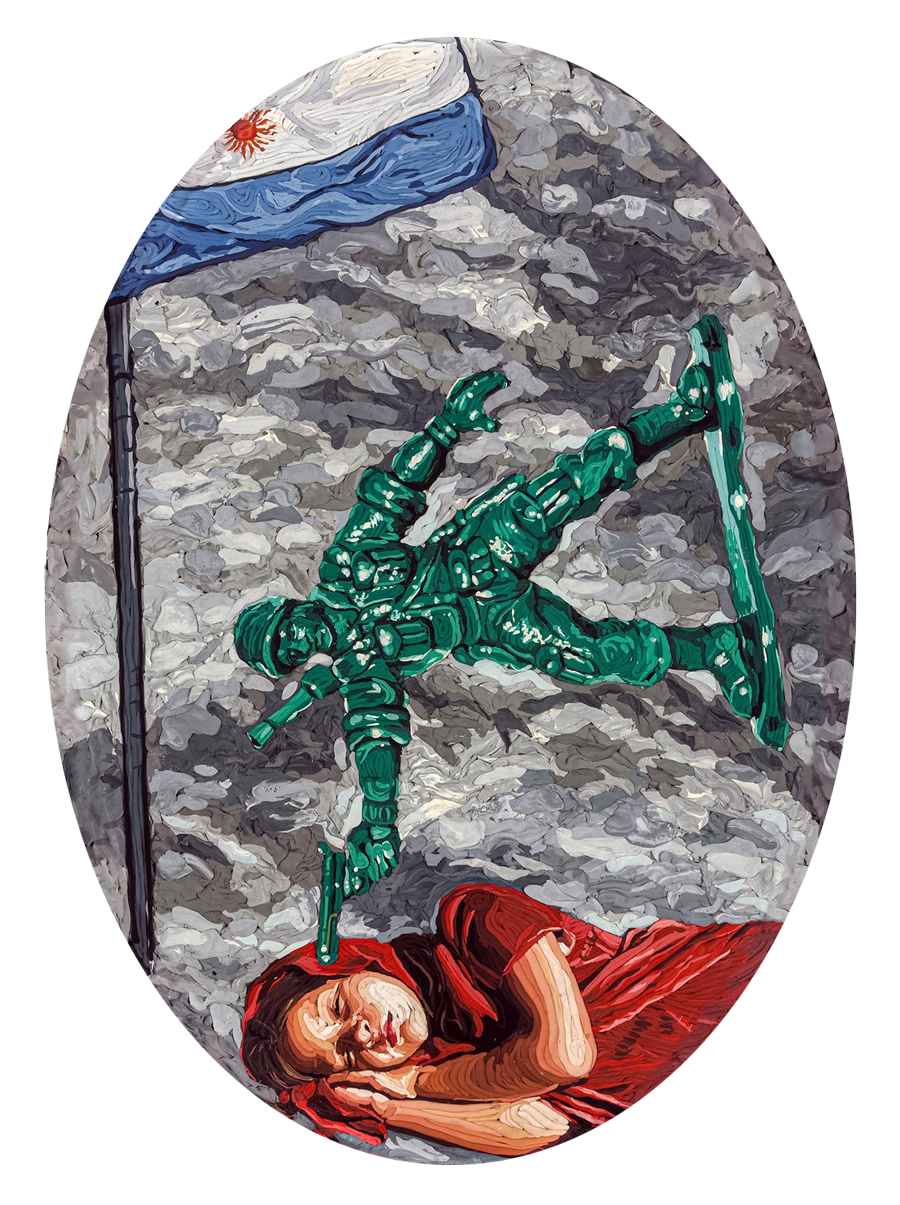
Equally significant is the series around Little Red Riding Hood, which has grown over the years. I have written about this work on several occasions: it lends itself to multiple readings. It is a contemporary version of a fairy tale in post-Freudian times when no one believes in the possibility of such delicate innocence. Mondongo's narrative chooses to generate images in various directions, like threads of discourse, maintaining the characters but not necessarily the narrative cores of the tale, as if to link the world in a whole that is hurried and skeptical. There is palpable erotic tension in the relationship between the wolf and the girl, and there is also a real paternal affection in which we try to believe but ultimately cannot. It is more of a desperate prelude, the tension of trying to keep things at bay. The wolf is lurking, and when a whole avalanche of Little Red Riding Hoods appears on the bridge, they all seem like girls on their way to the gallows.
The playful alteration of our accepted forms of discourse and understanding, characteristic of much of Mondongo's work, creates situations in which the play of irony as structure disrupts the content. Mondongo knows, asserts, intuits, or simply wonders if contemporary life might not be an incipient form of brain damage or the vulgar consequences of an uncontrolled, blind disease. What this series proposes is not so much a visual interpretation but an imaginative one. I recall something that Jerome Klinkowitz wrote about Donald Barthelme, an author I have often associated with Mondongo's work. Klinkowitz suggests that the images or vignettes that form a novel (or, in this case, a pictorial series) are “not so much conventional arguments in the dialectic of form, but rather imaginative volcanoes, radical measures to salvage certain experiences that might otherwise erode without the loss of our traditional standards.” In this sense, he [Barthelme] is counter-revolutionary, as he opposes the new language of technology and manipulation with the defense of interests and imagination that seem old-fashioned. In a new world, old values must be expressed in a new form. In inconsequential and irrational times, Barthelme’s forms reestablish the values of imagination: the rescue is accomplished with the finest attention to art.
Obviously, it is difficult to pinpoint what these “values of imagination” are, but in the case of Mondongo, they are partly psychological and partly sociocultural. His version of Little Red Riding Hood is narrated by one of the protagonists, both an omniscient narrator and a tacit subject. One of the problems of our world is the attempt to imagine something better than the text in which we are included. I suspect we are all waiting for rescue. We all have to face...
—Kevin Power, 2010